The One Thing Michigan Gardeners Should Do To Coneflowers Right After They Finish Blooming Or Next Year Is Weaker
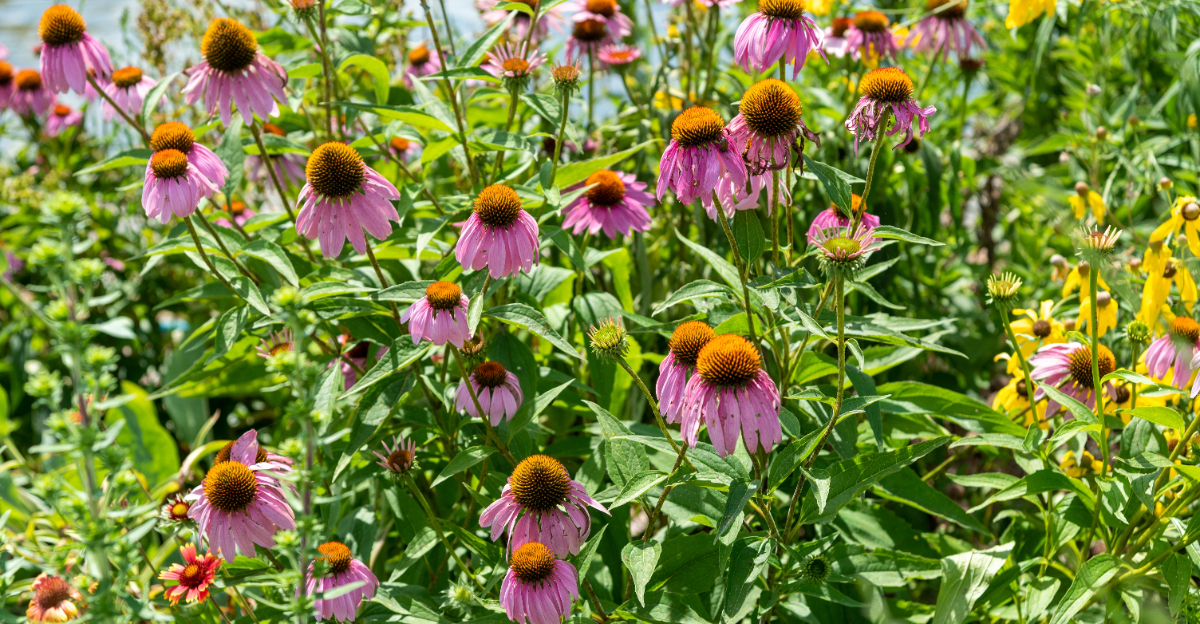
Right after those coneflowers finish blooming, most Michigan gardeners just walk away. That single choice quietly decides if next summer’s patch bursts with color or limps along with half the flowers.
There’s one overlooked task that separates a thriving coneflower bed from a struggling one, and Michigan’s growing season leaves only a narrow window to handle it. Miss that window and you’re waiting another full year for a redo.
This isn’t about tidying up spent flowers or calling the season done. It’s wrapped up in a handful of specific moves, timed correctly, that reset the plant’s energy for spring.
Ignore them and the patch usually shows fewer blooms, weaker stems, and thinner clumps each year. Handle them properly and next season’s display could be the best one yet.
Dividing Overcrowded Clumps Is The Key Step
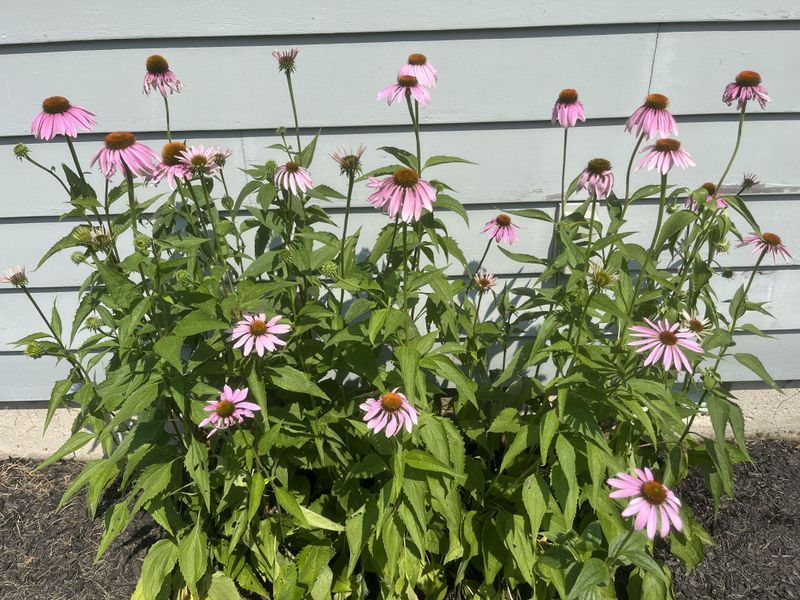
Crowded roots are quiet troublemakers. When coneflowers pack together too tightly, they compete for water, nutrients, and light.
That competition is exactly why your blooms get smaller and fewer each season. Dividing overcrowded clumps is the single most powerful thing Michigan gardeners can do after coneflowers finish blooming.
Think of it like rearranging furniture in a cramped room. Everyone breathes easier once there is space to move.
When you split a clump, each new division gets its own fresh territory. Roots spread out, soak up more food, and store extra energy before winter hits.
That stored energy is what fuels a spectacular bloom show the following summer. Skipping this step is one of the main reasons patches decline after three or four seasons.
Gardeners who divide every two to three years consistently report fuller, brighter, and longer-lasting blooms. The process does not require fancy tools or expert skills.
A sturdy garden fork and a sharp spade are all you need. Slice through the clump, lift the sections, and shake off the loose soil.
Each piece should have several healthy shoots and a solid chunk of root attached. Toss any mushy or hollow sections into the compost bin.
Fresh divisions planted in good soil bounce back fast. By spring, you will barely notice they were ever disturbed, and by midsummer, the results speak for themselves.
Signs Your Coneflowers Have Outgrown Their Space
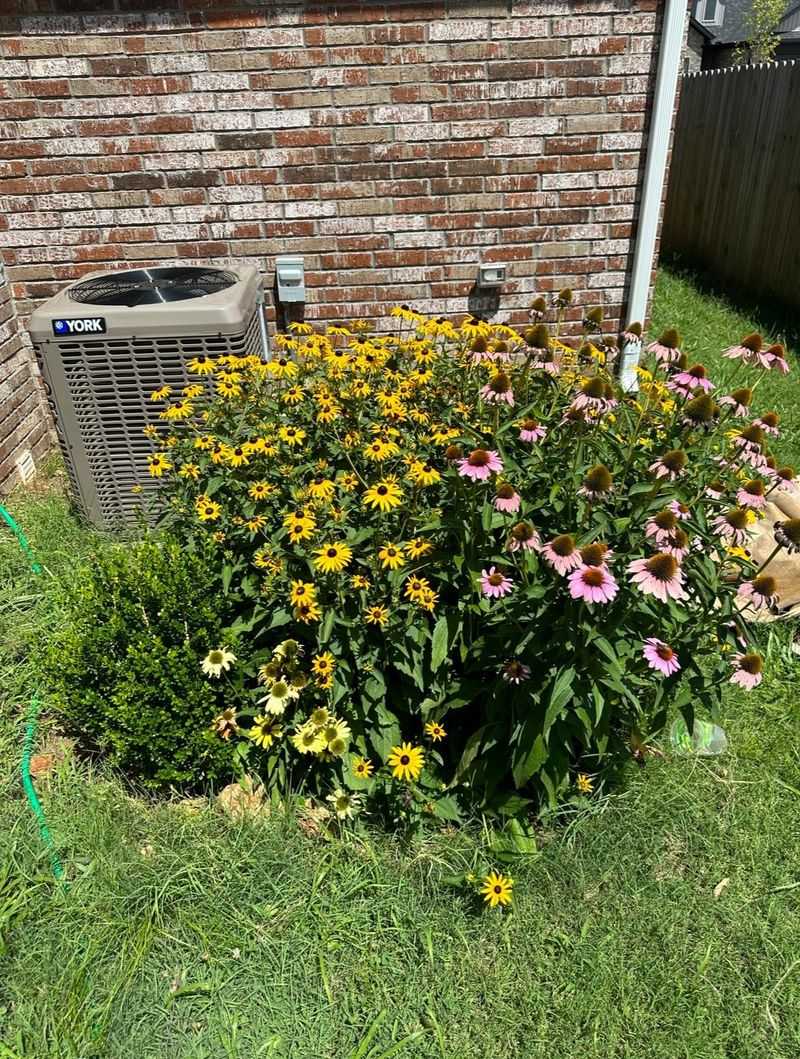
Your plants are telling you something, and the signs are easy to spot. Fewer blooms is the first red flag most gardeners notice.
When a healthy coneflower patch suddenly produces half the flowers it did two years ago, overcrowding is usually the culprit. Thin, weak stems that flop over in summer rain are another giveaway.
Strong, well-spaced plants stand upright on their own. Flopping stems signal that roots are fighting for resources underground.
Look at the center of the clump next. An older patch often develops a woody center with green growth only around the outer edges.
That hollow middle is a classic sign the plant has exhausted the soil directly beneath it. The outer shoots are reaching outward because that is where the fresh nutrients still are.
Your Michigan Garden Changes Every Week. Your Plan Should Too.
Gardening in Michigan changes quickly throughout the season. Every Friday you’ll receive a simple weekly plan showing exactly what to plant, prune, fertilize, harvest, and protect so you never miss the right timing.
Smaller flower heads are also a telling clue. Blooms that once measured three inches across may shrink to barely an inch when crowding gets severe.
Check the soil surface around the base of the plant. Roots pushing up above the ground mean the clump is maxed out on space.
Yellowing leaves in midsummer, without any drought stress, can also point to root competition. Plants sharing the same small patch of soil simply cannot feed everyone properly.
Catching these signs right after blooming ends gives you the perfect timing to act. Waiting until next spring means losing another full growing season to weak performance.
The Best Window For Dividing In Michigan

Timing is everything in a Michigan garden. The state’s unpredictable weather makes choosing the right window critical for dividing success.
Early September is the sweet spot most experienced gardeners aim for. Soil is still warm enough to encourage root growth, but air temperatures have started to cool down.
That combination gives divisions time to settle in before the ground freezes. Aim to finish dividing at least four to six weeks before your first hard frost.
In most parts of Michigan, that means wrapping up by early to mid-October at the latest. Southern parts of the state have a slightly longer window, while northern areas need to move faster.
Avoid dividing during a heat wave, even in early fall. Stressed plants split during hot, dry spells struggle to recover before winter arrives.
Pick a cloudy day or work in the early morning hours when temperatures are comfortable. Cooler conditions reduce transplant shock significantly.
Water the clump deeply the day before you plan to divide. Moist soil clings to roots better and makes the whole process gentler on the plant.
Do not wait until leaves are fully brown and withered. By then, the plant has pulled most of its energy into the roots, and you lose the visual guides that help you find healthy sections.
Acting right after blooming ends keeps you inside that ideal window. Michigan gardeners who nail this timing see noticeably stronger growth the following spring.
Digging Up And Separating The Root Clump
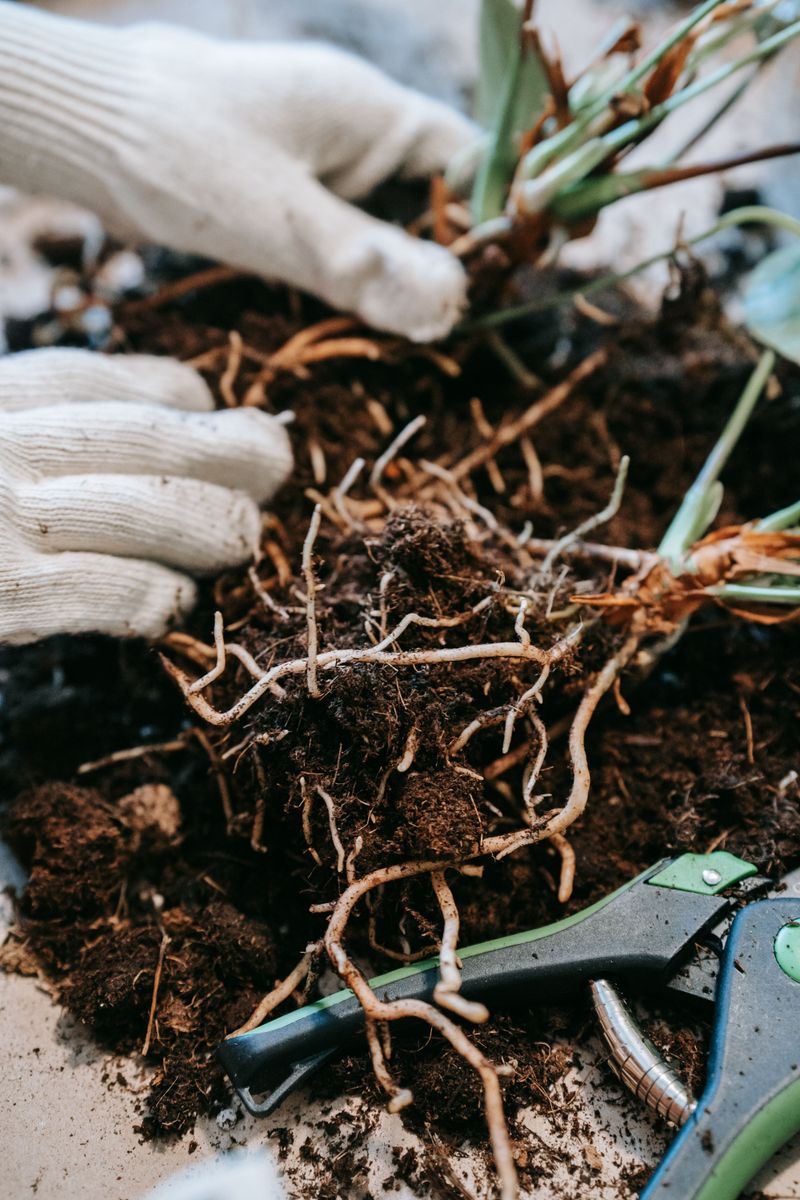
Roll up your sleeves because this is the hands-on part. Start by cutting a wide circle around the clump, about eight to ten inches from the main stems.
Push the garden fork deep and work around the full perimeter before prying upward. Rushing this step breaks roots that you want to keep intact.
Once the clump lifts free, drag it onto a tarp or move it to a flat workspace. Getting the clump off the ground makes separating sections much easier on your back.
Shake or wash off excess soil so you can see the crown structure clearly. Coneflowers grow in a tight, fibrous mass, and identifying individual crowns takes a moment.
Use a sharp spade or a large knife to slice through the clump. Each division should include at least two or three healthy crowns with attached roots.
Smaller pieces tend to struggle through their first winter in Michigan’s cold soil. Slightly larger divisions establish faster and bloom more reliably in year one.
Inspect each piece before setting it aside. Firm, white, or tan roots are healthy, while black, mushy sections should be removed.
Work quickly once the clump is out of the ground. Exposed roots dry out faster than most gardeners expect, especially on a breezy fall afternoon.
Keep divisions in a shaded spot and mist them lightly if replanting is delayed. Healthy roots going into the ground equal strong coneflowers next season.
Replanting Divisions For Stronger Growth
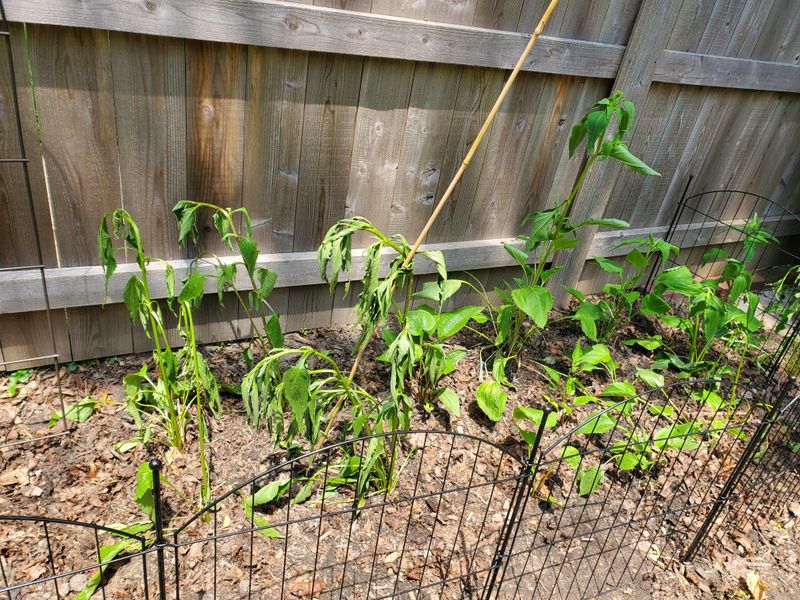
Fresh divisions need a good home fast. Prepare the new planting area before you even lift the original clump out of the ground.
Loosen the soil to about twelve inches deep and mix in a few inches of compost. Coneflowers are tough plants, but they reward well-prepared soil with noticeably stronger stems and bigger blooms.
Space divisions eighteen to twenty-four inches apart. That gap feels generous now, but those plants will fill the space within two growing seasons.
Set each division so the crown sits right at the soil surface, not buried too deep. Planting too deep is one of the most common replanting mistakes, and it slows establishment significantly.
Firm the soil gently around the roots to eliminate air pockets. Air pockets cause roots to dry out underground, which undermines all the work you just put in.
Water each division thoroughly right after planting. Consistent moisture over the first two to three weeks helps roots anchor into the surrounding soil before frost arrives.
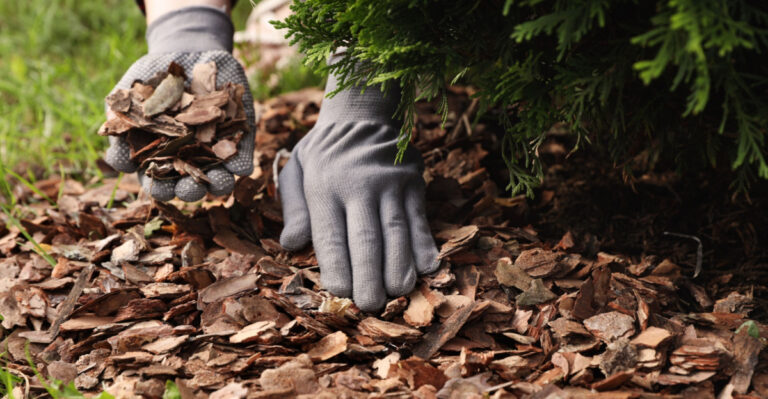
Apply a two to three inch layer of mulch around each plant, keeping it away from the crown itself. Mulch holds soil moisture and moderates temperature swings during Michigan’s unpredictable fall weather.
Skip heavy fertilizer at this stage. A light application of balanced, slow-release fertilizer is plenty, and too much nitrogen pushes leafy growth instead of root development.
Roots that go dormant well-anchored and well-fed wake up in spring ready to deliver a genuinely impressive bloom season.
Other Fall Tasks That Support Next Year’s Blooms

Dividing is the headline act, but fall has a few supporting roles worth playing too. Removing spent flowers right after blooming is a quick task with a real payoff.
Removing faded blooms stops the plant from pouring energy into seed production. That saved energy goes straight into root reserves instead, which fuels stronger growth next spring.
Leave a few seedheads standing on purpose, though. Goldfinches and chickadees love picking through coneflower seedheads during Michigan’s cold months.
Those birds are a bonus, and the seedheads also add winter texture to an otherwise bare garden bed. Cutting everything down flat is not necessary and actually removes a small but meaningful habitat resource.
Check your soil pH before the season closes completely. Coneflowers perform best in soil with a pH between six and seven, and fall is a great time to add lime if your reading is too acidic.
Pull any weeds that snuck in during the busy summer season. Weeds left over winter drop seeds and create a bigger problem to solve in spring.
Top-dress the bed with a thin layer of compost after cleanup is done. That layer breaks down slowly over winter and feeds the soil just in time for spring root activity.
Every small task you complete now is an investment in next summer’s garden. Michigan gardeners who finish strong in fall are usually the ones bragging about their coneflowers come July.