The Best Raised Garden Bed Material For Wyoming’s Harsh Winters
Winters here don’t go easy on you. Frost pressures concrete, weakens fence posts, and overwhelms weak beds. Nothing flimsy lasts through a Wyoming winter you didn’t prepare for.
You need a bed engineered for endurance, not decoration. Something out there gives you real strength, season after season. Rust-resistant coatings handle snow, wind, and sudden temperature shifts.
Gardeners from Cheyenne to Jackson Hole are already making the switch. Every frame holds its shape while temperatures shift wildly around you. Roots stay insulated, drainage stays sharp, and harvest never stalls.
Wyoming demands durability, and it rewards you for listening. Cold snaps that weaken timber barely touch what protects you. Wind gusts strong enough to shake windows leave beds untouched.
Soil inside stays warmer, giving your roots a real head start. Nobody wants to rebuild a garden bed every single spring. Here’s the truth for you: something wins, and waiting isn’t an option.
Why Wood And Concrete Fall Short In Wyoming
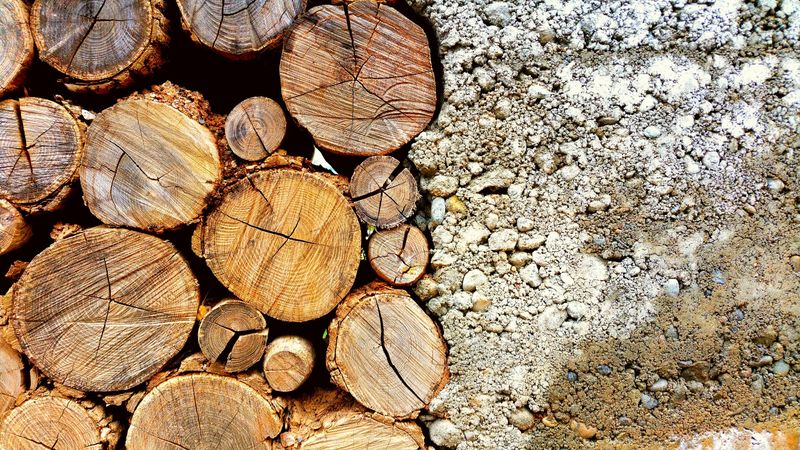
Wood sounds like a natural fit for garden beds, but Wyoming has other plans. Harsh freeze-thaw cycles crack and split boards faster than you can replace them.
Untreated lumber soaks up moisture and begins rotting within two to three seasons. Even pressure-treated wood struggles when temperatures swing from 70 degrees to well below freezing in a single week.
Concrete blocks are cheaper per unit but require more labor to install and are difficult to move, which can complicate future garden redesigns. Shifting soil and ice expansion push blocks out of alignment, leaving gaps that let pests sneak right in.
Both materials also absorb and hold cold temperatures, which slows soil warming in spring. That matters a lot when your growing season is already short.
Wood requires annual sealing, staining, or replacement of damaged boards. Concrete needs mortar repairs and is nearly impossible to reconfigure once set.
Neither material offers the flexibility a Wyoming gardener needs when conditions change. Galvanized steel raised beds sidestep all of these problems with a design that works with the climate, not against it.
When you factor in replacement costs and labor, wood and concrete become expensive choices over time. Switching to a more resilient material can be a smart investment for long-term success.
Galvanized Steel As The Rustic Alternative
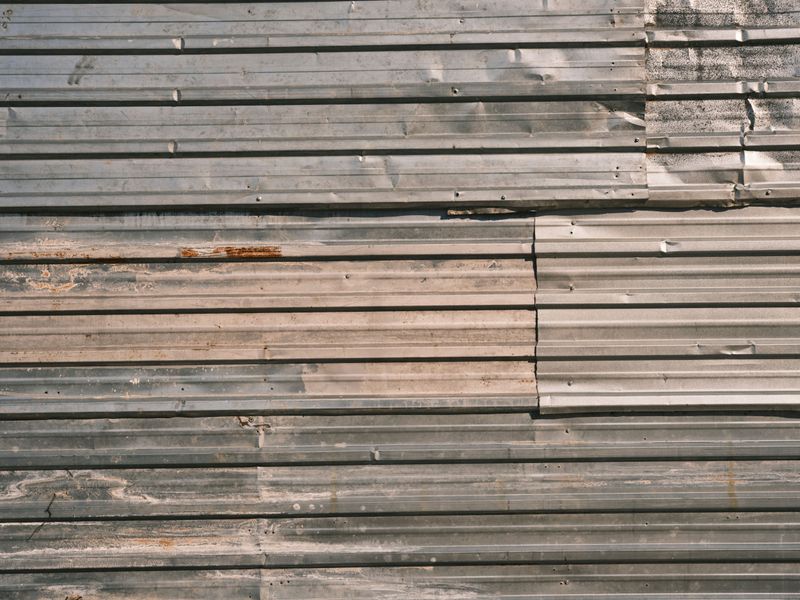
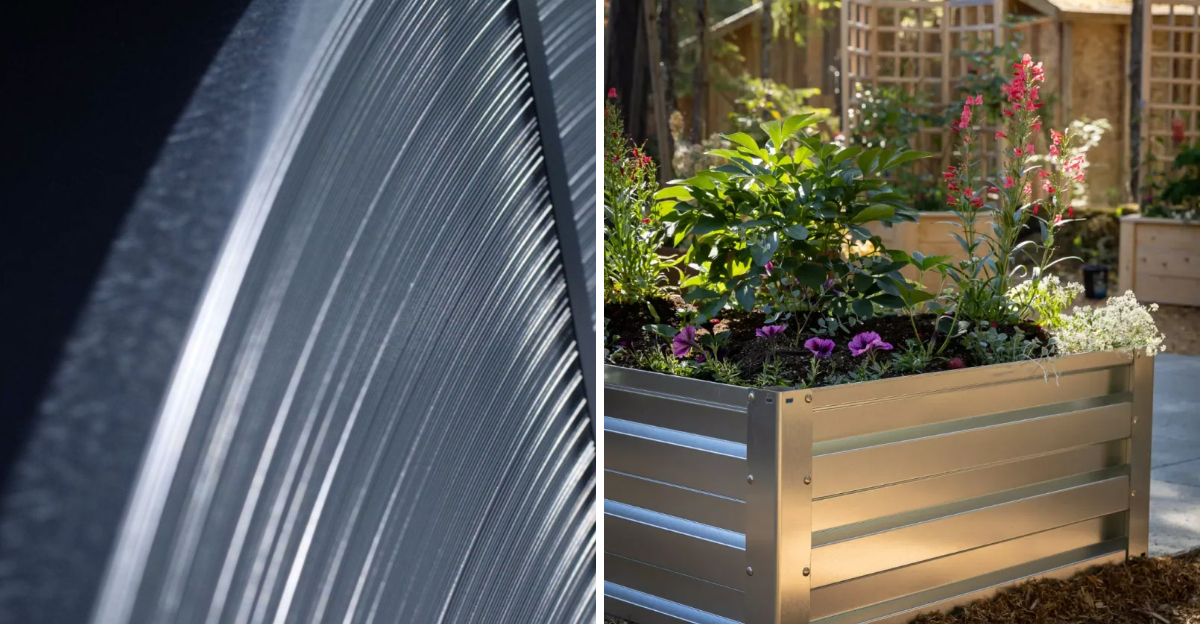
There is something satisfying about a material that looks great and works even harder. Galvanized steel raised beds bring a clean, industrial-rustic charm that fits Wyoming landscapes perfectly.
The zinc coating on galvanized metal acts as a shield against rust and corrosion. That protective layer means the steel underneath stays strong through rain, snow, and temperature swings.
Unlike wood, steel does not warp, splinter, or swell when wet. The panels hold their shape season after season, keeping your bed walls tight and your soil contained exactly where you want it.
Galvanized steel also heats up faster in the morning sun, which warms your soil earlier in the season. For Wyoming gardeners chasing every possible growing day, that extra warmth is a genuine advantage.
The rustic silver-gray finish weathers beautifully over time, developing a patina that looks intentional and earthy. Paired with native stone paths or wooden trellises, these beds look like they belong in the landscape.
Many raised garden beds made from galvanized steel come in modular kits, making setup straightforward. You can expand, rearrange, or move them without any special tools or heavy machinery.
Choosing galvanized steel is both a practical decision and a style choice that tends to hold value over multiple seasons. Once your bed is in place, the only thing left to do is grow something amazing.
How It Holds Up Against Freeze-Thaw Cycles
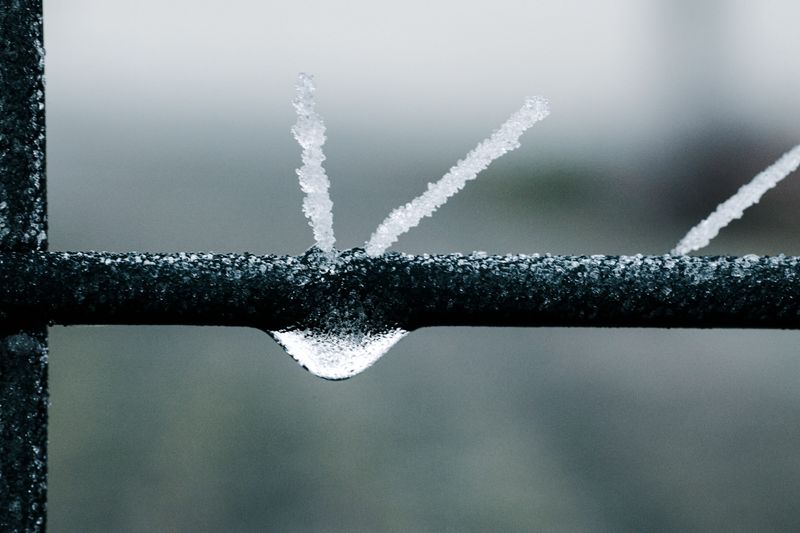
Freeze-thaw cycles are one of the most destructive forces a garden structure faces. Water gets into tiny cracks, freezes, expands, and tears materials apart from the inside out.
Galvanized steel does not have pores or gaps for water to enter. The smooth, sealed surface lets moisture run off cleanly, leaving nothing behind to freeze and cause damage.
When temperatures drop well below freezing, steel contracts slightly but springs right back as things warm up. That flexibility is built into the metal itself, requiring minimal maintenance from you.
Wood, by contrast, absorbs moisture before the freeze and cracks as ice forms inside the fibers. After just a few hard winters, boards begin to look and act like they are falling apart.
Steel panels also resist the ground movement caused by frost heaving. While soil shifts and pushes up beneath your bed, the rigid frame holds its position without buckling.
This stability protects your soil structure and the root systems of perennial plants or overwintering crops. Consistent walls mean consistent growing conditions, which plants absolutely love.
Many gardeners in high-altitude areas report using galvanized beds for a decade or more without structural issues, though individual results can vary depending on installation and conditions.
Freeze-thaw resilience is not a bonus feature with galvanized steel, it is a core strength that makes it the right call for raised garden beds in Wyoming.
Durability Against Wind, Pests, And Rot
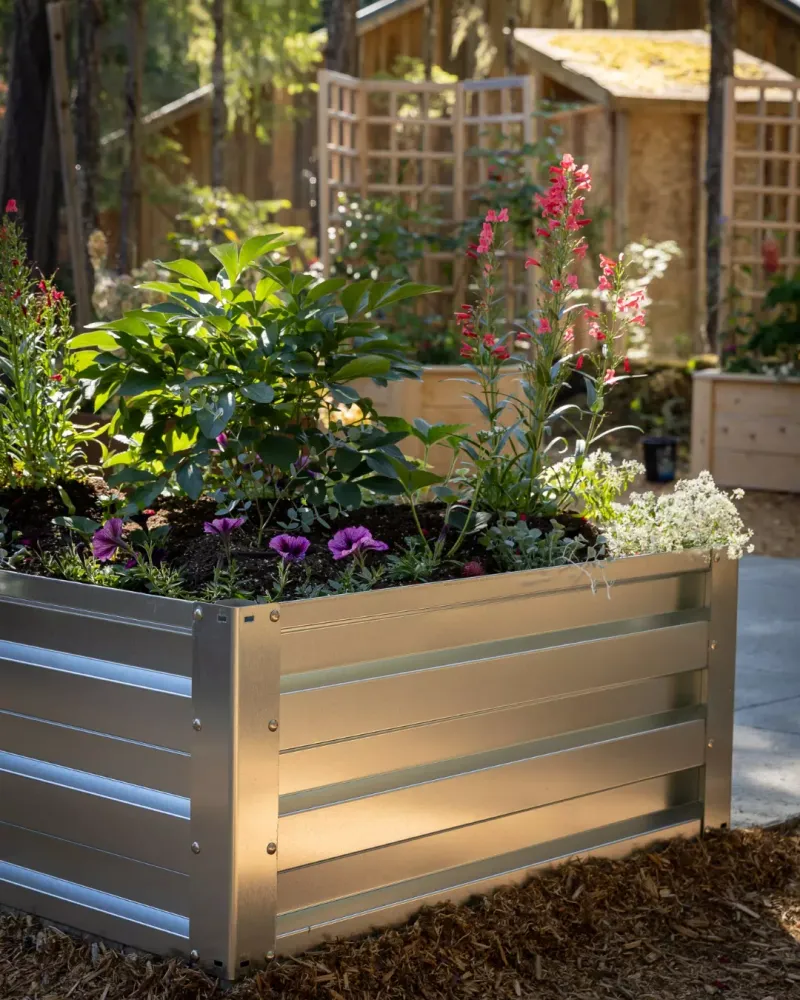
Wyoming experiences some of the strongest sustained winds in the country, with gusts in exposed areas sometimes exceeding 60 miles per hour, which can damage flimsy garden structures.
Galvanized steel raised beds are heavy enough to stay grounded and rigid enough to resist bending. They do not rattle, shift, or blow apart the way lightweight plastic or thin wood panels can.
Pests are another story entirely with traditional materials. Termites, carpenter ants, and wood-boring beetles readily infest soft, untreated lumber, especially in moist soil conditions.
Steel offers nothing for insects to chew through or nest inside. The solid metal walls create a clean boundary that bugs simply cannot penetrate or colonize.
Rot is completely off the table with galvanized steel. There is no organic material to break down, no fiber to absorb moisture, and no surface that welcomes fungal growth.
Even in shaded or low-drainage areas where wood would turn soft and dark within a season, steel holds firm. The zinc coating handles whatever moisture the environment throws at it.
Some gardeners add a hardware cloth bottom to their galvanized beds, which keeps burrowing rodents out while allowing drainage. That combination creates a nearly impenetrable growing environment.
When you build with galvanized steel, you are not just planting a garden, you are making a long-term investment that holds its ground no matter what Wyoming sends your way.
Tips For Setting Up A Metal Raised Bed
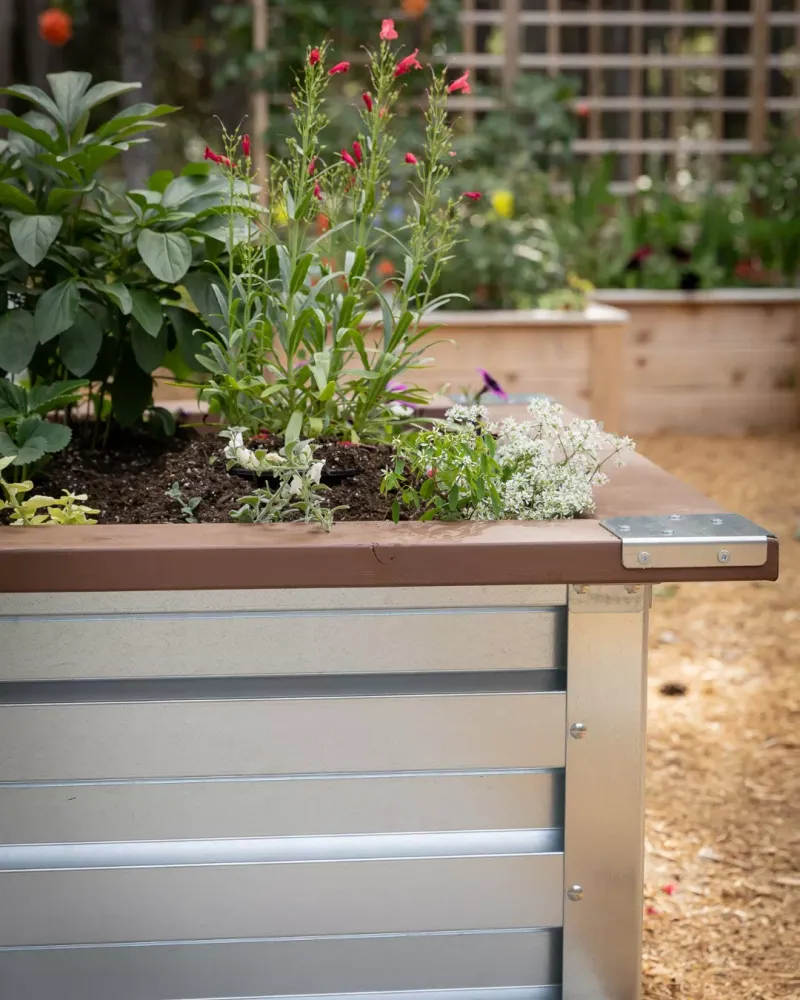
Setting up a galvanized steel raised bed is genuinely one of the easier garden projects you can tackle. Most kits arrive with pre-drilled panels, bolts, and corner posts that snap together without a single power tool.
Start by choosing a spot that gets at least six hours of direct sunlight daily. In Wyoming, south-facing locations warm up fastest and stay productive the longest.
Level your ground before placing the frame, even if it takes a few minutes with a shovel. A level base keeps the walls straight and prevents soil from pushing unevenly against one side.
Line the bottom with cardboard or landscape fabric before adding soil. This smothers existing weeds without chemicals and breaks down naturally over time.
Fill your bed with a quality mix of topsoil, compost, and a bit of coarse sand for drainage. Wyoming clay soils can stay too wet, so good drainage inside the bed matters.
Leave at least a few inches of space between the top of the soil and the rim of the bed. That gap prevents soil from washing out during heavy rain or watering.
Anchor taller beds with corner stakes driven into the ground for added stability in windy spots. A few extra minutes during setup saves a lot of frustration later in the season.
Once your galvanized raised bed is in place and filled, you are just one planting session away from a thriving garden that practically runs itself.
Cost And Longevity Compared To Traditional Materials
Price is always part of the conversation when you are planning a garden build. Galvanized steel beds typically cost more upfront than basic wooden frames, but that comparison only tells half the story.
A standard wooden raised bed might last three to five years before boards need replacing. Factor in the cost of new lumber, sealant, and your own labor, and that cheap wood bed gets expensive fast.
Galvanized steel raised beds can last 20 years or more with minimal maintenance. You buy them once, set them up once, and then simply focus on gardening.
The zinc coating that protects galvanized steel is rated to resist corrosion for decades under normal outdoor conditions. Even in wet climates, the protective layer holds strong year after year.
Some premium galvanized bed kits range from $80 to $300 depending on size and thickness. That investment pays for itself within three to four growing seasons compared to wood replacement cycles.
Concrete blocks are cheaper per unit but require more labor to install and are difficult to move, which can complicate future garden redesigns.
Steel beds retain their value, too. If you ever move, you can disassemble them and take the beds with you, something you absolutely cannot do with concrete.
For raised garden beds in Wyoming, the long-term math strongly favors galvanized steel as the most cost-effective and reliable choice available.
Why Galvanized Steel Is The Best Long-Term Choice
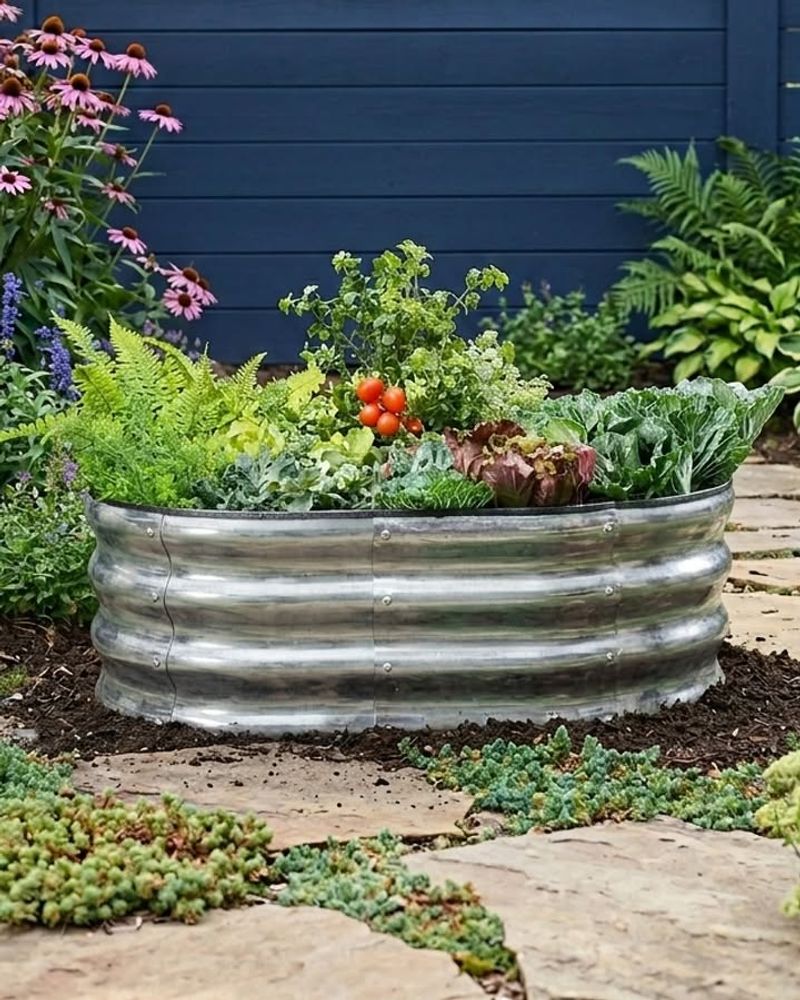
After a full season of growing, the proof shows up in the soil, the plants, and the condition of your bed. Galvanized steel delivers on every promise it makes from day one.
The material handles Wyoming’s extreme temperature swings without flinching. Hot summers, bitter winters, and everything in between simply cannot break down a properly built metal frame.
Your plants benefit from the consistent structure that steel provides. Stable walls mean stable soil, and stable soil means healthier root systems and better harvests season after season.
Maintenance is almost nonexistent once your bed is set up. No sanding, no sealing, no replacing cracked boards mid-season when you should be focused on your tomatoes.
The rustic look of weathered galvanized metal fits well with Wyoming’s rugged, natural aesthetic and often draws positive attention from neighbors.
Galvanized steel is also a more sustainable choice than pressure-treated lumber, which can leach chemicals into the surrounding soil over time. Clean metal means clean growing conditions for your vegetables.
Community gardens and homesteaders across the region have increasingly adopted galvanized raised beds as a reliable option.
For raised garden beds in Wyoming, galvanized steel offers a strong combination of durability, style, affordability, and ease of use.