The Misunderstood Flower That Doubles As Nebraska’s Natural Insect Repellent
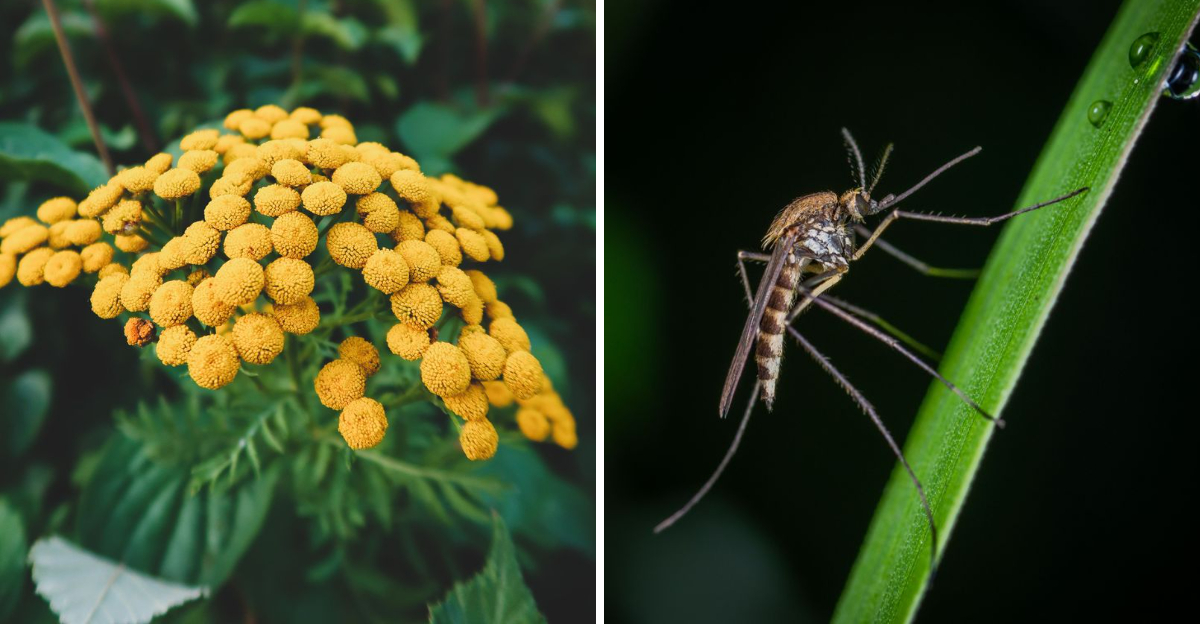
A bright yellow bloom hides a secret Nebraska farmers have trusted for generations. You walk past it constantly, never suspecting its quiet power. Something ancient lingers inside those petals, waiting to be noticed.
Insects flee this plant instinctively, retreating before summer even begins. Scientists still study its unusual chemistry decades after its first surprising discovery.
Nebraska fields seem to favor this mysterious plant relentlessly. Your assumptions about ordinary roadside weeds are about to shift. Pioneers relied on it long before chemical sprays existed.
Bright colors quietly disguise a plant built purely for defense. History remembers this bloom as both remedy and poison. Nobody truly expects a flower to fight this fiercely.
Curiosity now pulls you toward answers you need. Questions about this stubborn plant multiply the longer and closer you look.
Answers are waiting, and they refuse to hide. Nothing about this mysterious flower will ever let you look away.
Why Tansy Gets Mistaken For A Common Weed
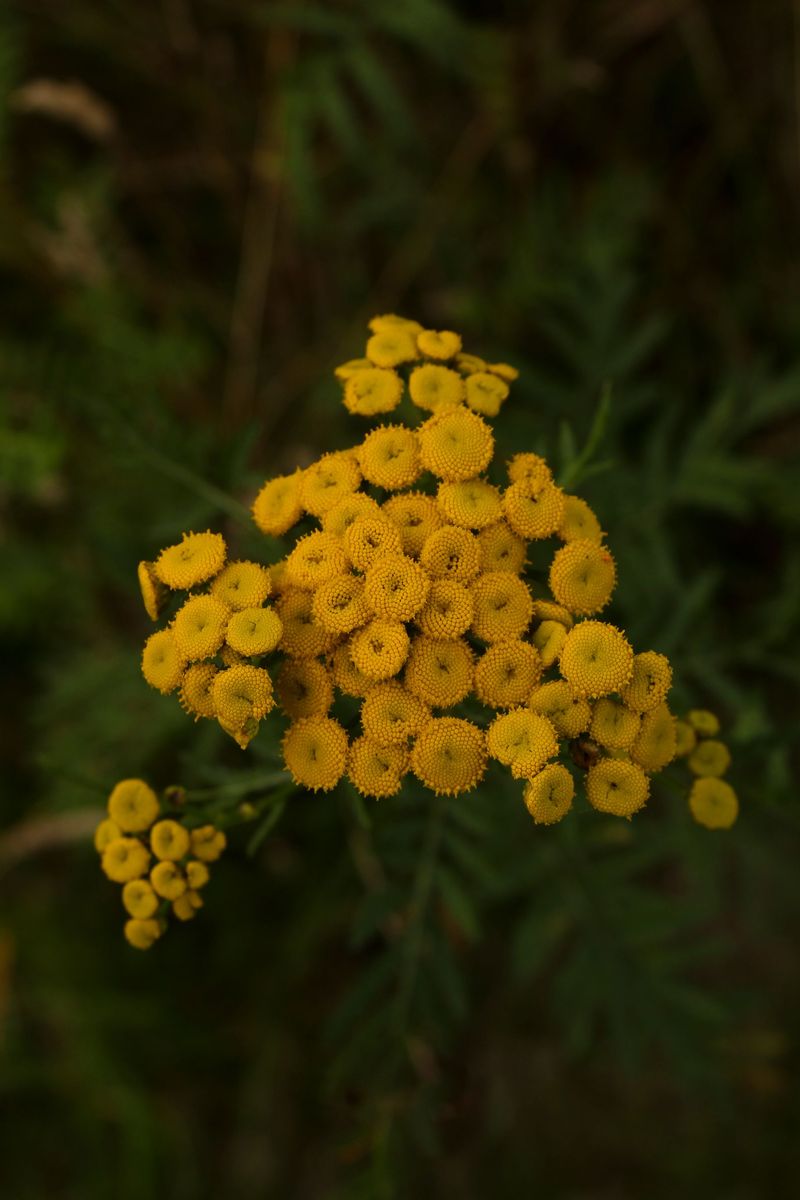
Flat yellow buttons on a tall green stem do not exactly scream “useful plant.” Tansy looks wild and unruly, which is exactly why most people yank it out before giving it a chance.
The leaves are feathery and dark green, almost fern-like in shape. That unusual texture makes it look more like a nuisance than a garden superstar.
Tansy grows fast and spreads easily, which adds to its weedy reputation. A plant that moves quickly through a yard rarely gets a warm welcome from homeowners.
Farmers and gardeners in Nebraska have been pulling it out for generations. They see the rapid growth and assume the worst without checking what the plant actually offers.
The smell is another reason people dismiss it quickly. Tansy has a sharp, camphor-like scent that catches you off guard if you brush against it unexpectedly.
That strong aroma is not a flaw, though. It is actually one of the plant’s most useful traits, and insects are reliably deterred by it.
Tansy also blooms in mid to late summer, right when most gardens look tired. Its cheerful yellow clusters stand out boldly against fading green backdrops.
Once you start recognizing tansy for what it truly is, the whole picture shifts. This misunderstood flower deserves a second look from anyone tired of swatting bugs all summer long.
The Natural Insect-Repelling Properties Behind It
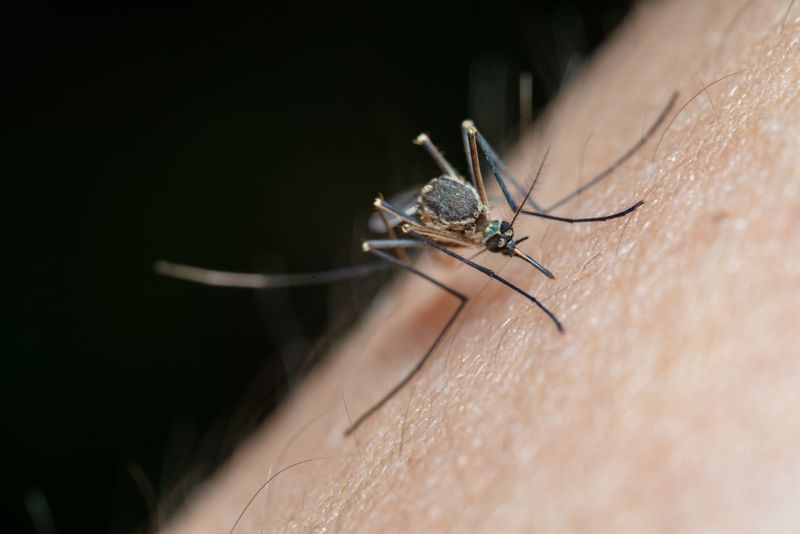
Tansy contains a chemical compound called thujone that insects are strongly deterred by. This natural substance is found in the plant’s leaves, stems, and flowers.
Thujone messes with an insect’s nervous system on contact. Even the scent alone is enough to send mosquitoes, flies, and ants heading in the opposite direction.
Ancient herbalists knew about this power long before anyone had a name for it. They would rub tansy leaves on meat to keep flies away during warm months.
The plant also contains camphor and borneol, two more compounds with serious bug-fighting reputations. Together, these create a natural chemical shield that most insects want no part of.
Your Nebraska Garden Changes Every Week. Your Plan Should Too.
Gardening in Nebraska changes quickly throughout the season. Every Friday you’ll receive a simple weekly plan showing exactly what to plant, prune, fertilize, harvest, and protect so you never miss the right timing.
Some studies suggest that tansy may help repel certain beetles and aphids from garden crops. That makes it a popular companion plant choice for many outdoor vegetable gardens.
Ants are particularly sensitive to tansy’s oils. Placing crushed leaves near entry points can discourage ant trails from forming inside or around the home.
Flies respond strongly to the scent as well. Historically, tansy was placed on windowsills in summer to keep flies from entering kitchens and food storage areas.
Nebraska summers bring heavy insect activity, and tansy offers a chemical-free way to help manage it. Knowing exactly why it works makes it far easier to trust and use confidently around your family and garden.
Where Tansy Tends To Grow Best In Nebraska
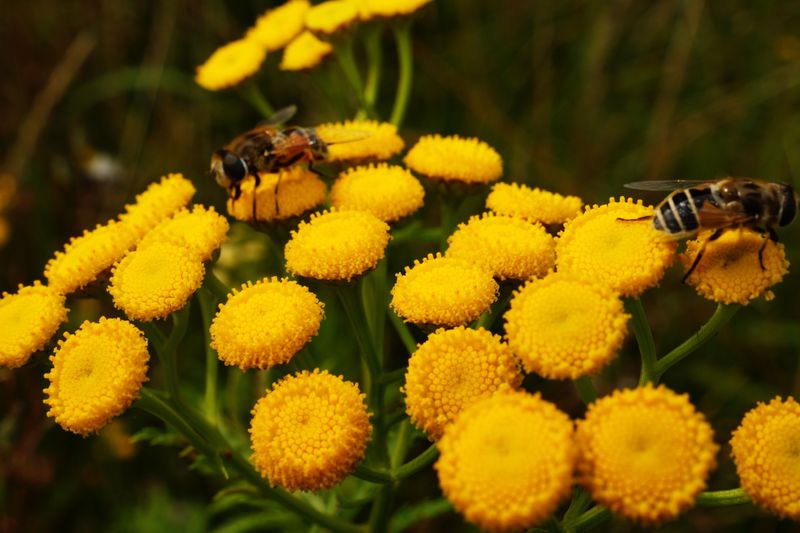
Nebraska’s climate suits tansy surprisingly well, especially in the eastern and central parts of the state. The plant thrives in full sun with well-drained soil and moderate moisture.
You will often spot it along roadsides, creek banks, and field edges across the region. It gravitates toward disturbed ground, which is exactly the kind of terrain Nebraska has plenty of.
Tansy is a perennial, meaning it comes back year after year without replanting. Once it establishes itself in a spot it likes, it tends to stay there for a long time.
The plant handles Nebraska’s dry summer stretches better than many garden flowers. Its deep root system pulls moisture from lower soil layers when the surface dries out quickly.
It does not love heavy clay soil, though. If your yard has thick, compacted earth, amending it with compost before planting will give tansy a much better start.
Various elevations and microclimates across Nebraska also appear to support healthy tansy growth. The plant adapts well to a wide range of conditions as long as drainage stays adequate.
Partial shade is tolerated, but full sun produces the most vigorous plants with the strongest scent. More sun may increase thujone concentration, which can improve the plant’s insect-repelling effect.
Spotting tansy growing wild near your property is actually good news. It means the soil and light conditions in that area are perfectly suited for a thriving natural repellent patch.
How To Use It Around Your Home And Garden
Fresh tansy leaves tucked near doorways and windows work as a simple, low-cost fly barrier. Just replace them every few days as the scent gradually fades in open air.
Crushing the leaves releases more of the essential oils quickly. A few bruised sprigs placed in a small bowl near a patio table can make outdoor dining noticeably more pleasant.
Gardeners plant tansy near brassicas like cabbage and kale to ward off cabbage worms and beetles. The strong scent confuses pest insects that rely on smell to locate their preferred plants.
Dried tansy bundles hung in a garage or shed help keep flies and moths at bay. The dried form holds its potency for several weeks, making it a practical long-term solution.
You can also steep tansy leaves in water to create a basic spray for garden borders. Strain the mixture well and apply it around the perimeter of raised beds or flower patches.
Planting tansy along a fence line creates a living barrier that works all season long. As the plant grows taller, it forms a dense, fragrant border that many insects prefer to avoid.
Some people mix dried tansy into homemade sachets for closets and storage areas. The scent deters moths from settling into fabrics, making it a natural alternative to chemical moth balls.
Using tansy strategically around your property turns a misunderstood flower into a versatile, natural repellent worth having each summer.
Precautions To Know Before Planting Tansy
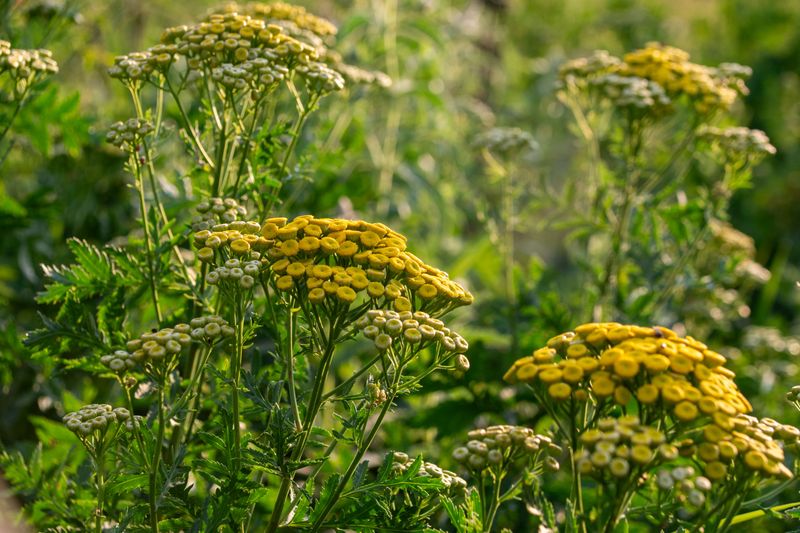
Tansy is powerful, and that power comes with a few real responsibilities. The same thujone that repels insects can cause skin irritation in some people with sensitive skin.
Always wear gloves when handling tansy for extended periods. Direct contact with the sap during pruning or harvesting can leave a rash on people who react to its oils.
Tansy should never be consumed internally by humans or pets. The concentration of thujone in the plant is high enough to cause serious harm if ingested in any amount.
Keep children and animals away from established tansy patches, especially curious pets that might chew on garden plants. A brief sniff is unlikely to cause harm, but eating it is a different story.
The plant spreads aggressively through both seeds and rhizomes underground. Without some management, a small patch can double in size within a single growing season.
Pinching off spent blooms before they set seed helps control spreading significantly. Removing spent blooms takes only a few minutes and keeps the plant from colonizing unwanted areas of the yard.
In some states, tansy is listed as an invasive species along waterways. Check your local or state guidelines before planting near streams, rivers, or protected natural areas, as invasive species rules vary by location.
Handled responsibly, tansy is a genuinely useful plant. A little awareness up front means you get all the benefits without any of the headaches that come from ignoring its boundaries.
Telling Tansy Apart From Actual Weeds
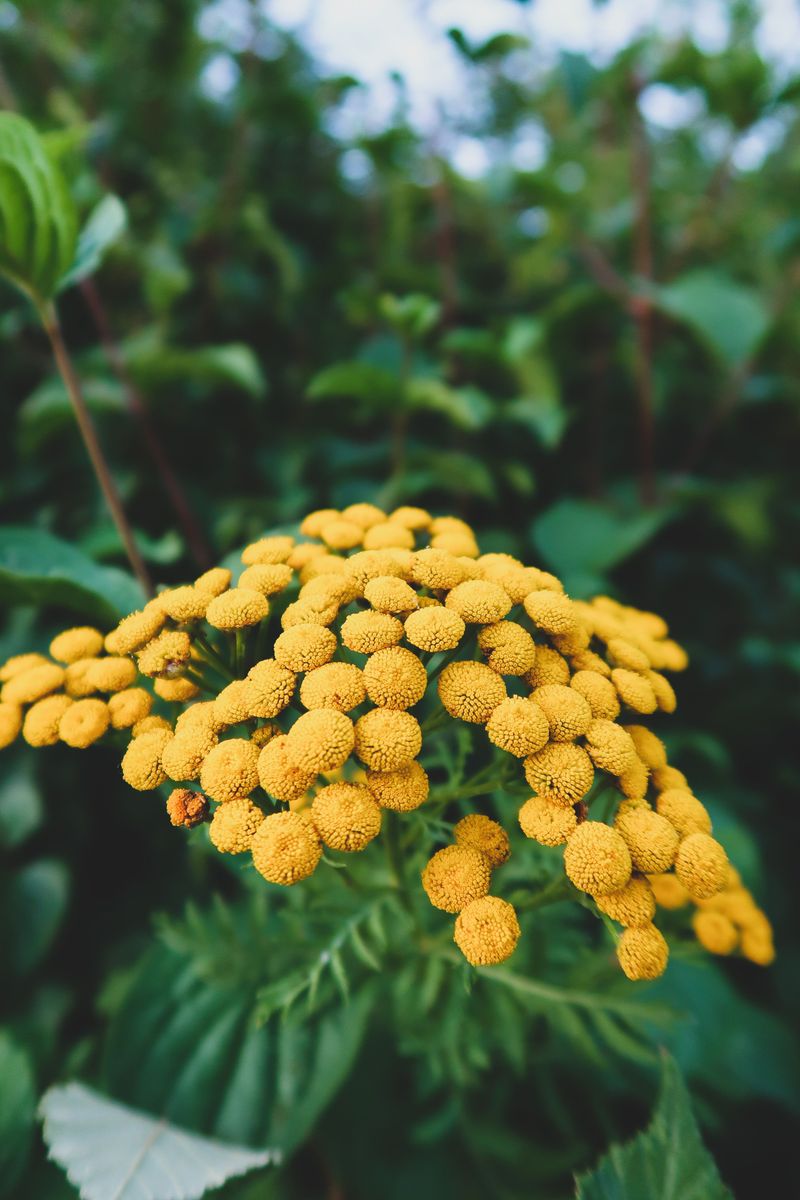
Spotting tansy in the wild takes a little practice, but a few key features make it stand out clearly. The bright yellow, button-shaped flower heads are unlike almost anything else growing roadside in Nebraska.
Each flower head is small, flat, and packed tightly with dozens of tiny florets. There are no petals radiating outward, which immediately separates it from daisies, sunflowers, and similar yellow blooms.
The leaves are the next thing to check when identifying a plant in the field. Tansy leaves are deeply cut and feathery, resembling flat-leaf parsley but much larger and more complex.
Crush a leaf between your fingers and take a quick sniff. That sharp, medicinal, almost minty-camphor smell is a reliable confirmation that you are holding actual tansy.
Common lookalikes in the region include wild carrot, ragweed, and yarrow. Wild carrot has white umbrella-shaped flowers, ragweed has no showy blooms, and yarrow has flat-topped white or pink clusters.
Yarrow is the closest visual cousin, but its flowers are white or pale pink rather than bold yellow. Once you train your eye on the color and button shape, the two become easy to separate.
Tansy also grows taller than most roadside weeds, often reaching four to five feet at full height. That upright, confident posture helps it stand out in a crowded field of competing plants.
Learning to identify tansy correctly is the first step toward using this natural insect repellent with confidence and purpose all season long.