These Overlooked Native North Carolina Shrubs Outperform Knock Out Roses In Poor Dry Soil
Knock Out roses earned their popularity honestly. They bloom reliably, handle a range of conditions, and require less fussing than traditional roses by a significant margin.
In poor, dry soil though, even Knock Outs start to show their limits, and North Carolina has plenty of yards where that kind of challenging ground is just the reality. Native shrubs that evolved in exactly those conditions tell a different story.
They do not need amended soil, supplemental watering through dry stretches, or seasonal intervention to stay healthy and productive.
Some of them have been growing in dry, nutrient poor sites across the state for centuries, which is the kind of track record no introduced plant can match.
The fact that most gardeners walk past these shrubs at the native plant nursery in favor of something more familiar is mostly a matter of not knowing what they are capable of.
In the right conditions, which happen to be conditions that are difficult for almost everything else, these overlooked natives outperform the competition without even trying.
1. New Jersey Tea (Ceanothus americanus)
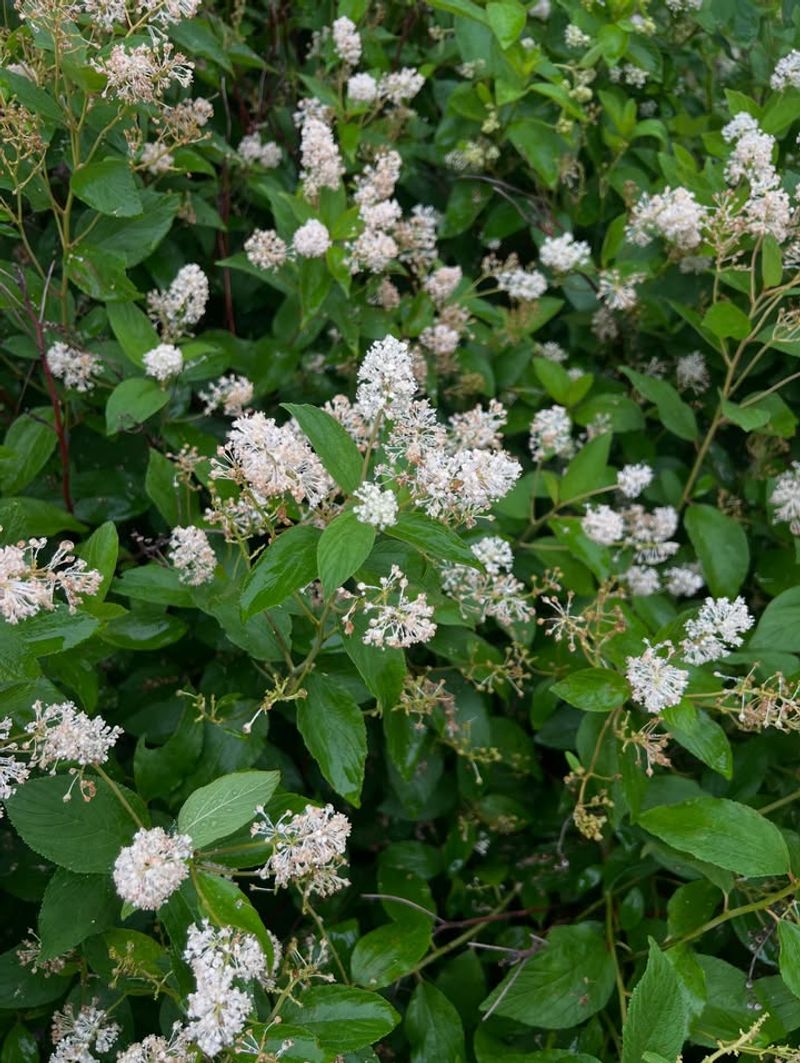
Most gardeners walk right past New Jersey Tea at the nursery without a second glance, and that is honestly a missed opportunity.
Native to North Carolina, this compact shrub produces fluffy clusters of tiny white flowers in late spring and early summer that look surprisingly showy for such a tough plant.
It thrives in dry, lean, well-drained soil where most ornamentals simply give up. What makes New Jersey Tea stand out is its deep taproot system, which allows it to pull moisture from far below the surface during dry stretches.
Knock Out Roses need regular watering and fertile soil to perform their best, but New Jersey Tea actually prefers low-fertility sites. Feed it too much and you can throw off its natural growing habits.
Once established in a sunny North Carolina garden, this shrub requires almost no maintenance at all. It grows to about three to four feet tall and wide, making it a tidy, well-behaved choice for borders or naturalized areas.
Pollinators absolutely love the blossoms, so you get wildlife value along with good looks. For dry slopes or rocky edges where roses struggle every summer, New Jersey Tea is one of the most reliable native shrubs you can plant in the Carolinas.
2. Fragrant Sumac (Rhus aromatica)
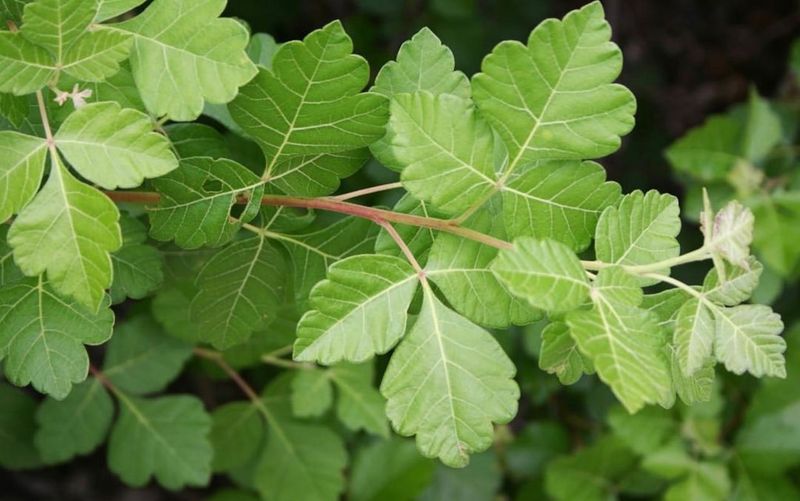
Fragrant Sumac earned its name honestly. Crush a leaf between your fingers and you get a sharp, citrusy scent that is surprisingly pleasant.
Beyond that quirky charm, this native North Carolina shrub is one of the hardest-working low-maintenance plants you can add to a dry, sunny landscape.
Knock Out Roses planted on a hot, exposed slope often look stressed by midsummer, with crispy edges and fewer blooms than expected.
Fragrant Sumac, on the other hand, spreads steadily across those same tough spots, holding soil in place and looking better with every passing season.
It handles poor, rocky, and sandy soils without complaint, and drought stress barely slows it down once established.
Your North Carolina Garden Changes Every Week. Your Plan Should Too.
Gardening in North Carolina changes quickly throughout the season. Every Friday you’ll receive a simple weekly plan showing exactly what to plant, prune, fertilize, harvest, and protect so you never miss the right timing.
The plant stays low and wide, typically reaching two to six feet tall depending on the variety, which makes it excellent for erosion control on North Carolina hillsides and road banks. In spring, small yellow flowers appear before the leaves even open.
By fall, the foliage turns brilliant shades of orange and red that rival any ornamental shrub in the garden. The ‘Gro-Low’ cultivar is especially popular for slopes and tight spaces.
If you have a dry, sunny problem area where nothing seems to want to grow, Fragrant Sumac is the plant that will quietly prove everyone wrong.
3. Dwarf Chinkapin Oak (Quercus prinoides)
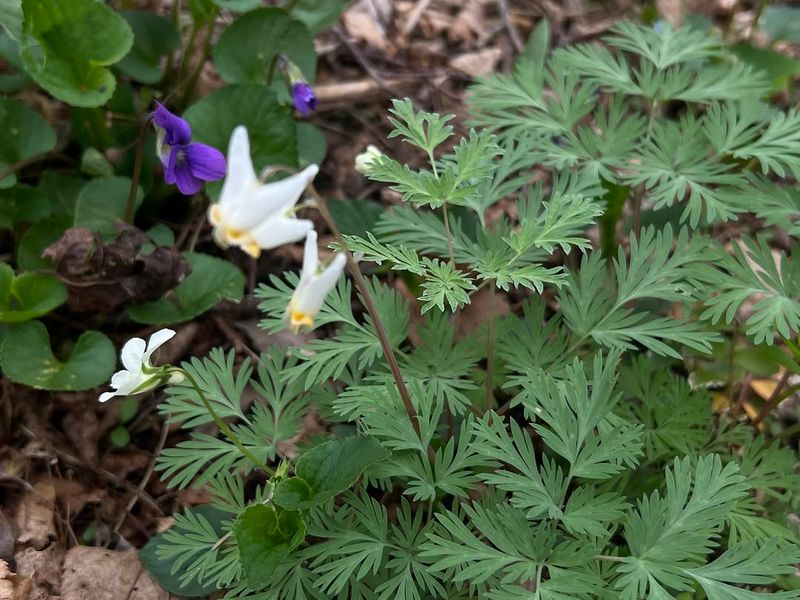
Not many people think to plant an oak as a garden shrub, but Dwarf Chinkapin Oak completely changes that conversation.
Growing as a multi-stemmed shrub rather than a towering tree, it typically reaches four to ten feet tall and fits comfortably into naturalized borders, dry meadows, and rocky slopes throughout North Carolina.
Here is what makes it genuinely impressive: this plant tolerates dry, rocky, acidic, and nutrient-poor soils with almost no help from the gardener. Knock Out Roses planted in those same conditions often look thin and disappointing by late summer.
Dwarf Chinkapin Oak just keeps going, slowly and steadily building a strong root system that anchors it through drought, heat, and poor soil alike.
The wildlife value alone sets it apart from most ornamental shrubs. Small acorns attract deer, turkeys, and numerous songbirds, making it a powerhouse plant for anyone interested in supporting native ecosystems across the Carolinas.
The foliage also turns warm shades of orange and brown in fall, adding seasonal interest without any extra effort on your part. Yes, it grows slowly, but patience pays off with this one.
Once established, Dwarf Chinkapin Oak is genuinely one of the toughest and most ecologically valuable native shrubs available to North Carolina gardeners who want real, lasting results.
4. Carolina Rose (Rosa carolina)
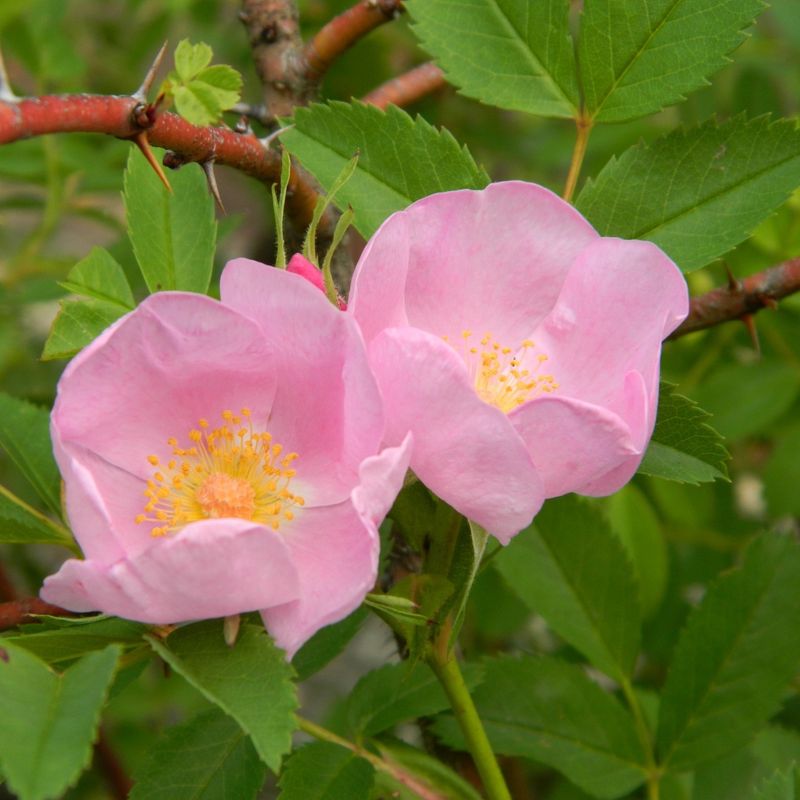
Before Knock Out Roses became the go-to landscape rose across the Southeast, Carolina Rose was quietly doing the job on its own terms.
Native to North Carolina, this wild rose species grows naturally in dry, sandy, and nutrient-poor soils that would stress most cultivated garden roses into a sad, scraggly state within a season or two.
Carolina Rose produces single pink blooms in late spring and early summer that are smaller and simpler than the big showy flowers on hybrid roses, but that simplicity is actually a strength.
Pollinators, especially native bees, go absolutely wild for the open-faced flowers because they can access the pollen easily. After blooming, the plant produces small red rose hips that birds feed on through fall and into winter.
Admittedly, Carolina Rose does not bloom as continuously as Knock Out Roses, and that is a fair trade-off to understand before planting.
What it offers instead is genuine toughness in lean, dry conditions across North Carolina where Knock Out Roses need regular watering, fertilizing, and spraying to stay healthy.
It spreads slowly by suckers, forming loose colonies that work beautifully in naturalized settings, along roadsides, or at the edges of meadow gardens. For gardeners who want a real rose that belongs here, Carolina Rose delivers authenticity and resilience in equal measure.
5. Winged Sumac (Rhus copallinum)
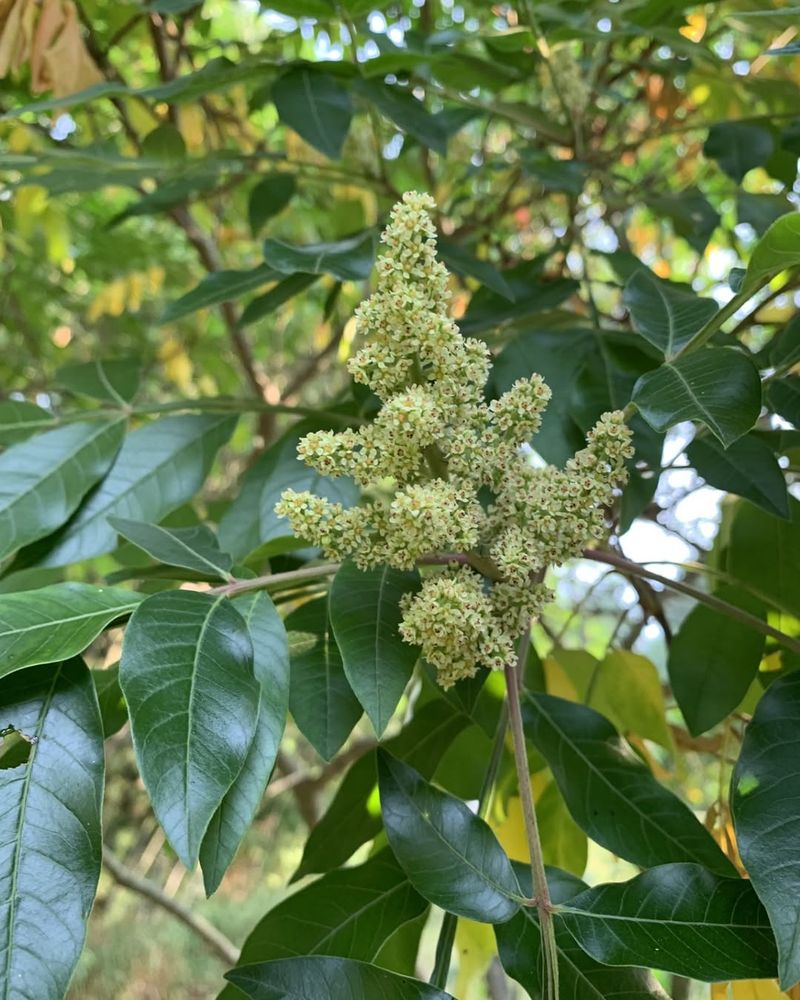
Few native plants put on a fall show as dramatic as Winged Sumac. The glossy green leaves turn an electric scarlet red in autumn that stops people in their tracks, and the dense clusters of dark red berries add even more color and texture to the display.
For a plant that asks almost nothing of the gardener, the seasonal payoff is remarkable.
Winged Sumac thrives in dry, poor, and acidic soils throughout North Carolina, making it a natural fit for roadsides, slopes, old fields, and any sunny spot where the soil is thin and unforgiving.
Knock Out Roses planted in similar conditions often struggle with drought stress, yellowing leaves, and reduced flowering by midsummer.
Winged Sumac simply does not have those problems because it evolved right here in the Carolinas to handle exactly those conditions.
One important thing to know before planting: Winged Sumac spreads by underground suckers and can form wide colonies over time.
That spreading habit makes it a fantastic choice for large naturalized areas, erosion-prone slopes, or wildlife gardens where coverage is the goal.
Songbirds and small mammals feed on the berries through winter, adding real ecological value to your landscape. If you have a big, dry, sunny problem area in your North Carolina yard, Winged Sumac will cover it beautifully and reward you every single fall.
6. Black Chokeberry (Aronia melanocarpa)
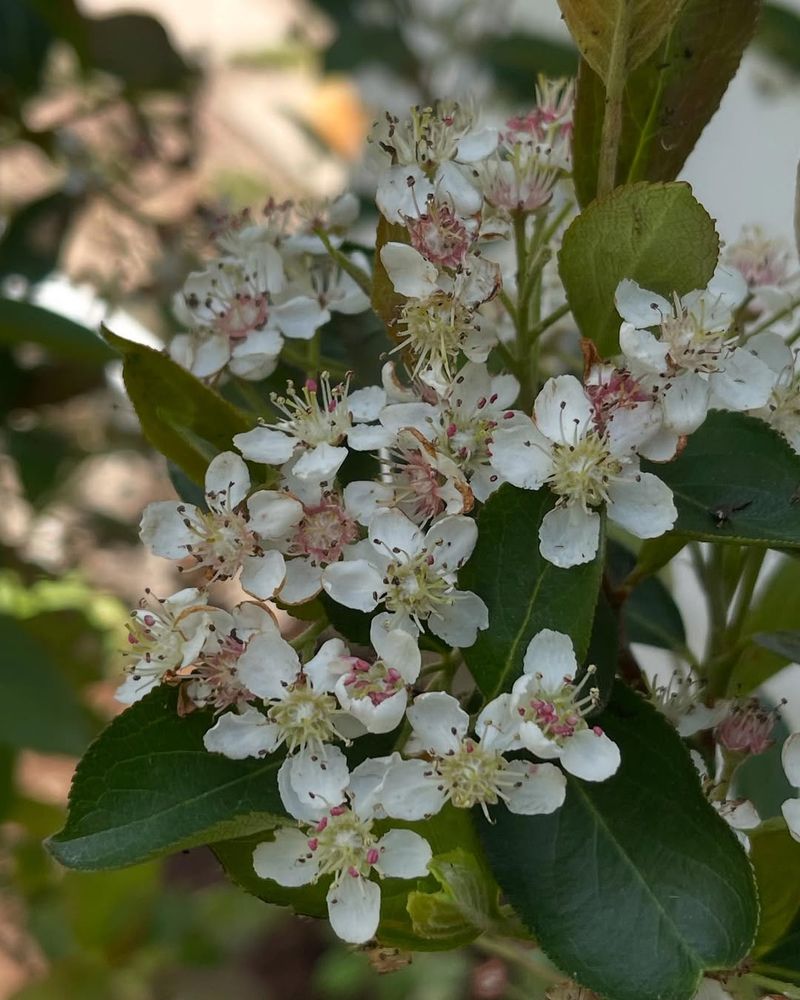
Black Chokeberry might be the most underrated four-season shrub growing in North Carolina landscapes right now.
White flower clusters brighten the plant in spring, glossy dark berries follow through summer and fall, and then the foliage ignites in shades of deep red and burgundy before the season ends.
That is a lot of visual interest packed into one adaptable native plant.
One of the most appealing things about Black Chokeberry is how flexible it is when it comes to soil. It handles average to dry soils once established, tolerates clay, and even manages occasional wet conditions better than most shrubs.
Knock Out Roses need consistently moist, fertile soil to look their best, but Black Chokeberry makes do with far less and still delivers strong seasonal performance across North Carolina gardens.
The berries are technically edible, though quite tart on their own, and they are absolutely loved by birds during fall and early winter.
Wildlife gardens in the Carolinas benefit enormously from having Chokeberry in the mix because it supports both pollinators in spring and fruit-eating birds later in the season.
It grows four to six feet tall and responds well to light pruning if you need to keep it tidy. For a shrub that earns its place in the garden every single month of the year, Black Chokeberry is hard to beat.
7. American Beautyberry (Callicarpa americana)
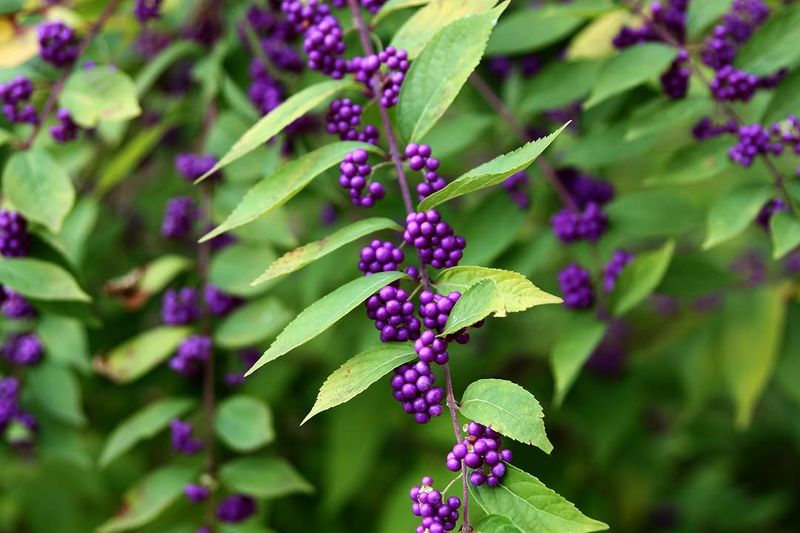
There is nothing subtle about American Beautyberry in the fall. The clusters of vivid magenta-purple berries that line every arching stem are so bright and unexpected that first-time visitors to a North Carolina garden almost always stop and ask what that plant is.
It looks almost too colorful to be real, yet it grows happily in average to dry soil with minimal care.
American Beautyberry is native to North Carolina and naturally adapted to the heat, humidity, and periodic drought that come with summers in the Carolinas.
Once established in a sunny to partly shaded spot, it requires very little supplemental watering and no fertilizing to perform well.
Knock Out Roses planted in part shade often bloom poorly and develop disease issues, but Beautyberry actually handles lower light conditions gracefully.
The shrub grows fast, typically reaching four to eight feet tall in a single season, and benefits from being cut back hard in late winter to keep it full and productive.
New growth comes back quickly and produces the best berry display on younger stems, so that annual pruning is genuinely worth doing.
Birds devour the berries as soon as they ripen, making it a wildlife magnet in any North Carolina yard.
For pure late-season drama combined with easy, reliable growth in tough conditions, American Beautyberry is one of the most rewarding native shrubs you can plant in the Southeast.