What Happens If You Fertilize Oregon Fruit Trees Too Late In Summer
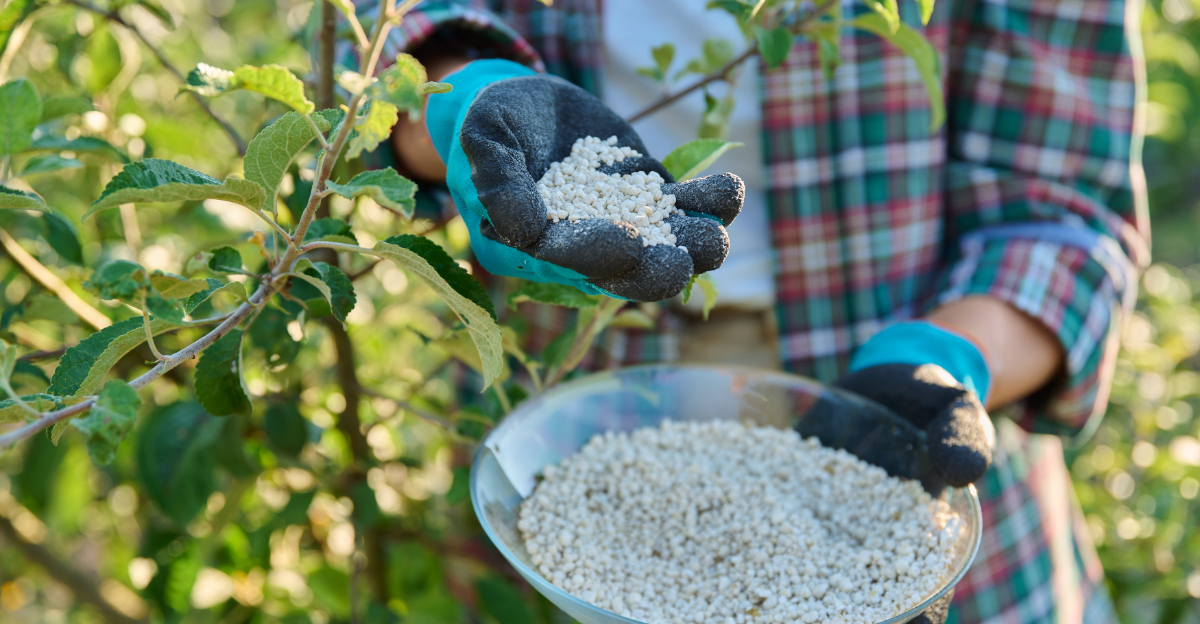
Somewhere between August and the first cold snap, thousands of Oregon fruit trees get set back by their own owners. Not through neglect, but through generosity offered at exactly the wrong moment.
Picture a tree gearing up for winter like a traveler packing for a long trip. Feed it the wrong cues now, and it starts unpacking instead of zipping the suitcase.
That single miscalculation doesn’t announce itself in August. It waits, then cashes in its damage right around the first hard frost.
Your fertilizer bag isn’t the enemy here. The calendar is. And most gardeners never think to check it before they scoop.
Late Fertilizing Pushes Fruit Trees Into New Tender Growth
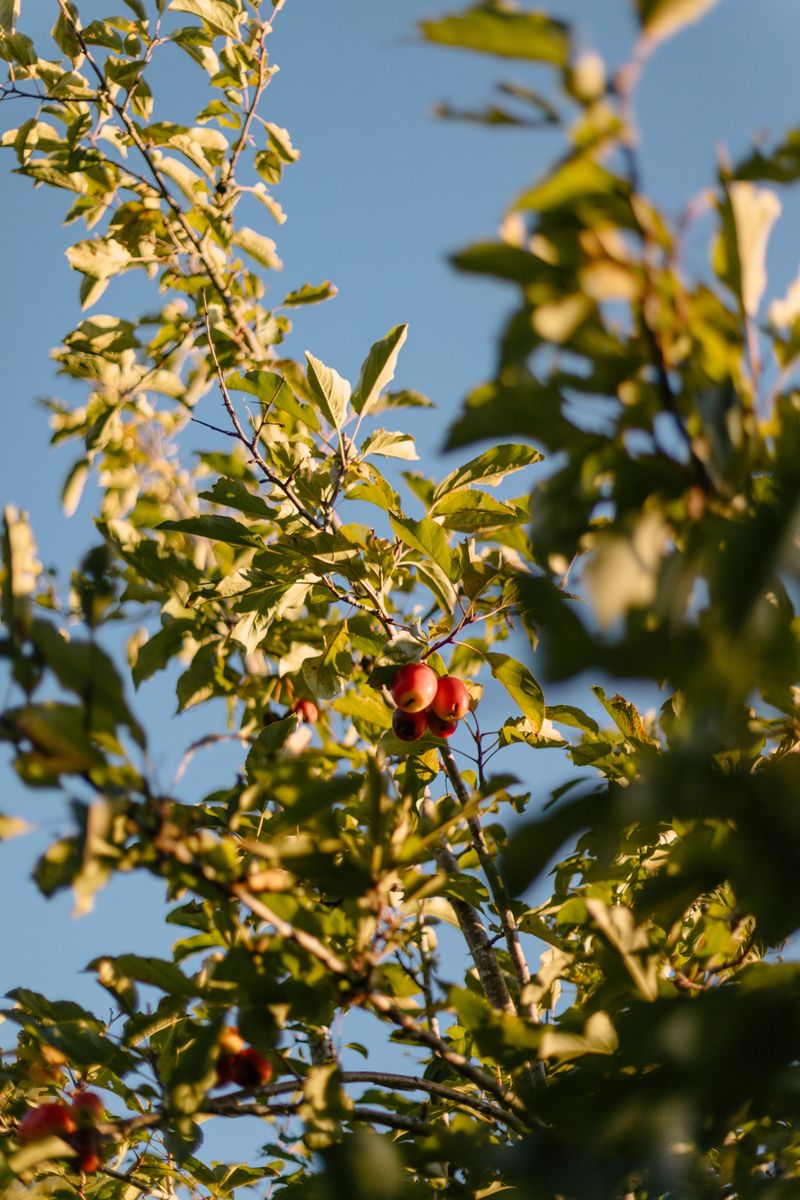
Picture this: it is late August, and your apple tree suddenly sprouts bright green shoots after a dose of fertilizer. That surge of energy feels exciting, but it is actually a warning sign.
When you fertilize Oregon fruit trees too late in summer, the nutrients trigger new vegetative growth. The tree interprets that nitrogen as a signal to keep building instead of slowing down.
Fruit trees naturally begin winding down in late summer. They start pulling back energy from leaves and shoots, preparing for the long quiet of winter.
Late fertilizing throws that process off course. The tree shifts gears and starts pushing out fresh, leafy growth at exactly the wrong time of year.
This new growth is soft and full of water. It has not had time to toughen up through the gradual cooling of late summer and early fall.
Experienced Pacific Northwest growers know this pattern well. A well-timed feeding in spring fuels fruit production, but a late summer dose fuels the wrong kind of growth instead.
The problem is not just cosmetic. Those fresh shoots demand energy and resources that the tree should be storing for winter survival.
Think of it like staying up all night before a big hike. You are burning reserves at exactly the moment you need to be banking them.
Watching for new growth in August or September is your first clue that something is off. Act fast and skip that fall feeding next time.
Fresh Growth Has No Time To Harden Before Frost
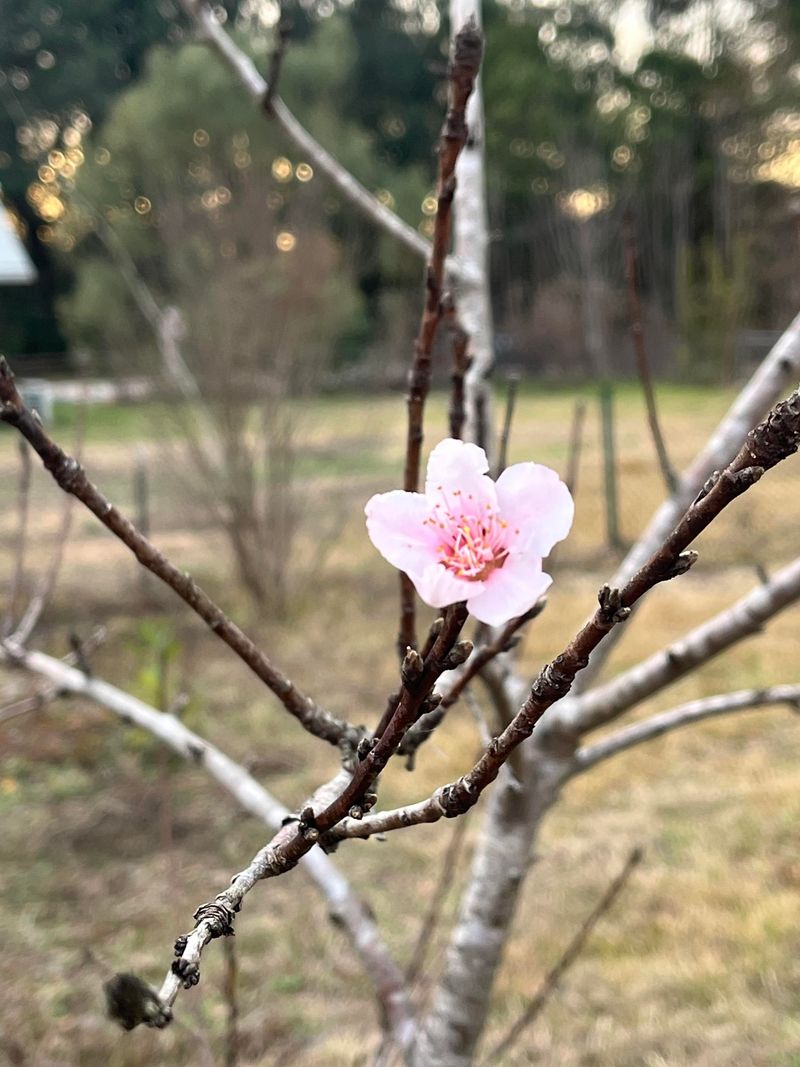
Frost does not wait for your tree to catch up. When tender new shoots appear in late summer, the first cold snap can arrive before they ever get a chance to toughen.
Hardening off is the process where wood gradually toughens as temperatures drop. It is a slow, seasonal dance that takes weeks to complete properly.
Shoots that emerge in August or September simply do not have that time. The window between new growth and the first Oregon frost can be dangerously short.
Willamette Valley growers often see their first frost in October. That gives late-season shoots only a few weeks to mature, which is nowhere near enough.
Wood that has not hardened off holds too much moisture inside its cells. When that moisture freezes, it expands and can rupture the tissue from the inside.
Your Oregon Garden Changes Every Week. Your Plan Should Too.
Gardening in Oregon changes quickly throughout the season. Every Friday you’ll receive a simple weekly plan showing exactly what to plant, prune, fertilize, harvest, and protect so you never miss the right timing.
You might walk out one November morning and see blackened, mushy branch tips. That is freeze damage on wood that never got the chance to prepare.
Fertilizing Oregon fruit trees too late in summer creates this exact vulnerability. The timing sets the tree up to fail before winter even officially begins.
Healthy wood that hardened naturally through summer will shrug off mild freezes with ease. Soft, immature wood from late fertilizing will not be so lucky.
Protecting your trees means letting nature’s clock run without interference. Skip the late-season feeding and let your trees harden on their own schedule.
Tender Shoots Become Vulnerable To Early Winter Damage
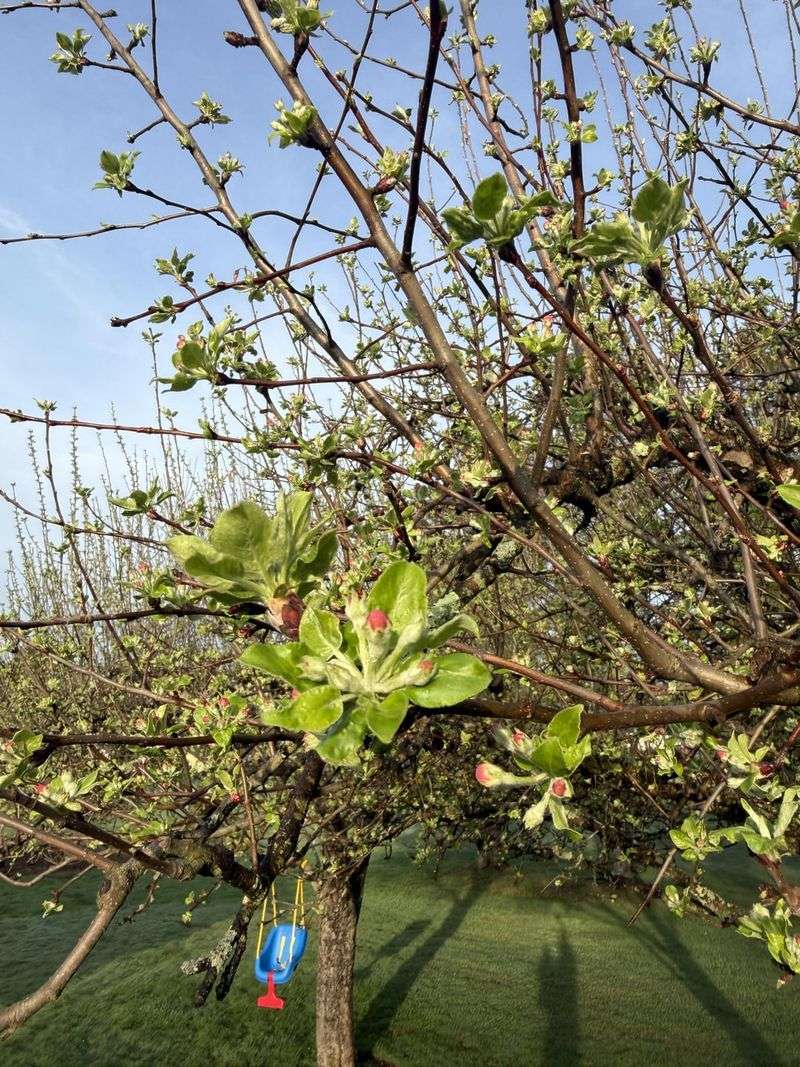
Early winter damage is one of the most frustrating outcomes for any home orchardist. You spend a whole season nurturing your trees, only to watch branch tips turn brown and brittle.
Tender shoots created by late fertilizing are the first to suffer when temperatures plunge. They lack the protective compounds that mature wood builds up over a proper hardening period.
Mature wood contains higher concentrations of sugars and other compounds that act like natural antifreeze. Soft, new shoots are mostly water and simple sugars, which freeze fast and hard.
Oregon winters can swing wildly, especially in the foothills and high valleys. A warm October followed by a sudden November cold snap is a classic pattern that catches unprepared trees off guard.
When those tender shoots freeze, the damage often travels further down the branch than you expect. What looks like a small tip injury can extend several inches into the wood below.
Pruning out the damage in spring reveals the true cost of late fertilizing. You may lose entire scaffold branches that took years to train and shape properly.
Young trees are especially at risk because they have fewer mature branches to compensate. Losing key limbs on a two or three-year-old tree can set back your harvest timeline by seasons.
Experienced growers treat late-season fertilizing the same way they treat a late-season frost warning. Both are threats worth taking seriously before the damage is already done.
Trees Redirect Energy Away From Dormancy Preparation
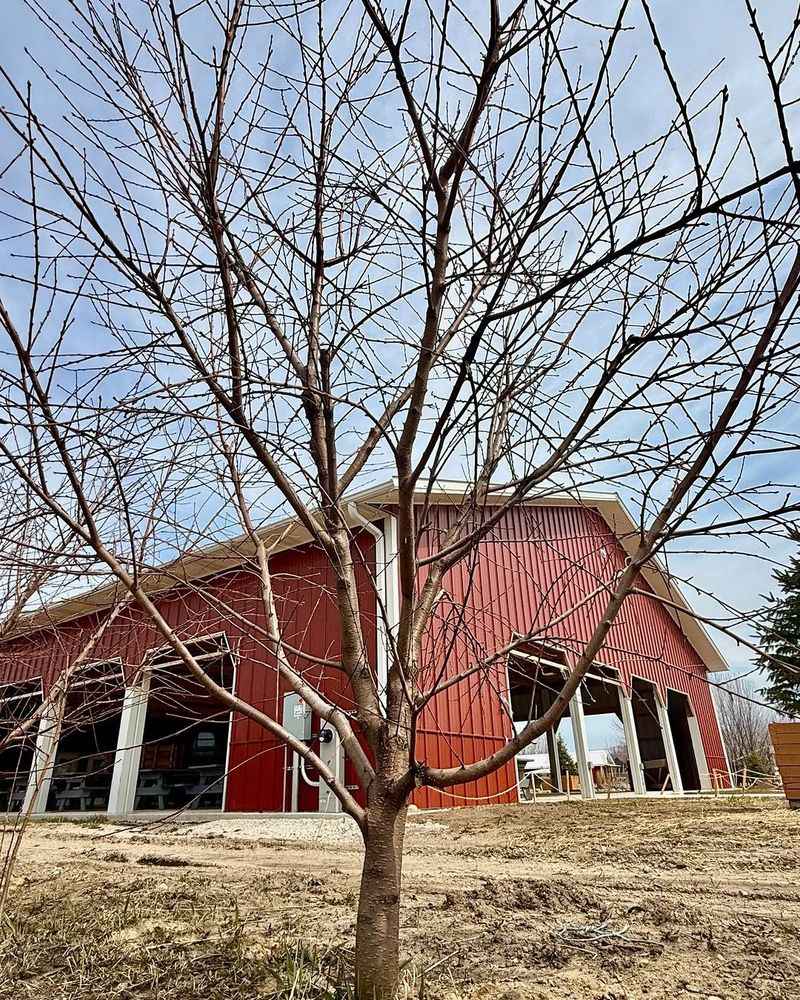
Dormancy is not just sleep. It is a complex, active process where the tree stores carbohydrates, pulls nutrients from leaves, and prepares its internal systems for months of cold.
Late fertilizing short-circuits that preparation. Instead of moving energy inward and downward, the tree burns it outward on new shoots and leaves.
Think of it like spending your savings account right before a long trip with no income. The money is gone when you need it most.
Carbohydrate reserves stored in the trunk and roots are the tree’s fuel for surviving winter and powering early spring bloom. A late nitrogen boost drains those reserves prematurely.
Trees that enter dormancy with low carbohydrate stores come out of winter weaker. They may bloom poorly, set less fruit, or struggle to push through a late spring frost.
Pacific Northwest orchardists who fertilize Oregon fruit trees too late in summer often notice reduced yields the following spring. The connection is real, even if it is not obvious at first glance.
A well-prepared tree entering dormancy looks almost boring from the outside. Leaves are dropping on schedule, growth has stopped, and the bark looks unchanged.
That quiet is actually a sign of a tree doing everything right. Disrupting it with a late fertilizer application trades future productivity for a short-term green flush.
Let your trees get boring in late summer and reward them with a well-timed spring feeding when it actually counts.
Root Systems Weaken When Nutrients Arrive Too Late
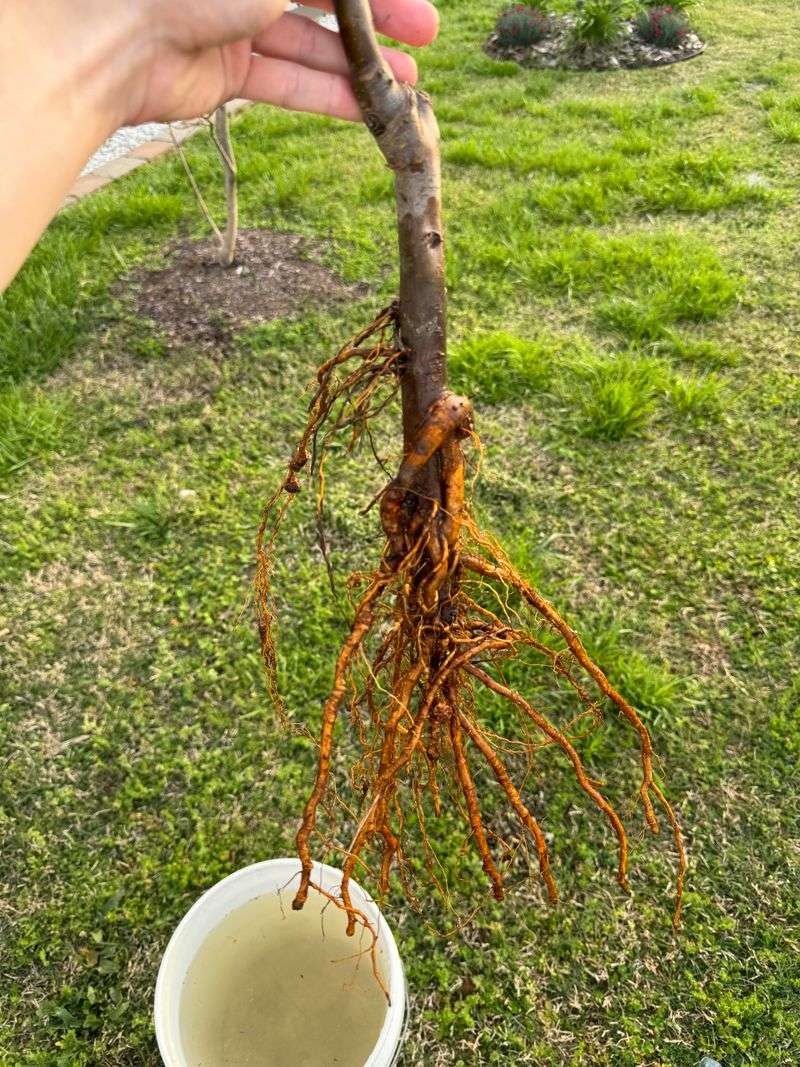
Roots do not stop working just because the leaves are falling. In fact, fall is one of the most important times for root development in fruit trees.
After harvest, healthy trees push energy downward into the root zone. They grow new feeder roots and build up nutrient stores that support spring growth.
Late fertilizing disrupts this underground work. When nitrogen floods the system in August or September, the tree redirects effort back toward shoots instead of roots.
Feeder roots that do not develop fully in fall will struggle to absorb nutrients efficiently come spring. A weakened root system means a less productive tree across the entire next season.
Oregon soils vary widely from the coast to the Cascades. Heavy clay soils in the valley hold late-season nitrogen longer, which prolongs the disruption even further into fall.
Sandy soils in eastern parts of the state may let nutrients leach away before the tree fully absorbs them. Either way, the timing creates problems instead of solving them.
Strong roots are the foundation of a long-lived, productive orchard. Compromising them with poorly timed fertilizing is a mistake that compounds over multiple seasons.
Growers who focus on root health tend to have trees that bounce back faster from stress. They recover better from drought, disease, and harsh winters because their foundation is solid.
Fertilizing Oregon fruit trees at the right time keeps roots strong and ready for whatever comes next.
Delayed Fertilizing Increases Disease Risk Going Into Fall
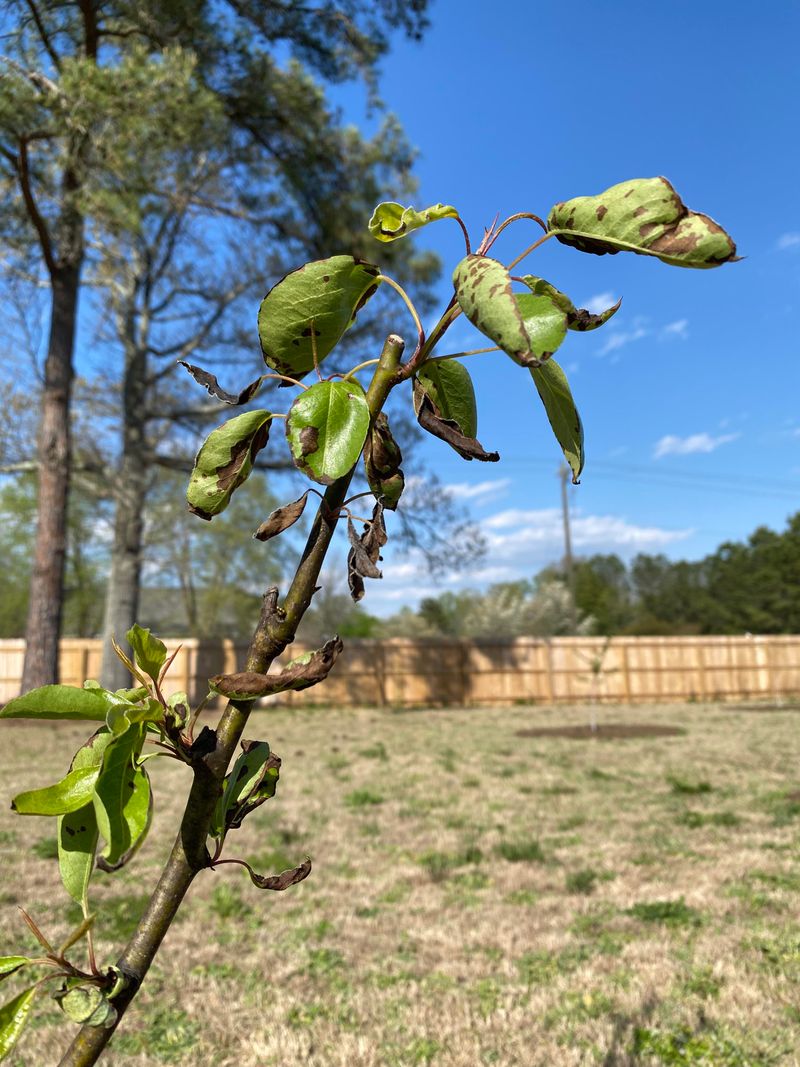
Soft, watery plant tissue is basically an open invitation for pathogens. Disease organisms that might bounce off mature wood find easy entry points in tender late-season growth.
Fire blight is one of the most serious bacterial diseases affecting pears and apples in the Pacific Northwest. It thrives in warm, moist conditions and loves succulent new tissue.
Late fertilizing creates exactly the kind of fresh, vulnerable growth that fire blight bacteria target. An infected shoot can spread the disease back into the main branch within days.
Powdery mildew is another threat that escalates when soft growth appears late in the season. The fungal spores spread quickly through immature leaves that cannot mount a strong defense.
Oregon falls are often warm and damp, especially west of the Cascades. That combination of moisture and mild temperatures keeps fungal and bacterial pressure high well into October.
A tree pushing new growth in September is juggling two demands at once. It is trying to prepare for winter while also resisting pathogens targeting its newest tissue.
That split focus weakens the tree’s overall immune response. Resources that should go toward cold-hardening instead get burned on resisting infections.
Growers who skip late-season nitrogen applications tend to see fewer disease problems heading into fall. The connection between timing and tree health is backed by decades of orchard observation.
Protecting your orchard means feeding on schedule, not on impulse. When you fertilize Oregon fruit trees at the right moment, disease risk drops and tree health soars.