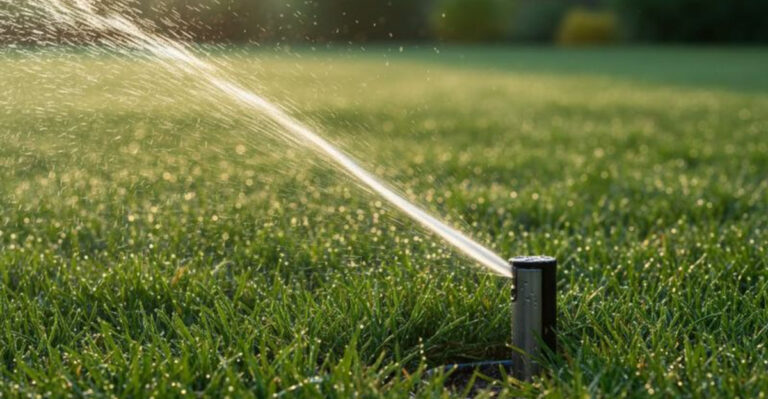
The Watering Trick Texas Gardeners Use To Push Roots Deeper In Drought
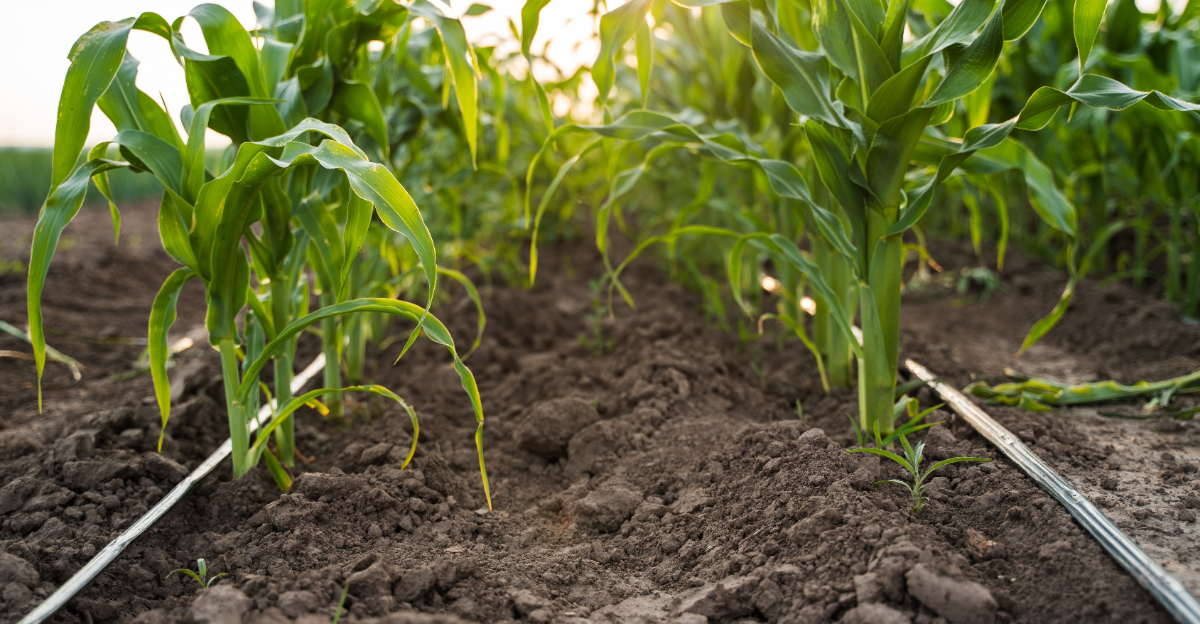
By July, Texas dirt stops acting like soil and starts acting like a sidewalk. Water hits it and just skates off sideways instead of soaking in.
The gardeners whose yards survive August aren’t doing what you’d expect. Ask them their routine and the answer usually surprises people, because it breaks every rule you grew up hearing about garden care.
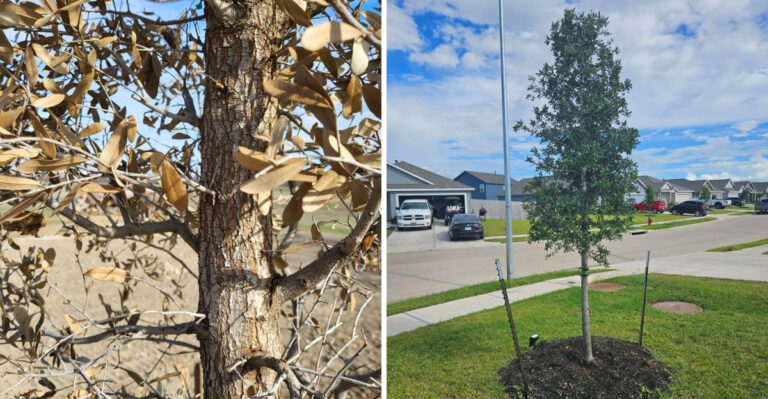
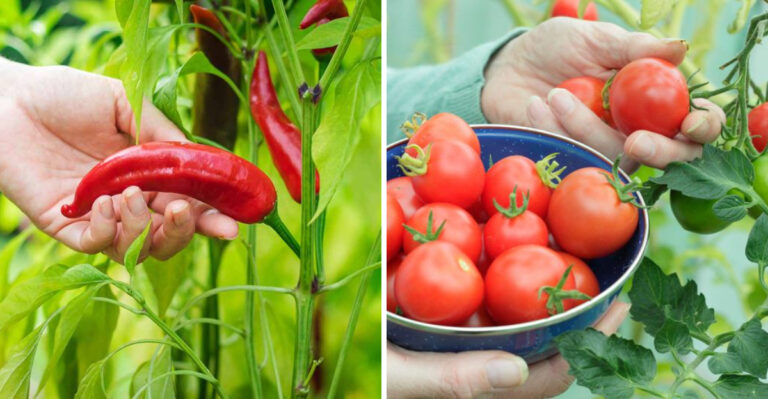
By the time triple digits hit, their tomatoes and even the stubborn oak out front are pulling through like the heat wave isn’t happening. Keep reading, because the shift behind it is smaller than you’d guess.
Deep Infrequent Watering Is The Real Root Boosting Trick
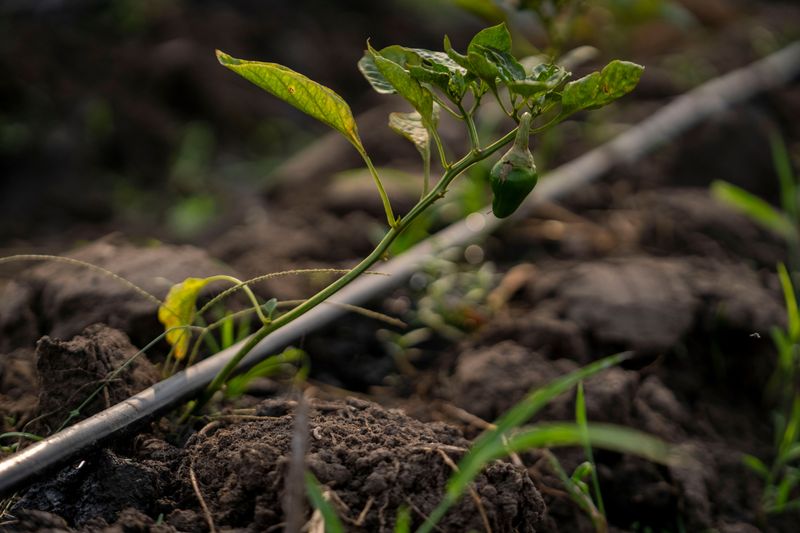
Most gardeners water a little every day without thinking twice. That habit, as common as it is, actually trains roots to stay shallow and weak.
The watering trick Texas gardeners swear by is deep, infrequent watering. Instead of a quick daily sprinkle, you water slowly and thoroughly just a few times each week.
This forces water down into lower soil layers. Roots follow moisture, so they grow downward chasing that deep supply.
Plants with deep roots can tap into cooler, wetter soil during a drought. Shallow-rooted plants run out of moisture fast when the top inch dries out.
Think of it like building a savings account underground. Your plant draws from reserves instead of depending on daily deposits from a hose.
Gardeners across the Lone Star State have used this method for generations. It works on vegetables, shrubs, fruit trees, and native grasses alike.
It makes sense biologically too. Roots naturally grow toward available moisture, and deep watering encourages them to reach further down with every session.
Starting this trick is simple. Water deeply two or three times a week instead of a little each day, and watch your garden transform.
You are not adding more work, just shifting when and how long you run the hose. That small
Shallow Daily Watering Keeps Roots Near The Surface
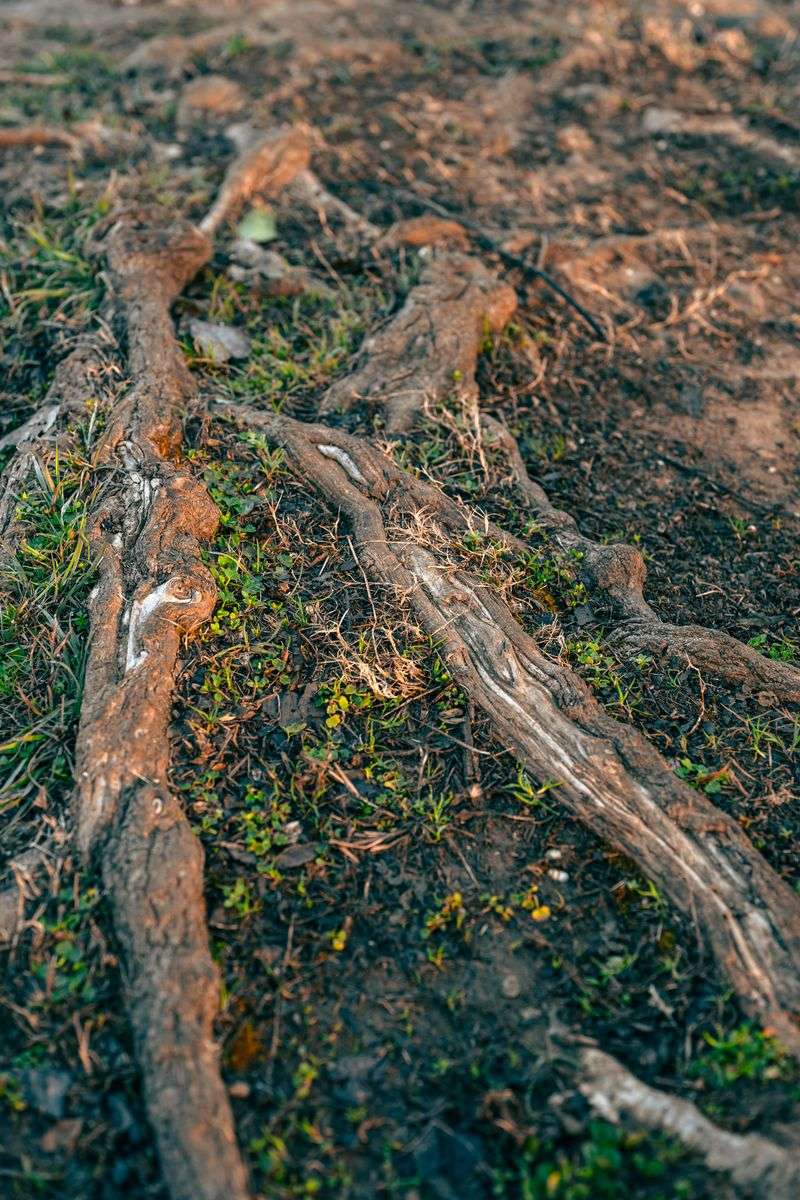
Picture a plant that only knows where its next meal is coming from: the top inch of soil. That is exactly what daily shallow watering creates.
When you water a little bit each morning, moisture rarely sinks far. Roots sense that moisture is consistently nearby, so they stop growing downward.
Surface roots are fragile in a drought. A few hot days without rain and that thin top layer dries out fast, leaving roots with little to drink.
This is one of the most common mistakes home gardeners make. It feels responsible to water every day, but that routine actually weakens the plant over time.
Roots growing near the surface also face more heat stress. Soil temperatures at the top can spike well above what roots can comfortably handle on a scorching afternoon.
Shallow roots are also more vulnerable to foot traffic, pets, and tools. A quick step in the wrong spot can damage the shallow roots nearby.
Changing this pattern starts with resisting the urge to water daily. Letting the top layer dry out a bit between sessions signals to the plant that it needs to search deeper.
Your Texas Garden Changes Every Week. Your Plan Should Too.
Gardening in Texas changes quickly throughout the season. Every Friday you’ll receive a simple weekly plan showing exactly what to plant, prune, fertilize, harvest, and protect so you never miss the right timing.
It feels counterintuitive at first, and that is totally normal. Trusting the process takes a little patience, but your plants will reward you with stronger, more resilient growth.
Shallow watering is a habit worth breaking before the next dry spell arrives and catches your garden off guard.
Slow Soaking Sessions Let Water Reach Deeper Soil Layers
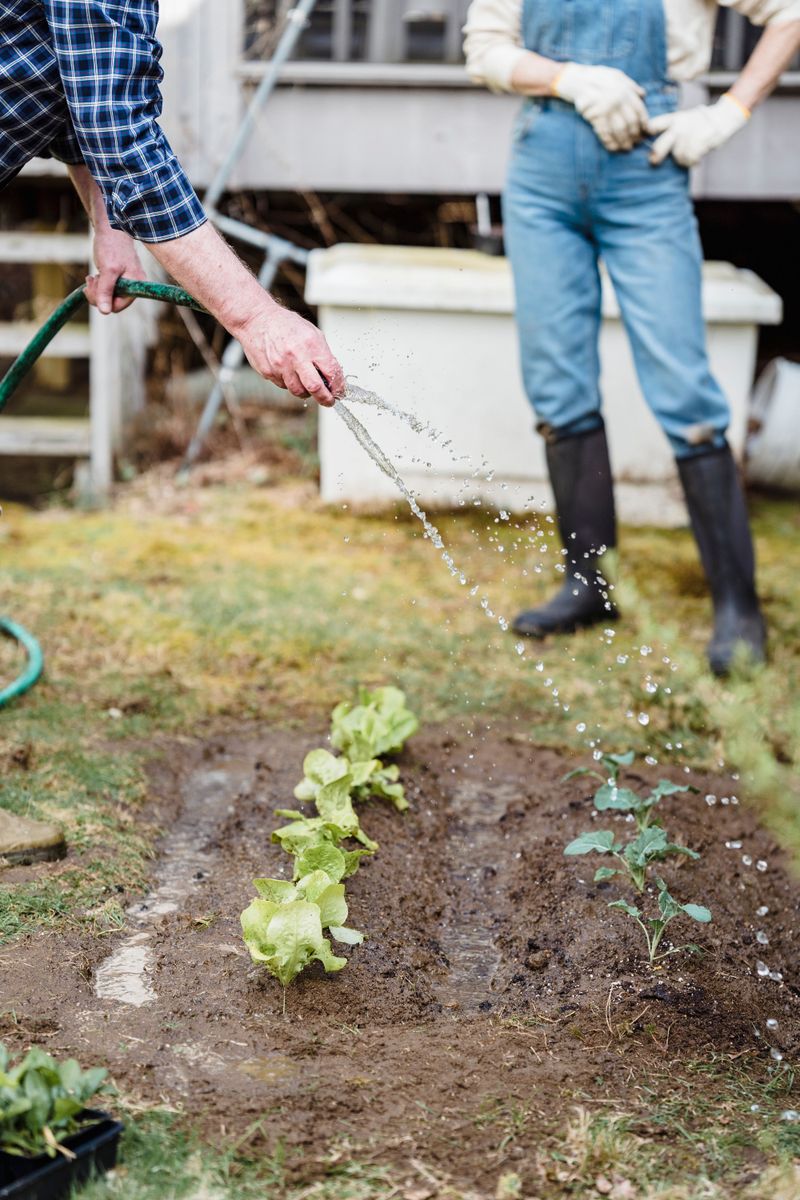
Speed is the enemy of deep watering. When you blast water fast, it runs off the surface before it has a chance to sink down where roots need it most.
Slow soaking sessions change that. Running a soaker hose or drip line at low pressure for 30 to 60 minutes lets water move gradually through the soil profile.
Gravity does most of the work when you slow things down. Water trickles past the surface layer, past the root zone, and settles into deeper soil where it stays cooler and longer.
A slow soak two or three times a week beats a fast daily blast in most situations. The soil absorbs more, runoff drops, and roots have a reason to grow down.
You can also hand-water slowly by holding the hose at the base of each plant for several minutes. Moving through the garden unhurried gives each spot a proper drink.
Clay-heavy Texas soil needs extra time to absorb water without pooling. Starting slow and building up over several sessions helps the ground open up and accept moisture more readily.
Sandy soil, on the other hand, drains fast. For sandy spots, longer sessions spaced closer together help compensate for how quickly moisture moves through.
Adjusting your pace at the hose is one of the easiest upgrades any gardener can make. A slow, steady soak is the foundation of the deep root-building approach that keeps plants alive all summer.
Longer Gaps Between Waterings Force Roots To Search Down
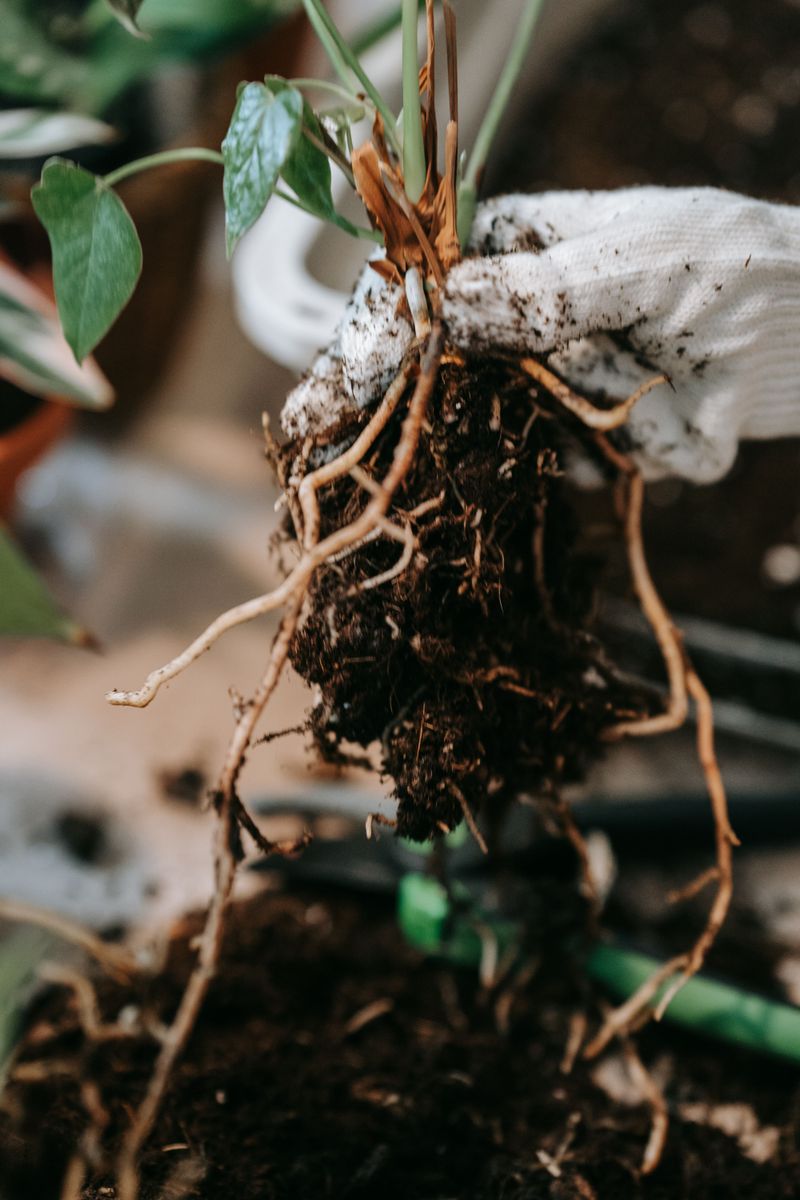
Roots are opportunists. Give them everything they need at the surface and they will rarely bother going deeper, plain and simple.
Stretching the time between watering sessions creates a mild stress that actually benefits the plant. The top soil dries out, and roots have no choice but to push downward searching for moisture.
Most established plants can handle a gap of two to three days between deep waterings without any real harm. New transplants need a shorter gap until they settle in.
Watching your plants closely during the transition helps. Slight wilting in the early morning is a warning sign, but light afternoon droop on a hot day is usually just the plant conserving energy.
Gardeners who first try longer gaps often panic and reach for the hose too soon. Holding off just one more day can make a significant difference in how far roots travel.
Over several weeks, the root system shifts noticeably. Plants begin pulling moisture from deeper layers, which stay moist longer than the surface ever could during a heat wave.
This approach mirrors how native Texas plants survive without any human help. Wildflowers and native grasses send roots several feet down, which is why they outlast ornamentals in a bad drought year.
Giving your garden a little tough love between sessions is not neglect. It is a strategic move that builds the kind of underground strength that daily sprinkling simply can’t match.
Mulch Layers Help Deep Watered Soil Retain Moisture Longer
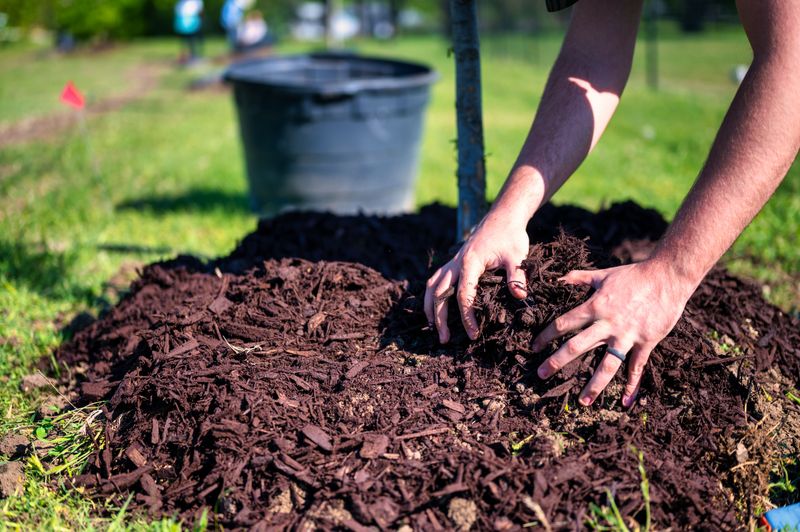
Deep watering works even better when you keep that hard-earned moisture from disappearing too fast. Mulch is the secret partner that makes the whole system stick.
A three to four inch layer of organic mulch spread over the soil surface slows evaporation dramatically. On a blazing Texas afternoon, unmulched soil can lose moisture within hours.
Wood chips, shredded bark, and straw are all solid choices for most garden beds. Each one creates an insulating barrier that keeps the ground cooler and wetter between watering sessions.
Cooler soil also means roots stay more active during the hottest parts of summer. Heat-stressed roots shut down and stop absorbing water efficiently, so keeping temps down matters a lot.
Mulch also breaks down over time and adds organic matter to the soil. Better soil structure means water moves through more evenly, reaching those deeper layers where roots are headed.
Applying mulch right after a deep watering session locks in the most moisture. Timing the two together gives your garden the best possible head start before the next dry stretch.
Keep mulch a few inches away from plant stems to prevent rot. A small gap around each base lets air circulate while still protecting the surrounding soil.
Pairing mulch with deep infrequent watering is one of the most effective combos a Texas gardener can use. Together, they stretch each watering session further and give roots more time to grow where it counts.
A Simple Schedule Change Builds Drought Resistant Root Systems
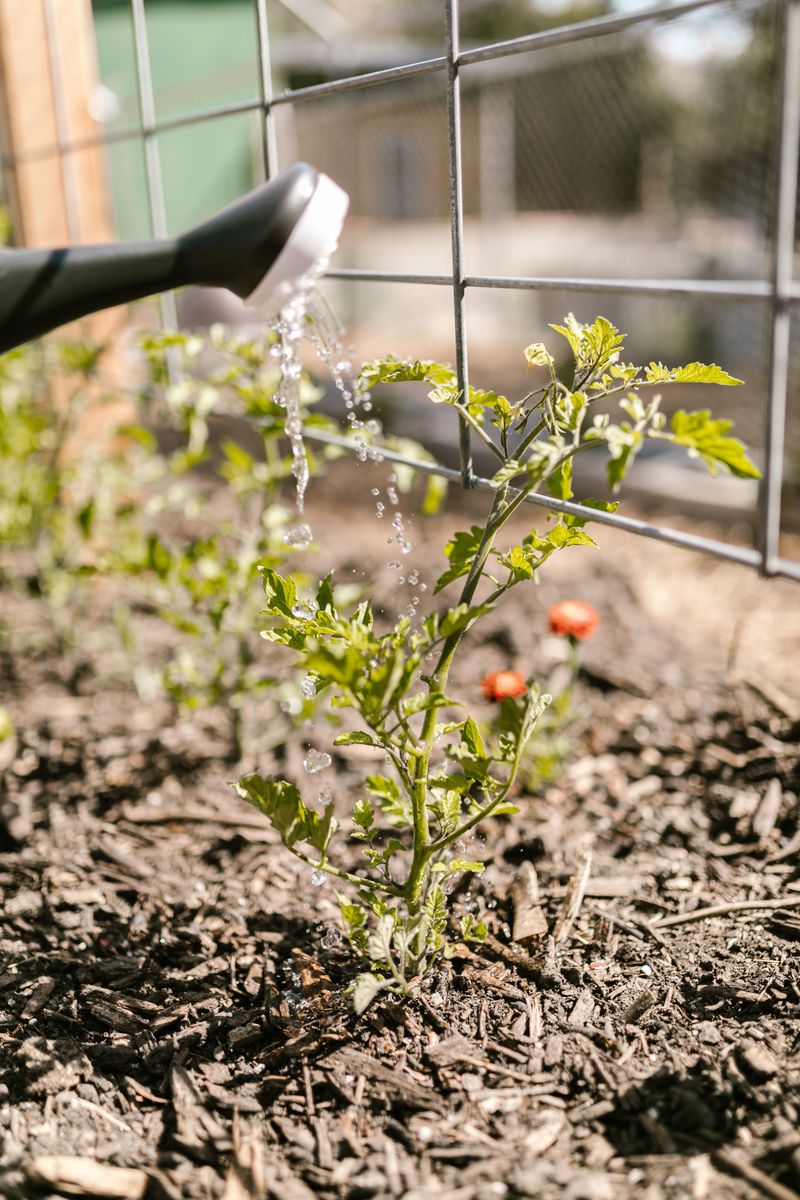
You do not need expensive equipment or a landscape degree to build drought-resistant roots. All you need is a new schedule and the patience to stick with it.
Start by switching from daily watering to deep sessions every two to three days. Set a reminder on your phone so the new routine becomes automatic within a week or two.
Morning is the best time to water deeply. Cooler temperatures mean less evaporation, and plants have moisture available all day as heat builds up.
Track your progress by checking soil moisture before each session. Push a finger two inches into the ground near a plant base. If it feels damp, skip that day and check again tomorrow.
A simple moisture meter from any garden center takes most of the guesswork out. Spending a few dollars on one can save gallons of water and a lot of second-guessing.
After four to six weeks on the new schedule, the difference in your plants will be obvious. Leaves stay perkier during afternoon heat, and recovery after a dry spell happens faster.
Sharing this watering trick with neighbors can turn a whole block of gardens into drought-tough landscapes. Community gardens that adopt this approach together often see the best results across the board.
Building a drought-resistant root system is not a one-time fix but an ongoing habit. Stick with the deep infrequent watering schedule all season long, and your garden will be far better equipped for whatever the Texas sky brings.