How To Protect California Fruit Trees From Sunburn This August
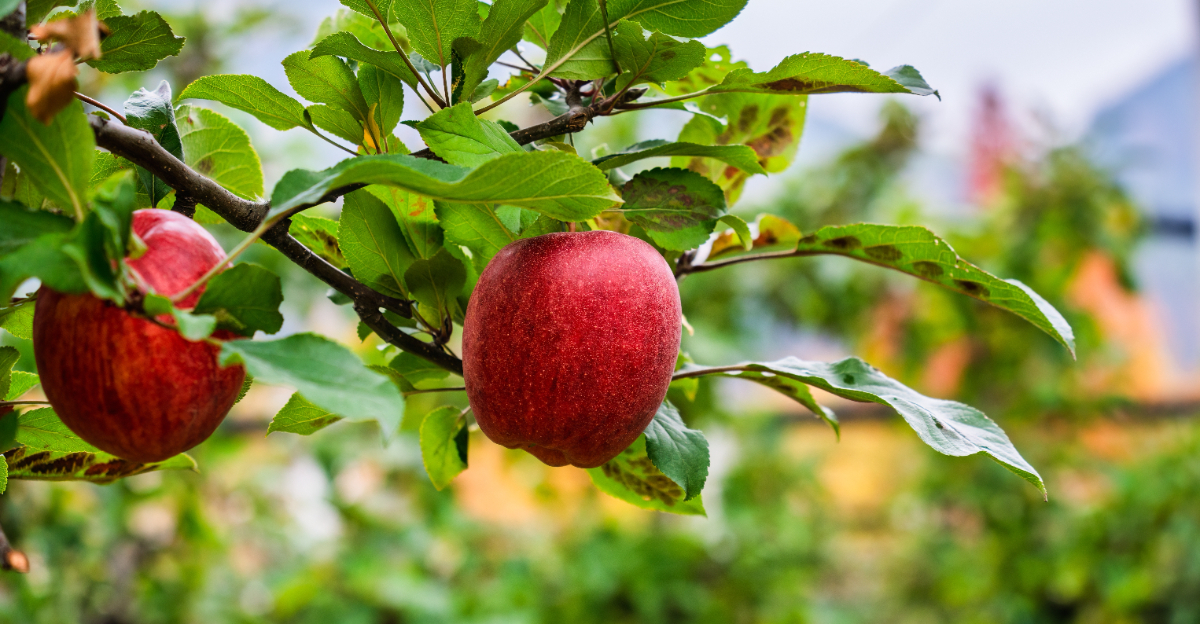
California fruit trees do not get a gentle August.
They get glare off fences, heat from pavement, dry wind, and afternoons that make young bark feel like it was planted on a skillet.
The damage can start quietly. A pale patch on a peach. A curled leaf on citrus. A dark mark on a trunk that looked fine last week.
Sunburn is sneaky because the tree may still look alive and leafy while the exposed side takes the hit. Once bark blisters or fruit scorches, no garden pep talk puts that tissue back the way it was.
The fix is not complicated, but timing matters. Shade before the heat peak. Water before roots struggle. Whitewash before bark gets exposed. Prune with restraint before August turns dramatic.
So which steps protect California fruit trees before the hottest sun gets the upper hand?
Start with the tree’s own sunscreen, then protect every exposed surface that August can find. That extra attention can save harvests, scaffold limbs, and young trees still settling in.
1. Keep A Healthy Leaf Canopy
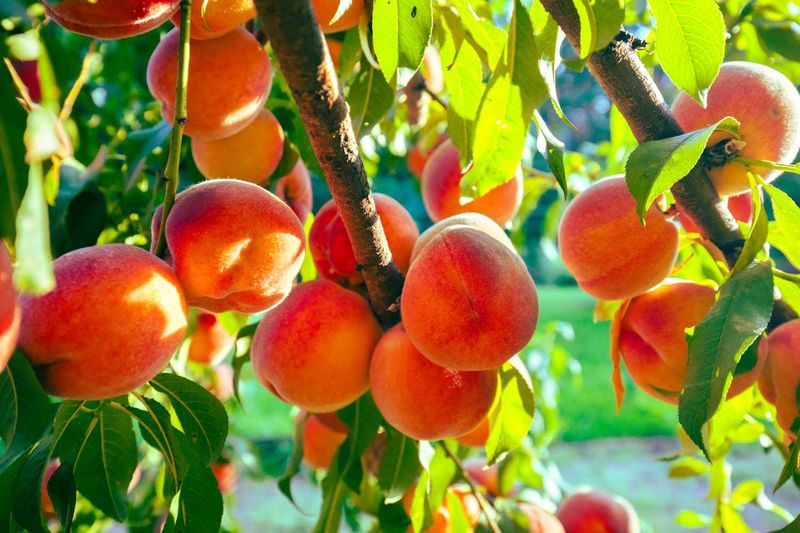
Leaves are the tree’s first sunblock. A full canopy shades bark, scaffold limbs, and developing fruit before the afternoon heat gets mean.
That natural cover can make a major difference in August, especially in inland California gardens where reflected heat from walls, gravel, and pavement piles on fast.
The problem starts when the canopy thins too quickly.
A pest outbreak, disease issue, water stress, or heavy pruning session can open the tree all at once. Fruit that grew in shade suddenly faces direct sun. Bark that spent months protected gets exposed during the hottest stretch of the season.
That is a rough introduction.
Keep the canopy healthy by checking soil moisture before the leaves begin to curl. Dig or probe several inches down near the drip line. Dry surface soil tells only part of the story.
Scout leaves weekly in July and August. Spider mites, aphids, fungal leaf spots, and heat stress can all reduce shade when the tree needs it most.
Look under leaves, not just at the pretty side. Pests love the hidden real estate.
Avoid sudden canopy loss whenever possible. If a tree does thin fast, use temporary shade cloth while it recovers.
A healthy canopy does not make the tree invincible.
It does give bark and fruit the best built-in protection they have.
2. Stop Heavy Pruning Before Heat Spikes
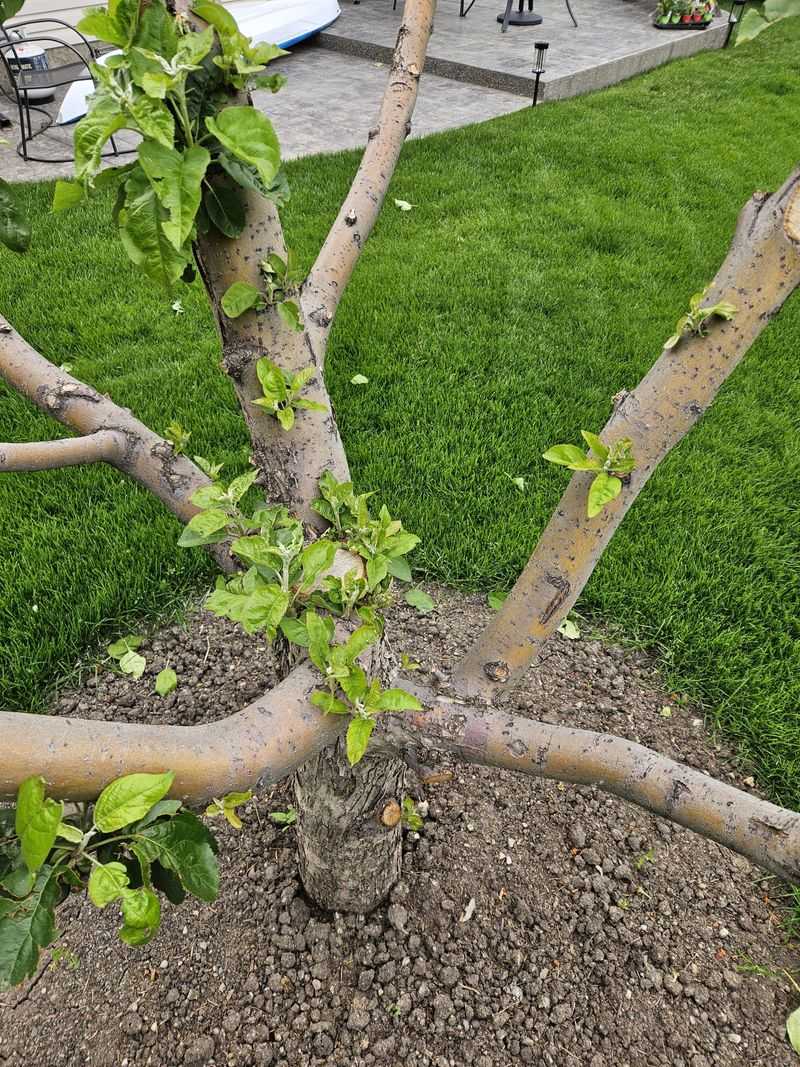
August is not the month for bold pruning confidence.
A tree may look crowded, messy, or badly in need of shape, but removing too much foliage before a heat spike can expose bark and fruit that were never ready for full California sun.
That sudden exposure is the danger. Inner limbs have lived in shade. Fruit tucked behind leaves has developed under cover. When a big pruning session opens the canopy, those surfaces can heat fast.
Light cleanup is different. One broken twig, one crossing branch, or one small airflow adjustment may be fine when the tree is healthy and the forecast is calm.
Your California Garden Changes Every Week. Your Plan Should Too.
Gardening in California changes quickly throughout the season. Every Friday you’ll receive a simple weekly plan showing exactly what to plant, prune, fertilize, harvest, and protect so you never miss the right timing.
Major cuts belong in a safer season whenever possible.
Check the 10-day forecast before picking up the saw. If heat advisories or triple-digit afternoons are coming, step away from the pruning plan.
The tree will not mind looking a little wild for another week. Honestly, many August gardens have entered their dramatic era anyway.
If a broken limb or disease problem forces action, cut only what must go. Then protect newly exposed bark quickly with whitewash or temporary shade.
Do not leave fresh south- or west-facing wood to roast through the next afternoon.
Pruning should help the tree, not remove the shade it was using to survive the month.
3. Whitewash Young Trunks Before Exposure
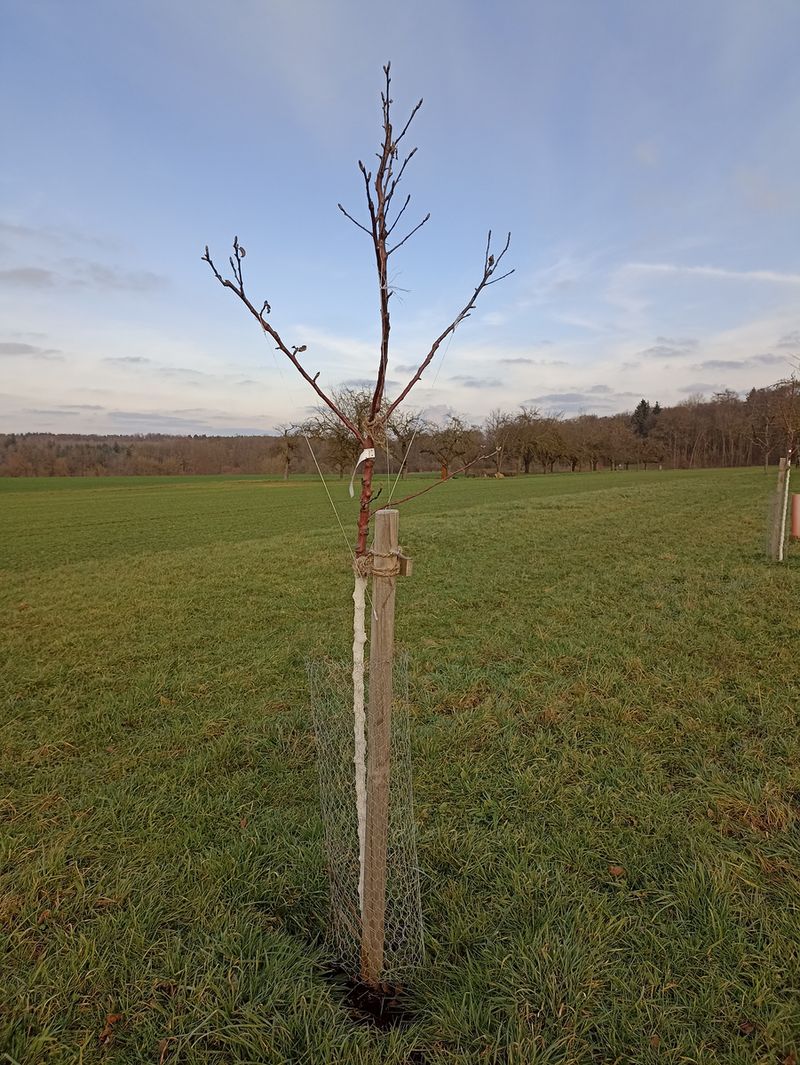
Young trunks need help before the heat finds them.
New fruit trees often have thin bark, sparse canopies, and small root systems still trying to settle into California soil.
That combination makes August sunburn much more likely, especially on newly planted citrus, avocado, peach, apricot, plum, apple, and other backyard favorites.
Whitewashing protects exposed bark by reflecting sunlight. The usual home-orchard approach is diluted white interior latex paint mixed with water, often at equal parts paint and water, unless your local guidance or product instructions say otherwise.
Use white interior latex paint. Do not use oil-based paint. Do not use exterior paint with extra additives. Tree trunks do not need a home renovation package.
Brush the mixture onto the lower trunk and exposed scaffold limbs. Focus on bark that receives direct sun, especially on young trees with open canopies.
Apply before the heat arrives. Whitewash after visible injury may still protect remaining tissue, but it cannot undo bark that already suffered.
Let bark dry before painting. Avoid coating wet bark, fresh wounds, or areas with active gum or decay.
Check the coating during the season. Sun, irrigation spray, and growth can wear it thin.
A whitewashed trunk may not win a beauty contest, but neither does scorched bark. Function gets the trophy in August.
4. Coat Newly Exposed Scaffold Limbs
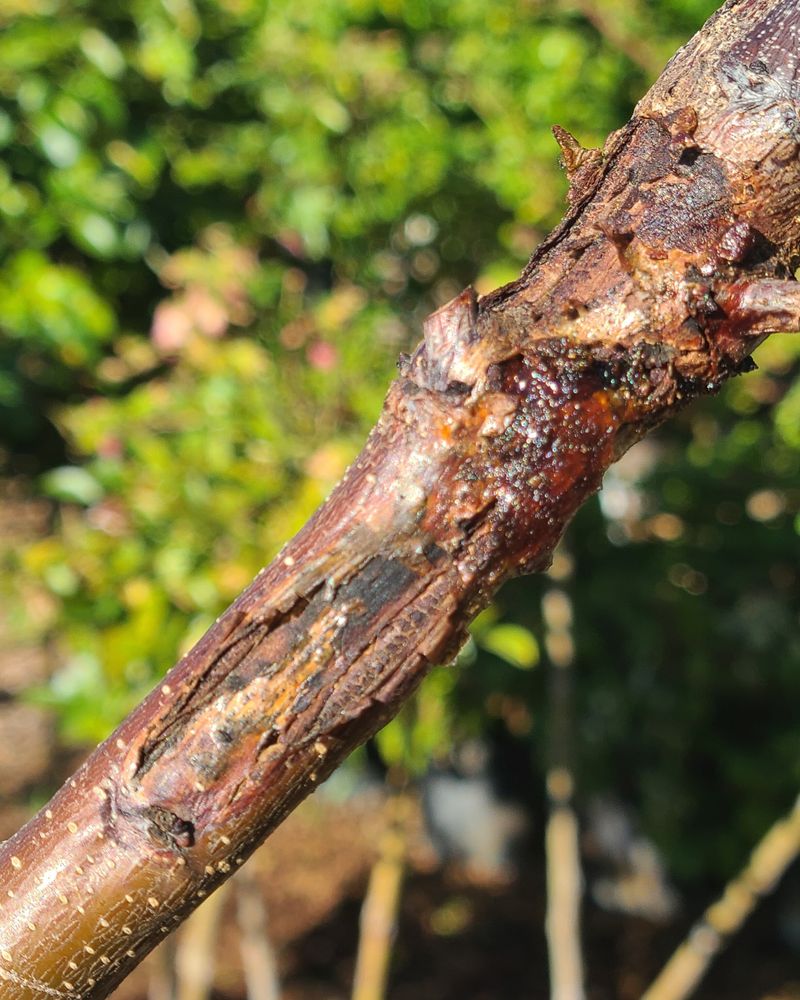
Scaffold limbs can get sunburned too.
That surprises gardeners who focus only on trunks and fruit. Large limbs that formed inside a leafy canopy often have bark that is not used to direct afternoon sun.
Once pruning, storm breakage, disease, or leaf loss exposes them, those upper surfaces can heat quickly.
The south and west sides deserve the first look. That is where August sun hits hardest during the hottest part of the day.
Use the same diluted white interior latex paint you would use on young trunks. Brush it onto newly exposed upper limb surfaces and any trunk sections that lost shade.
You do not need to paint every inch of the tree. Target the bark that suddenly faces sky and afternoon light.
A thin, watery streak may not last. Apply enough to create visible white coverage, then check it after the next hot spell.
Avocados and young citrus often need special attention because their bark can be thin and sensitive. Stone fruit can also suffer when scaffold limbs lose shade too fast.
If whitewash cracks, peels, or wears away, touch it up.
This works like a sun hat for bark that did not ask to be exposed in August.
Newly opened canopies need aftercare. A saw cut may take minutes, but the sunlight that follows can shape the tree for seasons.
5. Shade Vulnerable Fruit During Peak Sun
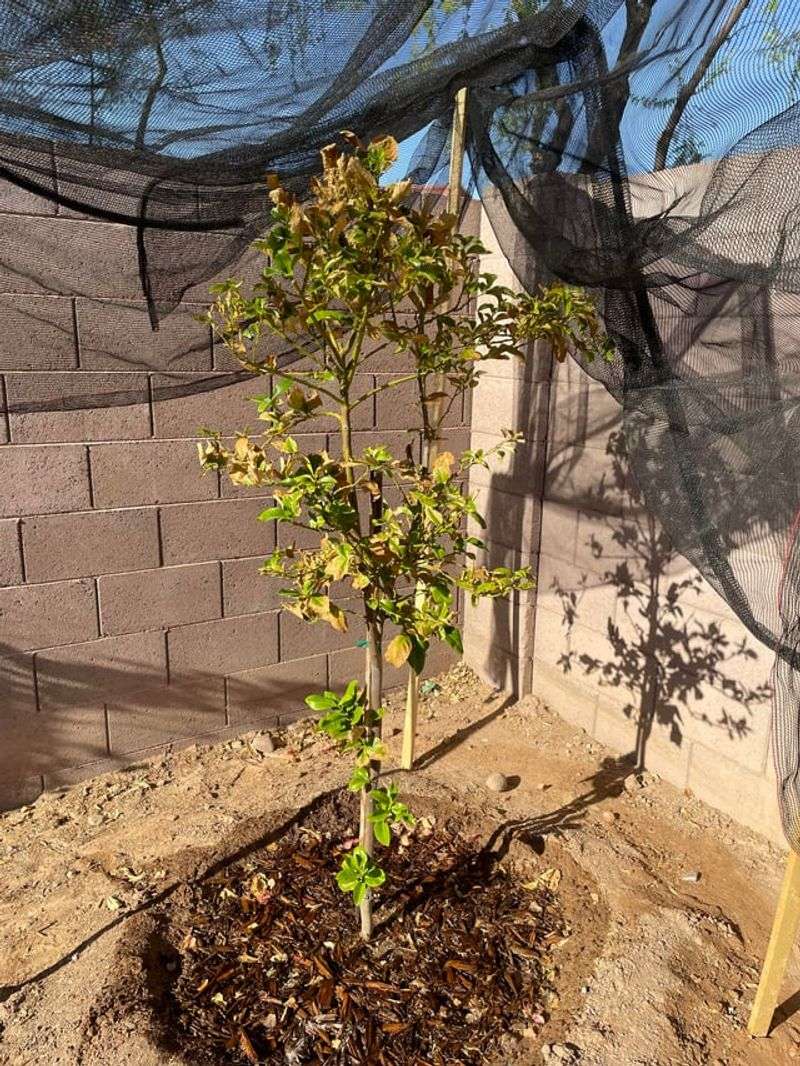
Fruit can sunburn while the tree still looks mostly fine.
That is what makes August so frustrating. A peach, apple, citrus fruit, apricot, or plum can develop pale, leathery, dull, or browned patches on the side facing the strongest afternoon sun.
The inside may still be usable in some cases, but the skin tells the story. Once the surface gets scorched, that spot will not turn back into perfect fruit.
Shade cloth can help during the hottest stretch.
Use horticultural shade cloth rather than a tarp. A tarp can trap heat and block airflow, which may trade one problem for another. Most home growers do better with a temporary frame, clips, hoops, or supports that hold shade above the canopy.
Do not let fabric rub directly on fruit during wind. That can cause scarring, especially on soft-skinned crops.
Focus on the west and southwest sides first. Those sections take the harshest afternoon light.
Trees near stucco walls, driveways, pale gravel, or fences may need extra protection because reflected heat makes the fruit hotter than the air suggests.
Remove temporary shade once the heat event passes. Fruit still needs light and airflow during safer weather.
Shade cloth is not a permanent cave.
It is a short-term rescue plan for fruit caught in the wrong place during the hottest week of summer.
6. Water Deeply Before The Heat Arrives
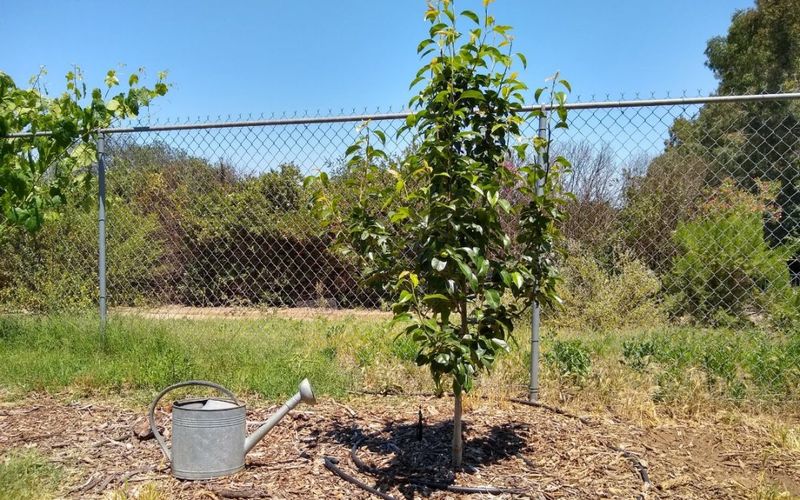
Watering during the heat is helpful. Watering before the heat is smarter.
A fruit tree with moist soil at root depth can handle August stress better than one already running low. Water supports leaf cooling, keeps roots active, and helps the canopy stay full enough to shade bark and fruit.
Do not aim the hose only at the trunk. Feeder roots spread outward, often near and beyond the drip line. That is where irrigation matters most.
Water deeply the day before a major heat spike when soil moisture is low. The goal is moisture several inches down, not a shiny wet surface that dries before lunch.
Use a soil probe, trowel, or long screwdriver to check depth. If the ground is dry and crumbly below the surface, the tree needs more than a quick sprinkle.
Soil type changes the routine. Sandy soil drains fast and may need more frequent attention. Clay soil holds water longer but can become soggy if overdone.
Mulch helps the whole plan work better. Spread a 3- to 4-inch layer of coarse wood chips over the root zone, keeping it several inches away from the trunk.
No mulch volcanoes. Trees do not need neck warmers in August.
Deep water plus mulch gives roots a cooler, steadier place to work while the canopy faces the sun.
7. Protect The Southwest Side First
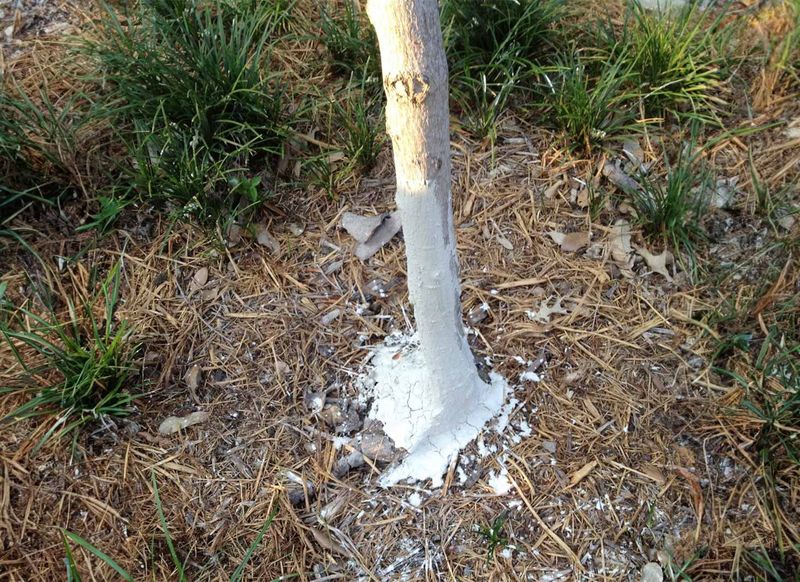
The southwest side usually takes the hardest hit.
That part of the tree gets the strongest afternoon sun, right when August heat has already built up across soil, pavement, walls, and fences. Bark and fruit on that side often show stress before the rest of the tree looks bothered.
Start inspections there.
Walk around each tree in early afternoon and look at what faces the sun. Check young trunks, scaffold limbs, exposed fruit, and branches near reflective surfaces.
Pale fruit patches, leathery skin, curled leaves, darkened bark, sunken areas, or cracking on exposed wood all deserve attention.
Young trees go to the front of the protection line. Their bark is thinner, their canopies are smaller, and their roots are still learning the yard.
Recently pruned trees come next. Any limb that lost shade suddenly needs a second look.
Whitewash exposed trunks and limbs. Add shade cloth or a temporary panel on the southwest side when heat gets extreme. Refresh mulch and water deeply before the hottest day arrives.
A tree planted between concrete and a south-facing wall may need extra help. That spot can act like a little heat trap with fruit attached.
Start where the sun is most aggressive.
You do not have to solve the whole orchard at once. Protect the side August punishes first, then work your way around.
8. Wrap Young Trunks With Temporary Shade Guards
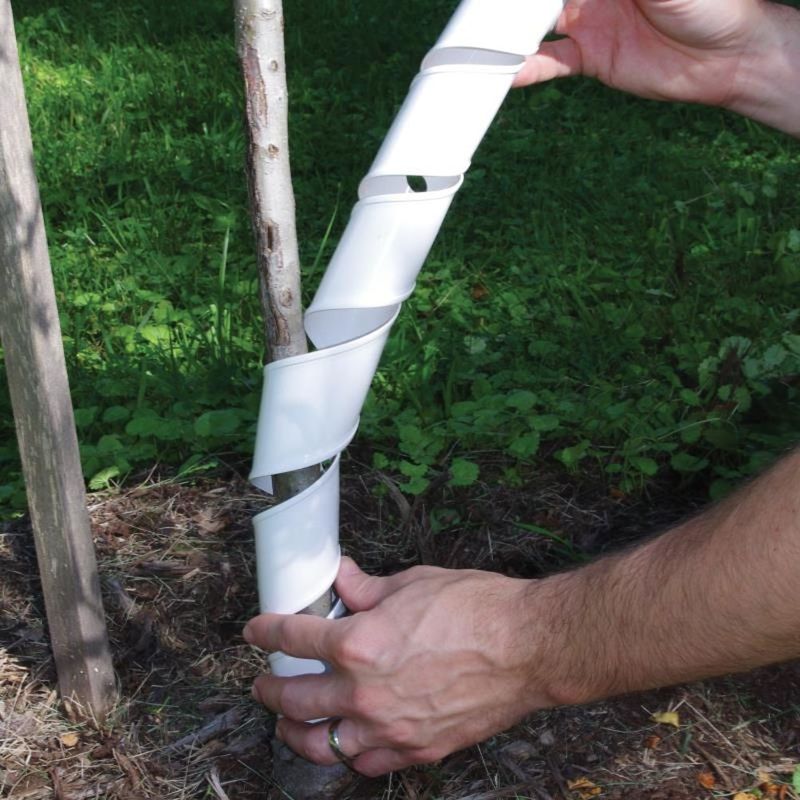
Young trees sometimes need a little physical backup.
Whitewash helps, but a newly planted fruit tree in a brutal California August may still struggle when the trunk sits fully exposed. A simple temporary shade guard can block the worst afternoon sun while the canopy fills in.
Use a breathable tree wrap, trunk guard, reed screen, or shade panel that allows airflow. The goal is shade, not a plastic sleeve that traps heat and moisture against the bark.
Place the guard on the south or southwest side first. That is where young trunks usually take the hardest afternoon hit.
Do not wrap tightly. Leave space between the material and the bark so air can move and the trunk stays dry.
Check the guard often. Ants, earwigs, moisture, and bark problems can hide behind anything left too long without inspection.
Remove or adjust the protection as the tree grows. A guard that fit in August can become too tight later, and young bark does not need a surprise squeeze.
This is especially useful for new citrus, avocado, peach, apricot, apple, and plum trees with small canopies.
A shade guard is not a permanent crutch. It is a short-term shield while the tree builds its own leafy protection.
In August, that little bit of shade can keep a young trunk from paying for a planting spot that gets too much afternoon glare.