The One August Task That Determines How Well Your Florida Citrus Overwinters
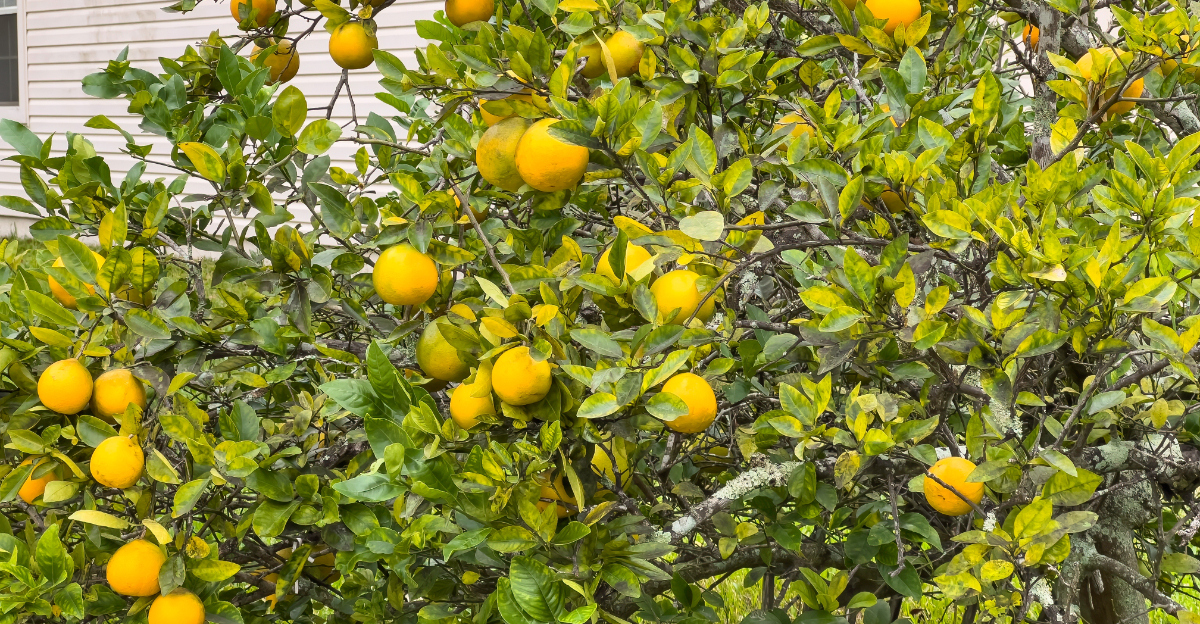
Florida citrus in August looks self-sufficient. The heat is doing what heat does, the fruit is developing on its own schedule, and the tree gives no obvious indication that anything specific is needed from the gardener right now.
That is exactly the problem. August is when citrus builds the internal reserves it will draw on through winter.
Root energy, canopy density, the structural preparation that determines how well the tree handles whatever the cold season delivers. That process is happening right now, quietly, with or without intervention.
With the right August task, it happens efficiently. Without it, the tree goes into winter carrying less than it should, and the consequences show up in fruit quality, cold tolerance, and the spring flush that follows.
One task. Done in August.
The difference it makes is not visible until winter reveals it.
1. Make August Your Final Citrus Feeding Window
A fertilizer bag sitting next to damp soil tells only half the story. Before you open it, August is worth treating as a review point rather than a scheduled application day.
Pull out any notes from earlier feedings this season and check how many applications your tree has already received.
UF/IFAS home-landscape guidance generally recommends feeding mature bearing trees three times per year. That timing is spread across late winter, early summer, and late summer.
However, that schedule is a starting framework, not a rigid rule for every Florida yard. Young nonbearing trees may follow a more frequent but smaller-amount schedule through their first few years.
Local fertilizer ordinances add another layer to the decision. Many counties restrict nitrogen and phosphorus applications during the rainy season, which often runs from June through September.
A legal restriction takes priority over any general gardening calendar. Check your county or municipality website before applying anything.
Rainfall timing matters too. Applying granules just before a heavy downpour can push nutrients off the root zone and into storm drains.
Watch the forecast for at least a day or two before spreading. The August task is really a four-part check: timing, need, legality, and weather.
2. Choose Nutrients That Strengthen Roots And Fruit
Reading the guaranteed analysis panel on a fertilizer bag is more useful than reading the product name. Numbers tell you what you are actually applying.
A product labeled for citrus often contains a blend of nitrogen, potassium, magnesium, and several micronutrients, but the ratios vary widely between brands.
Nitrogen supports leaf and shoot development. Potassium contributes to fruit quality and overall plant function.
Magnesium matters in sandy soils, where it leaches relatively quickly. Micronutrients such as manganese, zinc, and iron become less available in high-pH soils, which are common in some parts of the state.
Phosphorus is one nutrient you should not add automatically. Most established Florida home soils already hold adequate phosphorus, and excess amounts can interfere with other nutrients.
A soil test from your county extension office removes the guesswork and tells you what is actually missing.
Some micronutrient problems call for a targeted correction rather than a broad multi-nutrient blend. Adding every available supplement at once rarely solves a specific deficiency.
Your Florida Garden Changes Every Week. Your Plan Should Too.
Gardening in Florida changes quickly throughout the season. Every Friday you’ll receive a simple weekly plan showing exactly what to plant, prune, fertilize, harvest, and protect so you never miss the right timing.
Match the product to a verified need, compare label directions carefully, and lean toward balanced nutrition rather than chasing maximum size or color.
3. Avoid Nitrogen That Pushes Tender Fall Growth
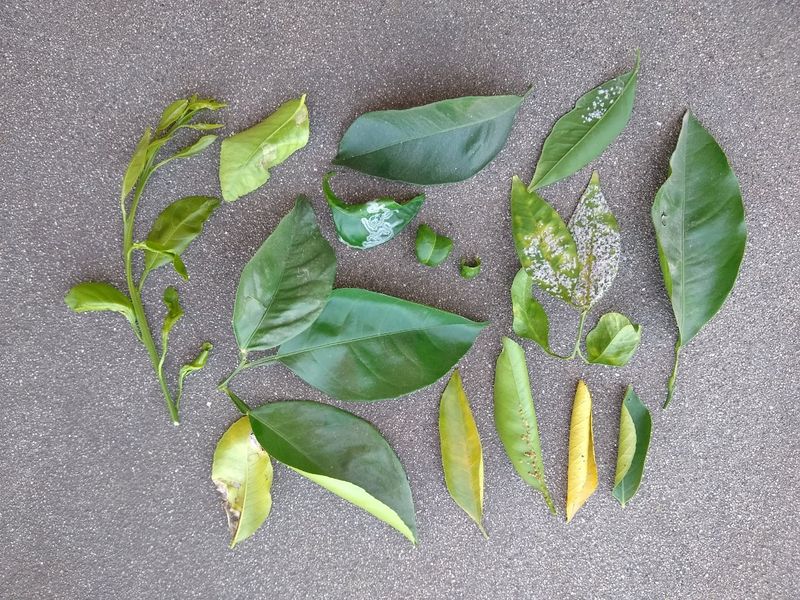
Soft green shoots pushing out late in the season can look encouraging at first glance. In reality, a flush of tender new growth triggered by excess nitrogen near the end of summer may create problems.
This happens as temperatures begin to drop in northern and central areas of the state.
New vegetative growth that has not yet hardened off tends to be more sensitive to cold than mature wood. The timing of cooler nights varies considerably across the region.
Northern Florida growing areas typically see meaningful temperature drops earlier in the fall than southern growing areas. The risk window differs depending on where your tree is planted.
Vigorous new shoots can also attract citrus leafminers and Asian citrus psyllids. Psyllids are especially concerning because they can spread citrus greening disease.
More nitrogen does not always mean a stronger tree; sometimes it simply creates more attractive targets for insects.
Pale or yellowish foliage does not automatically signal a nitrogen shortage. Root stress, poor drainage, elevated soil pH, or disease can all produce similar visual symptoms.
Feeding a stressed tree in hopes of forcing greener leaves rarely addresses the actual cause. Verify the need before applying, and resist the habit of fertilizing on a fixed schedule without checking current conditions.
4. Time The Application Before Heavy Rain Arrives
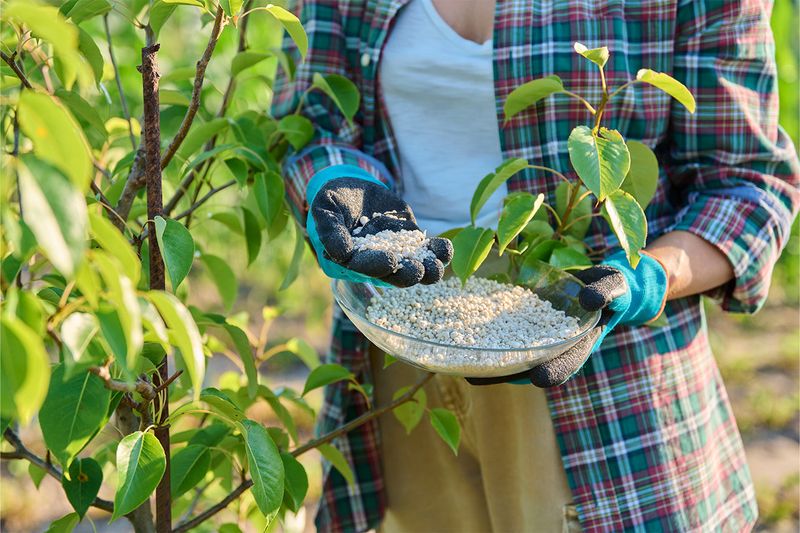
Storm clouds building on the horizon are a clear signal to pause before reaching for the spreader. Applying granular fertilizer immediately before heavy rain increases the chance that nutrients move off the root zone before the tree can absorb them.
Sandy soils, which are widespread across Florida warm-climate home landscapes, drain quickly and offer little resistance to nutrient movement during a downpour.
Saturated soil is another reason to hold off. When the ground is already holding as much water as it can, added moisture has nowhere to go except sideways or downhill.
Fertilizer applied to waterlogged soil is more likely to travel toward drains, streets, and nearby waterways rather than staying in the root zone where it belongs.
Check the irrigation system before any application as well. An uneven system may create dry patches and overly wet areas within the same root zone.
Misplaced granules that land on sidewalks or driveways should be swept back into the landscape right away to prevent runoff.
Follow label directions regarding irrigation after feeding. Not every product requires a deep watering afterward, and overdoing it can move nutrients downward past the root zone.
Timing an application during a dry window of two to three days gives the roots a reasonable chance to absorb what you put down.
5. Feed Young Trees Differently From Mature Ones
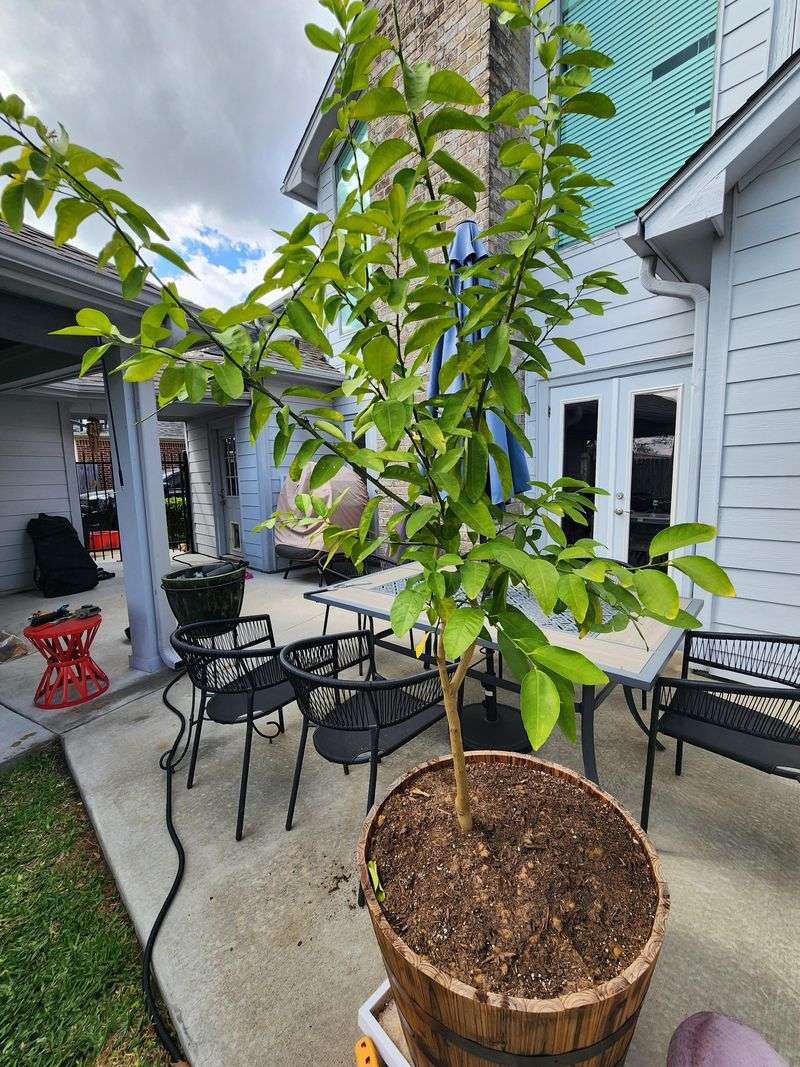
A small first-year tree in a container and a broad ten-year-old tree planted in the ground have very different nutritional needs. Treating them the same way is one of the more common mistakes in home citrus care.
Newly planted and young nonbearing trees typically benefit from smaller, more frequent applications spread across the growing season rather than one large feeding.
UF/IFAS guidance for young home trees generally recommends lighter amounts applied more often during the first few years. As trees mature and begin bearing fruit, the timing and quantity shift.
Mature trees spread their root zone well beyond the edge of the canopy. Spreading fertilizer evenly across that entire zone matters more than concentrating it near the trunk.
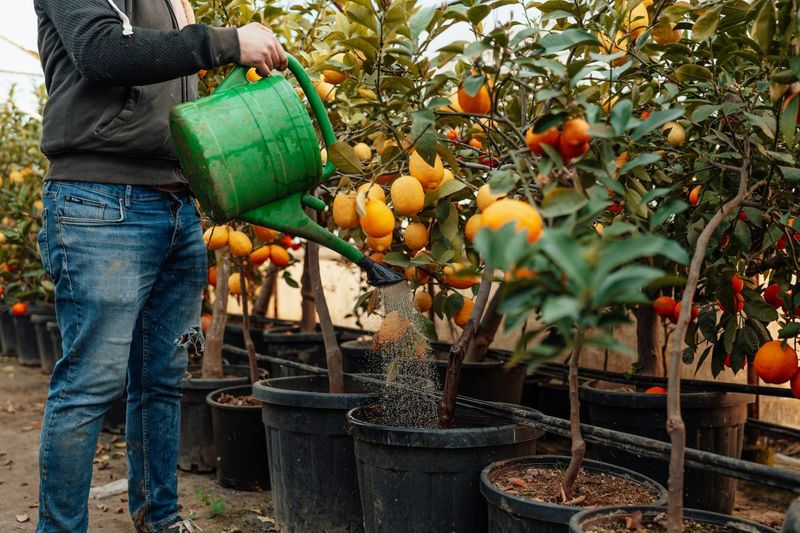
Container citrus loses nutrients through drainage more readily than in-ground trees because the soil volume is limited.
Pots may need more frequent but smaller feedings, and rates designed for ground-planted trees should not be transferred directly to container situations.
Never pile granules against the trunk or place them on exposed roots or damaged bark. A stressed mature tree may not respond the same way a vigorous tree of similar age would.
Age, planting method, current health, and local rules all factor into the right choice for late summer.
6. Watch The Leaves Before Adding More Fertilizer
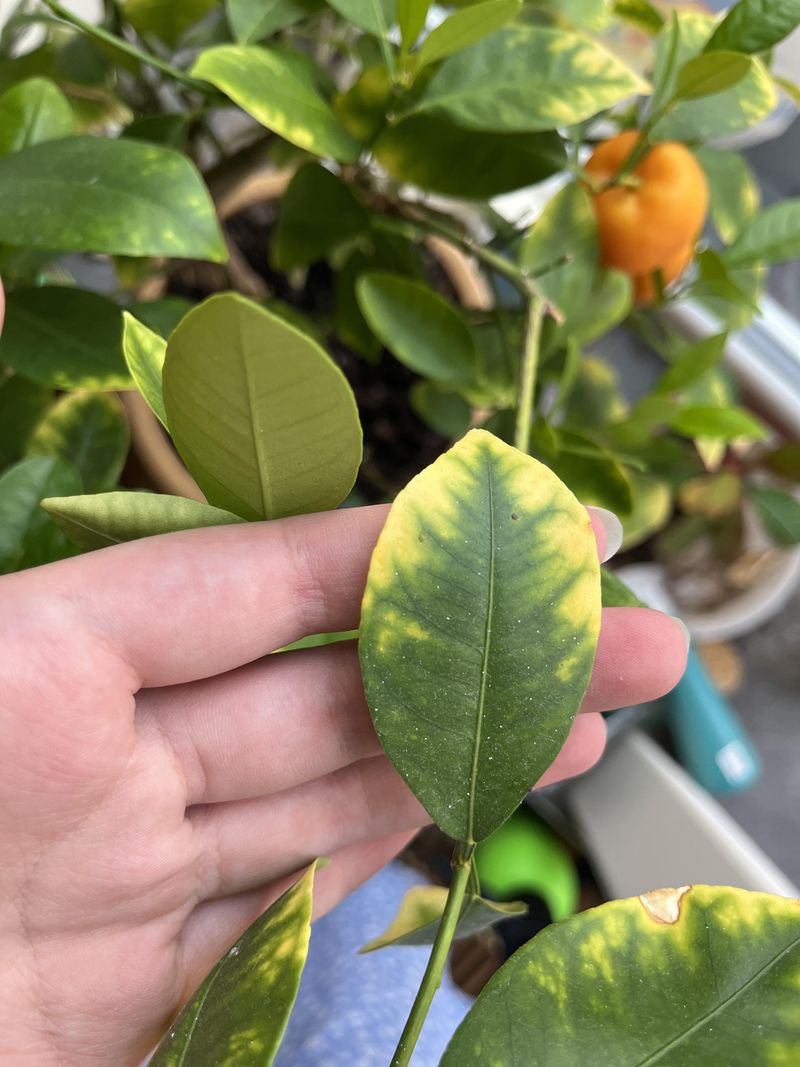
One yellow branch standing out from an otherwise green canopy deserves a careful look before any fertilizer is applied.
Leaf color changes can point toward nutrient imbalances, but they can also signal root stress, excess moisture, pest activity, disease, or elevated soil pH.
Jumping straight to fertilizer without identifying the actual cause may make things worse.
Walk around the entire canopy and note where the symptoms appear. Yellowing on older leaves often points to different causes than yellowing on new growth.
Blotchy color, pale veins against green tissue, small curled leaves, or weak new shoots each suggest different underlying issues. Patterns matter as much as color.
Citrus greening disease deserves a specific mention here. Some of its early symptoms resemble nutrient deficiencies, including a blotchy yellowing pattern that can look like magnesium or zinc shortages.
A single yellow leaf or one photograph is not enough to confirm greening. Contact your Florida local extension office if you see unusual or spreading symptoms across multiple branches.
Soil testing or leaf tissue analysis can remove the guesswork when symptoms are unclear. Adding several nutrients as a precaution rarely solves a specific problem and may create new imbalances.
Observe first, identify the likely cause, and then decide whether fertilizer is the right response.
7. Protect The Root Zone After The Final Feeding
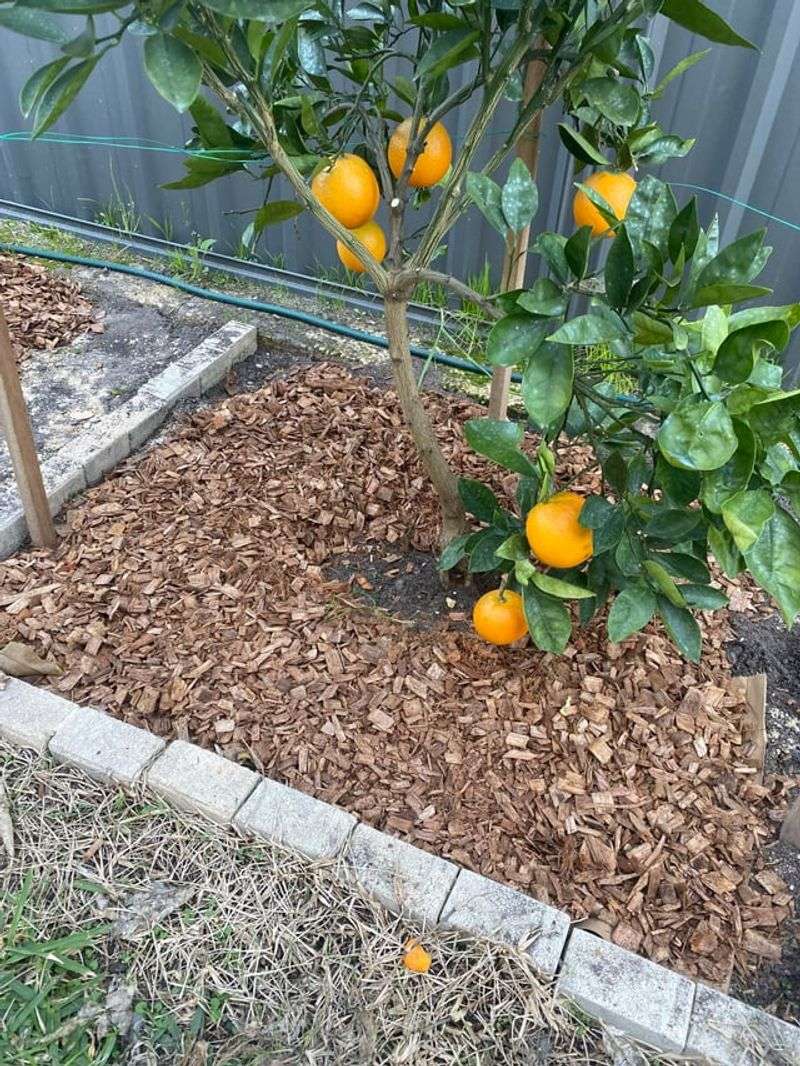
Beneath the canopy of a well-tended tree, the surface roots and surrounding soil tell you a lot about how prepared the tree is for cooler months. After the late-summer feeding decision is made, protecting that root zone becomes the next priority.
Roots need consistent moisture, adequate oxygen, and protection from physical damage to function well heading into fall.
Mulch applied over the root zone helps moderate soil temperature and slow moisture evaporation between rain events. Most regional guidance suggests a layer of two to three inches of organic mulch spread beneath the canopy.
Keep mulch several inches away from the trunk to avoid bark decay and to discourage pests from sheltering against the base.
Mulch cannot fix a drainage problem. If the soil stays waterlogged after rain, adding mulch will not correct the underlying issue.
Reduce or pause irrigation after substantial rainfall, and remember that mature trees and newly planted ones have different moisture needs. There is no single watering schedule that fits every yard.
Protect the root zone from mowers, string trimmers, and foot traffic. Bark wounds and root damage near the soil surface add stress to a tree that is preparing for seasonal changes.
Remove competing weeds by hand rather than through deep cultivation beneath the canopy, which can sever shallow feeder roots.
8. Let New Growth Harden Before Cooler Nights
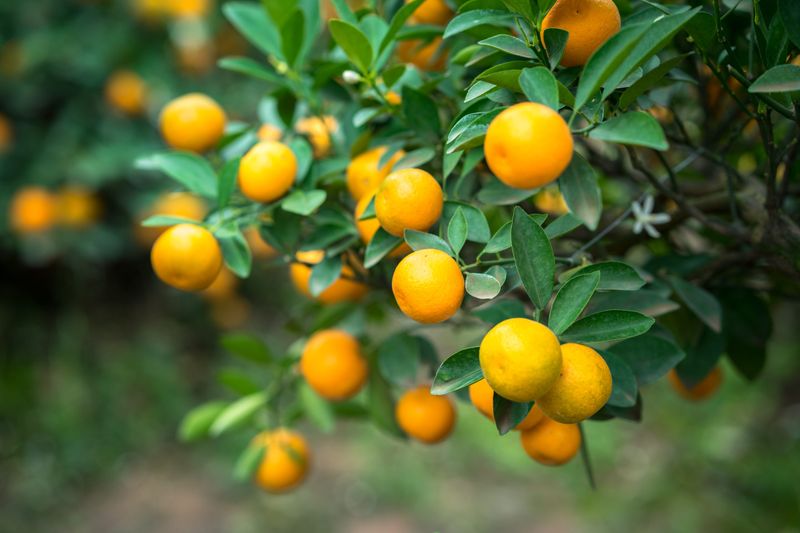
After several weeks of humid summer weather, the first noticeably cooler night feels like a shift. What happens in the weeks between late summer and that first cool evening matters a great deal for how well a tree handles the season ahead.
Avoiding unnecessary growth stimulation during this transition period is a practical and evidence-based goal.
Cooler nights arrive earlier in northern areas of the state than in central or southern ones. That geographic difference affects when you should stop encouraging new vegetative growth.
Lemons and limes are generally more sensitive to cold than oranges, mandarins, or grapefruit. The same late-season decision carries different stakes depending on what you are growing.
Major pruning before colder weather is worth avoiding. Cutting back branches can trigger a flush of new growth and expose interior wood to temperature swings.
Minor shaping is usually fine, but saving significant pruning for after the coldest period has passed is a reasonable approach for most home growers.
Gather frost-protection supplies before a cold event is in the forecast rather than scrambling the night before. Covers, plant blankets, and irrigation plans are worth having ready.
The smartest August task may turn out to be choosing not to fertilize at all. A tree that enters fall with stable nutrition, consistent moisture, and undisturbed roots is already in a strong position.