Why Your Florida Yard Is Missing Painted Buntings And What Finally Brings Them In
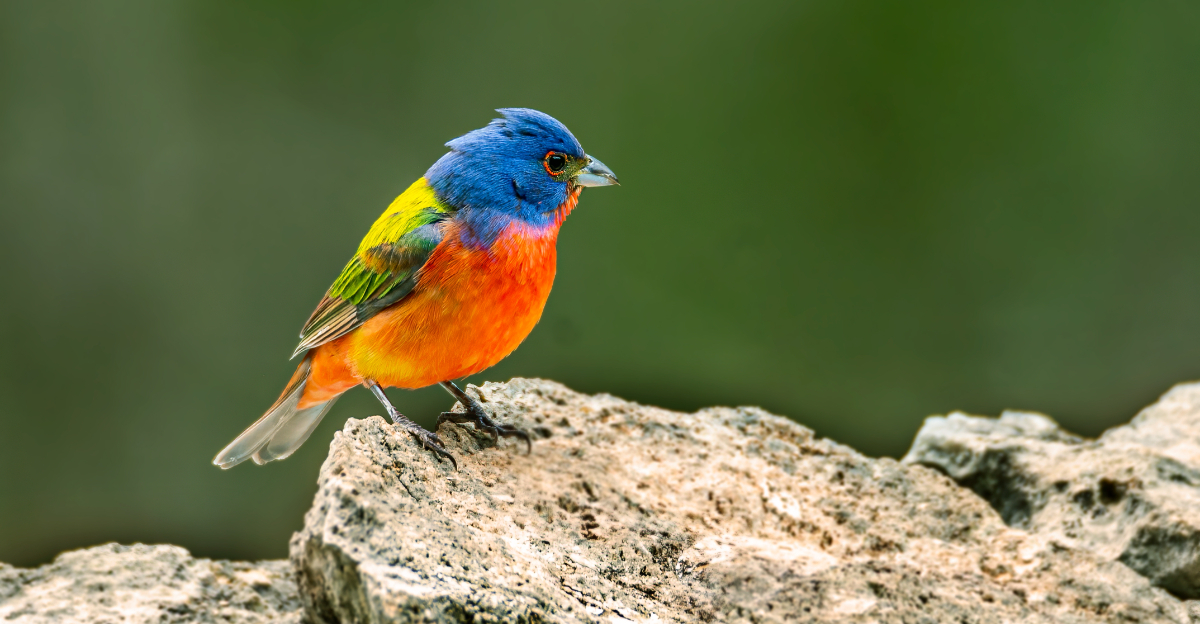
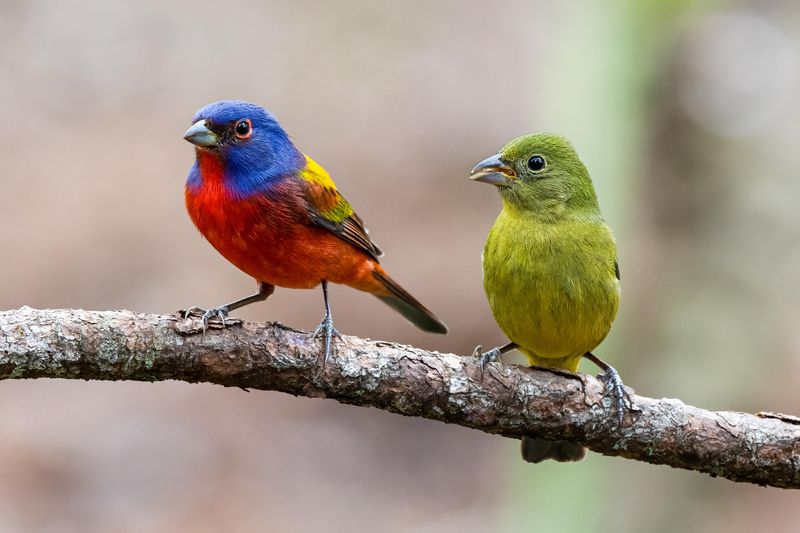
Florida has a bird that looks almost unreal.
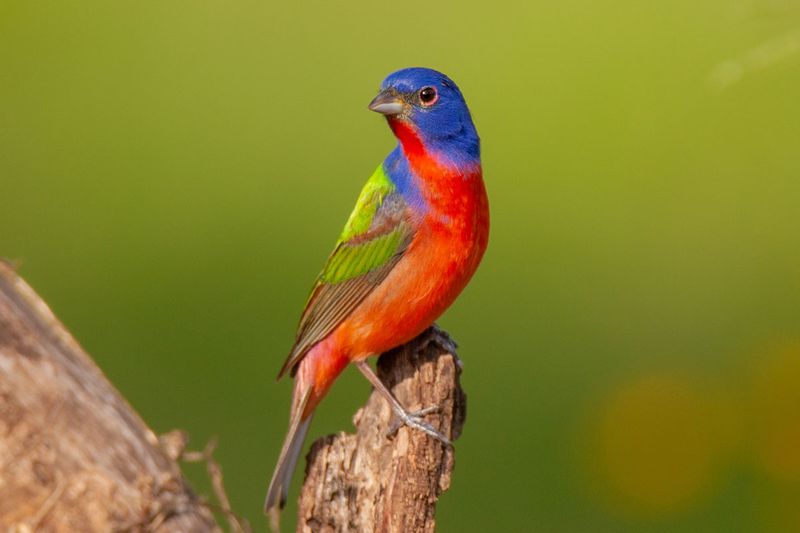
Blue head. Green back. Red belly. The male painted bunting shows up dressed like a tiny flying festival, then somehow ignores half the yards waiting for him.
That part feels personal.
You add a feeder. You keep the lawn tidy. You trim the shrubs into polite little shapes. Still, the rainbow bird keeps moving.
The reason is not snobbery. It is habitat.
Painted buntings are not searching for a perfect patio view. They want seeds, cover, quiet edges, and enough plant layers to feel safe while they feed.
A yard can look beautiful to people and completely wrong to a nervous little bird with predators above and cats below.
So what makes one Florida yard worth a stop while another gets skipped? The answer starts with a little less neatness and a lot more shelter.
Give these birds what they actually trust, and your yard starts speaking their language.
1. Open Lawns Give Them No Cover
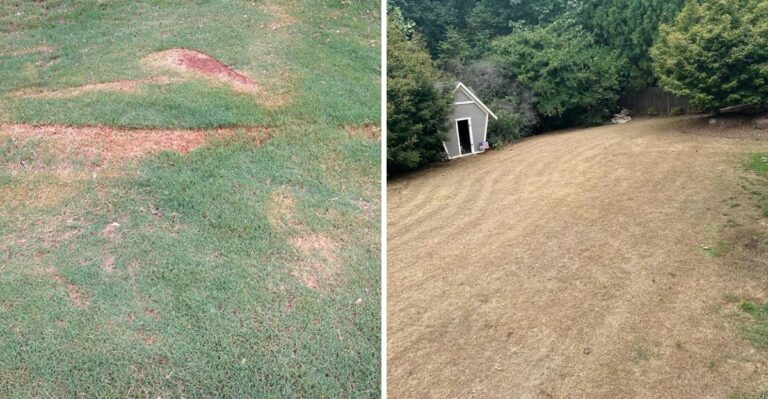
A perfectly mowed lawn is one of the most common reasons painted buntings pass right over a yard without landing.
From a bird’s perspective, open grass is basically a danger zone. There is nowhere to hide, nowhere to dart into if a hawk swoops down, and no food worth the risk of crossing that much open ground.
Painted buntings are naturally secretive birds.
According to the Florida Fish and Wildlife Conservation Commission, they tend to stay near thick, low vegetation and rarely spend time in exposed areas. A wide-open lawn, no matter how green and lush it looks to you, reads as a threat to them.
Think about it from a small bird’s point of view.
You weigh less than half an ounce. Every open space is a gamble. Birds that survive long enough to migrate back each year are the cautious ones, the ones that stick close to cover.
Shrinking your lawn footprint even a little can make a real difference.
Replacing a section of turf with native plantings, even a modest corner bed, begins to break up that exposed space.
Each shrub, each cluster of native grasses, each brushy edge you add reduces the open exposure that makes painted buntings nervous.
Lawns are great for kids and dogs. They are not great for attracting one of Florida’s most stunning winter visitors.
2. Bare Beds Leave The Menu Empty
Walk through a typical Florida landscape bed and you will often find mulch, a few ornamental shrubs, maybe some colorful annuals.
It looks tidy. It looks intentional. But to a painted bunting scouting for food, it looks like a restaurant with an empty menu.
Painted buntings eat primarily seeds, especially small grass seeds, but they also forage for insects and berries during certain times of year.
UF IFAS Extension notes that native plants support far more insect life than non-native ornamentals, and insects are critical protein sources, especially for birds fueling migration.
Bare mulch beds produce nothing a bunting can use.
Ornamental plants chosen purely for their looks rarely set seed in forms that small birds can access. Even plants that do produce seeds often do so in ways that are too large, too hard, or simply not the right shape for a bunting’s small beak.
Your Florida Garden Changes Every Week. Your Plan Should Too.
Gardening in Florida changes quickly throughout the season. Every Friday you’ll receive a simple weekly plan showing exactly what to plant, prune, fertilize, harvest, and protect so you never miss the right timing.
Swapping even a few plants in your beds for native seed-producers changes the math entirely.
Native wildflowers, native shrubs with berries, and low-growing native groundcovers all add food value that a bare ornamental bed simply cannot offer.
Plants like beautyberry, native sunflowers, and wild petunia are not just pretty. They feed insects, which feed birds, which is the whole point.
3. Sparse Shrubs Make Them Keep Moving
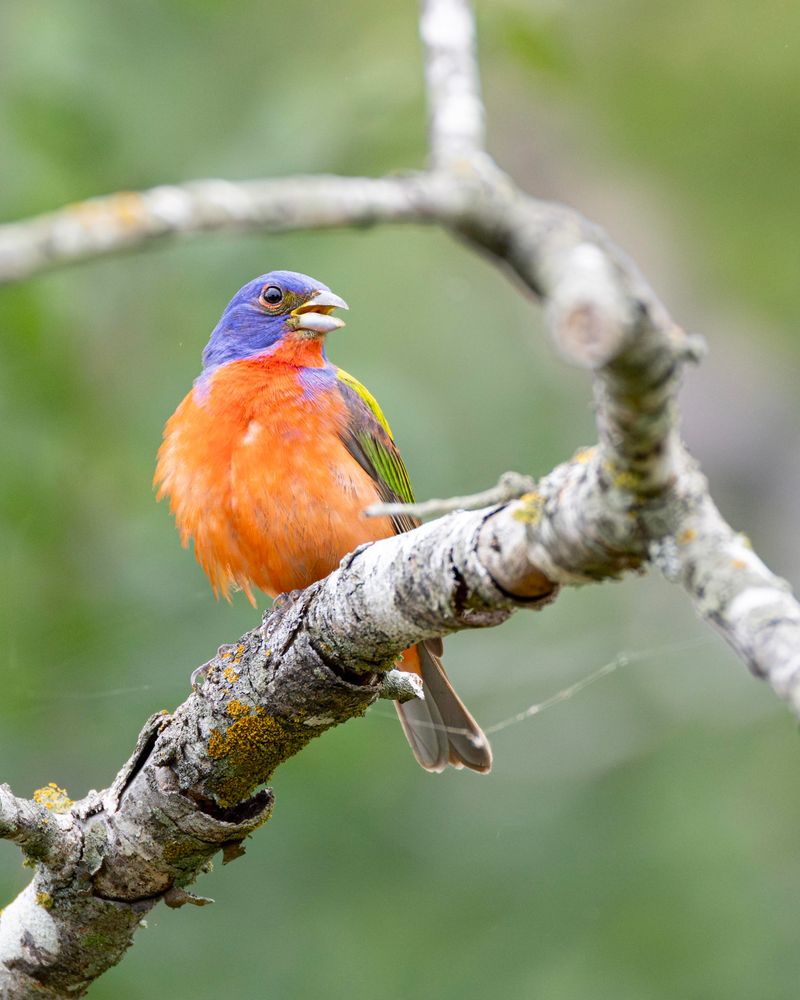
Spot a painted bunting and you will notice it almost never perches out in the open for long.
It moves from cover to cover, using shrubs, tall grasses, and dense plantings as a kind of highway system. A yard with only one or two lone shrubs scattered across a lawn gives them nowhere to go between stops.
Density matters as much as the plants themselves.
A single beautyberry bush is a good start, but a cluster of native shrubs planted close together creates something far more useful: a shrubby corridor a bird can move through safely.
The Florida Fish and Wildlife Conservation Commission describes connected low cover as essential for secretive species like painted buntings.
Grouping shrubs together, even in a corner of the yard, creates that sense of connected shelter.
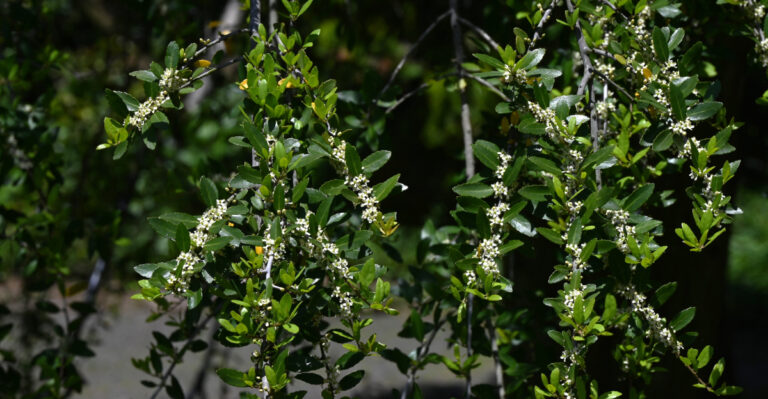
Native species like Walter’s viburnum, firebush, and wax myrtle grow densely enough to provide real cover. Planting them in clusters rather than as isolated specimens gives small birds the layered, interlocking structure they actually use.
Sparse is the enemy of habitat.
Lush, tangled, and connected is what keeps a painted bunting from just flying on to the next yard.
4. Cleanups Remove Too Many Seeds
Here is a habit that feels responsible but quietly works against you: the obsessive fall and winter cleanup.
Raking every leaf, blowing every seed head, trimming every spent flower stalk to the ground. The yard looks neat. The birds look elsewhere.
Seed heads on native plants are essentially a free bird feeder.
When you cut them down in October, you are removing exactly the food source that painted buntings and other seed-eating birds rely on through the cooler months.
UF IFAS Extension recommends leaving seed heads standing through winter precisely because they provide critical food for wildlife.
Leaf litter is another big one.
It looks messy to most homeowners, but a shallow layer of leaves under shrubs and along bed edges harbors insects, spiders, and tiny invertebrates that birds forage through constantly.
Painted buntings will scratch through leaf litter for protein-rich insects, especially when fueling up for migration.
Delaying your cleanup until late winter or early spring makes a real difference.
Let the seed heads stand. Let the leaves accumulate under your shrubs. That small act of not doing something can attract more birds than any new feeder you install.
Seed heads standing tall through January are not a sign of neglect. They are a sign that someone understands how birds actually eat.
5. Dense Low Cover Changes The Yard
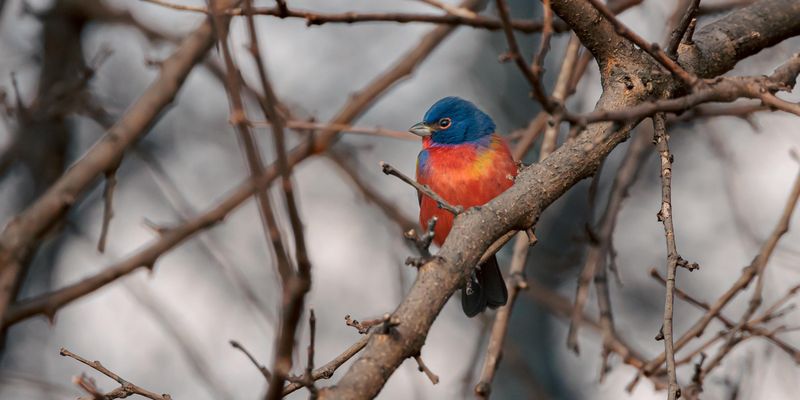
Something shifts in a yard the moment you add a real thicket.
Not just a few shrubs, but a genuine cluster of dense, low, interlocking native plants that create a space birds can disappear into. That shift is exactly what painted buntings are looking for when they scout a new yard.
Dense low cover serves multiple functions at once.
It provides escape routes from predators, sheltered roosting spots, nesting potential, and foraging habitat all in one layered package.
According to UF IFAS Extension, native shrubs that grow in multi-stemmed, branchy forms are especially valuable because they create the interior structure small birds use for protection.
Wax myrtle is one of the best choices for Florida yards.
It grows fast, stays dense, produces berries that many birds eat, and tolerates a wide range of Florida soil conditions.
Firebush, beautyberry, and native wild coffee are other strong options that provide both cover and food in a compact footprint.
You do not need a huge yard to make this work.
A corner planting roughly ten feet across and planted with three or four native species in a tight cluster can function as meaningful habitat.
The key is density, not just diversity. Plants growing close enough to touch each other create the kind of interwoven cover that signals safety to a small, cautious bird.
Once that corner fills in after a season or two, you may start noticing birds using it in ways your open ornamental beds never attracted.
6. Native Grasses Bring The Seed Supply
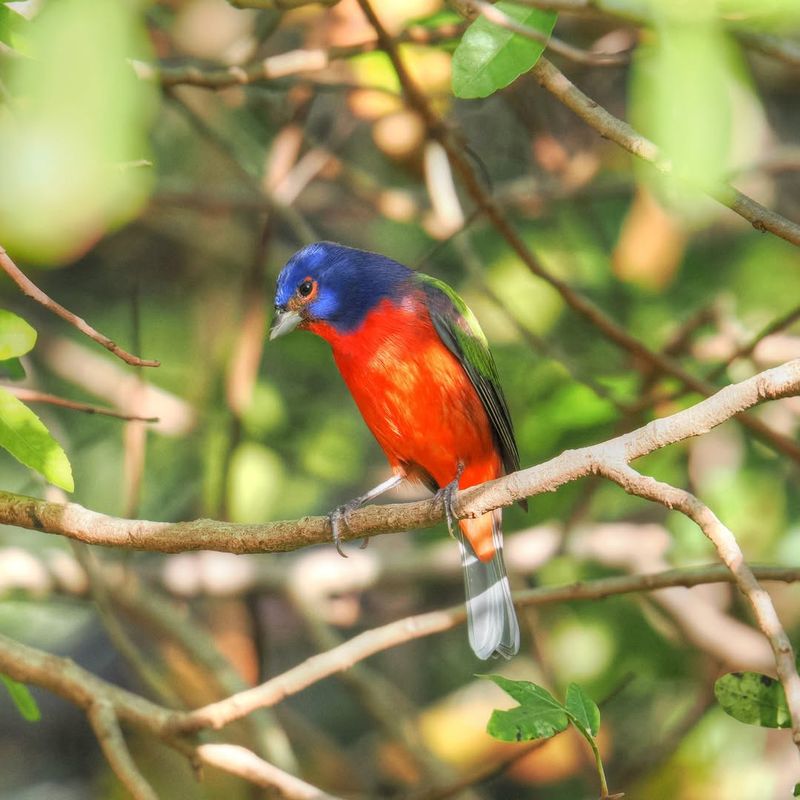
Few things attract seed-eating birds as reliably as a patch of native grasses left to set seed.
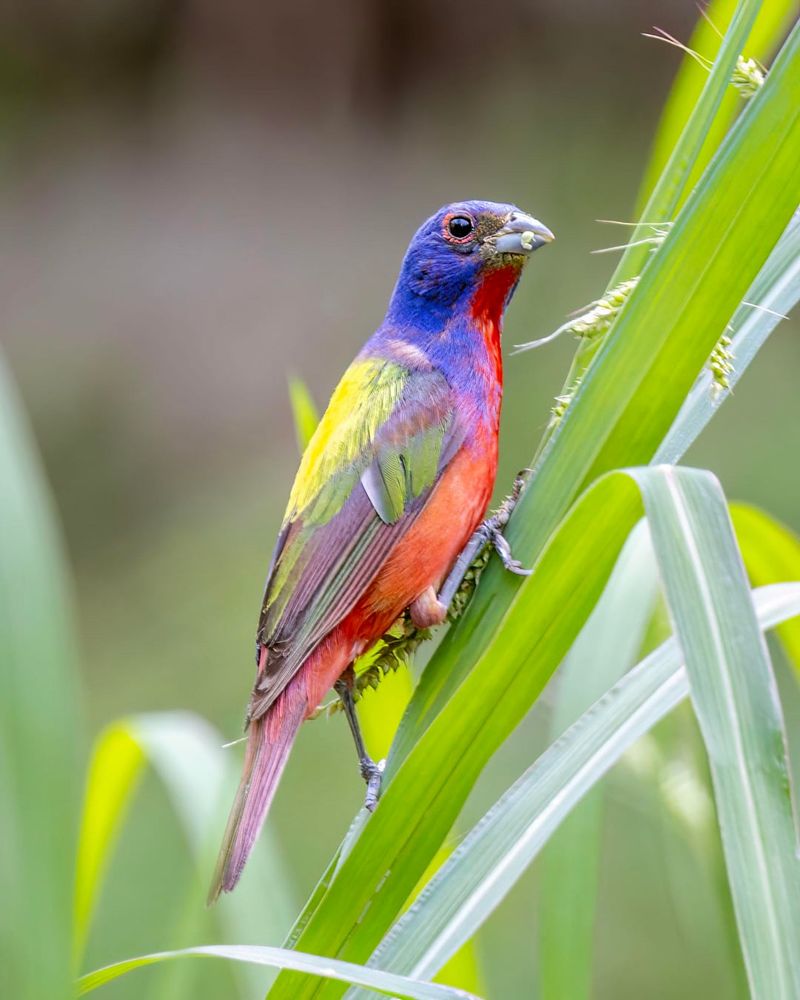
Painted buntings are grass seed specialists. In the wild, they forage along weedy edges, overgrown fence lines, and brushy fields where grasses grow thick and seedy.
Replicating even a small version of that in your yard gives them a reason to stop.
Florida has a rich palette of native grasses that work beautifully in residential landscapes.
Gulf muhly produces clouds of pinkish seed heads in fall that are both gorgeous and functional. Wiregrass, a foundational plant in Florida’s longleaf pine ecosystem, supports insects and provides seeds.
Fakahatchee grass adds height and texture while producing seeds that small birds can access.
UF IFAS Extension consistently recommends native grasses as high-value additions to wildlife gardens because they support not just birds but the insect communities that birds depend on.
A patch of native grasses is not just a seed source. It is a living habitat layer that supports the whole food web from the ground up.
Placement matters too.
Native grasses planted near shrubs or along a bed edge create a transition zone where painted buntings can grab seeds but stay within a quick hop of shelter.
A few clumps of seedy native grasses positioned near your brushy cover could be one of the simplest upgrades your yard makes this season.
7. Brushy Edges Make Feeders Safer
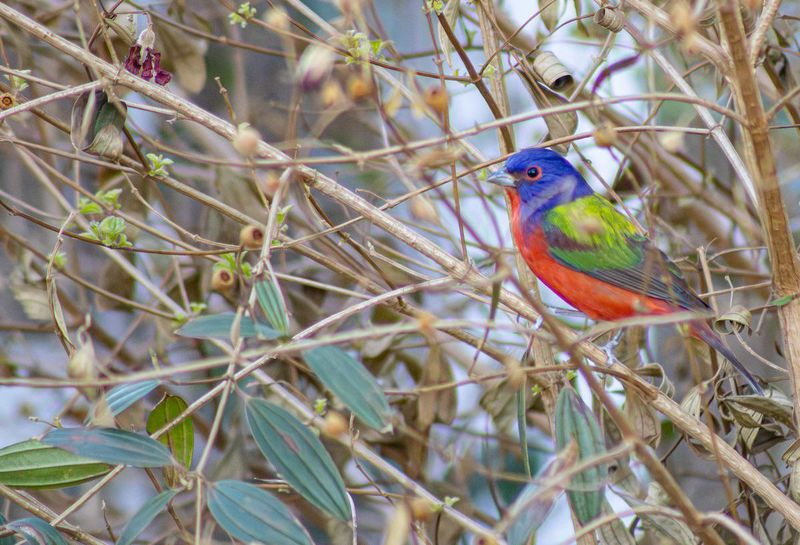
A feeder hanging in the middle of an open lawn is basically a trap from a small bird’s perspective.
There is no cover to retreat to if something scary shows up. Painted buntings, more than many species, need to feel that escape is just a short flight away before they will commit to feeding in one spot.
Feeder placement near dense cover is one of the most practical adjustments you can make.
Position your feeder within ten to fifteen feet of a shrub border, a brushy corner, or a hedge line. That proximity gives painted buntings and other cautious species a clear flight path to safety.
The Florida Fish and Wildlife Conservation Commission notes that feeders placed near natural cover tend to attract a wider variety of birds than feeders placed in open areas.
Cover reduces perceived risk, and reduced risk means birds linger longer and return more often.
A brushy edge does not need to be elaborate.
Even a few native shrubs planted in a loose line along a fence can serve as the cover buffer that makes your feeder feel safe.
Add some native grasses at the base of those shrubs and you have created a layered edge habitat that works on multiple levels.
The feeder brings them in for a look. The cover is what makes them stay.
8. Millet Helps But Habitat Wins
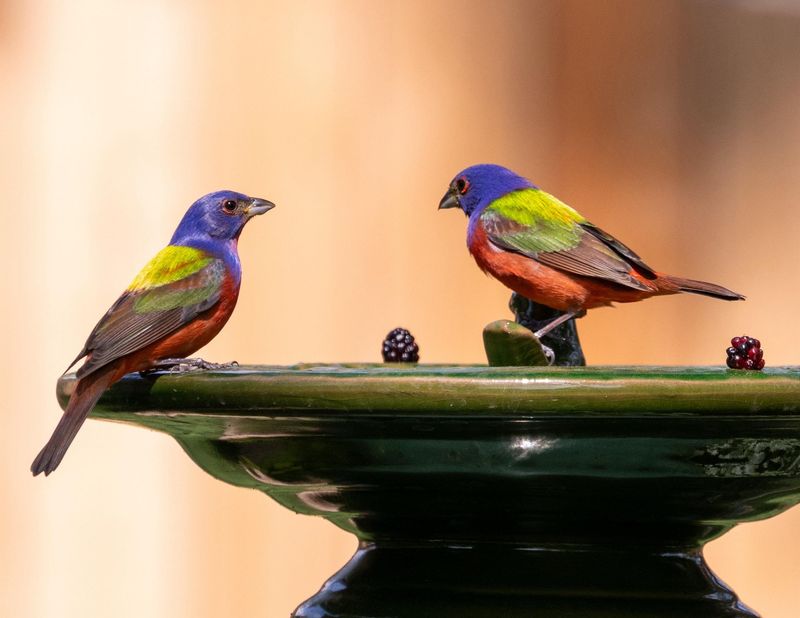
White proso millet is genuinely one of the best feeder seeds you can offer if you are hoping to attract painted buntings.
They prefer it over sunflower, over safflower, and definitely over mixed seed blends stuffed with filler grains. A low platform feeder or a tube feeder with small ports filled with white millet is a solid starting point.
But here is the honest truth that a lot of birding guides skip over. Millet alone will not bring painted buntings to a yard that has nothing else going for it.
A feeder full of millet sitting in the middle of a bare, open, overly manicured yard is easy to ignore when the next yard over has dense shrubs, native grasses, and seed-bearing plants that offer food and safety together.
Habitat is the foundation. The feeder is the bonus.
Painted buntings that feel safe in your yard because of good cover and natural food sources are far more likely to discover your millet feeder than birds that would have to cross open ground with no shelter to reach it.
UF IFAS Extension and wildlife organizations consistently frame feeders as supplements to natural habitat, not replacements for it.
Start with the shrubs, the native grasses, the brushy corners, and the seed heads you leave standing through winter. Then add the millet feeder positioned near that cover.
That combination gives you the best realistic chance of turning your Florida yard into a place where a painted bunting might just decide to stick around for the season.