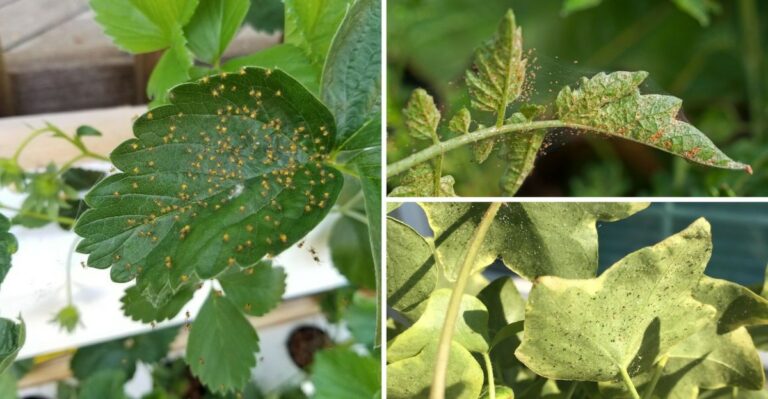
This One Herb Keeps Flies Away From Your Illinois Yard
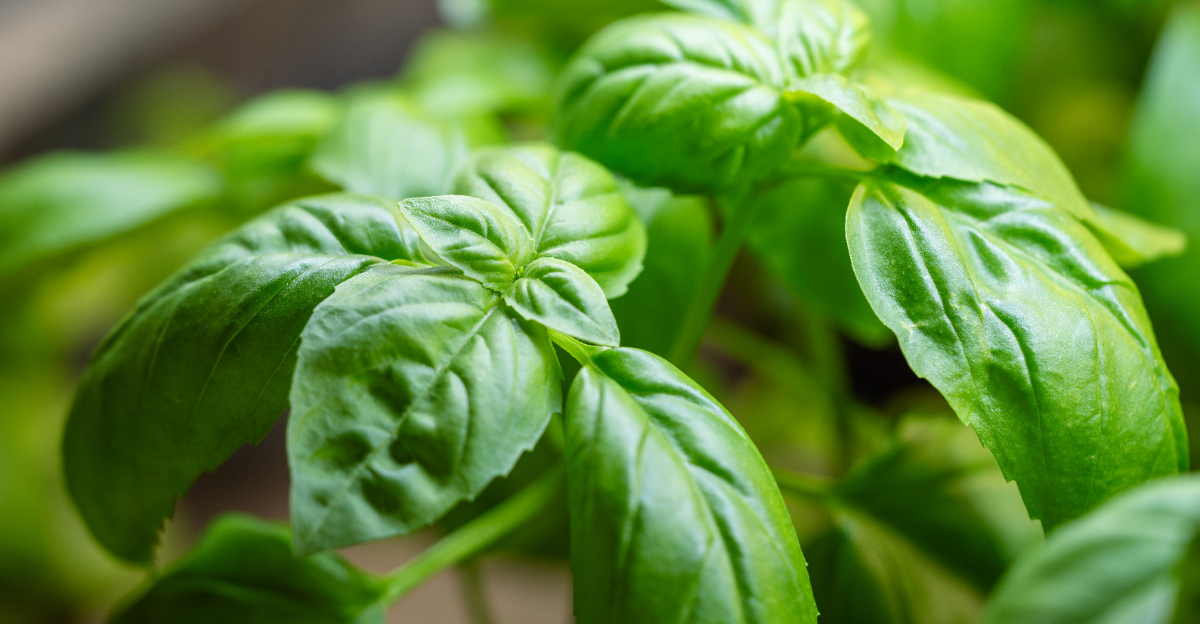
Flies think your porch belongs to them. You already know how fast a relaxed cookout turns into total disorder. Illinois backyards have quietly solved this problem for years.
This fragrant secret can rival many store-bought repellents sitting in your garage. Nobody needs a green thumb to pull this off. A few pots placed correctly change everything within days.
Its natural scent can interfere with how flies locate food nearby. This effect has some scientific support, not just vague garden folklore. Science backs this claim, not vague garden folklore.
Compounds hidden deep inside ordinary green leaves genuinely repel insects on contact. Placement matters more than most people ever realize. Near seating, near food, near doorways works best.
Cost stays low while your results arrive surprisingly fast. Confidence grows quickly once you watch stubborn flies finally disappear.
Word already spreads from Illinois porches to yours. Nothing about this simple method feels complicated or expensive. What happens next could change how you host forever.
Why Basil Naturally Repels Flies
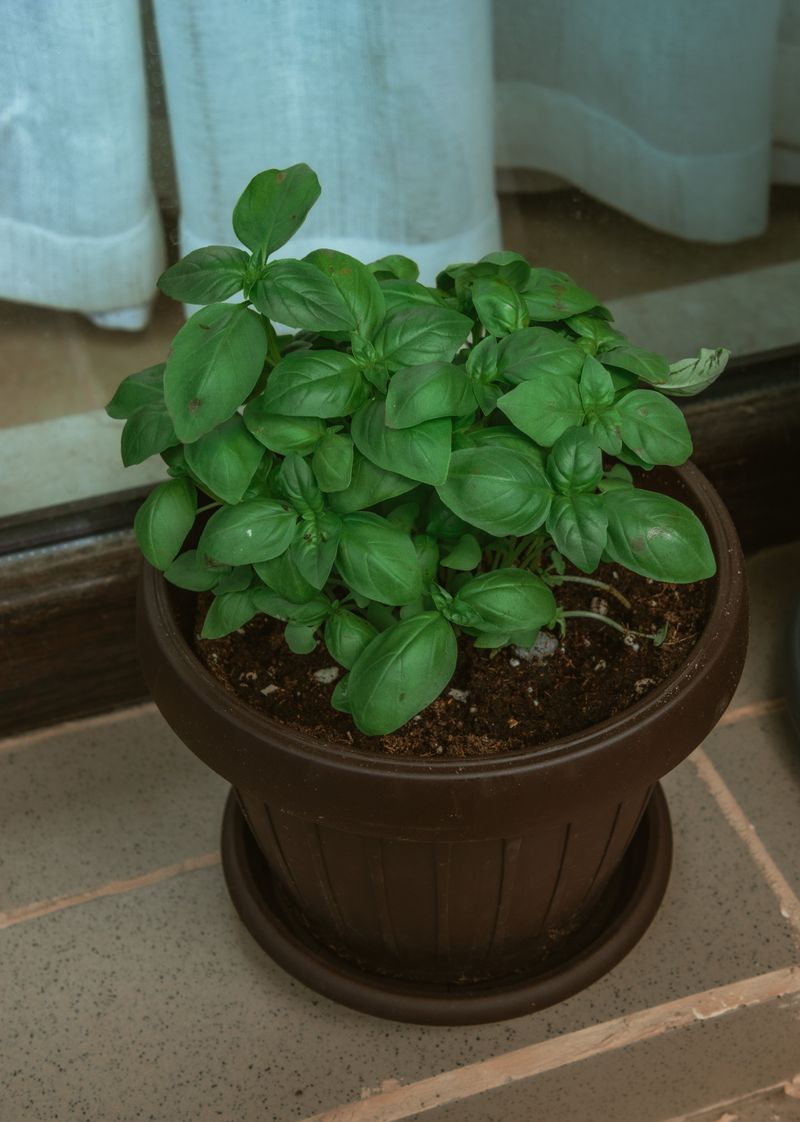
Flies tend to avoid basil, and there’s some real science behind it. Basil produces natural compounds called volatile oils. These oils include linalool, eugenol, and estragole.
To humans, those oils smell fresh and herby. To flies, they are overwhelming and unpleasant.
Flies rely heavily on their sense of smell to find food. When basil floods the air with its sharp scent, it scrambles their ability to locate anything nearby.
Think of it like trying to find one candle in a room full of smoke. The signal gets lost completely.
Some studies suggest that basil essential oils can reduce fly activity in outdoor areas. This isn’t just folklore. It’s an effect backed by some research.
The plant releases its oils constantly, especially on warm days. Hot summer afternoons are actually when basil works hardest for you.
Some fly species also seem to avoid landing on basil’s leaf surface, though this effect is less documented than its scent. The tiny hairs on the surface make landing uncomfortable for them.
So the plant repels flies through both scent and physical deterrence. That double action makes it more effective than most single-purpose solutions.
Keeping basil in your yard means flies stay away from your yard naturally. No chemicals, no traps, no unpleasant smells for the humans nearby.
The plant does the heavy lifting while you enjoy your summer. That is a pretty good deal for something that costs just a few dollars at any garden center.
Best Varieties To Plant For Strongest Effect
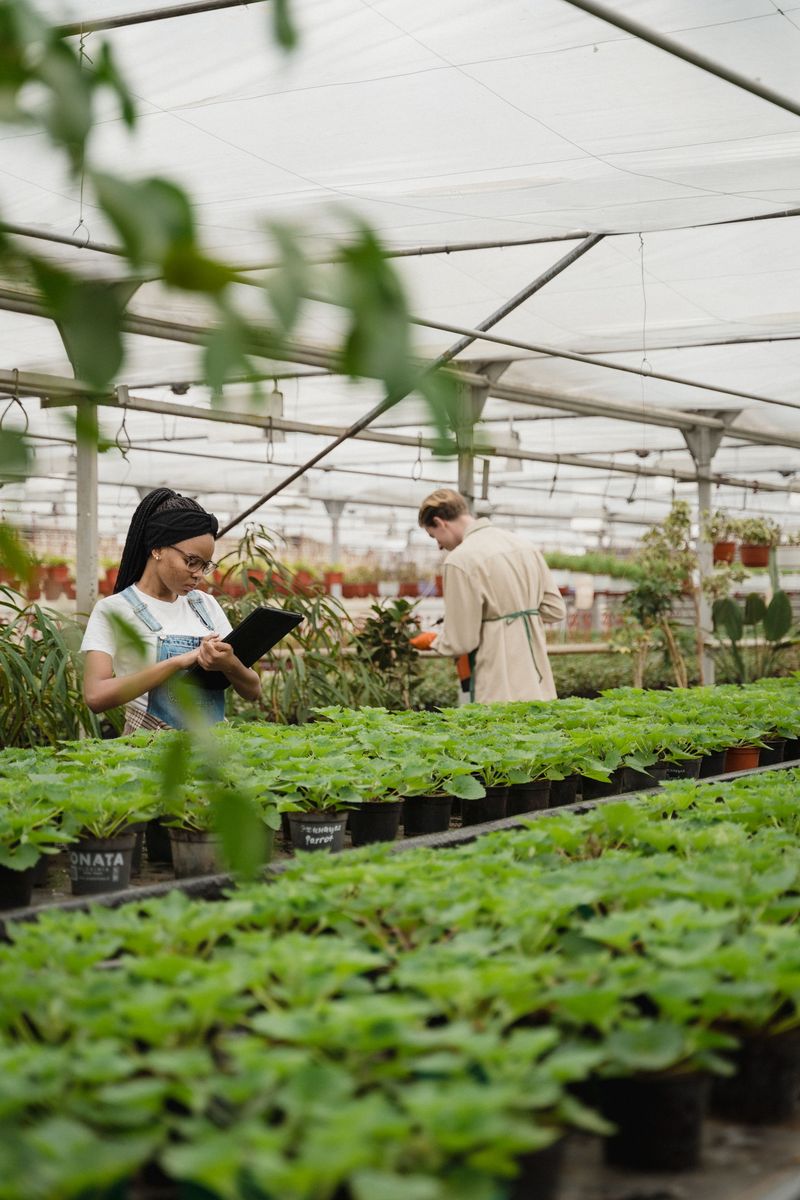
Not all basil is created equal when it comes to fly control. Some varieties pack a much stronger punch than others.
Genovese basil is the most common type found at garden stores. It has large, glossy leaves and a powerful, classic scent that flies strongly dislike.
Lemon basil is another excellent choice for repelling flies. Its citrus-forward oil profile adds a different scent layer that confuses insects even further.
Thai basil has a spicy, anise-like aroma that flies find particularly offensive. Planting it alongside Genovese creates a scent combination that covers more ground.
Your Illinois Garden Changes Every Week. Your Plan Should Too.
Gardening in Illinois changes quickly throughout the season. Every Friday you’ll receive a simple weekly plan showing exactly what to plant, prune, fertilize, harvest, and protect so you never miss the right timing.
Cinnamon basil is a lesser-known option but highly effective. Its warm, spicy fragrance comes from cinnamate compounds that are especially irritating to flies.
Holy basil, also called Tulsi, has been used for centuries in South Asian cultures to ward off insects. It’s often described as having one of the strongest scent profiles among basil varieties.
Mixing two or three varieties in the same area is a smart move. Different oils target different fly species, so variety increases your overall coverage.
All of these types grow well in Midwestern climates during summer months. They thrive in warm weather, which conveniently aligns with peak fly season.
Start with Genovese if you are new to this. Add lemon or Thai basil once you see how well the first plant performs. Choosing the right variety is the first real step toward a fly-free outdoor space this season.
Where To Place It For Maximum Coverage
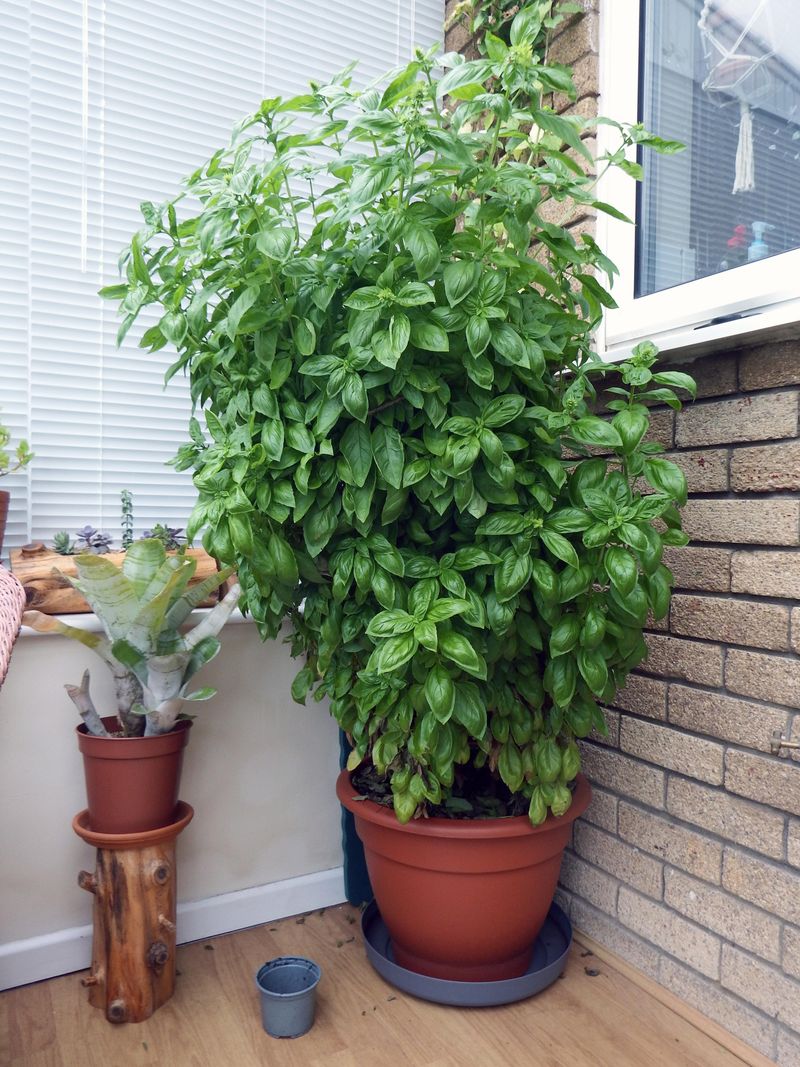
Placement is everything with basil. A plant sitting in the wrong spot will not help much at all. Start by putting basil near entry points to your home. Doorways and windows are the main highways flies use to move from outside to inside.
A pot on each side of your back door creates a scent barrier flies are reluctant to cross. It acts like an invisible fence made entirely of fragrance.
Patio dining areas are another top priority. Flies are most disruptive when food is nearby, so place basil within two feet of your outdoor table.
Garbage cans and compost bins attract flies like a magnet. Setting a pot of basil near these areas helps neutralize the odor signals that draw flies in.
Window boxes filled with basil are both decorative and functional. They protect the interior of your home while adding serious curb appeal to the exterior.
If you have a garden with vegetables or fruit, flies gather there too. Tuck basil plants between tomatoes or peppers for built-in protection.
Raised beds benefit from having basil along the perimeter. This creates a scented border that makes the whole bed less attractive to pests.
Avoid placing basil in deep shade. The plant needs at least six hours of sun daily to produce the oils that actually do the repelling work.
Strategic placement turns a simple herb into a powerful line of defense, keeping flies away from your Illinois yard all season long.
How To Keep The Plant Thriving All Summer
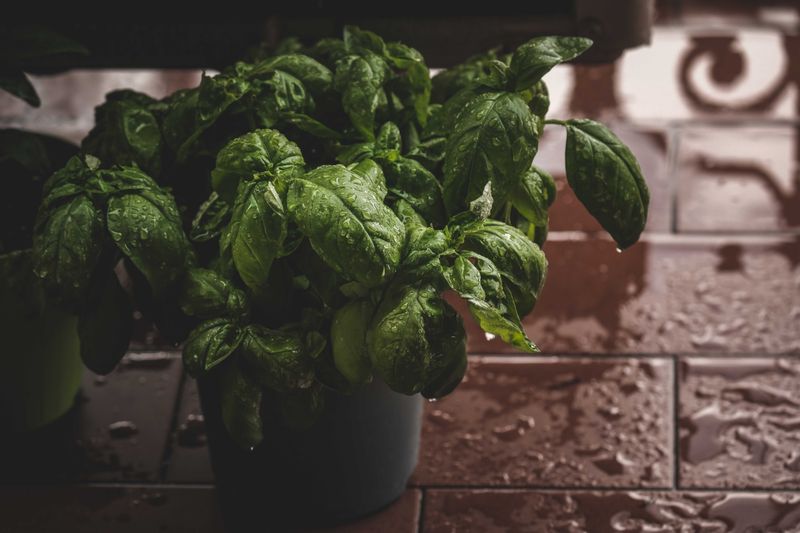
A wilted basil plant repels nothing. Keeping it healthy is just as important as planting it in the first place.
Basil loves heat and sun above almost everything else. Give it at least six hours of direct sunlight each day and it will reward you generously.
Water it consistently but never let it sit in soggy soil. The roots rot quickly in standing water, which damages the plant faster than drought does.
A good rule is to water when the top inch of soil feels dry. Stick your finger in the dirt and check before you grab the watering can.
Feed basil with a balanced liquid fertilizer every two weeks during summer. This keeps the leaves large, lush, and loaded with the oils that flies despise.
Pinching off flower buds is one of the most important tasks for a healthy plant. Once basil flowers, it shifts its energy away from leaf production and the scent weakens noticeably.
Check regularly for any small yellow leaves at the base of the plant. Removing them immediately keeps the plant focused on growing strong new foliage.
Container-grown basil dries out faster than ground-planted basil. Check pot plants daily during heat waves and water more frequently than you think necessary.
Repot into a larger container if the roots start pushing out of the drainage holes. Crowded roots stress the plant and reduce oil production significantly.
A thriving basil plant is an active one, constantly releasing scent and working hard to protect your outdoor space all summer.
Simple Tricks To Boost Its Scent
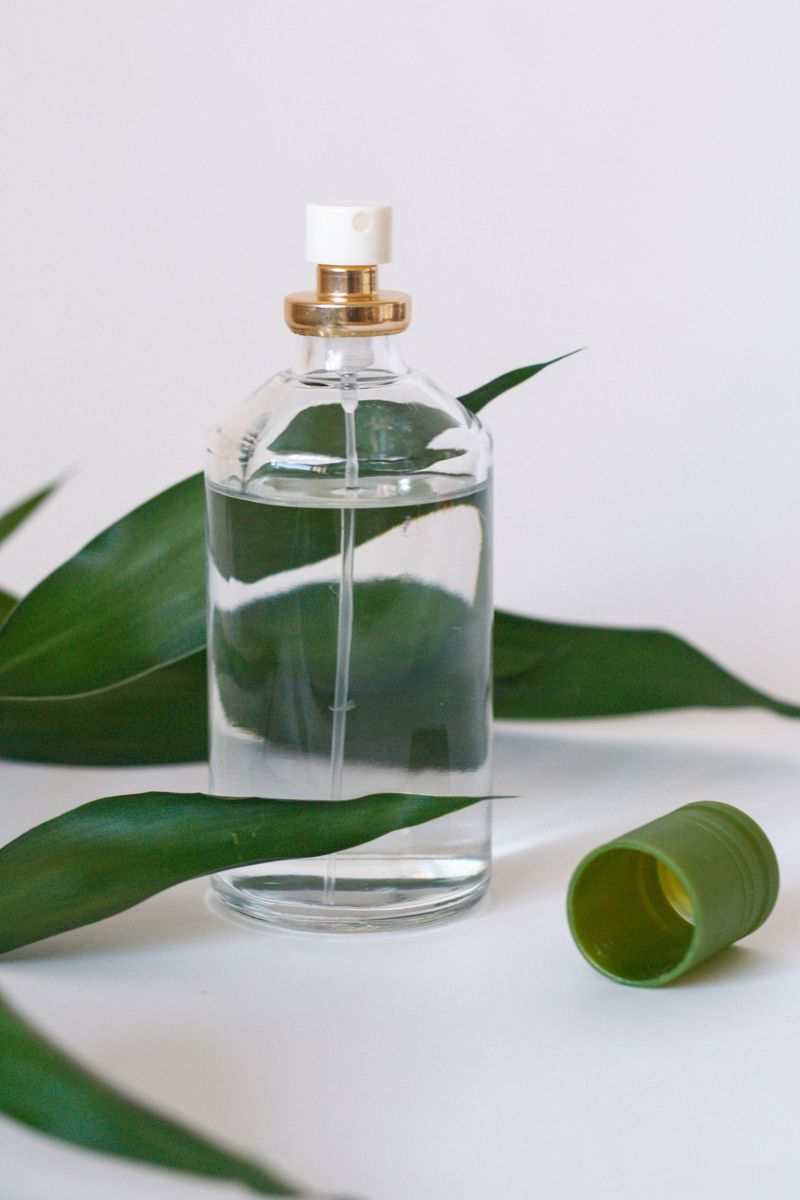
Basil already smells great on its own. A few easy tricks can make it smell even more powerful, which means better fly control.
Gently bruising the leaves is the quickest method. Rubbing them between your fingers releases a burst of volatile oils into the air immediately.
Do this before guests arrive for a cookout. A quick squeeze of a few leaves around the patio can make a noticeable difference within minutes.
Placing basil near a small fan works surprisingly well. Moving air carries the scent further and spreads the repelling effect across a wider area.
Warm pots absorb heat and push scent upward more efficiently. Dark-colored terracotta containers sitting in full sun will naturally amplify the plant’s output throughout the day.
Misting the leaves lightly with water in the morning activates the oils on the surface. As the sun heats the wet leaves, the scent releases more intensely.
Pruning regularly does double duty. Cutting the plant encourages bushier growth and each cut releases a fresh wave of fragrance into the surrounding air.
You can also make a simple basil spray by steeping leaves in hot water for twenty minutes. Pour the cooled liquid into a spray bottle and mist outdoor surfaces where flies gather.
Adding a drop of basil essential oil to a cotton ball and placing it near problem areas gives an extra boost between watering days.
Small efforts like these add up, helping your basil plants meaningfully reduce fly activity around the yard.
Other Herbs That Work Well Alongside It
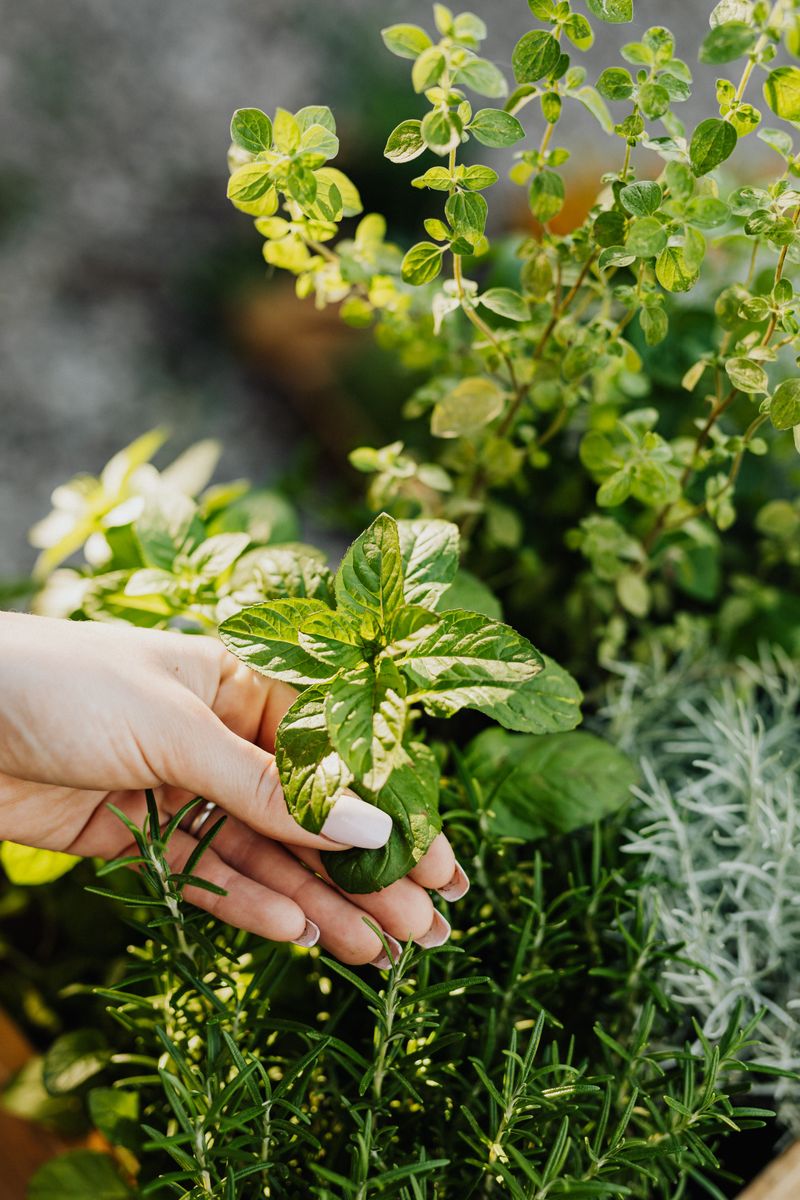
Basil works great alone, but pairing it with other herbs creates a stronger combined scent barrier that discourages flies.
Lavender is one of the best companions for basil in a fly-repelling setup. Its strong floral scent targets different fly species and adds a beautiful visual element to any garden space.
Mint is another powerhouse herb that flies strongly avoid. Plant it in a separate container though, because mint spreads aggressively and will crowd out neighboring plants if left unchecked.
Rosemary has a sharp, piney aroma that insects find deeply unpleasant. It also tolerates heat and drought better than basil, making it a reliable backup during dry spells.
Catnip may surprise you with its effectiveness. Studies have shown its natural compound can be more effective than DEET at repelling mosquitoes, and it may offer some benefit against flies as well.
Lemon thyme releases a citrusy scent when touched or warmed by the sun. Planted along a walkway, it releases fragrance every time someone brushes past it.
Marigolds are not an herb, but they deserve an honorable mention here. Their pungent smell confuses and deters flies, and they look stunning next to a pot of green basil.
Grouping several of these plants together creates a layered defense system. Each one targets pests slightly differently, making the combined effect much stronger than any single plant alone.
Building a small herb cluster near your patio is a smart addition to your outdoor space this season. Keeping flies away from your Illinois yard has never looked this good or smelled this fresh.