What It Really Means When Toads Start Turning Up All Over Your North Carolina Garden Beds
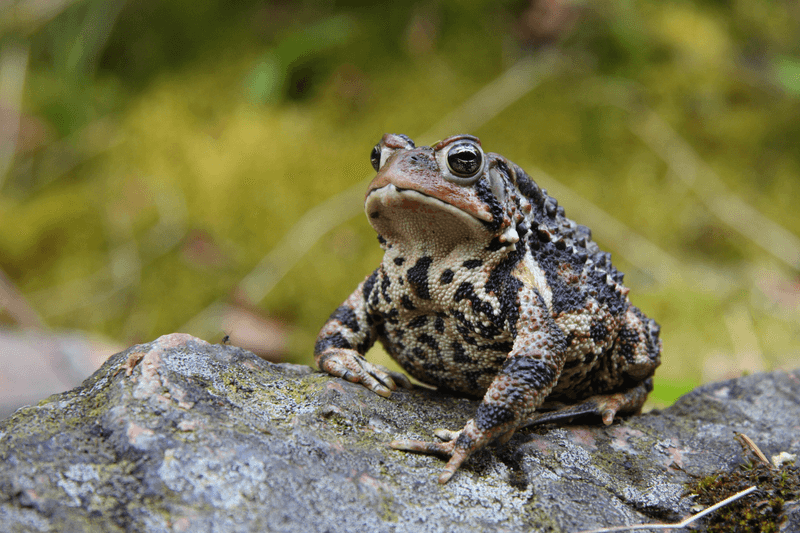
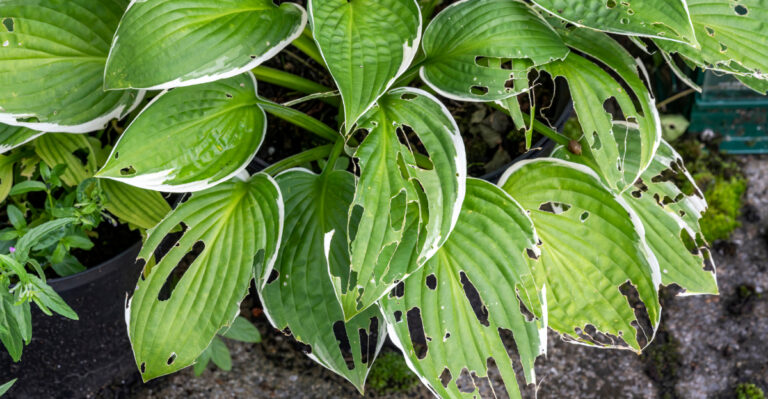
You flip on the back porch light after a muggy evening rain, glance down at the flower beds, and count three, four, maybe five squat little shapes sitting perfectly still among the hostas. Toads have moved in, and your first instinct is probably to take it as a compliment. The truth is a little more interesting than a simple gold star for your garden, and understanding what those sightings actually mean can make you a sharper, more confident steward of your yard.
A Toad Signals Habitat, Not a Health Report
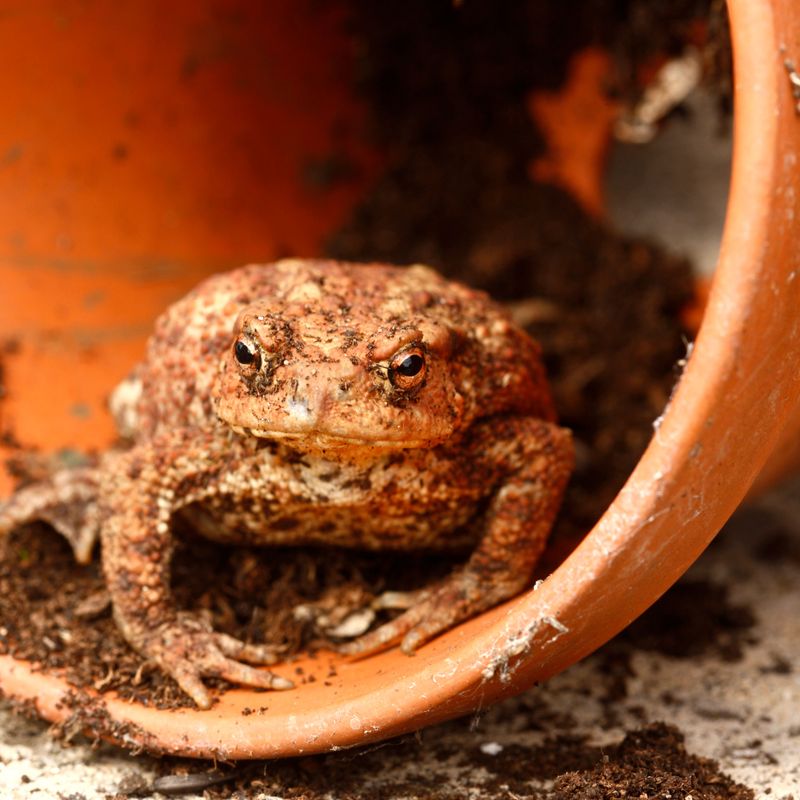
Spotting toads repeatedly across your garden beds feels like good news, and in many ways it is. But there is a difference between a yard that offers usable habitat and a yard that has passed some kind of biological inspection. NC State Extension guidance on reptiles and amphibians identifies water or wet sites, terrestrial cover, and damp shelter as the core things amphibians need, and your beds may be checking those boxes without the rest of your yard being in perfect shape.
A toad may show up because a downspout keeps one corner damp, because a recent storm left temporary moisture behind, or because a porch light pulls in enough moths and beetles to make the hunting worthwhile. Those are habitat signals, not health certificates. The toad is telling you something specific and useful, just not everything you might hope.
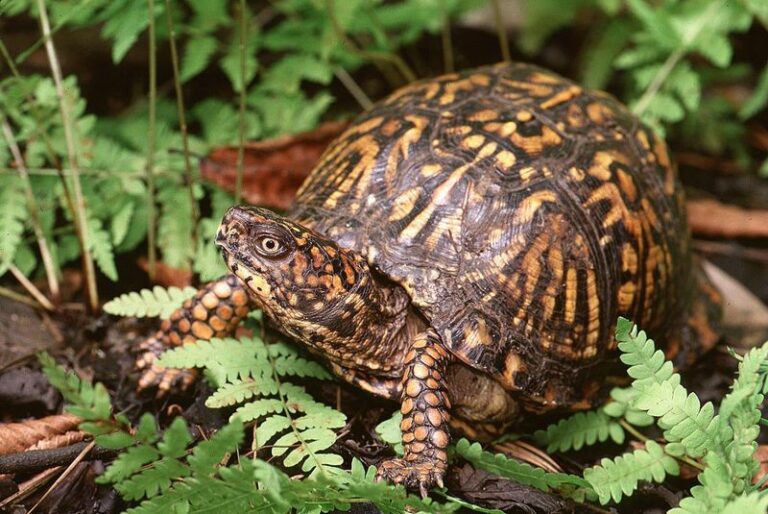
North Carolina is home to at least 31 native frog and toad species, including American toads, Fowler’s toads, and southern toads. Because several of these species share similar brown-and-buff coloring and body shapes, this article will not assume every garden visitor belongs to one particular species. Your job as a gardener is to observe what the toad’s presence reveals about moisture, shelter, and prey in your specific beds, then decide whether those conditions are working for or against you. That is a more honest and more useful framework than treating a toad like a trophy.
Why Garden Beds Become Nighttime Hideouts
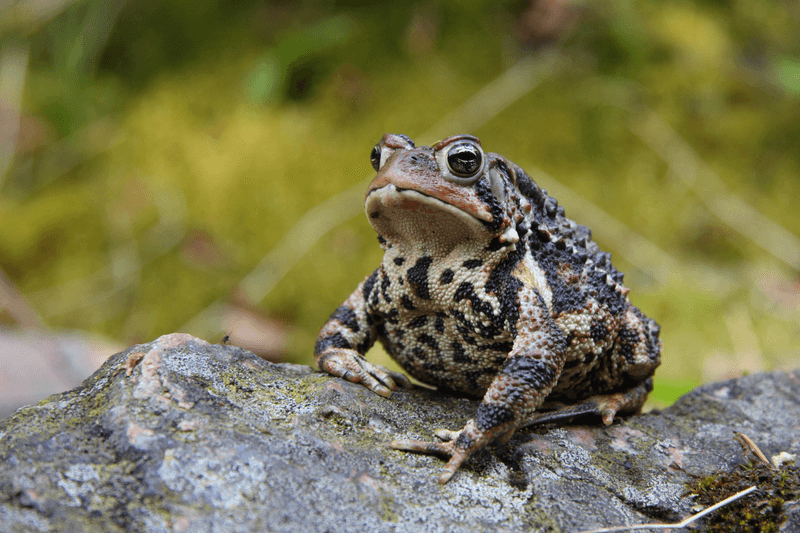
Rain changes everything for a toad. Animal Diversity Web’s profile of the American toad notes that these amphibians are generally most active at night and during warm, humid conditions, which is exactly what North Carolina delivers from May through September on a near-nightly basis. After a Piedmont afternoon storm drops an inch of rain, both toads and the invertebrates they eat become much more active at the same time. That is why your beds suddenly seem full of them.
Garden beds offer a surprisingly complete package. Damp soil under a mulch layer holds moisture long after the surface dries. Leaf litter, logs, flat rocks, and dense low plantings give toads a cool, shaded place to sit out the heat of the day. A downspout that drains across a corner bed, or a rain garden that holds water for a few hours, can keep one spot reliably moist even during a dry stretch.
Add a porch or pathway light that attracts flying insects after dark, and you have created what amounts to a well-stocked buffet with free lodging.
Your North Carolina Garden Changes Every Week. Your Plan Should Too.
Gardening in North Carolina changes quickly throughout the season. Every Friday you’ll receive a simple weekly plan showing exactly what to plant, prune, fertilize, harvest, and protect so you never miss the right timing.
What that cluster of toads does not necessarily mean is that you have a permanent resident population. NC State Extension explains that amphibians need water or wet sites, terrestrial cover, and damp shelter, but a garden bed can provide useful daytime cover without offering everything a toad needs year-round. A warm, wet week in July might concentrate several toads in one spot, and a dry stretch can send them moving again. Observing whether the same individuals return consistently, or whether numbers shift with weather, tells you more than a single night’s count ever will.
Toads Eat Garden Invertebrates—But Not Only Pests
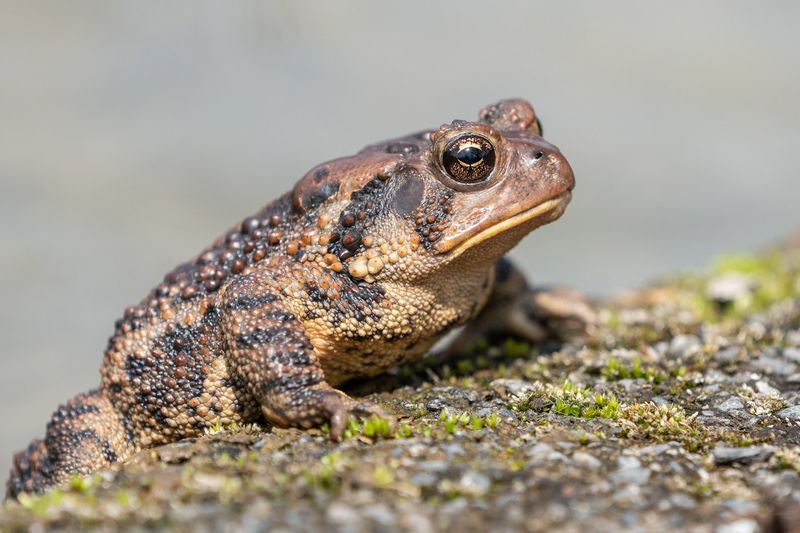
Adult toads are genuine carnivores. NC State Extension’s amphibian pool guidance lists insects, insect larvae, earthworms, snails, and crayfish among the foods used by North Carolina amphibians, and Animal Diversity Web’s American toad account documents beetles, slugs, snails, earthworms, and other invertebrates as part of their diet. So yes, a toad working your beds at night is eating things that would otherwise be eating your plants.
Here is where it gets tricky. Toads are generalist predators, not targeted pest managers. A 2026 field study of American toads in a vegetable system found that rove beetles, ants, ground beetles, and spiders made up more than 80% of identified prey. Many of those are actually predators of garden pests themselves.
The same study ran a preliminary kale experiment and found no clear improvement in crop production from toad presence.
That does not mean toads are useless, but it does mean the picture is more complicated than “toad eats slug, problem solved.”
You may have heard the claim that a single toad eats 1,000 insects every night, or 10,000 in three months. That figure circulates widely online, but actual diet varies with species, body size, temperature, prey availability, and habitat. The 2026 study did not establish a universal consumption rate, and repeating that number as a garden promise sets expectations the evidence cannot back up. Inspect leaves and stems directly, track pest damage over time, and treat toads as one welcome contributor to your yard’s biodiversity rather than a guaranteed fix for a specific problem.
Species and Regional Conditions Matter
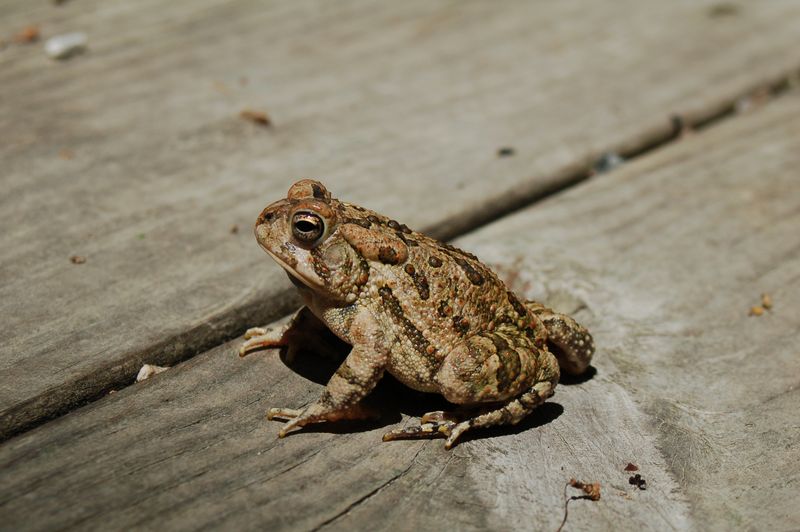
A toad sitting in your mountain garden near Asheville is living in a different world than one tucked under a lantana in a Wilmington coastal yard. Soil drainage, winter cold, summer storm patterns, and the availability of nearby wetlands all vary across North Carolina’s regions, and those differences shape which species appear and how they use your space. North Carolina’s Wildlife Action Plan documents the state’s remarkable amphibian diversity, which makes confident species identification from a quick glance genuinely difficult.
American toads, Fowler’s toads, and southern toads can look strikingly similar to an untrained eye. Regional distribution matters here: Fowler’s toads are common across much of the Piedmont and Coastal Plain, while southern toads are more typical in the Sandhills and coastal regions. Assuming every garden visitor is an American toad can lead to misreading the ecological story your yard is telling.
One distinction worth making clearly: an adult toad using your damp bed corner is not the same as a toad breeding there. Eggs and larvae require suitable fishless ponds, pools, wetlands, or seasonal water bodies. NC State Extension’s guidance on amphibian pools and its backyard reptile and amphibian resource both distinguish between shelter habitat and breeding habitat. An adult sighting tells you your beds are useful, not that reproduction is happening nearby.
Notice when toads appear, where in the yard they concentrate, and whether numbers change with weather or season. That pattern of observation will tell you far more than a species guess made in the dark.
Create Shelter and Water Without Creating Hazards
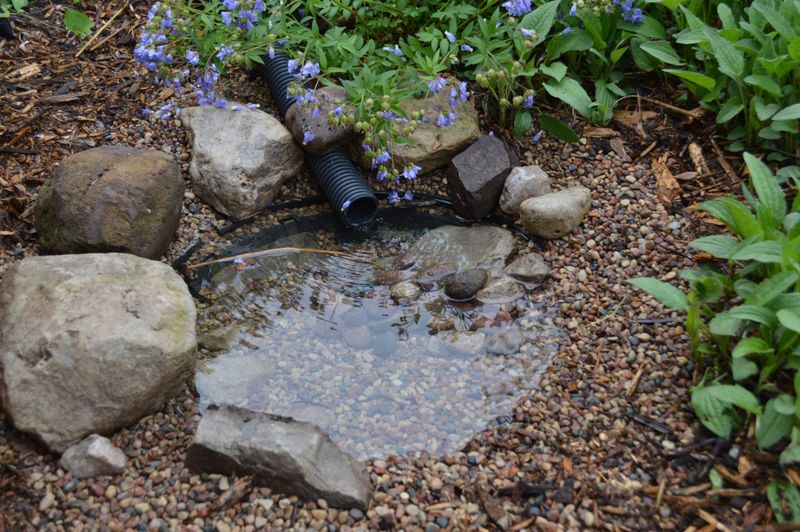
Making your yard genuinely welcoming to toads does not require a landscaping budget. Start with what you already have: a damp, shaded corner, some leaf litter left in place, a flat rock or two, and a low-traffic area away from foot traffic and dogs. NC State Extension recommends a shallow depression covered with untreated plywood, with one side raised by fist-sized rocks to leave an entrance. That simple shelter can make a real difference, and it costs almost nothing to build.
A shallow water source helps, but only when wildlife can actually get in and out of it. A steep-sided birdbath is more hazard than help. Slope the edges or add a ramp of flat stones so a toad can climb out easily. NC State’s Extension Gardener Handbook wildlife chapter recommends shallow, sloped access for wildlife water features.
Keep the water clean and change it every few days to prevent mosquito breeding.
For a larger amphibian pool, NC State’s amphibian pool guidance recommends broad shallow areas, deeper hiding zones, native plants, rocks, and branches. Water around 30 inches deep may matter for some ponds in colder parts of the state where the pool might otherwise freeze completely through the winter, but that depth is not necessary for a simple drinking dish or plywood shelter. Fish should never be added to an amphibian pool because they eat eggs and larvae. Keep fertilizers away from any water feature, since runoff can degrade water quality quickly.
One rule that genuinely matters: do not go collect toads from a nearby property and release them in your garden. NC State advises creating suitable habitat and then waiting, which may take several months or longer. Wild amphibians find suitable places on their own terms, and moving them disrupts both the animals and the ecosystems they came from.
Protect Toads From Chemicals and Rough Handling
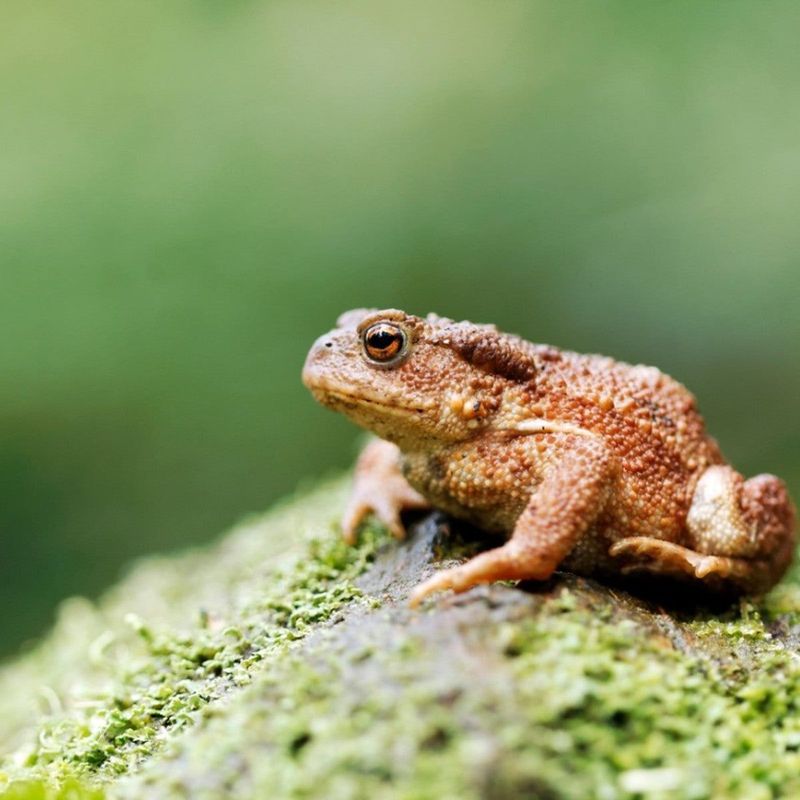
Some gardeners assume that having toads around means they can spray more freely, since the toads seem tough and self-sufficient. That assumption can genuinely harm the animals you are trying to welcome. EPA research on pesticide uptake in amphibians confirms that pesticides can enter through amphibian skin and affect non-target animals, including toads that never came into direct contact with a spray.
Amphibian skin is permeable by design, which is part of how toads breathe and regulate moisture. That same permeability makes them vulnerable to herbicides, insecticides, and fertilizers in ways that a mammal with fur or a bird with feathers simply is not. EPA guidance on reducing pesticide impacts on wildlife recommends using pesticides only when necessary to reduce harm to non-target organisms. NC State Extension echoes that advice, recommending that gardeners use herbicides, insecticides, and fertilizers only when needed, in the smallest practical amount, and strictly according to the product label.
When you do need to treat, avoid spraying directly onto toads, shelter structures, or bare soil near a water dish. Prevent spray drift toward any water feature. Choose the least disruptive effective method available, whether that is hand-picking, a targeted bait, or a product with a narrower spectrum. NC State Extension also warns that handling toads can expose them to soap, lotion, insect repellent, or other residues on human skin, any of which can harm them.
Pick one up only when you genuinely need to move it out of danger, wash your hands first with plain water, and keep the contact brief. Treating toads with that level of care is not overcautious, it is just accurate about what their biology requires.
Keep Pets Safe Around Visiting Toads
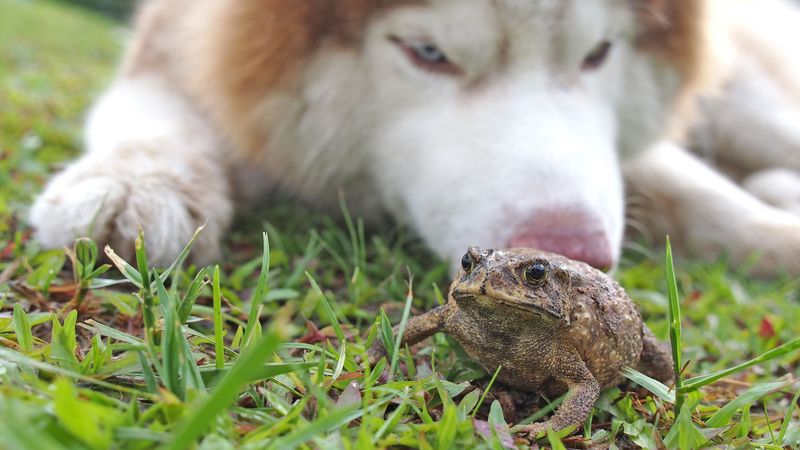
Toads can stay welcome in your yard and still pose a real risk to a dog or cat that decides to mouth one. Most North American toads produce skin secretions that cause drooling, pawing at the mouth, gagging, and vomiting in pets that pick them up. The Merck Veterinary Manual’s guidance on toad poisoning notes that symptoms can range from mild irritation to more serious signs depending on the species of toad and the size of the animal involved.
If your dog mouths a toad, rinse the mouth gently with water and contact your veterinarian. The ASPCA’s guidance on toad toxicity is clear that you should not induce vomiting unless a veterinarian or poison-control professional specifically directs you to do so. That step can make some situations worse rather than better.
Prevention is much easier than treatment. Walk curious dogs on leash during evening garden checks when toads are most active. Train pets to leave wildlife alone, and keep an eye on cats that patrol the beds after dark. None of this means toads need to be removed from your yard.
Supervise, manage access during peak toad hours, and know your vet’s after-hours number. A little evening awareness keeps both the pets and the toads doing fine.
Let Toads Help Without Asking Them to Run the Garden
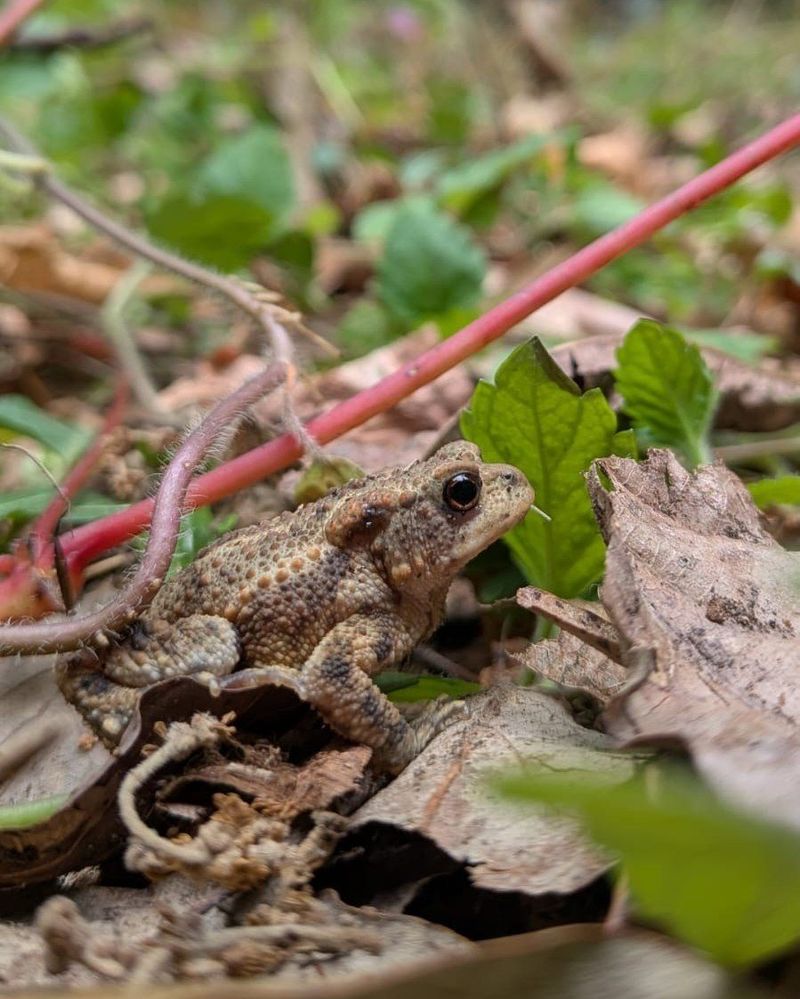
The most useful thing you can take from a yard full of toads is a prompt to look more closely at your own conditions: where the moisture concentrates, which corners stay shaded and damp, what insects are active after dark. Those observations make you a better gardener with or without the toads. NC State Extension frames native amphibians as one part of a healthy backyard ecosystem, not its manager.
Toads appearing near a porch light, a damp downspout, or a storm-soaked bed are responding to immediate conditions, not certifying overall yard health. The widely repeated claim that a single toad eats 1,000 insects nightly, or 10,000 in three months, is not a dependable garden measurement. Documented toad diet varies with species, body size, temperature, and what prey happens to be available, and the 2026 American-toad field study did not establish a universal consumption rate. Treat that number as folklore, not fact.
Keep scouting leaves and stems for damage. Remove pest habitat when you spot it. Hand-pick when numbers are manageable, use physical barriers around vulnerable crops, and reach for chemical controls only after other options have been weighed. Toads fit naturally into that kind of integrated approach to yard management as one genuinely useful layer of biodiversity, not the whole strategy.
Preserve their shelter, limit unnecessary chemical exposure, and observe how regional conditions in your corner of North Carolina shape what they actually do. A toad in your garden bed is good company, and good company works best when you do not ask it to solve every problem on the property.