The One Georgia Herb That Repels Rats And Looks Beautiful In Any Garden
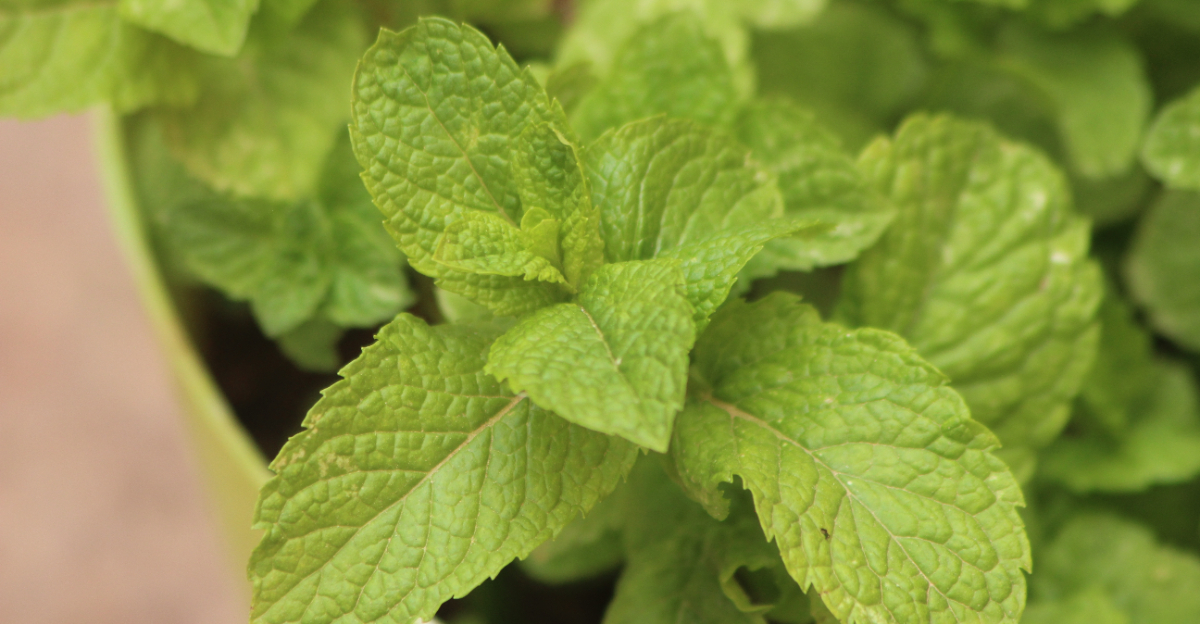
Rats are the last visitors anyone wants around the yard. The good news is that one attractive herb may help make your outdoor space less inviting to them.
Many plants earn big promises without delivering much in return. This herb stands out because it offers beauty while serving another useful purpose.
Adding the right plants is often a smarter choice than ignoring the problem. A simple change can make your yard feel more enjoyable throughout the season.
Do not overlook herbs when planning your next planting. Some deserve a place for much more than their appearance alone.
Color, fragrance, and practical value can all come from the same plant. That combination is hard to pass up.
One familiar herb deserves a closer look, and its benefits go well beyond adding fresh greenery to your Georgia yard.
1. Mint Is The Herb Behind This Natural Deterrent
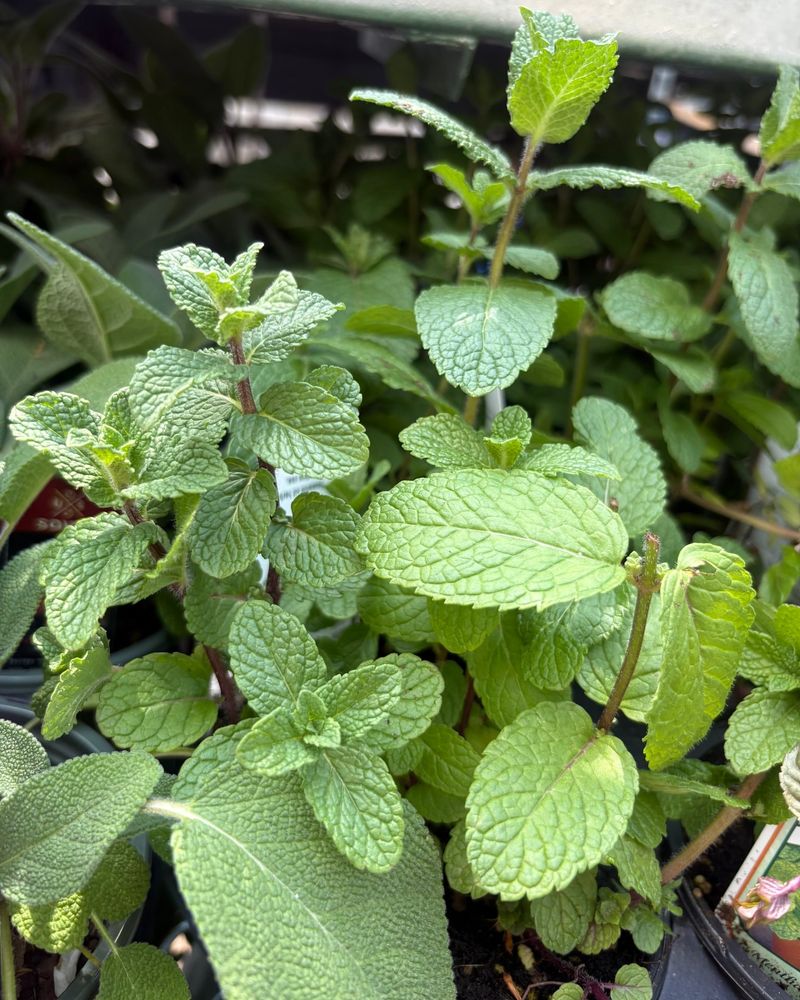
Rats have incredibly sensitive noses, and mint exploits that weakness perfectly. The strong menthol compounds in mint are overwhelming to rodents.
Even a few healthy plants near entry points or garden beds can make rats think twice about sticking around.
Spearmint and peppermint are the two most commonly used varieties for pest deterrence. Peppermint tends to carry a sharper, more intense scent.
Spearmint is slightly milder but still effective and easier to find at most garden centers in Georgia.
Mint works best as a preventive measure rather than a quick fix. Placing it near compost bins, fence lines, or areas where you have spotted rodent activity gives it the best chance to do its job.
Fresh, actively growing plants release more scent than dried or stressed ones.
Crushing a few leaves occasionally helps release extra oils into the air. Rats rely heavily on scent trails to navigate, so disrupting that with mint can confuse and discourage them.
No single plant guarantees full rodent control, but mint is a solid, natural starting point.
2. Grow It Where You Can Enjoy Its Strong Fragrance
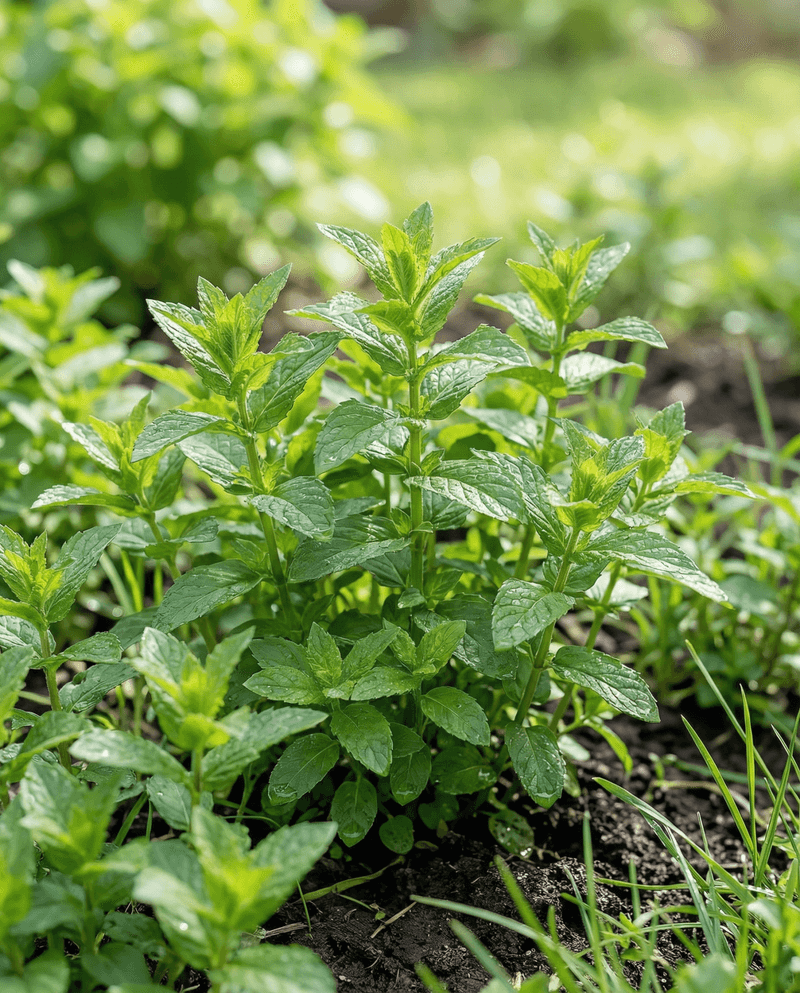
Placement matters more than most people realize. Mint planted near a patio, walkway, or kitchen door gives you the double benefit of enjoying the scent yourself while keeping rats at a distance.
Every time someone brushes past the leaves, a fresh burst of fragrance is released.
Along fence lines is another smart spot. Rats often use fence edges as travel corridors.
Planting mint in those zones puts the scent right in their path. It will not stop every rat, but it does add friction to their routine.
Window boxes work surprisingly well too. Mint grows happily in shallow containers placed on windowsills or porch railings.
The elevated position keeps it visible and fragrant, and it stays within easy reach for cooking or harvesting.
Raised garden beds are a natural fit in Southern yards where the soil can get compacted and poorly drained. Mint thrives in raised beds with good airflow.
Grouping it near other herbs like basil or rosemary creates a fragrant border that looks intentional and keeps pests guessing.
Sun exposure plays a role in scent strength. Plants getting at least four to six hours of direct sun tend to produce stronger oils.
Your Georgia Garden Changes Every Week. Your Plan Should Too.
Gardening in Georgia changes quickly throughout the season. Every Friday you’ll receive a simple weekly plan showing exactly what to plant, prune, fertilize, harvest, and protect so you never miss the right timing.
More fragrance generally means better deterrence, so choose a bright spot whenever possible.
3. Keep It In Pots To Stop It From Spreading
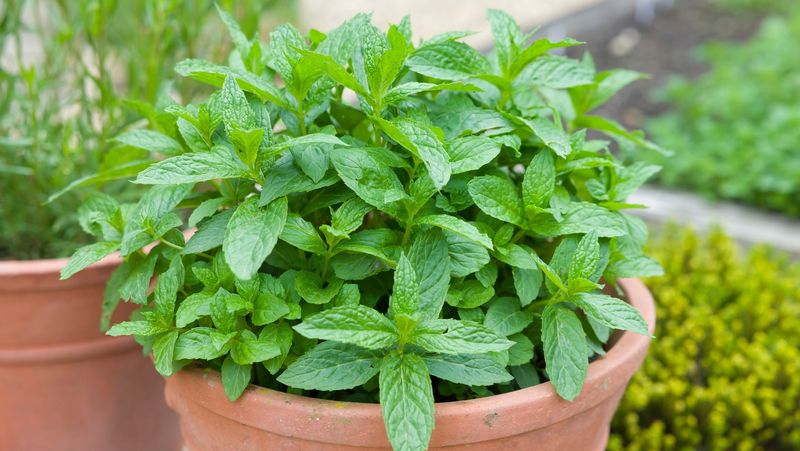
Mint is a strong grower, and that is both its strength and its challenge. Left unchecked in open ground, it spreads quickly through underground runners called rhizomes.
Within one season, a single plant can take over a large section of your garden bed.
Growing mint in containers is the most reliable way to enjoy it without losing control. A standard terracotta or plastic pot works fine.
Just make sure it has drainage holes at the bottom, since soggy roots cause problems fast.
You can still place potted mint directly in the ground. Sinking the pot into the soil keeps it looking natural while the container walls block the roots from spreading outward.
Leave the rim of the pot slightly above soil level so runners cannot escape over the edge.
Pot size matters for plant health. A container that is at least eight to ten inches deep gives roots enough room to grow without becoming too cramped.
Cramped roots slow growth and reduce the oils that give mint its scent.
Repotting once a year in early spring keeps plants vigorous. Fresh potting mix gives the roots new nutrients and space.
Healthy, well-fed mint produces more aromatic leaves, which is exactly what you want if you are using it to deter rats from your yard.
4. Give It Plenty Of Sun And Well Drained Soil
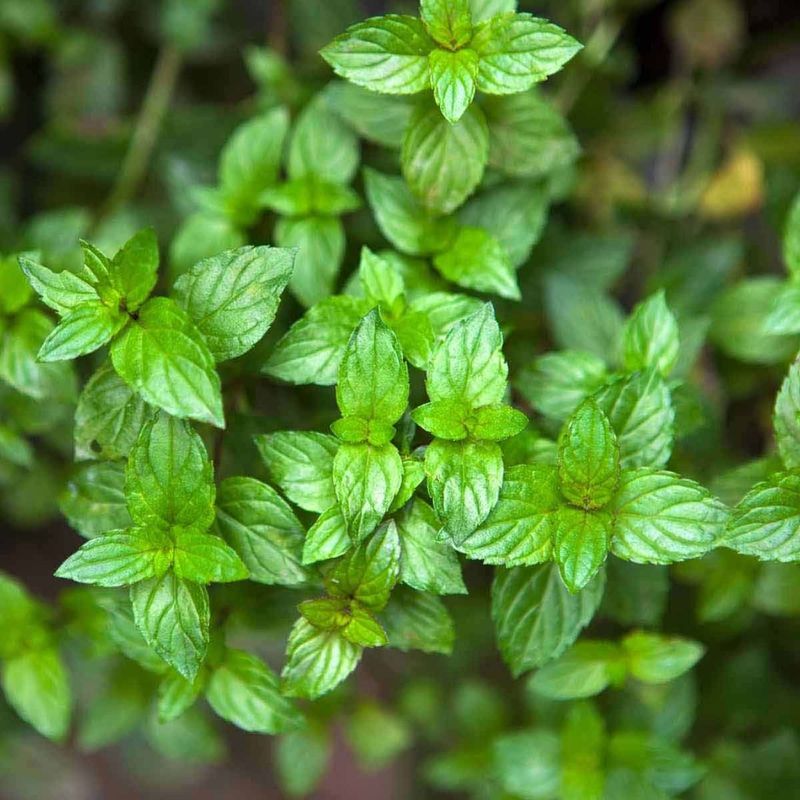
Mint is more flexible than most herbs, but it still has preferences. Bright, indirect light or partial sun works in most gardens.
Full sun for four to six hours a day is ideal for strong leaf and oil production.
In hotter parts of Georgia, afternoon shade can actually help. Intense summer heat sometimes causes leaves to wilt or lose some of their aromatic quality.
A spot with morning sun and afternoon shade often produces the healthiest plants through the warmest months.
Soil drainage is non-negotiable. Mint planted in waterlogged ground develops root issues quickly.
Raised beds, containers, or sloped garden areas all offer the drainage mint needs to stay healthy and productive.
Slightly acidic soil with a pH between 6.0 and 7.0 suits mint well. Most Southern garden soils fall somewhere in that range naturally.
If you are unsure, an inexpensive soil test from a local garden center can give you a clear picture before you plant.
Adding compost to the planting area improves both drainage and nutrients without overloading the soil. Mint does not need heavily fertilized ground.
Rich, well-balanced soil with good structure is far more beneficial than heavy feeding. Getting the basics right from the start leads to stronger, more fragrant plants season after season.
5. Water Regularly While New Plants Settle In
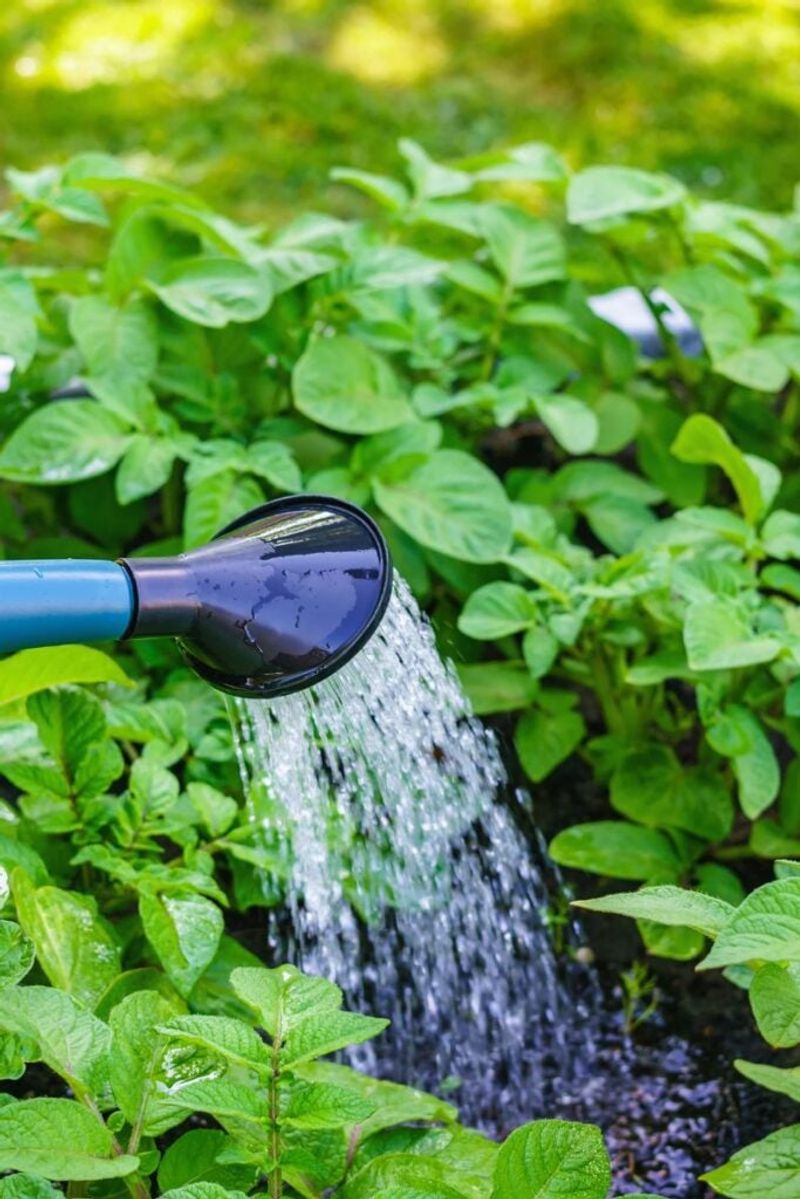
New mint plants need consistent moisture to get established. Dry spells during the first few weeks can stress young roots before they have a chance to anchor properly.
Aim to water every two to three days if there is no rain, checking the soil first.
Push a finger about an inch into the soil near the base of the plant. If it feels dry at that depth, water thoroughly.
If it still feels moist, hold off for another day. Overwatering is just as problematic as underwatering for mint.
Once established, mint becomes noticeably more drought-tolerant. Mature plants with developed root systems can handle short dry periods without much trouble.
Reducing watering frequency after the first four to six weeks is perfectly reasonable.
Mulching around the base of the plant helps hold moisture in the soil between waterings. A thin layer of wood chips or straw works well.
Keep the mulch a couple of inches away from the stem to prevent moisture buildup right at the base.
Hot summers in the South can dry out containers faster than in-ground plants. Potted mint may need watering every day during peak heat.
Check containers more frequently and consider moving them to a slightly shadier spot during the hottest stretch of summer to reduce water stress on the plant.
6. Harvest Often To Keep Plants Full
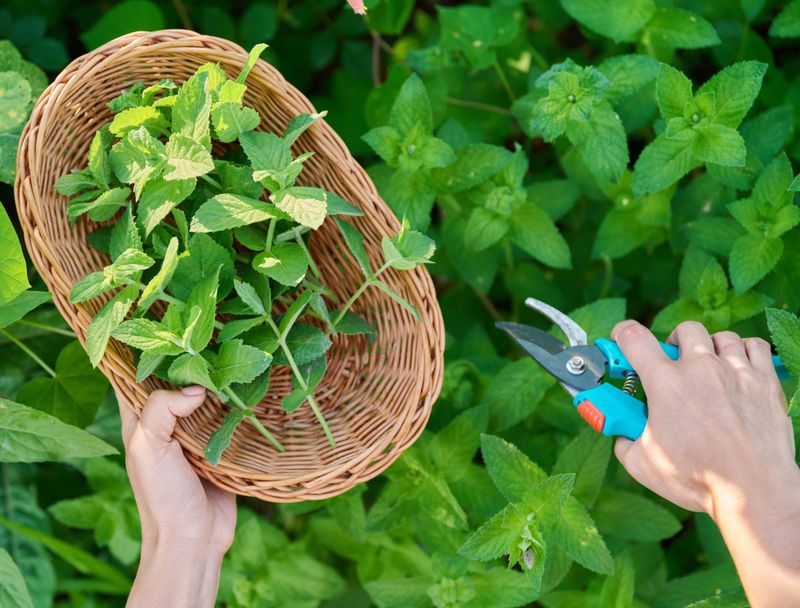
Skipping harvest is one of the most common mistakes with mint. Left alone, plants grow tall and leggy, flower early, and lose some of their leaf production.
Regular trimming keeps growth full, bushy, and productive throughout the season.
Cutting stems back by about one-third every few weeks encourages new branching. More branches mean more leaves, and more leaves mean a stronger scent presence in your garden.
A well-trimmed mint plant looks noticeably better than one left to sprawl.
Harvest in the morning when the oils in the leaves are at their peak concentration. Leaves picked after a hot afternoon tend to have slightly less intensity.
It is a small difference, but worth noting if you are using the harvest for cooking or making natural sachets.
Pinching off flower buds as soon as they appear keeps the plant focused on leaf production. Once mint flowers and sets seed, leaf quality and quantity can decline.
Staying on top of bud removal extends the productive season by several weeks.
Fresh mint trimmings can be placed in small bundles near suspected rat entry points around your home or shed. Tucking them into corners, along baseboards, or near gaps in walls adds an extra layer of deterrence.
Replace the bundles every few days as the scent fades with time and exposure to air.
7. Pair It With Other Rat Prevention Steps
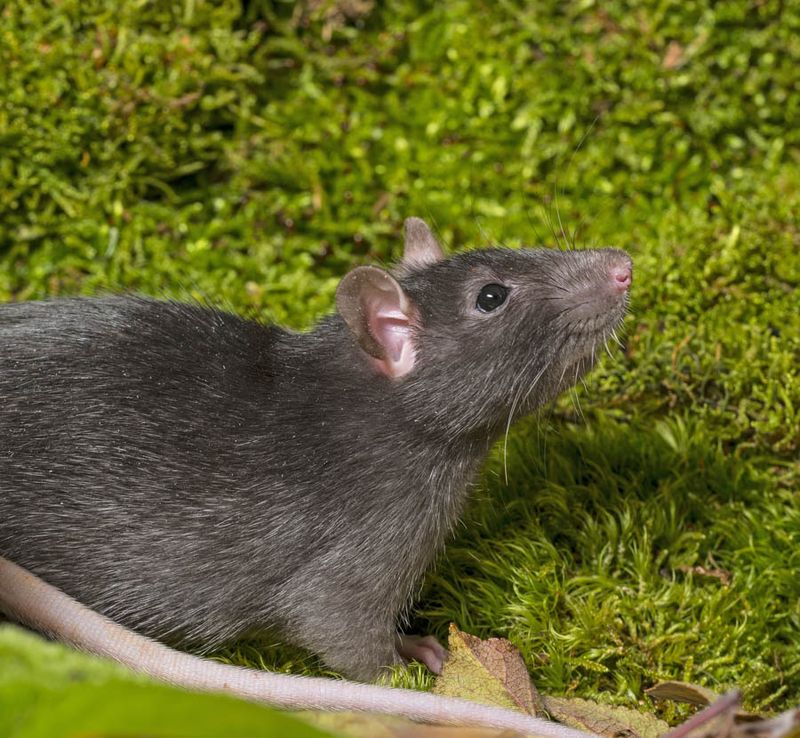
Mint is a useful tool, but no single plant handles a serious rodent problem on its own. Pairing it with good garden hygiene makes a real difference.
Rats are attracted to food scraps, clutter, and shelter, so removing those draws is just as important as planting mint.
Secure compost bins with tight-fitting lids. Open compost piles are one of the top reasons rats visit yards in the first place.
A sealed bin removes that food source and reduces the appeal of your outdoor space significantly.
Store birdseed, pet food, and any other dry goods in metal or hard plastic containers with secure lids. Cardboard boxes and thin plastic bags are no barrier for determined rodents.
Eliminating accessible food sources is a foundational step in any prevention plan.
Clear out wood piles, overgrown brush, and debris near the house. Rats look for sheltered spots to nest, and cluttered areas provide exactly that.
Keeping things tidy removes potential nesting sites before rats have a chance to settle in.
Mint planted alongside these practical steps creates a layered approach. No method offers a perfect solution, but combining scent deterrence with habitat management gives you a much stronger result.
Gardens in Georgia that stay clean, organized, and well-planted tend to see far fewer rodent issues over time compared to neglected spaces.