What It Means If Anna’s Hummingbirds Keep Visiting Your Arizona Yard
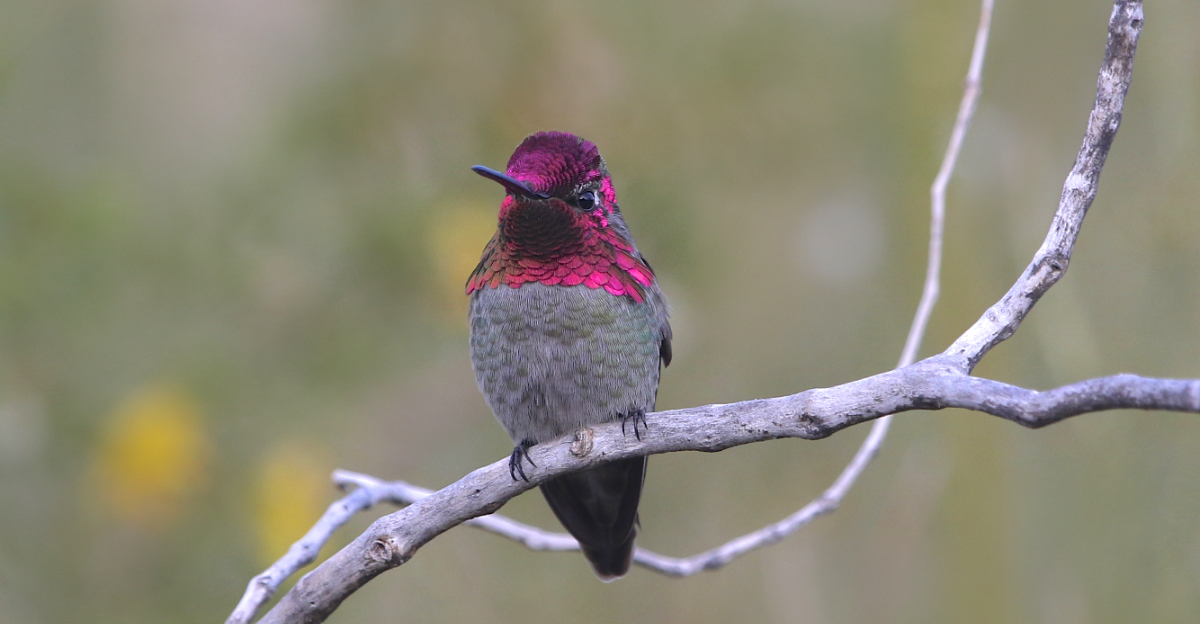
Anna’s hummingbirds do not visit the same yard by accident. Frequent visits around your Arizona yard usually point to welcoming conditions.
Tiny birds remember places that consistently meet their needs well. Paying attention now can reveal helpful clues about your landscape.
Many homeowners miss the quiet patterns behind repeated visits daily. Looking closer often changes how you see your yard completely.
Resist the urge to chase them away immediately instead first. Their behavior can reveal surprising details about nearby habitat conditions.
Every visit offers another chance to understand your outdoor space. Small observations today may explain tomorrow’s familiar feathered appearances.
The real reason these hummingbirds keep returning is more fascinating than most people expect.
Once you notice the connection every future visit makes much more sense throughout the season ahead.
1. Reliable Nectar Gives Them A Reason To Return
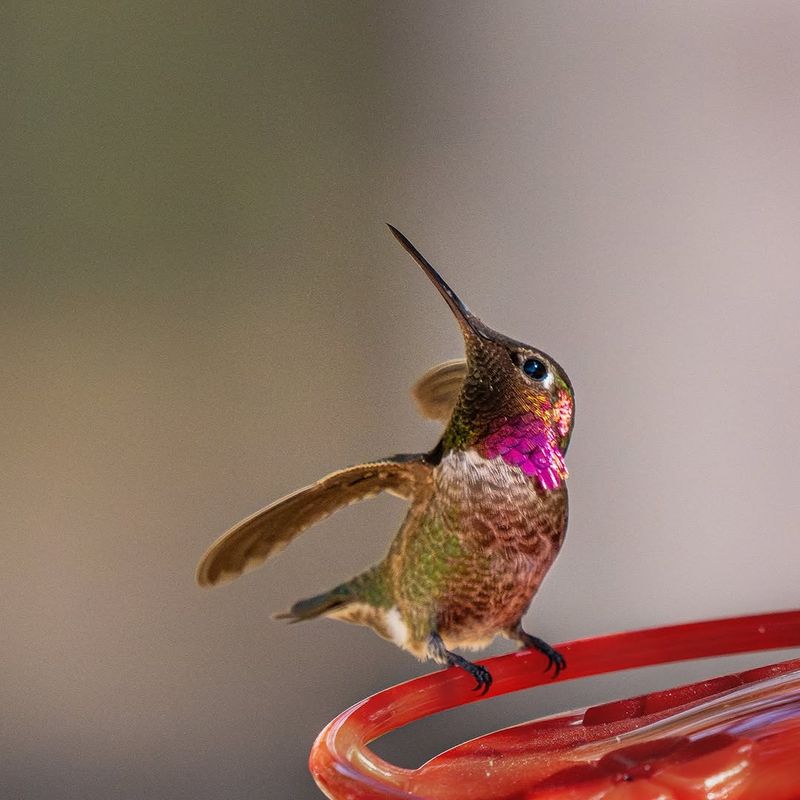
A feeder that runs dry sends hummingbirds looking elsewhere fast. Anna’s Hummingbirds have sharp memories for food sources, and if yours stays stocked, they will factor it into their daily route.
Plain white sugar mixed with water at a four-to-one ratio is what most wildlife rehabilitators and birding organizations recommend. Skip the red dye.
Skip honey. Both can cause problems for small birds over time.
Consistency matters more than quantity. A small feeder that stays clean and full beats a large one that gets ignored or grows mold.
In warmer months, nectar can ferment quickly, so rinsing and refilling every two to three days is a reasonable habit.
Placement also plays a role. Shade helps slow fermentation in summer heat.
Hanging feeders near natural cover gives birds a quick escape route if they feel threatened.
Multiple feeders placed in different spots can reduce competition. Male Anna’s Hummingbirds are territorial and may chase others away from a single source.
Spreading feeders around the yard gives more birds a fair shot at feeding.
Repeated visits to your feeder are a clear sign the bird trusts your yard as a reliable stop. Keep that trust by staying consistent with your refill schedule.
2. Native Flowers Supply Food Day After Day
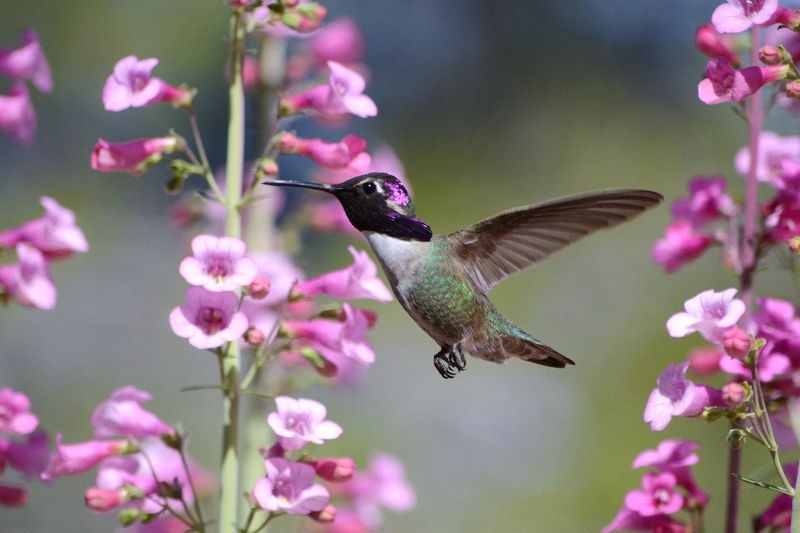
Feeders help, but native flowers offer something feeders cannot replicate. Natural nectar contains trace nutrients that plain sugar water lacks, and native plants bloom in cycles that match local wildlife patterns.
Chuparosa, red penstemon, and desert willow are a few plants that Anna’s Hummingbirds visit regularly in Arizona.
These plants evolved alongside local pollinators, so their bloom timing and flower shape tend to suit hummingbird feeding habits well.
Planting a mix of species that bloom at different times extends your yard’s usefulness across more of the year. When one plant finishes, another picks up.
That kind of staggered blooming keeps birds returning without a gap in food supply.
Native plants also tend to need less water once established, which is a practical benefit in a dry climate. Fewer inputs, more wildlife value.
That is a reasonable trade-off for most yards.
Color matters too. Hummingbirds show a preference for red, orange, and pink tubular flowers, though they will visit other colors.
Your Arizona Garden Changes Every Week. Your Plan Should Too.
Gardening in Arizona changes quickly throughout the season. Every Friday you’ll receive a simple weekly plan showing exactly what to plant, prune, fertilize, harvest, and protect so you never miss the right timing.
Clusters of blooms are more attractive than single isolated plants.
Watching which flowers your visiting hummingbirds spend the most time at can tell you what to plant more of next season. Their behavior is one of the most honest forms of garden feedback you will get.
3. Tiny Insects Support Young Hummingbirds
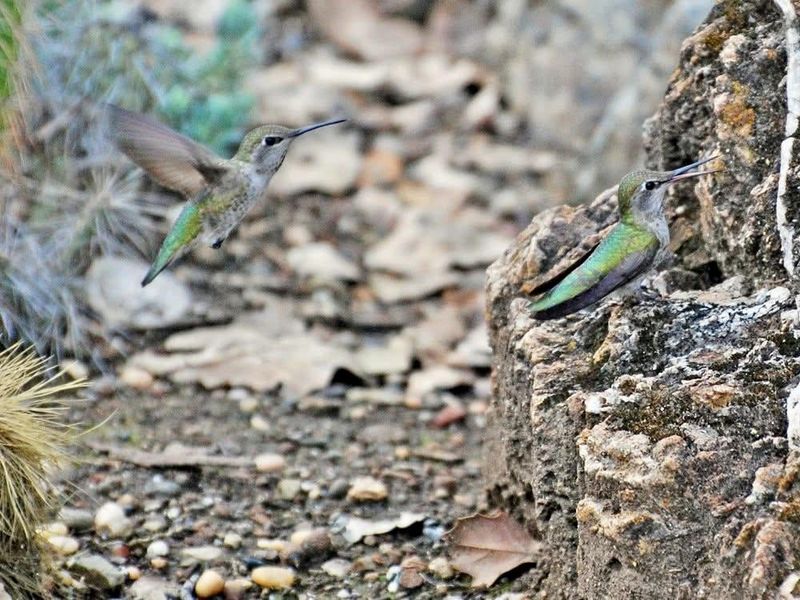
Nectar fuels adult hummingbirds, but protein builds them. Insects and spiders make up a meaningful part of a hummingbird’s diet, especially when raising young.
Gnats, fruit flies, aphids, and small spiders are all fair game. Hummingbirds catch them mid-air, pick them off leaves, and sometimes pull them from spider webs.
A yard with visible insect activity is more attractive than one that looks sterile.
Reducing pesticide use is one of the most direct ways to support this. Broad-spectrum sprays can reduce the insect populations that hummingbirds depend on for protein.
Spot treatments or targeted approaches tend to cause less disruption to the overall food web.
Leaf litter, mulch, and dense plantings naturally attract small insects. These are not signs of a neglected yard.
From a hummingbird’s perspective, they are signs of a productive one.
If you notice a hummingbird hovering near tree bark, low shrubs, or even your compost pile, it is likely hunting. That behavior confirms your yard offers more than just sugar water.
Nestlings receive almost entirely insect-based feedings from their mothers. A yard that supports insect life during spring and early summer can directly benefit a local nest.
That connection is easy to overlook but genuinely significant.
4. High Perches Give Them A Better View
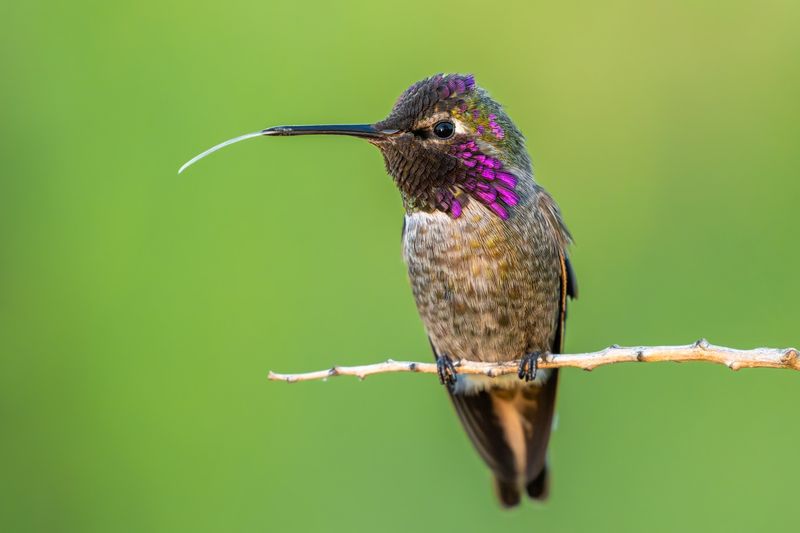
Hummingbirds spend more time perching than most people realize. Watching a bird hover constantly gives the impression of endless motion, but they actually rest frequently between feeding sessions.
High, exposed perches are especially useful for males. From an elevated branch, a male Anna’s Hummingbird can watch over his territory, spot rivals, and launch courtship dives when a female passes nearby.
That visibility is not accidental. It is strategic.
Bare branches, tall fence posts, and the tops of cacti serve this purpose well.
Yards with vertical structure tend to attract more hummingbird activity than flat, open spaces with no elevation variation.
Leaving a few bare branches on trees instead of pruning everything back gives birds usable perch spots. A completely manicured yard can actually feel less welcoming to wildlife that needs structure and cover.
You may notice a hummingbird returning to the same perch repeatedly over days or weeks. That is a sign the bird has claimed the spot as part of its regular territory.
Consistency in perch use is a strong indicator that the bird feels safe and comfortable in your yard.
Adding a simple garden stake or leaving a tall dried flower stalk standing through winter can provide perch points without any significant effort on your part.
5. Fresh Water Becomes More Valuable In Summer
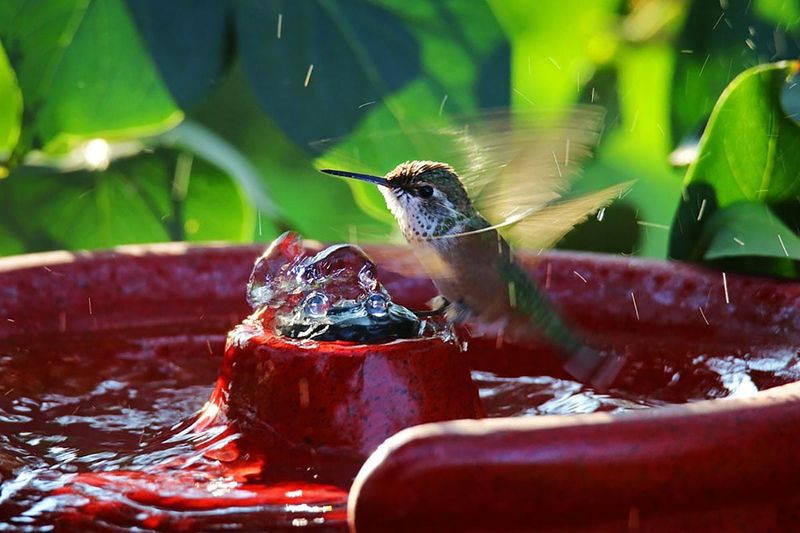
Water is easy to overlook when you are thinking about hummingbirds. Most attention goes to feeders and flowers, but a reliable water source can set your yard apart, especially during hot months.
Hummingbirds bathe more than they drink, since they get most of their hydration from nectar. Shallow, moving water is what tends to attract them.
A gentle mister or a dripper attachment on a bird bath creates the kind of water movement they respond to well.
Standing water in deep basins is less appealing and can become a breeding ground for mosquitoes. Shallow dishes no deeper than an inch or two, cleaned and refilled regularly, are far more practical.
Summer temperatures in Arizona can push well past 100 degrees. Bathing helps birds regulate body temperature.
A yard with a cool misting station during peak heat may attract visits that have nothing to do with food at all.
Placement near shrubs or low cover gives birds a quick retreat after bathing. Wet feathers reduce flight ability temporarily, so birds prefer to bathe where cover is close.
Watching a hummingbird fly through a fine mist or dip into a shallow dish is one of the more unexpected pleasures of backyard birding.
6. Nearby Nests Lead To Frequent Visits
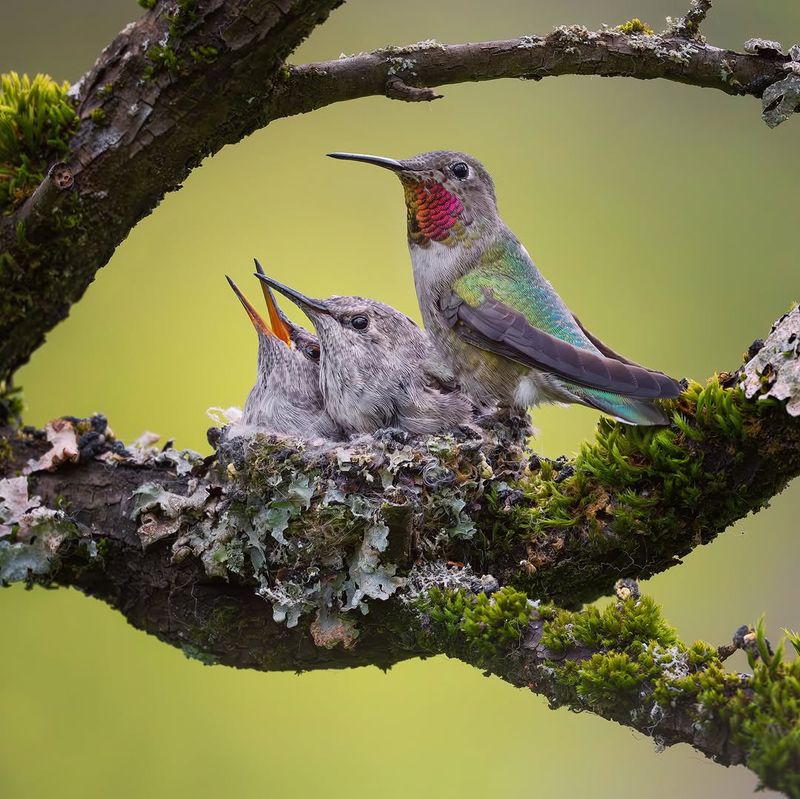
Frequent visits from the same bird often mean a nest is close by. Female Anna’s Hummingbirds build small, cup-shaped nests using plant fibers, feathers, and spider silk, and they tend to locate them near reliable food sources.
If you notice a female making repeated trips in a consistent direction, she may be returning to a nest. Nesting females need to feed often because they are fueling both themselves and their developing eggs or nestlings.
Nests are surprisingly hard to spot. They are typically the size of a walnut shell and covered in lichen or plant material that blends with surrounding bark.
Looking up into the forks of shrubs, small trees, or even along horizontal branches may reveal one.
Once you locate a nest, keep your distance. Human activity near an active nest can cause stress to the mother bird.
Observing from a comfortable distance with binoculars is a better approach than getting close for a photo.
Nesting season for Anna’s Hummingbirds in the Southwest can begin earlier than many people expect, sometimes as early as late winter.
A yard that provides food and shelter year-round is more likely to attract a nesting female than one that only offers resources seasonally.
7. They Remember Places That Meet Their Needs
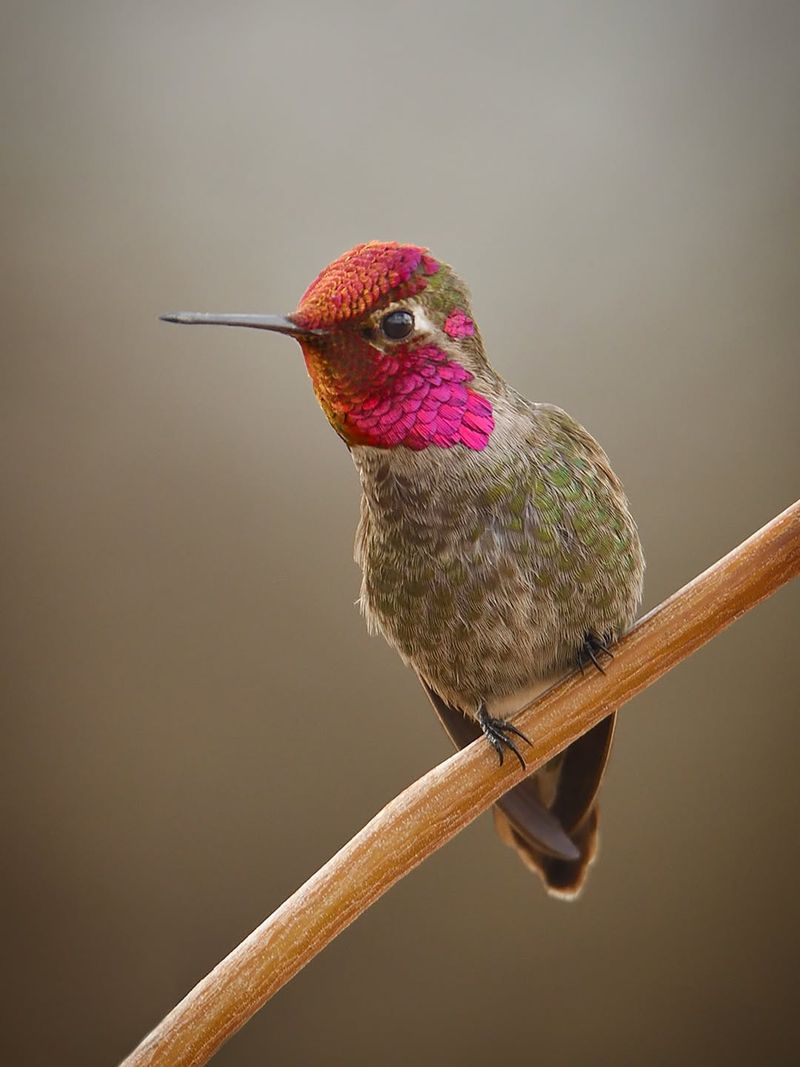
Hummingbirds have strong spatial memory. Once a bird learns that your yard reliably offers food, water, and shelter, it can return to that location across multiple seasons.
Many hummingbirds return to the same yards year after year when reliable resources remain available. Your yard does not just attract passing visitors.
Over time, it may become part of the regular route of the same returning birds.
Meeting multiple needs at once is what keeps birds coming back most reliably. A feeder alone may attract visits.
A feeder combined with native plants, insects, water, and perch spots creates a genuinely complete habitat.
Seasonal gaps can break that pattern. If resources disappear during a critical period, birds may shift their routes and not reestablish the habit right away.
Keeping at least one consistent resource available year-round helps maintain the connection.
Anna’s Hummingbirds are among the few hummingbird species that remain in the Southwest through winter rather than migrating. Your yard can serve as a cold-season resource when other food sources become scarce.
Paying attention to which birds show up, when they arrive, and where they spend time can help you fine-tune what your yard offers.