Why More Arizona Homeowners Are Adding Owl Boxes To Help Reduce Pack Rats
Pack rats can quickly become an unwelcome part of life around many Arizona homes. More homeowners are looking for natural ways to make their properties less inviting to them.
One simple addition is getting plenty of attention for good reason. It offers benefits that go beyond making a yard look more interesting.
Small changes often have a bigger impact than expensive solutions. Choosing the right approach can help create a better balance around your property.
Before trying another short-term fix, consider what is happening around your yard. Encouraging the right wildlife can sometimes work in your favor.
More homeowners are thinking differently about long-term pack rat control. That shift is changing the way many yards are managed.
An owl box may seem like a simple feature, but there is a good reason more homeowners are deciding it deserves a place in their yards.
1. Barn Owls Hunt Pack Rats After Dark
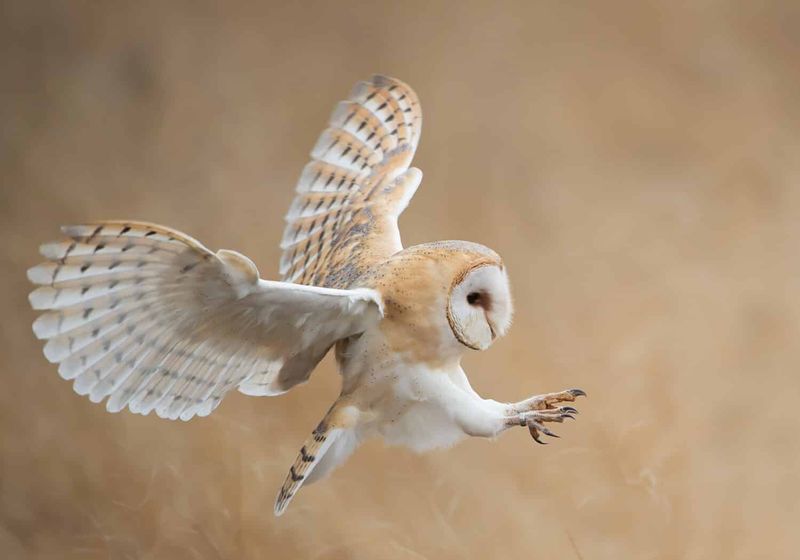
Most homeowners never see what is sneaking around their property at night. Pack rats are nocturnal, and so are barn owls, which makes them a natural match.
Barn owls have exceptional low-light vision and an incredible sense of hearing. They can pinpoint a rodent moving under brush just by sound alone.
No flashlight needed.
A single barn owl can cover a surprisingly wide hunting range in one night. They fly low and quietly, sweeping across open ground with precision.
Pack rats have very little warning before a strike happens.
Barn owls do not rely on one hunting spot. They move around, checking familiar areas repeatedly throughout the night.
That consistent pressure keeps rodent populations from settling comfortably in one location.
Homeowners who install owl boxes often report fewer signs of pack rat activity within a season or two. Results vary based on habitat, owl availability, and how much food and cover the rats have nearby.
Patience matters here.
Barn owls are native to many parts of North America and are well suited to desert environments.
2. One Owl Can Catch Many Rodents Over Time
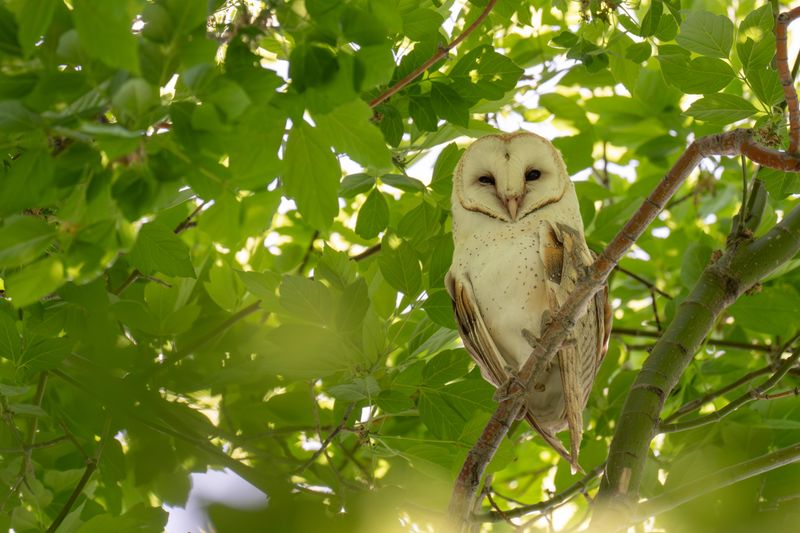
People underestimate just how much one owl can eat in a single night. A barn owl actively raising chicks can consume a notable number of small rodents over weeks and months.
Barn owls do not snack. They hunt with purpose, and when food demand is high during nesting season, their activity increases significantly.
A nesting pair with owlets needs even more prey to keep up with growing chicks.
Pack rats are a preferred prey item for barn owls in desert regions. Their size and movement patterns make them easy targets in open terrain.
Owls tend to return to productive hunting spots consistently.
Over a full nesting season, a family of barn owls can put real pressure on a local rodent population. No single predator eliminates every pest, but consistent hunting can noticeably reduce activity over time.
Homeowners often notice fewer chewed wires, disturbed storage areas, and nesting debris when owls are active nearby. That is not a coincidence.
Reduced rodent pressure shows up in practical, visible ways around the property.
Your Arizona Garden Changes Every Week. Your Plan Should Too.
Gardening in Arizona changes quickly throughout the season. Every Friday you’ll receive a simple weekly plan showing exactly what to plant, prune, fertilize, harvest, and protect so you never miss the right timing.
Barn owls also produce pellets, which are compact bundles of undigested fur and bones.
3. Nest Boxes Encourage Owls To Stay Nearby
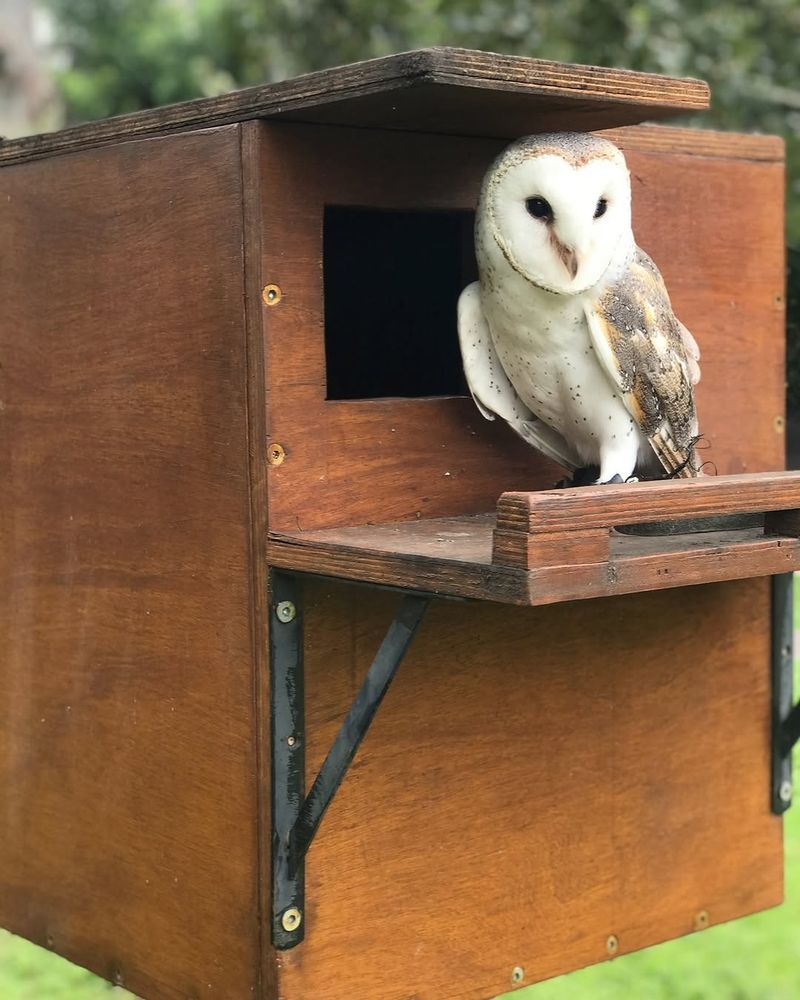
Barn owls do not typically nest on the ground. They need an enclosed cavity, and in suburban or rural areas, those spots can be hard to find.
A well-built nest box solves that problem directly.
When owls discover a safe, weatherproof box in a good location, they are likely to return season after season. Barn owls show strong site fidelity, meaning they prefer familiar nesting spots when those spots have worked before.
A nest box essentially gives owls a reason to stay on or near your property. Without a nesting site, a hunting owl might pass through but never settle.
Providing shelter changes that dynamic significantly.
Boxes should be built to specific dimensions to attract barn owls rather than other species. Interior space, entrance hole size, and ventilation all matter.
Pre-built owl boxes designed for barn owls are widely available and take the guesswork out of sizing.
Placing a box on your property does not guarantee immediate occupancy. Owls scout locations carefully before committing.
Some boxes get claimed within one season, while others take a year or two to attract a pair.
Once owls do settle in, the benefit continues year after year with minimal effort from the homeowner.
4. Open Areas Give Owls Better Hunting Access
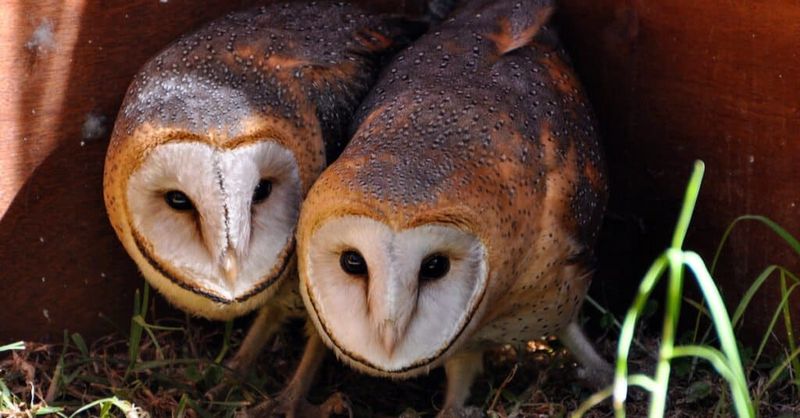
Owls are built for open-air hunting. Dense brush, overgrown shrubs, and cluttered yards make it much harder for them to swoop in and catch prey effectively.
Open ground is where they perform best.
Pack rats love clutter. Piles of wood, stacked materials, and dense low plantings give them cover and make them harder to spot.
Clearing some of that ground-level debris benefits the owl and reduces shelter for rodents at the same time.
A yard does not need to look bare to be owl-friendly. Keeping grass or ground cover short, trimming low shrubs, and removing unnecessary piles creates enough open space for effective hunting without stripping the yard of all character.
Owls tend to patrol the same routes repeatedly. If open corridors exist between trees, fence lines, and open ground, owls can move efficiently and cover more area in less time.
Habitat design matters more than most people realize.
In desert settings across Arizona, natural open terrain already exists in many areas.
Homeowners with larger lots or properties bordering open desert often see faster owl activity because the hunting conditions are already favorable without much modification needed.
Even small adjustments around the perimeter of a yard can make a noticeable difference.
5. Proper Placement Improves Nest Box Success
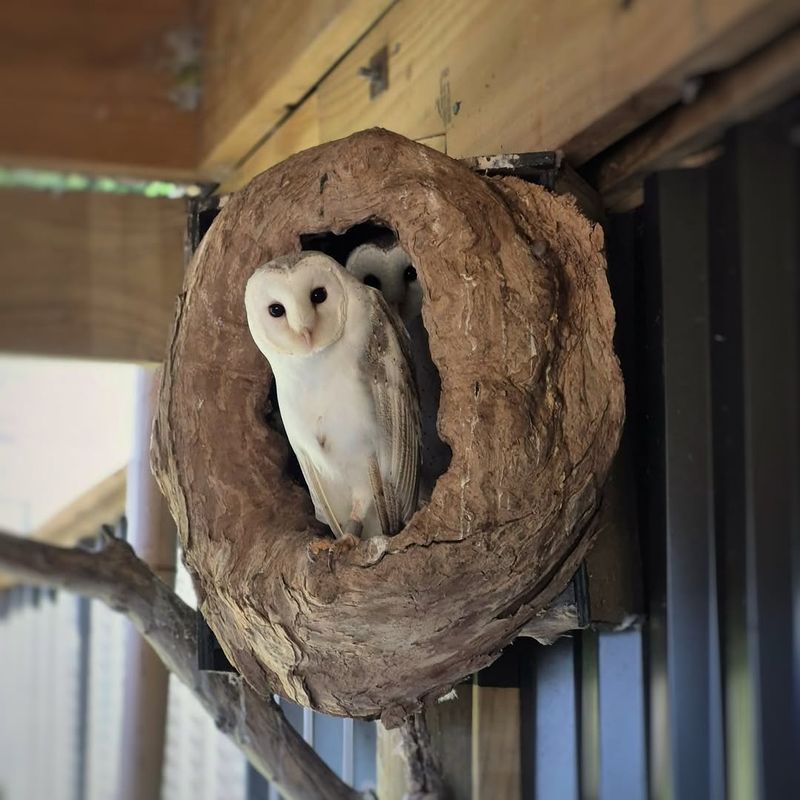
Location is one of the biggest factors in whether a nest box gets used. A box placed in the wrong spot can sit empty for years, even in an area with a healthy owl population nearby.
Height matters. Barn owl boxes are generally mounted between 10 and 20 feet off the ground.
Too low and the owls may feel exposed to ground-level disturbances. Too high can create access challenges during cleaning.
Facing direction plays a role too. Boxes facing away from harsh afternoon sun tend to stay cooler inside, which is especially relevant in hot desert climates.
Overheating inside a box can discourage nesting.
Owls prefer boxes positioned near open hunting areas. Mounting a box at the edge of a yard where it faces open ground gives hunting adults easy access to come and go without navigating obstacles.
Avoid placing boxes close to busy areas with frequent foot traffic, loud equipment, or bright lights. Barn owls are sensitive to repeated disturbances, especially during early nesting stages when pairs are deciding whether to commit to a site.
Trees can work as mounting points if branches do not obstruct the entrance. Poles are often the preferred option because they offer better predator protection and allow more flexibility in positioning.
6. Clean Boxes Before Each Nesting Season
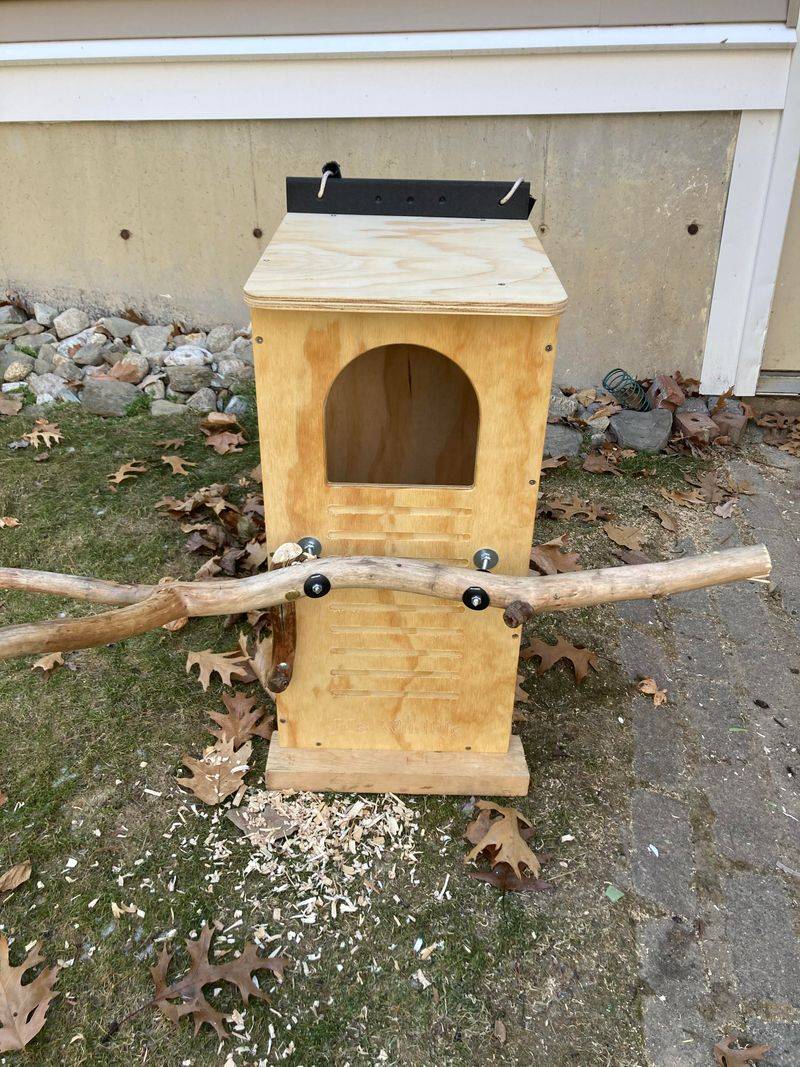
Old nesting material builds up fast. Barn owls leave behind pellets, feathers, and other debris that can accumulate heavily after a full season of use.
A packed box is not an inviting space for the next nesting cycle.
Cleaning out the box once a year, typically in late winter before nesting begins, gives returning owls a fresh start. Barn owls do not build elaborate nests, but a clean floor gives eggs a stable surface and reduces parasite buildup from the previous season.
Wearing gloves and a dust mask during cleaning is a sensible precaution. Owl pellets and droppings can carry particles that should not be inhaled.
The cleanup itself is quick, but basic protective gear makes it safer.
After removing old material, inspect the box for damage. Cracks, warped wood, or a loose entrance hole can let in rain, heat, or predators.
Small repairs made before nesting season prevent bigger problems later.
Some people save the pellets before discarding them. Barn owl pellets are frequently used in educational settings and can be a fun way to identify exactly what species the owls have been catching on your property.
7. Remove Food Sources That Attract Pack Rats
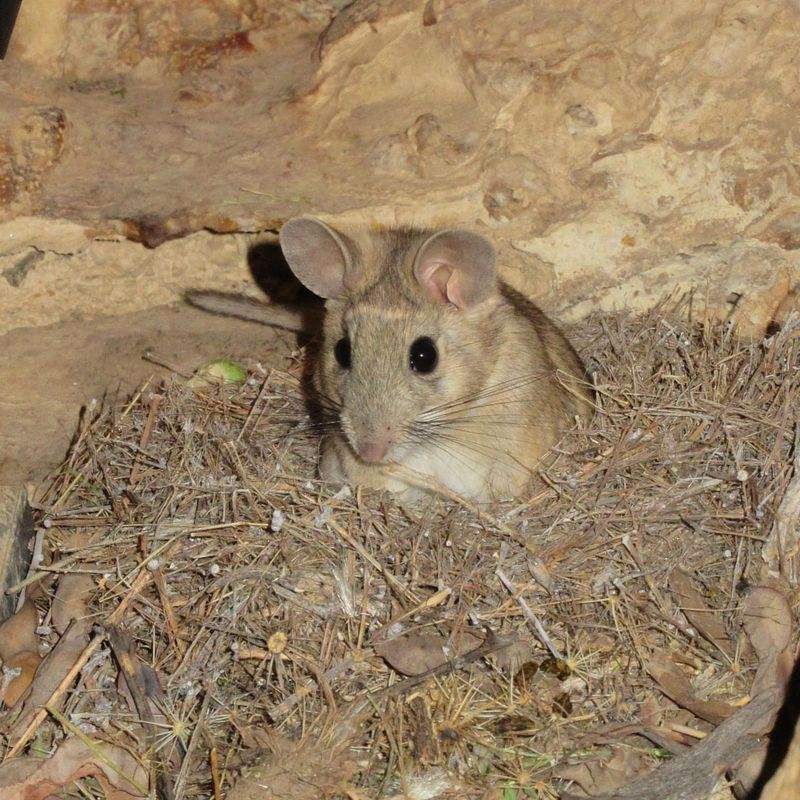
Owl boxes work better when pack rats have fewer reasons to move in close to begin with. Attracting owls is one part of the strategy, but reducing what draws rodents to the yard is equally important.
Pack rats are opportunistic. Fallen fruit, open compost, unsecured pet food, and cluttered storage all send an open invitation.
Cleaning those up removes easy food access that keeps rodents comfortable and bold around the home.
Bird feeders are a common overlooked source. Seed that spills onto the ground is a reliable food supply for pack rats.
Switching to feeders with catch trays or moving them away from the house perimeter can reduce that draw significantly.
Dense vegetation close to the home provides both food and shelter. Cactus fruit, seed pods, and thick ground cover all support pack rat activity.
Trimming back overgrown areas near walls and foundations limits nesting opportunities.
Stored items in garages or sheds should be kept in sealed containers when possible. Pack rats are resourceful and will use soft materials like cloth, insulation, or cardboard for nesting.
Removing access to those materials discourages them from settling in.
Combining good yard hygiene with an active owl box creates a layered approach.