The Watering Mistake That Invites Squash Bugs Into Oregon Gardens
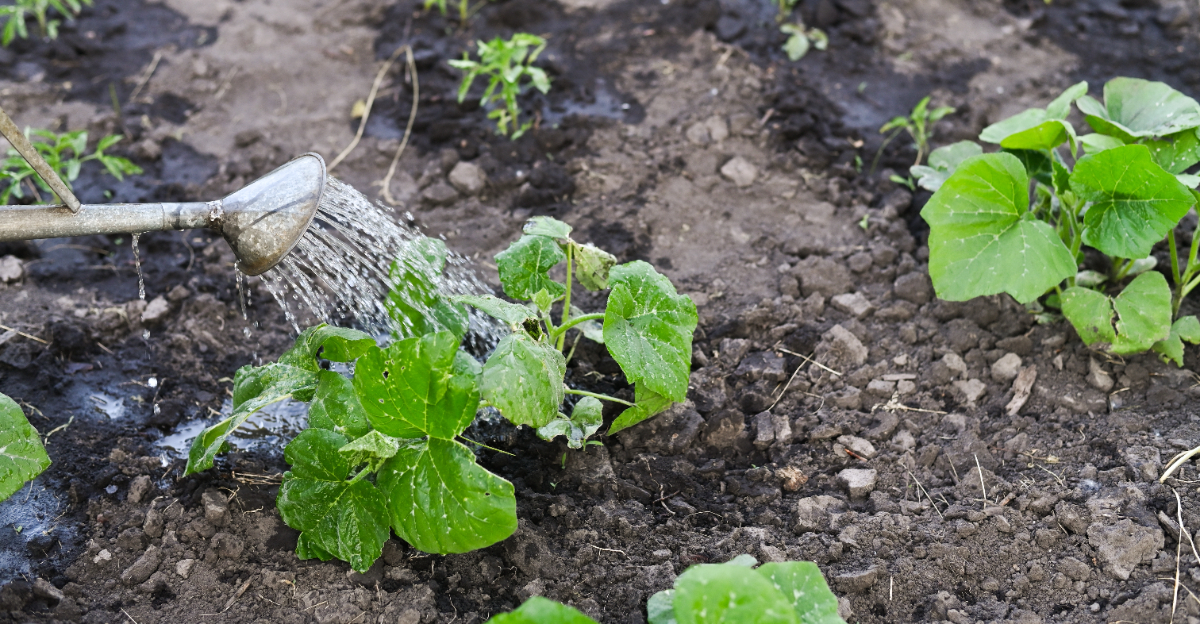
Oregon squash vines can look ridiculously healthy in June.
Big leaves, bright blossoms, strong runners, and suddenly the garden feels like it knows exactly what it is doing.
Then one plant wilts in the afternoon. A few leaves yellow around the edges. You lift a vine and find bronze egg clusters, gray nymphs, or flat-backed adults tucked where you never bothered to check.
The sprinkler usually gets blamed first.
That is not quite fair. Overhead watering does not appear to call squash bugs into the garden like a dinner bell.
The bigger problem is what it does after bugs are already possible. Wet leaves hide eggs, discourage scouting, spread disease pressure, and keep the dense canopy harder to manage.
So what should Oregon gardeners change before one quiet pest pocket turns into a squash patch headache?
Start by moving water off the leaves and into the soil, then make every inspection easier, drier, and much harder for squash bugs to escape.
Stop Overhead Watering
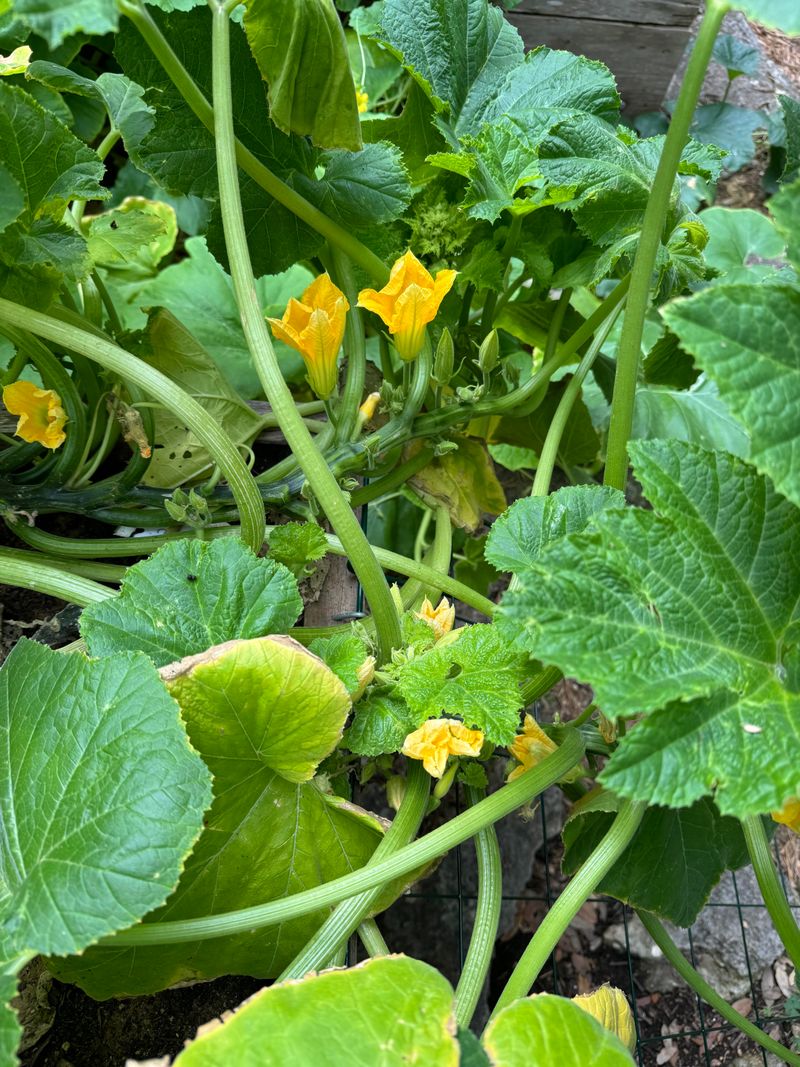
Overhead watering looks convenient until the squash canopy gets big.
A sprinkler can soak the whole patch in minutes, but it also wets every leaf, stem, flower, and shaded pocket under the plant.
That extra moisture does not prove squash bugs are being lured in. It does create a garden situation where problems are harder to see and easier to miss.
Squash bugs find host plants through plant cues and suitable foliage, not because a sprinkler sprayed the leaves. Blaming water droplets directly gives the wrong problem too much credit.
The real mistake is making the canopy wet and complicated.
Wet squash leaves are unpleasant to handle. They drip down your arm, slap against neighboring vines, and turn a quick inspection into something many gardeners postpone.
That skipped inspection is where trouble starts. Eggs stay in place. Nymphs hatch. Adults tuck deeper into the plant.
Overhead watering also increases disease pressure. Wet foliage can favor leaf diseases, especially when Oregon mornings stay cool and damp.
Powdery mildew, bacterial leaf spots, and general canopy decline can all make a plant look stressed before the gardener knows which problem came first.
Once leaves are spotted, wilted, or yellowing, squash bug damage becomes harder to separate from disease or water stress.
Use overhead watering only as a last resort, and avoid evening use. If you must sprinkle, water early so foliage dries as quickly as possible.
The better fix is simple: stop soaking the canopy. A drier leaf surface makes scouting less miserable and keeps the plant’s problems easier to read.
Water Roots With Drip Lines
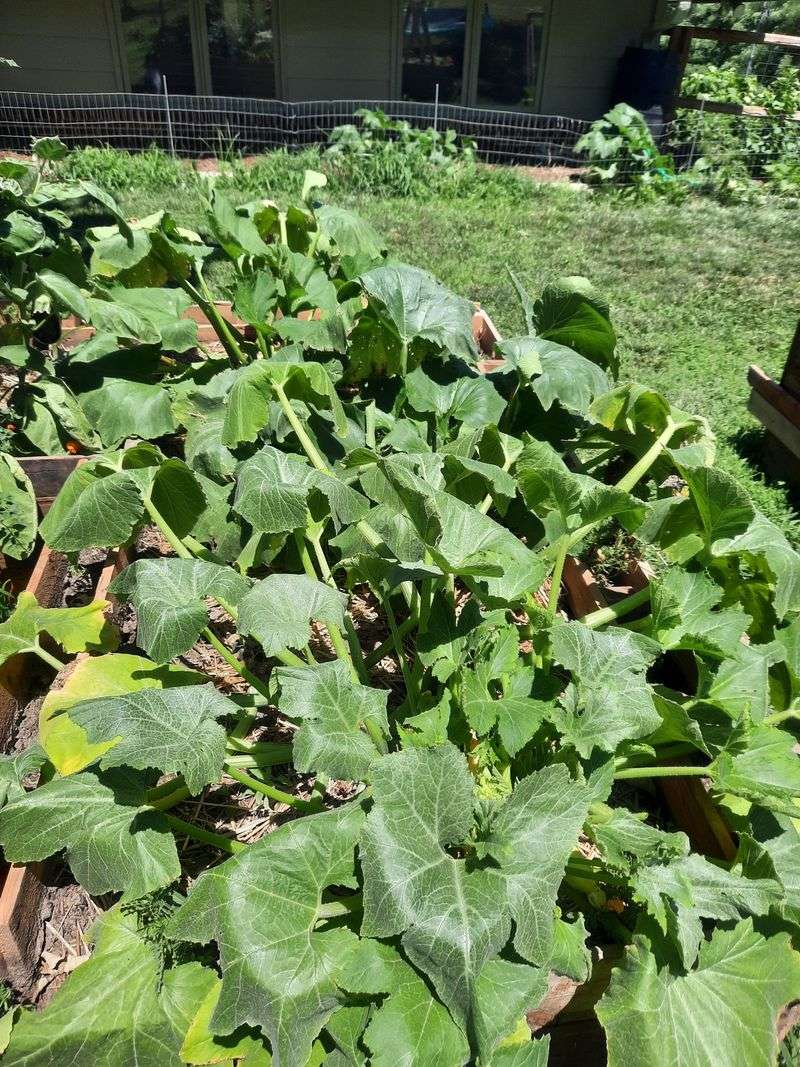
Squash needs water, but the leaves do not need a shower.
Drip lines and soaker hoses solve that problem neatly. They deliver moisture at soil level, right where roots can use it, while the foliage stays dry enough for scouting and disease prevention.
This shift can change the whole feel of the squash bed.
Run drip tubing or a soaker hose along the base of the row, not far out in the path where the water never reaches active roots.
Your Oregon Garden Changes Every Week. Your Plan Should Too.
Gardening in Oregon changes quickly throughout the season. Every Friday you’ll receive a simple weekly plan showing exactly what to plant, prune, fertilize, harvest, and protect so you never miss the right timing.
For bush squash, place the line near the plant base and curve it slightly around the root zone. For vining squash, keep the main moisture line close to the crown and extend it as the plant grows if the bed dries unevenly.
Water deeply rather than constantly. Light daily sprinkles encourage shallow roots and leave plants less prepared for Oregon’s dry summer stretches. A slower soak helps moisture move deeper, where roots can chase it.
Check the soil with your finger or a trowel before watering again. The surface can look dry while the root zone still has moisture.
Inspect lines weekly. Emitters clog, soaker hoses shift, and vines can hide dry pockets until the plant starts looking stressed. A quick check prevents uneven watering from becoming another mystery.
Morning watering still works best, even with drip. Any splashed soil or surface moisture gets the day to dry before cool night air settles in.
A simple hose-end soaker setup can make a small backyard squash planting easier to manage. It does not remove every pest risk, but it gives the plant steady root moisture without turning the leaves into a wet hiding place.
Keep Leaves Dry For Easier Scouting
Dry leaves tell the truth faster.
When squash foliage is soaked, every surface reflects light, every vein looks darker, and tiny details vanish behind water droplets.
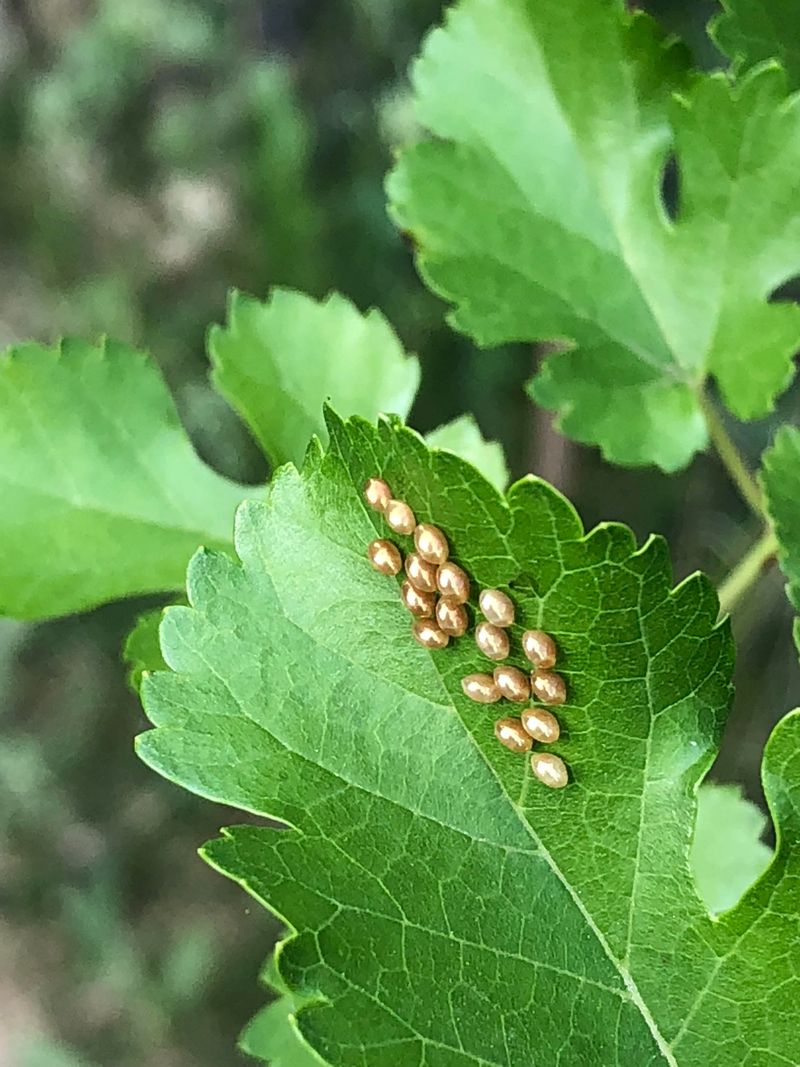
Bronze egg clusters can blend into wet leaf tissue. Newly hatched nymphs can hide in folds and along veins. Feeding marks can look like disease, and disease can look like feeding.
That confusion helps squash bugs.
A dry leaf lets you see the clues. Egg masses usually sit on the underside of leaves, often near veins, in tidy groups that look too organized to be random specks.
Nymphs may cluster together in gray-green groups before they spread across the plant. Adults often hide near the base or in shaded junctions.
Plan inspections after leaves dry, not right after irrigation or rain.
In western Oregon, morning dew may linger in dense squash patches, especially in the Willamette Valley. Give plants time to dry before lifting vines. In Central Oregon, leaves may dry faster, but irrigation timing still matters.
Scout every two to three days during the heart of squash bug season. That schedule sounds intense until one missed egg cluster becomes a crowd of nymphs.
Bring a hand lens if your eyes get tired. Bring tape, a small scraper, or a container of soapy water so you can act immediately.
Dry scouting also helps you spot disease early. Powdery patches, angular spots, yellowing edges, and true feeding injury are much easier to sort out when the leaf surface is not dripping.
Keeping leaves dry does not scare squash bugs away.
It makes them easier for you to find, and that is much more useful.
Lift Vines And Inspect Every Base
Squash bugs love the places gardeners ignore.
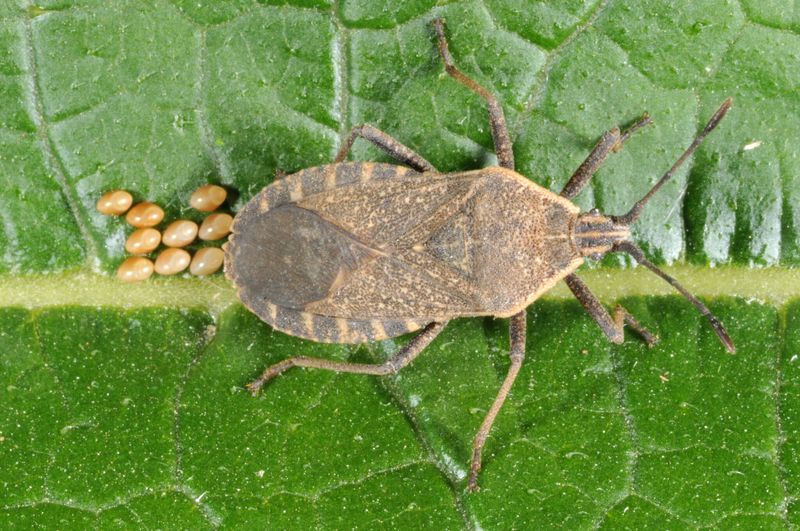
The top of the plant may look fine while adults rest near the crown, where the main stem meets the soil. Nymphs can gather in shaded stem junctions.
Eggs can sit under leaves that never get flipped. If you only scan the plant from above, you are seeing the garden’s public face, not the pest’s favorite room.
Lift vines gently during every inspection.
Use an open hand under the stem instead of grabbing and pulling. Squash vines can crack at joints, especially when they are heavy with leaves or fruit.
Raise the vine just enough to see underneath, then check the crown, leaf axils, stem undersides, and places where vines cross.
Adults may press flat against stems or tuck under leaf edges. Their brownish bodies can blend into dried plant debris and soil shadows.
Keep a container of soapy water nearby. When you find adults, knock or drop them straight in. Do not flick them onto the ground and hope they wander away with a sense of shame. They will not.
Check every plant, not only the one that looks wilted. Squash bugs often spread quietly through a patch before one vine shows obvious damage.
Pay special attention to larger plants with dense canopies. More shade means more hiding places.
This inspection takes time, but it becomes faster once you learn the pattern. Crown, underside, leaf veins, stem junctions, repeat.
Squash bug control is mostly won in the awkward crouch beside the plant, not from a standing glance at the leaves.
Clear Boards And Debris Nearby
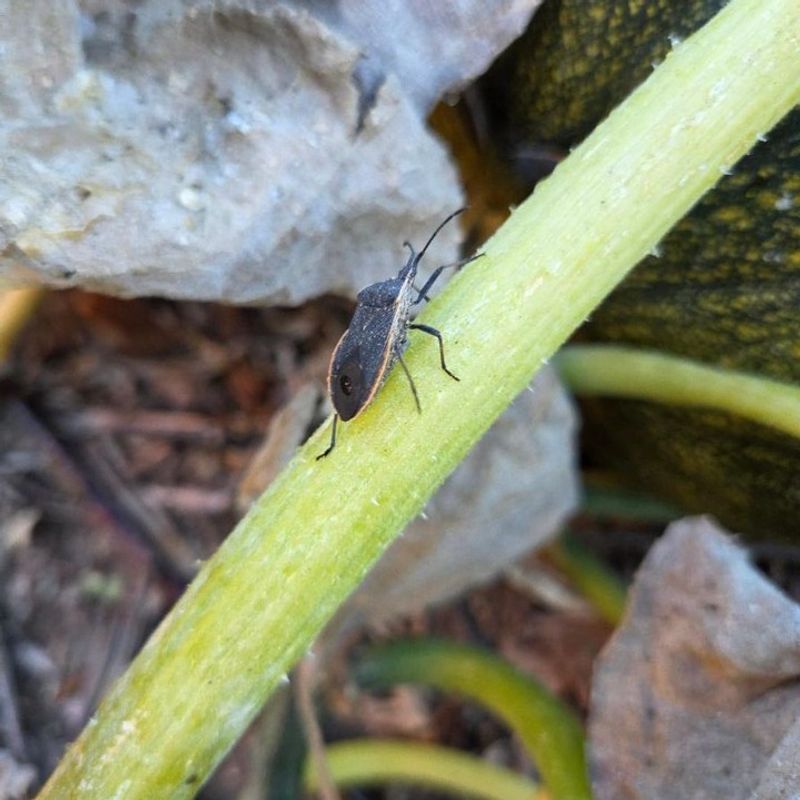
A squash patch with clutter around it gives squash bugs too many places to hide.
Old boards, stacked pots, cardboard, plant trays, pulled weeds, spent vines, thick crop residue, and forgotten mulch piles can all create sheltered spaces.
Adults use protected spots during heat, at night, and later in the season when they search for overwintering cover.
A tidy garden edge makes the pest work harder.
Clear debris around the squash bed during the growing season. Remove pulled weeds instead of leaving them to wilt beside the row. Do not stack lumber or pots against the bed.
Keep grass and weedy borders trimmed so adults have fewer cool hiding places right next to the crop.
This matters even more at the end of the season. Adult squash bugs can overwinter in protected debris and return when cucurbits are planted again. Leaving old squash vines in place after harvest gives them cover and a head start.
Pull spent vines promptly. Bag or dispose of heavily infested material rather than letting it sit in the bed.
There is one exception: a deliberate trap board. Some gardeners place a flat board near squash plants overnight, then check underneath in the morning and drop any hiding adults into soapy water. That is a tool, not clutter.
The difference is daily attention. A board you check is a trap. A board you forget is a bug hotel.
Keep the area open, visible, and easy to walk. You will scout more often when the bed is not surrounded by obstacles.
Fewer hiding places will not erase squash bugs, but it can reduce the places they survive between your inspections.
Remove Egg Clusters Early
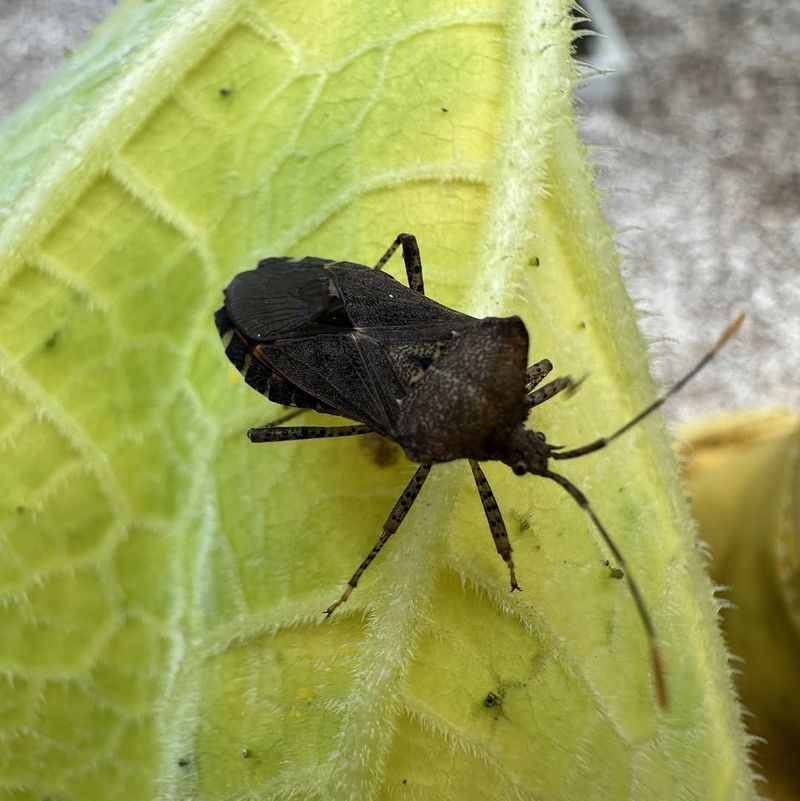
Eggs are the easiest stage to beat because they cannot run.
That sounds obvious, but it is the entire point of early squash bug management. Once eggs hatch, nymphs start feeding and spreading.
Once nymphs grow, every removal session takes more time. Catch the bronze clusters early, and you stop dozens of future pests before they ever start moving.
Look for eggs on leaf undersides, especially along veins and near the midrib. They are usually oval, neat, and metallic bronze to brick-colored as they mature.
Check the lower and middle leaves first. Those areas offer shelter and often hold early activity.
Use tape for clean removal. Press the sticky side gently over the cluster, lift the eggs off, fold the tape over itself, and toss it in the trash. A dull knife, old credit card, or fingernail can also scrape eggs into soapy water.
If the eggs are on a small, expendable leaf section, you can remove that piece of leaf and bag it. Do not strip too many leaves, since the plant still needs foliage for fruit and recovery.
Make egg checks part of the same routine as watering and harvesting. It takes less time when you do it often.
One cluster missed today may become a group of nymphs soon. Those nymphs tend to stay together at first, which still gives you a second chance, but eggs are easier.
This is the satisfying part of pest control. No spray. No guessing. No complicated timing.
Just flip, find, remove, and move to the next plant.