These Oregon Native Plants Still Look Good When August Gardens Start Fading
By mid-August, an Oregon garden can start acting like the party ended early.
The spring flowers have gone brown at the edges. Annuals need too much coaxing. Lawns turn straw-colored unless the hose has been working overtime.
Even reliable perennials may look dusty, tired, or halfway to sleep. That slump feels especially obvious when the afternoon light gets golden and every empty gap suddenly shows.
A better late-summer garden starts with plants that understand the season.
Oregon natives often know how to handle dry soil, hot afternoons, cool nights, and the long pause between dependable rains.
Some keep blooming. Some trade petals for seedheads, silver leaves, or graceful movement. Some feed pollinators when the menu is getting thin.
The trick is matching the plant to the actual site, not the dream version of it.
So which native choices can still look intentional when August starts wearing everything down?
Start with the ones built for dry-season beauty, not constant rescue.
1. Let Douglas Aster Carry Late Color
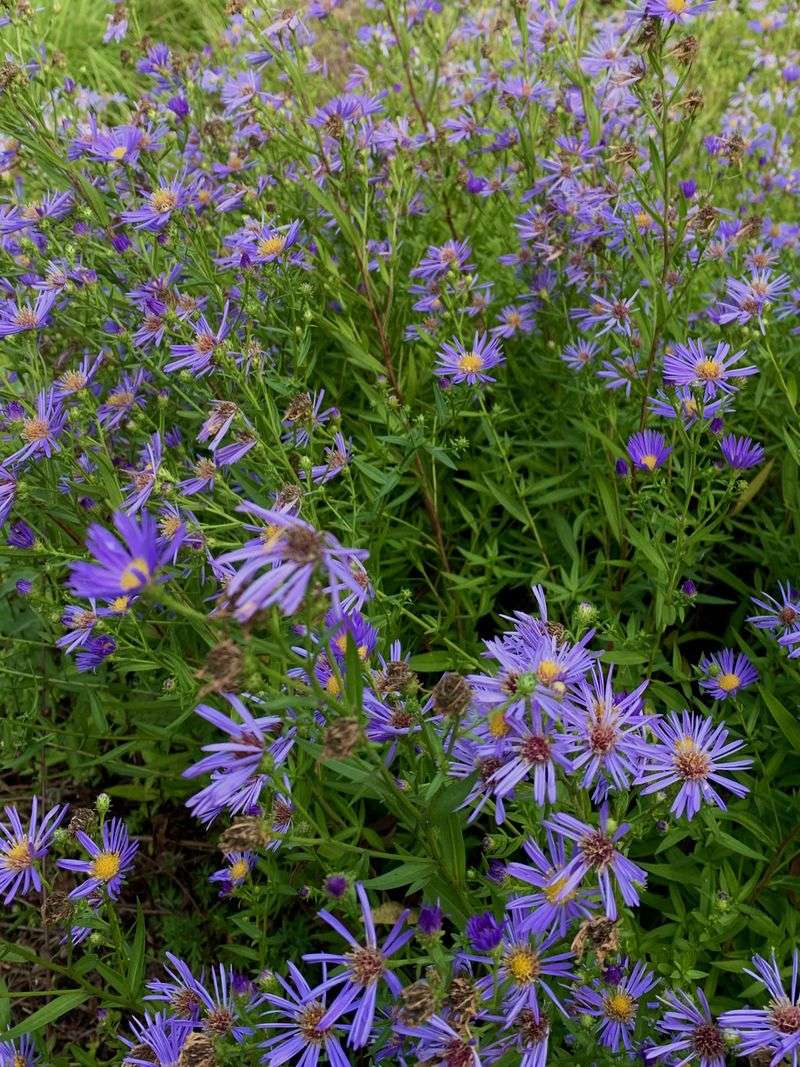
Douglas aster is the plant that makes August feel less finished.
While many garden flowers have already given their best show, this native keeps sending up purple, lavender, or violet daisy-like blooms that look fresh against fading summer foliage.
That late color matters in Oregon, especially in western gardens where spring can be lush and midsummer can suddenly turn dry, dusty, and thin.
The flowers are not just pretty. They pull in bees, butterflies, hoverflies, and other insects during a season when fresh nectar becomes harder to find.
A good patch can hum on a warm afternoon, which is one of the clearest signs that the plant is doing real habitat work.
Douglas aster likes sun, but it does not collapse in part shade. Full sun gives the heaviest bloom. Afternoon shade can keep foliage looking greener through heat, especially in gardens that dry out quickly.
It also tolerates more moisture range than many late-summer natives. Stream edges, meadow margins, rain garden edges, and ordinary borders can all suit it if the soil does not stay constantly stagnant.
Give it room because this plant spreads. It can move by seed and short rhizomes, forming loose colonies that look wonderful in naturalistic beds and a little pushy in tight formal borders.
Manage the patch instead of fighting it. Cut back wandering stems in spring, deadhead where seedlings would be a problem, and let the best clumps bloom hard in August.
Established plants usually need little summer water in suitable sites, but new plants need regular watering through the first dry season.
Cut old stems after seed has fed birds or after winter weather has flattened the patch. Leaving some standing stems through fall can keep the border from looking bare and may shelter small insects near the crown.
Douglas aster is not a shy accent. It is a late-season anchor for gardeners willing to let a native patch look alive.
2. Use Goldenrod For A Bright Finish
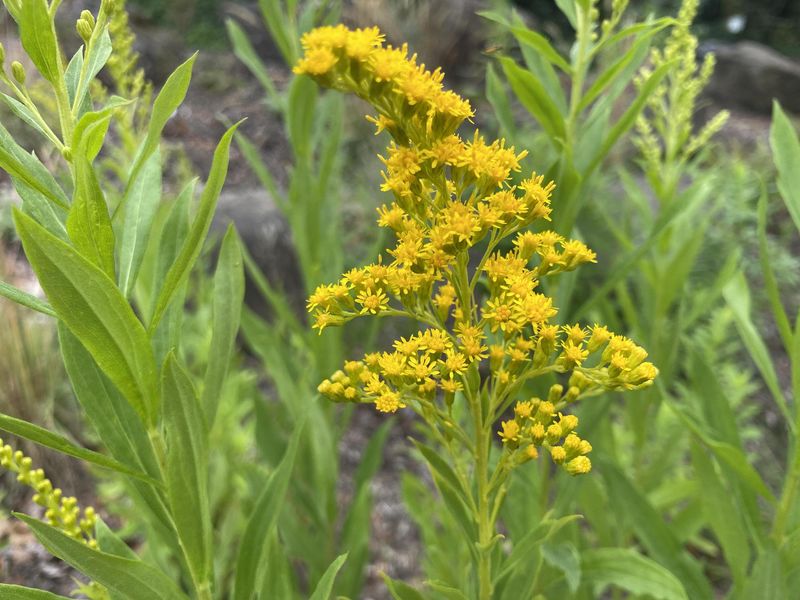
Goldenrod brings the kind of yellow that refuses to let the season fade quietly.
Your Oregon Garden Changes Every Week. Your Plan Should Too.
Gardening in Oregon changes quickly throughout the season. Every Friday you’ll receive a simple weekly plan showing exactly what to plant, prune, fertilize, harvest, and protect so you never miss the right timing.
In August and September, its upright plumes can turn a dry border or meadow edge into a bright final act.
Oregon goldenrod, especially regionally appropriate native forms, works beautifully where the garden needs height, color, and late pollinator value without constant irrigation.
Goldenrod often gets blamed for allergy misery, but that reputation is usually misplaced. Its pollen is heavier and insect-carried, not the kind that floats around easily on the wind. The plant blooming nearby at the same time is often the real airborne irritant.
Pollinators know the difference. Bees, butterflies, small wasps, flies, and late-season beneficial insects work goldenrod heavily when many summer blooms are past their prime. That makes it one of the most useful plants for an August garden that needs to keep supporting wildlife.
Plant it in full sun for the strongest flowering. Lean, well-drained soil often produces sturdier growth than rich, heavily watered beds. Too much kindness can lead to tall stems that lean after rain.
Goldenrod can spread, so decide where that habit is welcome. A meadow strip, sunny back corner, dry slope, or habitat border is a better fit than a tiny bed beside a narrow path.
If spread matters, cut seedheads before they ripen and divide clumps every few years. If the planting is meant to naturalize, leave more seed and let the patch thicken.
Ask nurseries for the exact species and source. Some goldenrods sold in garden centers may be hybrids or non-local selections with different habits.
The right goldenrod gives Oregon gardens a bright, bee-filled finish when the rest of the border starts looking ready for a nap.
Pair it with asters, native grasses, or seedheaded perennials so the yellow does not sit alone. A mixed planting makes the spread easier to absorb and gives the August garden a fuller, more deliberate shape.
3. Add Gumweed To Dry Sunny Beds
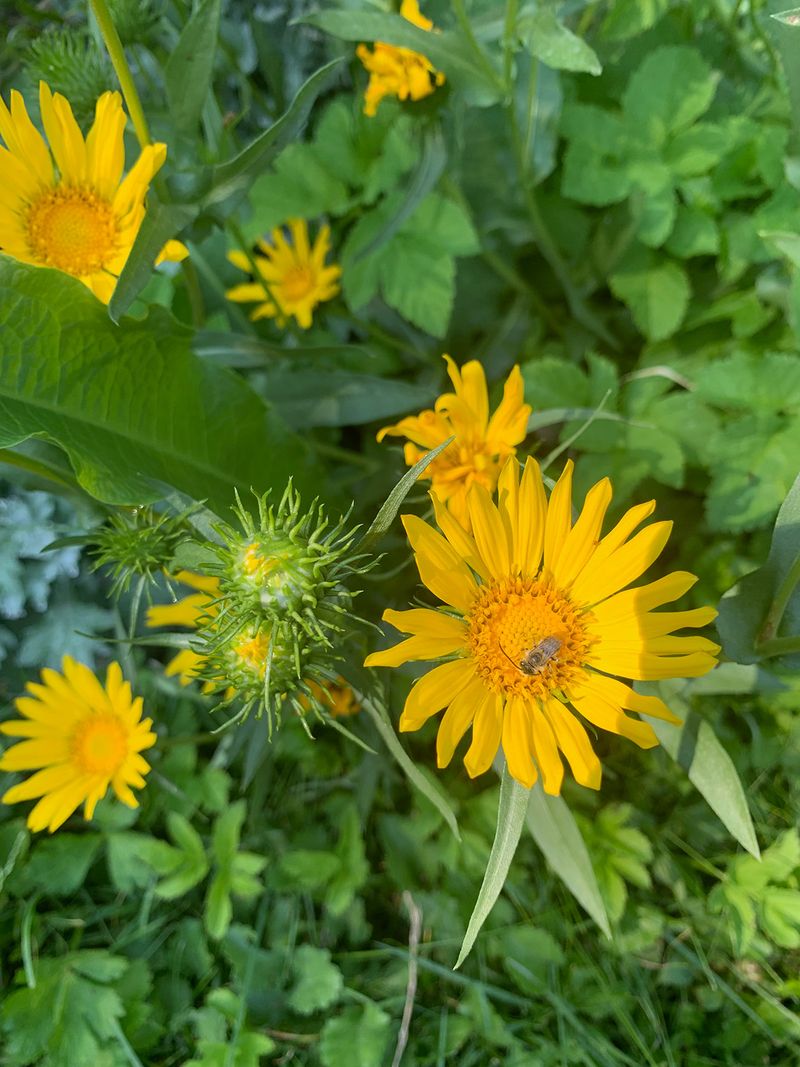
Gumweed looks like a plant that made a deal with the sun.
Its yellow daisy-like flowers sit above sturdy foliage, and the sticky, resinous buds give the plant its memorable name.
That tacky coating may surprise gardeners the first time they touch it, but it is part of what helps this wildflower handle exposed, dry, bright sites without much complaint.
In an Oregon August garden, gumweed earns its space by staying interesting when softer perennials have faded.
The flowers can continue through summer into early fall, giving bees and other insects a late nectar and pollen source. After bloom, the seedheads add texture instead of disappearing into a blank patch.
This is not a plant for rich, pampered soil. It prefers full sun, fast drainage, and lean ground. Gravelly beds, dry slopes, sunny habitat borders, and coastal plantings can all suit it well.
Too much water can make gumweed floppy or short-lived. Heavy amendment can push soft growth that looks less natural and performs worse in dry-season heat.
New plants need steady water during establishment. Once roots settle, especially in western Oregon, they can often handle summer with little added irrigation beyond unusual dry spells.
The form is relaxed, sometimes sprawling, and very much at home in naturalistic plantings. In a formal front border, it may look too loose unless paired with stronger structure from grasses, rocks, or compact shrubs.
Let some seed mature if you want the planting to renew itself. Gumweed can behave as a short-lived perennial or biennial, so reseeding helps keep the colony present over time.
Buy from reputable native plant nurseries and match the species to your Oregon region.
Gumweed is not polished. It is tough, bright, sticky, useful, and exactly right for dry summer light.
4. Scatter Showy Tarweed Through Open Soil
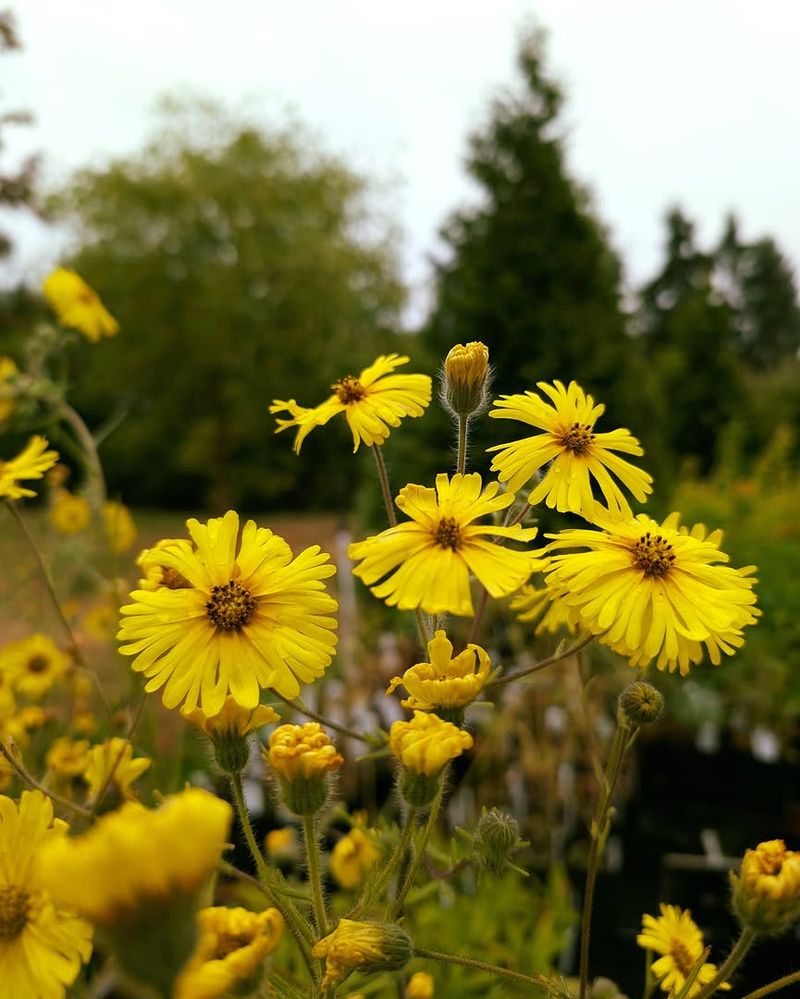
Showy tarweed deserves better public relations.
The name sounds like something a gardener should remove, not celebrate. Then the flowers open, and suddenly the whole plant makes sense.
Yellow petals with dark maroon centers shine through the hot part of summer, often right when other annuals have already made seed and quit.
This native annual works best in open, lean soil where it has room to complete its cycle. It is not the right plant for a heavily mulched bed packed with vigorous perennials.
It needs sunlight, contact with soil, and enough space for seedlings to rise without being smothered.
Scatter seed in fall or very early spring. Natural weather helps settle the seed into place, and the plant can respond when conditions line up.
Once established, showy tarweed can handle dry summer conditions with very little help. The flowers may open in the morning and close by midday during hot spells. That is not a problem. It is a smart heat response.
The foliage can feel sticky and aromatic. Some gardeners love that wild, resinous quality. Others need time to warm up to it. In a meadow, dry border, or habitat strip, it feels completely appropriate.
Because it is annual or short-lived, allow seed to mature if you want it back next year. Pull unwanted seedlings early if the patch moves farther than planned.
Do not overwater or overfeed. Rich soil can push awkward growth and reduce the rugged charm that makes the plant valuable.
Confirm regional suitability before buying seed, since native range and local fit matter across Oregon.
Keep the soil surface lightly open around the patch. A thick wood-chip mulch can make the bed look neat, but it may also block the very seedlings needed for next year’s show.
Showy tarweed brings bright late-summer energy to bare ground, proving once again that a terrible common name can hide a very good garden plant.
5. Keep California Poppy In Lean Ground
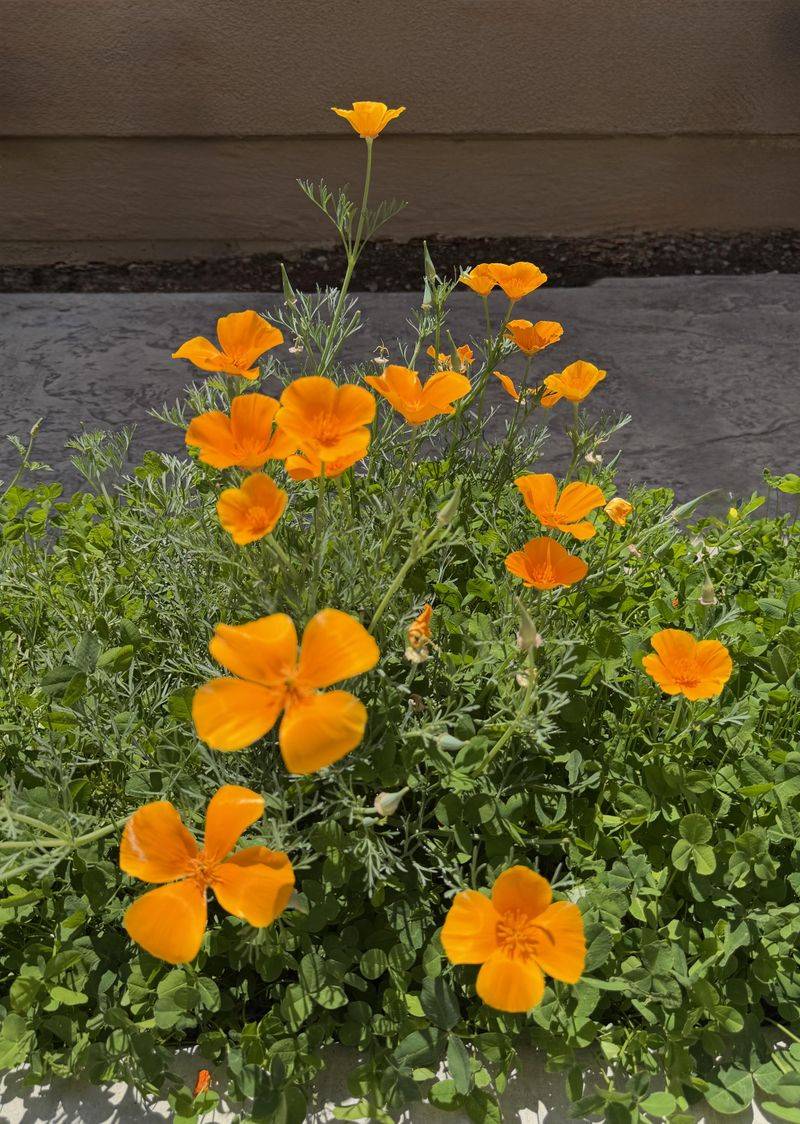
California poppy is complicated in Oregon, but the garden value is easy to understand.
In parts of southwestern Oregon, it fits naturally into dry, sunny conditions. Across many other areas, it has naturalized and behaves like a reliable low-water wildflower rather than a delicate annual that needs constant care.
The important part is knowing your region and sourcing seed responsibly.
When planted in the right place, California poppy can glow through the dry season with orange, gold, or yellow-orange flowers that open in sun and close during clouds or evening.
That daily rhythm gives the garden movement even when little else changes.
Lean ground is the secret. This plant prefers fast drainage and low fertility. Gravel edges, dry slopes, sunny pathsides, and thin soil often produce better plants than rich beds with regular feeding.
Too much irrigation can make growth soft and floppy. Too much mulch can block the seed from reaching soil. Too much compost can turn a tough wildflower into a sulky mess.
Direct sow where you want it to grow. California poppy does not love transplanting once roots start stretching downward.
Let seedheads mature if you want a returning patch. The plant can self-sow generously, which is wonderful in the right spot and annoying in the wrong one.
Edit seedlings in spring. Pull extras while they are small, and keep the best plants where their bright flowers will read as intentional.
Pollinators visit the blooms, and the fine blue-green foliage adds color even before flowers open.
In an August garden, California poppy works best when the gardener stops treating it like a bedding annual.
Give it sun, lean soil, and permission to follow its own dry-season rhythm.
6. Plant Yarrow Where Irrigation Runs Light
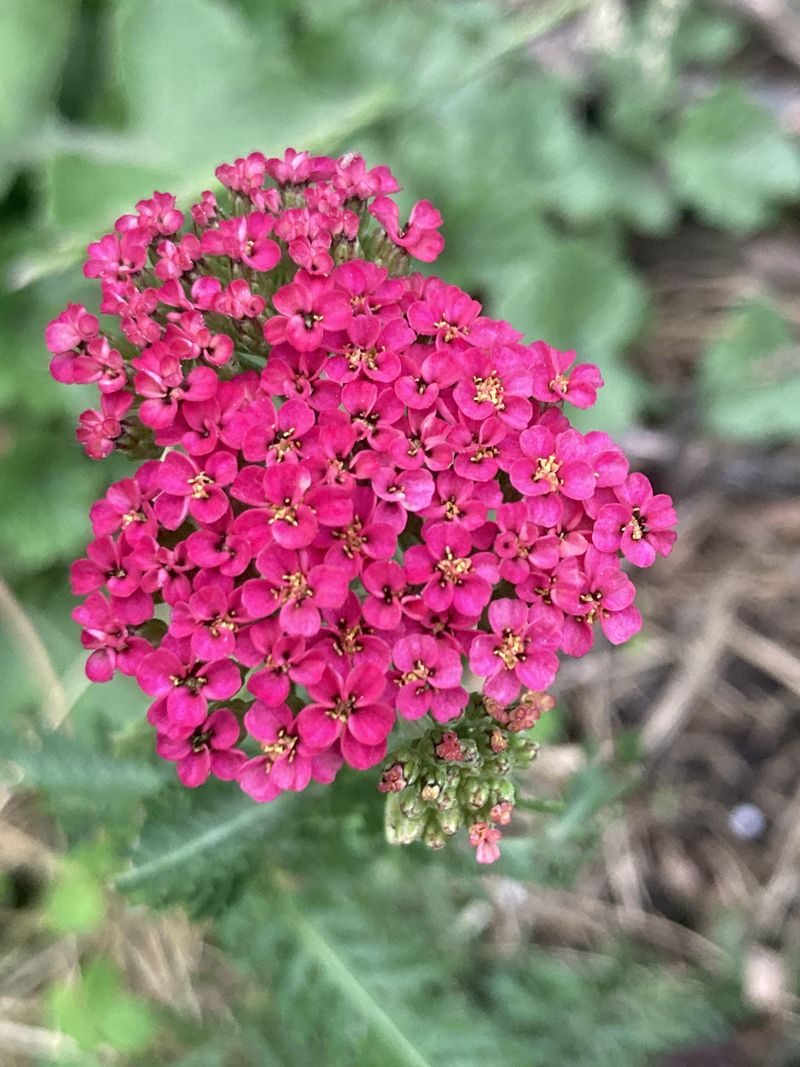
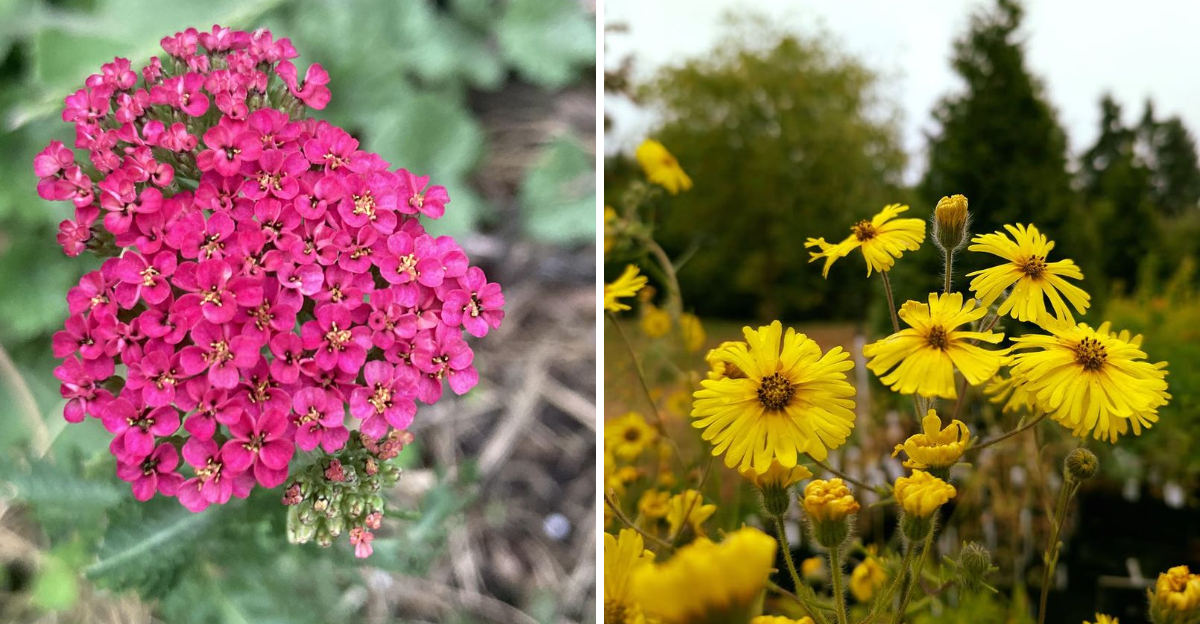
Yarrow is one of the easiest ways to make a dry Oregon garden look like it still has a plan.
The flat flower clusters sit like tiny landing pads above feathery, aromatic foliage. Bees, hoverflies, small butterflies, and beneficial wasps all use the blooms, which makes yarrow both pretty and practical in late summer.
The foliage is a major part of the appeal. Even when flowers fade, the ferny texture keeps the bed from looking empty.
In late afternoon light, the leaves can look soft and silvery, especially near grasses, stones, or darker native perennials.
Plant yarrow in full sun with well-drained soil. It does not like wet feet, and winter sogginess can be harder on it than summer drought.
Raised beds, slopes, gravelly borders, and light-irrigation zones all fit better than low spots that stay damp after rain.
First-year plants need regular water while roots establish. After that, yarrow can handle dry spells with much less help.
Cut spent flower stems back by about half after the first bloom flush. That can encourage a second round of flowers later in summer, especially if the plant gets a little moisture.
Do not overfertilize. Rich soil can make stems floppy and reduce the tight, sturdy look that helps yarrow hold a border together.
Native yarrow can spread by rhizomes and seed, so divide clumps every few years if they start crowding nearby plants.
Leave some dried flowerheads for fall texture, or cut selectively if you prefer a cleaner edge.
Look for regionally sourced native forms when possible, especially if wildlife support matters to you.
Yarrow also plays well with stronger late-season shapes. Plant it near asters, goldenrod, gumweed, or bunchgrasses so the flat flowerheads contrast with plumes, seed spikes, and airy stems.
Yarrow does not scream for attention in August. It simply keeps the garden textured, useful, and quietly alive while thirstier plants fade around it.