Do This To Oregon Lavender Before August Ends Or It Will Go Woody By Next Spring
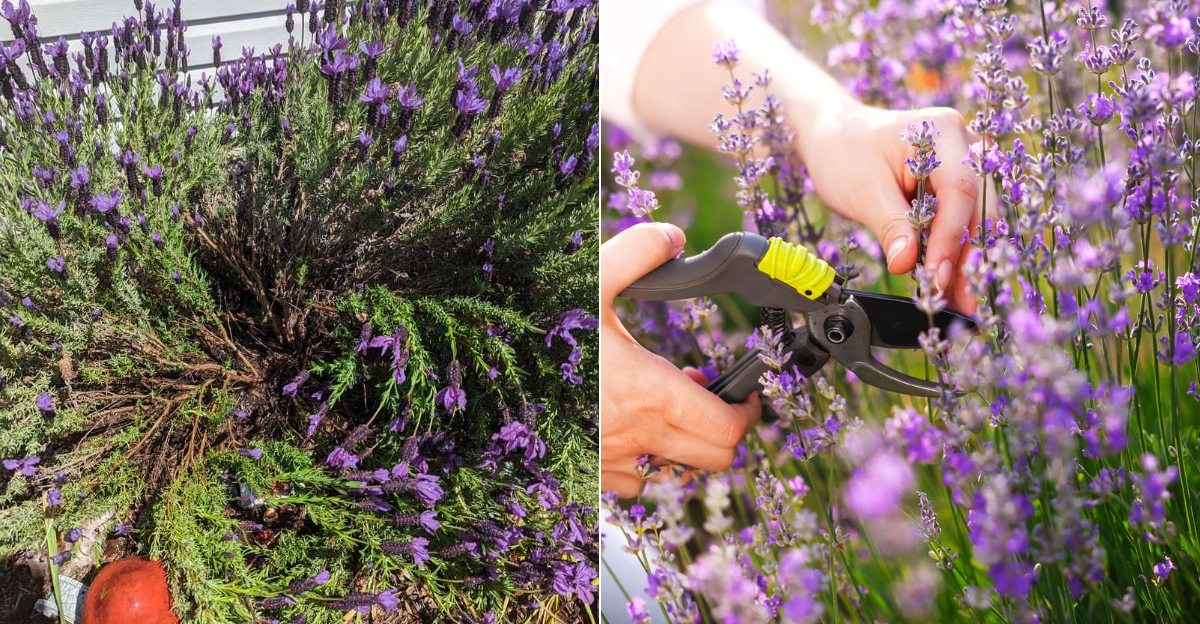
Oregon lavender can look perfectly healthy in August while quietly setting itself up for a disappointing spring. Long stems, faded blooms, and a widening woody center are easy to ignore once the main flower show is over.
By next season, though, that neglected growth may leave the plant sparse, floppy, and reluctant to produce fresh shoots near the base. The fix is simple, but timing matters.
Wait too long and cool, damp weather can slow recovery. Act too aggressively and you may cut into growth that will not bounce back.
The goal is to encourage a compact shape while the plant still has enough warmth to respond before fall settles in.
Before August ends, Oregon gardeners should take a close look at how their lavender is growing and make one careful adjustment.
Done correctly, it can help preserve the soft, full form that makes lavender such a favorite.
1. Giving Lavender One Last Light Haircut
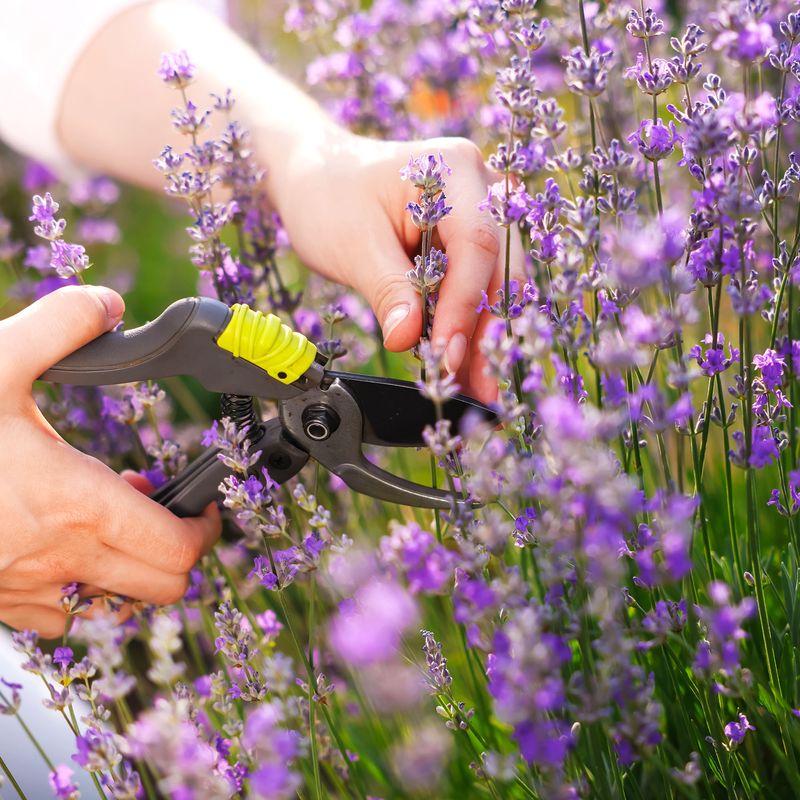
Late August is your last real window to give lavender a light haircut before the growing season winds down.
Missing this window means the plant heads into fall with long, floppy stems that harden into woody sticks over winter.
A light haircut now keeps the shape tidy and encourages the plant to hold onto its soft green growth.
You do not need fancy tools for this job. A clean pair of hand shears or pruning scissors works perfectly.
The goal is to trim about one-third of the current season’s green growth, working your way evenly around the whole plant so the mound stays balanced and full.
Think of it like a simple shape-up, not a full overhaul. You are just cleaning things up a little before fall arrives.
Gardeners in Oregon who do this every year often notice that their lavender stays compact and bushy rather than spreading wide and going bare in the middle. A light trim takes only a few minutes per plant and makes a real difference by next spring.
2. Trimming Faded Blooms Before They Turn Scraggly
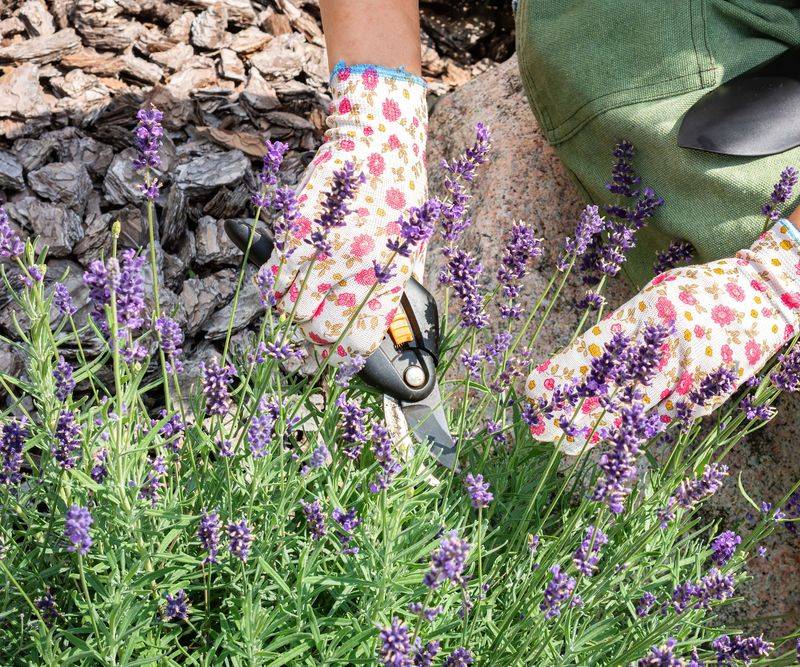
Faded lavender blooms might look charming for a week or two, but leaving them on too long is a common mistake. Once the flowers dry out and turn brown, they pull energy away from the plant and make the whole mound look scraggly and neglected.
Snipping them off before that happens keeps things looking sharp.
Deadheading, which just means removing spent blooms, also signals to the plant that it should focus on building strong roots and stems instead of setting seed. That root strength is exactly what lavender needs heading into the cooler months.
Stronger roots mean a faster, fuller comeback when warm weather returns.
Here in Oregon, the window for deadheading usually falls between mid-July and the end of August depending on your elevation and local weather. Coastal gardeners may have a little more time, while those in warmer inland valleys should not wait too long.
Grab your shears, work down each bloom stalk to just above the first set of leaves, and toss the clippings in your compost bin. It is a small chore that pays off with a noticeably neater plant all through fall and winter.
Your Oregon Garden Changes Every Week. Your Plan Should Too.
Gardening in Oregon changes quickly throughout the season. Every Friday you’ll receive a simple weekly plan showing exactly what to plant, prune, fertilize, harvest, and protect so you never miss the right timing.
3. Cutting Back Green Growth Without Hitting Old Wood
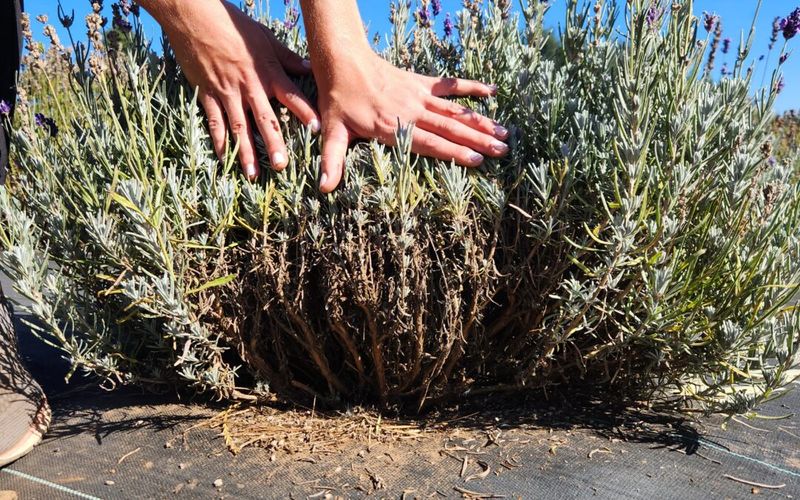
One of the most important rules of lavender pruning is knowing where to stop. The green, leafy stems near the top of the plant are safe to trim.
The brown, woody base at the bottom is a different story. Cutting into that old wood almost never ends well because lavender rarely regrows from bare woody stems.
A good way to check before you cut is to look at the color of the stem. Green means go.
Brown means stop. If you are not sure, err on the side of caution and leave a little more green than you think you need. It is always better to take less off and come back for more later.
Many gardeners learn this lesson the hard way after one overly enthusiastic pruning session leaves a plant looking bald and sad through an entire growing season. The plant is not ruined, but recovery can take a full year or more.
Keeping your cuts in the green zone protects the plant’s ability to push out fresh growth when spring arrives.
Stay above that woody base every single time, and your lavender will reward you with a full, healthy mound of fragrant growth year after year.
4. Shaping The Plant Before Fall Slows It Down
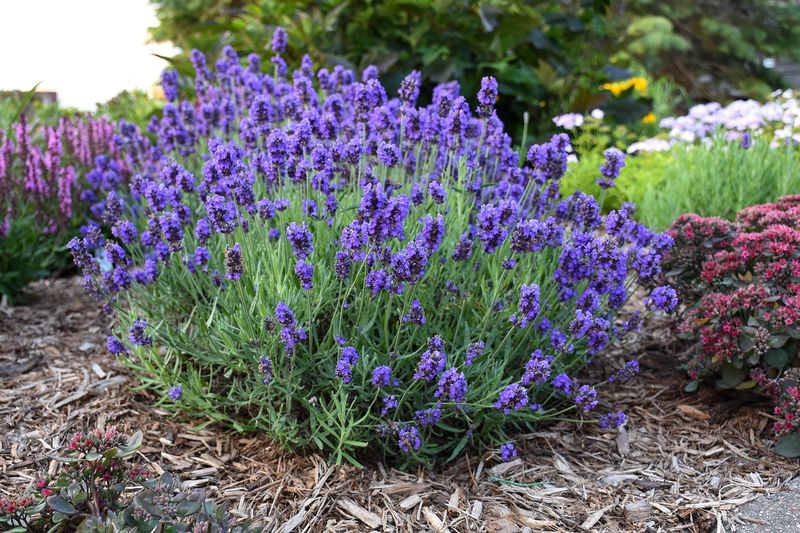
Lavender naturally wants to sprawl. Without a little guidance, it stretches outward and upward in all directions, losing the tidy mound shape that makes it so attractive in the garden.
Shaping the plant before fall is your chance to restore that rounded form while the plant still has enough warmth to settle into its new shape.
Use hedge shears or hand pruners to gently sculpt the plant into a soft dome or oval. Work slowly and step back often to check your progress.
You are not going for perfection here. A slightly imperfect mound is completely fine as long as the overall shape is balanced and not lopsided.
Fall in Oregon can arrive quickly, especially at higher elevations where temperatures drop fast in September. Once the plant slows down for the season, it stops actively responding to pruning the same way.
Shaping before that slowdown happens means the plant can spend its last weeks of active growth filling in any gaps you created with your cuts.
By the time winter arrives, the lavender will look neat and settled rather than wild and overgrown.
A well-shaped plant also handles wind and rain better, which matters a lot in the wetter parts of our state.
5. Stopping Long Stems From Flopping Everywhere
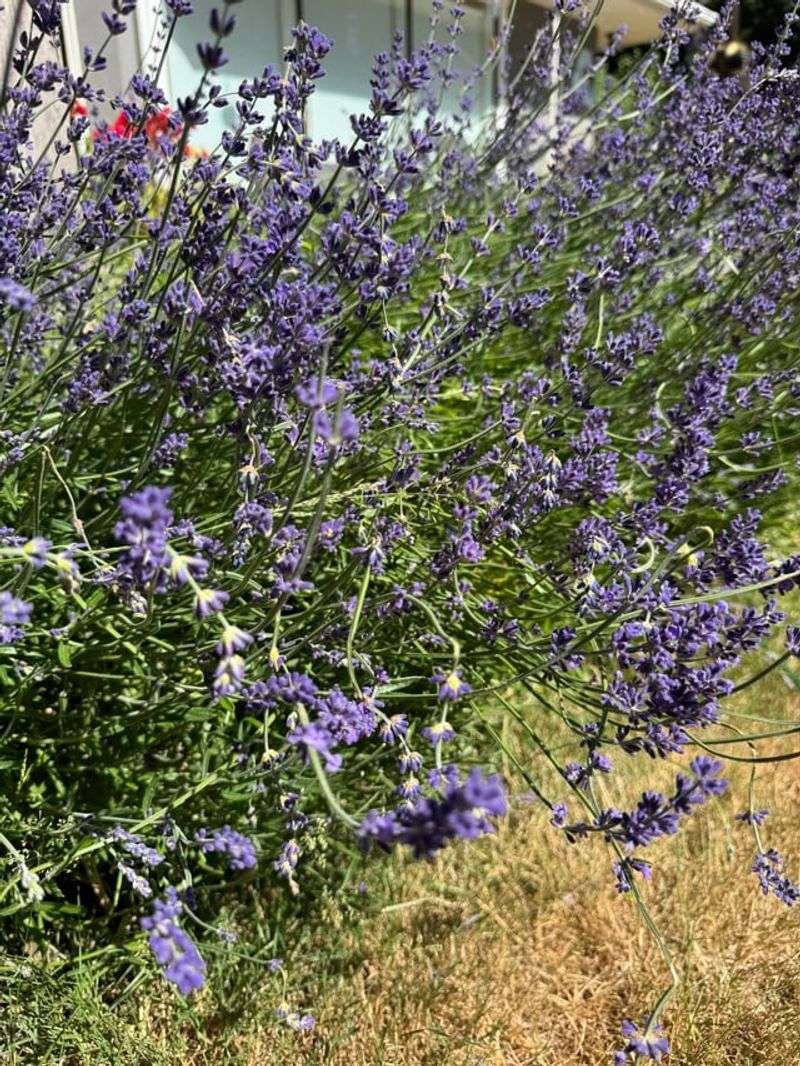
Long, untrimmed stems are one of the biggest reasons lavender starts looking rough by the time spring rolls around. When stems get too long, they flop outward under their own weight.
Rain and wind push them further down, and before long the whole plant looks like it collapsed in the middle.
Flopped stems also create another problem. Where they touch the soil, moisture gets trapped, and that damp environment can encourage rot and fungal issues at the base of the plant.
Trimming those long stems back before fall prevents that whole chain of events from starting in the first place.
A good rule of thumb is to trim any stem that extends more than a few inches past the main body of the mound. You do not have to measure precisely.
Just look for stems that are clearly reaching too far and cut them back to match the overall shape of the plant.
In Oregon, where fall rains can start as early as September in some areas, catching those floppy stems before the wet season begins makes a real difference.
A compact, well-trimmed plant sits up straight through winter storms far better than one with long, heavy stems dragging it down in every direction.
6. Leaving Enough Leaves For A Strong Comeback
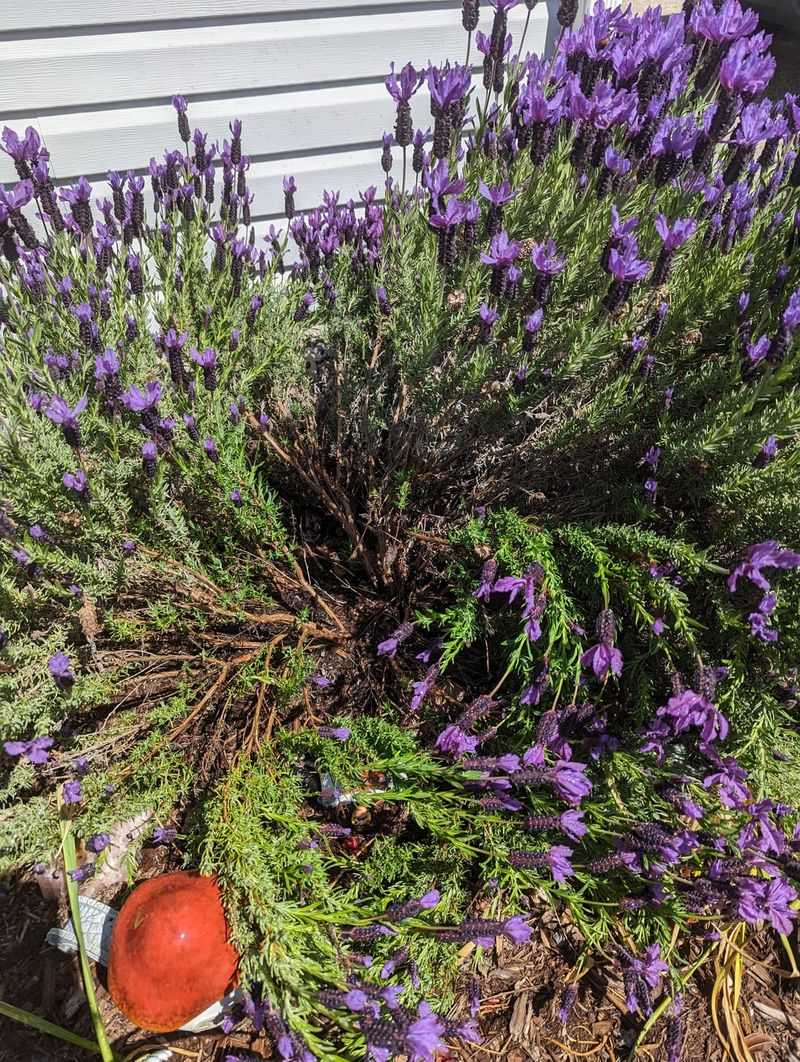
Pruning lavender is a balancing act. You want to take enough off to keep the plant tidy and prevent woody growth, but you also need to leave enough foliage to keep the plant healthy through winter.
Leaves are where the plant makes its food through photosynthesis, so stripping too many away weakens it right when it needs strength most.
A safe target is to leave at least two-thirds of the green growth in place after pruning. If you trimmed one-third off the top, that means two-thirds of the leafy stems are still there working hard for the plant.
That coverage also helps insulate the crown of the plant against cold snaps in late fall and early winter.
Gardeners who get nervous about leaving too much often end up over-pruning, which is actually riskier than under-pruning for lavender. A slightly shaggy plant that still has plenty of leaves will bounce back faster and fuller than one that was cut back too hard.
Oregon gets enough cold and wet weather in winter that lavender really does benefit from having that extra leafy buffer. Think of the remaining foliage as a built-in winter coat for your plant.
Leave it on, and your lavender will thank you with strong new growth the moment spring temperatures climb back up.
7. Skipping The Bare Brown Center Completely
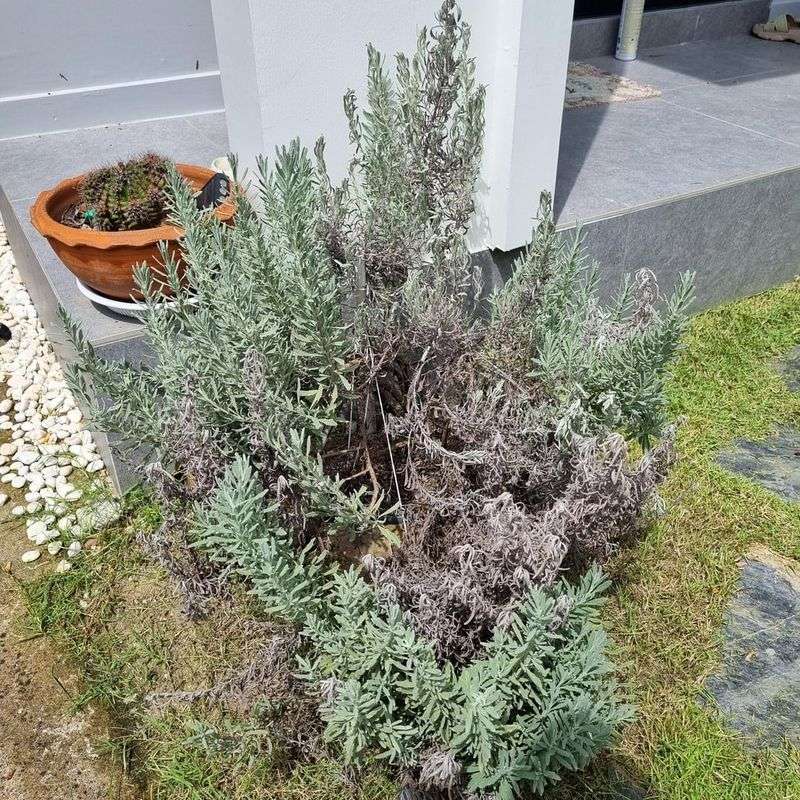
The bare brown center of a lavender plant looks like it might just need a little encouragement to grow back. But that woody core does not work the same way green stems do.
Cutting into it almost never produces new growth. Most of the time, you end up with a gap in the middle of the plant that never fills back in.
Experienced lavender growers treat that brown center like a no-cut zone. Everything above it is fair game, but the woody base gets left completely alone.
If the center of your plant is already quite bare and woody, the best approach is to work around it by shaping the green outer growth into a full, attractive mound that draws the eye away from the middle.
Prevention is really the key here. Keeping up with annual late-summer trims every year stops the woody center from spreading outward and taking over more of the plant.
Plants that get skipped for even one or two years tend to develop a much larger bare zone that becomes harder to hide.
In our state, where lavender can grow vigorously during warm summers, that woody center can expand faster than you might expect.
Staying on top of your August pruning routine is the single best way to keep that brown zone small and your plant looking full and lush.
8. Why A Gentle Trim Beats A Hard Chop
There is a tempting logic to cutting lavender back hard. More pruning means more new growth, right?
Not with lavender. Hard chops that remove most of the green growth or cut into old wood often stress the plant badly, and recovery can take a full growing season or longer.
A gentle trim gets better results every single time.
When you trim lightly, the plant barely notices the change. It keeps photosynthesizing, keeps building roots, and starts pushing out small amounts of new growth almost right away.
That gentle response is exactly what you want heading into fall. The plant stays active just long enough to harden off those new tips before winter arrives.
Think about it this way. A haircut feels refreshing.
Shaving your head in October feels extreme. Lavender reacts the same way to drastic cuts late in the season.
Oregon’s unpredictable fall weather makes gentle trimming even more important because the plant may not have much warm time left to recover from a hard chop. Keeping your cuts light and conservative gives lavender the best possible start for next spring.
Gardeners who switch from aggressive pruning to gentle late-summer trims almost always report fuller, healthier plants the following year. Small changes in technique really do produce noticeably better results over time.