When Spent Coneflower Blooms Should Be Removed For Best Results In Tennessee
You likely trim coneflowers at the wrong time. Missing that moment costs you next month’s blooms. Your coneflowers face intense humidity across Tennessee summers. Snip too soon and you reduce next season’s flush.
Wait too long and seed heads tax your energy. Timing alone decides whether your color continues or fades.
Watch your petals droop fully before reaching for shears. Cutting the correct node forces your plant forward.
Every snip sends your plant a clear, immediate growth signal. Fresh buds form on your plant within days. Southern heat speeds up your results across Tennessee gardens.
Skipping this step leaves your blooms fading well before fall. Regular cuts keep vibrant color moving through your garden. Gentle pruning can still undo weeks of your progress.
Nothing about your process should demand guesswork or luck. Confidence comes once you understand exactly when to cut. Master this timing, and your coneflowers won’t stop blooming.
1. When The Petals Droop And Turn Brown
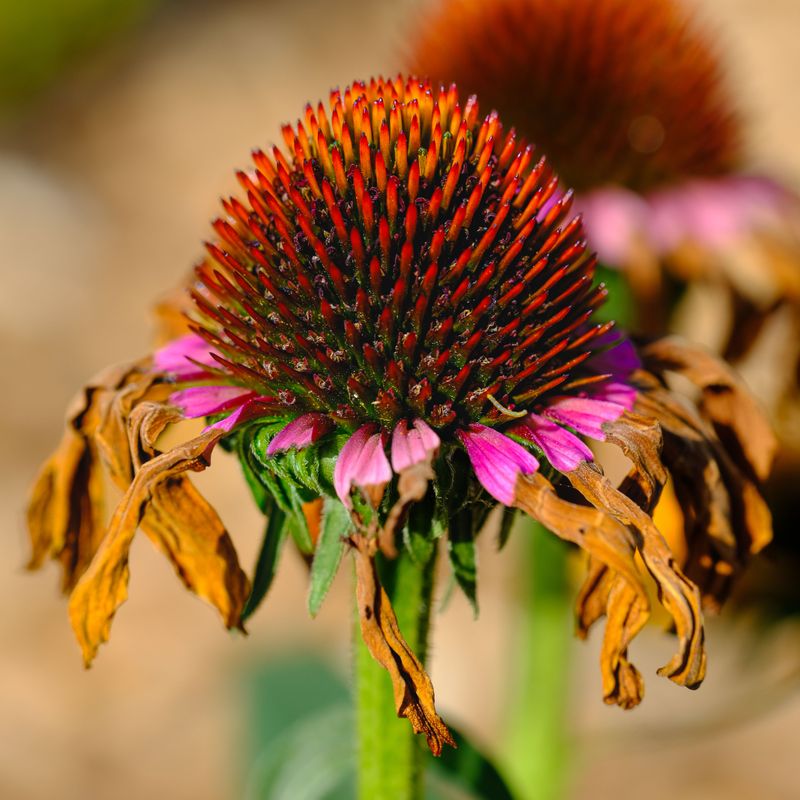
Droopy petals are an early signal that a bloom has finished. When the petals on your coneflowers start flopping downward and turning that dull, papery brown, the plant is winding down that bloom cycle.
This is the clearest visual cue you will ever get. The moment those petals lose their upright, vibrant posture, grab your pruners and get ready to act.
Removing spent blooms from coneflowers at this stage redirects the plant’s energy fast. Instead of pouring resources into seed production, the plant pivots toward forming new buds.
Think of it like closing one chapter so the next one can begin. Your coneflower has a fixed amount of energy each season, and trimming steers it exactly where you want it to go.
In Tennessee’s long, warm summers, this redirection pays off big. You can often extend blooming well into fall if you stay consistent with this habit, though results vary by weather and location.
Use clean, sharp pruning shears and cut the stem back to just above a set of leaves. Leaving a clean cut keeps the plant healthy and looking tidy.
Do not wait until the petals fall off completely. Acting while the petals are still drooping, not yet fully dropped, gives the plant the best head start on reblooming.
Consistent trimming is often what makes coneflowers outlast others nearby. The answer is simple: you watched the petals and acted first.
2. After The Central Cone Turns Dark And Dry
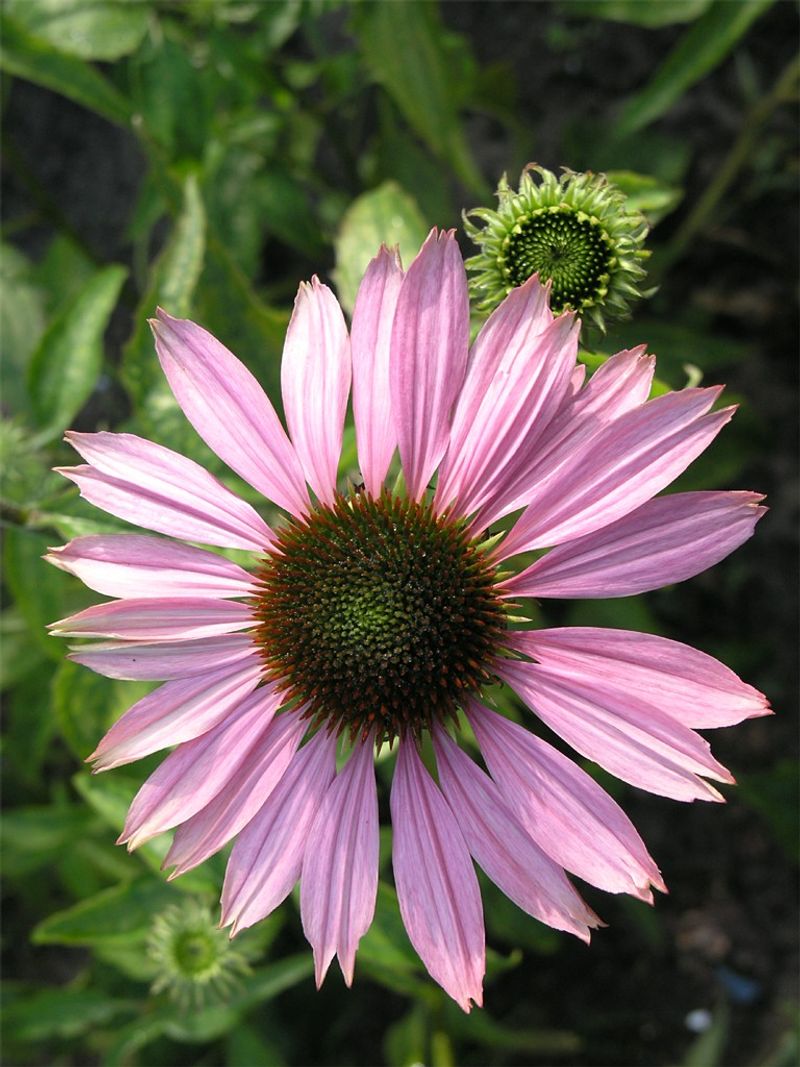
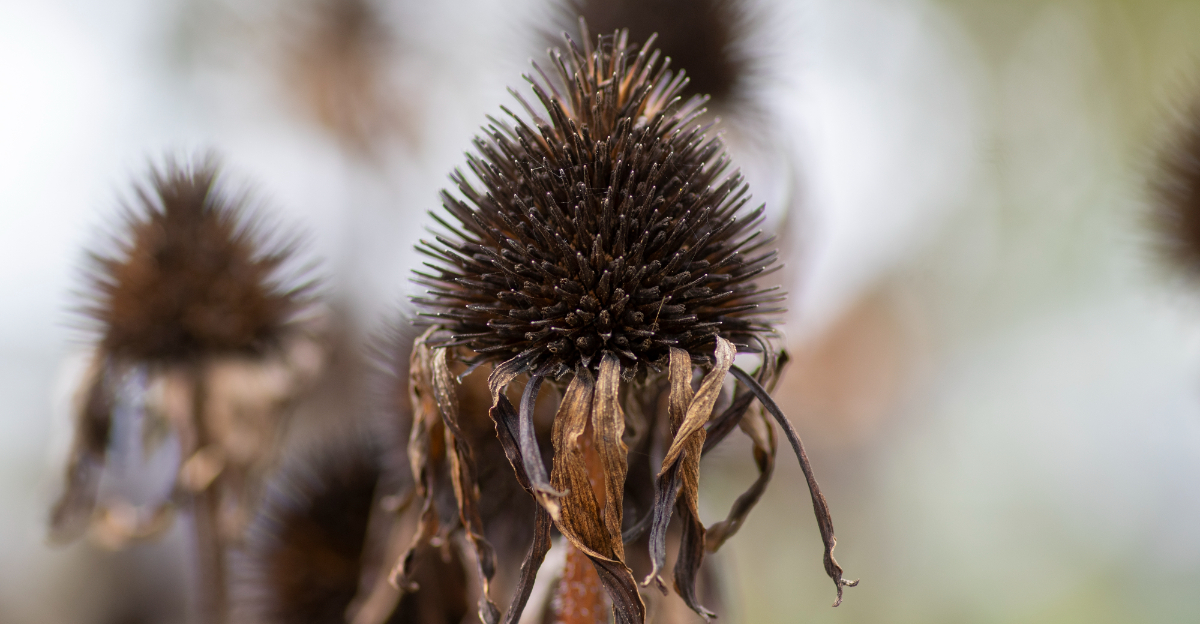
The central cone is a reliable indicator of your coneflower’s growth stage. When it shifts from greenish-orange to a deep, dark brown and feels hard to the touch, the bloom has fully matured.
At this point, the flower is done attracting pollinators. Its mission has shifted entirely toward making seeds, which pulls energy away from new bloom production.
Snipping the stem right here, just after the cone darkens, is an effective step for your garden. You intercept the seed-making process and send that plant energy straight back into flower bud development.
Your Tennessee Garden Changes Every Week. Your Plan Should Too.
Gardening in Tennessee changes quickly throughout the season. Every Friday you’ll receive a simple weekly plan showing exactly what to plant, prune, fertilize, harvest, and protect so you never miss the right timing.
A darkened cone does not mean the plant is failing. It simply means one cycle finished and your job is to start the next one immediately.
In Tennessee’s heat, cones can darken quickly after peak bloom. Checking your plants every few days during summer keeps you ahead of the curve and ahead of the seed heads.
Cut the stem down to the nearest healthy leaf node or side shoot. That side shoot is often already hiding a tiny new bud, just waiting for its turn in the sun.
Many gardeners miss this window because the cone looks interesting and almost ornamental. Resist the urge to leave it, at least until late fall when birds truly need those seeds.
Catching coneflowers right after the cone darkens is one of the highest-impact moves in a summer garden. One snip now means several more blooms before the first frost hits.
3. As Soon As Seed Heads Begin Forming
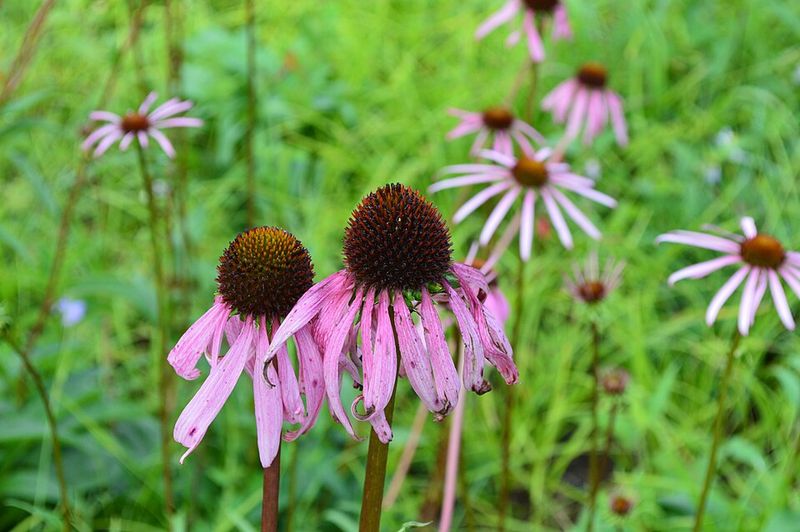
Seed heads forming is the plant quietly announcing its retirement plans. Spot them early and you still have time to change those plans entirely.
Early seed head formation looks like tiny, tightly packed spines emerging from the cone’s center. The petals may still be hanging on, but the plant’s attention has already shifted inward.
Catching this moment is like intercepting a message before it gets delivered. Snip the stem before those seeds develop fully and the plant is likely to redirect its focus.
For Tennessee gardeners working through July and August, this timing is especially important. The heat accelerates seed development, so what looks like an early stage can progress faster than expected.
Walk your garden beds every three to four days during peak summer. A quick scan for emerging seed structures keeps you in control of your coneflower’s energy budget all season long.
Remove the stem down to a healthy leaf or lateral bud. That lateral bud is your next bloom, already queued up and ready to open if given the chance.
Leaving seed heads to develop fully signals the plant to slow flower production. The plant interprets seed maturity as mission accomplished, and production drops sharply after that point.
Staying ahead of seed formation is a small habit with a massive payoff. More blooms through fall start with catching those seed heads before they ever get a foothold on your plants.
4. Before Pollinators Finish Visiting The Bloom
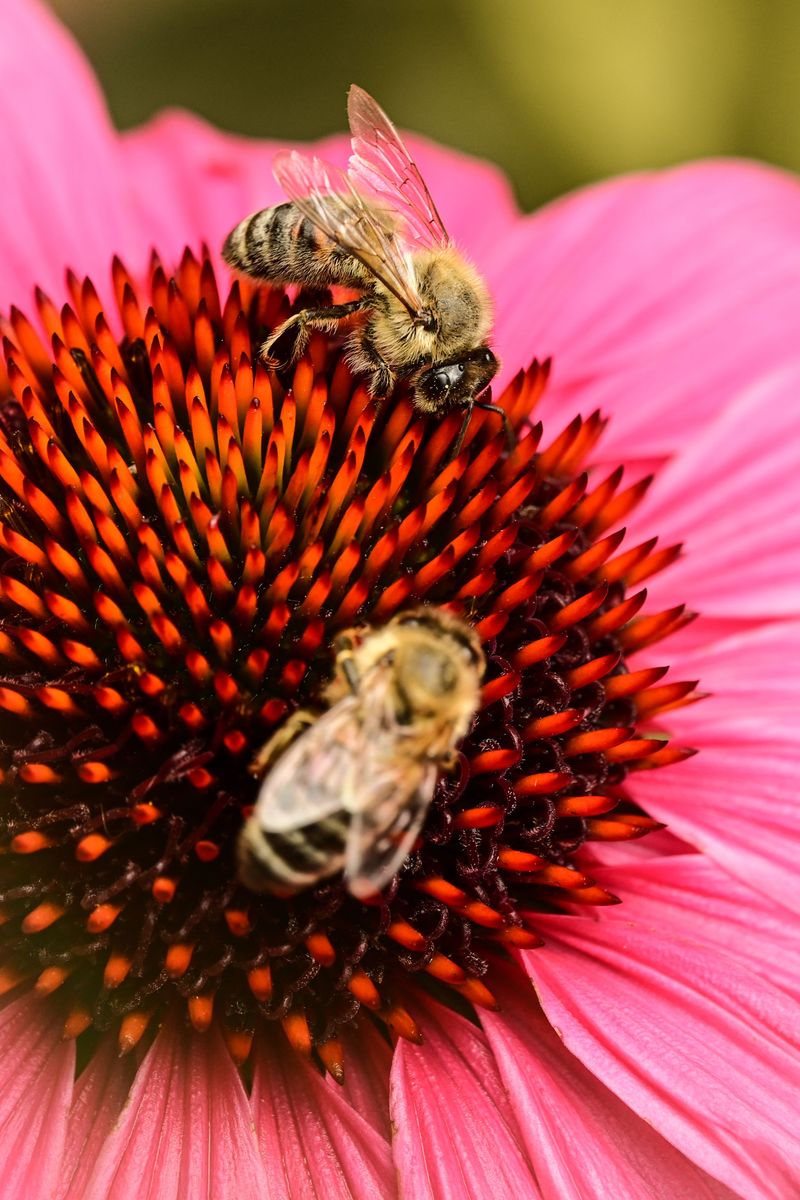
Pollinators and gardeners sometimes have different goals for the same bloom. Bees and butterflies want seeds produced; you want more blooms instead.
Watching pollinator traffic on your coneflowers gives you a useful timing clue. When bee visits slow down noticeably on a particular bloom, that flower’s prime has passed.
A bloom that pollinators have stopped visiting is essentially a spent resource. Removing spent blooms from coneflowers at this stage respects the pollinator’s work while reclaiming the plant’s energy for new flowers.
Do not trim a bloom while it is still buzzing with activity. Give the bees their full window, then step in once that bloom sits quiet and undisturbed for a day or two.
This balance keeps your garden both productive and pollinator-friendly. You support the local bee population during peak bloom, then redirect plant energy once the bloom has served its ecological purpose.
In Tennessee, peak pollinator activity on coneflowers generally falls somewhere between late June and August, depending on weather and location. Timing your trimming around those visits makes you a smarter and more responsible gardener.
Mark blooms mentally or with a soft garden tie if you need a reminder. A simple system keeps you from accidentally cutting a flower that still has active visitors buzzing around it.
Your garden can be a haven for pollinators and still produce nonstop color all season. Thoughtful timing makes both goals possible without sacrificing either one.
5. Once Flowers Lose Their Color And Shape
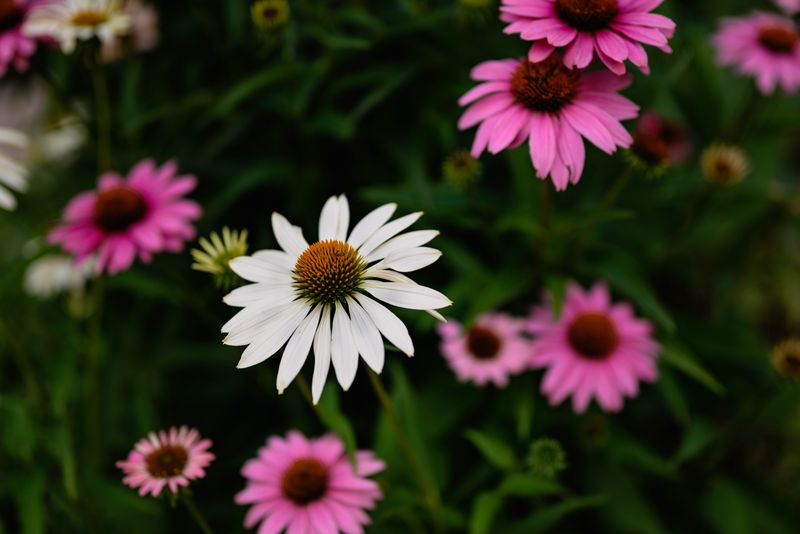
Color fade is a clear signal that a bloom has finished. When those rich purples and pinks wash out to a dull lavender or chalky pink, the bloom has crossed the finish line.
Shape matters just as much as color here. A healthy coneflower bloom holds its petals horizontally or slightly downward in a clean, symmetrical ring around the central cone.
Once petals start curling, twisting, or falling away unevenly, the bloom has lost structural integrity. That asymmetry is a reliable sign that the flower’s productive life is over.
Faded, shapeless blooms offer little benefit to the plant or garden’s appearance. Removing them promptly keeps your beds looking sharp and keeps the plant focused on what comes next.
In Tennessee’s intense summer sun, color fade can happen surprisingly fast after peak bloom. A flower that looked stunning on Monday might be washed out and ragged by Thursday.
Check your coneflowers in the morning when colors appear truest. Bright morning light makes it easier to spot the difference between a bloom still in its prime and one that has faded past usefulness.
Cut faded, misshapen blooms back to just above a healthy leaf node. A clean, precise cut heals faster and reduces the risk of disease entering through a jagged stem.
Consistent color-checking turns into a satisfying morning ritual. You get fresh air, a tidy garden, and the quiet satisfaction of knowing more blooms are already on the way.
6. Right After The First Flush Of Blooms Fades
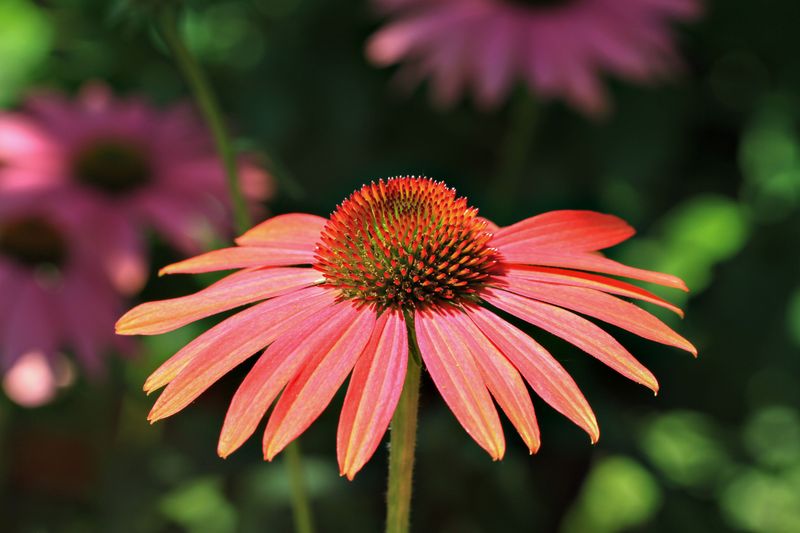
The first flush is glorious, and then it ends. That initial wave of coneflower blooms in early summer is breathtaking, but it does not have to be the grand finale.
Right after that first flush fades, your plants stand at a crossroads. They can pour energy into seeds or pour it into a second, sometimes even larger, round of flowers.
Your job is to make that choice for them by removing every faded bloom from the first flush quickly and cleanly. Do not let even one or two slip past you uncut.
A thorough trimming session right after the first flush is one of the most impactful cuts you can make this season. It can shift the plant’s growth priority significantly.
Gardeners who do this consistently tend to see a strong second flush of blooms. The plant has stored up energy all spring, and trimming unleashes it immediately.
Set aside thirty minutes after the first flush fades and walk every coneflower in your beds. Cut stems back to the nearest lateral bud or leaf, working methodically from plant to plant.
Bring a bucket for the clippings so you are not scattering seed heads across the bed. Tidy removal keeps unwanted self-seeding under control while you encourage reblooming on your terms.
That post-flush trimming session is one of the most important moments in your coneflower season. Missing it can significantly reduce your chances for strong fall color.
7. During Early To Mid-Summer For Repeat Blooming
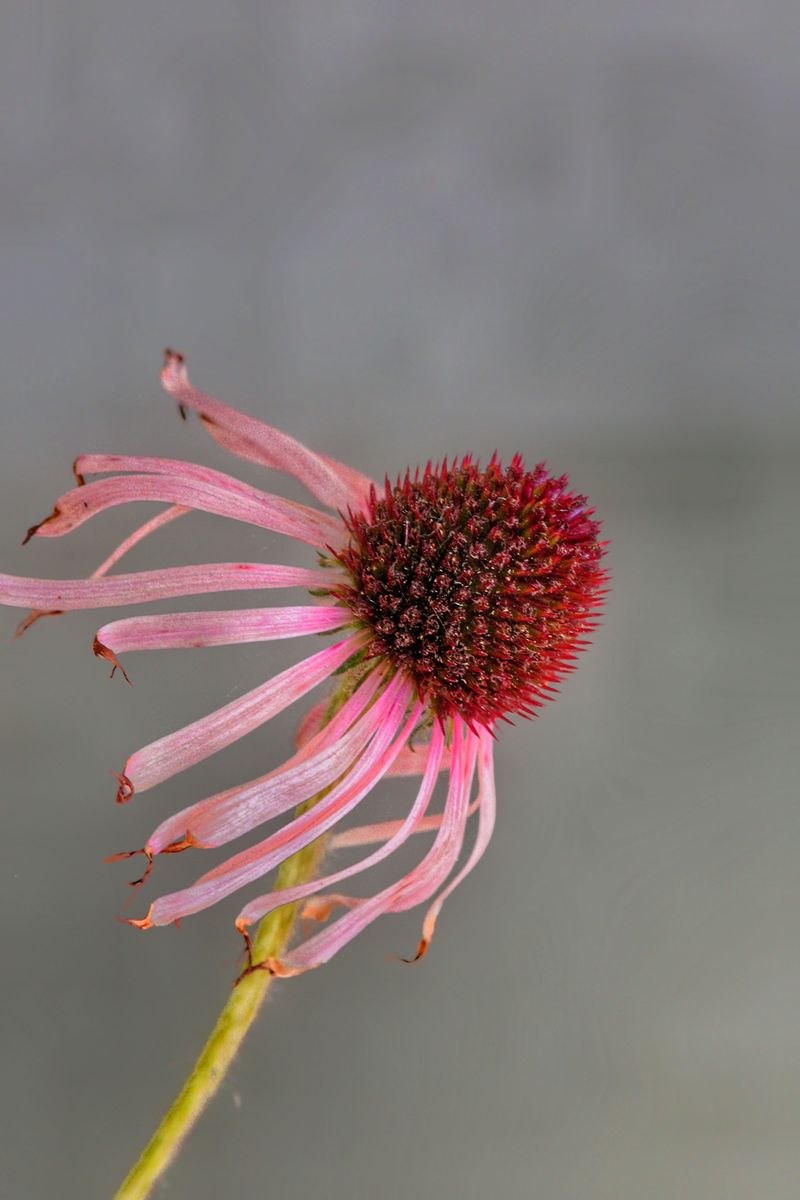
Early to mid-summer is prime time for strategic trimming. This window, roughly June through mid-July in Tennessee, sets the stage for everything that follows in your garden.
Plants cut back during this period have enough warm weeks ahead to push out multiple new rounds of blooms. That long runway is what makes early action so powerful and worth the effort.
Waiting until late summer to start trimming shrinks that runway significantly. Fewer warm weeks remain, and the plant has less time to develop and open new flower buds before temperatures shift.
Start checking coneflowers weekly from the first week of June. A short, focused walk-through every seven days catches spent blooms before they advance too far into seed production.
Mid-summer heat in Tennessee accelerates the bloom cycle, meaning flowers peak and fade faster than they would in cooler climates. Faster cycling means more frequent checks keep you in control.
Trimming during this window also keeps plants looking lush and full rather than sparse and tired. A well-tended coneflower bed in July looks entirely different from a neglected one, and the neighbors notice.
Pair your trimming habit with a light feeding of balanced fertilizer during midsummer, following product instructions for timing and amount. That combination of pruning and nutrition pushes the plant to rebloom with impressive speed and volume.
Removing spent blooms from coneflowers during early to mid-summer is the foundation of a fall garden that still looks alive with color. Start early, stay consistent, and the results speak for themselves.
8. Throughout The Season As Blooms Fade One By One
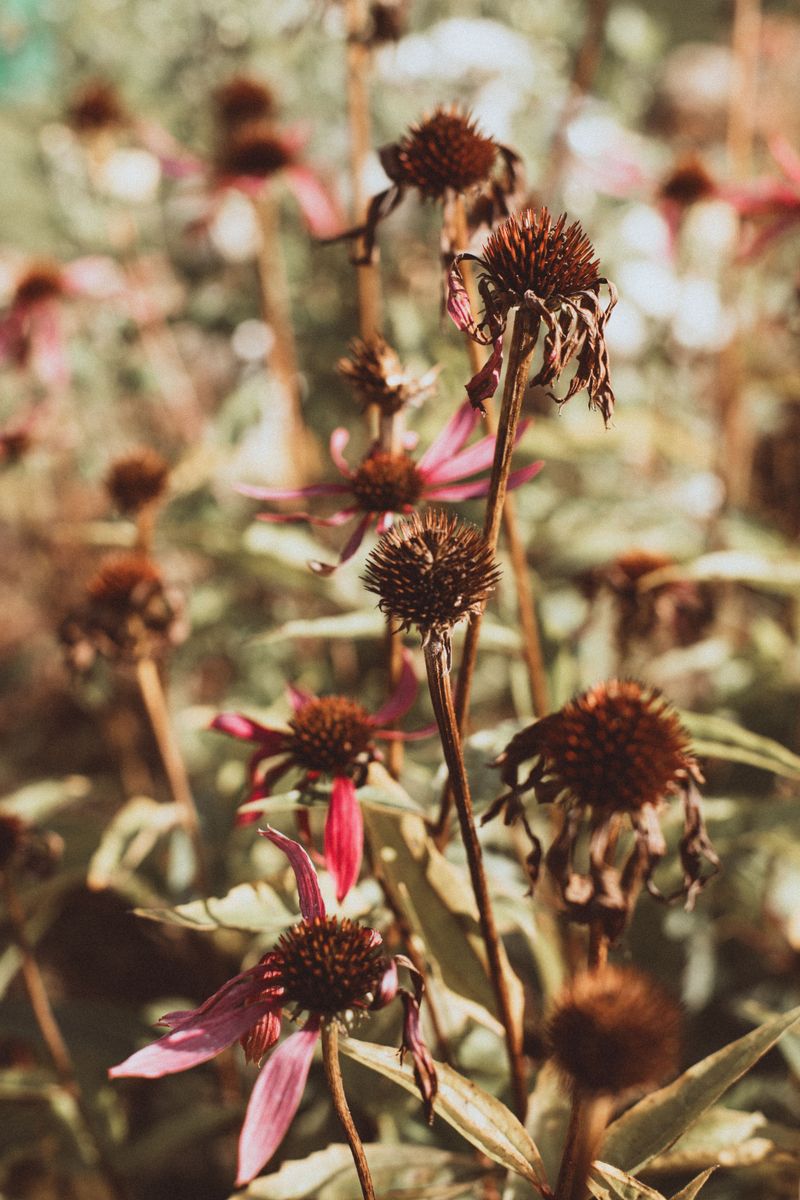
The best coneflower gardens are not maintained in one big session. They are tended steadily, bloom by bloom, across the entire growing season from June through October.
Treating trimming as an ongoing habit rather than a one-time chore keeps your plants in a near-constant state of reblooming. Each snip triggers a response, and those responses add up to months of color.
Walk your beds every few days with pruners in hand. Make it part of your morning routine, like watering or checking for pests, and it never feels overwhelming or time-consuming.
Some coneflower stems will carry multiple buds at different stages. Snip only the spent bloom and leave developing buds untouched so they can mature and open on their own schedule.
This selective approach keeps color coming in waves rather than all at once. Staggered blooms across the season make your garden look professionally managed and endlessly vibrant through fall.
By late September in Tennessee, many summer perennials are winding down for the year. Coneflowers that received consistent seasonal trimming are often still producing fresh blooms while everything else fades.
At that point, shift your strategy and leave the final seed heads standing. Late-season seed heads feed goldfinches and other birds preparing for winter, giving your garden ecological value beyond pure aesthetics.
Removing spent blooms from coneflowers throughout the season is the simplest path to a garden that stays beautiful and alive well past summer’s peak. One snip at a time builds an extraordinary fall display.