A Strange Black Fungus Tied To Whiskey Aging Is Coating Trees And Fences Near Tennessee Distilleries
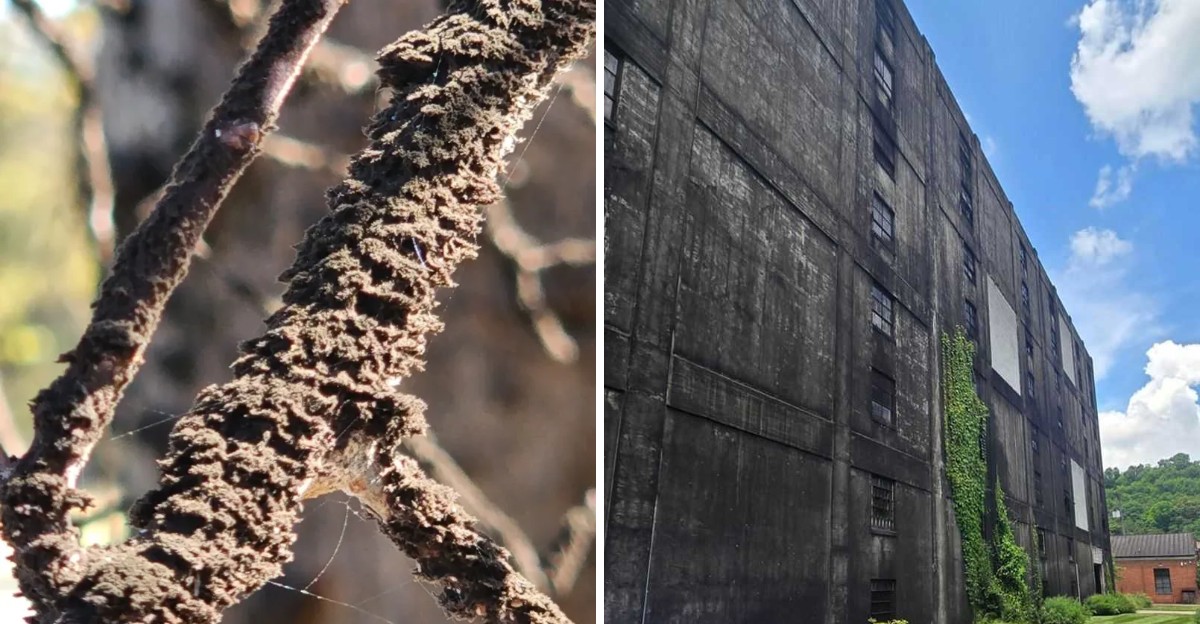
Drive through Tennessee in September and you’ll spot an odd stain. Notice you can spot it on stop signs and oak trunks.
Scrubbing won’t save you from this stubborn black coating. Locals know you’re staring at more than dirt. Warehouses on the hill hold the answer you need.
Barrels rest quietly while you breathe oddly sweet air. Bread dough and caramel scents reach you before the stain does.
That smell holds answers you won’t find anywhere else in Tennessee. Homeowners near distilleries watch grime return no matter what you try. Neighbors wonder if you can stop the spread at all.
Distillers let barrels age for years while you wait nearby. Curious travelers like you stumble upon this daily without answers.
Science explains why you can’t scrub this fungus away. Ignoring this stain won’t make it disappear from your property. You deserve to know exactly what’s silently turning your world black.
The Sooty Coating Has A Scientific Name
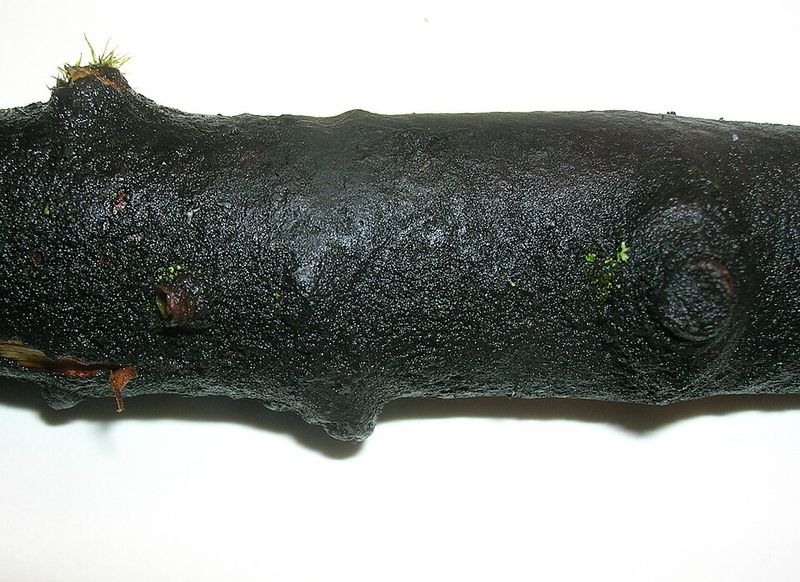
Scientists call it Baudoinia compniacensis, and the name comes from Cognac, France, where an observer first documented the stain in the late 1800s. Warehouse walls were turning black, and the mark was traced back to barrels resting inside.
For decades it drew little scientific attention. Then in 2007, a Canadian researcher named James Scott gave the organism its modern classification and confirmed what neighbors had suspected for generations.
Up close, the growth looks like velvet or soot. Run a finger across it and you get a smudge, though the crust itself can be surprisingly tough and leathery where it has built up over years.
It grows on almost any hard surface it can cling to. Brick, metal road signs, vinyl siding, concrete patios, tree bark, patio furniture, and even the leaves of shrubs can pick up the tint.
The color comes from melanin, the same pigment that darkens human skin. Heavy melanin armor lets the fungus shrug off blazing summer sun, winter freezes, and long dry stretches that would wear down softer organisms.
Common nicknames stuck quickly. Some folks say whiskey fungus, others prefer angel’s share fungus, a nod to the old distilling phrase for liquid that escapes barrels during aging.
Here is a fun wrinkle in the story. The organism was sitting in plain sight on European warehouse walls for roughly 130 years before modern lab tools finally sorted out exactly what it was.
Evaporating Barrel Vapors Feed The Growth
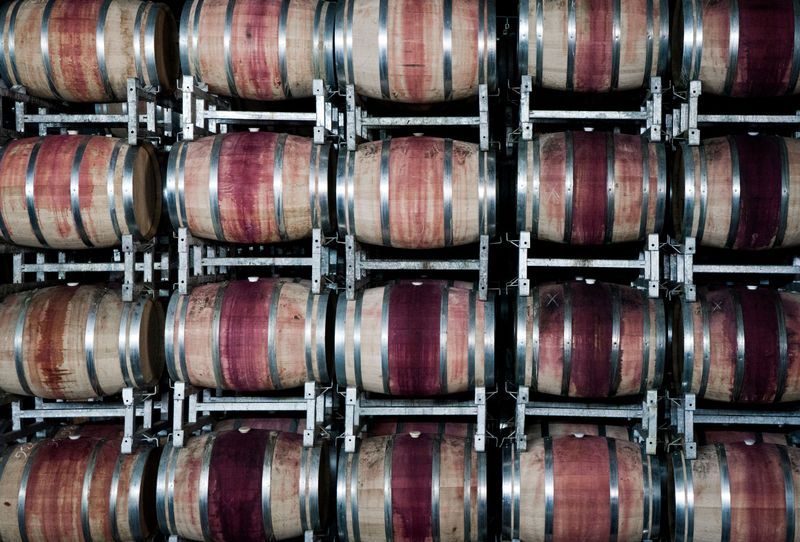
Picture a rickhouse in Lynchburg or Tullahoma, stacked floor to ceiling with charred oak barrels. Oak breathes, and that is the whole point of aging whiskey.
As temperatures swing between hot afternoons and cool nights, the barrels push liquid into the wood and pull it back out again. A small share slips through the staves and floats away as vapor.
Distillers have long called that loss the angel’s share. In Tennessee heat, a barrel can surrender a few percent of its contents each year, and across thousands of barrels the total becomes substantial.
Your Tennessee Garden Changes Every Week. Your Plan Should Too.
Gardening in Tennessee changes quickly throughout the season. Every Friday you’ll receive a simple weekly plan showing exactly what to plant, prune, fertilize, harvest, and protect so you never miss the right timing.
Most of that vapor is water and ethanol. Ethanol drifting through warehouse vents settles on nearby surfaces in tiny amounts, invisible but steady.
Baudoinia treats that airborne ethanol as a meal ticket. Research suggests the fungus does not simply eat the alcohol so much as use it as a signal and a fuel source that triggers vigorous growth and heat tolerance.
The organism exists in ordinary environments around the world in small numbers. Give it a reliable ethanol plume, though, and it outcompetes neighboring molds until it dominates whole surfaces.
That is why the black film clusters around aging warehouses rather than bottling lines or visitor centers. Bottled whiskey is sealed, and sealed whiskey releases no vapor.
Bakeries and industrial alcohol plants sometimes see similar staining. Barrel warehouses just happen to produce the steadiest plume, which is why Tennessee neighborhoods notice it so plainly.
Tennessee Weather Rolls Out The Welcome Mat
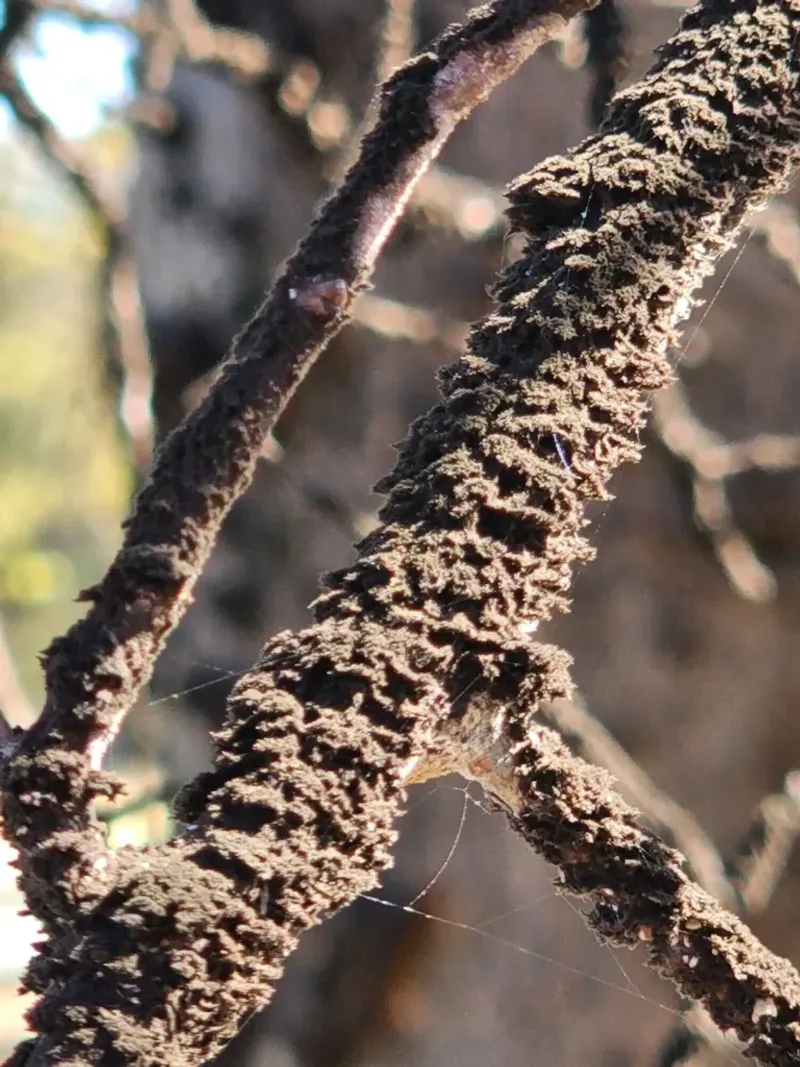
Humidity matters here more than people realize. Middle Tennessee summers deliver sticky air, frequent thunderstorms, and morning dew that lingers on shaded surfaces well past sunrise.
Baudoinia needs moisture to activate. Dry ethanol vapor alone does little, but pair it with damp bark or a wet fence rail and the fungus settles in for a long stay.
September is a telling month in the region. Warm days, cooler nights, and heavy dew create long windows of surface wetness right as barrel evaporation stays brisk.
North-facing walls and shaded tree trunks darken first because they stay damp longest. Sun-baked south sides often look cleaner, even on the same building.
Wind direction shapes the map too. Neighbors downwind of a warehouse complex tend to see heavier staining than folks the same distance away on the upwind side.
Elevation and terrain add their own twist. Vapor can settle into low hollows on calm nights, which explains why one property gets coated while a house up the ridge stays relatively clear.
Tree canopy traps humid air underneath it. That is part of why wooded lots near distilleries often show the thickest buildup on trunks, branches, and any fence tucked in the shade.
Scotland, Kentucky, and France all report the same pattern in their own climates. Tennessee simply combines big barrel inventories with generous humidity, which makes the staining far more noticeable.
Homeowners Near Lincoln County Took It To Court
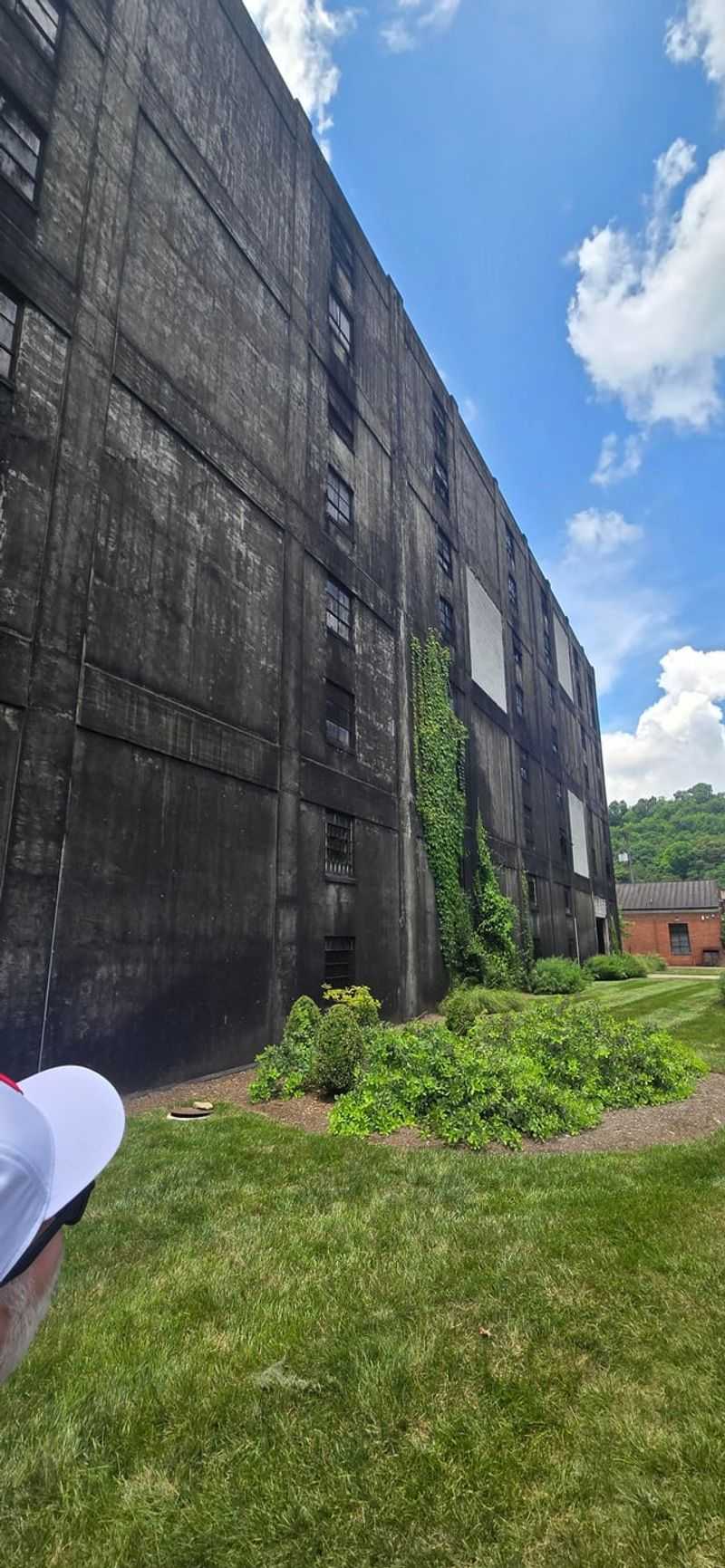
Litigation brought national attention to this fungus. In Lincoln County, Tennessee, residents living near barrel warehouses filed suit over the persistent black film covering their property.
Homeowners described repainting decks, scrubbing siding, and watching patio furniture turn gray within months. One family reported cleaning their home repeatedly and seeing the stain return before the year was out.
A Lincoln County chancellor ruled in early 2023 that construction on an additional barrelhouse had skipped required zoning steps. Work was ordered to stop until the county reviewed an amended site plan.
The ruling drew attention because it treated the fungus as a genuine land-use question rather than a cosmetic nuisance.
Similar cases have surfaced elsewhere. Kentucky and Scotland have both seen residents raise comparable complaints about warehouse-adjacent staining.
Property value sits at the center of these disputes. Sellers worry that blackened fences and mottled siding scare off buyers, even when the discoloration is purely surface level.
Distillers argue that aging warehouses serve as the backbone of local economies, supporting jobs, tourism, and tax revenue across small communities. Many have offered cleaning assistance or settlement funds to nearby households.
Some producers now experiment with warehouse design, adjusting ventilation patterns or placing new sites farther from residential clusters. Filtration for ethanol vapor remains technically tricky at the scale barrels require.
For anyone house-hunting near a barrel facility, the practical lesson is simple. Walk the fence line, check the north side of the garage, and ask neighbors what their cleaning routine looks like.
What It Does To Trees, Siding, And Signs
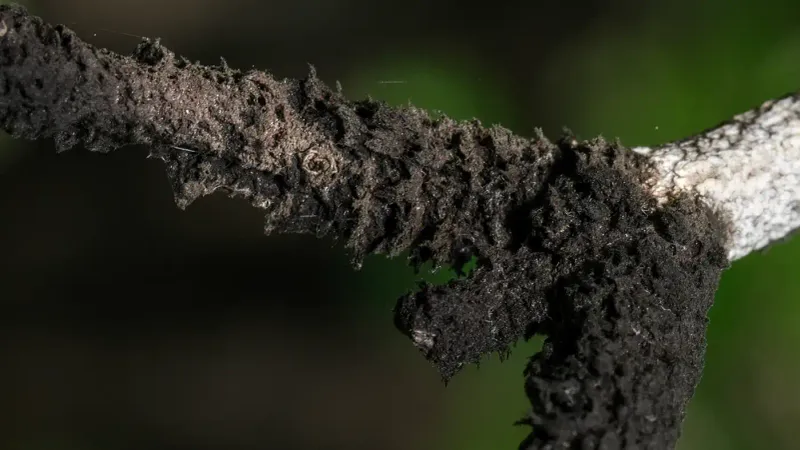
One reassuring detail comes first. Baudoinia is not a plant pathogen, meaning it does not infect living tissue or feed on the tree itself.
The fungus sits on the outside of bark like a coat of paint. Trees near distilleries generally keep leafing out, growing, and producing acorns on their normal schedule.
Heavy buildup on leaves can shade the surface a bit, which may slightly reduce photosynthesis on badly coated foliage. Established oaks and maples usually handle that without visible decline.
Siding, brick, and painted wood face a different issue. The crust holds moisture against the surface, and trapped dampness can accelerate wear on paint or sealant over many seasons.
Metal road signs lose readability, which is a practical concern for visibility. County crews in affected areas sometimes scrub or replace signage more frequently than elsewhere.
Outdoor furniture, grills, children’s play equipment, and car finishes all collect the film. Cars parked outdoors overnight pick up a fine gray haze that returns after each wash.
Available research to date suggests limited evidence that the organism causes illness in people or pets. It is not classified among the molds known for producing dangerous toxins indoors.
Folks with existing respiratory sensitivities still prefer wearing a mask while scrubbing, simply because any airborne spore load can irritate.
Gloves and eye protection round out sensible cleaning gear. Mainly, the damage is aesthetic and stubborn, which is what makes it difficult to manage.
Scrubbing Strategies That Actually Hold Up
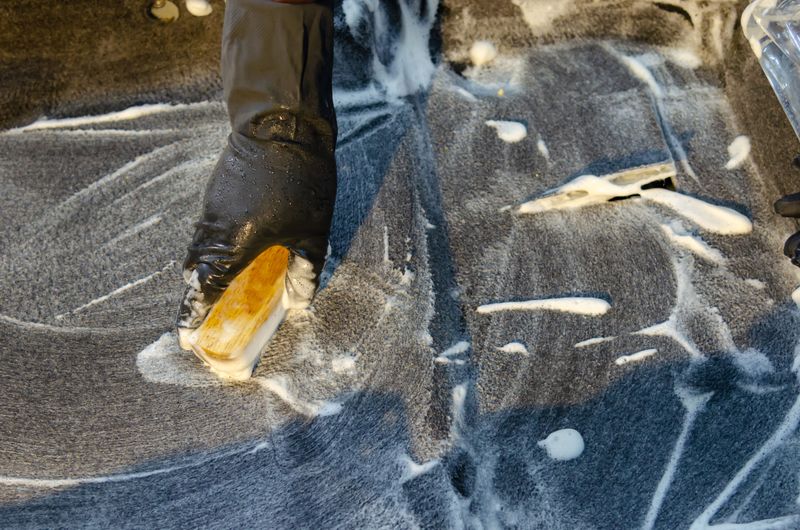
Anyone who has fought this stain knows the routine. Clean it, admire the results, then watch a gray shadow creep back within a season or two.
Pressure washing handles concrete, brick, and hardy siding reasonably well. Keep the nozzle moving and use a wide fan tip so you do not gouge wood or force water behind panels.
A diluted bleach solution, mixed well below full strength, loosens the crust before rinsing. Wet nearby plants first and rinse them afterward so runoff does less harm.
Oxygen bleach offers a gentler route for painted surfaces and deck boards. It works slower but treats finishes more kindly than chlorine products.
Commercial mildew removers sold at hardware stores throughout Middle Tennessee work fine too. Follow label dwell times, because rushing the rinse leaves residue that attracts new growth.
Soft washing with low pressure and a cleaning agent has become popular among local contractors. It reaches the crust without blasting mortar joints or shingle granules loose.
For trees, gentle is the rule. A hose rinse and a soft brush on the lower trunk is plenty, and harsh chemicals on bark are worth skipping entirely.
Timing helps. Autumn cleaning after peak summer humidity tends to buy a longer stretch of clean surfaces than a spring scrub does.
Choosing lighter, smoother finishes for new fences and furniture also makes future cleanups noticeably faster.