What It Means When Your Tennessee Yard Sounds Like A Cricket Concert
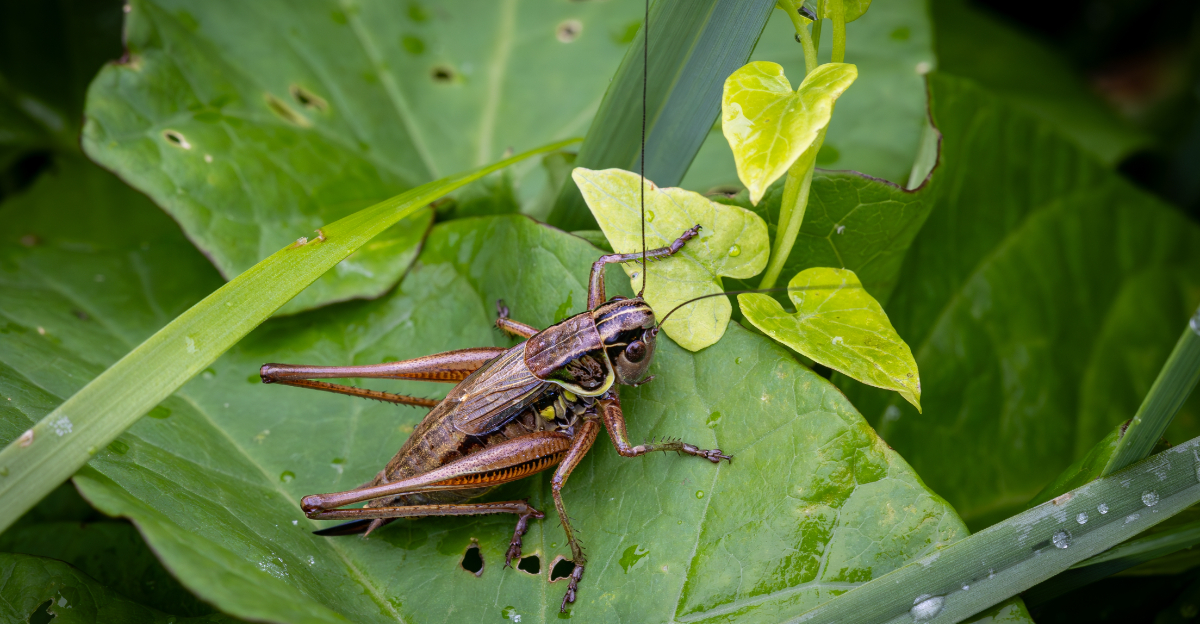
Most people tune out cricket noise the same way they tune out traffic. That can be a mistake.
That chorus building in your Tennessee yard every evening is not just ambiance, it is data.
Crickets are remarkably sensitive creatures, and when the volume climbs, something in your environment has shifted enough to push their behavior.
Temperature, moisture, population density, seasonal timing, any of these can flip a switch and suddenly your backyard sounds like a venue.
The louder it gets, the more your yard is telling you. Turns out, your yard has been talking this whole time.
Your Tennessee Yard Is Hosting A Cricket Concert For Good Reason
Your yard did not suddenly turn into a concert hall by accident. Crickets are drawn to specific conditions, and Tennessee yards often check most of the boxes on their wish list.
Lush grass, leaf litter, and garden beds create ideal hiding spots. Crickets are shy creatures that love cover, and a well-maintained yard often gives them plenty of it.
The food supply matters too. Crickets munch on plant material, fungi, and even other insects, so a biodiverse yard is basically a buffet for them.
Warm nights stretch longer in Tennessee summers, giving crickets more hours to sing. The longer the night, the louder and longer the performance tends to be.
Light sources near your home also play a role. Porch lights and landscape lighting attract crickets just like they attract moths, pulling the chorus closer to your windows.
Moisture from irrigation or recent rain makes the soil soft and easy to burrow into. Female crickets need soft ground to lay eggs, so wet soil is prime real estate.
Suburban and rural Tennessee yards share these traits almost equally. Whether you have half an acre or five, the crickets are happy to set up shop.
The Species Making All That Noise In Tennessee
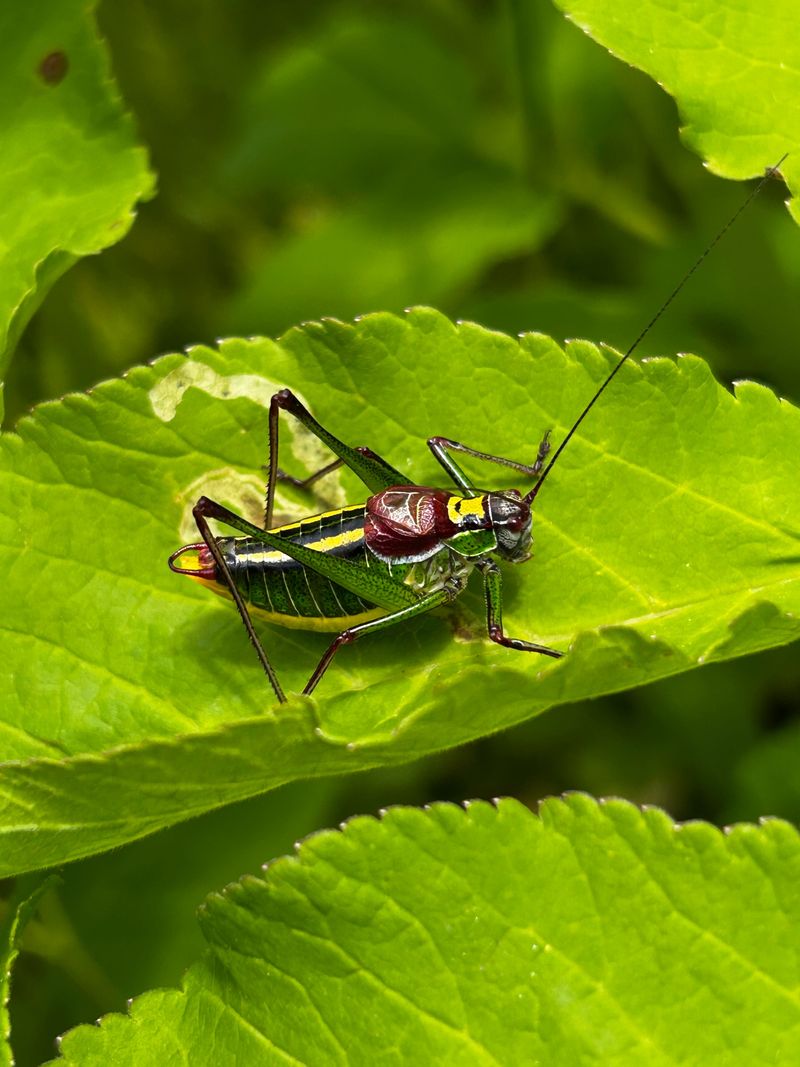
Not all crickets are the same, and Tennessee is home to several species that each bring their own sound to the mix. Knowing who is performing helps you appreciate the concert a little more.
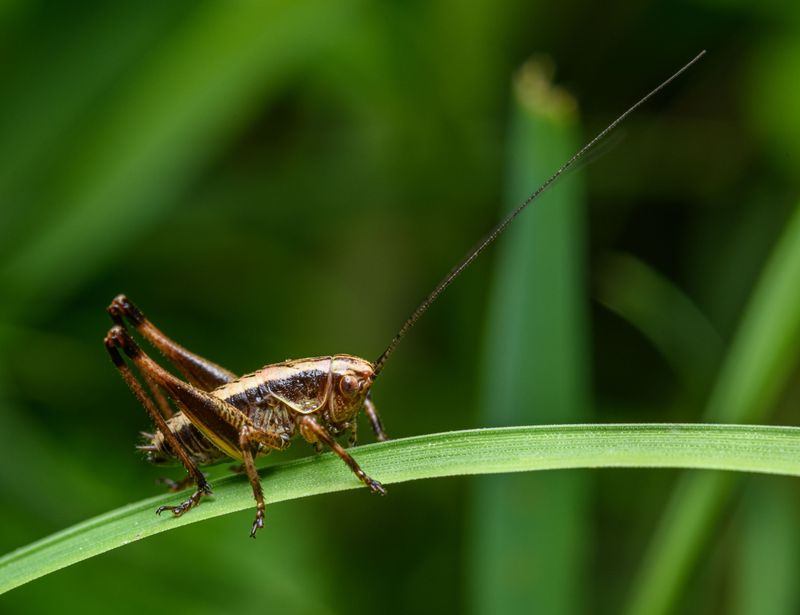
The field cricket is the most common culprit. These dark brown or black insects are the loudest of the bunch and are responsible for that deep, steady chirp you hear all evening.
Tree crickets are a different story entirely. Slender and pale green, they produce a high-pitched, almost musical trill that blends into the background like a flute in an orchestra.
Ground crickets are smaller and tend to stay low in the grass. Their chirps are softer and faster, adding a subtle layer to the overall soundscape.
Katydids are often grouped with crickets in casual conversation, though they are technically cousins. Their rasping, two-part call adds a rougher texture to Tennessee summer nights.
Camel crickets, also called cave crickets, are the ones that sneak indoors. They do not chirp at all, but they do give homeowners a good scare when found in basements.
Mole crickets spend most of their time underground, but they do chirp, usually a low, repetitive call near their burrow entrances at dusk. The sound is easy to miss if you are not listening for it.
Your Tennessee Garden Changes Every Week. Your Plan Should Too.
Gardening in Tennessee changes quickly throughout the season. Every Friday you’ll receive a simple weekly plan showing exactly what to plant, prune, fertilize, harvest, and protect so you never miss the right timing.
Each species peaks at slightly different times of the season, which is why the concert seems to shift and evolve as summer rolls on. Tennessee’s cricket symphony is genuinely layered and worth paying attention to.
Peak Cricket Season And What Drives It
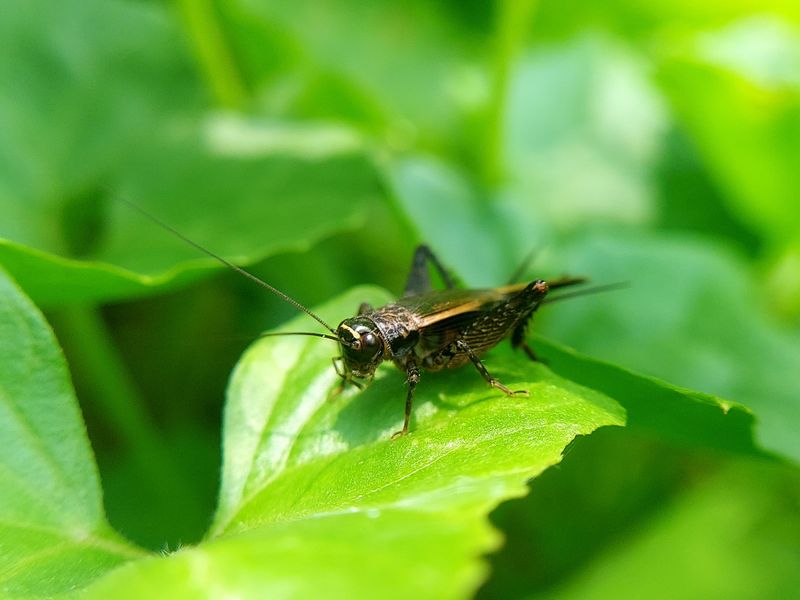
Summer in Tennessee does not just bring humidity and sweet tea. It also brings the loudest cricket season in the region, and timing is everything when it comes to understanding the peak.
Cricket eggs hatch in late spring, and the nymphs spend weeks growing before they reach adulthood. By mid-July, the first adult males are ready to sing for mates.
August is typically the loudest month for most Tennessee homeowners. Populations are at their highest, temperatures are consistently warm, and the nights are still long enough for extended calling sessions.
September brings a gradual shift as nights cool slightly. The chorus does not disappear, but the urgency in the singing increases because breeding season is winding down.
Male crickets chirp to attract females and to warn off rival males. The more competition in your yard, the louder and more persistent the singing tends to be.
Day length also signals crickets to ramp up activity. As summer days shorten heading into fall, crickets instinctively increase their reproductive efforts and their noise levels follow.
Rain events can temporarily quiet the chorus, but within a day or two, the singing often rebounds just as loud. Moisture boosts insect activity across the board, and crickets are no exception.
By October, the first cold snaps begin to thin out the adult population. The concert fades slowly, like a band wrapping up an encore, leaving the yard noticeably quieter heading into autumn.
What Temperature And Humidity Do To Cricket Behavior
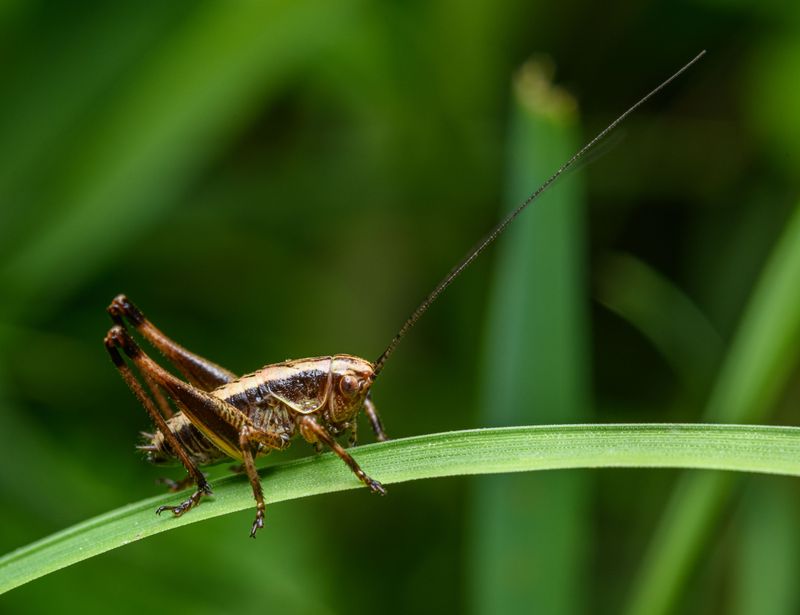
Crickets are cold-blooded, which means their body temperature matches the air around them. This is exactly why temperature has such a direct and measurable effect on how fast they chirp.
A scientist named Amos Dolbear figured out in 1897 that you can estimate the temperature using cricket chirps. Count the chirps in 14 seconds and add 40 to get a rough Fahrenheit reading.
Warmer nights equal faster chirping because the muscles powering those wings move more quickly in heat. On a sweltering Tennessee night above 80 degrees, the chirping can feel almost frantic.
Tennessee summers are famous for sticky, humid nights that seem to amplify every outdoor sound. That combination of heat and moisture creates the perfect acoustic environment for cricket calls to travel.
Crickets also become more active when barometric pressure drops before a storm. Many experienced gardeners notice the chirping intensifies hours before rain arrives, acting as a natural weather signal.
On cooler nights below 55 degrees, chirping slows dramatically or stops altogether. The insects are not gone, they are just too sluggish to power up their wings for a performance.
What A Louder Cricket Chorus Says About Your Yard
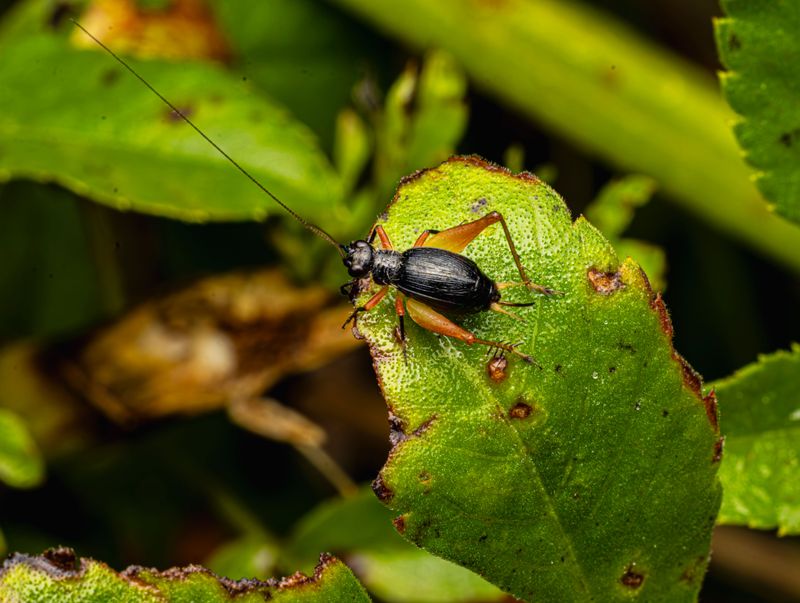
When the cricket chorus suddenly gets louder than usual, most people assume something is wrong. The truth is often the opposite, and your yard might be thriving in ways you have not noticed yet.
A spike in cricket noise usually signals a population boom. That boom happens when food sources are abundant, predators are low, and habitat conditions are ideal all at once.
Thick, unmowed grass and dense ground cover create more nesting spots. If you recently let part of your lawn grow out or added mulched garden beds, you may have unintentionally rolled out the welcome mat.
An increase in organic matter, like compost or leaf piles, feeds the fungi and decaying plant material that crickets eat. More food generally means a larger population, and a larger population means more noise.
A louder chorus can also mean fewer predators are patrolling your yard. If you have noticed fewer birds visiting lately, the cricket population may have grown with less pressure keeping it in balance.
Excess moisture from overwatering or poor drainage creates soft soil that female crickets love for egg-laying. Check your irrigation schedule if the concert seems to be growing season after season.
Outdoor lighting intensity plays a bigger role than most homeowners expect. Bright white lights attract insects in large numbers, pulling crickets and their prey into tight clusters near your home.
A booming cricket population is a signal worth reading carefully. Your yard is telling you something, and listening closely can help you make smarter decisions about how you manage it.
Knowing When To Worry And When To Simply Enjoy The Show
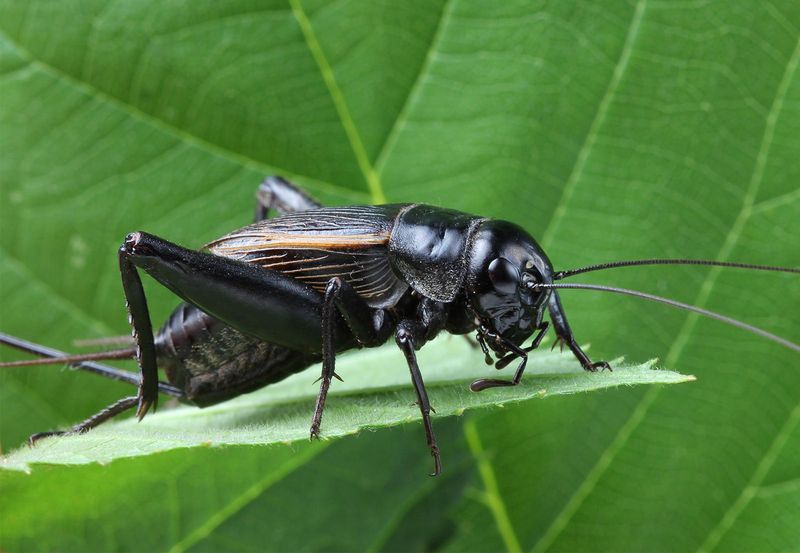
Most cricket noise is completely harmless and actually signals a balanced outdoor environment. But there are a few situations where a closer look at your yard is worth the effort.
If crickets are getting inside your home, that is the first sign to pay attention to. Gaps under doors, cracks in the foundation, and torn window screens are common entry points worth sealing up.
Large numbers of crickets near your garden can occasionally cause minor damage to seedlings and soft plant tissue. Younger plants and tender vegetable starts are the most vulnerable to feeding activity.
Mole crickets are the one species that can genuinely cause lawn problems. They tunnel through root systems and create soft, spongy patches in your grass that look brown and feel hollow underfoot.
If you notice irregular brown patches in your lawn alongside increased cricket activity, check for mole cricket tunneling. A simple drench test using soapy water will bring them to the surface for identification.
For most homeowners, though, the cricket concert is a gift rather than a problem. Birds, toads, and beneficial predatory insects all depend on crickets as a reliable and nutritious food source.
Encouraging natural predators is the most effective and low-effort approach to managing cricket populations. A birdbath, a toad house, or a brush pile near the garden can bring in allies that do the work for you.