Early August Steps Missouri Homeowners Can Take To Give Native Bees A Fighting Chance
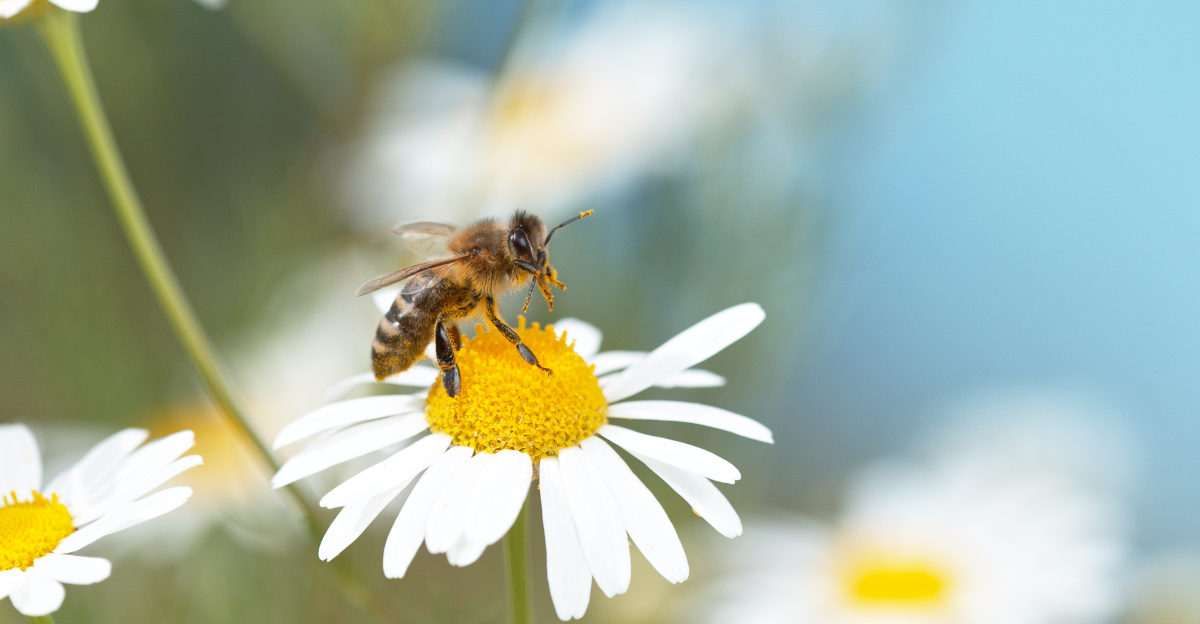
Missouri gardens hum with restless energy every August. Native bees race from bloom to bloom, squeezing in every visit before the season turns cooler.
These small pollinators rarely get noticed, yet they hold more together than most people realize. Backyard vegetables, wildflower patches, and even the trees down the street depend on their work.
Supporting them does not call for a special background or a big yard. A handful of small adjustments to how you care for your space can shift what happens there this fall.
Wondering what those adjustments actually look like? They are far easier than most gardeners expect, and a few might already be part of your routine.
1. Leave Bare Soil Patches Undisturbed
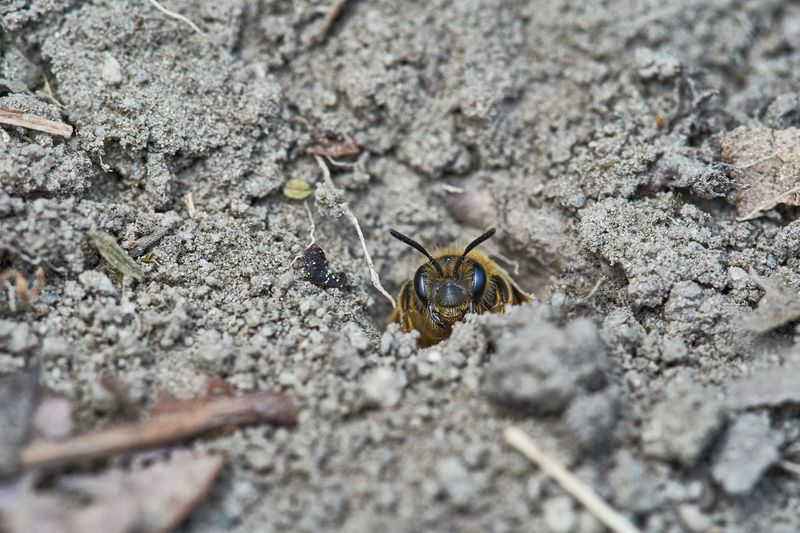
Most people do not realize they are standing on a bee nursery. Around 70 percent of native bees nest underground, right in your own backyard.
Bare soil patches are not eyesores. For ground-nesting bees like mining bees and sweat bees, they are the equivalent of a cozy apartment.
Early August is a critical time for these bees. Females are digging tunnels and stocking them with pollen for their young to eat after hatching.
Compacted or mulched soil blocks their entry. Leaving even a small patch of loose, undisturbed earth gives these bees a place to do their work.
Pick a sunny, south-facing spot in your yard that stays dry. Bees prefer well-drained soil with minimal grass or weed competition nearby.
These ground-nesting bees are solitary and rarely bother anyone nearby. Without a hive to protect, they have little reason to sting unless directly handled.
You do not need to do anything fancy. Just stop raking, stop mulching, and stop walking across that patch for the rest of the season.
Mark it with a small garden stake so family members know to leave it alone. A simple sign reading “Bee Zone” works perfectly.
Native bees are part of what makes Missouri gardens so productive in summer. Protecting their nesting ground costs you nothing but a little patience.
Your bare patch may look unfinished to neighbors. But underneath, something incredible and necessary is happening that supports your whole yard.
2. Plant Late Blooming Flowers For Forage
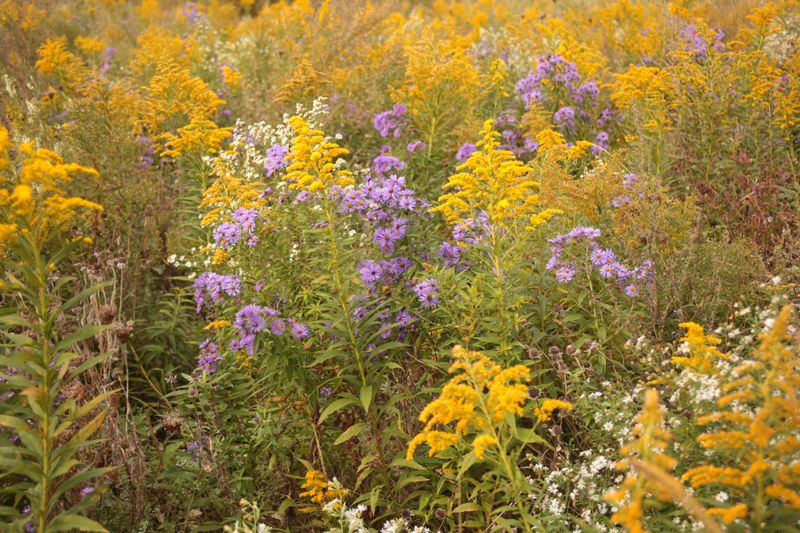
Goldenrod gets a bad reputation, but native bees love it regardless. This tough Missouri native blooms heavily in late summer and is packed with pollen.
Early August is the perfect window to plant or transplant late-blooming species. Bees need continuous forage from now through October to build their winter food stores.
When flower diversity drops in late summer, bees struggle to find enough nutrition. A gap in blooms can weaken entire local bee populations before cold weather even arrives.
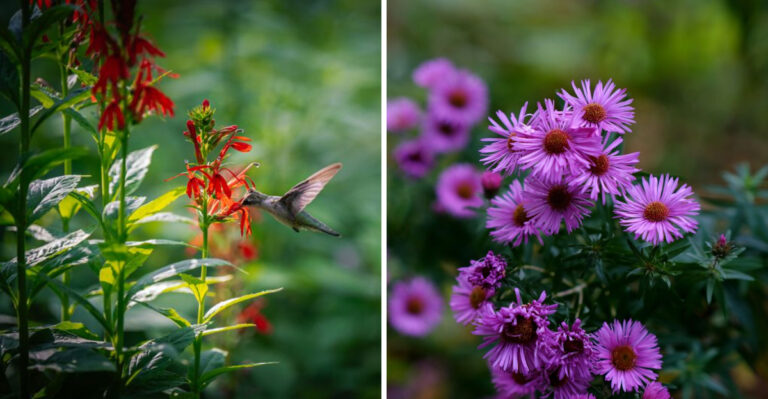
Ironweed, wild bergamot, and native asters are all excellent choices for Missouri yards. These plants are tough, drought-tolerant, and incredibly attractive to dozens of native bee species.
Planting in clusters rather than scattered spots makes foraging more efficient for bees. A group of five or more plants of the same species is far more effective than single plants spread across a wide area.
Your Missouri Garden Changes Every Week. Your Plan Should Too.
Gardening in Missouri changes quickly throughout the season. Every Friday you’ll receive a simple weekly plan showing exactly what to plant, prune, fertilize, harvest, and protect so you never miss the right timing.
You can find these species at local Missouri native plant nurseries or native plant sales hosted by conservation groups. Avoid big-box store versions, which are often treated with systemic pesticides.
Container plants bought now can go straight into the ground and still bloom this season. Water them well for the first two weeks, and they will establish quickly in August heat.
Late blooms are a lifeline for native bees preparing for fall. Planting even three or four new species now can make a measurable difference in your local pollinator population.
3. Skip Pesticides During Peak Bee Activity
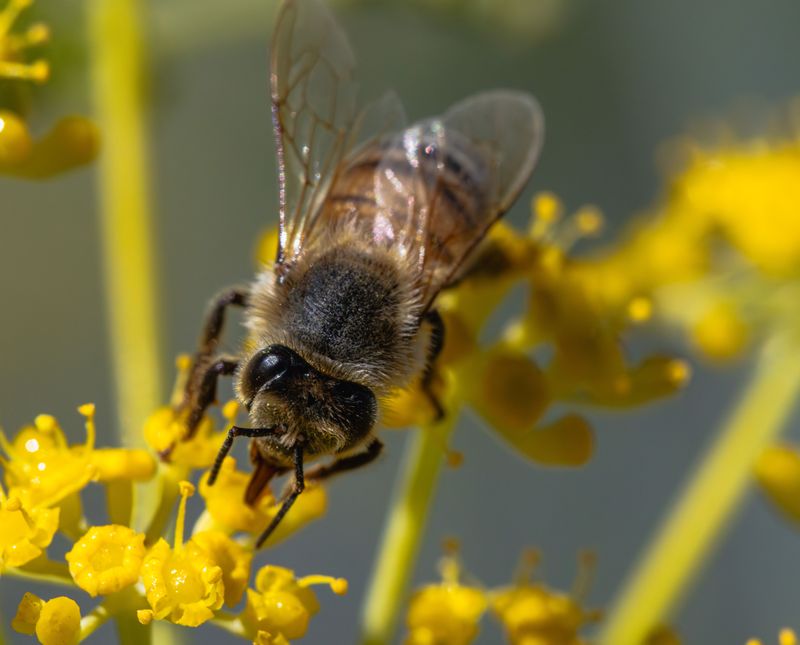
Peak bee activity in Missouri happens between 9 a.m. and 3 p.m. on warm summer days. Spraying anything during those hours puts your local pollinators directly at risk.
Even products labeled “safe for bees” can cause real harm when applied at the wrong time. Sub-lethal exposure affects navigation, memory, and a bee’s ability to find its way back to the nest.
August is especially sensitive because many native bee species are raising their final brood of the season. Disrupting that cycle now has ripple effects that last well into next spring.
If you must treat a pest problem, apply any product after sundown. Bees are inactive at night, which dramatically reduces the chance of contact exposure.
Organic options like neem oil and insecticidal soap are still harmful to bees when wet. Wait until sprays dry before allowing pollinators back into treated areas.
A smarter approach is to tolerate a little leaf damage this time of year. Most plants recover from minor pest pressure far faster than a bee population recovers from pesticide exposure.
Check your garden for aphids and caterpillars by hand instead of reaching for a spray bottle. Removing pests manually takes just a few minutes and leaves bees unharmed.
Skipping pesticides during peak bee hours protects far more than it costs you in effort.
4. Provide A Shallow Water Source
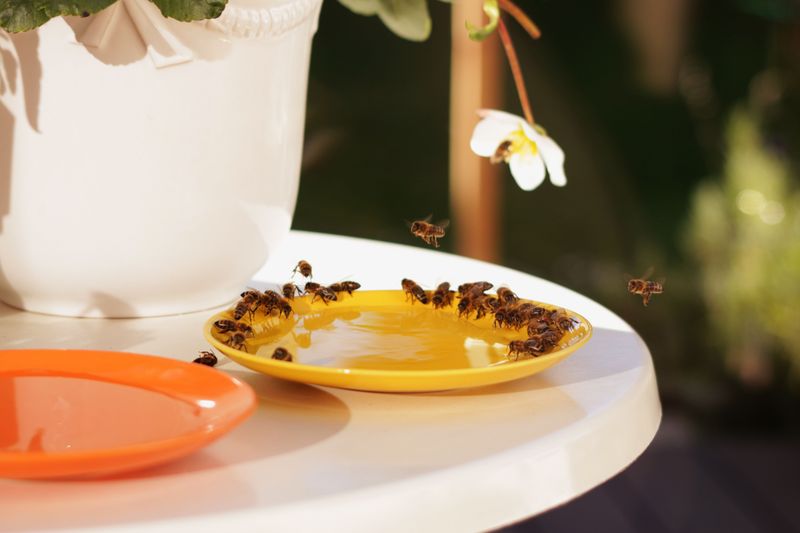
Bees get thirsty too, especially during Missouri’s brutal August heat. A reliable, shallow water source can become the most-visited spot in your entire yard.
The key word here is shallow. Bees cannot swim, so deep birdbaths or garden ponds are actually dangerous without landing surfaces for them.
Fill a terracotta saucer or shallow dish with clean water and add a handful of pebbles, marbles, or small flat stones. These give bees a safe perch to drink from without falling in.
Place your water station in partial shade so it does not evaporate within an hour on hot days. A spot that gets morning sun and afternoon shade works beautifully.
Change the water every two to three days to prevent mosquito larvae from developing. A quick rinse and refill takes under a minute and keeps things clean.
Native bees use water for more than just drinking. Some species mix water with soil to construct their nest chambers, so a nearby supply is genuinely useful to them.
You can set up multiple small stations around the yard rather than one large one. Spreading them out reduces competition between bee species and other insects visiting the same spot.
A shallow dish of water costs almost nothing yet keeps bees coming back all season. A cheap dish from a garden center can turn into one of the busiest spots in your yard throughout August.
5. Delay Mowing Around Clover And Wildflowers
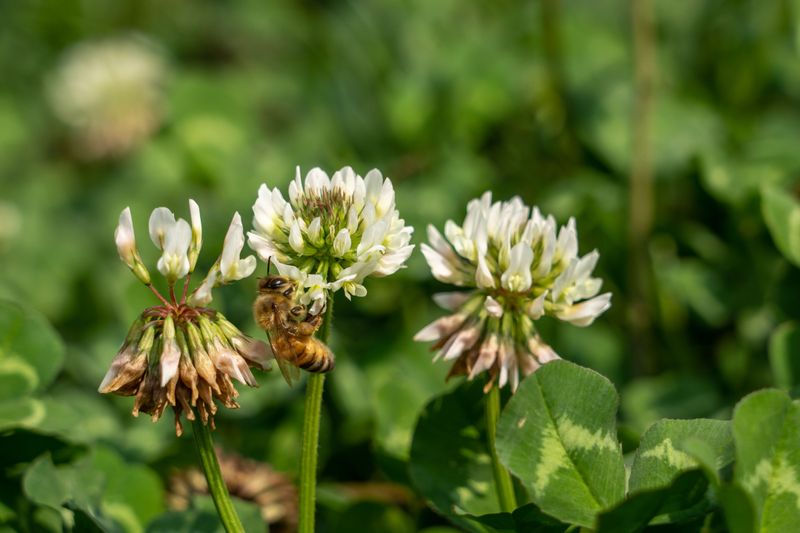
That patch of clover in your lawn is not a problem. For native bees in August, it is a buffet, and mowing it down removes one of their best food sources overnight.
White clover, red clover, and wild bergamot are all common Missouri lawn weeds that bees depend on. Letting them bloom even one extra week makes a noticeable difference in local foraging.
Try a practice called “lazy mowing,” where you simply skip certain sections of your lawn during peak bloom. You do not have to let everything go wild, just give the flowering patches a break.
Mowing in the early morning or evening also helps. Bees are least active during those cooler hours, so any accidental disturbance is minimized when you do choose to mow.
Raising your mower deck height is another easy adjustment. Cutting at four inches instead of two inches leaves more flowering plants intact and creates a slightly taller habitat that bees prefer.
Some Missouri homeowners designate a back corner or side strip as a “no-mow zone” for the whole summer. This low-effort strategy can support a surprising variety of native bee species through fall.
Your neighbors might raise an eyebrow at first. But when they see the activity buzzing through your yard on a warm August afternoon, curiosity tends to replace judgment pretty quickly.
A little mess on the surface means a lot of life underneath, and that is worth holding the mower back for.
6. Protect Existing Nesting Sites From Disturbance
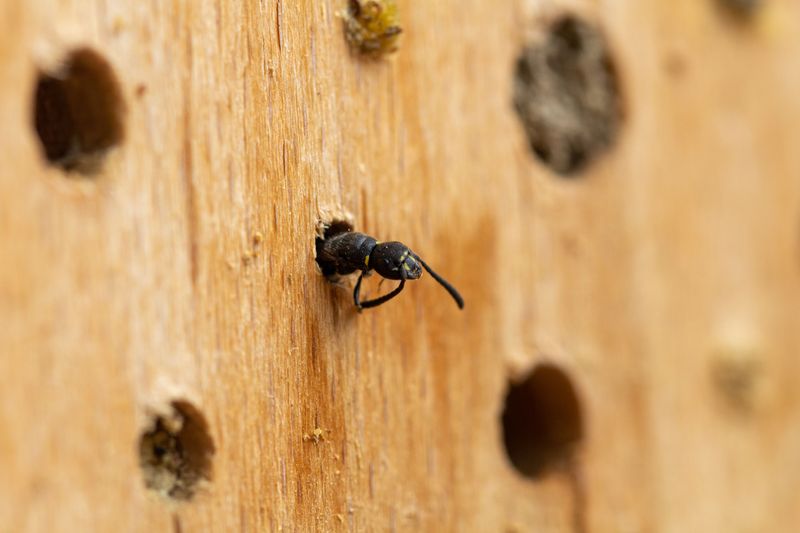
Before you clear that brush pile or replace that old fence post, take a closer look. Native bees like mason bees and leafcutter bees nest inside hollow stems, wood cavities, and rotting logs.
August is prime nesting season, and disturbing an active nest site can destroy an entire generation of next year’s pollinators in one afternoon. That is a loss worth avoiding.
Walk your yard slowly and look for small holes in wood, stems, or soil that show signs of activity. Bees entering and exiting regularly are a clear signal that a nest is active.
Mark those spots with a small flag or stone so other family members know to work around them. A two-minute walk can prevent accidental destruction of a productive nesting colony.
Avoid trimming hollow plant stems like Joe-Pye weed, ironweed, or native grasses until late winter. Many solitary bees seal their young inside these stems and leave them to overwinter safely.
If you have a wood pile or old lumber stack, resist the urge to reorganize it during August. Shifting logs and boards collapses tunnels and exposes larvae to heat, predators, and moisture loss.
You can even create intentional nesting habitat by bundling cut bamboo tubes or hollow elderberry canes together. Hang them under a south-facing eave and let native bees discover them on their own.
Leaving those nesting spots untouched protects next year’s bee population before it even begins.
7. Choose Native Species Over Hybrids
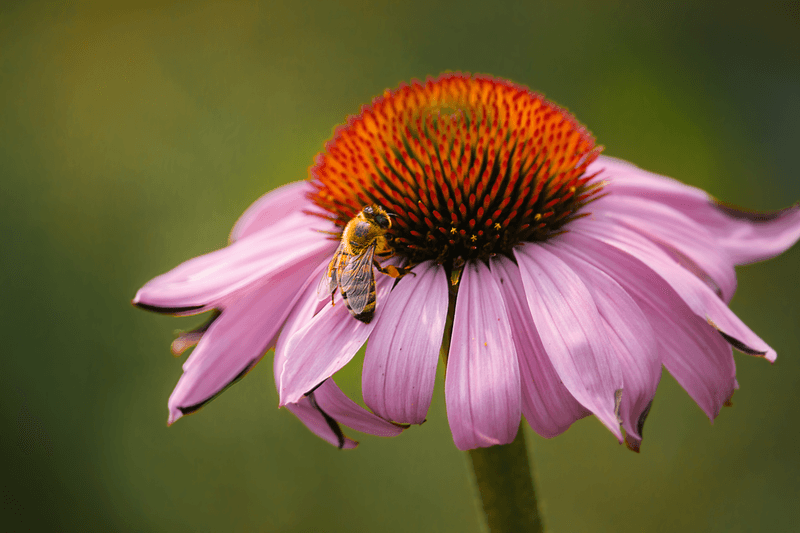
Not all flowers are created equal when it comes to feeding native bees. Hybridized ornamental plants often look gorgeous but produce little to no accessible pollen or nectar.
Plant breeders develop hybrids for showier petals and longer bloom times, not for pollinator value. Double-petaled flowers, for example, physically block bees from reaching the nectar inside.
Native Missouri species like purple coneflower, black-eyed Susan, and wild blue indigo evolved alongside local bees for thousands of years. Their pollen is the right shape, size, and nutrition profile for the bees that live here.
When you shop for plants in August, read the labels carefully. Words like “sterile,” “double-flowered,” or “improved” are often red flags for low pollinator value.
Straight species, meaning non-hybrid versions of native plants, are what you want. Ask your local nursery specifically for straight species of Missouri natives to make sure you are getting the real thing.
Native plants also require far less maintenance once established. They are adapted to Missouri’s clay soils, humid summers, and unpredictable spring weather, so they thrive with minimal help from you.
Swapping even a few hybrid ornamentals for native alternatives creates measurable benefits for local pollinators. Native plant advocates like the Xerces Society consistently find that native plantings support a noticeably wider range of bee species than non-native ornamentals.
Swapping hybrids for straight species turns a garden into real, usable habitat.
8. Avoid Disturbing Ground Nests Nearby
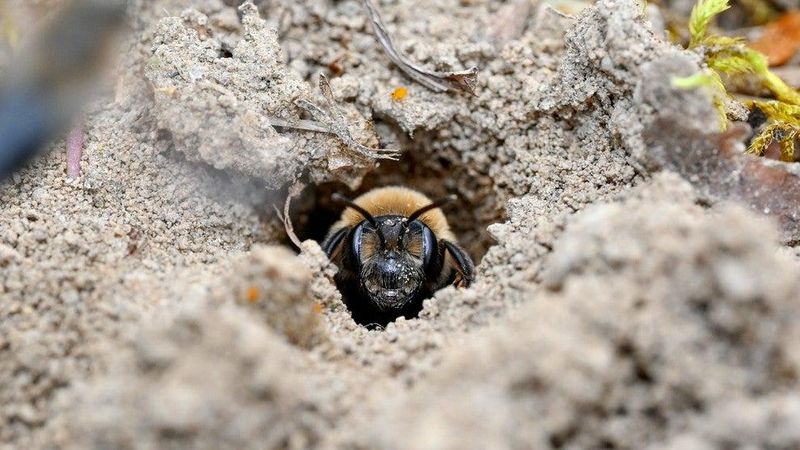
You might have noticed small mounds of loose soil near your garden bed or along a sunny path. Before grabbing a shovel, know that these are almost certainly active native bee nests.
Ground-nesting bees like digger bees and metallic sweat bees are largely solitary and rarely sting, since most have no colony to defend the way honeybees do.
August is when many of these nests are at peak activity. Females are completing their final foraging runs and sealing off nest chambers filled with food for their offspring.
Digging, rototilling, or even repeatedly walking over these spots can collapse tunnels and expose developing larvae to conditions they can’t survive. The damage happens fast, and the colony rarely recovers that season.
Give ground nests a wide berth of at least two feet in every direction. If the nest is in a high-traffic area, redirect foot traffic with a simple border of garden stones or a small temporary fence.
Pets can also disturb ground nests without any warning. Keeping dogs away from active nest areas during August prevents accidental destruction and protects your pets from defensive stings.
You do not need to call an exterminator or relocate anything. Ground-nesting bees naturally abandon their sites after the season ends, and the soil returns to normal use by late fall.
A little distance from these nests goes a long way toward protecting next year’s bees.