Orchid Care After Flowering In August For Even Better Blooms Next Year In Mississippi
Your orchid just shed its last flower, leaving nothing but a bare stem staring back at you from the windowsill. That blank look isn’t a setback, it’s a starting line.
Mississippi’s thick August air and long daylight hours create exactly the kind of window an orchid needs to rebuild its strength. Miss this stretch and next year’s flowering pays the price.
What comes next isn’t about babying a fragile plant back to health. It’s about giving it the right push at the right moment, so it stores energy instead of wasting it.
A handful of simple moves this week can shape how full and beautiful your orchid’s next bloom cycle turns out.
1. Cut Back Spent Flower Stems Properly
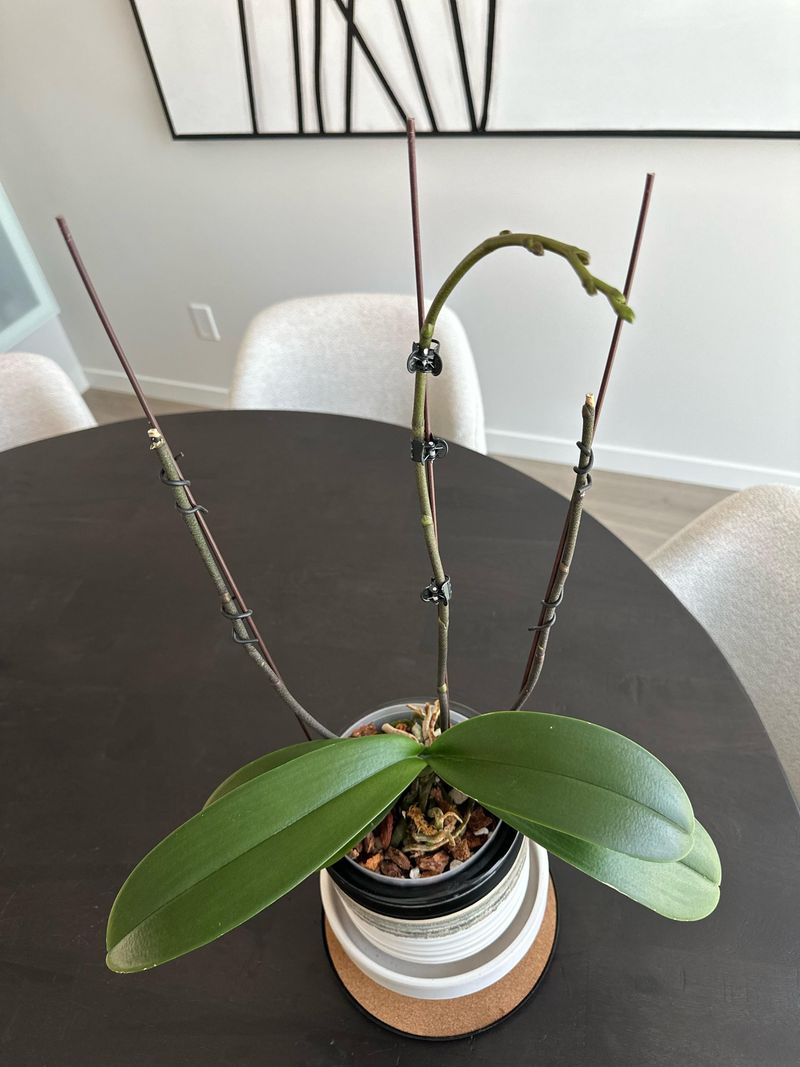
That bare, brown spike sticking up from your orchid is not doing anything useful anymore. Cutting it correctly is the first real step toward a fuller comeback next season.
Grab a pair of clean scissors or pruning shears before you touch the plant. Dirty blades can spread bacteria straight into the cut, and that is a problem you do not want.
For Phalaenopsis orchids, look closely at the spike before you cut. If it is still green, you can trim just above a node and sometimes coax out a second flush of blooms.
If the spike has turned yellow or brown all the way down, cut it at the base. There is no saving a fully spent spike, and leaving it wastes the plant’s energy.
Use a household disinfectant solution or a quick pass of flame to sterilize your blade between cuts. This small habit protects your plant from fungal and bacterial infections.
After cutting, let the wound dry naturally for a few hours. Do not cover it with anything or apply any sealer unless you notice signs of rot.
Mississippi summers are warm and humid, which speeds up healing but also speeds up mold. Good airflow around the cut site keeps things clean.
Place the plant somewhere with gentle air circulation after trimming. A ceiling fan on low works perfectly for this.
Cutting back the spent stem signals the plant to redirect its energy toward roots and new leaf growth. That is exactly where you want the focus now.
2. Adjust Watering As Growth Slows Down
Overwatering is the number one way people accidentally harm their orchids right after blooming ends. The plant is shifting gears, and so should your watering routine.
Right after flowering, an orchid enters a rest phase. Its water needs drop noticeably, and the roots need time to breathe between drinks.
Stick your finger about an inch into the potting mix before you water. If it feels even slightly damp, wait another day or two before adding more water.
In Mississippi’s August heat, pots can dry out faster than you expect. Check the roots through the pot if you have a clear container, looking for silvery-white coloring that signals dryness.
Green or slightly gray roots mean the plant still has moisture. Bright white or very light gray means it is time to water again.
Your Mississippi Garden Changes Every Week. Your Plan Should Too.
Gardening in Mississippi changes quickly throughout the season. Every Friday you’ll receive a simple weekly plan showing exactly what to plant, prune, fertilize, harvest, and protect so you never miss the right timing.
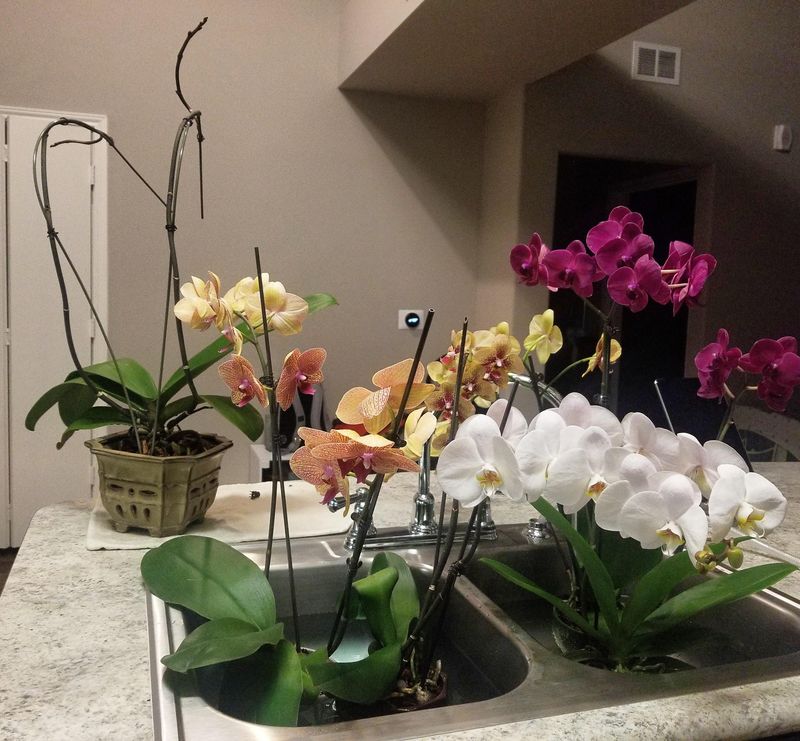
When you do water, soak the pot thoroughly in the sink for about 30 seconds. Let every drop of excess drain out before putting the plant back on its tray.
Avoid letting your orchid sit in standing water. Soggy roots rot quickly, especially in warm indoor conditions common to Mississippi homes in summer.
Morning watering works best because the plant has all day to dry out slightly before cooler evening temperatures settle in. This mimics natural rainfall patterns that orchids evolved around.
Dialing back your watering schedule now builds stronger, healthier roots. Stronger roots mean a bigger, more vibrant bloom cycle when flowering season rolls back around.
3. Repot Only When Roots Are Crowded
Repotting an orchid at the wrong time is like moving someone out of their house during a nap. The timing matters more than most people realize.
August is actually a decent window for repotting in Mississippi, right after flowering ends and before the plant pushes new growth. You want to repot before roots become too cramped to function well.
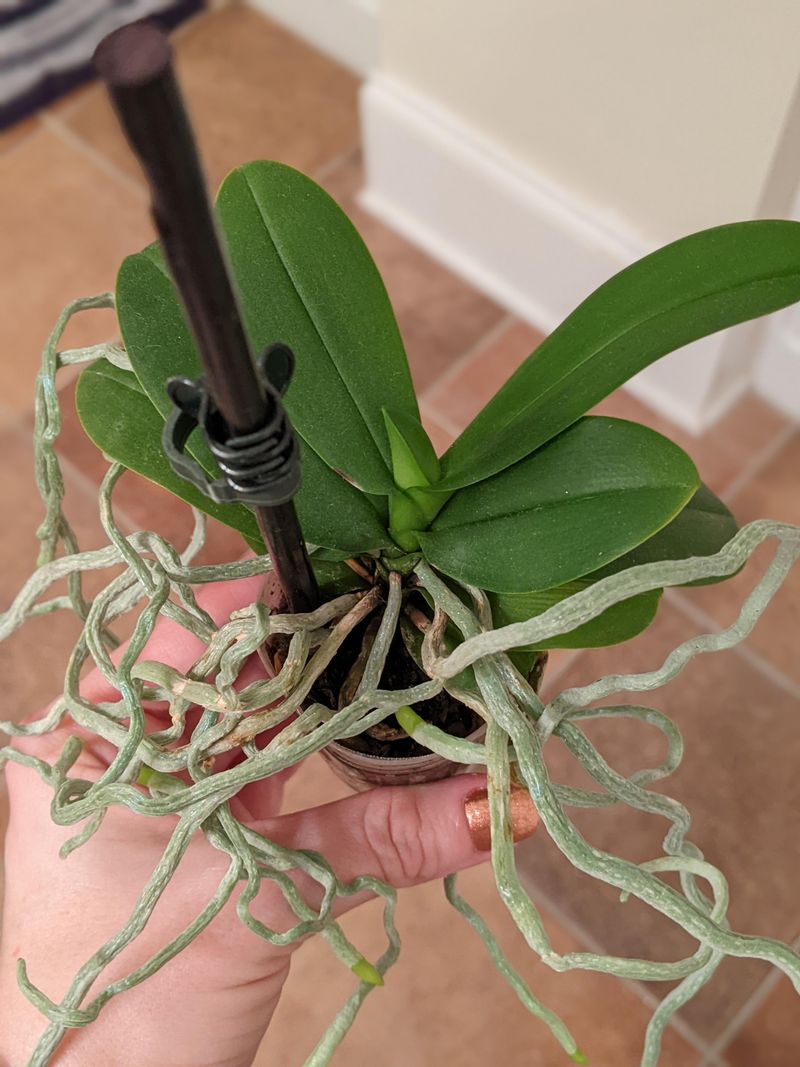
Signs that your orchid needs a new home include roots spilling over the pot rim, roots circling the inside of the container, or a potting mix that has broken down into mush. Any one of these signals is enough to act.
Choose a pot only one size larger than the current one. Going too big too fast leads to excess moisture around the roots, which causes rot.
Use a fresh orchid-specific bark mix, not regular potting soil. Standard soil holds too much water and suffocates the roots that need airflow to stay healthy.
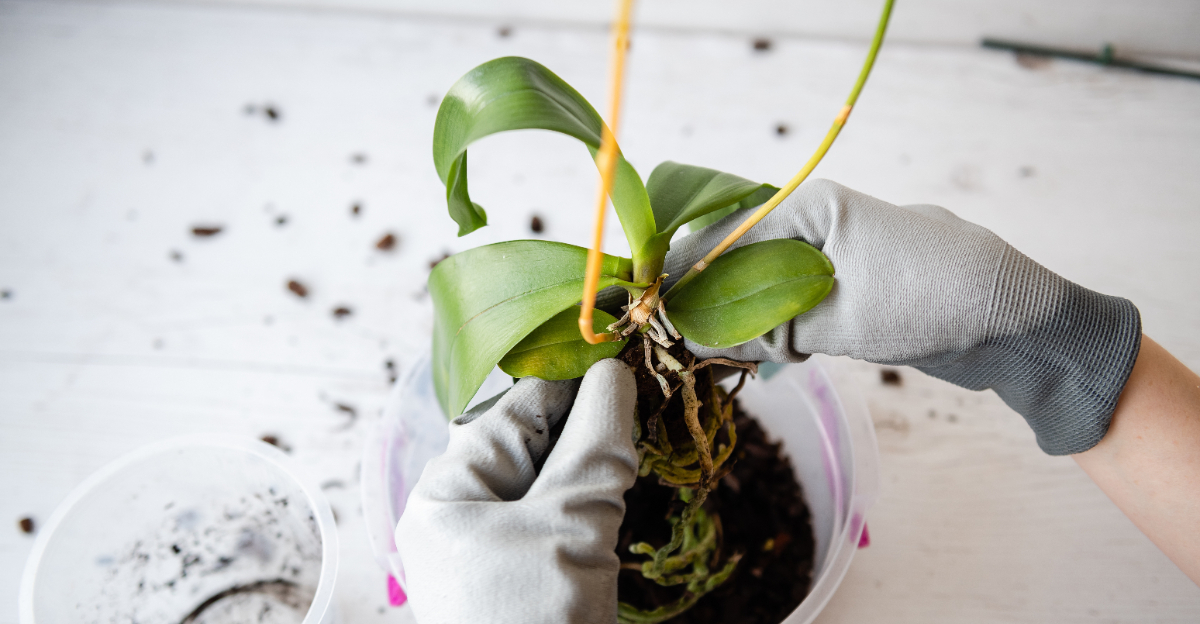
Gently remove the old mix from around the roots with your fingers. Trim any mushy or hollow roots with sterilized scissors before placing the plant in its new container.
Position the oldest growth toward one side of the pot. This gives new growth room to spread toward the center as the plant fills in over coming months.
Water lightly right after repotting and keep the plant out of direct sun for a week. This recovery period helps the roots settle in without added stress.
A well-repotted orchid bounces back fast. Proper roots now equal spectacular blooms later.
4. Provide Bright Indirect Light Indoors
Light is the engine behind every orchid bloom, and getting it right after flowering ends sets the stage for next year’s show. Too little light and the plant just idles along, producing nothing useful.
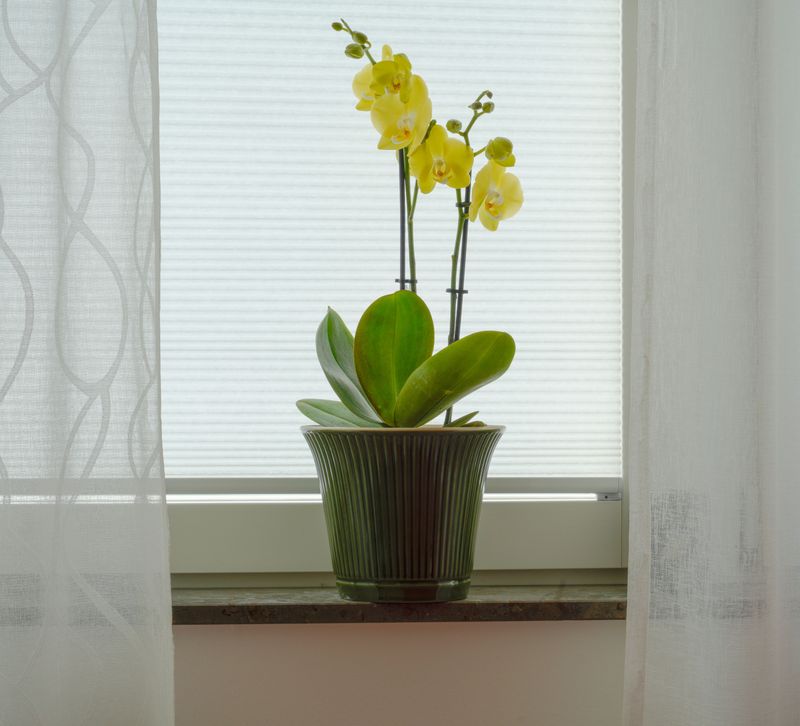
Mississippi summers bring intense direct sun that can scorch orchid leaves in minutes. A sheer curtain between the plant and the window solves that problem beautifully.
East-facing windows are ideal for most orchids kept indoors in the South. Morning light is softer and gentler than the harsh afternoon rays that blast through west-facing glass.
If your only strong window faces west or south, hang a thin white curtain or move the plant a few feet back from the glass. You want bright but filtered light hitting the leaves.
Healthy orchid leaves should be a medium green, not dark forest green. Dark leaves usually mean the plant is not getting enough light to fuel strong growth.
Yellowing leaves can mean too much direct sun. Finding that sweet spot between bright and shaded is the key to keeping the foliage healthy through the post-bloom period.
Orchids also respond well to consistent light, meaning the same window position every day rather than moving the plant around the house. Stability helps the plant orient its growth efficiently.
If natural light is limited in your home, a simple grow light on a timer for 12 to 14 hours a day works well. Many Mississippi gardeners use this method through cloudy stretches in late summer.
Consistent, quality light now builds the energy reserves your orchid needs to bloom brilliantly.
5. Resume Feeding As New Growth Appears
Feeding your orchid at the wrong time is like eating a huge meal right before bed. The nutrients just sit there, unused and potentially harmful to the plant.
After flowering ends, hold off on fertilizer for two to three weeks. The plant needs a short break before it is ready to absorb nutrients efficiently again.
Watch for the first signs of new growth, which usually appear as a small, shiny nub near the base of the plant. That is your green light to start feeding again.
Choose a balanced orchid fertilizer, something labeled 20-20-20 or specifically formulated for orchids. Avoid high-nitrogen blends during this phase, as they push leafy growth at the expense of future blooms.
The phrase “weakly, weekly” is a classic orchid feeding rule for good reason. Dilute your fertilizer to one-quarter strength and apply it once a week instead of a full dose monthly.
Water your orchid before applying fertilizer. Feeding a dry plant can burn the roots, which sets back all the progress you have made since blooming ended.
Flush the pot with plain water every fourth watering to prevent salt buildup from the fertilizer. Mineral salts accumulate in bark mix and can damage roots over time.
In Mississippi’s warm climate, orchids may push new growth faster than in cooler states. Stay alert and start feeding as soon as you spot that first new leaf or root tip.
Consistent, careful feeding now means your orchid enters its next bloom cycle strong, energized, and ready to impress.
6. Give Orchids A Cooler Rest Period
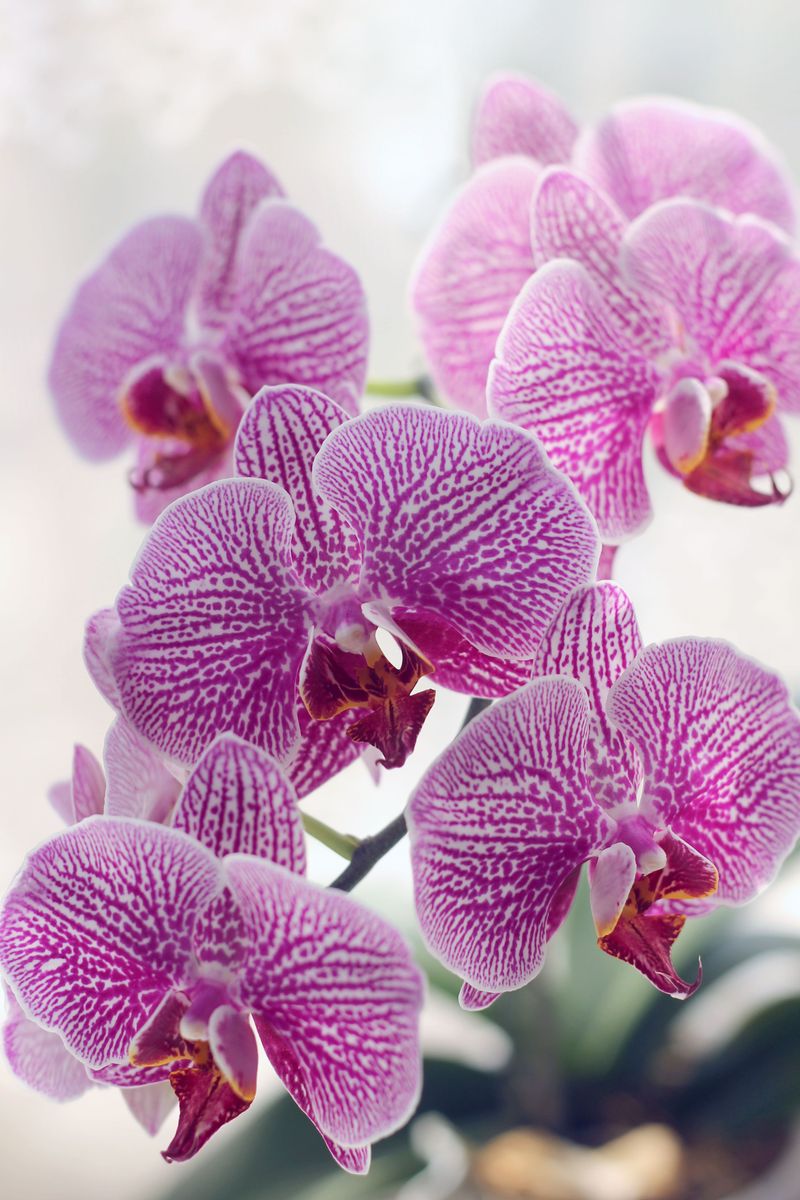
Here is a secret that most orchid beginners overlook: cooler nights trigger blooming. Without a temperature drop, many orchids simply refuse to set new flower spikes.
Phalaenopsis orchids need nighttime temperatures between 55 and 65 degrees Fahrenheit for several weeks to initiate spiking. That is their biological trigger for a new bloom cycle.
Mississippi nights in late August and September naturally begin to cool down after the brutal summer heat fades. This seasonal shift is one of the best gifts the local climate gives orchid growers.
Take advantage of cooler evenings by cracking a window near your plant or moving it to a slightly cooler room at night. Even a 10-degree drop from daytime temperatures makes a difference.
Avoid placing orchids near air conditioning vents during this period. Cold, dry air blasted directly at the leaves stresses the plant rather than providing the gentle, gradual cooling it needs.
A covered porch or screened lanai can be a perfect spot during mild September nights in Mississippi. Just bring the plant back inside before temperatures drop below 55 degrees.
The rest period also slows growth, which is normal and not a cause for concern. The plant is conserving energy, not struggling.
Keep watering on the reduced schedule you established right after flowering. Combining lower temperatures with less water closely mimics the dry-season conditions orchids experience in their native habitats.
Nail this cooler rest period, and you’ll likely see a new spike emerge within six to eight weeks. That moment is deeply satisfying.
7. Check Humidity Levels Around Plant
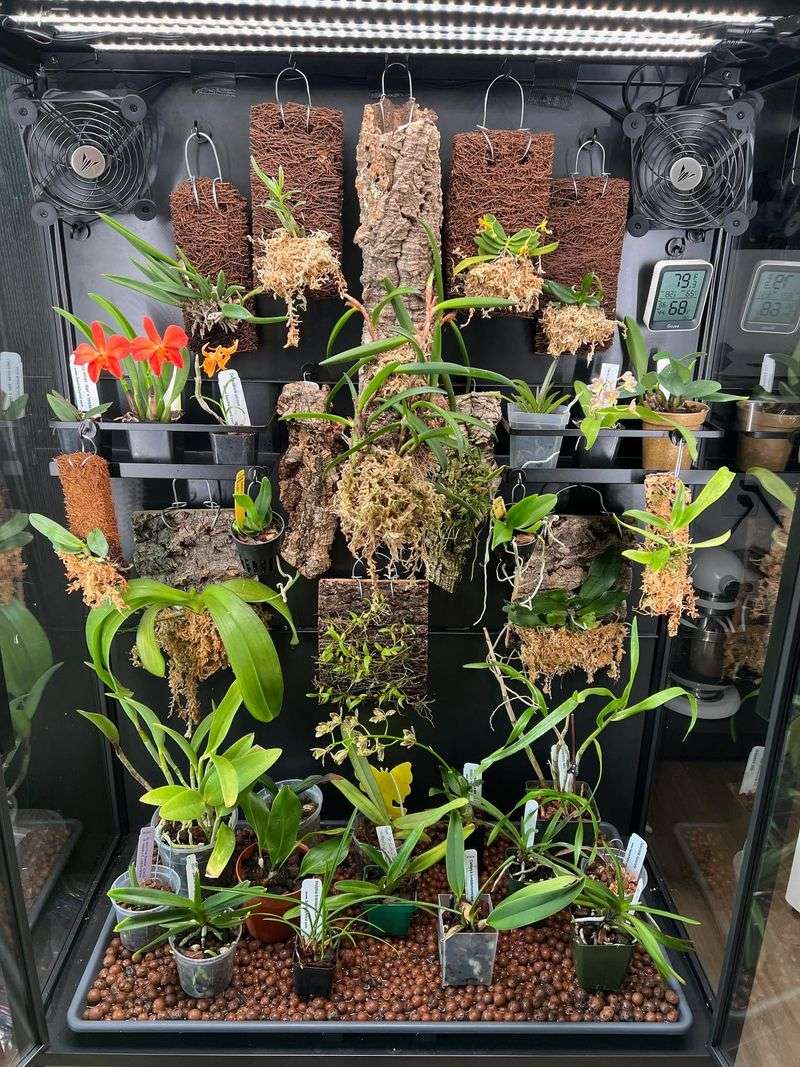
Mississippi in August is basically a sauna, and your orchid is actually fine with that. High humidity is something these tropical plants genuinely love, but there is a range that works best.
Orchids thrive in humidity levels between 50 and 70 percent. Below 40 percent, the leaf tips start to brown and the roots dry out faster than the plant can handle.
Pick up an inexpensive digital hygrometer at any hardware store or online. Knowing the actual humidity level near your plant takes all the guesswork out of care decisions.
If your home runs dry from constant air conditioning, a small humidifier placed nearby does wonders. Even running it for a few hours each morning keeps levels in the right range.
A humidity tray is another low-tech option that works surprisingly well. Fill a shallow tray with pebbles and water, then set the pot on top so the bottom sits above the waterline.
As the water evaporates, it creates a small humid microclimate right around the plant. This method costs almost nothing and requires almost no maintenance beyond refilling the tray.
Grouping orchids together also raises local humidity naturally. Plants release moisture through their leaves, and a small cluster of pots creates a shared humid zone that benefits all of them.
Avoid misting the leaves directly, especially in the evening. Water sitting on leaf surfaces overnight invites fungal problems, which spread quickly in warm Mississippi conditions.
Steady humidity keeps the foliage lush, the roots active, and the entire plant primed for its next flowering season. Do not overlook this often-ignored piece of the post-bloom routine.
8. Inspect Leaves For Pest Activity
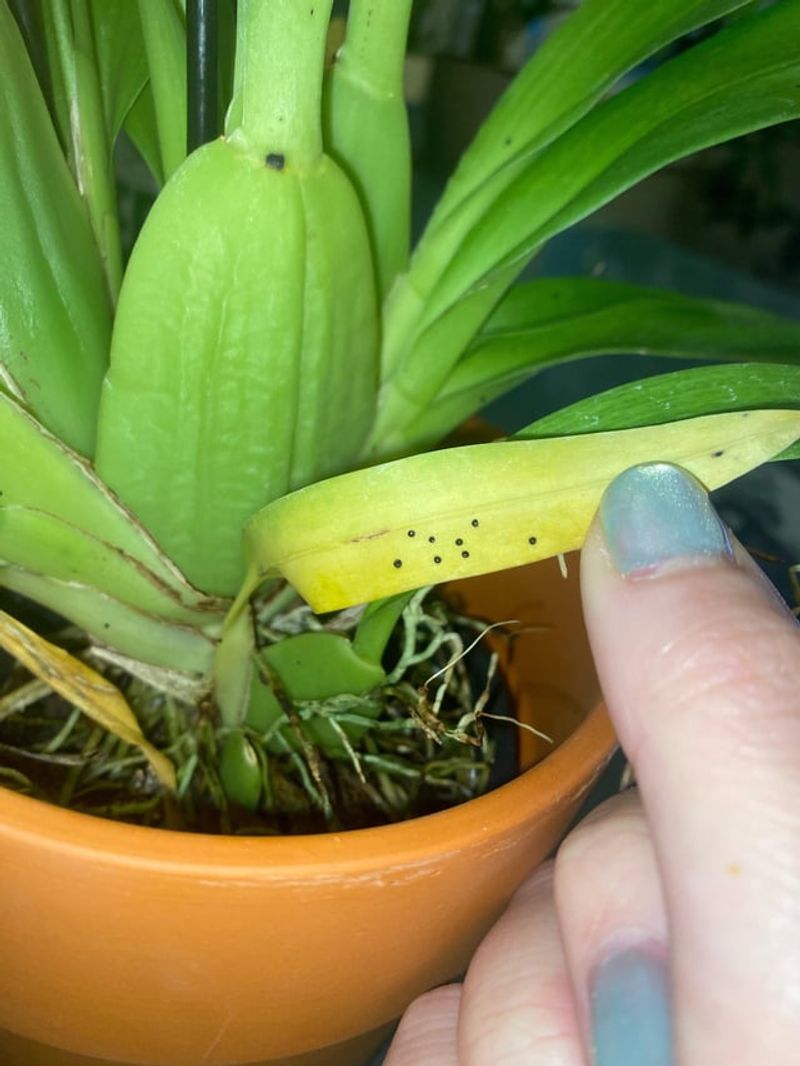
Pests are sneaky, and orchids are an easy mark. The post-bloom period is one of the best times to do a thorough inspection because you are already handling the plant.
Turn each leaf over and look at the underside carefully. Scale insects, spider mites, and mealybugs all prefer to hide in the shadiest, most sheltered spots on the plant.
Scale looks like tiny brown or tan bumps stuck to the leaf surface. Mealybugs appear as white, cottony clusters tucked into the joints where leaves meet the stem.
Spider mites leave behind fine webbing and cause a stippled, dusty look on leaf surfaces. They thrive in hot, dry conditions, which makes late Mississippi summers a prime season for outbreaks.
A small infestation wiped down with a cotton ball dipped in a household disinfectant solution is far easier to handle than a full-blown colony.
For larger infestations, a neem oil spray diluted in water applied to all leaf surfaces works effectively. Repeat the treatment every seven to ten days for three rounds to break the pest life cycle.
Keep treated plants away from other houseplants during treatment. Pests spread fast between pots, and isolation prevents a single infected plant from becoming a whole-room problem.
After treating, wipe down the pot, tray, and any surface the plant touched. Eggs and crawlers hide in unexpected places, and a clean environment prevents reinfestation.
Healthy, pest-free foliage heading into fall means your orchid is fully focused on one goal: producing its fullest bloom cycle yet. That payoff makes every inspection worth the effort.