California Groundcovers That Replace Lawn And Barely Need Water In Peak Heat
A thirsty patch of grass can feel like a bad deal by the time California’s hottest weeks arrive. You water, mow, and watch it fade anyway, all while the rest of the yard begs for attention.
That is why more homeowners are looking at groundcovers that stay low, spread nicely, and keep their cool when the heat turns brutal. The appeal is not just lower water use.
The right choice can soften pathways, cover awkward slopes, and give a yard a fuller look without the constant upkeep turf demands. Some create a soft carpet underfoot.
Others work better as a textured layer that fills space and keeps bare soil out of sight. The big win is resilience.
When chosen for the right sun exposure and traffic level, these plants can ride out peak heat with far less fuss. A lawn alternative does not have to look sparse to be practical either.
1. Silver Carpet Hugging Hot Soil Without Complaining
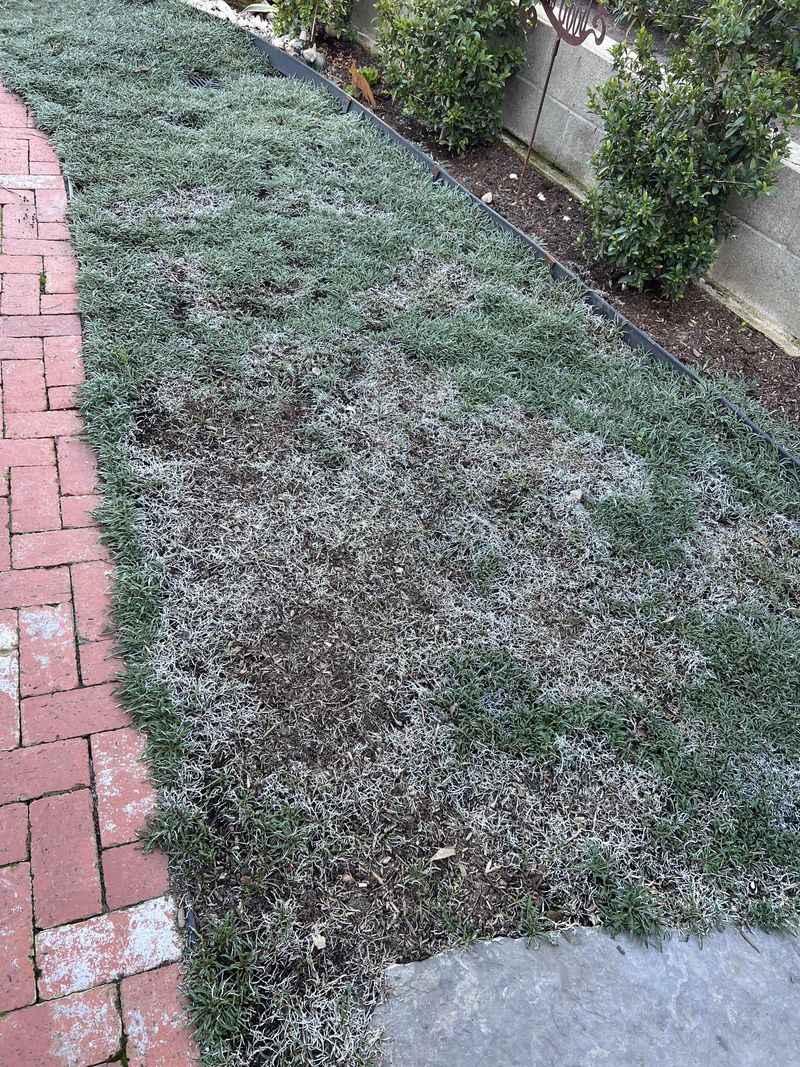
Few plants earn their name as honestly as silver carpet does. Dymondia margaretae is a flat, mat-forming groundcover from South Africa that thrives in the same dry, sunny conditions found across much of California.
It hugs the ground so tightly that it barely reaches an inch tall, making it one of the most weed-suppressing options available.
The leaves are narrow and slightly curled, showing a soft silver-white underside that gives the whole planting a shimmery look in bright light. Tiny yellow daisy-like flowers appear in summer, adding a cheerful pop of color without demanding anything extra from you.
It handles foot traffic better than most groundcovers its size.
Once established, silver carpet needs very little water. In coastal areas, it may get by on rainfall alone after the first year.
In hotter inland zones, a deep watering every two to three weeks during summer is usually enough. It does best in full sun and well-drained soil.
Planting is straightforward. Space plants about six to twelve inches apart and water regularly for the first few months while roots settle in.
After that, step back and let it do its thing. It spreads slowly but steadily, filling gaps and smoothing out rough patches of ground with minimal fuss and almost no maintenance required from you.
2. Lippia Filling Bare Spots And Shrugging Off Summer
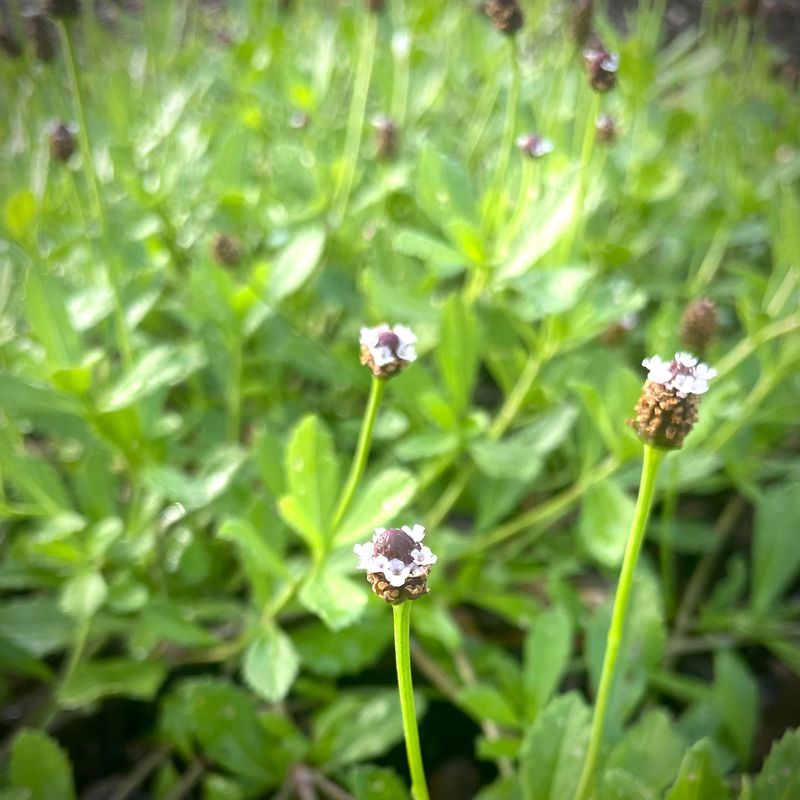
There is something almost stubborn about lippia, and that is exactly what makes it such a great lawn replacement.
Also called frog fruit or turkey tangle, Lippia nodiflora spreads quickly across bare ground, filling in gaps that other plants would skip right over.
It handles heat, drought, and poor soil without missing a beat. The leaves are small and slightly textured, forming a low, dense mat that stays under two inches tall without any mowing.
Small clusters of white to pale pink flowers bloom throughout the warm months, drawing in bees and small butterflies.
It looks soft and natural, almost like something you would find growing along a creek bed.
Water needs are very low once the plant is established. During peak summer heat in inland valleys, watering every week or two keeps it looking full and green.
Your California Garden Changes Every Week. Your Plan Should Too.
Gardening in California changes quickly throughout the season. Every Friday you’ll receive a simple weekly plan showing exactly what to plant, prune, fertilize, harvest, and protect so you never miss the right timing.
In cooler coastal areas, it can go even longer between waterings. It does go dormant in cold winters but bounces back reliably in spring.
One thing to know is that lippia can spread aggressively if not contained. Use edging along borders to keep it where you want it.
It tolerates light foot traffic well, making it a practical choice for paths or open yard areas. Plant starts six to twelve inches apart and water consistently through the first season for the best results.
3. Yarrow Making A Lawn Look Wild In The Best Way
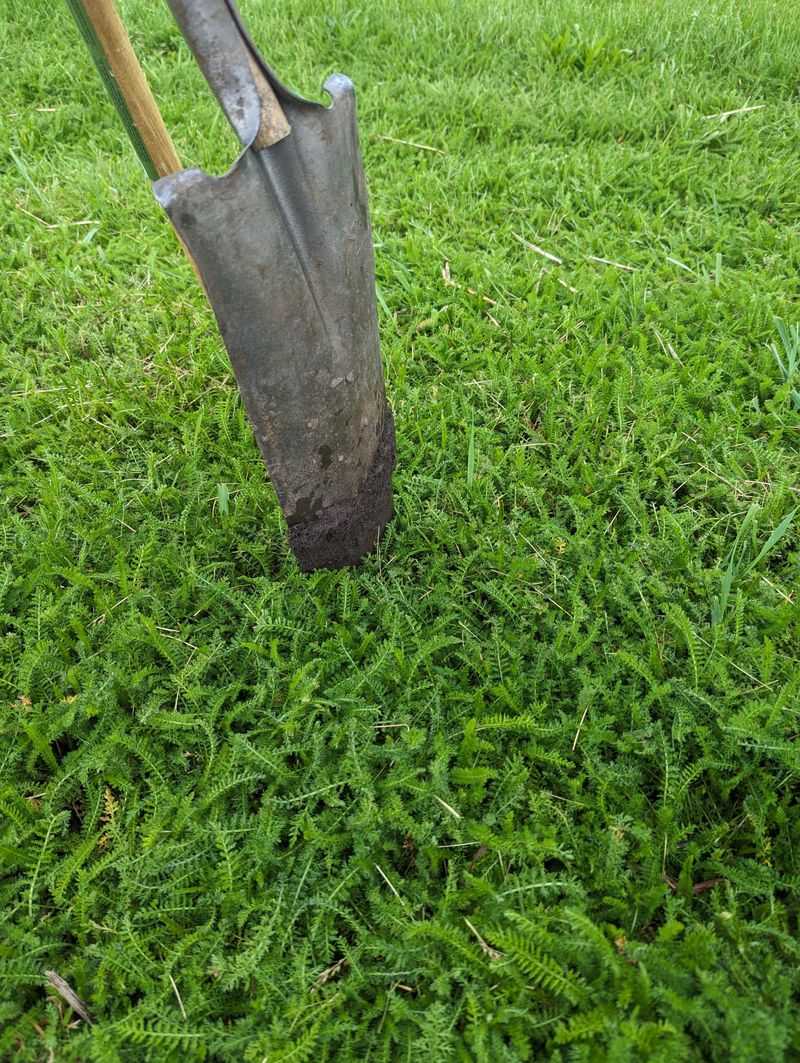
Yarrow has been growing wild across open fields and roadsides in our state for centuries, and there is a good reason it keeps showing up.
Achillea millefolium is one of the toughest flowering groundcovers you can plant, and it brings a loose, meadow-like quality to any yard that feels refreshing compared to a flat carpet of grass.
The foliage is feathery and finely divided, almost fern-like, and it smells faintly herbal when crushed. Flower clusters come in shades of white, yellow, pink, and red depending on the variety.
They bloom from late spring through summer and attract an impressive number of pollinators, including native bees and beneficial wasps.
Drought tolerance is one of yarrow’s biggest selling points. Once established, it rarely needs supplemental watering in most parts.
It actually prefers lean, dry soil and may get floppy if given too much water or fertilizer. Full sun brings out the best growth and the most flowers.
Mowing it down once or twice a year keeps it tidy and encourages fresh growth. It spreads by rhizomes and self-seeds, so it will slowly expand over time.
For a wilder look, let it naturalize. For a more controlled appearance, trim the edges seasonally.
Either way, it gives you a yard that looks alive, colorful, and completely intentional without much effort on your part.
4. Blue Grama Bringing A Meadow Feel To Dry Yards
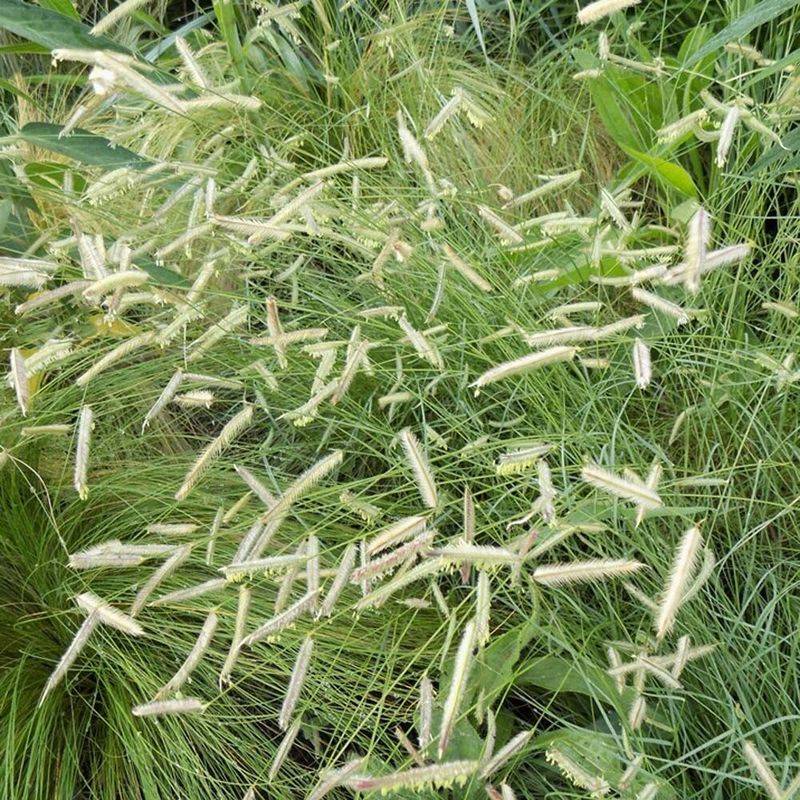
Something about blue grama grass feels genuinely alive in a way that a traditional lawn never quite does.
Bouteloua gracilis is a native prairie grass that grows in fine, curling clumps with distinctive horizontal seed heads that look like tiny eyelashes or flags waving in the breeze.
It brings a soft, natural texture to dry yards that is hard to replicate with any other plant.
Blue grama is incredibly heat and drought tolerant. It is native to the Great Plains and the dry mountain regions of the West, which means it is well adapted to the hot, dry summers found across much of California.
Once established, it can survive on rainfall alone in many regions and only needs occasional deep watering during the driest stretches of summer.
It stays relatively low, usually reaching six to twelve inches tall without mowing. You can mow it once a year in late winter to tidy things up before new growth begins.
The seed heads are the real showstopper, appearing in midsummer and lasting well into fall before fading to a warm tan color.
Blue grama works well as a full lawn replacement or mixed with other native grasses and wildflowers for a meadow-style planting. It grows best in full sun and well-drained soil.
Plant from seed or plugs and give it one good growing season to establish before reducing irrigation significantly.
5. Buffalo Grass Staying Low Through Scorching Weather
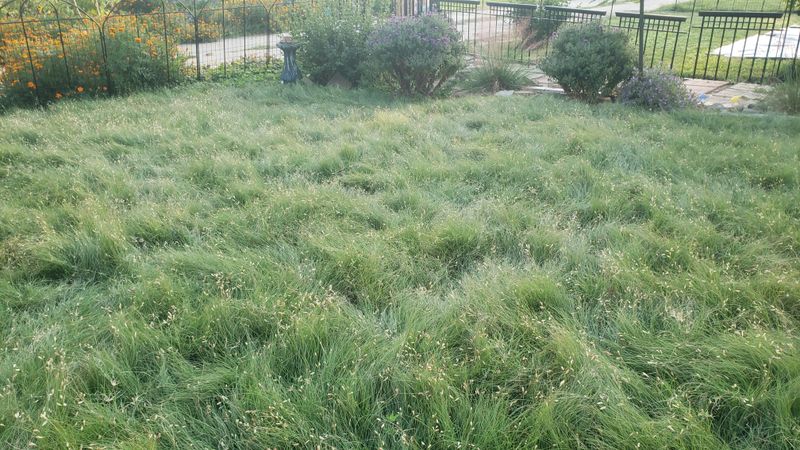
When the temperature climbs past 95 degrees and other lawns start turning crispy, buffalo grass keeps its cool.
Bouteloua dactyloides is one of the most heat and drought tolerant turf alternatives available, and it has been covering the dry plains of North America long before anyone thought to plant a traditional lawn.
That kind of track record means something. The blades are fine and soft, forming a low, dense mat that rarely grows taller than four to six inches.
It spreads by stolons, creeping outward steadily to fill open areas without needing much help from you.
The color is a soft blue-green during the growing season and fades to a warm straw tone in winter when the plant goes dormant.
Water needs are impressively low. In many parts of California, buffalo grass can get by on just one or two deep waterings per month during summer once it is established.
It does best in full sun and is not a great fit for shady spots or heavy clay soil. Good drainage is important for long-term health.
For homeowners who still want something that looks and feels like a lawn without the high water bill, this is one of the best options out there.
It tolerates light to moderate foot traffic and mows well if you want a tidier look. Plant in spring for best establishment results.
6. Stonecrop Turning Dry Corners Into Living Color
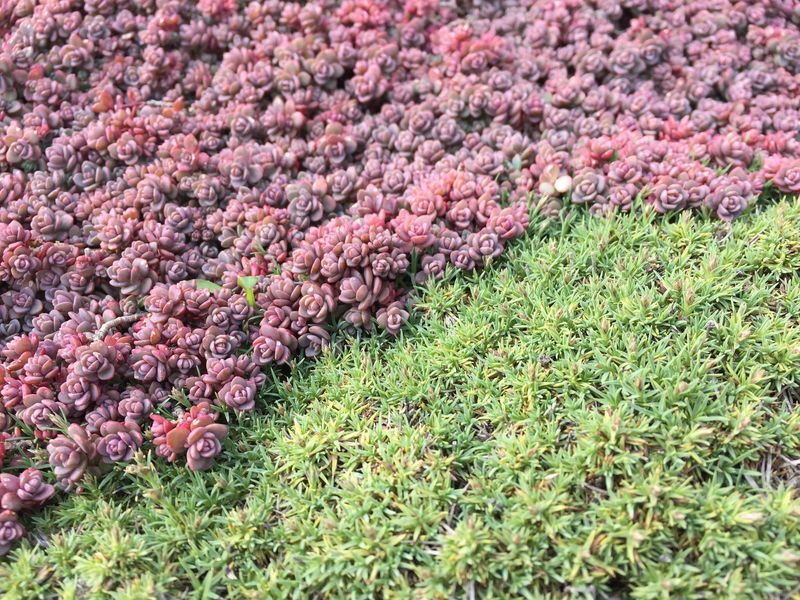
A plant that stores its own water supply inside its leaves is basically built for California summers.
Sedum, commonly called stonecrop, is a succulent groundcover that comes in dozens of varieties, many of which spread into wide, colorful mats that look stunning in dry corners, along slopes, and between rocks or pavers.
It is hard to find a more low-maintenance option. The leaves are thick and fleshy, ranging in color from bright green to deep burgundy, gold, and silvery blue depending on the variety.
Clusters of small star-shaped flowers appear in late summer and fall, often in shades of yellow, pink, or white.
The flowers attract pollinators and add a cheerful finishing touch to an already attractive plant.
Sedum thrives in full sun and fast-draining soil. It can handle reflected heat from walls and pavement, which makes it a great choice for spots that would cook most other plants.
Watering once every two to three weeks during summer is usually plenty once the roots are settled in.
One of the best things about stonecrop is how easy it is to propagate. Break off a small stem, let the cut end dry for a day, and press it into loose soil.
It will root without any special treatment. This makes it simple and affordable to fill large areas over time.
Choose low-growing varieties like Sedum spurium or Sedum album for the best groundcover effect.
7. Kurapia Spreading Fast Without Drinking Like A Lawn
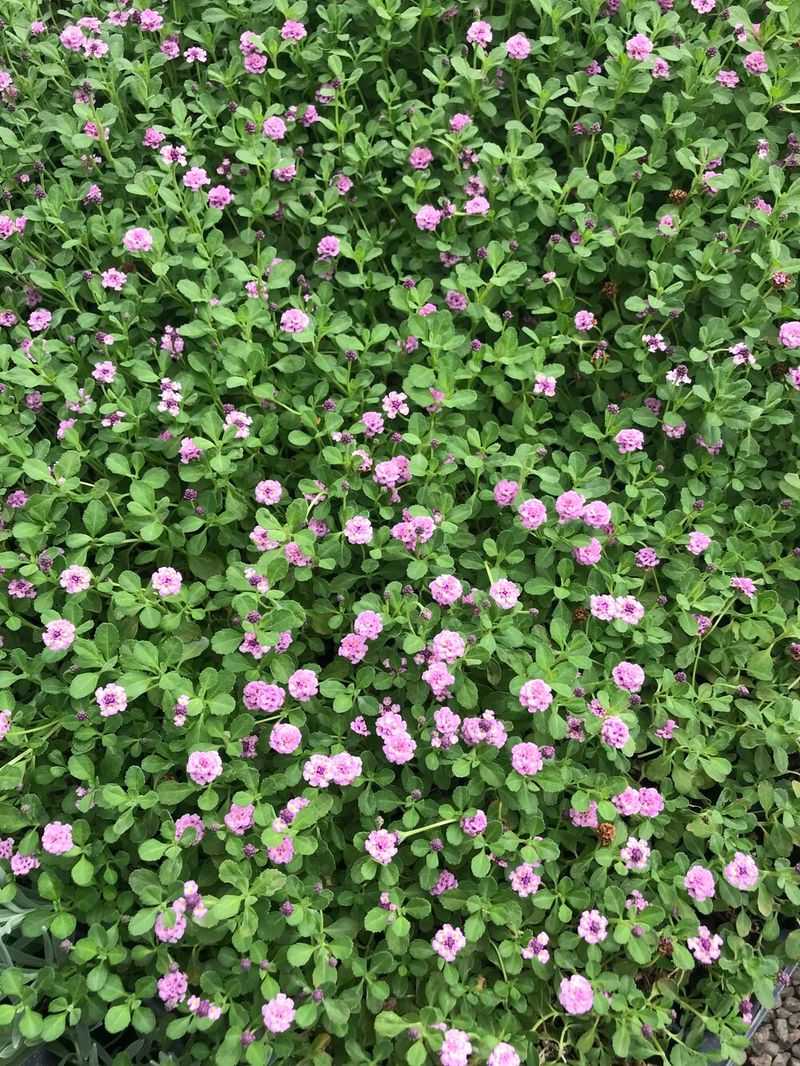
Kurapia is a relatively new name in the groundcover world, but it has been making a strong impression on homeowners across our state who want a lawn-like look without the water demands.
Developed from a sterile hybrid of Phyla nodiflora, it was specifically selected for its low water use, dense growth habit, and ability to handle foot traffic. It checks a lot of boxes at once.
The texture is finer than many groundcovers, giving it a look that is closer to a real lawn than most alternatives. It forms a dense, weed-suppressing mat that stays low without mowing, though occasional trimming keeps it looking sharp.
Tiny white flowers bloom throughout the warm season, attracting bees and other pollinators in noticeable numbers.
Water savings compared to traditional turf can be significant. Studies from university extension programs have shown that kurapia can use up to 75 percent less water than cool-season grasses.
That kind of reduction makes a real difference on a water bill during a hot summer in the Central Valley or the Inland Empire.
It grows best in full sun and handles heat well. Shade tolerance is limited, so it is not the right pick for heavily shaded yards.
Plant from plugs spaced about twelve inches apart and water regularly for the first few months. After establishment, cut back irrigation gradually and let the plant prove how tough it really is.
8. Creeping Thyme Turning Dry Ground Into A Fragrant Carpet
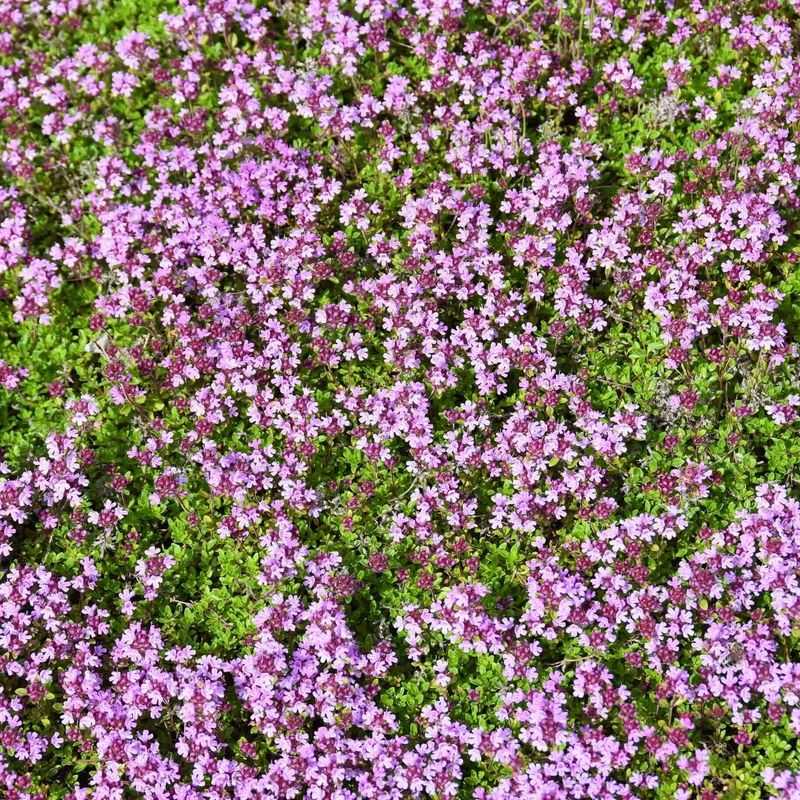
Walking across a patch of creeping thyme releases a wave of herbal fragrance that is genuinely one of the small pleasures of a well-planted yard.
Thymus serpyllum is a low-growing, spreading herb that works beautifully as a groundcover between stepping stones, along pathways, or across open patches of dry soil.
It looks delicate but handles tough conditions with ease. The leaves are tiny and oval, forming a dense carpet that stays under three inches tall.
From late spring through midsummer, the plant erupts in small flowers ranging from pale pink to deep purple.
These blooms are incredibly popular with bees, and a patch in full flower can hum with pollinator activity on warm afternoons.
Drought tolerance is solid once the plant is established. In coastal and foothill areas, creeping thyme often gets by on natural rainfall after the first year.
In hotter inland zones, a light watering every ten days to two weeks during peak summer keeps it looking its best without overwatering. It does not like wet feet, so good drainage is important.
Full sun brings out the strongest growth and the most flowers. It handles light foot traffic well, which is why it is such a popular choice for planting between pavers.
In Northern regions of the state, it may go semi-dormant in winter but comes back reliably in spring. Plant plugs about eight to twelve inches apart for solid coverage within one growing season.
9. California Fescue Keeping Things Soft Without Constant Water
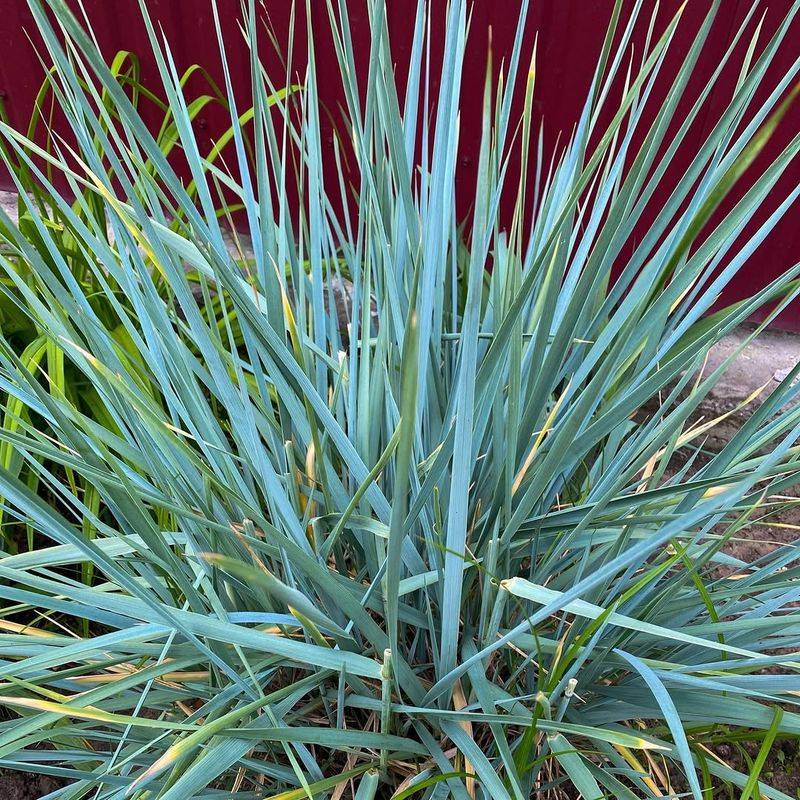
Not every yard gets full sun all day, and for the shadier corners of a dry garden, California fescue is one of the most reliable choices available.
Festuca californica is a native bunchgrass that forms loose, arching clumps of blue-green foliage with a soft, flowing quality that feels more like an ornamental grass than a typical lawn plant. It fits naturally into woodland gardens and dry shade plantings.
The blades are fine-textured and slightly glaucous, meaning they have a subtle blue-gray sheen that catches light beautifully. Seed heads appear in late spring on tall, graceful stems that sway in the breeze.
The overall effect is relaxed and naturalistic, which pairs well with native oaks, manzanita, and other plants common in foothill and woodland landscapes across the state.
Water needs are low to moderate. In its natural habitat, this fescue grows under oak trees where summer rainfall is essentially zero.
Established plants in similar garden conditions often need watering only once or twice a month during summer. In sunnier spots, slightly more frequent watering keeps the foliage from browning at the tips.
Plant clumps about eighteen to twenty-four inches apart for a naturalistic look, or closer together for a denser groundcover effect. It does not handle heavy foot traffic well, so it is better suited to visual coverage than high-use areas.
Cut it back by about half in late winter to encourage fresh growth and keep the clumps tidy through the growing season.