The Tough Georgia Native That’s Replacing Thirsty Hydrangeas In Dry Yards
Hydrangeas have been a backyard favorite for years, but they are not the answer for every yard. Long stretches without rain can quickly show which shrubs are truly built for the job.
More homeowners are beginning to rethink what they plant in the driest parts of the landscape. Tough native shrubs are becoming harder to ignore because they keep performing when water becomes limited.
There is one native option that stands out without demanding constant care or frequent watering. It brings lasting beauty while fitting naturally into the local environment.
Its growing popularity in Georgia is not happening by chance. Reliable performance has a way of speaking for itself.
Choosing a shrub is about more than looks.
The right plant can keep your landscape attractive through dry weather without asking for nearly as much in return.
1. Virginia Sweetspire Makes A Strong Hydrangea Alternative
Forget everything you think you know about replacing a hydrangea.
Virginia Sweetspire does not try to copy the look of a hydrangea, but it fills that same role in a garden bed with far less effort.
Where hydrangeas demand rich, moist soil and frequent watering, Sweetspire adapts to average or even poor soil. It spreads gradually through natural suckering, forming a full, rounded shrub over time.
Mature plants typically reach four to six feet tall and wide, depending on growing conditions. That size works well as a border plant, a foundation shrub, or a natural screen near a porch or fence.
Sweetspire is native to the eastern United States, including much of the Southeast. Because it evolved here, it understands the climate in a way that exotic ornamentals simply do not.
Hydrangeas imported from Asia need constant coddling in Southern heat. Sweetspire, by contrast, settles in and handles the conditions it was built for.
Gardeners in Georgia who have made the switch often say the biggest surprise is how little attention the plant needs after the first year. Less watering, fewer problems, more reward.
2. It Needs Less Water Once Established
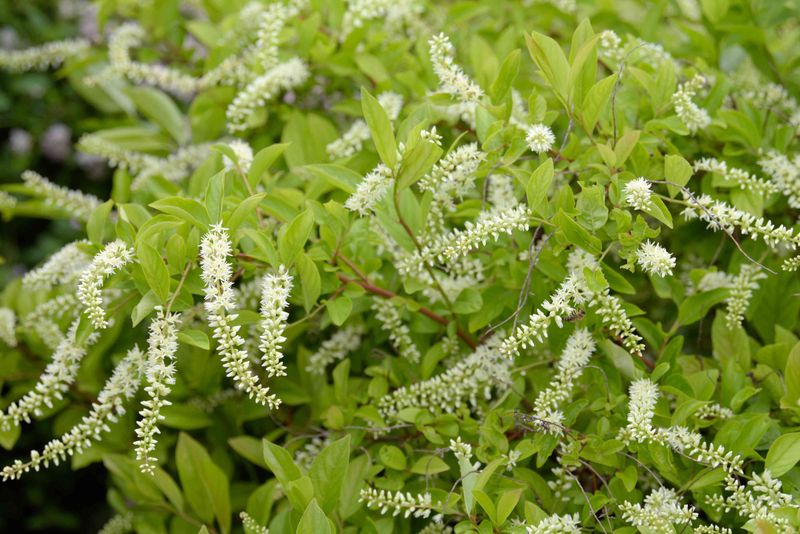
Water bills climb fast during a Southern summer, and hydrangeas do not help the situation. Virginia Sweetspire changes that equation significantly once it gets settled in.
During the first growing season, young Sweetspire plants need regular watering to help roots develop. After that first year, most established plants handle dry stretches without supplemental irrigation in most conditions.
Drought tolerance varies by soil type and sun exposure, so plants in sandy soil or full sun may still need occasional watering during extended dry spells.
That said, the water demand is noticeably lower than what a hydrangea requires.
Roots spread deep and wide over time, helping the plant access moisture stored in the soil. This natural root behavior is part of what makes native plants so practical in dry yards.
Mulching around the base of the plant helps retain soil moisture and keeps roots cooler during peak heat.
A two to three inch layer of wood chip mulch applied in spring makes a real difference through summer.
Your Georgia Garden Changes Every Week. Your Plan Should Too.
Gardening in Georgia changes quickly throughout the season. Every Friday you’ll receive a simple weekly plan showing exactly what to plant, prune, fertilize, harvest, and protect so you never miss the right timing.
Sweetspire planted near a downspout or low-lying area may need even less attention, since it naturally tolerates occasional wet feet too.
3. Fragrant White Flowers Bloom In Spring
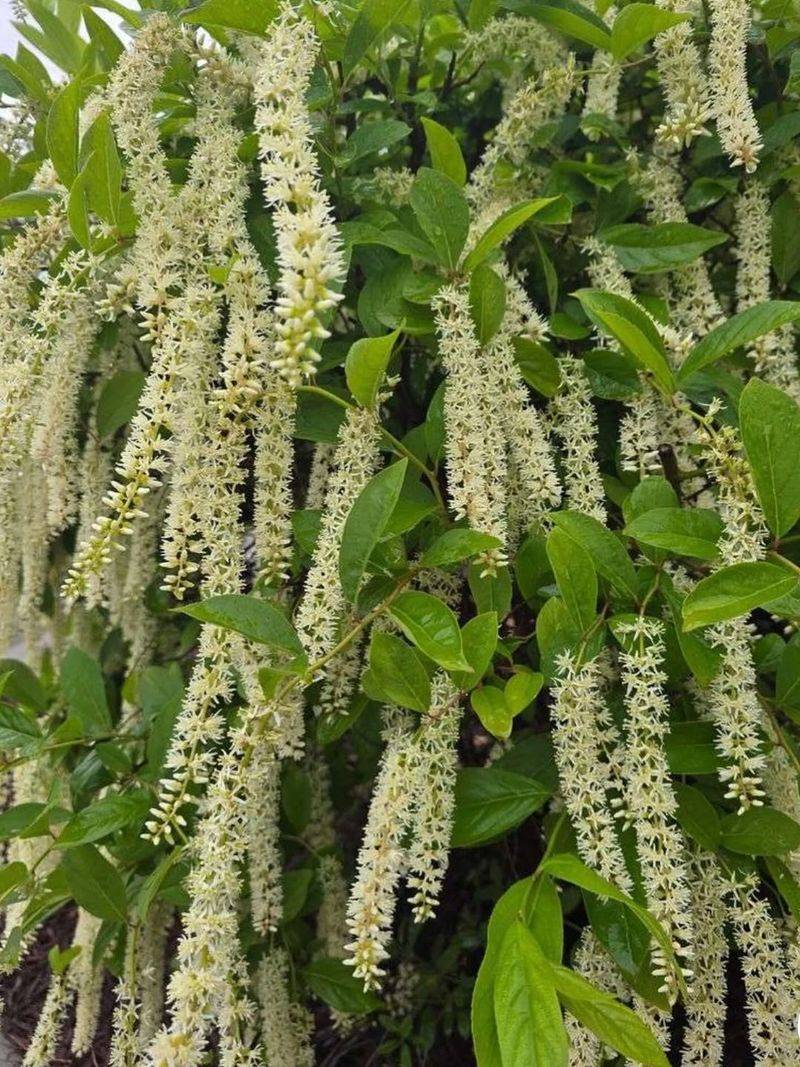
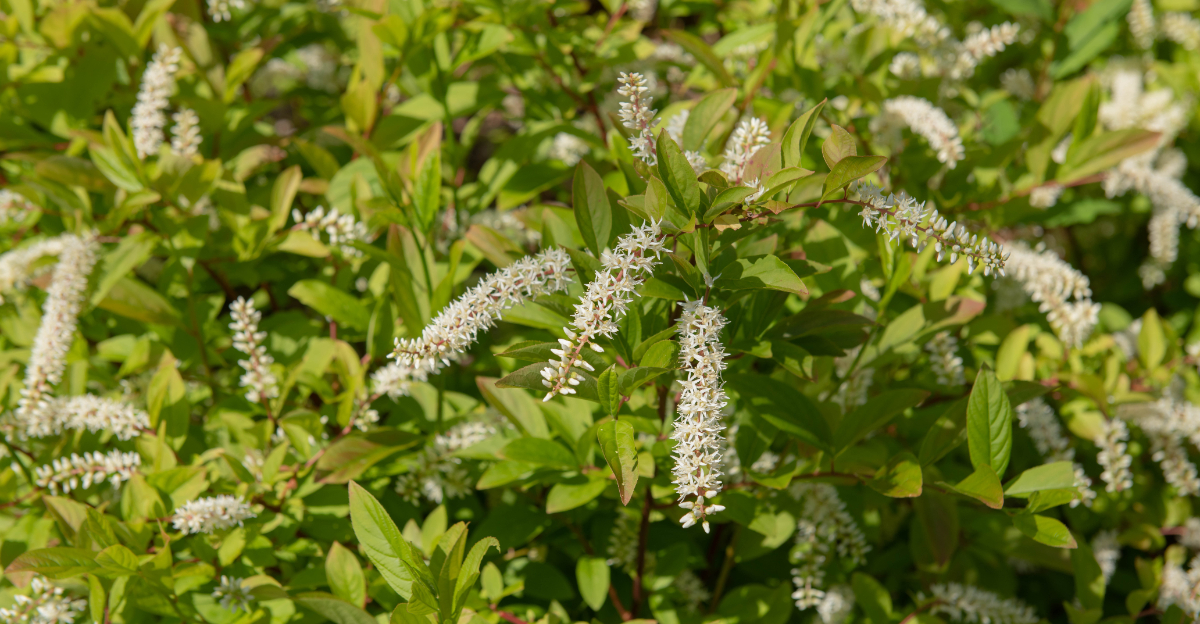
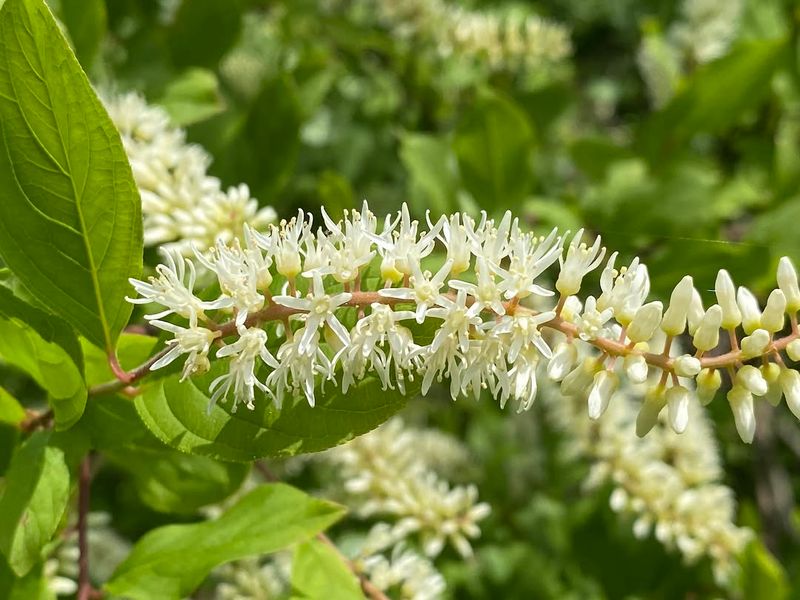
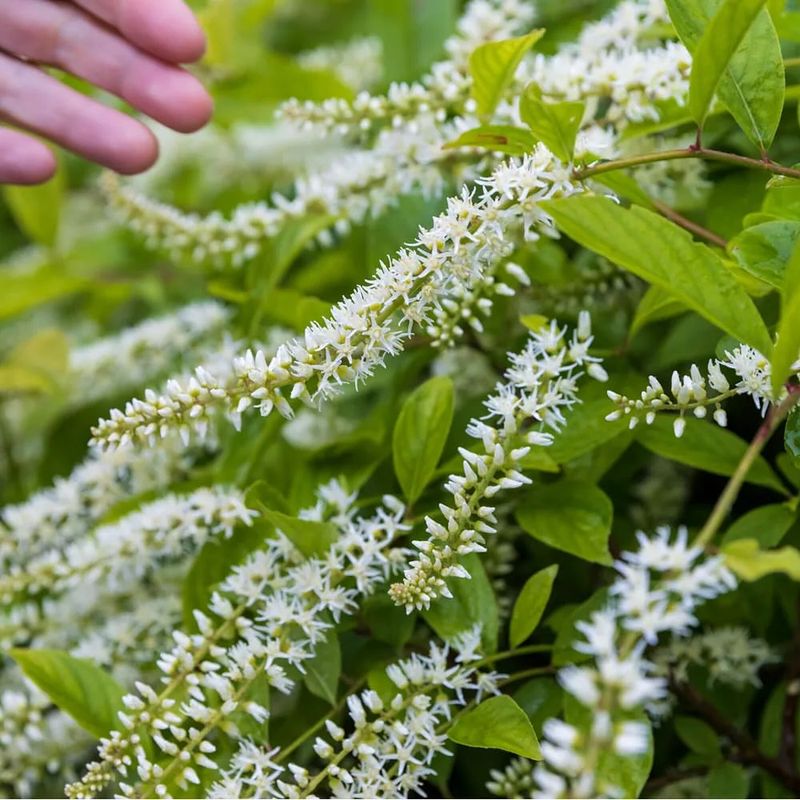
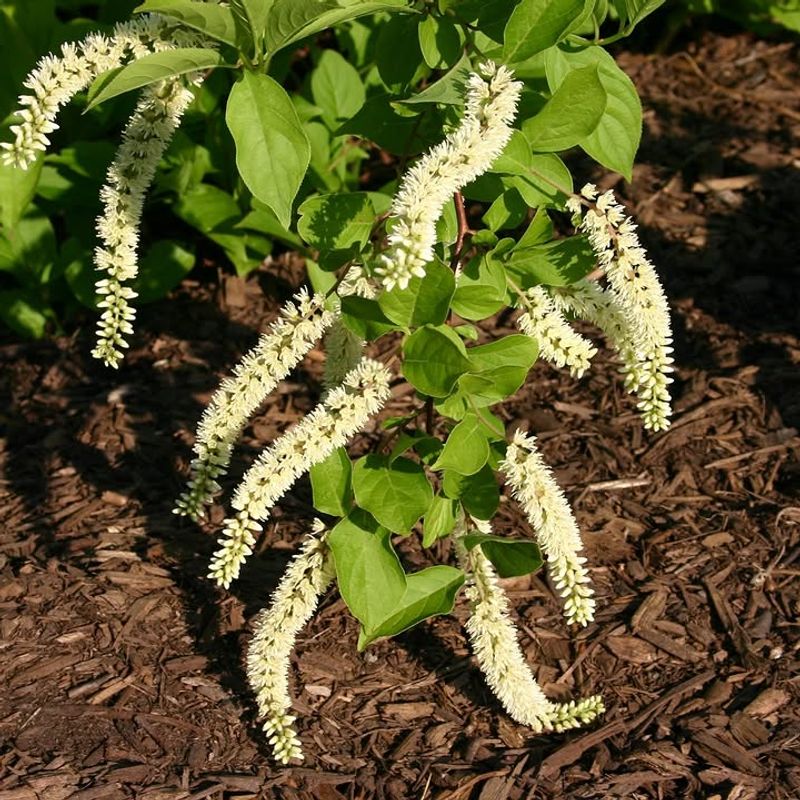
White flower spikes arch gracefully from every branch tip in late spring, and the fragrance is light enough to enjoy without being overwhelming. Standing near a blooming Sweetspire feels like catching a breeze through a spring forest.
Blooms typically appear from May into June across much of the Southeast. The flower clusters, called racemes, can reach three to five inches long on healthy plants.
Pollinators notice them quickly. Bees and butterflies visit the blooms regularly, making Sweetspire a useful plant for anyone trying to support local pollinator populations.
Unlike hydrangea blooms that brown and hang on the plant through winter, Sweetspire flowers fade cleanly and the plant moves into its next seasonal phase without looking ragged.
Bloom timing can shift slightly depending on location, elevation, and the specific growing season. Plants in shadier spots may bloom a week or two later than those in brighter conditions.
Cutting a few flower stems for a small indoor arrangement is worth trying.
The fragrance carries well in a closed room, and the arching shape adds natural movement to a simple vase.
4. Colorful Fall Leaves Extend Seasonal Interest
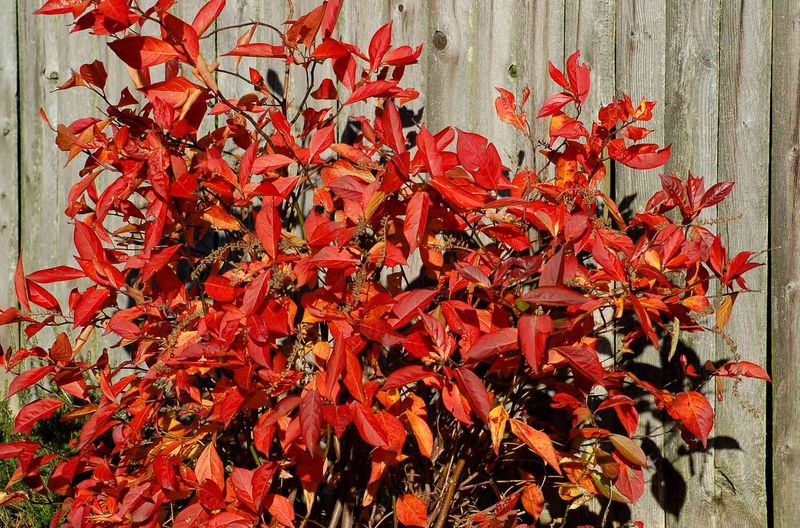
Most flowering shrubs go quiet after summer. Virginia Sweetspire keeps earning its place in the garden straight through fall with one of the most colorful leaf displays of any native shrub.
Leaves shift from green to shades of red, orange, burgundy, and purple as temperatures drop.
The color often builds gradually through September and October, reaching peak intensity before leaves finally drop.
Fall color intensity can vary depending on sun exposure and overnight temperatures.
Plants grown in partial shade tend to hold their leaves longer and may show deeper red tones than those in full sun.
Across Georgia and the broader Southeast, fall color on Sweetspire often outlasts the foliage on nearby trees. That extended display stretches the visual interest of a garden bed well past the typical growing season.
Pairing Sweetspire with ornamental grasses or late-blooming perennials creates a layered fall display that feels intentional rather than accidental.
The contrast between the red-orange Sweetspire and the golden tones of native grasses works particularly well.
Gardeners who initially plant Sweetspire for its spring flowers are often surprised to find the fall foliage equally rewarding.
5. Partial Shade Supports The Best Growth
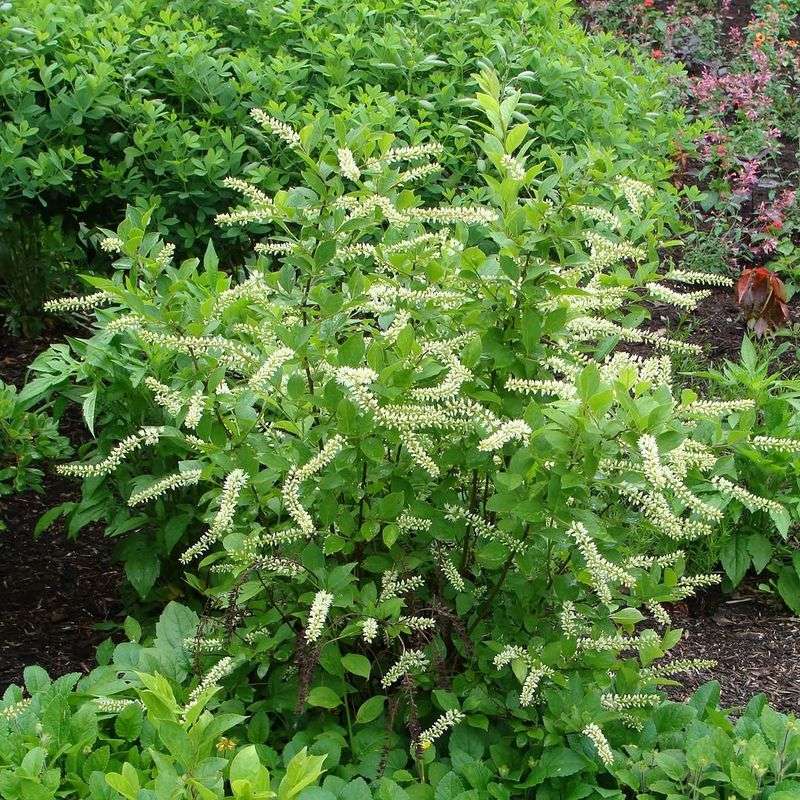
Shady spots in a yard are often the hardest to fill. Most flowering shrubs want full sun, and the options for partial shade can feel limited.
Sweetspire actually prefers it.
Partial shade, roughly four to six hours of sunlight per day, tends to produce the healthiest and most vigorous Sweetspire plants. Morning sun with afternoon shade is a particularly good combination in hot Southern climates.
Plants grown in heavy shade may produce fewer flowers and less vivid fall color.
Full sun is manageable in many cases, but it usually means the plant needs more water to stay healthy through summer heat.
Woodland edges, spots under large trees, and the shaded side of a house or fence are all solid planting locations. Sweetspire fits naturally into those transitional spaces where light shifts throughout the day.
Companion plants that share similar light preferences include ferns, native azaleas, and oakleaf hydrangea. Grouping Sweetspire with these plants creates a layered, naturalistic look that works well in both formal and informal garden styles.
Soil in shaded areas under trees can be dry and root-competitive, so amending with compost at planting time helps young Sweetspire establish more reliably.
6. Occasional Pruning Keeps Its Natural Shape
Sweetspire does not demand a strict pruning schedule. Left alone, it naturally forms a loose, rounded shape that looks at home in both casual and structured garden settings.
Light pruning right after flowering in early summer helps manage size without sacrificing next year’s bloom. Removing spent flower stems and any crossing branches keeps the plant tidy without disrupting its natural growth habit.
Hard pruning is possible if a plant gets overgrown, but cutting back severely reduces flowering for at least one season.
Gradual shaping over two to three years is a gentler approach that keeps blooms coming while slowly reducing overall size.
Sweetspire spreads through underground suckers, sending up new shoots around the base of the main plant. These can be left to fill in a larger area or removed with a sharp spade if a more contained shape is preferred.
Removing suckers regularly takes about five minutes each spring and prevents the plant from spreading beyond its intended space. It is a simple task that most gardeners handle during a routine walkthrough of the yard.
Compared to the deadheading, staking, and careful timing that hydrangeas often require, Sweetspire’s pruning needs are refreshingly straightforward.
A little cleanup once a year is typically enough to keep it looking sharp without turning it into a weekend project every season.
7. Native Roots Make Long-Term Care Easier
A plant that grew up here knows how to survive here. That simple fact explains why Virginia Sweetspire outperforms so many imported ornamentals in Southern yards over the long run.
Native plants have developed alongside local insects, soils, and weather patterns over thousands of years. That history means fewer pest problems, better tolerance of local soil chemistry, and stronger resilience during unusual weather events.
Sweetspire rarely needs fertilizer in average garden soil.
Adding too much nitrogen can actually push excessive leafy growth at the expense of flowers, so a light application of balanced slow-release fertilizer in early spring is enough if anything at all is needed.
Pest and disease pressure on Sweetspire is generally low compared to hydrangeas, which can struggle with powdery mildew, leaf scorch, and aphid infestations in humid conditions.
Sweetspire is not immune to problems, but serious issues are uncommon in well-chosen planting sites.
Across the Southeast, gardeners who commit to native plantings often report spending less time on reactive care, like treating problems, and more time simply enjoying the garden. Sweetspire fits that shift in approach well.
Choosing plants that belong in a region is one of the most practical decisions a gardener can make.