The Porch Plant That Handles California Afternoons Without Wilting
Two o’clock on a west-facing porch feels like standing inside a hair dryer. Every pot on the steps has already surrendered, leaves curled and drooping in protest.
Except one. Tucked in the corner, it keeps pumping out clusters of orange, pink, and yellow blooms like the heat completely skipped its memo.
California gardeners keep circling back to this one for the exact spots where everything else gives up: baking brick walls, reflected afternoon glare, pots that turn into ovens by noon.
Here’s the plant behind that stubborn performance, why it shrugs off punishing sun so easily, and how to keep it blooming all season on nothing but heat and neglect.
This Flowering Shrub Blooms Nonstop Through Summer Heat
Lantana does not care that it is ninety degrees outside. While other flowering shrubs sulk and drop their blooms, lantana just keeps pushing out fresh flower clusters all summer long.
The secret is its tropical DNA. Lantana originally comes from warm regions of Central and South America, where intense heat and blazing sun are just a normal Tuesday.
That background means the plant is hardwired to perform under pressure. Most flowering shrubs slow down when temperatures climb above eighty-five degrees, but lantana actually seems to enjoy the challenge.
California gardeners who have tried hibiscus, petunias, or impatiens on a hot west-facing porch know the frustration. Those plants can look gorgeous in May and completely exhausted by July.
Lantana skips that cycle entirely. It flowers from late spring through the first frost, giving you months of consistent color without much intervention from you.
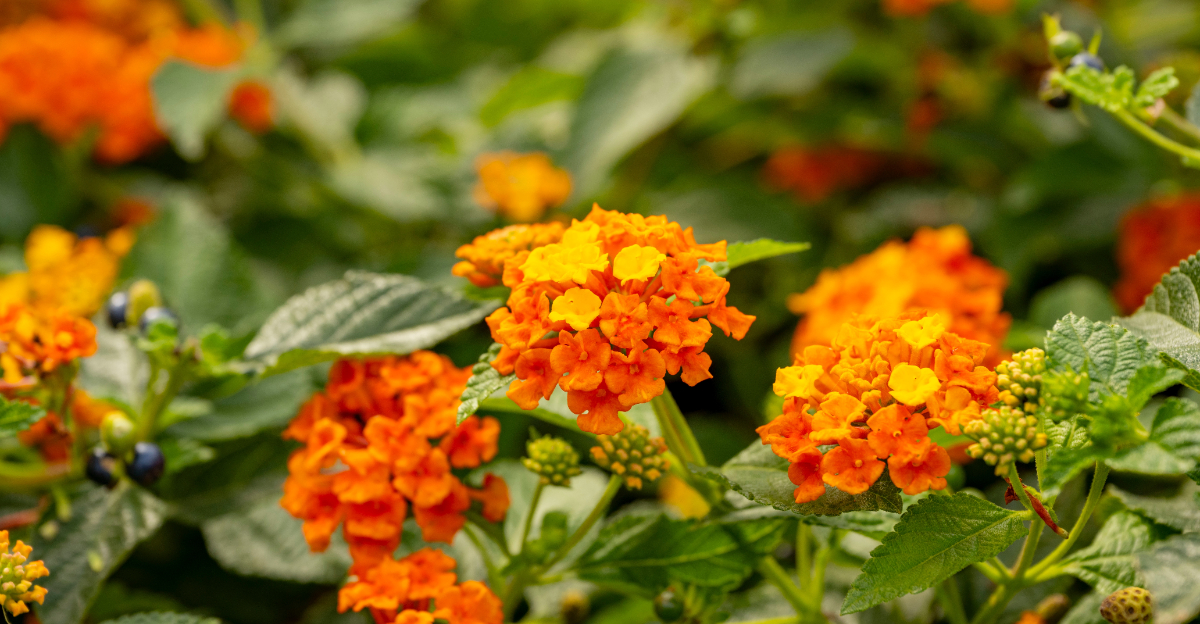
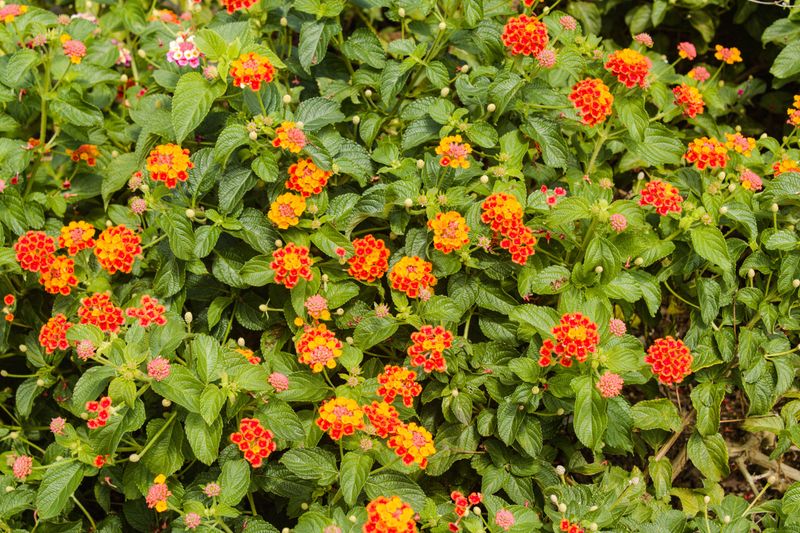
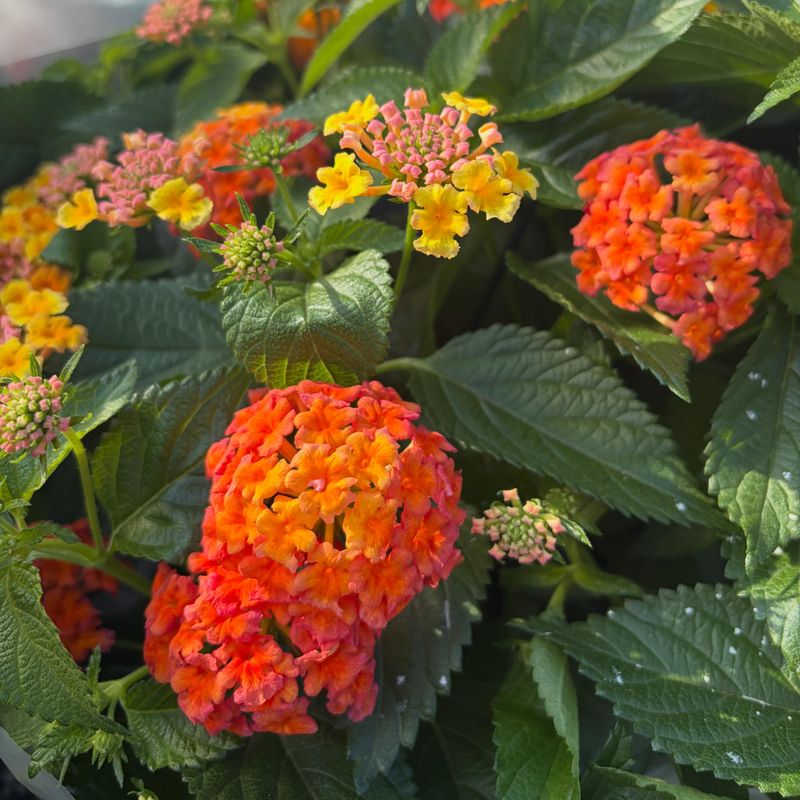
The blooms themselves are small but packed tightly into rounded clusters called umbels. Each cluster opens gradually from the outside in, so there is always something fresh appearing at the center.
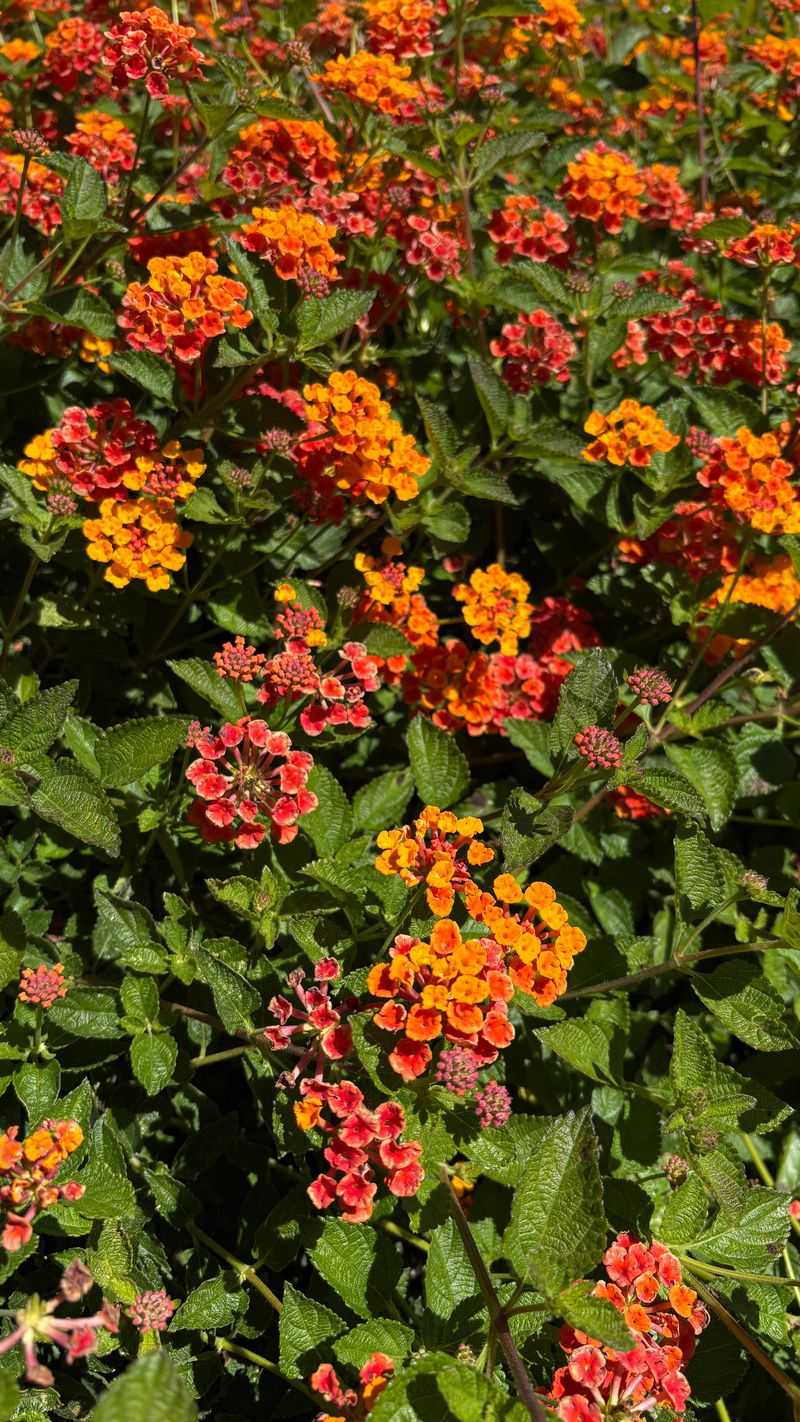
Colors range from bold oranges and deep reds to soft yellows and lavender pinks. Many varieties display two or three shades within a single cluster, creating a natural ombre effect that looks almost painted.
Butterflies, hummingbirds, and bees flock to lantana flowers all afternoon. Having one in bloom on your porch turns your outdoor space into a little wildlife show every single afternoon.
Full Sun Exposure Barely Slows This Resilient Plant Down
Some plants need shade to survive a hot afternoon. Lantana needs the opposite, thriving right where the sun hits hardest.
Full sun means at least six hours of direct sunlight per day. Lantana can handle eight, ten, even twelve hours without missing a beat.
The plant has a waxy coating on its leaves that helps it retain moisture under intense light. Its foliage has a slightly rough texture and a strong, herby scent when brushed.
Most California gardeners discover that lantana actually blooms more aggressively when placed in the sunniest spot available. Shaded lantana tends to get leggy and produce fewer flowers over time.
Think about the hottest corner of your porch, the spot where no other plant has survived. That is exactly where lantana belongs, and it will reward you for putting it there.
Your California Garden Changes Every Week. Your Plan Should Too.
Gardening in California changes quickly throughout the season. Every Friday you’ll receive a simple weekly plan showing exactly what to plant, prune, fertilize, harvest, and protect so you never miss the right timing.
The plant’s stems are woody and sturdy, which helps it stand upright even during dry spells when softer plants would collapse. That structure also makes it wind-tolerant, which matters on exposed porches.
Heat that stresses other species seems to push lantana into producing even more blooms. The plant senses stress and responds by flowering harder to set seed.
Planting lantana in full sun is one of the best ways to unlock its full potential all season long.
Lantana Adapts Easily To Containers And Hanging Baskets
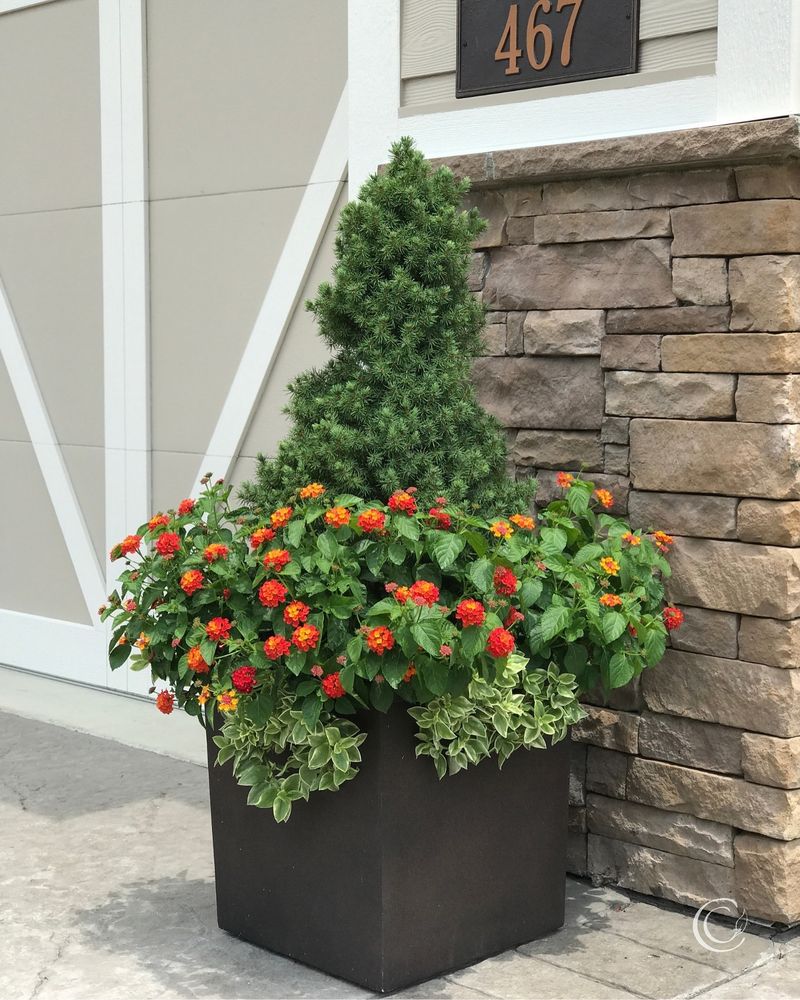
Not every gardener has a yard or a raised bed to work with. For porch growers, containers are the whole game, and lantana plays that game exceptionally well.
Trailing lantana varieties spill beautifully over the edges of pots and hanging baskets. The long, arching stems create a waterfall effect that looks intentional and lush without any special training or support.
Upright varieties work better in large containers or whiskey barrels where they can spread outward and build into a full, rounded shape. Both types adapt quickly to whatever space they are given.
When planting lantana in a container, choose a pot with good drainage holes at the bottom. Standing water around the roots is one of the few things that will genuinely stress this otherwise tough plant.
A twelve-inch pot is the minimum comfortable size for a single plant. Larger containers, sixteen inches or wider, allow the root system to expand and support more vigorous flowering throughout the season.
Hanging baskets work especially well because they allow air to circulate around the entire plant. That airflow reduces the chance of fungal issues, which can occasionally appear in humid coastal microclimates.
Mixing lantana with other sun-loving plants like calibrachoa or sweet potato vine creates a full, layered look in large containers. Lantana typically plays nicely with its neighbors as long as sun is plentiful.
Container-grown lantana can even be brought indoors before frost, giving you a head start on next season without buying a new plant.
Well Drained Soil Keeps Roots Healthy Long Term
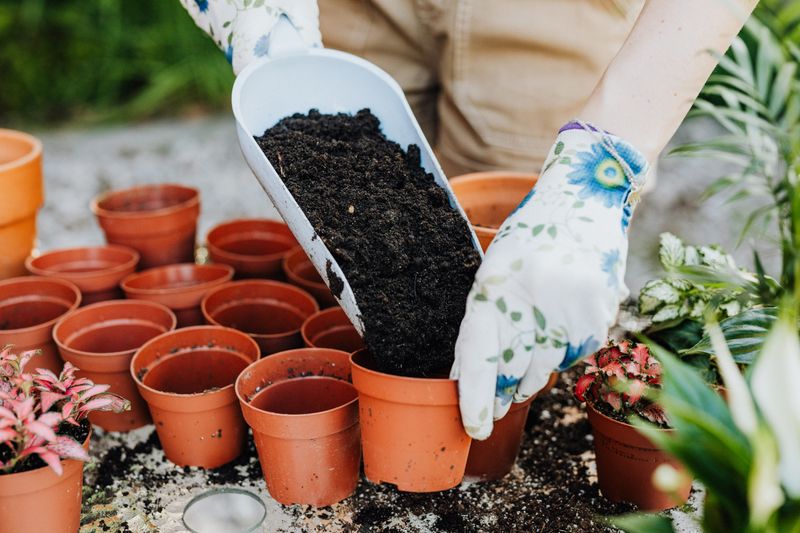
Healthy roots are the foundation of every thriving porch plant. Lantana’s roots are tough, but they do have one firm preference: they do not want to sit in soggy soil.
Well-draining soil allows water to pass through quickly without pooling around the root zone. That drainage prevents root rot, which is the most common reason lantana struggles in containers.
Standard potting mix works fine, but adding perlite or coarse sand improves drainage significantly. A ratio of about three parts potting mix to one part perlite is a reliable starting point for containers.
Avoid using dense garden soil in pots. That type of soil compacts over time and traps moisture, creating exactly the waterlogged environment lantana roots dislike most.
Slightly sandy or gritty soil actually mimics lantana’s native habitat in tropical scrublands. Giving it a similar growing medium helps the plant feel at home and perform the way nature intended.
Soil pH matters too, though lantana is forgiving in this area. A slightly acidic to neutral range, around 6.0 to 7.0, supports healthy nutrient uptake and steady growth.
Refreshing the soil in containers every one to two seasons prevents compaction and nutrient depletion. Old potting mix breaks down over time and loses the airy texture that lantana roots depend on.
Getting the soil right from the start is one of the smartest investments you can make. Strong roots mean stronger blooms, and stronger blooms mean a showstopping porch all season long.
Occasional Deep Watering Beats Frequent Light Sprinkling
Watering lantana is simpler than most people expect. The plant prefers deep, infrequent watering over the daily light sprinkle routine that many California gardeners default to.
Deep watering means soaking the soil thoroughly until water drains freely from the bottom of the pot. That single long drink encourages roots to grow downward, making the plant more self-sufficient over time.
Light sprinkling, by contrast, only wets the top inch or two of soil. Roots follow moisture, so shallow watering produces shallow roots that dry out quickly between sessions.
During peak California summer heat, lantana in containers may need deep watering every three to four days. Cooler weather or larger containers extend that interval naturally.
A simple finger test works perfectly here. Push your finger about two inches into the soil, and if it feels dry at that depth, it is time to water thoroughly.
Overwatering is actually a more common problem than underwatering with lantana. Yellowing leaves and soft, mushy stems near the base are early signs that the roots are getting too much moisture.
Mulching the top of containers with a thin layer of gravel or bark chips slows evaporation between watering sessions. That small trick can cut your watering frequency by a noticeable amount during hot stretches.
Mastering the deep-watering rhythm takes one season to figure out, but once you do, caring for lantana becomes almost automatic and refreshingly low-effort.
A Low Maintenance Choice For Sunny California Porches
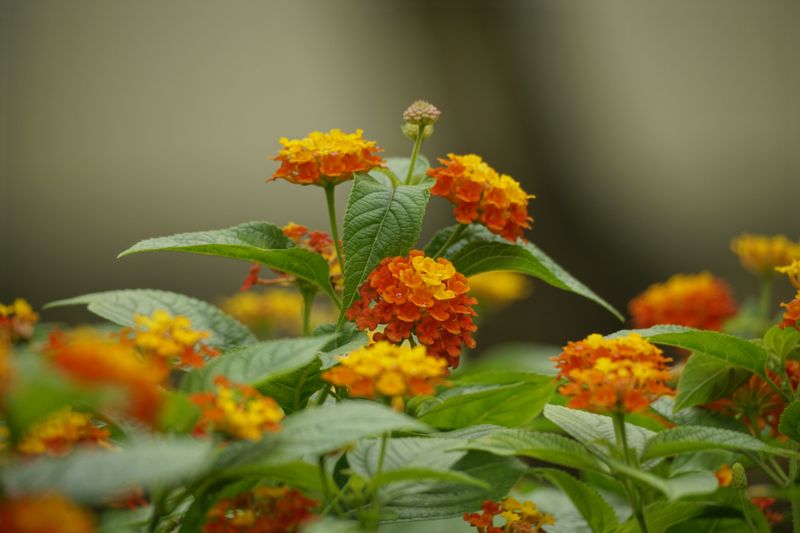
Busy people need plants that can handle themselves. Lantana is practically built for that lifestyle, delivering steady color on the hottest porches with barely any upkeep.
Beyond watering, lantana needs very little from you. An occasional light feeding with a balanced slow-release fertilizer in spring sets the plant up for months of strong performance.
Removing spent blooms is optional with lantana. The plant will continue flowering without it, though a quick trim every few weeks encourages even more vigorous new growth.
Pruning back leggy stems by about one-third in midsummer refreshes the plant’s shape and triggers a fresh flush of blooms within two to three weeks. That simple snip keeps things looking tidy all season.
Pest pressure on lantana is surprisingly low. The plant’s aromatic oils naturally repel many common garden insects, reducing the need for sprays or treatments that other porch plants often require.
Whiteflies can occasionally appear on the undersides of leaves, but a strong spray of water from a garden hose handles them effectively without any chemical help.
Lantana is also deer-resistant, which matters for porches near wooded areas or neighborhoods where deer browse regularly at night. That herby scent that people find pleasant is one deer tend to avoid.
For anyone who wants a gorgeous, sun-loving, no-fuss porch plant, lantana delivers season after season with minimal effort and maximum visual reward.