How To Summer Prune California Blueberries For A Massive Harvest Next Year
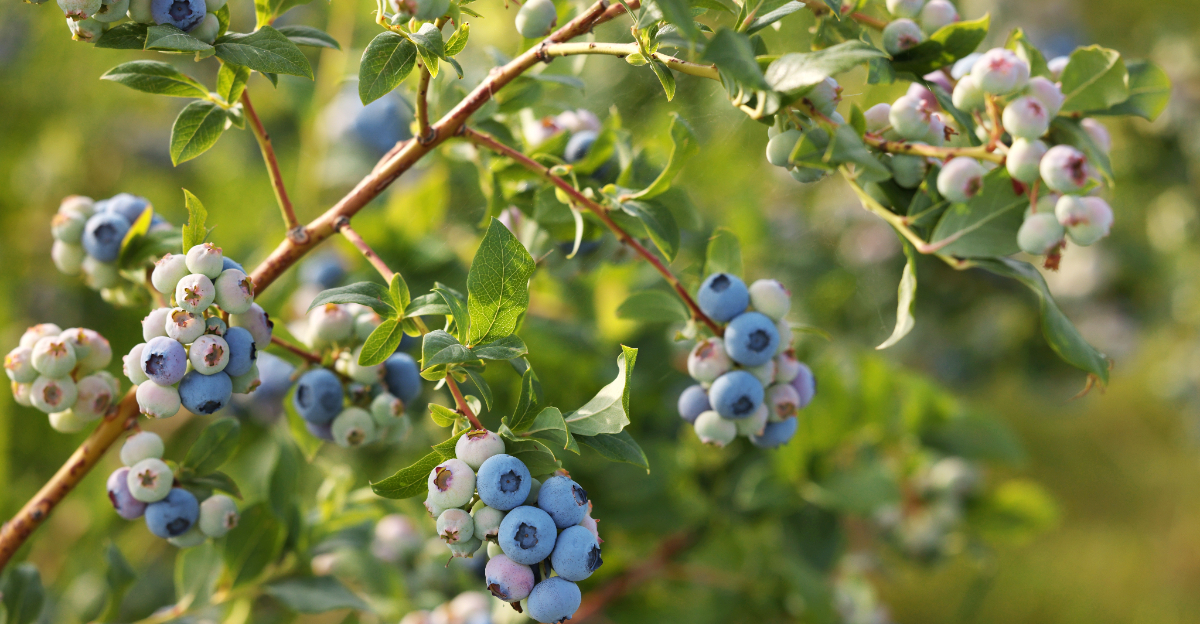
Your blueberry bush can look fine in August and still decide how generous next year will be.
That is the sneaky part.
Once the last berries leave the branches, most gardeners mentally clock out. The harvest is over. The shears go back in the shed. The plant gets water, mulch, and a polite nod until winter.
California blueberries do not always follow that script.
A short window can open after harvest, especially in mild climates. What happens during that stretch can affect how the plant carries light, where fresh shoots develop, and how much useful wood reaches the next season.
The trick sounds simple. Know when to touch the plant and when to leave it alone.
Too much enthusiasm can erase the advantage. Too little attention can let a valuable summer opportunity slip away.
So what deserves a cut, and what should keep its place?
Keep your shears close. A smart move may be much smaller than you expect, and the calendar may matter more than the cut itself.
1. Prune Right After The Final Harvest
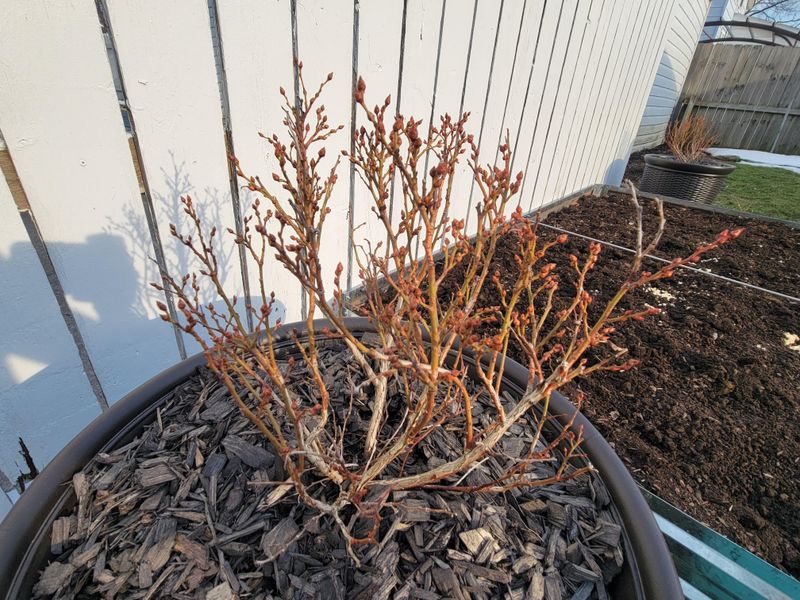
The last berry leaves the bowl, and your plant suddenly enters a very important stretch.
That post-harvest window can be a useful time for a light summer trim. The goal is simple. Leave enough warm weather for fresh shoots to grow, mature, and prepare for next season before cool fall temperatures slow the plant down.
California gives gardeners very different timelines.
Mild Southern California coastal areas may keep that window open into late summer. Inland and northern gardens often have less time, so the calendar deserves a closer look.
Before the shears come out, check the type you grow. Southern Highbush cultivars such as Misty, Emerald, and Jewel often respond well to a light post-harvest trim.
Rabbiteye and Northern Highbush plants can follow different schedules, and some cultivars may do better with most cuts saved for dormancy.
Now check the weather too.
A heat wave is a poor partner for fresh cuts. Extreme heat can put extra stress on the plant and on tender shoots that appear afterward.
A mild stretch, preferably with daytime temperatures below about 90 degrees Fahrenheit, gives the shrub a gentler recovery period.
Keep the trim modest and timely. You want new lateral shoots, not a shocked plant with half its canopy gone.
This is one garden job where punctuality pays in berries. Miss the bus by a few weeks, and the plant may already have moved on to its next seasonal stop.
2. Start With Damaged And Crossing Wood
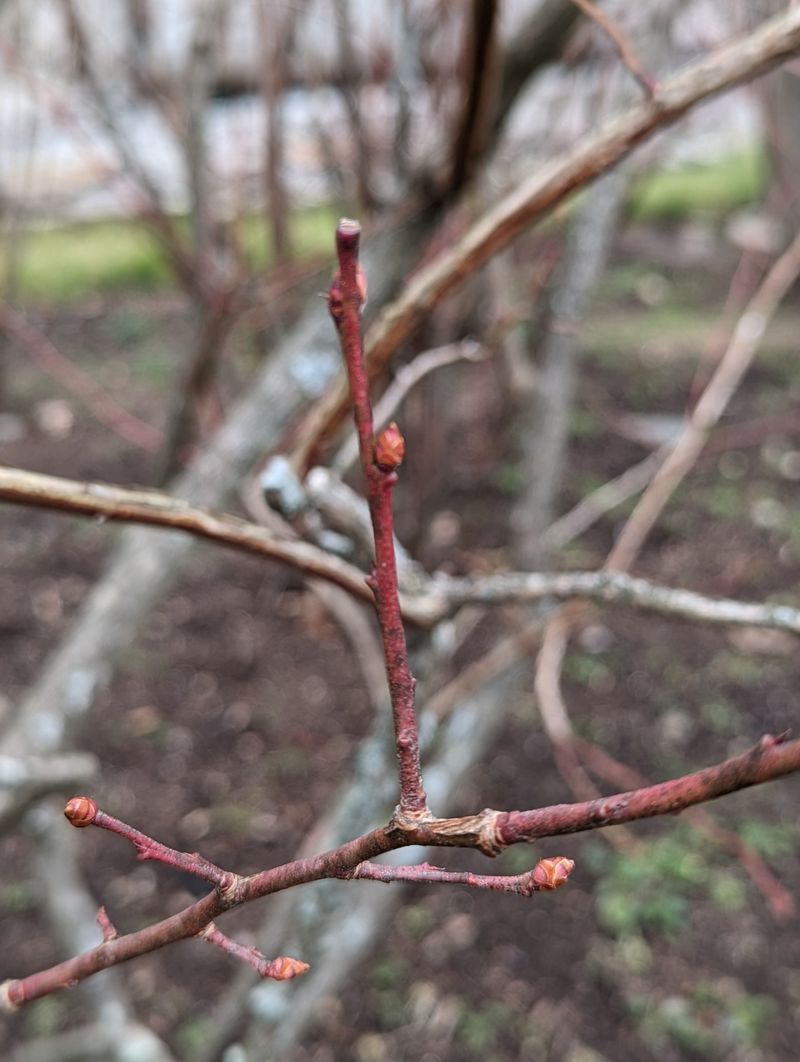
Start with the troublemakers, not the pretty parts.
A cracked cane, broken stem, or branch with suspicious damage deserves attention before you shape the rest of the shrub. Problem wood can waste space and may give fungal or bacterial issues an easier place to settle.
Next, look for branches that rub against each other.
Constant contact can scrape bark and leave small wounds. Pick the weaker branch or the one with the awkward angle. Remove it at the base or cut back to a healthy lateral that points away from the center.
Your California Garden Changes Every Week. Your Plan Should Too.
Gardening in California changes quickly throughout the season. Every Friday you’ll receive a simple weekly plan showing exactly what to plant, prune, fertilize, harvest, and protect so you never miss the right timing.
Keep this part selective.
You are not there to empty the center in five minutes. Clear the friction points so the stronger stems have room for light and air. Step back after a few cuts. The plant often looks less crowded much sooner than your pruners expect.
Clean tools deserve a place in the routine too.
Blueberries can face fungal cankers and bacterial problems, so dirty blades may carry trouble from one plant to another. Wipe the shears with a clean cloth and 70 percent isopropyl alcohol between plants. Clean them again after any suspicious cane.
Sharp blades matter just as much. A dull blade can crush stem tissue and leave a rough surface where moisture may sit.
Good cuts should look almost uneventful up close. Clean cut. Clear reason. No branch drama.
Your blueberry bush does not need a makeover montage. It needs the botanical version of elbow-jabbers at dinner who need more room.
3. Remove Weak Twiggy Growth
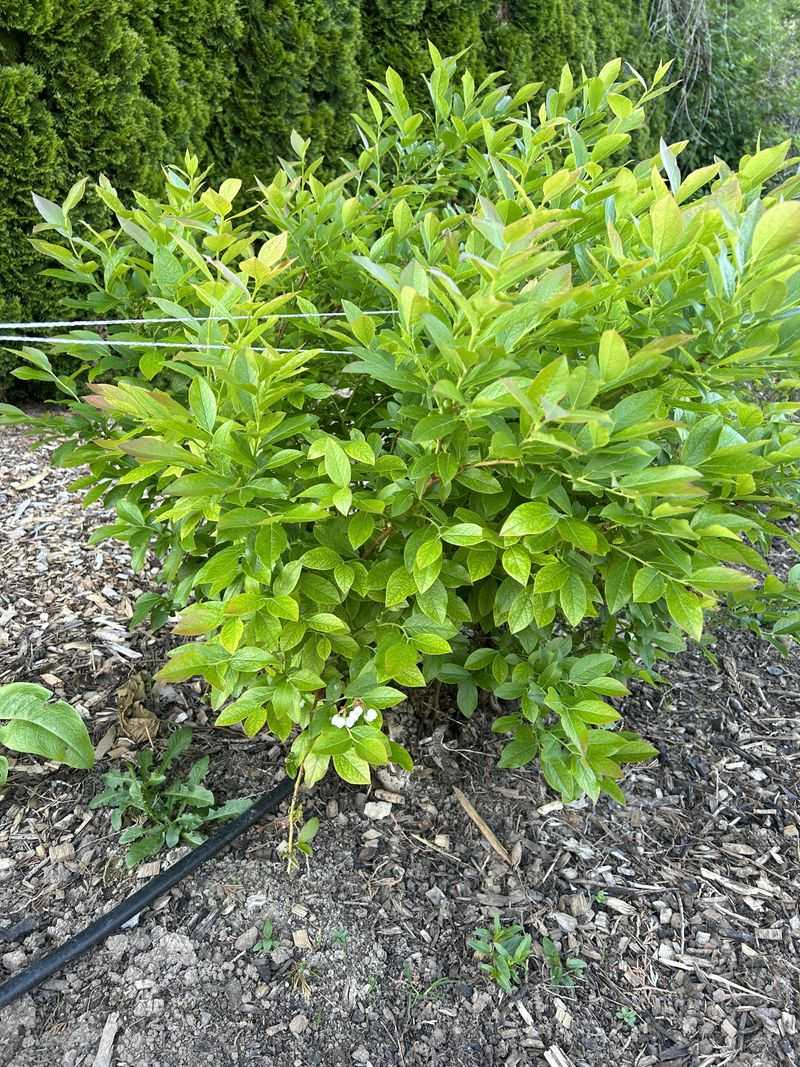
A crowded blueberry center can hide a lot of useless clutter.
Thin twigs tucked deep inside the canopy often receive little light. Many produce weak fruit or very little fruit at all. They also compete with stronger shoots for water and nutrients while they make the interior more humid.
That is where a careful cleanup earns its place.
Look for stems thinner than a standard pencil, tiny laterals with only a few leaves, and weak shoots that twist through the center without a clear role. Trace each one back to its origin, then make a clean cut at the junction.
Do not get carried away.
Your blueberry bush does not need to become a broom. The goal is to remove weak clutter while you keep the shoots that can support next season’s crop.
Pay extra attention near the base.
Lower stems often sit in heavier shade, so some may look less impressive. Yet that lower foliage can also help shield the root zone from harsh sun in hot inland gardens. Strip too much away and the soil may lose moisture faster.
Remove obvious problem twigs and branches that rub. Keep vigorous young basal canes with good leaf color and an upright form. Those young canes can become valuable fruit wood in future seasons.
After a few cuts, the shrub should look calmer without a bare base.
A few skinny freeloaders leave, the useful canes get better seats, and the whole bush feels less like rush hour.
4. Open The Center To Sun And Air
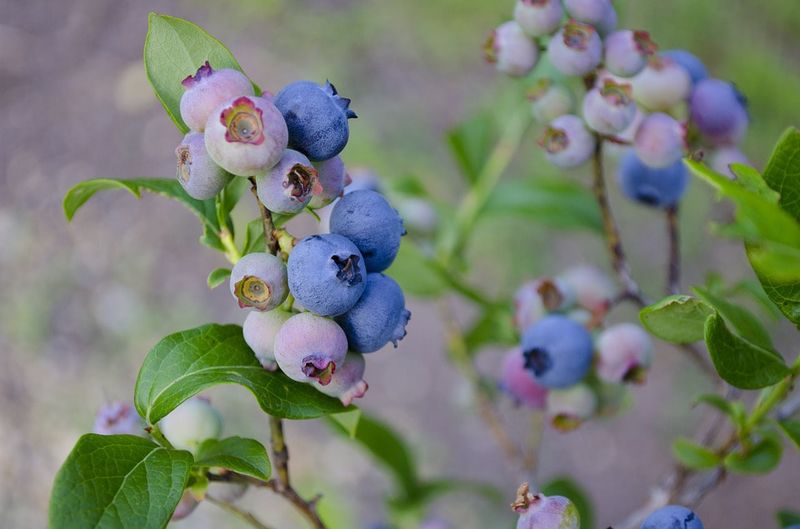
A little daylight can change the mood inside a blueberry canopy.
Flower buds tend to form best on wood that receives useful light during the season. Stems buried deep in shade may contribute less to next year’s crop, so a packed center deserves some selective attention after harvest.
Work from the inside out.
Stand a few steps away and look through the shrub from several angles. Spot branches that point toward the center or arch across productive wood. Remove only the ones that clearly block light or crowd stronger stems.
Then step back again.
This pause can stop a useful trim before it becomes an accidental skylight. The center should feel brighter and less congested, not hollow.
Hot inland valleys and desert-edge gardens need extra restraint. Intense afternoon sun can scorch newly exposed stems and leaves after too much foliage disappears at once. Some interior cover acts like a natural sunshade for the canes below.
Coastal gardeners may have more flexibility because sun intensity can be lower.
Aim for a balanced, open structure with reasonable light throughout the plant. A loose bowl shape can work, but perfection is not the goal. Good airflow matters too because dense, humid pockets can favor botrytis and other fungal problems.
You should still see plenty of leaves when the job ends.
Blueberries like light, but they do not need the roof taken off. Give the center a window, not a convertible top.
5. Shorten Long Bare Shoots Carefully
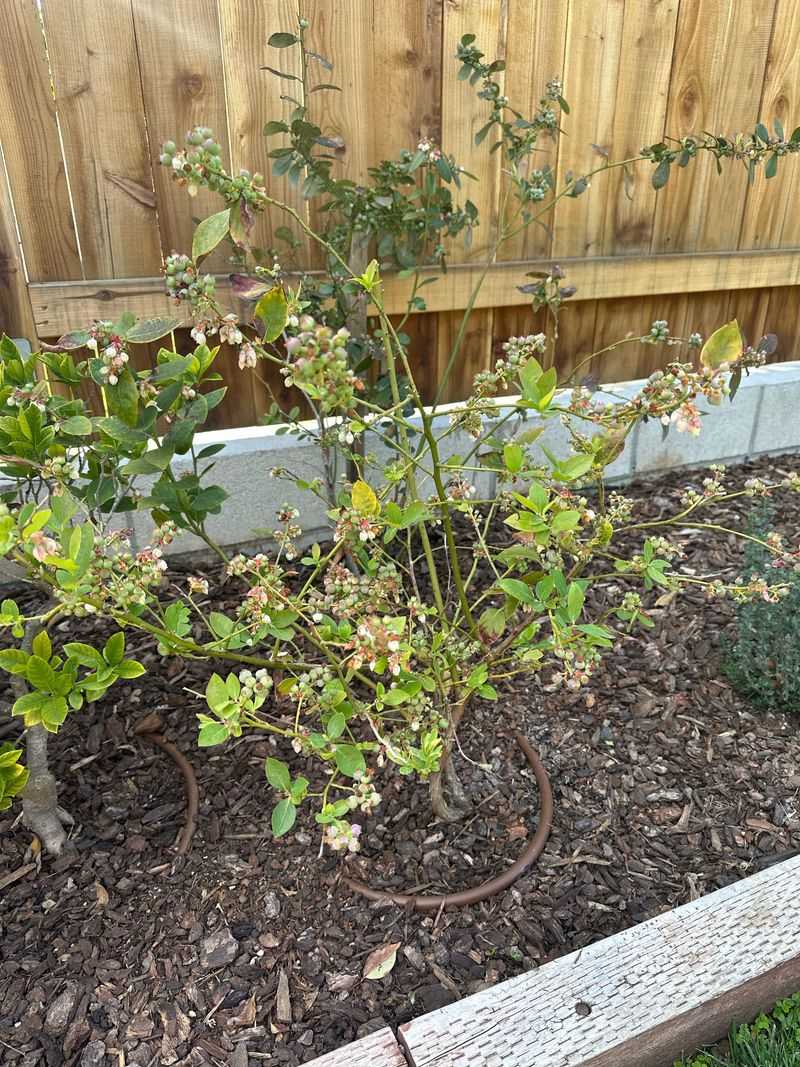
Some blueberry shoots look impressive until you notice that most of the action sits at the very end.
Long canes with few leaves or side branches may benefit from a careful trim. A modest cut may encourage useful lateral shoots and create more potential fruit wood for the next season.
The calendar decides how bold that cut can be.
A shoot with six to eight warm weeks ahead has more time to produce and mature side growth. That cut in late September in northern California leaves less time before cool weather arrives.
Choose the cut point carefully.
Cut about a quarter inch above a bud that faces outward or above a strong lateral branch. Angle the cut away from the bud so water can run off instead of sit near the fresh surface.
Do not cut too close. The bud can suffer damage. Do not leave a long stub either because the extra piece can become a trouble spot.
Now resist the urge to make every long shoot match.
A cane that already carries healthy laterals along its length may need no trim at all. It already did the homework. Leave it alone.
Too many summer cuts remove leaves the plant uses to make and store energy before fall. That can weaken the root system and reduce the value of the whole session.
Your goal is not symmetry.
Blueberries are shrubs, not patio furniture sets. Shorten the bare overachievers, keep the productive rebels, and let the plant retain some personality.
6. Soft Tip Vigorous Upright Growth Early
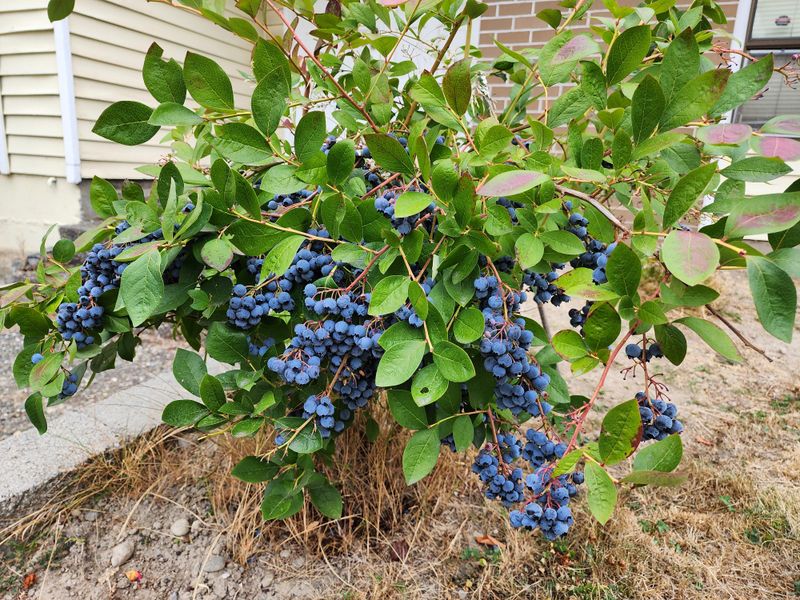
One tiny cut can redirect a surprisingly ambitious blueberry shoot.
A soft tip cut removes only the tender top inch or two from a vigorous upright stem while that tissue is still green and flexible.
Early in the post-harvest window, this light touch can encourage the cane to send out lateral shoots instead of race straight upward.
That extra side growth can become useful fruit wood.
The date makes the difference. The shoot that remains needs enough warm weather to produce those laterals, mature them, and prepare flower buds before the season slows.
This is where restraint earns its berry money.
Take only the soft tip. Do not turn a light pinch into a hard chop halfway down the cane. Several inches of firm, woody growth belong to a different category of cut.
Late tip cuts can create another problem.
Fresh side shoots may appear after the plant has little time left to mature them. Those soft laterals may enter cooler weather with less strength and may produce fewer useful buds.
Higher-elevation gardens can face extra concern because cold nights arrive sooner.
Save heavier cuts for the dormant season, when major structure is easier to judge and the plant is less active.
A summer soft tip should feel almost suspiciously easy. One small snip, then move on.
The shoot does not need a lecture about ambition. It just needs a gentle reminder that sideways can be productive too. Sometimes the shortest haircut starts the longest berry conversation next spring.
7. Stop Tipping Before Fruit Bud Formation
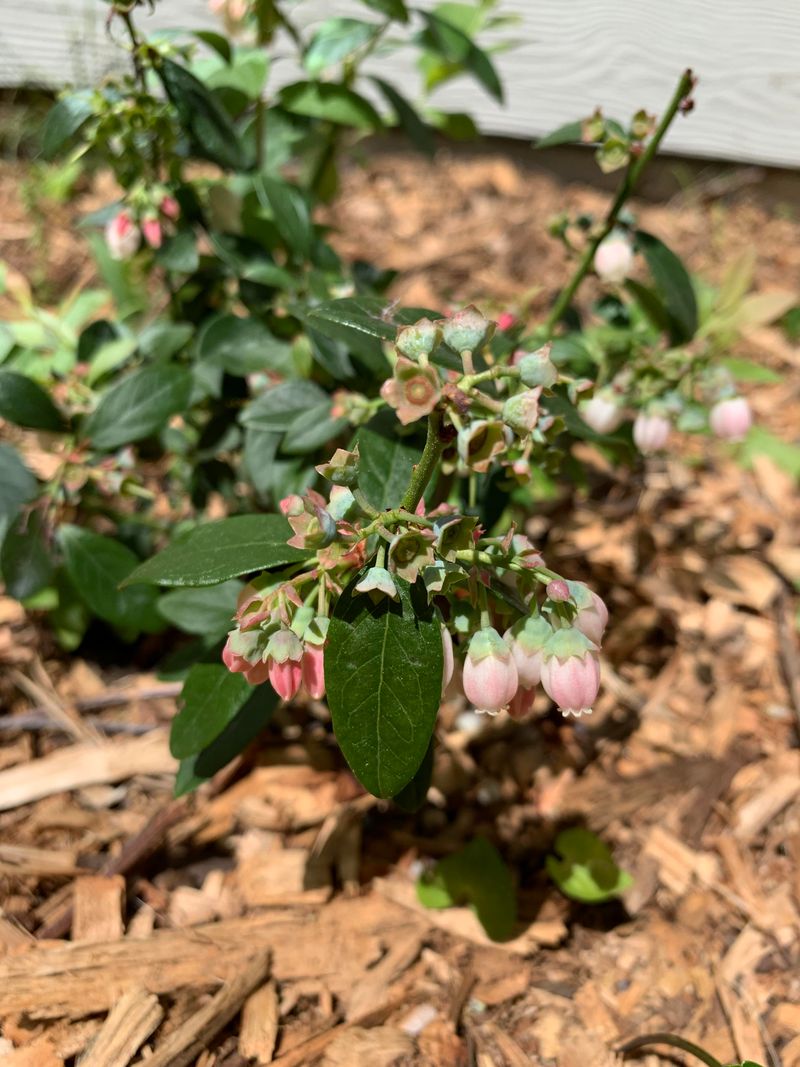
Every summer trim needs a clear exit point.
Late in the season, blueberry plants begin to shift their energy away from shoot extension and toward flower-bud development.
Once that change starts, extra tip cuts can push the plant back toward fresh vegetative shoots at exactly the wrong moment.
Those new shoots may have too little time to mature.
The cutoff is not identical across California.
Coastal Southern California often offers mild fall weather and a longer season. Inland valleys, higher elevations, and northern parts of the state can cool much sooner in August and September. That shorter runway makes an earlier stop especially useful.
Watch the plant as well as the calendar.
Vigorous shoots eventually slow down. Their tips may appear less active, and the plant starts to look settled rather than eager to add more length. That can signal the start of the bud-development phase.
Once you see that shift, put the shears away.
A stray branch that rubs or creates an obvious problem can wait for dormant-season cleanup unless it needs immediate attention. There is little benefit in pursuit of perfect form while the shrub prepares next year’s flowers.
The hardest part may be simple restraint.
Gardeners love one last snip. Then another. Then the classic “while I am here” cut that somehow becomes six.
Your blueberry has already moved to the next chapter. Close the shears, admire your restraint, and let the plant handle the quiet work that matters most.