What Florida Gardeners Plant Now For Months Of Homegrown Vegetables
Florida’s best vegetable season does not start in spring. It starts now, in late summer, with seeds going in while the calendar still says August and the idea of a productive winter garden feels like a distant concept.
It is not distant. It is eight weeks away.
The crops that carry a Florida garden through November, December, and January need to be in the ground right now. Not next month when conditions feel more appropriate.
The establishment window that makes winter production possible opens in August and closes faster than most people plan for. Wait until October and the plants that were supposed to produce through winter arrive underdeveloped and behind schedule.
August is the month Florida vegetable gardening separates into two camps. The gardens that eat well through winter and the ones that spend January wondering why they waited.
1. Tomato Transplants Get The Fall Harvest Started Early
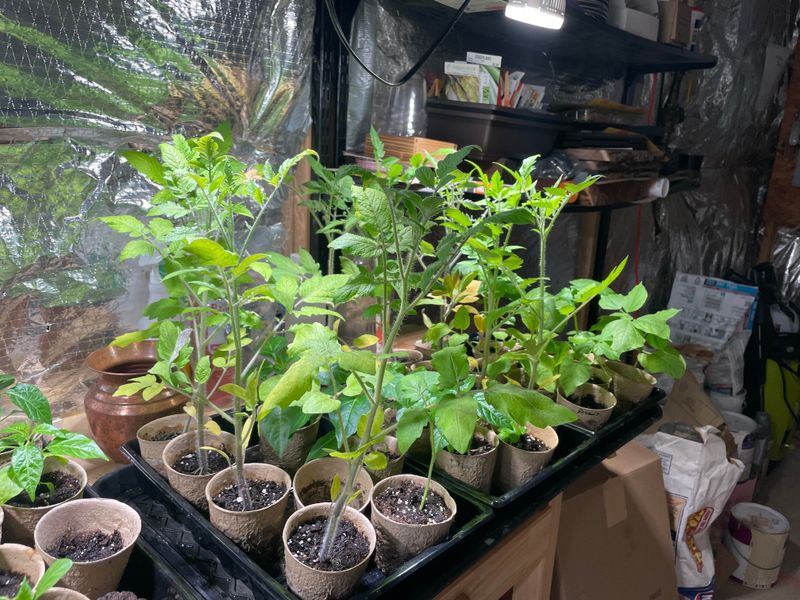
Reaching into a tray of healthy tomato transplants on a warm August morning feels like placing a bet on fall. UF/IFAS planting calendars list tomatoes as transplant-ready across North, Central, and South Florida in August.
This makes tomatoes one of the most widely supported warm-season choices for the month.
Starting from transplants rather than outdoor seed gives each plant a head start. Seeds started directly in the ground during August face unpredictable soil moisture swings and intense heat at the most fragile stage of growth.
A sturdy four-to-six-inch transplant skips that vulnerable window entirely.
Afternoon shade cloth can ease heat stress during the first week or two after planting. Once roots settle in, consistent moisture becomes the top priority.
Uneven watering leads to blossom drop and cracked fruit later in the season.
Drive your stakes or set your cage at planting time rather than after the plant grows large. Disturbing roots later causes setbacks that cost you time.
Choose varieties bred for disease resistance, particularly those tolerant of soil-borne problems common in humid gardens.
Fruit set slows when nighttime temperatures stay above 75 degrees Fahrenheit. Harvest timing varies by region, so North Florida gardeners will likely see ripe fruit earlier in the fall than growers farther south.
2. Peppers Settle In Now For A Long Run Of Picking
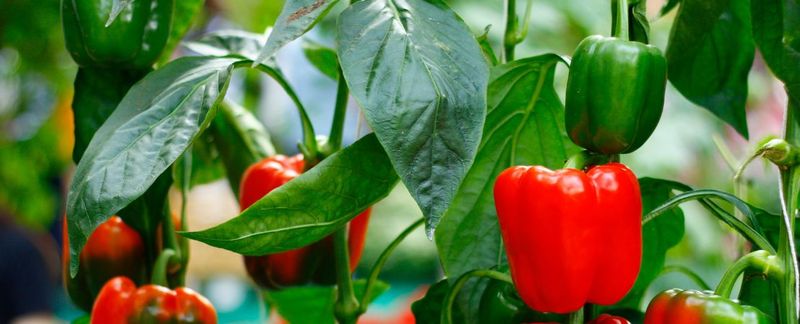
Few vegetables reward patient August planting quite like peppers. Setting transplants in the ground now gives the root system weeks to establish before temperatures begin their gradual fall retreat.
That strong root foundation is what allows a pepper plant to shift smoothly into heavy production as conditions improve.
Both sweet and hot varieties respond well to midsummer planting across North and Central Florida. South Florida growers also find August a workable window.
Full sun is non-negotiable. Peppers placed in partial shade may survive but rarely thrive.
Soil that drains well but holds enough moisture between waterings keeps plants from swinging between stress and saturation. A two-to-three-inch layer of mulch moderates soil temperature and reduces moisture loss during the hottest parts of the day.
Space transplants far enough apart to allow good airflow between plants. Crowded peppers are more likely to develop fungal problems in humid late-summer conditions.
Your Florida Garden Changes Every Week. Your Plan Should Too.
Gardening in Florida changes quickly throughout the season. Every Friday you’ll receive a simple weekly plan showing exactly what to plant, prune, fertilize, harvest, and protect so you never miss the right timing.
A simple stake or small cage prevents stems from snapping once fruit loads begin to develop.
Productive plants may continue picking for an extended period as long as weather stays favorable. Avoid pushing heavy nitrogen applications early.
Too much nitrogen encourages lush leafy growth at the expense of flower and fruit development. Let the plant find its balance before adjusting your feeding approach based on what you observe.
3. Eggplant Turns Late-Summer Heat Into Productive Growth
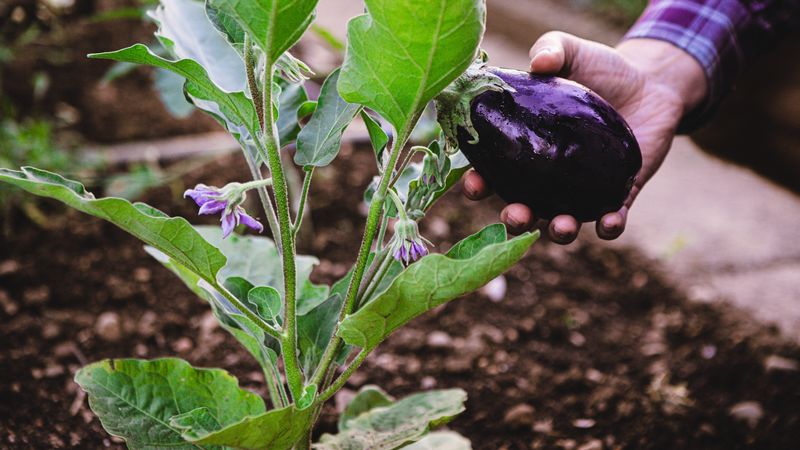
Among the vegetables that actually welcome August heat rather than merely tolerating it, eggplant stands out. UF/IFAS calendars approve August as a transplant window across North, Central, and South Florida.
This makes eggplant one of the few crops with genuine statewide planting flexibility this month.
Warm soil encourages fast root development. A transplant placed in well-drained ground with consistent moisture can put on noticeable growth within the first two weeks.
Full sun exposure, ideally six or more hours daily, supports that rapid establishment.
Give each plant enough room to spread. Mature eggplants can reach three feet tall and nearly as wide.
Crowding limits airflow and invites pest pressure, particularly from flea beetles that chew tiny holes in the leaves. Floating row cover can protect young transplants while they are most vulnerable.
Growers in southern regions have a slightly different relationship with this crop. The region traditionally grows eggplant during the cooler months of the year.
Planting in August establishes the root system ahead of that peak season, giving plants a running start rather than asking them to establish and produce at the same time.
Soil that stays soggy between waterings will cause root problems faster than heat ever will. Raised beds or slightly mounded rows help in areas where drainage is naturally slow.
Harvest fruit while the skin still has a bright, firm sheen.
4. Summer Squash Races From August Seed To Fall Suppers
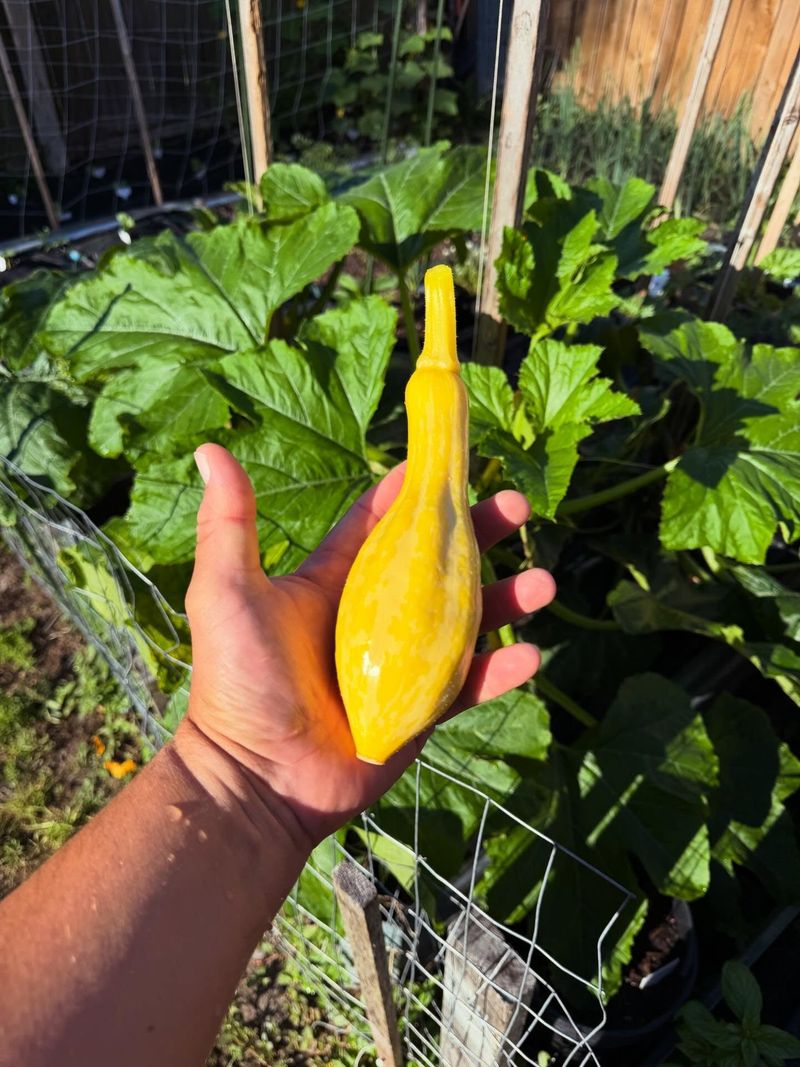
Squash is the sprinter of the vegetable garden. Summer squash can move from seed to first harvest faster than almost any other warm-season crop.
That speed makes August sowing a good choice for North and Central Florida gardeners seeking a quick fall payoff.
Southern region operates on a different schedule. The combination of intense heat and humidity in August makes that region better suited for squash planting a bit later in the season, once conditions begin to moderate.
Pushing squash into South Florida soil in August typically leads to frustration rather than food.
Direct seeding into prepared, well-drained soil works better than transplanting for squash. The taproot does not love being disturbed.
Plant seeds in a sunny spot, space hills generously, and water consistently until seedlings emerge and begin reaching for the light.
Pollination is essential for fruit to develop. Bees and other pollinators visit squash flowers in the morning, so avoid applying anything that might discourage them during those early hours.
If fruit starts forming and then shrivels, poor pollination is often the reason.
Harvest young and harvest often. Leaving mature fruit on the vine signals the plant to slow down production.
Pickleworms and vine borers are real regional concerns. Check plants regularly and act quickly if you spot damage, because squash responds poorly to prolonged pest pressure.
5. Bush Beans Give Northern And Central Beds A Second Act
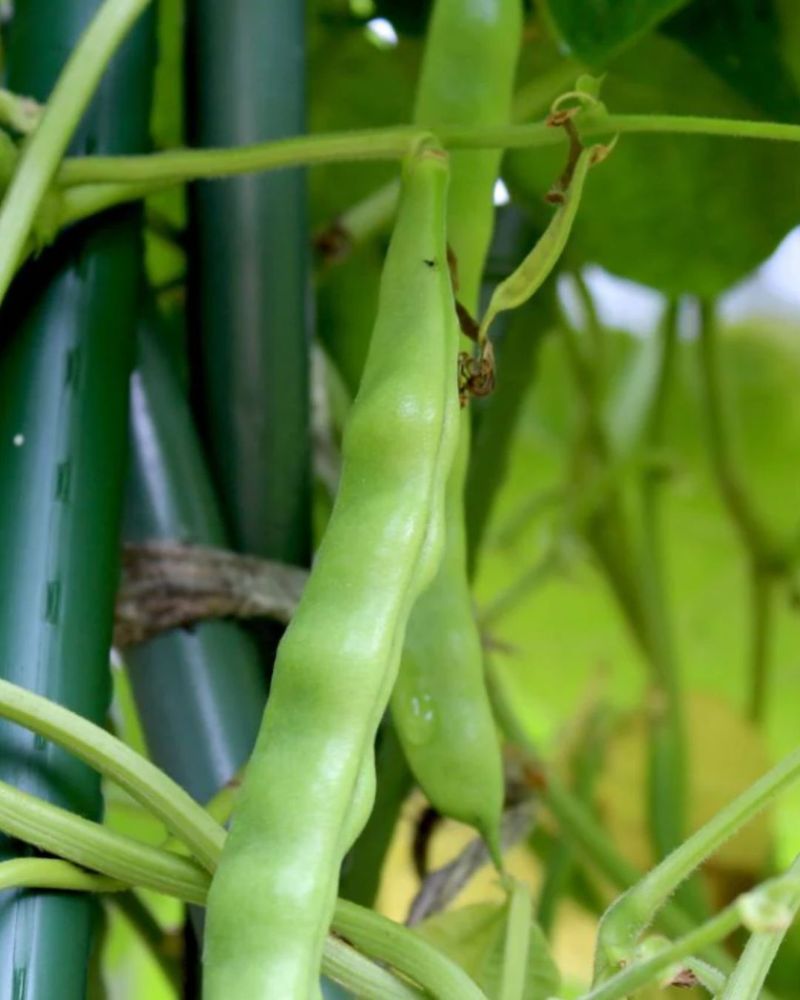
There is something deeply satisfying about pushing bean seeds directly into warm soil and watching them push back up within days. Bush beans are one of those no-fuss crops that remind gardeners why growing food can feel joyful rather than complicated.
August is the right time to direct sow bush beans in north and central regions. South Florida gardeners work with a different planting calendar for beans, so this particular August recommendation does not apply statewide.
Planting outside the appropriate regional window usually leads to poor germination or weak plants.
Beans prefer full sun and soil that drains freely. Waterlogged conditions around germinating seeds cause rot before the plant ever gets started.
Spacing seeds a few inches apart in rows allows good airflow as plants grow and helps reduce humidity-related disease problems.
One practical consideration worth keeping in mind: beans fix their own nitrogen with the help of soil bacteria. Adding heavy amounts of nitrogen fertilizer can push the plant toward leafy growth and away from pod production.
Let the plant work with its natural partners in the soil before reaching for extra amendments.
Succession sowing every week or two can extend your bean harvest, but only if current regional planting dates still support it. As temperatures shift in October and November, the window for new sowings narrows.
Harvest pods while they snap cleanly for the best flavor and texture.
6. Okra Keeps The Harvest Moving Farther South
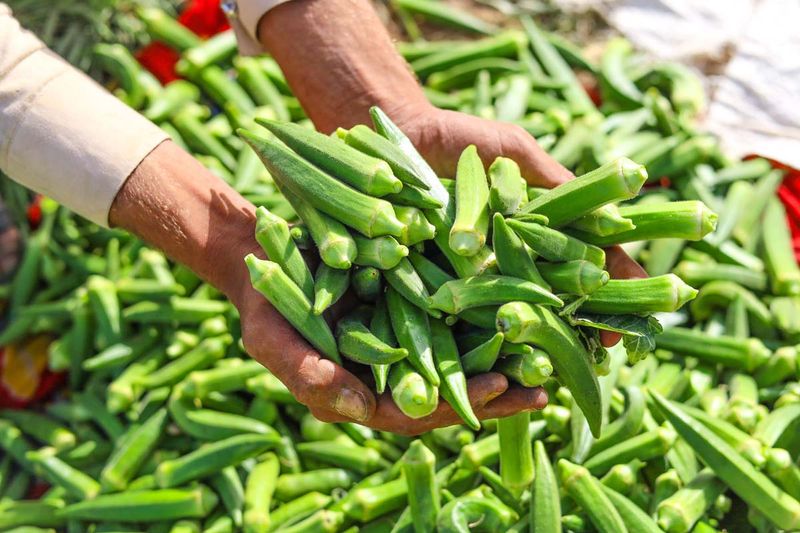
If any vegetable was built for the conditions August delivers in the South, it is okra. This crop does not just tolerate heat.
It genuinely performs in it, pushing upward and producing pods with a consistency that few other summer vegetables can match.
UF/IFAS planting calendars list August seed planting for okra in Central and South Florida. North Florida gardeners work with a different seasonal window for this crop, so August sowing in that region is generally not recommended.
Knowing your regional timing keeps you from wasting seed and effort.
Direct seeding into prepared soil works well. Choose a spot with full sun and space seeds far enough apart to accommodate mature plants, which can easily reach five to seven feet tall in good conditions.
Plan your garden layout with that mature height in mind so shorter crops nearby still get the light they need.
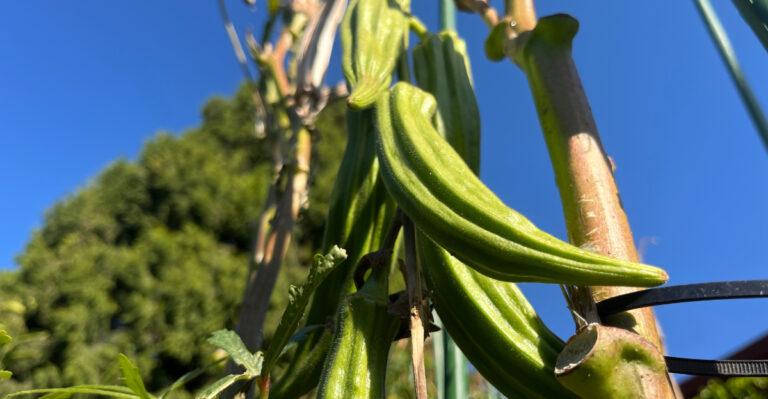
Pods must be harvested while still tender, typically when they reach two to four inches long. Leaving pods on the plant too long makes them tough and fibrous.
More importantly, mature unpicked pods send a signal that slows down new pod formation.
Frequent picking is the most effective way to keep okra productive. Once temperatures drop significantly in fall, production slows and eventually stops.
Enjoy the harvest window while conditions remain warm and consistent enough to support it.
7. Carrots Start The Cool-Season Shift Before Fall Arrives
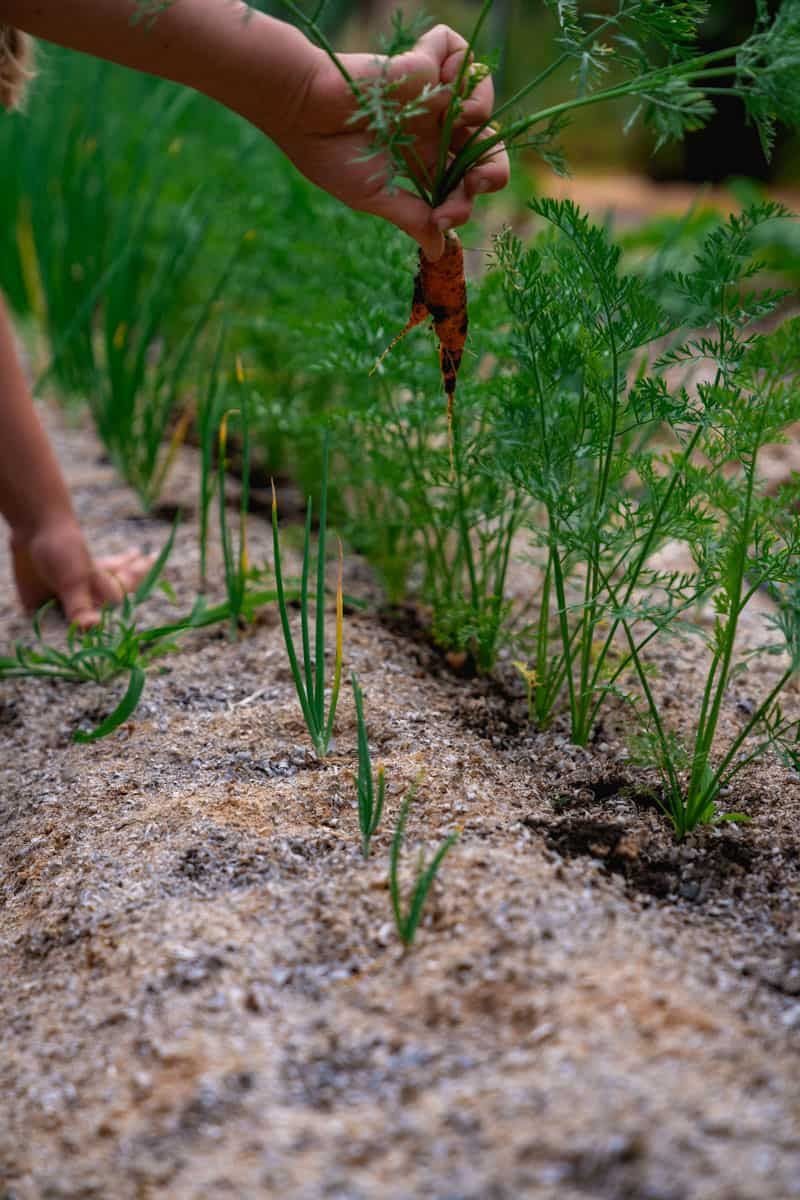
Planting carrots in August feels almost like an act of optimism. The air is thick, and the sun is relentless.
Even so, planting those tiny seeds now is the right move for North and Central Florida gardeners who want roots ready before the year ends.
South Florida follows a later cool-season planting schedule for carrots. August is not the recommended window there, so this is firmly a North and Central Florida recommendation for this particular crop and month.
Carrots must be direct seeded. Their long taproot does not survive transplanting.
Prepare the soil deeply, breaking up any hard layers that would cause roots to fork or stunt. Fine, loose soil gives carrots the clear path they need to grow straight and full-sized.
Seed depth matters. Carrot seeds are tiny and need only the lightest soil covering to germinate properly.
The real challenge in August is keeping that shallow seedbed consistently moist. The surface dries out fast under late-summer sun.
A daily light misting or a thin layer of burlap over the bed helps hold moisture during the critical germination phase.
Thin seedlings once they emerge so each plant has room to develop a full root. Crowded carrots produce thin, twisted results.
August carrots signal the beginning of the cool-season transition, a reminder that the best growing months are just around the corner.
8. Tropical Spinach Bridges The Hottest Weeks Into Autumn
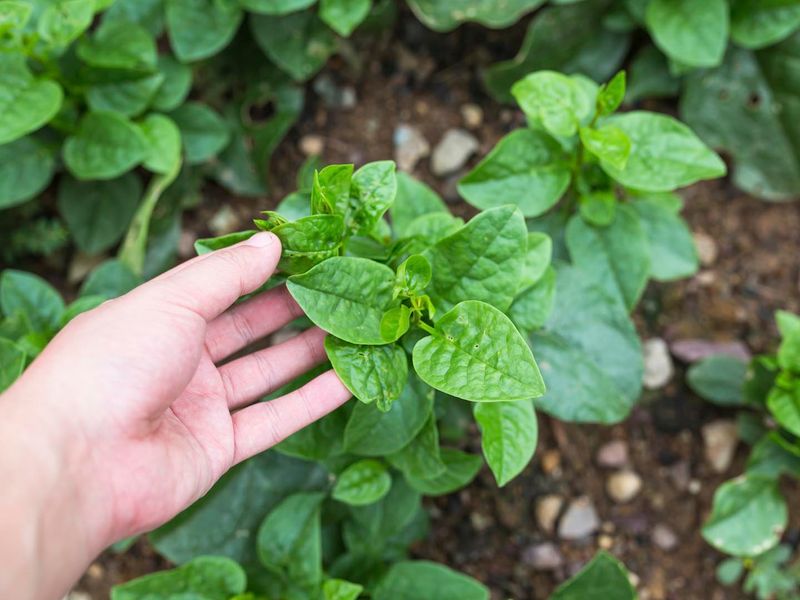
While traditional cool-season greens wait on the sidelines until temperatures drop, tropical spinach alternatives step in and fill the gap.
These heat-loving plants keep fresh greens coming to the kitchen during the weeks when most leafy crops would simply collapse under the August sun.
UF/IFAS lists tropical spinach options as transplant-ready statewide in August, making this one of the more universally applicable recommendations for the month. Malabar spinach is one well-documented example.
Its thick, glossy leaves hold up in heat and humidity that would finish off conventional spinach within days.
A quick clarification worth making: these plants are not true spinach in a botanical sense. Malabar spinach belongs to an entirely different plant family.
The name reflects the way the leaves taste and cook rather than any close relationship to the cool-season spinach most gardeners know.
Most tropical spinach varieties are vigorous climbers. A simple trellis, fence, or string support system gives them something to work with and keeps the harvest accessible.
Leaves are best picked young, when they are tender and mild. Older leaves can develop a slightly mucilaginous texture that some cooks use to thicken soups and stews.
These plants thrive in full sun with steady moisture and good drainage. Tropical spinach continues producing as fall arrives and traditional cool-season crops become viable.
This creates a smooth overlap with the new season rather than an abrupt end.