The Texas Herb That Thrives In August Heat And Keeps Flies Off The Porch
Texas heat can turn a porch into a test of endurance before lunch.
By August, the concrete feels hot, the air barely moves, and flies seem to discover every drink, snack, and open door within minutes.
One herb handles that scene with surprising confidence.
It likes strong sun. It prefers soil that dries fast. A quick brush against the leaves releases a sharp scent that makes the whole porch smell fresher.
That scent also gives the plant an interesting reputation.
Plenty of gardeners swear it helps discourage flies nearby. The truth is more useful than the myth. The plant may add a small layer of annoyance for insects close to it, but the real porch defense comes from several simple habits working together.
So why keep this herb near the back door at all?
Because it earns the space in more than one way.
The right pot, the right soil, and a smarter summer routine can turn one tough herb into a porch favorite long after August heat arrives again.
Let Rosemary Take The August Heat

August does not scare this herb.
Rosemary comes from dry Mediterranean slopes, so blazing sun and lean soil feel familiar rather than hostile. That background gives it a real advantage on Texas porches during the hottest part of summer.
Give the plant six to eight hours of direct sun each day. A south-facing spot works well. A west-facing porch can work too, provided the roots stay in a pot that drains fast.
Texas still changes the rules by region.
Dry inland cities such as San Antonio, Midland, and Abilene offer intense heat with less humidity. Rosemary usually handles that combination well after its roots settle.
The Gulf Coast brings a different challenge. Houston and Corpus Christi pair heat with sticky air, so extra space around the stems matters. Keep the pot away from tight walls and dense plant groups. Air should pass through the foliage with ease.
A new plant still needs help at first.
Keep the root ball evenly moist for about four to six weeks after summer planting. Then reduce water as the roots spread through the container.
Choose a variety suited to your part of Texas. Hill Hardy can suit colder central areas, while Tuscan Blue fits milder winters.
August may send half the patio plants into a sulk. Rosemary tends to keep its composure, which makes it the herb equivalent of the neighbor who refuses to complain about the thermostat.
Give Roots Sharply Drained Soil
The fastest route to a miserable rosemary plant often starts with wet feet.
Roots need air as much as moisture, and dense Texas clay can hold water far longer than this herb prefers. Rich soil does not rescue the situation. Sharp drainage matters far more.
Container culture makes that easier to control.
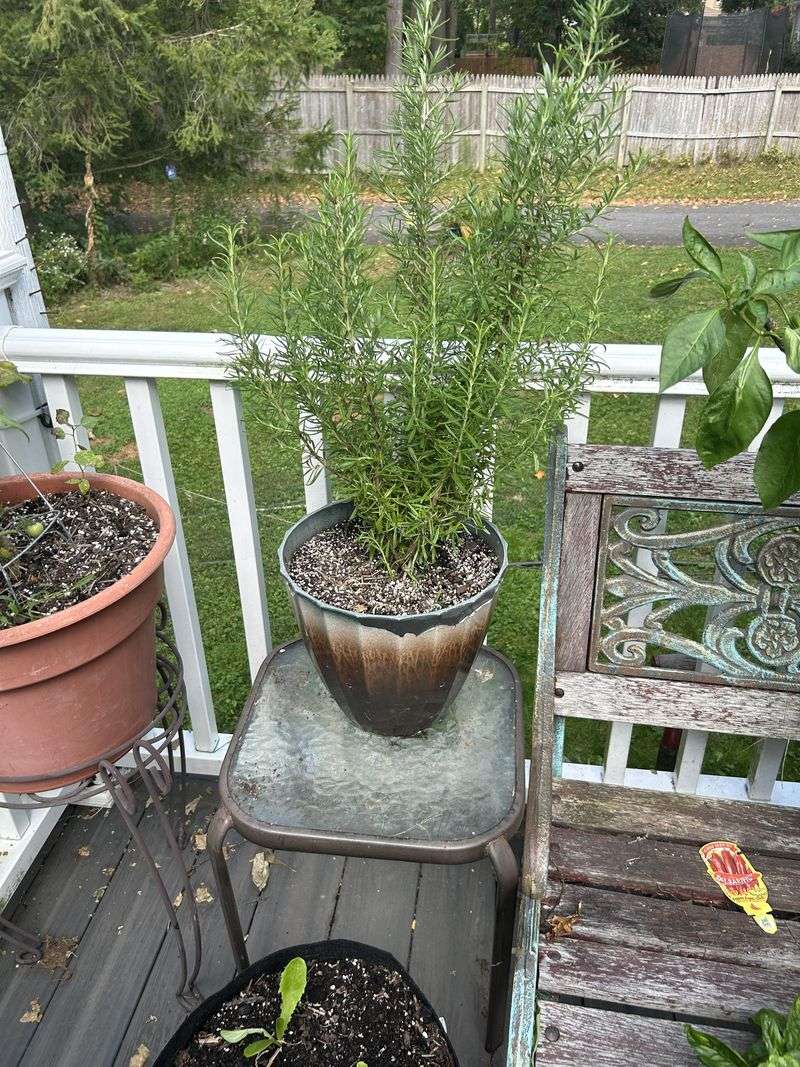
Use a pot mix with plenty of coarse material. A blend of standard potting mix and coarse perlite or decomposed granite can keep the root zone loose and airy. A roughly equal mix gives water a clear path out of the container.
Your Texas Garden Changes Every Week. Your Plan Should Too.
Gardening in Texas changes quickly throughout the season. Every Friday you’ll receive a simple weekly plan showing exactly what to plant, prune, fertilize, harvest, and protect so you never miss the right timing.
Drain holes are essential.
Choose a pot with at least two open holes at the bottom. Decorative containers without drainage can turn one summer rain into a root-zone bathtub.
In the ground, raise the planting area about six to eight inches above the surrounding grade. That extra height helps storm water move away from the crown instead of collect around it.
Check the saucer after each deep soak too. Empty any water that remains after about an hour.
The pot itself can tell you plenty. Dry mix often pulls slightly from the wall, and the container feels lighter when lifted.
Rosemary does not need luxury soil. It would rather have a modest room with a very reliable exit.
Give excess water somewhere to go, and this herb can focus on leaves, flavor, and porch fragrance instead of a long argument with soggy roots.
Use A Pot Near The Sunny Porch
A tiny nursery pot can become a problem fast once Texas heat settles over the porch.
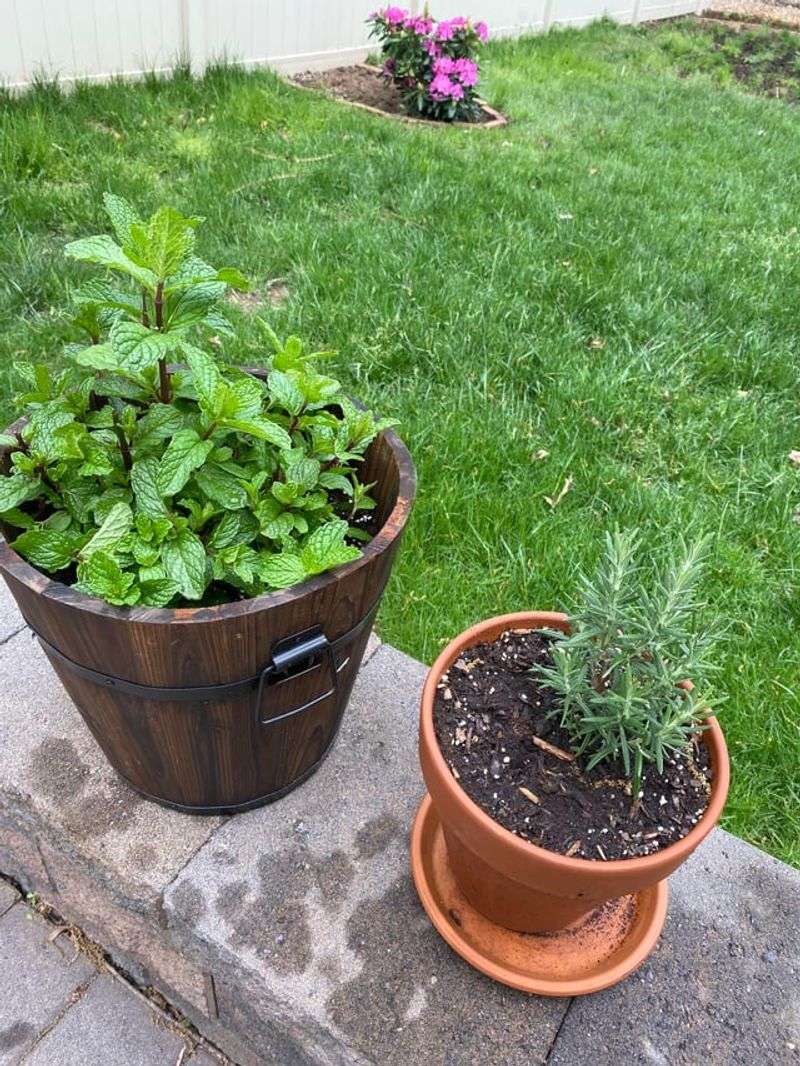
Small containers heat up quickly and lose moisture at an impressive pace. Give one rosemary plant a pot at least 12 inches wide and 12 inches deep. A 14- to 16-inch container offers even more root room and a larger moisture buffer.
Material changes the routine.
Terracotta lets air pass through its walls, which rosemary roots often appreciate. It also dries faster. On a west-facing porch, that pot may need a moisture check much sooner than glazed ceramic or resin.
Dark plastic creates another issue. It can absorb fierce heat on exposed concrete and raise root-zone temperatures.
A lighter resin, concrete, or glazed pot can offer a useful middle ground. Set the container on small feet or a riser so air can pass beneath it and excess water can escape.
Now choose the porch spot for people too.
Set the herb near a seat, outdoor prep area, or back door where a hand or sleeve may brush the foliage. That small contact releases its sharp scent without any special effort.
Keep the pot outside the main footpath. Rosemary smells much better upright than after somebody punts it across the porch at night.
A container also gives you options. Move it under cover during days of heavy rain. A rare hard freeze can send it into a garage for temporary shelter.
Mobility turns one pot into a surprisingly flexible porch resident.
Water Less After Roots Establish

A hot afternoon can make daily water feel like the kindest choice.
For established rosemary, that habit can cause more trouble than it solves.
Frequent shallow sips keep the upper soil damp and encourage roots to stay near the surface. Deeper, spaced-out soaks give roots a reason to move farther down, where temperature and moisture stay more stable.
Water the container thoroughly.
Let moisture run from the drain holes, then leave the pot alone until the upper couple of inches feel dry. Press a finger into the mix near the pot edge.
Cool, damp soil means the plant can wait. Dry soil and a noticeably lighter pot mean it is time for another soak.
This simple check works better than a fixed calendar.
Terracotta may dry faster during triple-digit weather. Wind can speed water loss too, especially on open porches that catch afternoon gusts.
A thin layer of coarse gravel across the soil surface can slow evaporation without holding damp material against the crown.
As roots mature, rosemary becomes far more comfortable with dry spells. Established plants in the ground may need water only every 10 to 14 days during dry summer periods, though soil and exposure still change that interval.
The plant does not want neglect. It wants a little confidence.
Give it one proper drink, then stop hovering with the hose. Rosemary can handle some independence, and your water bill may enjoy the relationship too.
Trim Lightly To Release Aroma
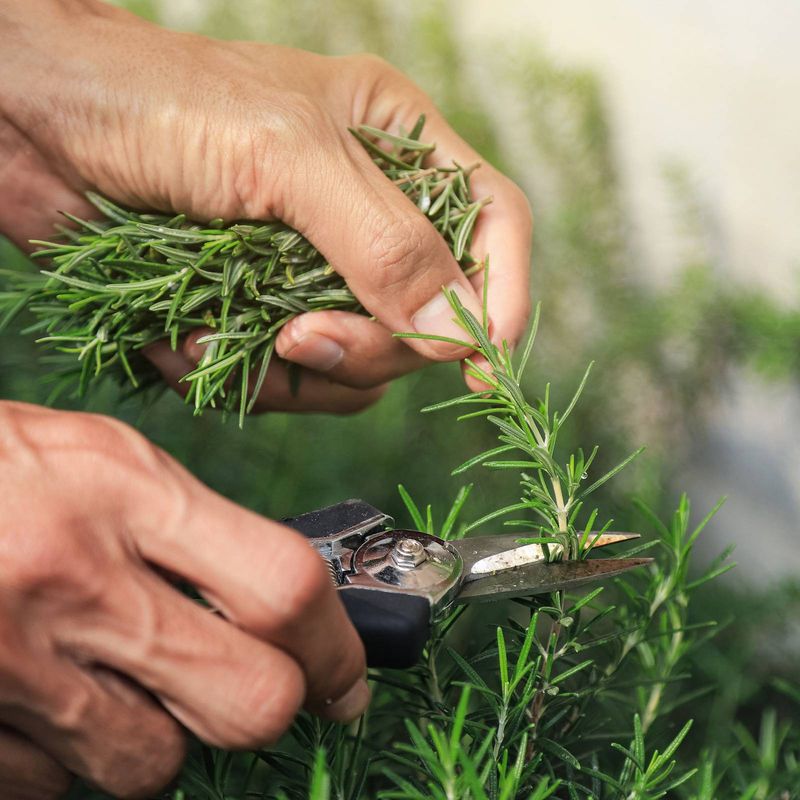
One quick snip can make a rosemary pot smell like an entire herb shop.
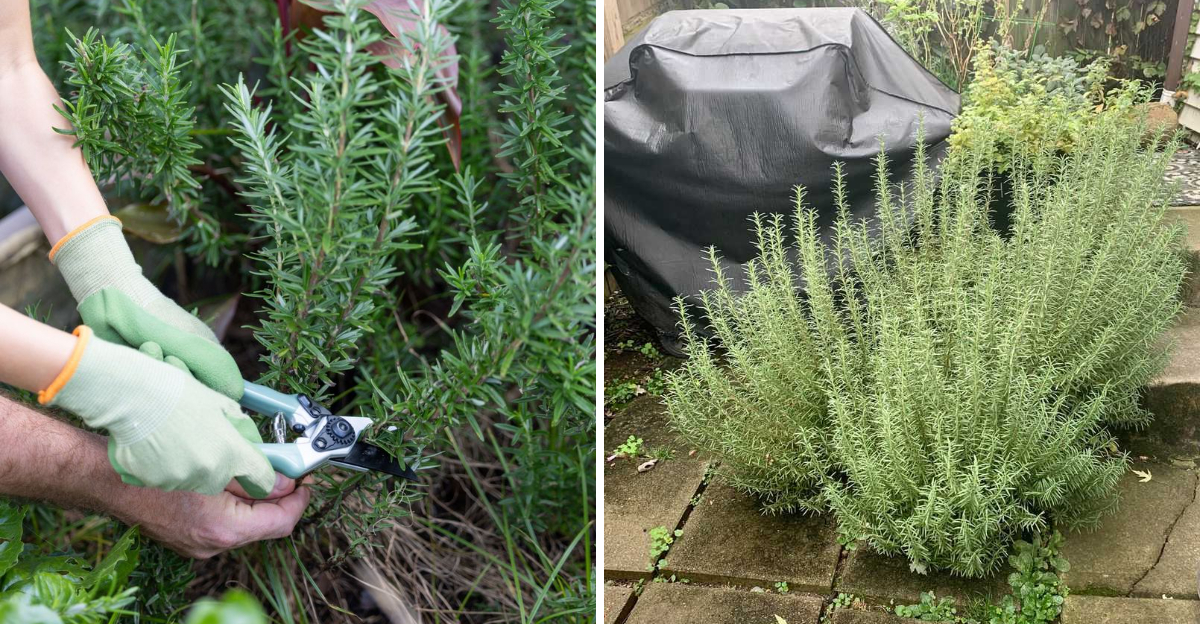
The leaves and stems hold aromatic oils, so light harvests release that familiar piney scent around the porch. Small cuts also help the plant stay compact and produce fresh side shoots.
Keep summer cuts modest.
Remove no more than about one-third of a stem at once. Make the cut just above a leaf node so new shoots have a natural place to emerge.
Leave thick woody stems alone during extreme heat.
Large cuts can recover more slowly and may leave the plant awkward or sparse. Save major reshaping for early spring, before steady high temperatures arrive.
Your clipped sprigs have plenty of uses.
Add them to roasted potatoes, grilled vegetables, breads, marinades, or a pan of chicken. A few stems near an outdoor food platter also add strong fragrance close to the table.
That scent may make the immediate area less appealing to some flies, but a sprig beside the salsa does not replace proper food covers or cleanup.
Rosemary flowers can add another reward outside peak summer. Small blue blooms often appear during cooler parts of the year and can draw bees.
Keep the harvest casual. A few tips for dinner, another few for the porch aroma, then let the plant recover.
This herb already works hard in August. There is no need to give it a military haircut before the burgers reach the grill.
Keep Expectations Real About Fly Control
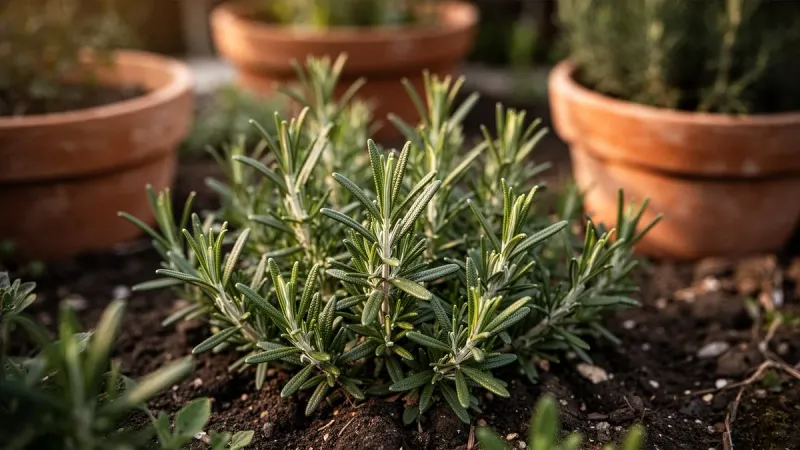
The fly story around rosemary deserves a little less legend and a little more common sense.
Its strong scent can compete with nearby food odors at close range. That may make a spot beside the plant slightly less attractive to some flies.
The effect has limits.
One pot cannot create an invisible force field across the porch. Flies still respond to food, moisture, waste, and other strong attractants nearby. A rosemary plant beside an open trash can is badly outnumbered.
That does not make the herb useless.
Place it close to the seating or food-prep area so people can enjoy the scent. Brush a few stems as you pass. Use fresh sprigs in the kitchen. Let any fly-deterrent effect count as a small bonus rather than the main reason for the pot.
Skip concentrated essential-oil experiments around food, pets, or skin without careful product guidance. Strong plant oils can irritate skin and may pose risks around animals.
The living plant keeps things simpler.
You get a tough porch herb, fresh kitchen flavor, evergreen texture, and a pleasant scent during the hottest months.
Then let practical fly control handle the heavier work.
Rosemary deserves credit without a superhero cape. It may make one little corner smell less interesting to flies, but the garbage lid, clean table, and screen door are still the adults in the room.
Pair Rosemary With Screens And Clean Surfaces
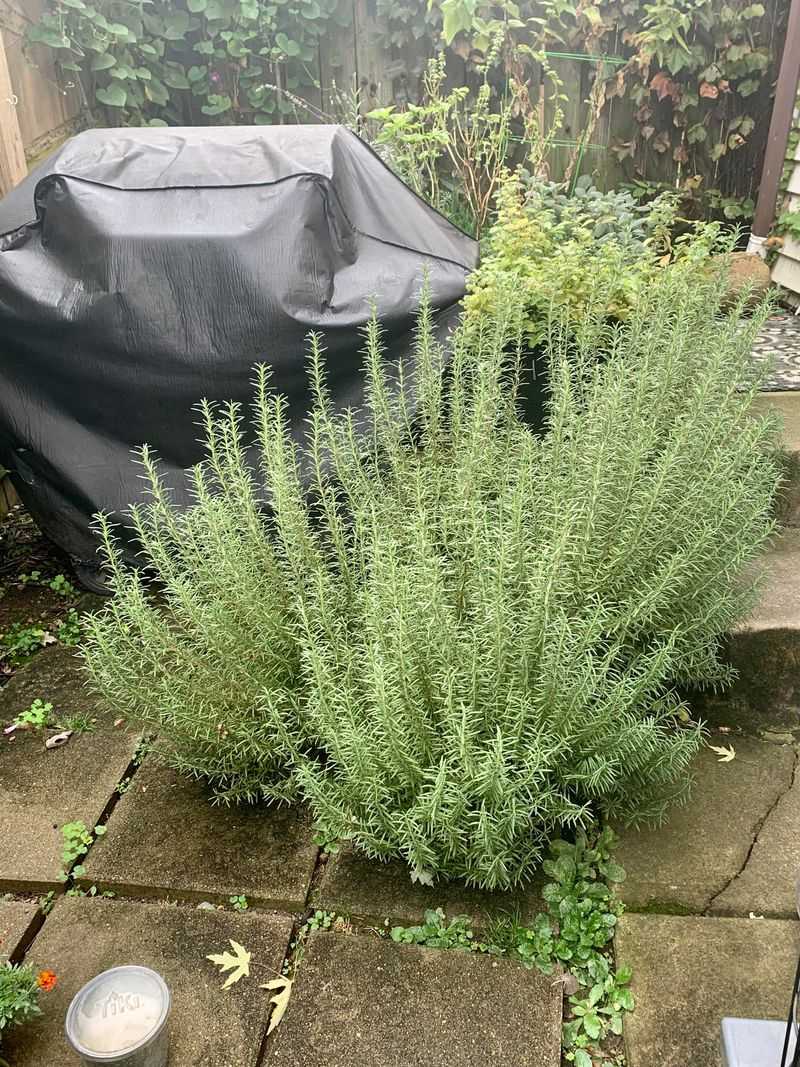
A better porch starts with fewer reasons for flies to visit.
Begin with the trash can. Keep the lid tight, remove food waste often, and clean residue from the rim or sides. August heat can turn tiny scraps into a loud invitation surprisingly fast.
Pet areas deserve the same attention.
Remove waste from the yard each day during hot weather. Check damp drains, gutters, compost spills, and piles of decaying plant material too.
Then inspect the table.
Sweet drinks, fruit juice, barbecue sauce, and food crumbs can keep flies interested long after dinner ends. Wipe surfaces soon after meals and carry dishes indoors instead of leaving them until later.
Covered serving dishes help during outdoor meals.
Airflow can make another noticeable difference. Place a box fan near the seating zone and aim the breeze across the porch. Flies have a harder time landing in steady air, while humans get a welcome bit of relief from August heat.
Repair torn door and window screens as soon as gaps appear.
Now let rosemary join the team.
Place the pot close enough for its scent to reach the space people use most. Its role stays small but pleasant. It adds fragrance, flavor, greenery, and possibly a little extra confusion for flies at close range.
That is a much better bargain than expecting one herb to run porch security alone.
Rosemary can handle refreshments. The fan, clean surfaces, and closed trash can can handle crowd control.