The Most Underrated Oregon Patio Plant That Deters Both Ticks And Mosquitoes
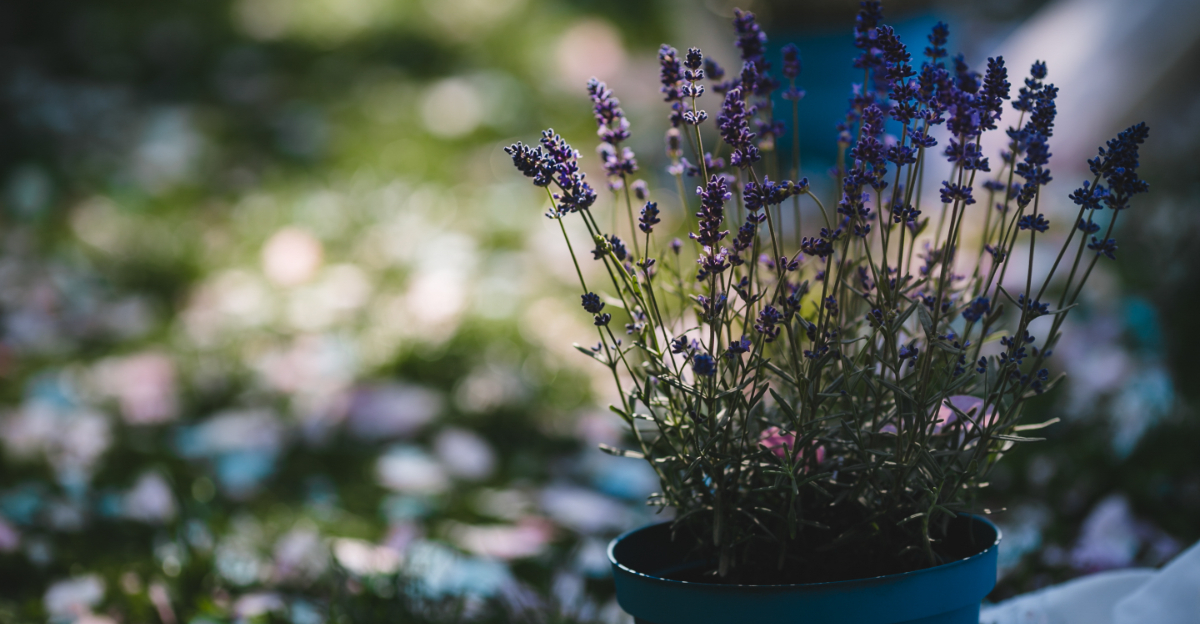
Some patio plants earn their space by looking good. Others quietly make summer evenings more comfortable too.
One fragrant favorite does both, yet it is often treated as little more than a decorative border plant.
Its strong scent is pleasant to people but far less appealing to several common outdoor pests, which makes it especially useful near seating areas and frequently used paths.
It also handles sunny, dry conditions better than many fussier container plants once established. That combination gives it an edge on Oregon patios that heat up through late summer.
The effect is not a force field, and no plant can completely eliminate ticks or mosquitoes on its own.
Still, placing the right aromatic plant close to where people gather can add another layer of protection while bringing color and texture to the space.
1. Turning Small Patios Into Fragrant Retreats
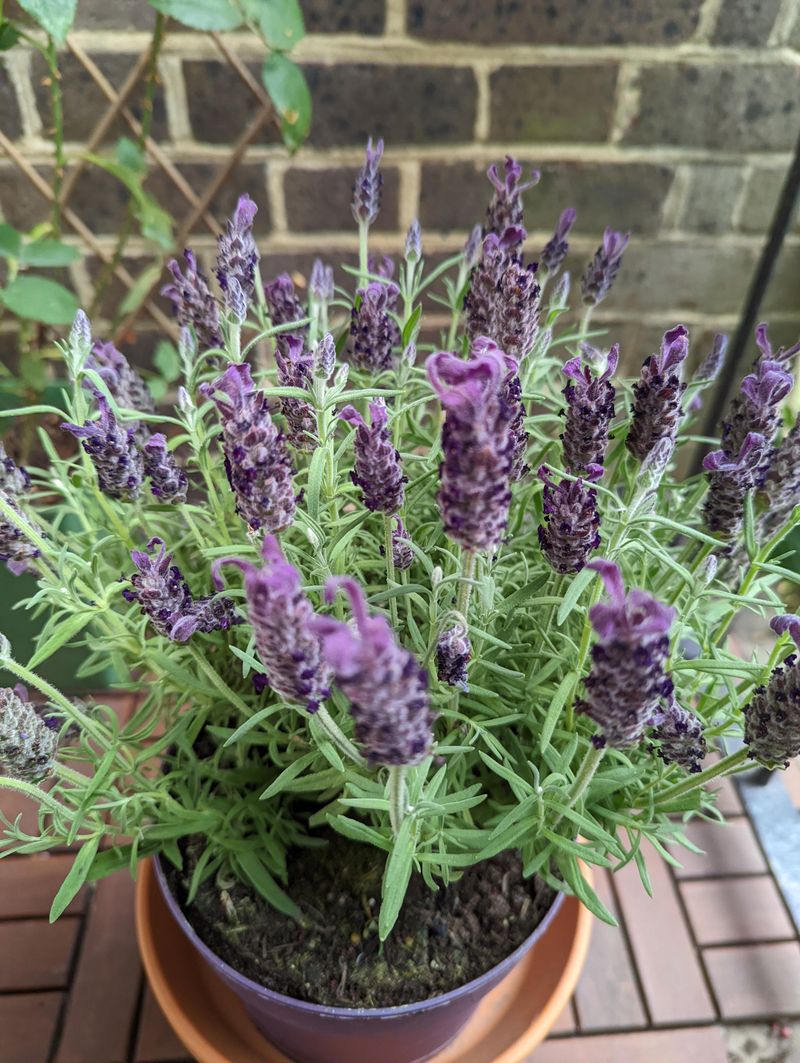
A single pot of lavender can completely change the feel of a small outdoor space. The purple blooms add a soft pop of color, and the scent drifts through the air in a way that feels calming and welcoming at the same time.
Many Oregon homeowners are surprised by how much personality one or two plants can bring to a plain concrete patio.
Lavender has been used in gardens for centuries, originally grown in the Mediterranean region. It was prized not just for its beauty but for its strong, clean fragrance that kept insects away from living spaces.
That same quality makes it a natural fit for modern patios where people want to relax without reaching for bug spray.
Small patios often feel cramped, but lavender actually helps open them up visually. The tall, slender flower spikes draw the eye upward and create a sense of height without taking up much floor space.
Placing two matching pots on either side of a patio chair instantly creates a cozy, garden-like atmosphere. The fragrance also fades stress, which makes outdoor time feel more restful.
Neighbors often stop to ask what smells so good, and the answer is always the same. Lavender does not need a big yard to make a big impression, and that is exactly what makes it so perfect for smaller outdoor areas across Oregon.
2. Why Mosquitoes May Find The Scent Less Inviting
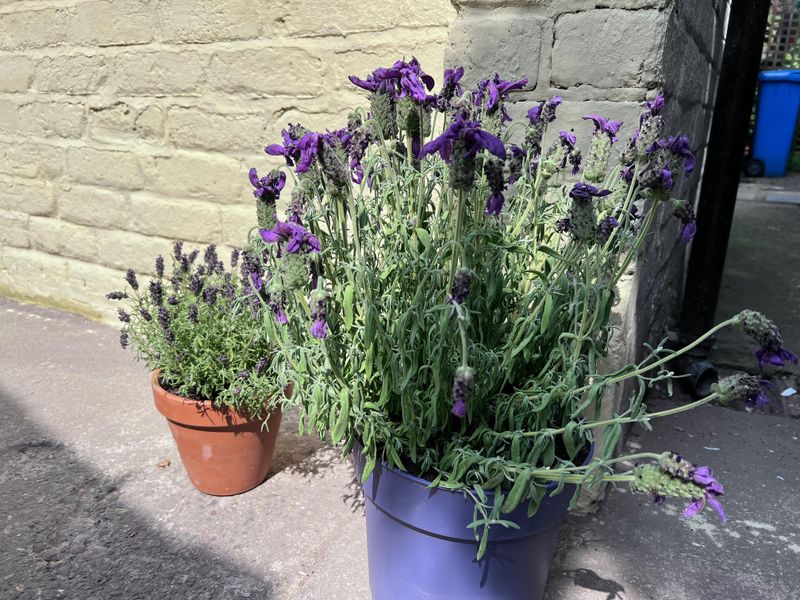
Mosquitoes rely heavily on their sense of smell to find people and animals. They pick up on carbon dioxide and body heat, but certain plant scents can confuse or overwhelm their tracking system.
Lavender contains a natural compound called linalool, and research has shown this compound makes it harder for mosquitoes to zero in on their targets.
You do not need to crush the leaves or make a spray to get the benefit. Just having lavender nearby releases enough scent into the air to create a mild barrier.
It is not a perfect force field, but studies suggest it reduces mosquito activity in the area around the plant. That is pretty impressive for something that also looks beautiful on your porch.
Planting lavender near seating areas gives you the most protection. Grouping three or more plants together strengthens the scent coverage.
Your Oregon Garden Changes Every Week. Your Plan Should Too.
Gardening in Oregon changes quickly throughout the season. Every Friday you’ll receive a simple weekly plan showing exactly what to plant, prune, fertilize, harvest, and protect so you never miss the right timing.
Some people also rub a few fresh lavender leaves on their arms before sitting outside, which adds a little extra layer of natural protection. The smell is pleasant to humans but genuinely off-putting to mosquitoes.
Oregon has plenty of warm, humid summer evenings where mosquitoes love to come out.
Having lavender on the patio gives you one more reason to stay outside longer and enjoy the fresh air without constantly swatting at bugs buzzing around your ears.
3. Ticks Preferring Shadier, Damper Spots Instead
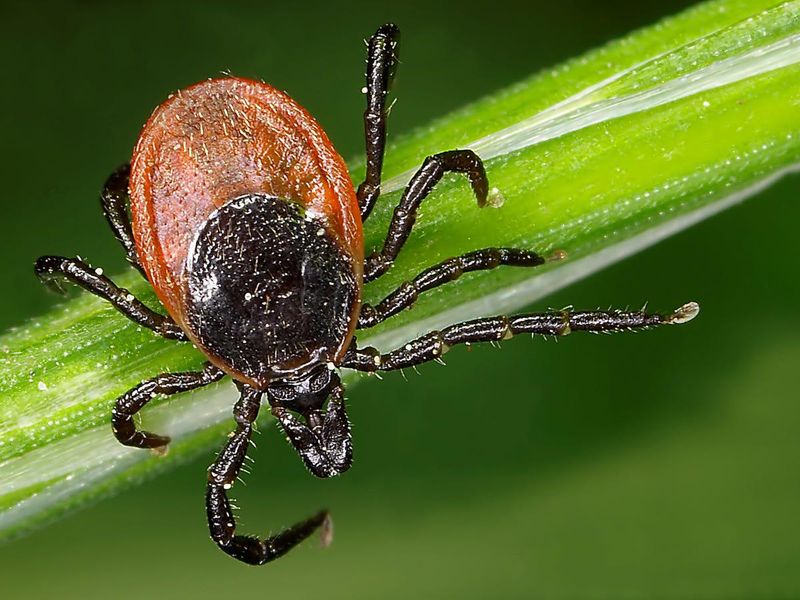
Ticks are sneaky little creatures that tend to hang out in cool, shaded, and moist environments. Tall grass, leaf piles, and wooded edges are their favorite spots.
Open, sunny patios with dry soil are actually not very appealing to them, which already gives lavender-growing areas a natural advantage.
But lavender adds another layer of protection. The strong aromatic oils in the plant, including linalool and camphor, are known to repel ticks on contact.
When the breeze moves through lavender leaves and flowers, those oils spread into the surrounding air. Ticks do not like that environment and tend to avoid it.
Pairing lavender with other aromatic plants like rosemary or mint can boost the effect even more.
Since ticks are a real concern in many parts of the Pacific Northwest, especially near wooded areas or tall grasses, having a natural deterrent right on your patio is genuinely useful.
You get beautiful blooms, a wonderful fragrance, and a plant that quietly keeps one of the most unwanted outdoor pests at a distance.
That combination is hard to beat, especially for families who love spending evenings outside without worry.
4. Compact Varieties That Actually Behave In Pots
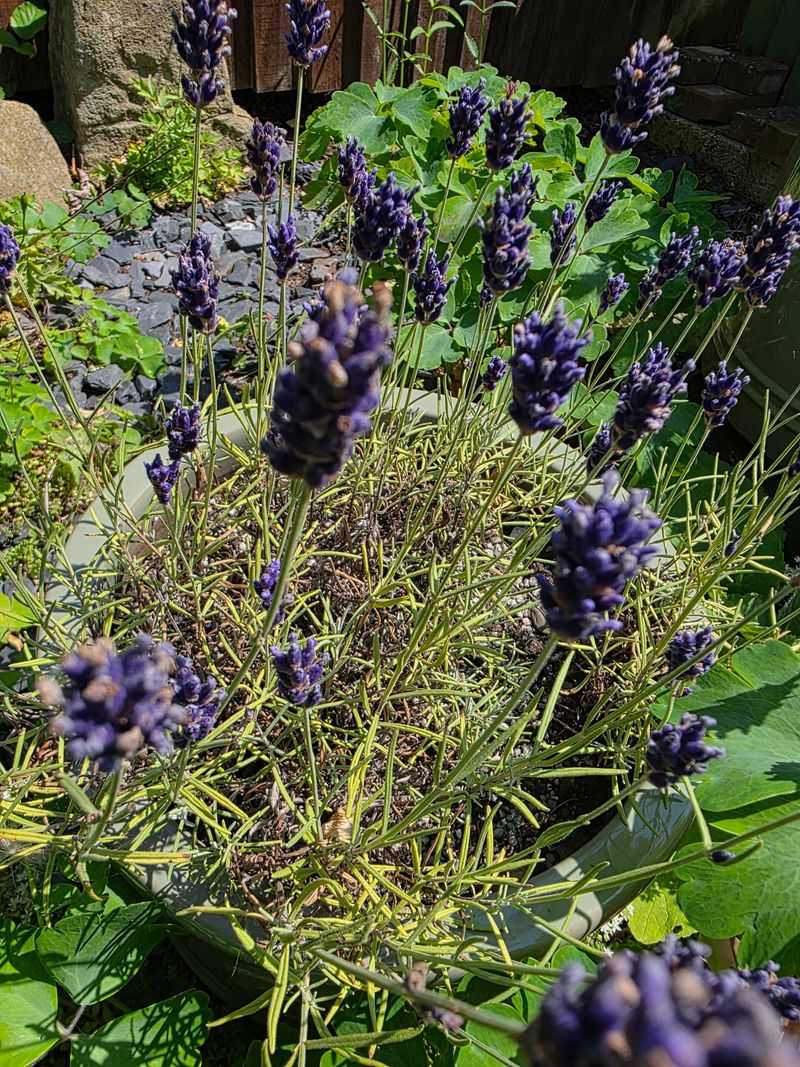
Not every lavender plant is the same size, and that matters a lot when you are working with pots. Some varieties grow quite tall and wide, which can quickly overwhelm a small container.
Fortunately, there are several compact types that stay neat and manageable without losing any of their charm or fragrance.
Hidcote and Munstead are two of the most popular compact lavender varieties. Both stay under 18 inches tall and wide, making them ideal for standard patio pots.
Hidcote has deep purple flowers and a strong scent, while Munstead blooms a little earlier in the season and handles cooler temperatures especially well. Both are great choices for our state’s variable weather.
Choosing the right pot size matters just as much as choosing the right variety. A container that is at least 12 inches wide and deep gives the roots enough room to spread without sitting in excess moisture.
Terra cotta pots are a popular choice because they breathe well and help prevent overwatering. Compact lavender varieties also tend to be more forgiving when conditions are not perfect.
They bounce back from light neglect and still produce plenty of blooms. For anyone who wants a low-effort, high-reward patio plant, these smaller lavender types are exactly the right place to start.
They stay tidy, smell wonderful, and keep pests at bay all season long.
5. Full Sun Bringing Out The Strongest Fragrance
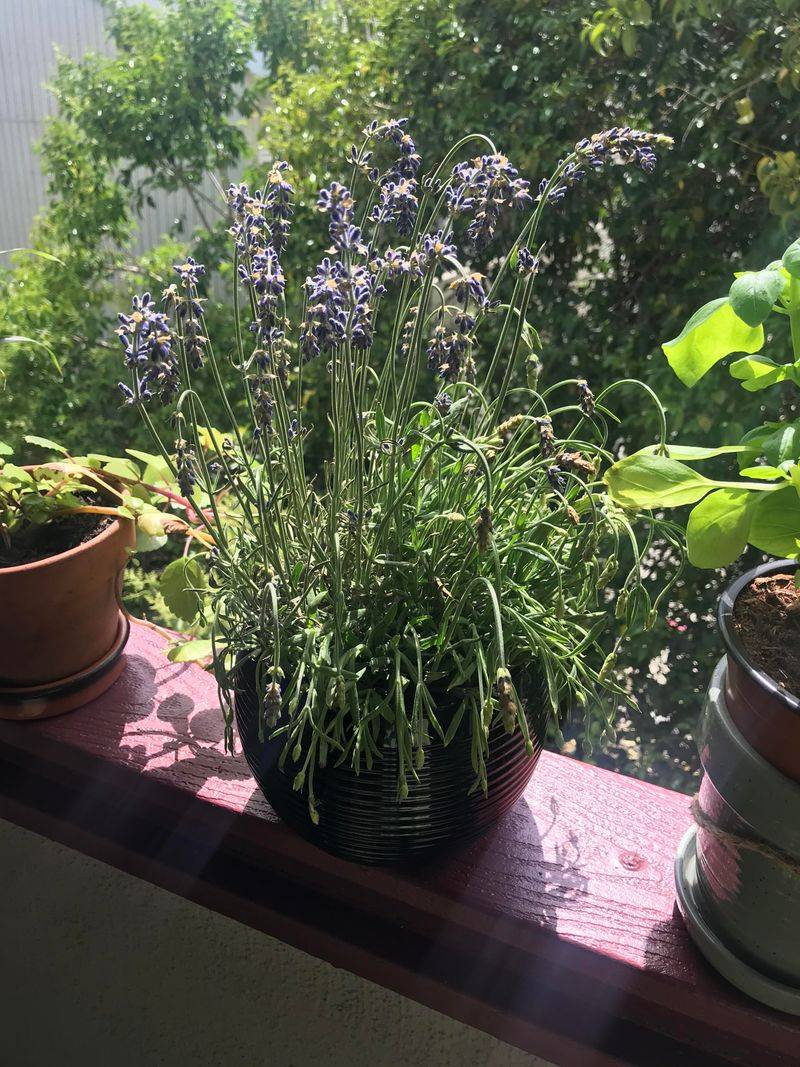
Sunlight is basically lavender’s best friend. The more direct sun this plant gets, the more essential oils it produces inside its leaves and flowers.
Those oils are what give lavender its signature scent and what makes it so effective at deterring insects. A plant growing in full shade will look weak and barely smell like much at all.
For the best results, place your lavender pots where they will get at least six to eight hours of direct sunlight each day. South-facing patios and decks are perfect for this.
Even west-facing spots that get strong afternoon sun can work well. Our state gets plenty of sunny days in the summer months, so most patios can provide the light lavender needs during peak growing season.
Stronger sunlight also means more blooms. A lavender plant that basks in full sun from morning to afternoon will produce taller, more vibrant flower spikes than one tucked in a corner.
More blooms means more fragrance, and more fragrance means better natural pest control. Rotating potted plants occasionally ensures all sides get even light exposure.
If you notice your lavender getting leggy or producing fewer flowers, moving it to a sunnier spot is usually the first fix to try. Sun really does unlock everything great about this plant, from its color to its scent to its pest-deterring power.
6. Fast-Draining Soil Keeping Roots Happy
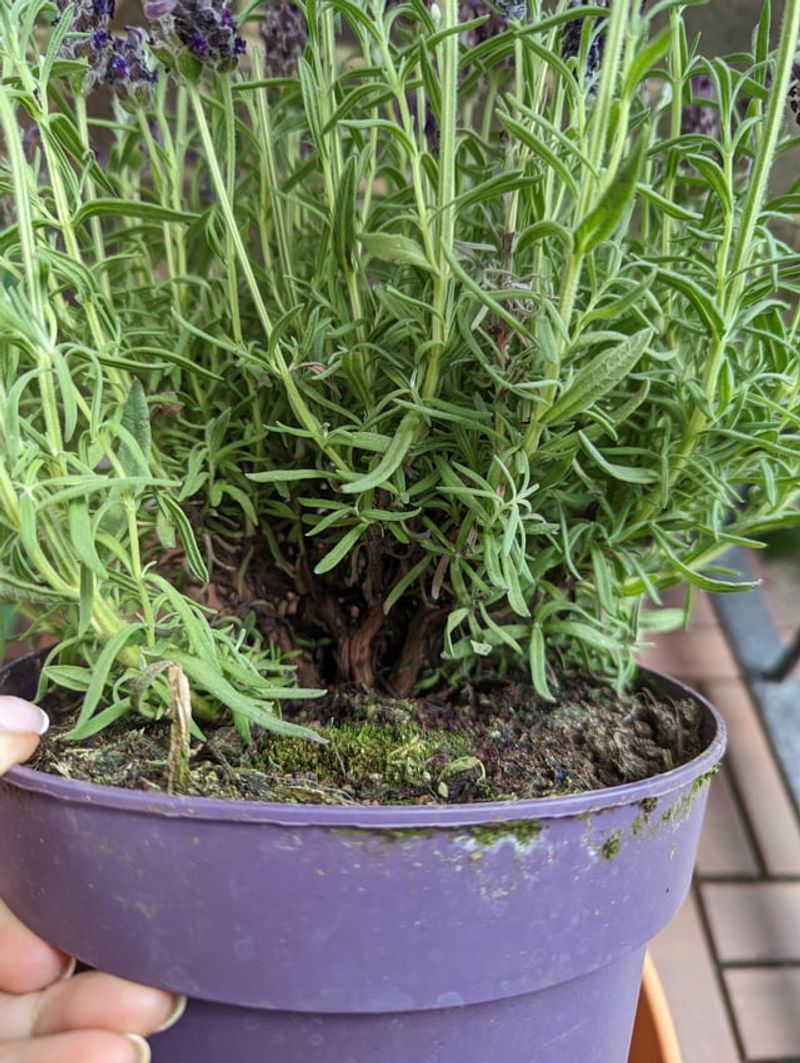
Soggy roots are one of the fastest ways to lose a lavender plant. This is a Mediterranean herb that evolved in rocky, sandy hillsides where water drains away quickly.
When its roots sit in wet soil for too long, they begin to rot, and the whole plant weakens. Getting the soil right is one of the most important things you can do for lavender.
For container growing, a mix of regular potting soil and coarse sand or perlite works really well. Aim for about 30 percent sand or perlite mixed into standard potting mix.
This keeps the soil light and airy so water moves through it fast. The roots get moisture when they need it but never stay wet between waterings.
Our state gets a fair amount of rainfall, especially in spring and fall. If your pots do not drain well, rainwater can build up and cause problems even when you are not watering at all.
Make sure every pot has drainage holes at the bottom and is not sitting in a saucer full of standing water. Raising pots slightly on feet or small risers also helps air circulate under the container.
Sandy, well-draining soil might seem like a small detail, but it is actually the foundation for a healthy, long-lived lavender plant. Get this part right and almost everything else about growing lavender becomes much easier.
7. Skipping Daily Watering Once Plants Settle In
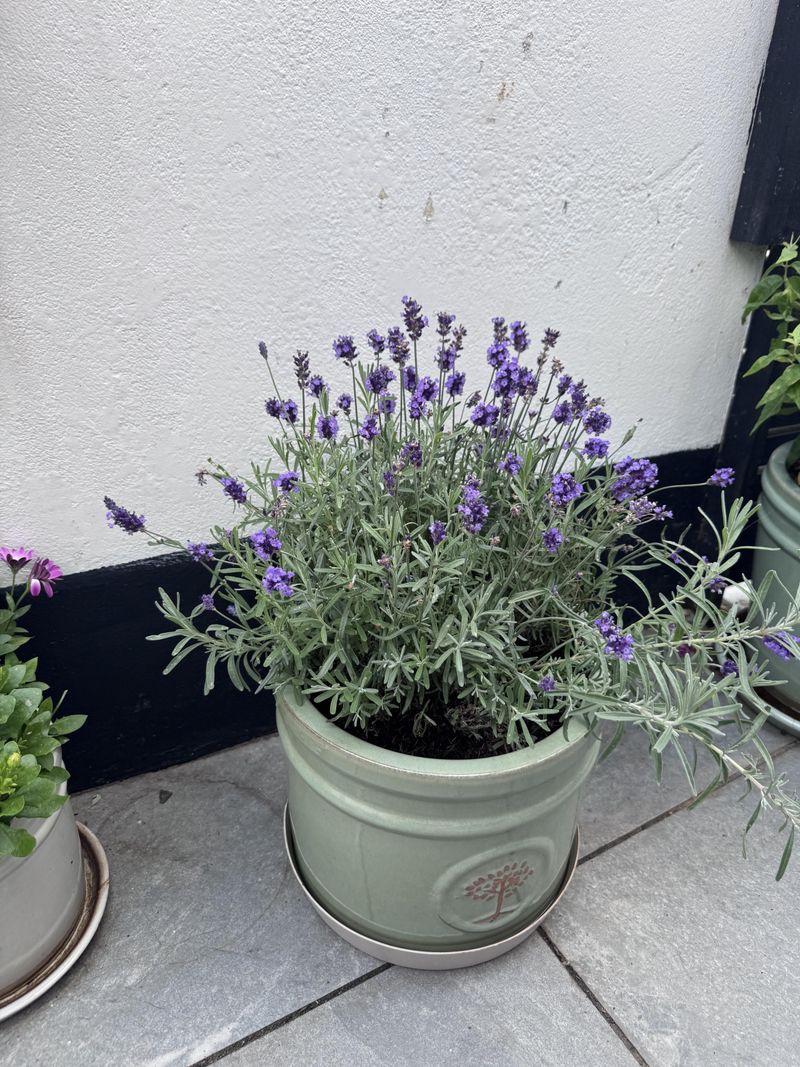
One of the most refreshing things about lavender is how little water it needs once it gets established. Many gardeners are used to checking their plants every day, but lavender actually prefers a drier routine.
Overwatering is far more damaging than underwatering for this particular plant.
During the first few weeks after planting, water regularly to help the roots settle in. After that, cut back significantly.
In summer, watering once every one to two weeks is usually plenty. Let the top inch or two of soil dry out completely before watering again.
This mimics the dry conditions lavender naturally thrives in across Mediterranean climates.
Our state can have dry summers, especially east of the Cascades, which actually suits lavender perfectly. In wetter parts of the state, you may not need to water at all during rainy stretches.
The key is to pay attention to the soil rather than following a fixed schedule. Stick your finger into the soil near the pot.
If it still feels damp, wait another day or two. If it feels dry, go ahead and water deeply.
Deep, infrequent watering encourages roots to grow down in search of moisture, which makes the plant stronger and more drought-tolerant over time. A lavender plant that gets this routine right will reward you with healthy growth and strong fragrance all season.
8. Trimming Spent Blooms To Keep Plants Bushy
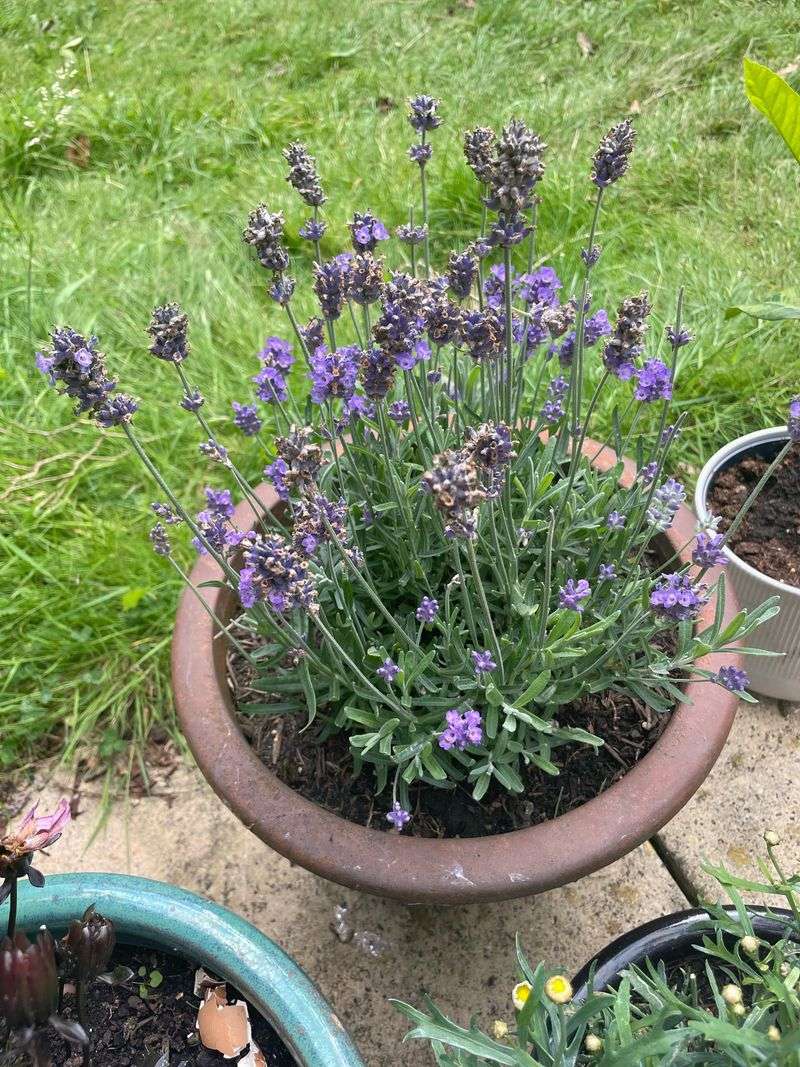
Pruning might sound intimidating, but with lavender it is actually one of the easiest and most rewarding tasks in the garden. Cutting off spent flower spikes after they fade encourages the plant to push out fresh new growth.
Skipping this step leads to a woody, leggy plant that produces fewer blooms each year.
The best time to trim lavender is right after the first flush of flowers fades, usually in midsummer. Use clean, sharp scissors or small pruning shears.
Cut the flower stalks back to just above the leafy green growth below. Never cut into the woody brown stems near the base, as lavender does not regrow well from old wood.
Staying in the green zone keeps the plant healthy and full.
A good trim also helps lavender keep its compact, mounded shape. Plants that go unpruned for several seasons tend to split open in the middle and look scraggly.
A well-trimmed lavender plant stays tight, bushy, and attractive all season. Many gardeners in our state do a light shaping trim in early spring as well, removing any winter damage and tidying up the overall form.
This two-trim approach, once in spring and once after summer blooming, keeps lavender looking its best year after year.
A little effort with the shears goes a long way toward keeping your patio plant healthy, fragrant, and full of those gorgeous purple blooms.