9 Long-Living Flowers That Bloom For Decades In Wyoming Gardens
Winter in Wyoming has a way of testing every promise a plant ever made. Most flowers fold under that kind of pressure, leaving bare patches where color used to be.
A rare few refuse the script entirely. They tuck into frozen ground, wait out the wind, and push through cracked soil like nothing happened.
These aren’t fragile showpieces that need constant fussing or perfect conditions to survive. They’re the flowers your grandmother planted once and forgot about, the ones still blooming decades later without an ounce of extra effort.
Plant one this year, and you’re not just adding color to a bed. You’re starting something that outlasts fences, outlasts drought, and quietly becomes part of the land itself.
1. Peonies Return Reliably For Generations
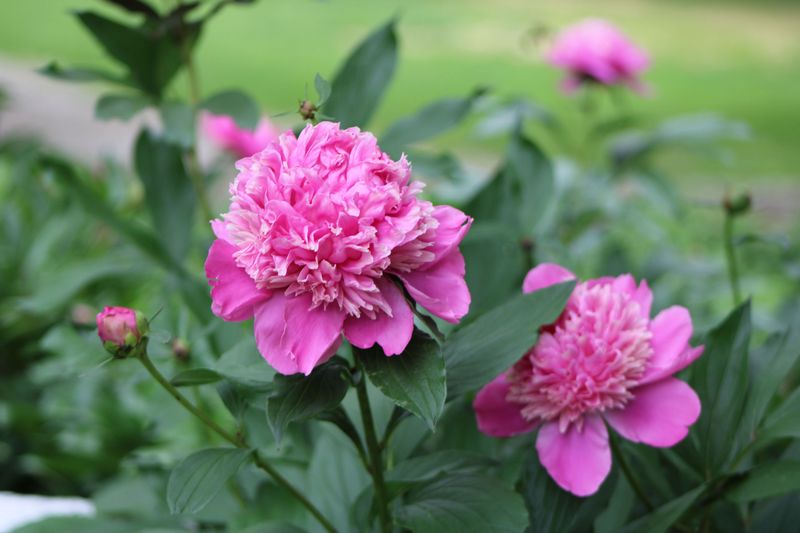
Your grandmother probably had peonies. Her grandmother likely did too. These showstopping blooms are famous for lasting well beyond a single lifetime, sometimes thriving for 50 to 100 years in the same spot.
In Wyoming, where winters are punishing and spring arrives late, peonies are surprisingly at home. They actually need cold winters to set their buds, making the harsh climate work in your favor.
Plant them in full sun with well-drained soil, and they will reward you every single June. One important rule: do not plant them too deep.
The “eyes,” or pink buds at the root, should sit no more than one to two inches below the soil surface. Planting too deep is the number one reason peonies refuse to bloom.
Once established, skip the fertilizer overload, as too much nitrogen pushes leafy growth instead of flowers. A light application of balanced fertilizer in early spring is all they need.
These blooms are also deer-resistant, which is a major bonus for Wyoming yards near open land. Ants on the buds are normal and harmless, so do not panic when you spot them.
They are attracted to nectar and will move on once blooms open. Once settled in, peonies rarely ask for anything beyond a spring cleanup.
2. Daylilies Survive Harsh Wyoming Winters
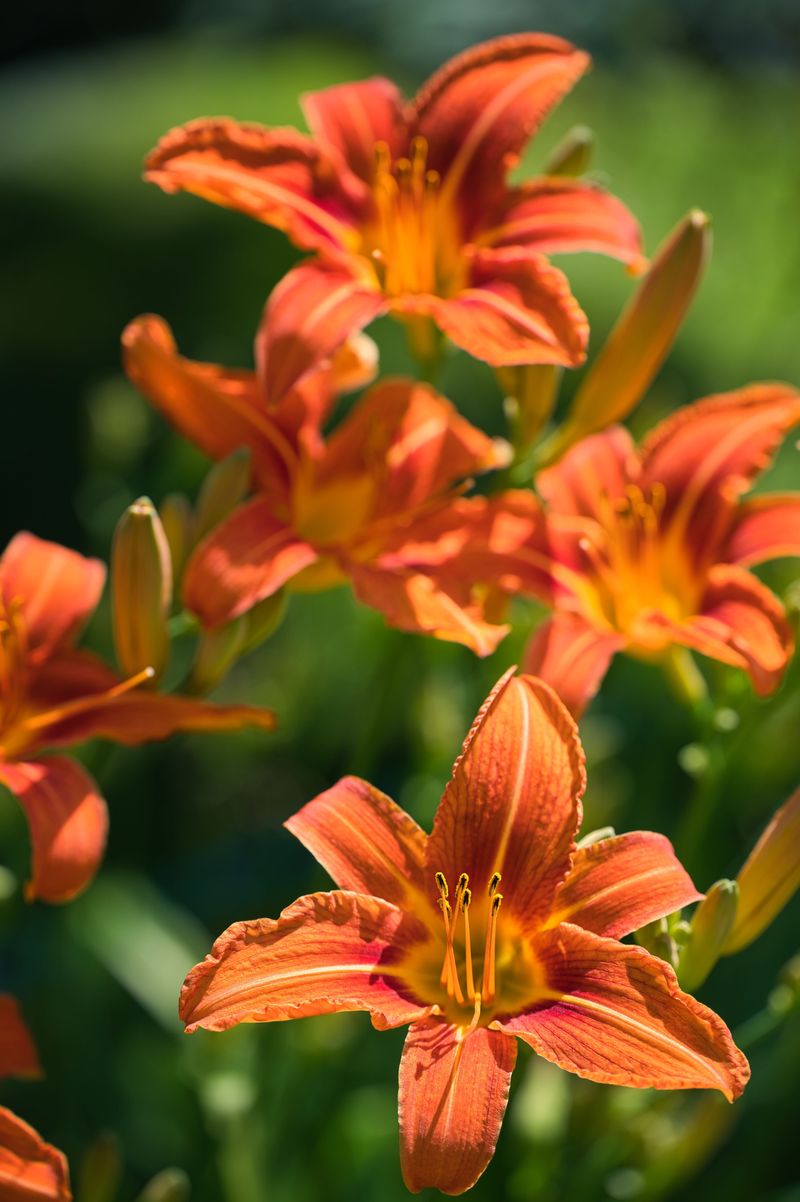
Daylilies are the underdogs of the perennial world, tough, adaptable, and wildly underappreciated. Each individual bloom lasts only one day, but a healthy clump produces hundreds of buds over weeks.
The result is a rolling display of color that keeps your garden looking alive all summer long. Wyoming’s cold winters do not slow these plants down at all.
Most daylily varieties are rated for hardiness zones 3 through 9, meaning they laugh at subzero temperatures. They go dormant in fall, disappear underground, and come roaring back each spring with fresh green foliage.
Plant them in full sun to partial shade with average soil, and they will handle the rest. Daylilies are drought-tolerant once established, which suits Wyoming’s drier regions perfectly.
Dividing clumps every four to five years keeps them blooming strong and prevents overcrowding. This is also the easiest way to multiply your collection without spending a single dollar.
Orange, yellow, red, purple, and bi-color varieties exist, so you can match any garden style. Extended-blooming cultivars like “Stella de Oro” are especially popular for their long season of color.
Few plants forgive a busy gardener as easily as these do. Once planted, expect decades of reliable blooms with almost zero fuss from you.
3. Irises Multiply And Bloom For Years
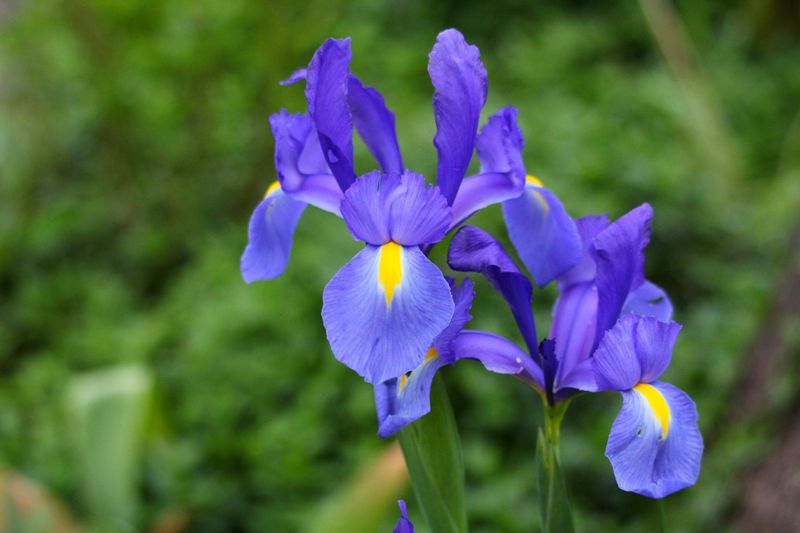
Few flowers carry the dramatic flair of a bearded iris in full bloom. The ruffled petals, bold color combinations, and upright stance make them impossible to ignore in any garden bed.
Better yet, they spread on their own and reward you with more blooms every passing year. Irises grow from thick underground stems called rhizomes, which store energy through cold winters.
In Wyoming’s climate, this storage system is a lifesaver when spring soil temperatures swing wildly. Plant rhizomes just at the soil surface, with the tops slightly exposed to sunlight.
Burying them too deep leads to rot, so resist the urge to tuck them in too far. Full sun is essential for strong blooming, as shaded irises produce mostly leaves.
After a few years, clumps get crowded and blooming slows down noticeably. Dividing them every three to four years refreshes the plants and spreads color across new areas.
Replant the firm outer rhizomes and compost the old woody center pieces. Irises are also drought-tolerant once settled in, which suits Wyoming’s drier summers well.
Siberian irises are another excellent option, as they handle wetter soils and shadier spots better. Their staying power has made them a fixture in high-altitude gardens for generations.
4. Hostas Thrive In Shaded Wyoming Beds
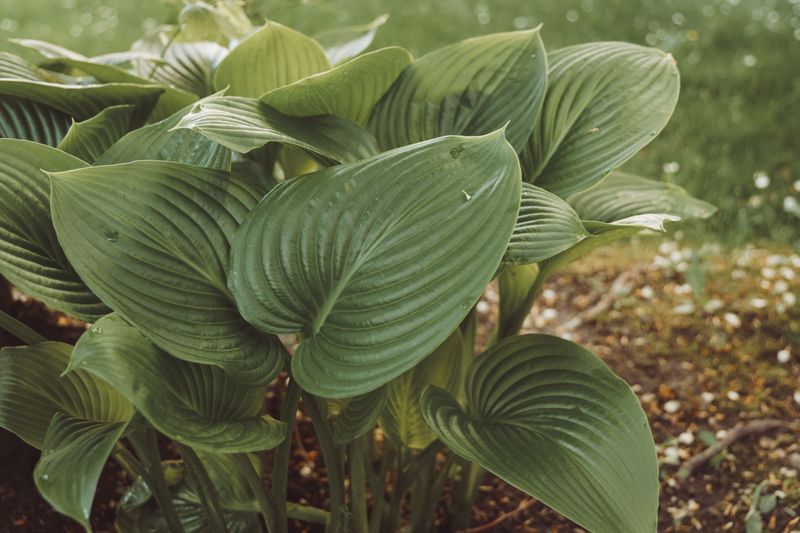
Shady spots in the garden can feel like a design puzzle with no easy answer, until hostas show up. These bold, leafy perennials transform dark corners into lush, textured landscapes that look intentional and polished.
Hostas are grown primarily for their foliage, which comes in green, blue, gold, and variegated patterns. They do bloom in midsummer, sending up tall spikes of lavender or white flowers above the leaves.
Hummingbirds and bees visit those blooms regularly, adding unexpected wildlife activity to shaded spaces. In Wyoming, hostas perform best in spots that receive morning sun and afternoon shade.
Too much direct sun bleaches the leaves, especially in high-altitude gardens where UV exposure is intense. Rich, moist, well-drained soil helps them establish quickly and expand into impressive clumps over time.
Mulching around the base retains moisture and keeps roots cool during hot summer stretches. Hostas go dormant each winter and reemerge in spring, often larger than the year before.
Over decades, a single plant can grow into a massive clump several feet wide. Slugs are the main pest to watch for, especially in wetter seasons or irrigated beds.
A ring of diatomaceous earth around the base discourages slugs without chemicals or harm to wildlife. In low-light corners, few plants prove this dependable year after year.
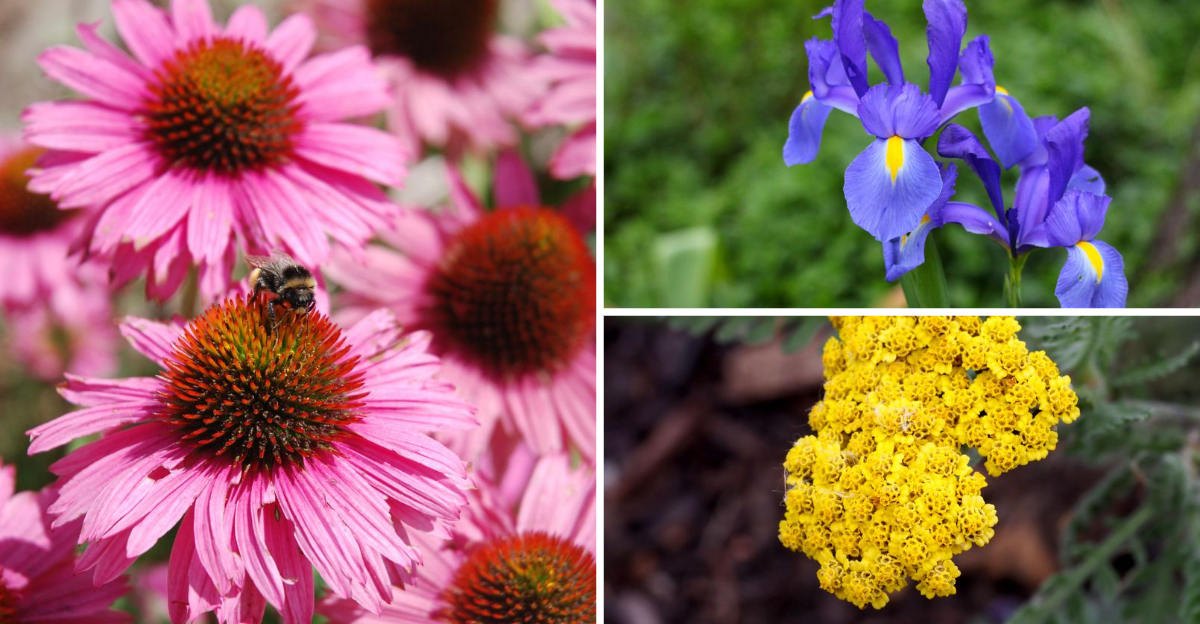
5. Coneflowers Attract Pollinators Season After Season
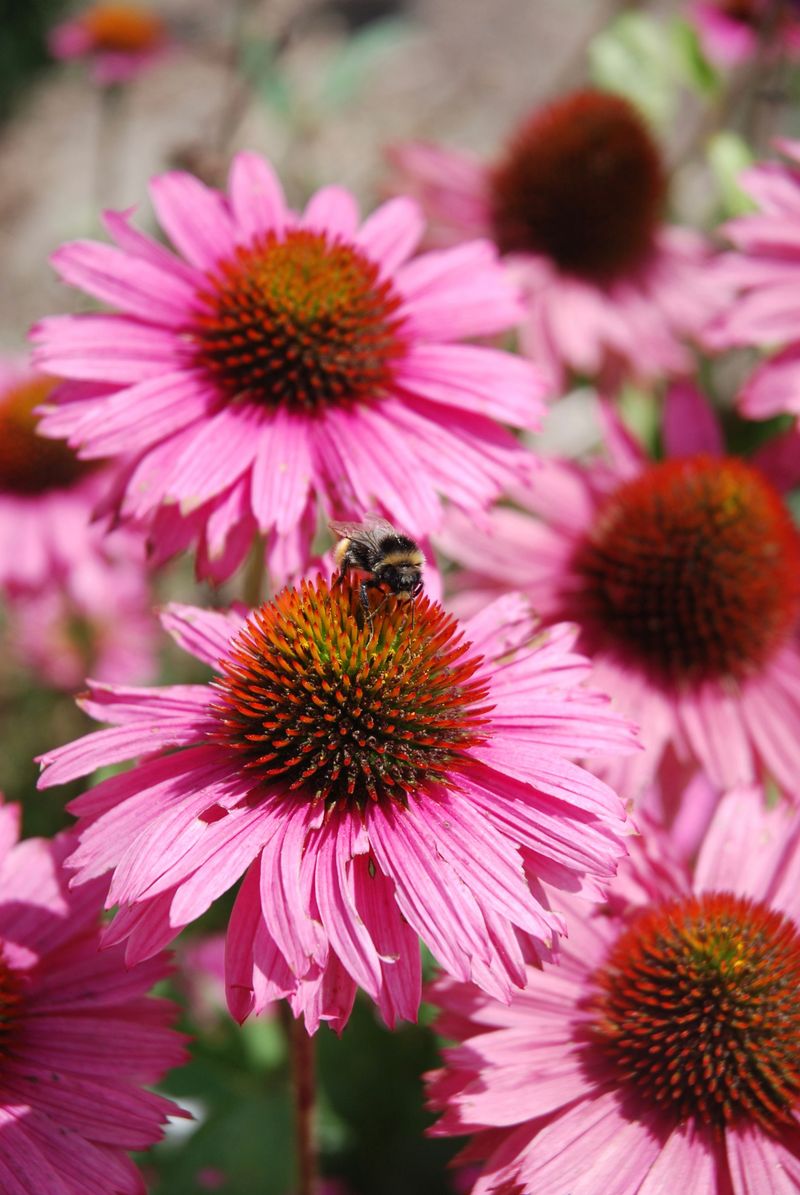
If your garden needs more life, coneflowers are the answer. These cheerful, daisy-like blooms pull in bees, butterflies, and goldfinches from across the neighborhood every single summer.
Native to North American prairies, they are naturally built for the kind of climate Wyoming delivers. Echinacea, the scientific name for coneflowers, handles drought, wind, and cold with remarkable ease.
They thrive in full sun and prefer well-drained soil, even poor or rocky ground works fine. Rich, over-amended soil actually produces floppy stems and fewer blooms, so skip the heavy compost.
Purple coneflower is the classic variety, but breeders have expanded the palette dramatically in recent years. You can now find orange, red, yellow, white, and bi-color cultivars in most garden centers.
Removing spent blooms encourages more flowers, but leaving some seed heads in fall feeds winter birds. It is a genuine win for both your garden’s beauty and local wildlife.
Coneflowers self-seed modestly, meaning new plants pop up nearby without any effort from you. Over time, a small planting grows into a generous patch that fills in bare spots naturally.
Dividing clumps every four years keeps plants vigorous and prevents the center from fading. They’ve earned a permanent spot in any garden built to support local wildlife.
6. Sedum Withstands Drought And Cold Alike
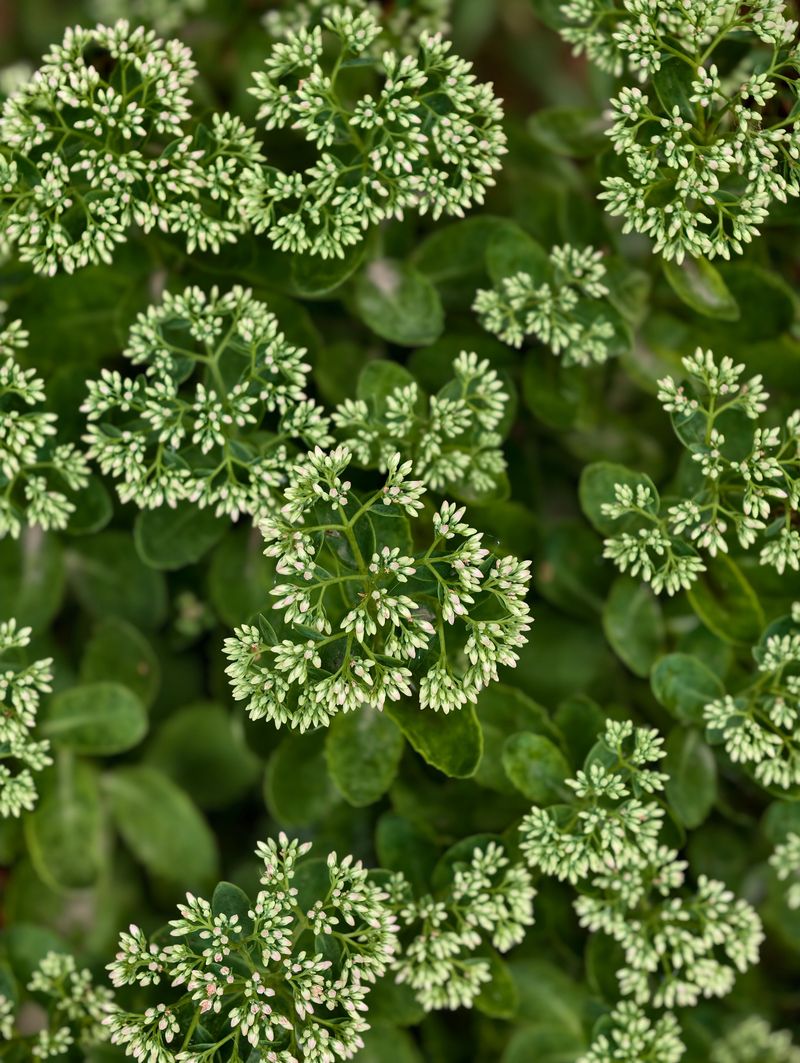
Sedum is the plant that thrives when everything else is struggling to survive. Its thick, water-storing leaves shrug off drought, heat, and cold in ways that most perennials simply cannot match.
Tall sedum varieties, sometimes called stonecrop, form upright clumps that bloom in late summer and fall. That late-season color is especially valuable in Wyoming, where most flowers wrap up by August.
The flat-topped flower clusters open in shades of pink, red, and burgundy, attracting butterflies right into October. Even after frost hits, the dried seed heads hold their structure and add winter interest to the garden.
Low-growing sedum varieties spread along the ground and work beautifully as weed-suppressing groundcovers. Both types prefer full sun and gritty, well-drained soil, and they struggle badly in wet ground.
Raised beds or slopes are ideal planting spots in areas with heavier clay soils. Once established, sedum needs almost no supplemental watering, even during dry Wyoming summers.
Dividing clumps every three to four years keeps them tidy and encourages fresh, vigorous growth. Propagation is almost embarrassingly easy: just snap off a stem and press it into soil.
It will root within a few weeks with no special treatment or products required. When conditions turn harsh, few plants hold their ground quite like this one.
7. Yarrow Persists With Minimal Maintenance
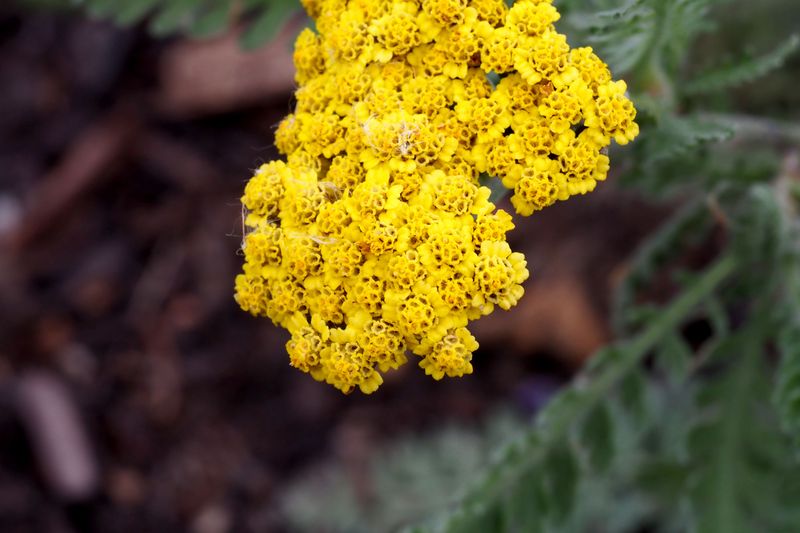
Yarrow has been growing wild across North America for centuries, and for good reason. This flat-topped, feathery-leaved perennial is one of the toughest plants you can put in the ground.
It handles poor soil, dry conditions, and neglect better than almost any other flowering plant out there. In Wyoming’s alkaline, rocky soils, yarrow does not just survive, it genuinely flourishes.
Full sun and sharp drainage are the only real requirements for a successful yarrow planting. Classic white yarrow is stunning, but modern cultivars offer rich shades of red, orange, pink, and gold.
The flat flower heads make excellent landing pads for beneficial insects, especially predatory wasps and native bees. Blooms appear in early summer and continue well into fall if you cut spent clusters regularly.
Cutting stems back by half after the first flush of flowers triggers a strong second round of blooming. Yarrow also makes a fantastic cut flower, fresh or dried, for indoor arrangements.
The dried blooms hold their color for months, making them a favorite for rustic home decor. Aggressive spreading can happen in rich soils, so dividing clumps every two to three years helps control size.
Replanted divisions establish quickly and bloom in their first season without hesitation. For gardeners who want color without the upkeep, yarrow rarely disappoints.
8. Black-Eyed Susans Self-Seed For Decades
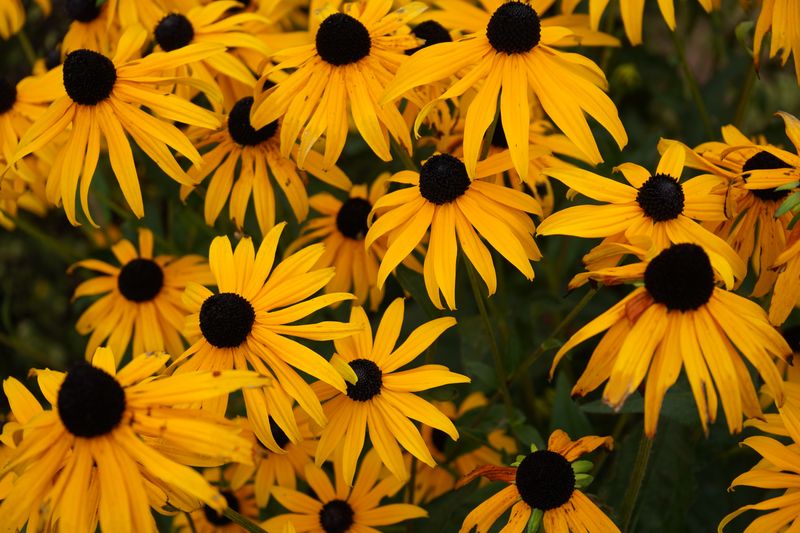
Plant black-eyed Susans once, and they will plant themselves forever after. These golden, dark-centered wildflowers are champion self-seeders, meaning they scatter seeds each fall and sprout fresh plants every spring.
Native to North American grasslands, they are completely at ease in Wyoming’s wide-open, sun-drenched landscape. Black-eyed Susans bloom from midsummer into fall, filling the garden with warm, cheerful color for months.
They thrive in full sun and tolerate poor, dry soil without complaint or extra care from you. Overwatering is actually the fastest way to cause problems, as wet roots invite rot and disease.
Plant them in a spot with good air circulation to prevent powdery mildew on the leaves. Spacing plants about 18 inches apart gives them room to breathe and spread naturally over time.
Leaving seed heads standing through winter provides critical food for goldfinches and other seed-eating birds. By spring, you will notice tiny new seedlings popping up around the parent plants like clockwork.
Thin or transplant extras to new spots in the garden, or share them with neighbors who ask. Rudbeckia hirta is the annual species, while Rudbeckia fulgida is the true perennial form to seek out.
The perennial type returns reliably each year without reseeding required, making it the smarter long-term choice. Few plants give back this much color for so little effort in return.
9. Lavender Rewards Patient Wyoming Gardeners
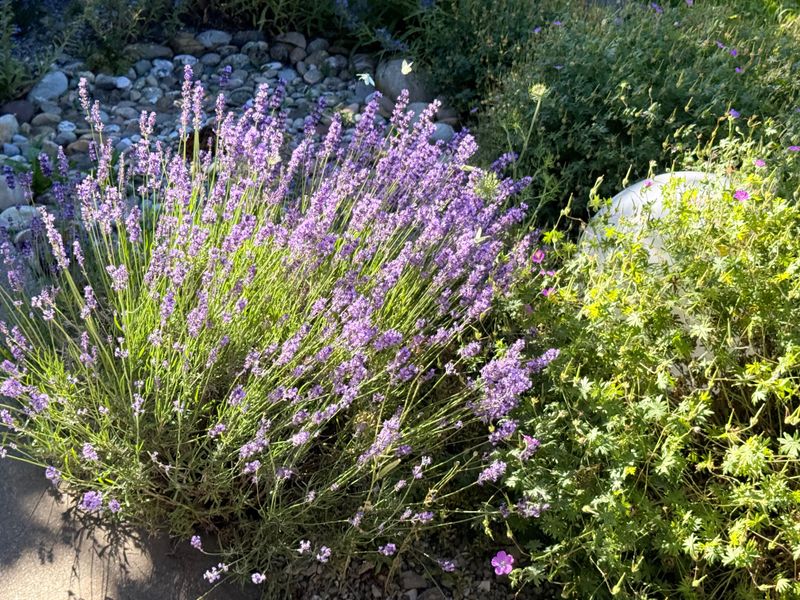
Lavender tests your patience in year one, then pays you back for the next 20 years. The first season, it sits quietly and focuses entirely on building a deep, drought-resistant root system.
By year two, it blooms more fully, and by year three, it becomes a fragrant, buzzing centerpiece. Wyoming’s dry climate and intense sunshine are actually ideal conditions for lavender to reach its full potential.
English lavender varieties, especially Hidcote and Munstead, are the most cold-hardy choices for high-altitude gardens. They handle temperatures well below zero when planted in fast-draining soil away from wet winter conditions.
Raised beds or south-facing slopes with sandy or amended soil give lavender the drainage it craves most. Avoid clay-heavy ground, as standing water around roots in winter is the most common cause of failure.
Prune plants back by about one-third each spring, just as new growth begins to emerge from the base. Avoid cutting into old woody stems, as lavender does not regenerate well from bare, aged wood.
Annual pruning keeps the plant compact, extends its productive lifespan, and encourages heavier blooming each season. Bees flock to lavender, making it one of the best pollinator plants for any sun-drenched bed.
Harvest stems in the morning just before full bloom for the strongest fragrance and longest vase life. Lavender is proof that a little early patience pays off for decades.