This Sticky Black Substance Dripping From Your Virginia Trees Deserves Attention
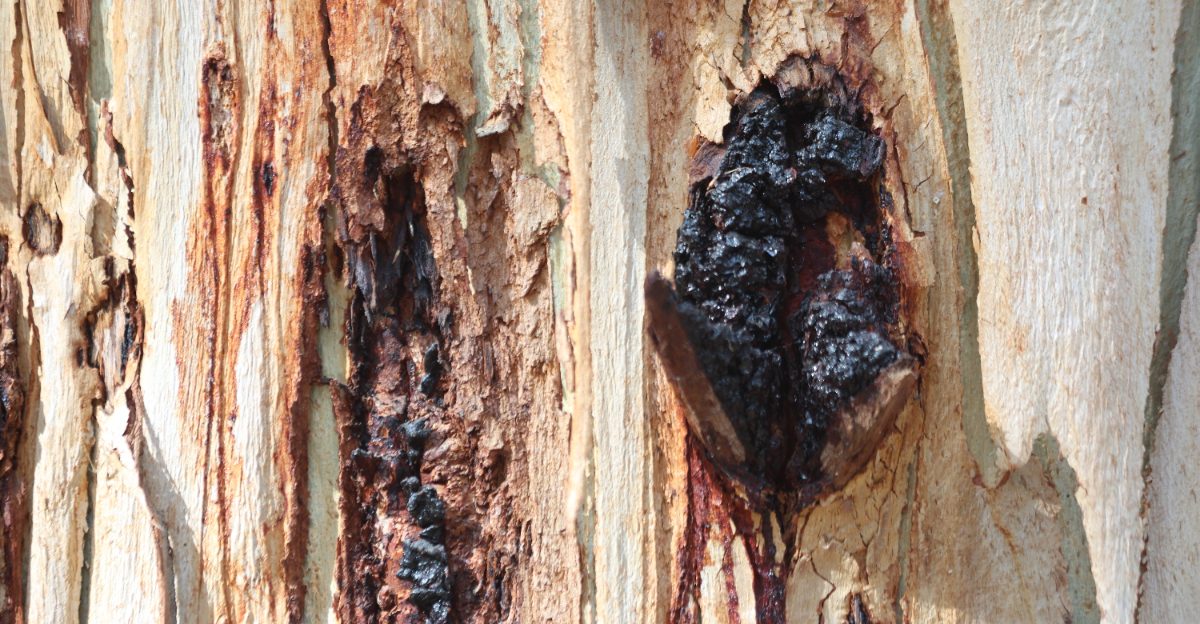
Your Virginia backyard has turned into a sticky mess, with a dark residue coating leaves, branches, and everything sitting beneath your trees. Something is clearly going on, and it is not just a quirk of the weather.
That gooey black film spreads fast, turning healthy green leaves dull and leaving patios, cars, and outdoor furniture covered in an unwelcome shine. It is messy, stubborn, and hard to ignore once it starts.
Behind the scenes, tiny insects are quietly feasting on your trees, leaving behind a sugary residue that slowly darkens into that grimy coating. Left unchecked, the buildup can sap your tree’s energy over time.
Aphids Produce This Sugary Residue
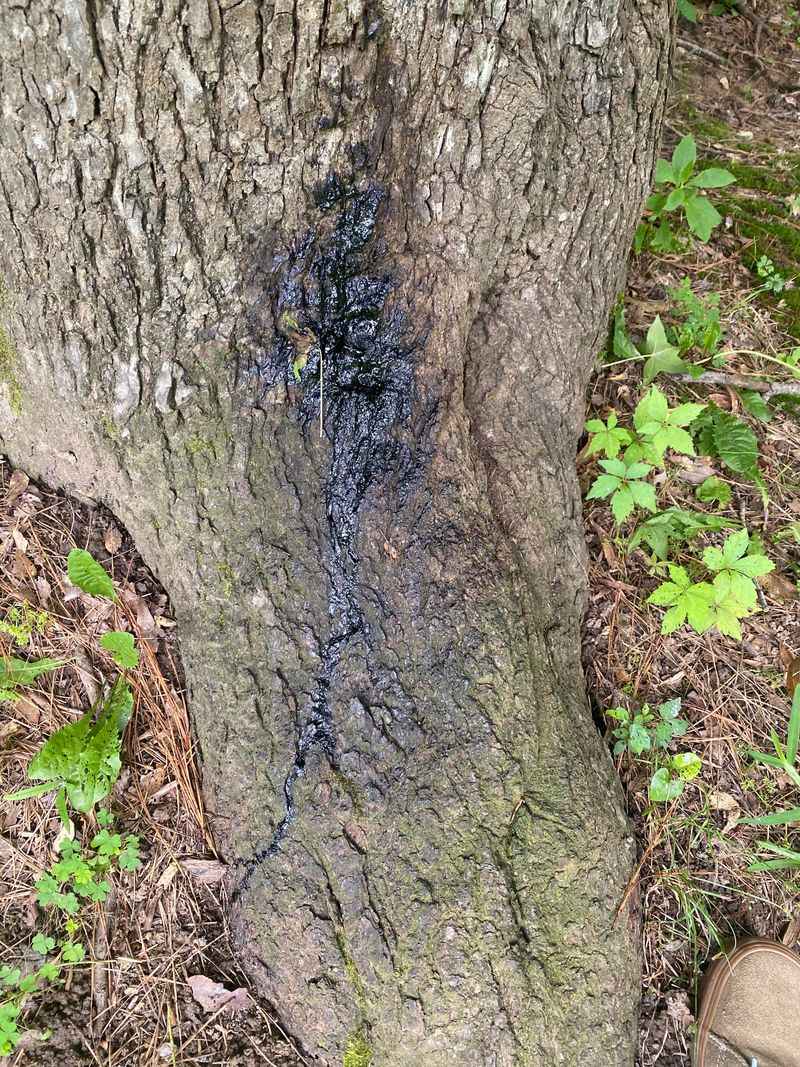
Tiny but troublesome, aphids are often the first suspects when sticky black substance dripping from your Virginia trees becomes a problem.
These soft-bodied insects are barely the size of a sesame seed, yet they cause an outsized mess. They pierce plant tissue and suck out sugary sap all day long.
As aphids feed, they excrete a sticky waste product called honeydew. This clear, syrupy liquid drips from
branches and coats everything below.
Leaves, lawn furniture, and even cars parked nearby can end up covered in the stuff. Aphids tend to cluster on the undersides of leaves and along new growth.
You might not notice them at first because they blend in so well. Flip a leaf over and you may find dozens crowded together.
Different aphid species target different trees. In Virginia, oak, maple, and crape myrtle trees are frequent targets. Warm spring weather causes aphid populations to spike quickly.
Within days, a small group becomes a massive infestation. A single aphid can reproduce without mating, which means colonies grow at a rapid pace.
That rapid growth explains why the honeydew problem escalates so fast. Natural predators like ladybugs and lacewings help keep aphid numbers down.
Encouraging these beneficial insects in your yard is a smart first step. Planting flowers like dill or fennel nearby attracts them naturally.
Catching an aphid infestation early saves your tree from unnecessary stress. Act fast to give your tree the best chance to recover.
Sooty Mold Grows on the Residue
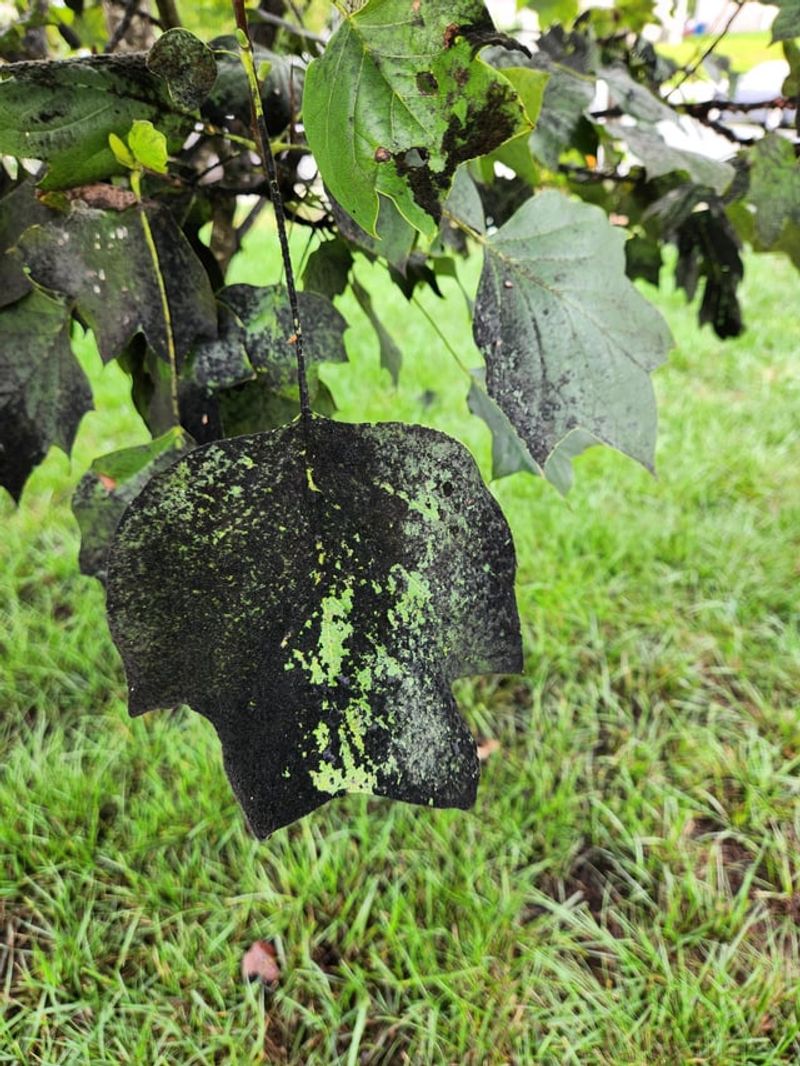
That jet-black coating on your tree is not soot from a fire. Sooty mold is a fungus that feeds on the sugary honeydew left behind by insects. It spreads fast and turns leaves and bark an alarming shade of black.
The mold itself does not attack the tree directly. Instead, it blocks sunlight from reaching the leaf surface. Leaves that cannot photosynthesize properly start to struggle.
Sooty mold looks alarming, but it is really a symptom of a bigger bug problem. Fixing the insect infestation is the most important step. Once the honeydew source dries up, the mold stops spreading.
You can often wipe sooty mold off with a damp cloth on smaller branches. A gentle spray of water helps wash it from leaves. However, scrubbing too hard can damage tender foliage.
On heavily coated trees, the mold creates a thick, crusty layer. This layer is stubborn and may take several weeks to break down naturally. Patience is key after treatment.
Your Virginia Garden Changes Every Week. Your Plan Should Too.
Gardening in Virginia changes quickly throughout the season. Every Friday you’ll receive a simple weekly plan showing exactly what to plant, prune, fertilize, harvest, and protect so you never miss the right timing.
Sooty mold is most common during warm, humid Virginia summers. High moisture levels help the fungus thrive and spread. Pruning for better airflow reduces humidity around leaves.
Horticultural oil sprays can help loosen and remove stubborn sooty mold coatings. Apply according to label directions and avoid spraying during extreme heat. Your tree can look noticeably better within a few weeks of treatment.
Scale Insects Cause Similar Sticky Drips
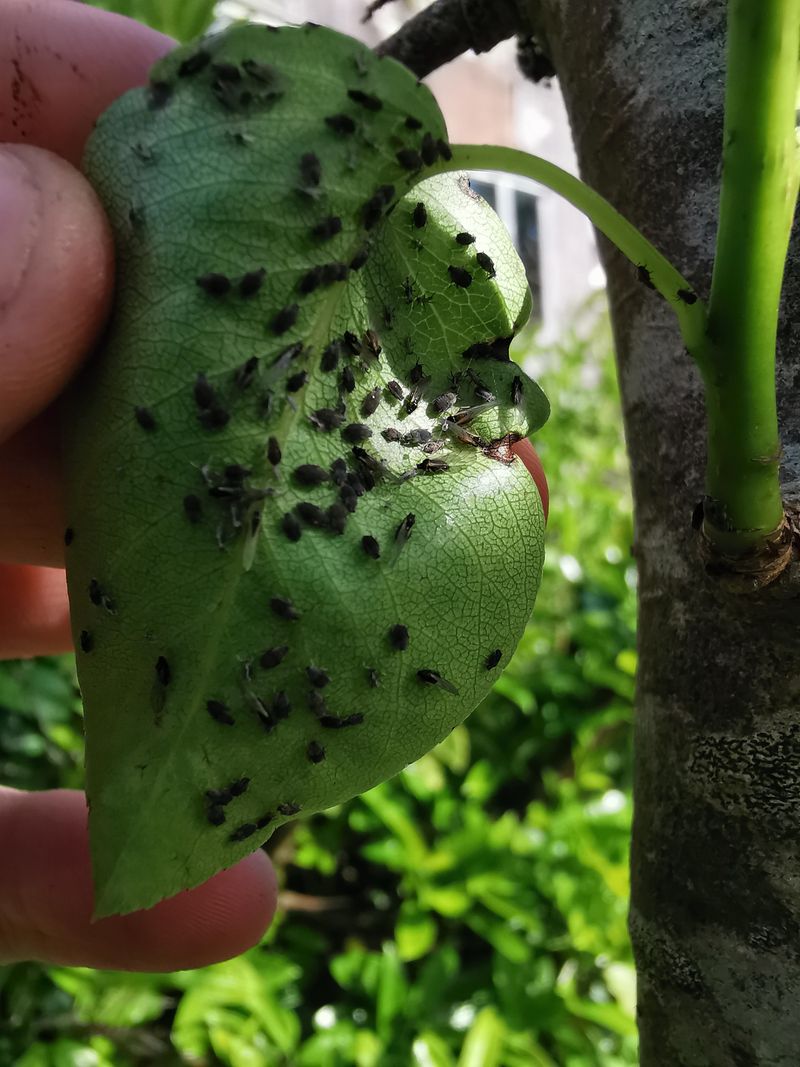
Scale insects are sneaky little pests that often go unnoticed until the damage is already done. They look more like bumps on bark than actual bugs.
Their waxy, shell-like covering makes them hard to spot and even harder to remove. Like aphids, scale insects feed by piercing plant tissue and extracting sap.
They also excrete honeydew as a byproduct of feeding. This leads to the same sticky dripping mess and eventual sooty mold growth.
There are two main types of scale insects: soft scale and armored scale. Soft scale produces more honeydew and causes more visible dripping.
Armored scale tends to stay put and cause localized damage. In Virginia, common scale species target dogwood, holly, and magnolia trees.
Crape myrtles are also highly susceptible. If your ornamental trees look dull and sticky, scale may be the culprit.
Female scale insects lay hundreds of eggs under their protective shells. When those eggs hatch, the crawlers move to new growth and start feeding. This cycle repeats several times a year.
Dormant oil spray applied in late winter smothers scale eggs before they hatch. This is one of the most effective preventive treatments available. Timing the application correctly is crucial for good results.
Systemic insecticides can also target scale infestations on heavily affected trees. Always follow label instructions carefully. Getting scale under control restores your tree’s ability to grow strong and healthy again.
Affected Trees Lose Vigor Over Time
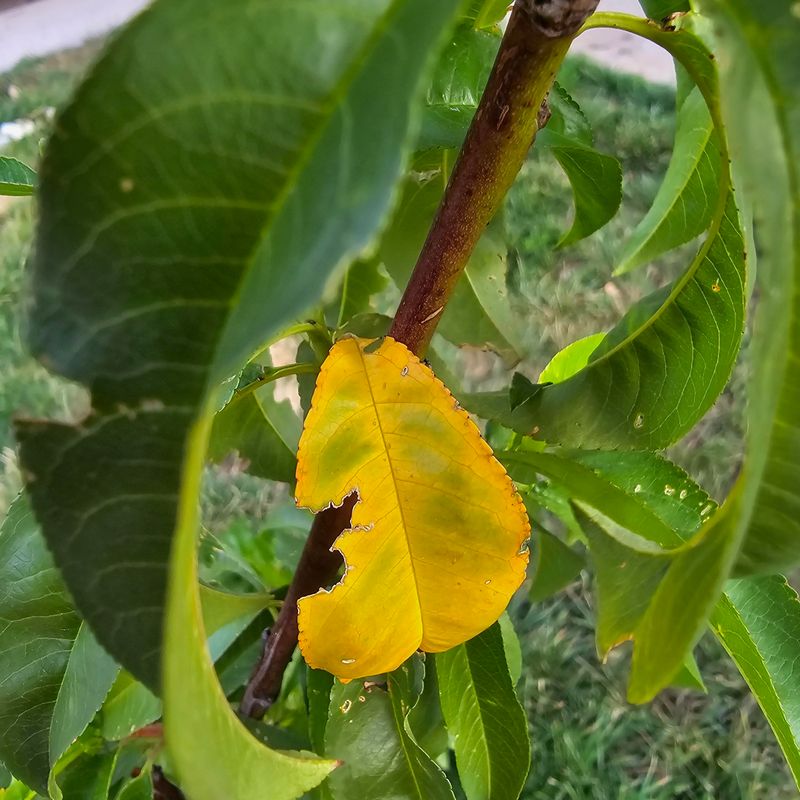
A tree dealing with constant insect feeding faces ongoing strain it wasn’t built to handle. The energy loss from repeated sap removal adds up fast. Over months and years, even a healthy tree starts to show the strain.
Leaves may turn yellow or drop earlier than usual in the fall. New growth might look stunted or smaller than normal. These are signs the tree is struggling to keep up with demand.
When sooty mold coats the leaves, photosynthesis slows down significantly. The tree produces less food for itself as a result. Think of it like trying to work in a room with all the lights turned off.
Stressed trees are also more vulnerable to secondary problems. Borers, fungal diseases, and bacterial infections target weakened trees more aggressively. One pest problem can open the door to several others.
Branch decline is a serious sign that a tree has been struggling for a long time. Bare branches not only look bad but also pose a safety risk. Removing decayed wood promptly helps the tree redirect energy to healthy growth.
Younger trees are especially vulnerable because their root systems are still developing. A two-year-old tree dealing with a heavy scale infestation may not recover without help.
Early intervention makes a huge difference in long-term outcomes. Consistent care, proper watering, and annual inspections keep trees resilient.
A well-maintained tree handles pest pressure far better than a neglected one. Your effort now helps protect your landscape well into the future.
Treating Insects Stops Further Dripping
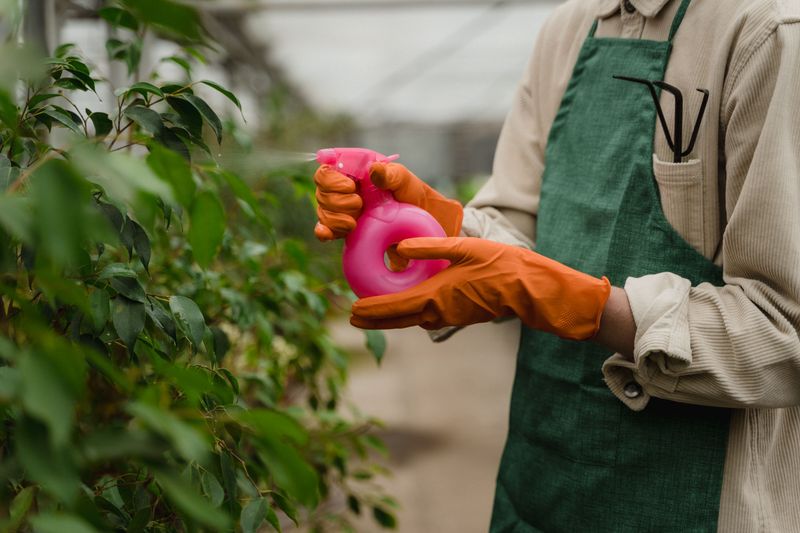
Stopping the drip starts with stopping the bugs. No amount of cleaning will fix the problem if the insects are still feeding. Treatment must target the source directly.
For aphids, a strong blast of water from a garden hose works surprisingly well. Knocking aphids off branches disrupts their feeding and reduces populations quickly. Repeat this every few days for the best effect.
Insecticidal soap spray is another effective and low-toxicity option. It coats the insects and interferes with their ability to breathe. It breaks down quickly and does not linger in the environment.
Neem oil is a popular organic choice that tackles multiple pests at once. It disrupts the feeding and reproductive cycles of aphids and scale insects. Apply it in the early morning or evening to avoid leaf burn.
For severe infestations, systemic insecticides offer longer-lasting control. These products are absorbed by the tree, making the sap toxic to feeding insects. A licensed arborist can apply these safely and effectively.
Always read product labels before applying any treatment. Overusing pesticides can harm beneficial insects like bees and predatory wasps. Targeted, careful application protects your whole yard ecosystem.
After treating the insects, monitor the tree weekly for signs of reinfestation. New aphid or scale colonies can establish quickly if left unchecked. Staying alert in the weeks after treatment is just as important as the initial fix.
Prevention Keeps Trees Healthy Long Term
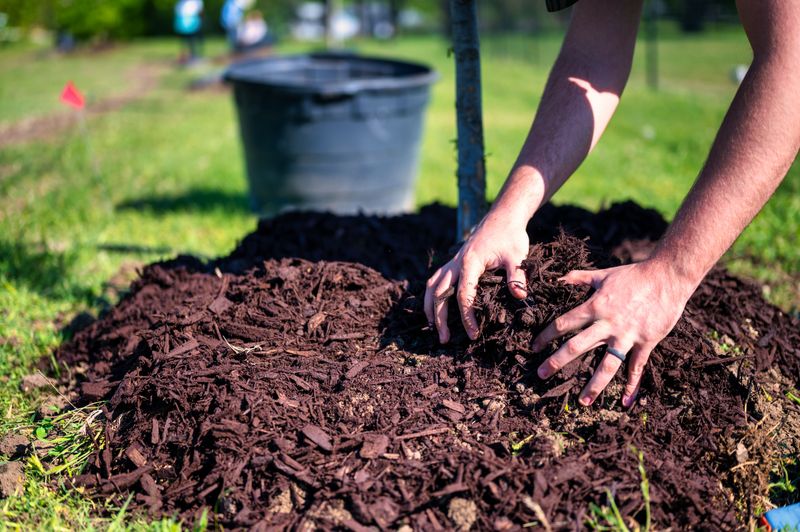
Healthy trees are naturally more resistant to pest pressure. Prevention is typically easier and cheaper than treatment. Building strong trees starts at the roots, literally.
Proper mulching around the base of a tree retains moisture and regulates soil temperature. A two-to-four-inch layer of mulch keeps the root zone comfortable year-round. Avoid piling mulch against the trunk, which can cause rot.
Regular watering during dry spells reduces stress on your trees. Stressed trees produce chemical signals that actually attract certain insects. Keeping your tree hydrated is a simple but powerful defense.
Fertilizing at the right time encourages strong, healthy growth. However, over-fertilizing with nitrogen can trigger lush new growth that aphids love. A soil test helps you apply exactly what your tree needs.
Annual pruning removes overcrowded branches. Better airflow through the canopy reduces humidity and makes conditions less favorable for pests. Clean cuts with sharp tools also prevent entry points for disease.
Inspecting your trees monthly gives you a head start on any developing problems. Look at the undersides of leaves and along new growth. Catching a small infestation early means faster, easier treatment.
Planting pest-resistant tree species suited to Virginia’s climate is a long-term win. Native trees have evolved alongside local insects and often handle pressure better. Choosing the right tree for your space is the smartest prevention strategy of all.