Where To Find Chiggers In West Virginia Yards And How They Differ From Ticks

Itching ankles surprise you before you even spot the cause. Something invisible just crawled through your socks unnoticed. West Virginia grass hides a creature smaller than a poppy seed.
Chiggers gather in humid pockets waiting near your ankles. Ticks take the blame, but your real culprit differs completely. These larvae release enzymes that soften your skin cells.
Your immune system responds strongly, creating that maddening welt. Tall grass and weeds near your porch become hotspots. Summers in West Virginia create ideal conditions for these pests.
Nobody notices chiggers until your itching becomes impossible to ignore. Understanding their hiding spots changes how you walk outside. Distinguishing chigger bites from tick bites protects your health.
Every unmarked welt you find traces back to something smaller than a gnat. Knowing the difference saves you weeks of unnecessary worry every summer season. Ignoring these early signs now could cost you weeks of relentless itching.
Tall Grass Along Yard Edges

Your lawn looks tidy in the middle, but the edges tell a different story. Tall grass along yard borders is a common area for chiggers in West Virginia.
Chiggers love the moisture and shade that tall blades provide. They cluster at the tips of grass, waiting to latch onto passing animals or humans.
When you brush against those long blades, chigger larvae transfer to your skin instantly. Most people never feel it happen, which makes prevention so important.
Mowing your yard edges regularly is one of the simplest defenses you have. Keeping grass trimmed short removes much of the sheltered environment chiggers depend on.
Wear long socks and tuck your pants into them before walking near unmowed borders. This habit can significantly reduce chigger access to your skin.
Spray the edges with a permethrin-based product for extra protection during the warmer months. Chigger activity in West Virginia yards tends to peak during this time, so stay alert then.
After any outdoor time near tall grass, shower immediately and scrub your skin. Hot water and soap remove larvae before they have a chance to cause irritation.
Your yard edges deserve as much attention as your garden beds. A little trimming now saves you a lot of scratching later.
Overgrown Weeds Near Fence Lines

Fence lines are often the forgotten zones of any yard. Weeds pile up there, and chiggers move right in without any invitation.
Those tangled patches near fences create a humid, shaded microclimate that chigger larvae adore. The denser the weeds, the more likely you have a thriving chigger population hiding inside.
West Virginia’s warm, wet summers make fence-line weeds grow fast and thick. That rapid growth gives chiggers more cover and more hosts passing nearby.
Pulling weeds by hand along fence lines exposes the soil and disrupts chigger habitat. Even clearing a modest buffer around fence lines can make a noticeable difference in bite frequency.
Wear gloves and long sleeves when tackling these areas, and apply insect repellent to exposed skin first. Chiggers can climb quickly, so protection from head to toe matters.
Your West Virginia Garden Changes Every Week. Your Plan Should Too.
Gardening in West Virginia changes quickly throughout the season. Every Friday you’ll receive a simple weekly plan showing exactly what to plant, prune, fertilize, harvest, and protect so you never miss the right timing.
Weed control sprays are another option for stubborn overgrowth near fences. Clearing the vegetation removes the shelter chiggers need to survive and reproduce.
After working near fence lines, remove your clothes outside before entering your home. Shake them out well and wash them in hot water right away.
Fence lines might seem like low-priority yard areas, but chiggers thrive there regardless. Keeping them clear is one of the smartest moves any West Virginia homeowner can make.
Shaded Areas Under Trees

Shade feels great on a hot summer afternoon, but chiggers feel the same way. The cool, moist ground under trees is one of their favorite hiding spots.
Leaf litter that collects under trees adds another layer of protection for chigger larvae. They nestle into that debris and wait for a warm-blooded host to wander through.
West Virginia has no shortage of large shade trees, which means chigger habitat is everywhere in residential yards. Oak, maple, and walnut trees all create the dim, damp conditions chiggers prefer.
Raking up leaf litter regularly reduces the organic cover chiggers rely on. Bagging and removing that debris from your yard makes the area less hospitable to them.
Consider placing mulch or gravel under trees instead of leaving bare soil or thick leaves. These materials dry out faster and do not retain the moisture chiggers need.
Avoid sitting directly on the ground under shady trees without a blanket or chair. Even a few minutes of contact with infested soil can result in numerous bites.
If you have a hammock or outdoor seating under trees, spray the surrounding area with an appropriate lawn insecticide. Treating the perimeter of shaded zones keeps chigger numbers manageable.
Shade is wonderful, but it comes with a catch in West Virginia yards. Stay aware and take simple steps to enjoy your trees without the resulting itch.
Dense Shrubs And Ground Cover

Thick shrubs and ground cover plants look beautiful in landscaping, but they hide more than just bare soil. Chiggers thrive inside those dense, leafy layers where humidity stays high and sunlight barely reaches.
Ground cover plants like pachysandra, ivy, and vinca are especially attractive to chigger larvae. Their overlapping leaves create a sheltered network of tiny tunnels perfect for these microscopic pests.
Shrubs planted close together trap moisture and block airflow, creating ideal conditions for chigger survival. Spacing plants a bit further apart can improve air circulation and reduce that trapped humidity.
Trimming the lower branches of shrubs opens up the ground beneath them to sunlight. Sunlight dries out the soil and makes it far less comfortable for chigger populations to establish.
When pruning or weeding inside dense shrubs, always apply repellent to your hands, wrists, and ankles first. Chiggers are excellent climbers and will move upward quickly once disturbed.
Border your garden beds with a dry barrier like pea gravel or wood chips. Chiggers avoid crossing dry, open surfaces, so this creates a simple buffer between them and your lawn.
Check your pets after they pass through shrubby areas, too. Dogs and cats can carry chiggers inside, transferring them to carpets and furniture without anyone realizing it.
Beautiful landscaping and chigger control can absolutely coexist with the right habits. A little awareness goes a long way in keeping your garden enjoyable all season long.
Chiggers Are Nearly Invisible To Eyes
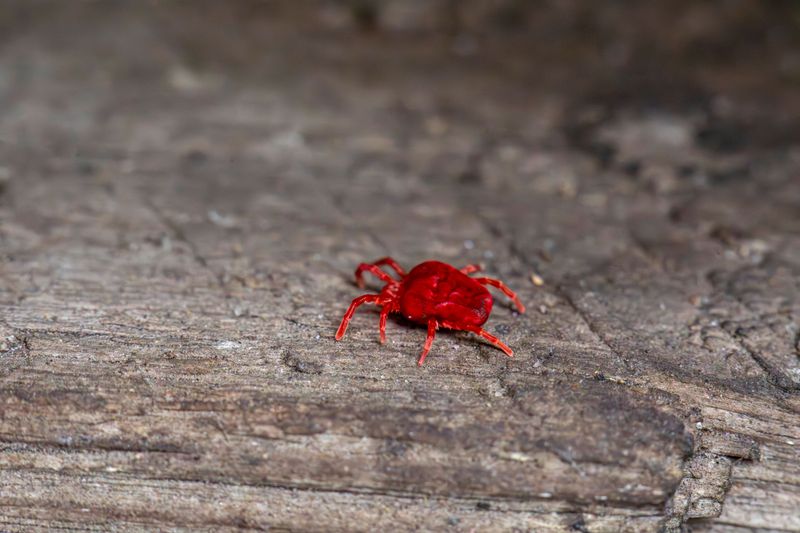
Spotting a chigger with the naked eye is nearly impossible, which is what makes them so hard to detect. These larvae measure less than 0.3 millimeters, smaller than a grain of sand.
Their bright red-orange color sounds easy to spot, but their size cancels that advantage out completely. You would need a magnifying glass to see one clearly on your skin.
Ticks, by contrast, are much easier to detect. Even a young tick nymph is several times larger than a chigger larva, making visual checks far more reliable for ticks.
Because chiggers are so tiny, most people do not realize they have been exposed until the itching starts. That delay, which can range from several hours to nearly a day, means you may have already transferred them to furniture or bedding.
Chiggers in West Virginia yards tend to cluster in groups, which is why bites often appear in patches. You rarely get just one bite when you walk through an infested area.
Running your hand over your skin after outdoor time will not reveal chiggers the way it might reveal a tick. You need to rely on prevention rather than detection with these tiny pests.
Showering within an hour of outdoor exposure is one of the most effective ways to remove chiggers before they bite. Scrubbing with a washcloth under warm water dislodges larvae that have not yet attached.
Just because you cannot see them does not mean they are not there. Treating every outdoor activity as a potential chigger encounter keeps you better prepared.
Bites Cause Intense Itching, Not Disease

The first time chigger bites hit, the itching feels almost unbearable. Most people panic and assume something serious is happening, but chigger bites in the United States do not transmit disease.
Unlike ticks, which can carry Lyme disease and Rocky Mountain spotted fever, chiggers pose no known disease risk in North America. The reaction you feel is simply your skin responding to the chigger’s saliva.
Chigger saliva contains enzymes that break down skin cells into a liquid form. That reaction is what keeps the welt swollen and itchy well after the larva is gone.
Ticks can remain attached for days and quietly introduce pathogens into your bloodstream. Chiggers, by comparison, cause surface-level irritation that clears up on its own within one to two weeks.
Anti-itch creams containing hydrocortisone or calamine lotion provide real relief from chigger reactions. Over-the-counter antihistamines like diphenhydramine can also reduce swelling and help you sleep more comfortably.
Scratching chigger bites aggressively is the main risk because it can open the skin to bacterial infection. Keep bites clean, trimmed nails short, and resist the urge to scratch as much as possible.
Children tend to scratch more intensely, so watch young ones closely after outdoor play in grassy areas. Applying calamine lotion quickly after bites appear can help them manage the discomfort better.
Chigger bites are miserable but manageable, and that distinction matters. Knowing the difference between a nuisance and a real health threat keeps your response calm and effective.
They Feed On Skin Cells, Not Blood
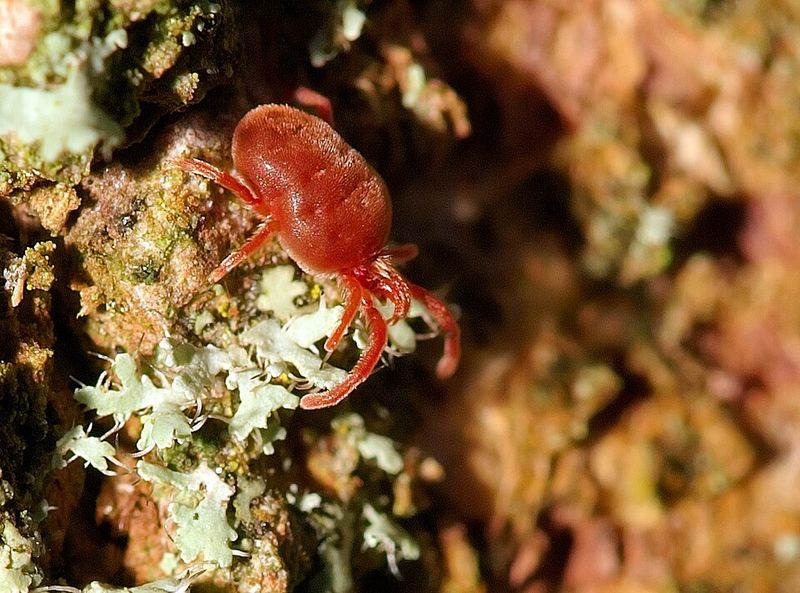
Here is the part that surprises almost everyone: chiggers do not drink blood. They are not after what ticks want, and that distinction changes everything about how they behave.
Chigger larvae inject saliva that dissolves the outer layer of your skin into a liquid slurry. They then sip up that dissolved tissue through a feeding tube called a stylostome.
Ticks pierce deeply into the skin and anchor themselves to feed on blood for days at a time. Chiggers stay on the surface and feed on skin cells, which is why they detach much faster.
The stylostome is actually a hardened tube the chigger forms inside your skin using its own saliva. Your body cannot break it down easily, which is a big reason why the itching lasts so long after the larva is gone.
Because chiggers target skin cells rather than blood, they prefer thin, soft skin areas on your body. Ankles, behind the knees, the waistband area, and armpits are common bite locations.
Ticks, on the other hand, attach wherever they land and stay put until they are removed or fully fed. Their feeding process introduces pathogens directly into the bloodstream, which chiggers simply do not do.
Understanding this feeding difference helps explain why chigger bites cluster in specific spots on your body. Tight clothing pushes them toward softer skin, which is why bites often appear at sock lines and waistbands.
Chiggers are unusual and persistently irritating pests. Knowing what they actually want from you makes it easier to protect the right spots.
Larvae Don’t Burrow, They Detach After Feeding
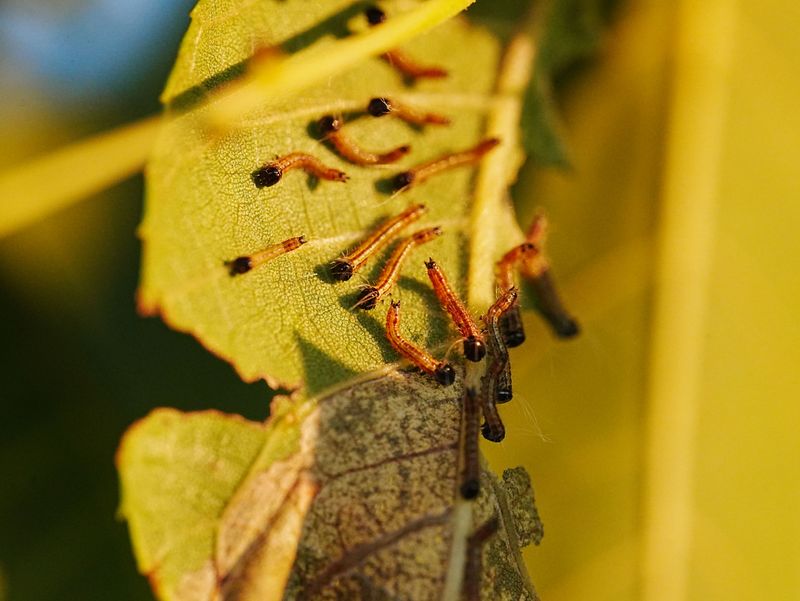
One of the biggest myths about chiggers is that they burrow under your skin and stay there. That idea is completely false, and understanding the truth helps you treat bites correctly.
Chigger larvae feed for a period ranging from hours to a few days before detaching and dropping off on their own. By the time the itching starts, the chigger is usually long gone from your skin.
Ticks behave in the opposite way, embedding their mouthparts deeply and feeding for several days. Removing a tick requires careful extraction with tweezers, while chiggers require no such intervention.
The intense itch from chigger bites lingers because the stylostome remains in your skin after the larva leaves. Your immune system responds strongly, creating that intense welt.
Scratching or trying to dig out an imaginary chigger only worsens the inflammation. Treating the skin with anti-itch products and leaving it alone is the correct approach.
Ticks must be removed promptly because longer attachment time increases disease transmission risk. With chiggers in West Virginia yards, the concern shifts entirely to managing the skin reaction instead.
Showering soon after outdoor activity removes chiggers before they even begin feeding. That short window of opportunity is your best chance to avoid bites entirely.
Stick to repellent before exposure and a good scrubbing shower right after for the best results in keeping West Virginia chiggers at bay.