What It Means When A Roadrunner Nests Near Your Arizona Home
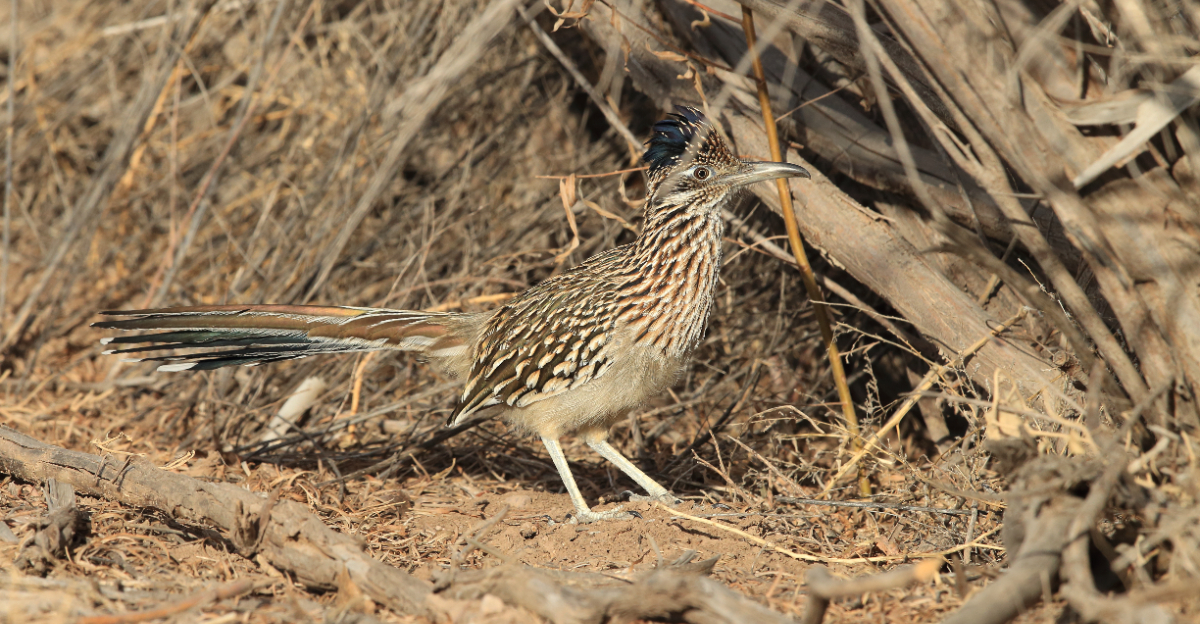
Spotting a roadrunner nest near your home can change the way you see your surroundings. These desert birds do not choose nesting places without having what they need nearby.
The location of a nest can say a lot about the conditions around your home. Food sources, shelter, and quiet areas all influence where roadrunners decide to raise their young.
Seeing this happen near a house is a rare look at desert wildlife adapting to residential spaces. Their choice reflects details that often go unnoticed during everyday life.
Arizona landscapes can provide surprising opportunities for native birds throughout the year. A nesting roadrunner shows how much activity can happen around a home without drawing attention.
This visit is more than a simple backyard sighting because the nest location reveals important clues about the bird’s needs.
Understanding why roadrunners choose certain places makes their presence far more interesting and meaningful.
1. Thorny Plants Make Safer Nesting Spots
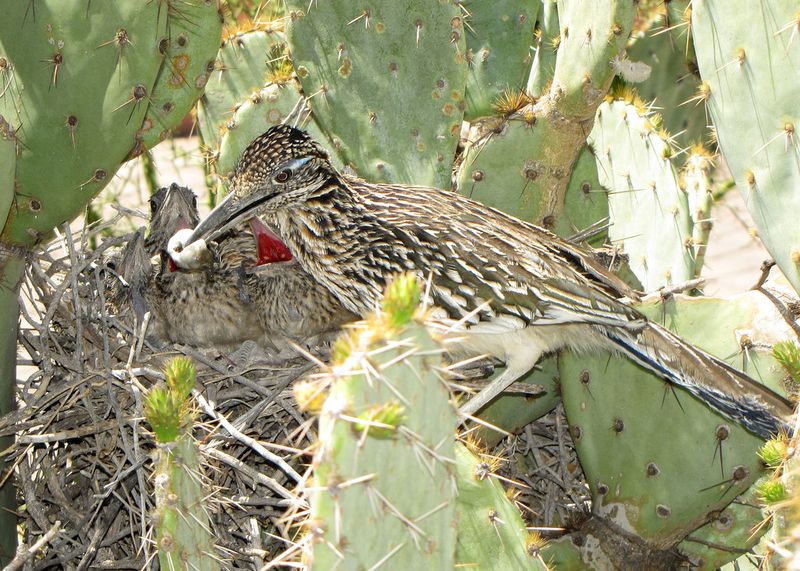
Roadrunners are picky about where they build. Thorny plants like cholla cactus, prickly pear, and desert shrubs give them a natural shield that most predators want nothing to do with.
Sharp spines act like a fence. A coyote or a snake thinking about raiding the nest has to work through layers of painful obstacles first.
That natural barrier buys the nesting pair valuable time.
Roadrunners typically build their nests between two and twelve feet off the ground. A thorny shrub or cactus at that height is prime real estate for them.
If your yard has native desert plants with thorns, you may have unknowingly created perfect nesting conditions. Keeping those plants healthy and untrimmed during nesting season helps the birds feel secure.
Cutting back thorny plants while a nest is active can expose eggs or chicks to danger. Watch for signs of activity before doing any yard work near dense shrubs.
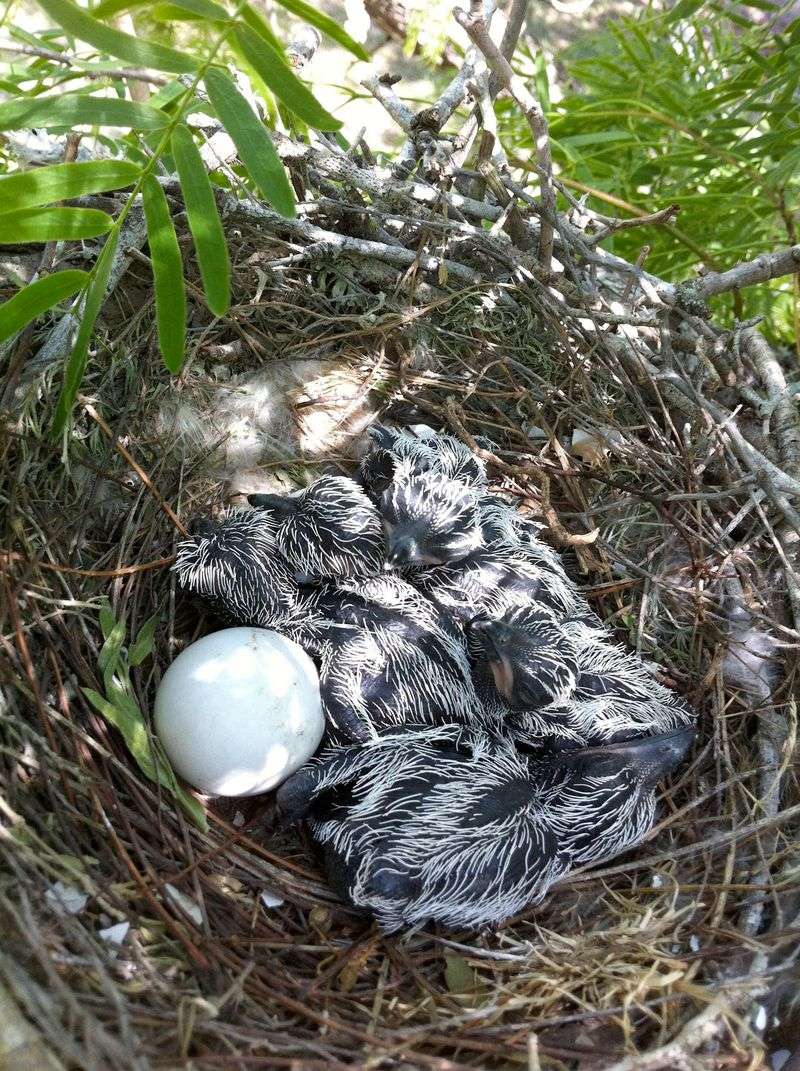
Roadrunners weave sticks, leaves, and sometimes snake skins into their nests. The structure blends well inside thorny growth, making it hard to spot even from a few feet away.
That camouflage is part of the design.
2. A Nest Means The Area Feels Safe
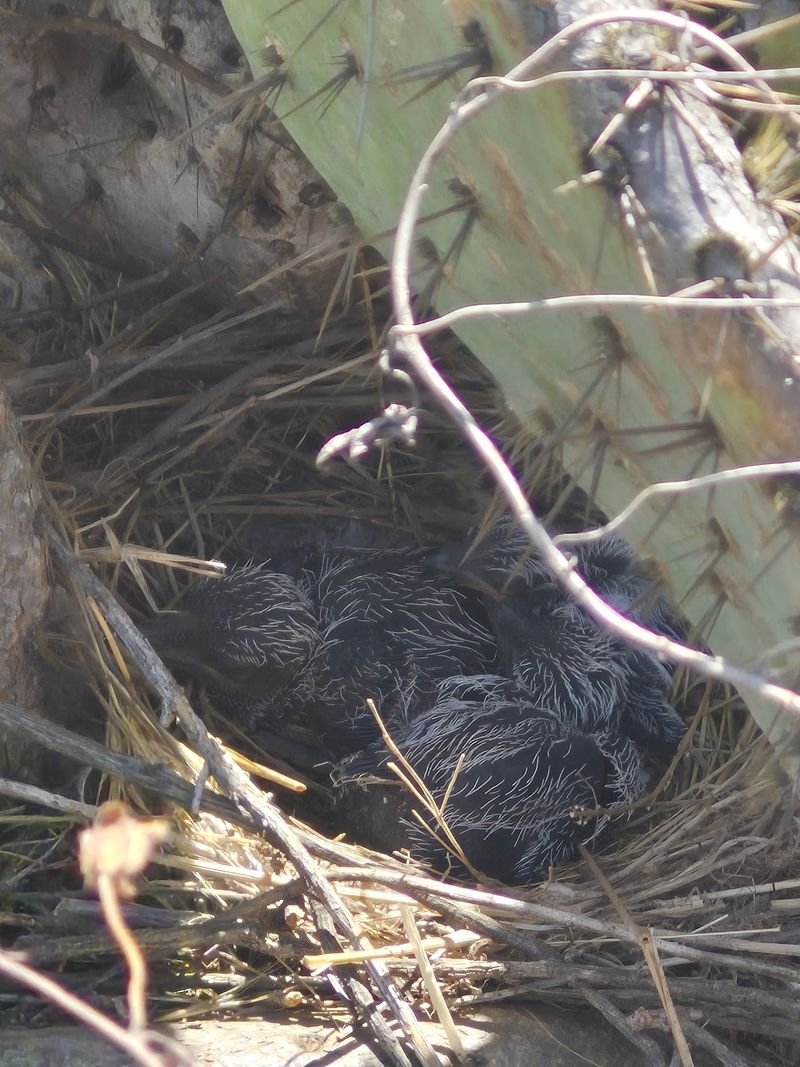
Roadrunners do not nest in chaotic or heavily disturbed areas. Finding a nest near your home is a strong signal that your property feels calm and low-threat to wildlife.
Loud noise, heavy foot traffic, and frequent disruption tend to push these birds away. A nesting roadrunner has decided your space is worth committing to, at least for a season.
Predator pressure also shapes where they settle. Fewer roaming cats and dogs in an area makes a real difference.
Roadrunners are fast runners, but a nest full of eggs cannot sprint away from trouble.
Your yard likely offers something reliable, whether that is food, shelter, or just consistent quiet. Roadrunners are observant.
They scout locations before committing to a nest site.
In Arizona, open desert lots and properties with native landscaping tend to attract more wildlife overall. A roadrunner nesting nearby puts your home in that category.
Keeping the area calm while the nest is active helps the birds complete their nesting cycle successfully. Reduce activity near the nest site, keep pets indoors more often, and avoid making sudden loud sounds close to where the birds are settled.
Your Arizona Garden Changes Every Week. Your Plan Should Too.
Gardening in Arizona changes quickly throughout the season. Every Friday you’ll receive a simple weekly plan showing exactly what to plant, prune, fertilize, harvest, and protect so you never miss the right timing.
Small adjustments make a noticeable difference.
3. Roadrunners Choose Quiet Places To Raise Young
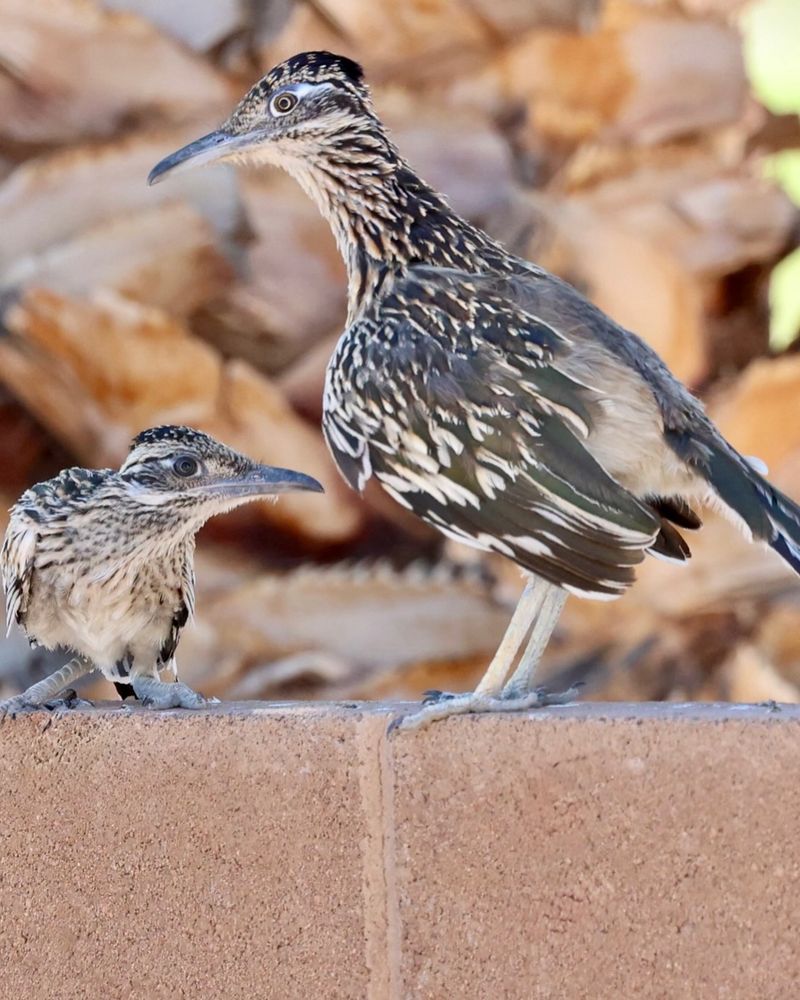
Raising chicks takes focus. Roadrunners need a stable, low-stress environment to feed their young, protect the nest, and teach the chicks how to survive.
Busy streets, barking dogs, and constant human movement near the nest can cause adult birds to abandon their efforts. Stress during the nesting period affects how well the chicks develop.
Both parents share nesting duties. The male typically incubates eggs at night while the female takes the day shift.
That kind of teamwork requires a space where they feel undisturbed.
Quiet yards with minimal foot traffic give roadrunner pairs the best chance of raising a successful brood. If you have noticed less activity near one corner of your yard, that might be exactly where the nest is hidden.
Roadrunner chicks grow fast. Within about two to three weeks of hatching, they start moving around and learning to hunt on their own.
The parents need calm, uninterrupted time to make that happen.
Simple steps help a lot. Avoid mowing or trimming near the nest.
Skip the loud music outdoors. Let the birds do their thing without interference.
Your patience during this short window supports a successful outcome for the whole family.
4. Most Nests Stay Hidden In Thick Plants
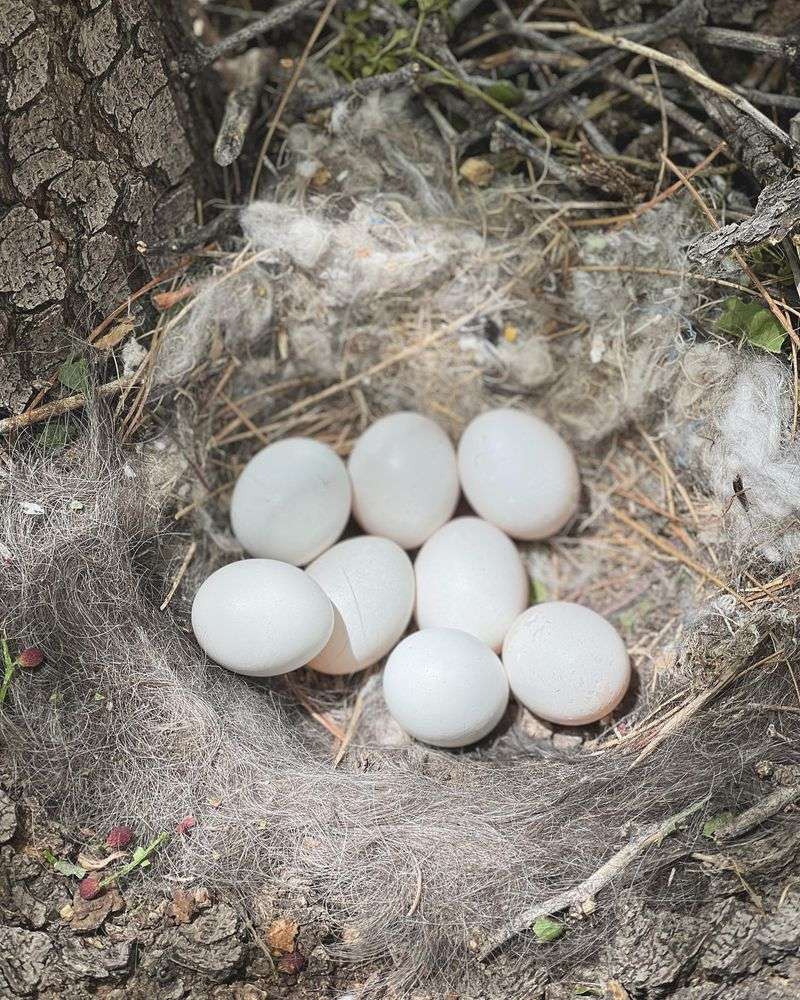
You might live next to a roadrunner nest for weeks without ever finding it. These birds are skilled at picking spots that blend into the surrounding landscape.
Dense shrubs, tangled brush piles, low tree branches, and thick cactus clusters all work as cover. The nest itself looks like a rough pile of sticks, which makes it even harder to distinguish from natural debris.
Roadrunners rarely give away the nest location directly. They often land some distance away and walk quietly toward the nest rather than flying straight to it.
That behavior throws off potential threats.
If you suspect a nest is nearby, look for signs rather than searching aggressively. Repeated movement in and out of one shrub, soft chirping sounds, or adults carrying food in their beaks are reliable clues.
Searching too actively can stress the birds. Disturbing the vegetation around the nest site may expose it to heat or predators.
Keeping a respectful distance protects both the nest and the birds.
Most people only discover a roadrunner nest after the chicks have already grown and left. That is actually a sign the birds managed the whole process without disruption.
Thick plants around your yard give them the cover they need to pull that off quietly and successfully.
5. Young Birds Leave The Nest Within A Few Weeks
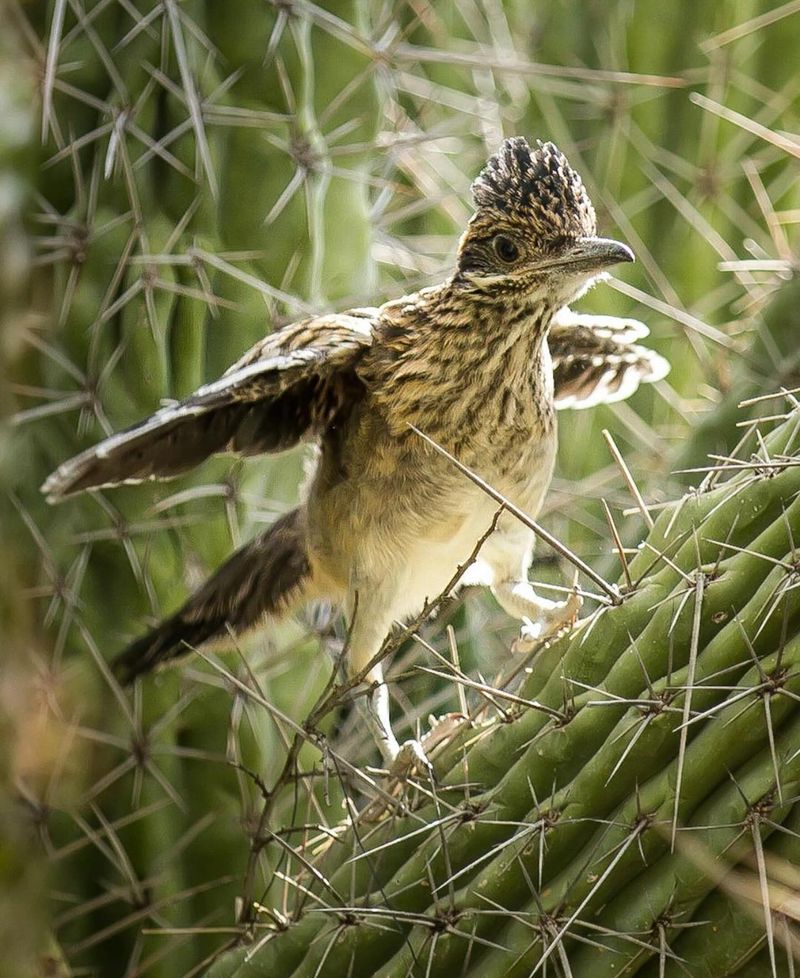
Roadrunner chicks move fast from helpless hatchlings to active young birds. The whole nesting phase from hatching to leaving the nest typically wraps up within about two to three weeks.
Both parents work hard during this stretch. They bring lizards, insects, small snakes, and other prey back to the nest multiple times a day.
Chicks need a lot of food to grow that quickly.
Once the young birds leave the nest, they do not disappear immediately. Juveniles often stay in the general area for a short period while they sharpen their hunting skills.
You may notice smaller, fluffier-looking roadrunners moving through your yard during this time.
Juvenile roadrunners look similar to adults but have softer feathers and less defined coloring. They tend to move with less confidence at first, stopping frequently and looking around before each step.
Watching this stage is one of the more rewarding parts of having a nesting pair nearby. The chicks go from clumsy explorers to capable hunters in a matter of days.
Once the juveniles are fully independent, the adults may stay in the area or range more widely. Either way, the short nesting window is worth protecting.
A few weeks of patience from you means a full brood of roadrunners out in the world.
6. Leave The Nest Alone To Avoid Disturbing The Birds
Curiosity is natural. A roadrunner nest near your home is genuinely fascinating.
But getting too close, even with good intentions, can cause real problems for the birds.
Adult roadrunners are attentive parents, but they are also sensitive to pressure. Repeated close approaches to the nest can cause the adults to spend more time in defensive postures and less time feeding the chicks.
Handling nest materials or eggs is off-limits. Beyond the stress it causes, roadrunners and their nests are protected under the Migratory Bird Treaty Act.
Disturbing an active nest can carry legal consequences.
Binoculars or a camera with a zoom lens let you observe from a comfortable distance without crowding the birds. That approach gives you a clear view while keeping the nest environment stable.
Pets are one of the biggest risks to an active nest. Even a curious dog sniffing around the base of a nesting shrub can alarm the adults.
Leashing pets or keeping them indoors near the nest site makes a significant difference.
The best thing you can do is create a buffer zone around the nest. Mark it mentally, keep others away, and let the birds manage their own space.
A few weeks of hands-off respect is all it takes to support a successful nesting season.
7. Roadrunners May Return To The Same Area Again
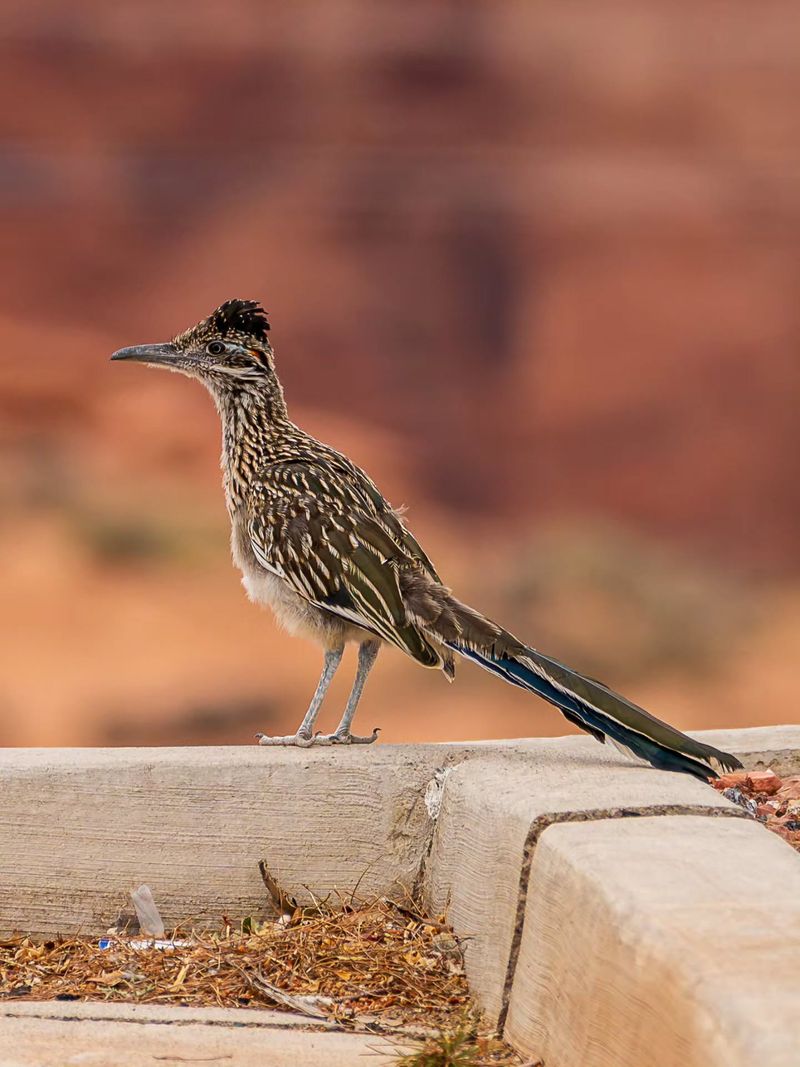
One successful nesting season can turn into a long-term relationship with these birds. Roadrunners often return to areas where they nested before, especially when conditions remain favorable.
A yard that offered food, shelter, and low disturbance one year tends to attract the same birds again. Roadrunners have fairly defined home ranges and can remember productive spots across seasons.
Some pairs raise more than one brood in a single year if the season goes well.
A second clutch of eggs may follow the first by several weeks, meaning your yard could host nesting activity for a longer stretch than you expected.
Keeping your landscape roadrunner-friendly between seasons helps encourage return visits. Native plants, minimal pesticide use, and a steady supply of insects and lizards give the birds good reasons to come back.
Pesticides reduce the insect and lizard populations that roadrunners depend on. Yards with healthy native vegetation tend to support more prey, which makes them more attractive nesting territory year after year.
Across Arizona, homeowners who have welcomed roadrunners once often find the birds become a regular part of the yard’s wildlife. Maintaining a calm, native-plant-friendly space keeps that connection going.
It is a low-effort way to support a bird that is genuinely worth having around.