What To Do With Your Florida Lantana In August So It Doesn’t Stall Out
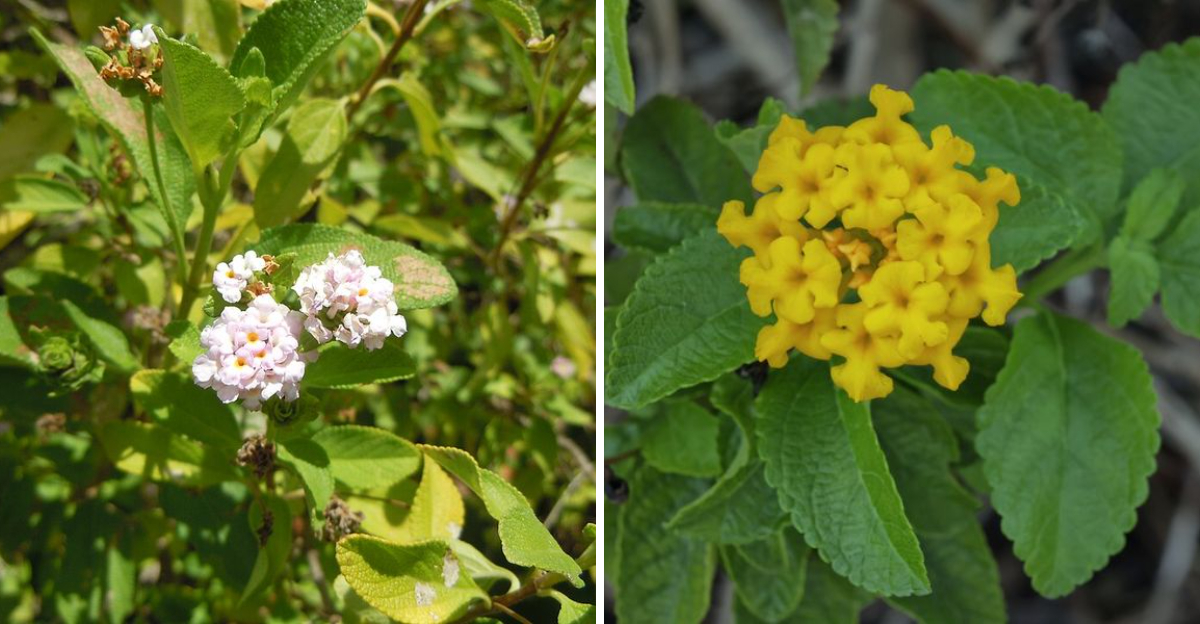
August can make a Florida lantana look like it forgot what flowers are.
A few weeks ago, the plant was bright, compact, and covered in color. Now the stems stretch, blooms thin out, and afternoon storms leave the whole plant visibly tired.
That change can tempt you to do too much.
More fertilizer sounds helpful. A hard haircut seems efficient. Extra water feels safe after another scorching day.
Those moves can push the plant farther off course.
Lantana usually needs something simpler during the roughest part of summer. Sun, steady but restrained care, and one well-timed reset can shift its energy back toward flowers before fall arrives.
So what should you change right now?
Start with the shape, then look at light, soil moisture, drainage, and nutrition. One small correction in each area can make a bigger difference than one dramatic fix.
The goal is not a perfect plant by tomorrow. It is a stronger, fuller lantana ready to make August look temporary. And bring fresh color back by September.
1. Cut Back Leggy Growth In Moderation
Long, floppy stems can make August lantana look much more exhausted than it really is.
Start with the shoots that stretch well beyond the rest of the plant. Many carry only a few flower clusters at the tips and leave the center visibly sparse.
Take about one-third of the length from those stems.
Make each cut just above a healthy leaf node. That point can push fresh side shoots, which gives the plant more places to form flower clusters as late summer moves toward fall.
Keep the haircut light.
A severe cut during peak heat removes too much leaf area at once. Those leaves still help the plant collect energy while the sun works overtime. Save the dramatic reset for late winter or early spring.
Morning is the better time for this job. Cooler temperatures place less strain on the plant, and clean cuts have the day ahead to dry.
Use sharp hand pruners rather than dull blades that crush stems.
Once the longest shoots are gone, step back before another cut. The plant should look rounded and relaxed, not squared off like a hedge beside a driveway.
August cuts should feel more like a trim before company arrives than a complete makeover.
Give the plant a little shape, leave plenty of foliage, and let fresh branches handle the encore.
2. Keep Lantana In Full Sun
A shady afternoon can feel like mercy in Florida, but lantana may disagree.
This plant does its best work with at least six hours of direct sun, and closer to eight can support tighter growth and a heavier flower display.
Late summer shadows can sneak up on you.
Trees carry fuller canopies by August. Nearby shrubs spread wider. Fences and rooflines can shade parts of the bed that felt bright earlier in the year.
Check the spot three times in one day.
Look in the morning, around midday, and later in the afternoon. A lantana that now sits in long stretches of shade may respond with lanky stems and fewer flowers.
Your Florida Garden Changes Every Week. Your Plan Should Too.
Gardening in Florida changes quickly throughout the season. Every Friday you’ll receive a simple weekly plan showing exactly what to plant, prune, fertilize, harvest, and protect so you never miss the right timing.
Container plants have an easy advantage.
Move the pot toward a brighter section of the patio or yard, then give the plant time to respond. A permanent landscape plant deserves a calmer approach. Fall provides a better season for relocation once temperatures ease.
Do not confuse full sun with a need for extra fertilizer or constant water. Lantana likes bright conditions, but the roots still prefer soil that drains well and gets a chance to breathe.
More light often solves more than gardeners expect.
A stretched lantana may not need food at all. It may simply lack enough sun, much like someone who arrived too late for the last good beach seat.
3. Water Enough To Support Fresh Blooms
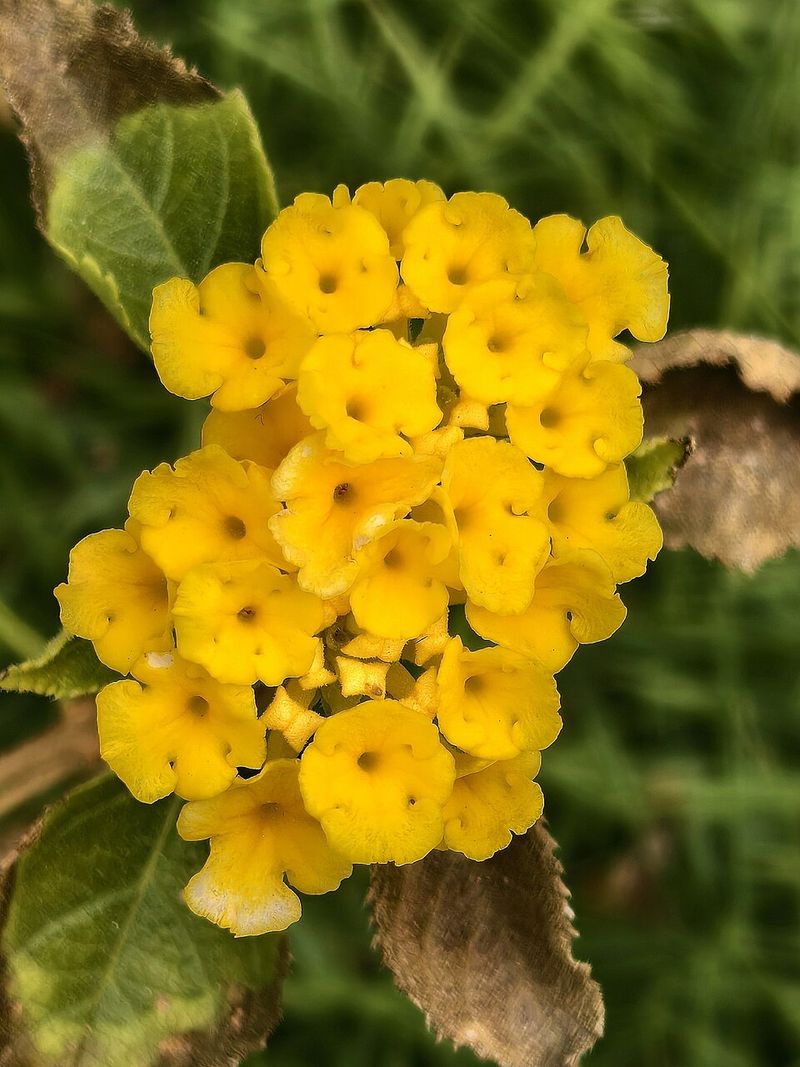
Drought tolerance can make lantana sound tougher than it feels during a Florida August.
Established plants handle dry spells well, but prolonged root stress can slow flower production. A newly planted lantana needs even more attention because its root system has not spread far into the surrounding soil yet.
Check the ground before the hose comes out.
Push a finger about two inches into the root zone. Dry soil at that depth calls for a slow, thorough soak. Moist soil means the plant can wait.
That simple check beats a fixed calendar.
A hot, breezy week can dry the bed quickly. Three afternoon storms can make the same schedule completely unnecessary.
Aim water at the soil rather than across the foliage. Early morning gives moisture time to soak into the root zone before the hottest part of the day.
A deep drink works better than frequent little splashes.
You want moisture to reach the active roots, not just darken the top inch of soil for twenty minutes.
Young plants may need closer checks through their first few months. Older plants usually need less help once roots settle into the site.
Lantana is drought tolerant, not drought enthusiastic.
Give it enough water to support fresh growth, then let the soil move toward dry before the next round. The plant wants a drink, not a permanent reservation at the garden hose.
4. Let Wet Soil Drain Before Watering Again
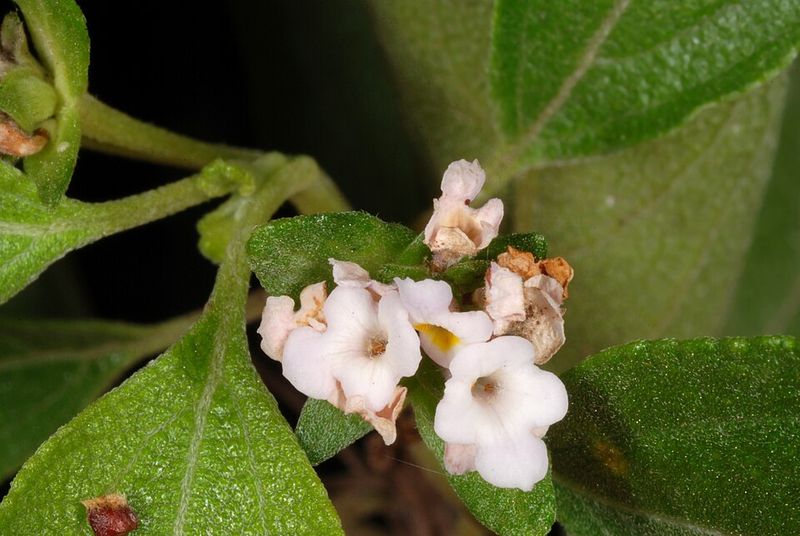
Florida can deliver an inch of rain before you even reach for the hose.
That sudden soak changes the plan.
Lantana prefers soil that drains quickly, and roots that sit in saturated ground can lose access to the oxygen they need. Warm, wet soil can also create a better setup for root problems.
Check the bed after a strong afternoon storm.
Water that disappears within a reasonable stretch usually points to decent drainage. Puddles that remain around the plant for hours deserve attention.
Low spots can be especially troublesome.
Compacted fill, buried clay layers, and poorly graded beds can hold more moisture than nearby sandy ground. A plant in one of those pockets may look wilted even though the roots already have too much water around them.
Do not answer that wilt with another drink.
Let the soil drain and check moisture below the surface before you decide what the plant needs.
A raised bed or low berm can help in chronically wet areas. Even several extra inches of elevation can move the root crown into a drier zone.
Mulch can help moderate moisture, but keep the layer loose and away from the stems.
August thunderstorms already handle plenty of irrigation for free.
Your job is to notice when nature filled the soil first. Lantana likes a summer drink, but it has no interest in life as a pond plant.
5. Feed Lightly Instead Of Pushing Foliage
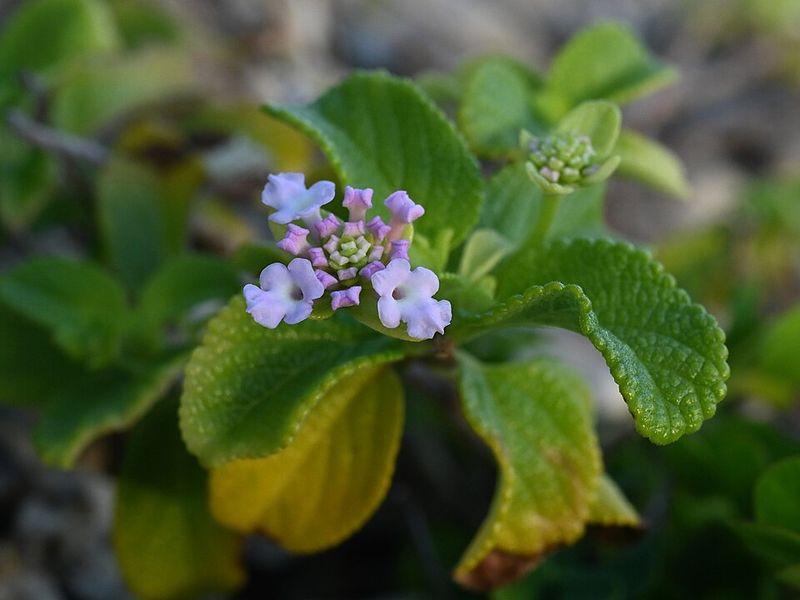
A tired plant can make fertilizer look like an instant solution.
Lantana often proves the opposite.
Too much nitrogen encourages lush stems and leaves, and that green rush can come at the expense of flower production. The plant looks busy but misses the one job you wanted.
August is not the moment to chase blooms with heavy fertilizer.
Established lantana often performs well in lean soil with little extra fertilizer. A plant with healthy green leaves may need no additional food at all.
Pale foliage deserves a closer look before you reach for a bag.
A modest amount of balanced, slow-release fertilizer can make sense when a real nutrient need exists. Keep the dose light and give the plant several weeks before another decision.
Skip the urge to pour on quick liquid feed during severe heat.
Fast nutrient release can push soft growth at a time when the plant already faces hot afternoons, humid nights, and sudden storms.
Flowers do not always respond to more food.
Sometimes lantana needs less attention, more sun, and steadier root conditions.
That can feel almost unfair after you bought the fancy fertilizer.
Let the plant stay a little lean. Lantana came to the garden ready for tough conditions, not an all-you-can-eat buffet. A light hand keeps the plant compact and leaves more room in the budget for something with actual petals.
6. Reset Overgrown Plants Without Scalping Them
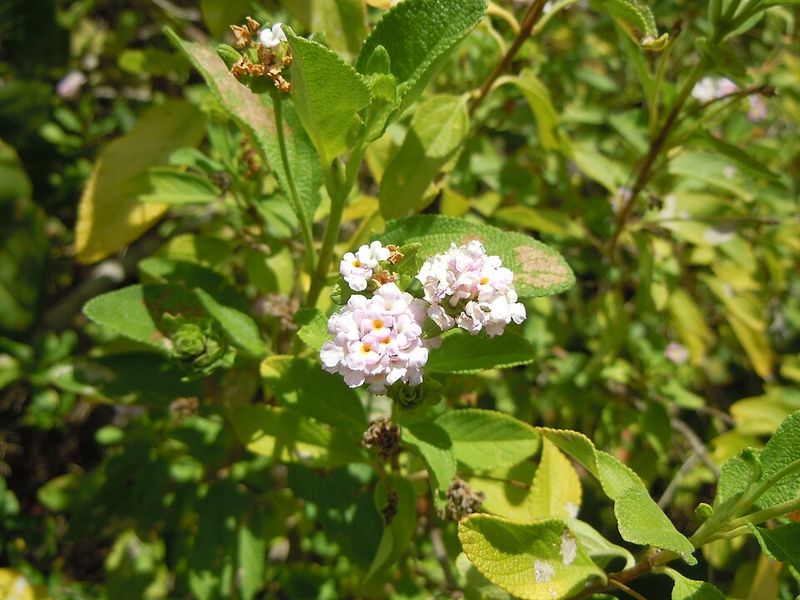
Some lantanas reach August with enough woody stems to qualify for their own zip code.
Do not solve that problem in one afternoon.
An overgrown plant can benefit from a reset, but peak summer heat calls for restraint. Remove no more than about one-third of the total size during the first pass.
Start with the longest and most awkward stems.
Cut back to points that still carry healthy green growth. Avoid a deep chop into old bare wood during the hottest part of the season.
Then leave the plant alone for a couple of weeks.
Fresh shoots should begin to appear around the cut points and lower parts of the canopy. That response tells you the plant has enough energy for another light shape correction.
A second trim can tidy the outline without too much foliage loss.
Save the major renovation for late winter or early spring.
That cooler window gives lantana a much easier path back from a hard cutback.
The staged approach may feel slow, but it prevents the classic August mistake: one wild session with the loppers followed by several weeks with a sad stump.
Give the plant time between cuts.
Lantana can come back with impressive enthusiasm. It just prefers a series of polite suggestions over one dramatic intervention from someone with very large shears.
7. Stick With Florida-Friendly Sterile Choices
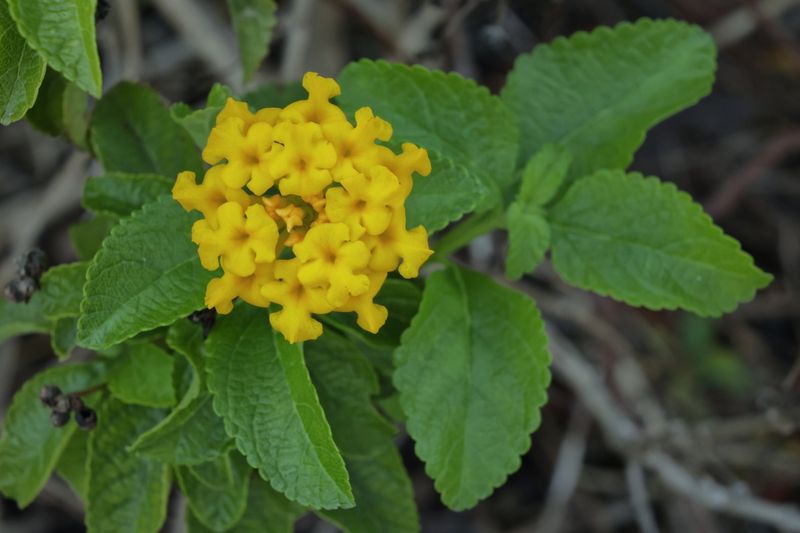
A beautiful plant can still create trouble beyond the flower bed.
Common lantana, Lantana camara, has invasive concerns in Florida because some forms can escape cultivation and spread into natural areas. That makes the label at the nursery more important than the flower color alone.
Look for sterile or low-seed selections.
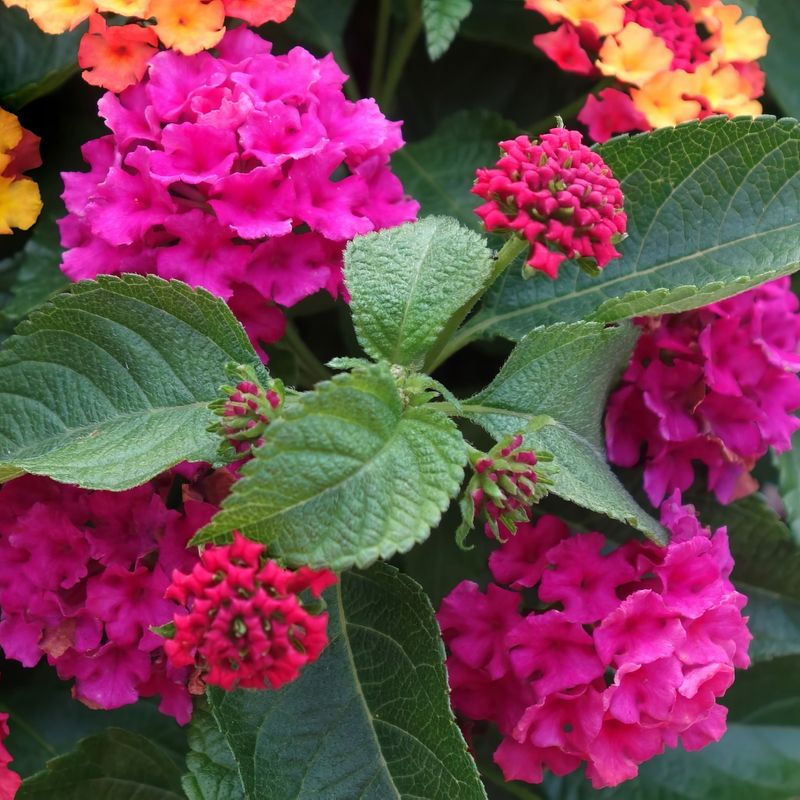
Cultivars such as ‘Bloomify Rose’ and ‘Bloomify Red’ were developed to offer familiar lantana color with far less viable seed. Their more compact habits can also mean fewer corrective cuts in a home landscape.
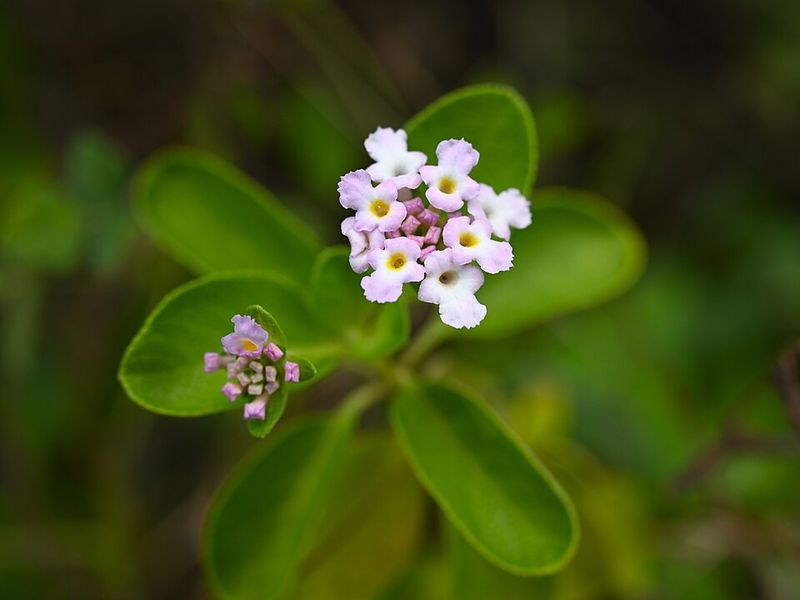
Native lantana, Lantana depressa, gives Florida gardeners another option.
It fits the state’s sandy conditions, supports pollinators, and avoids the ecological problem tied to invasive forms.
Ask the nursery staff about the exact cultivar before purchase. A generic tag that says only “lantana” does not tell you enough.
This choice matters long after August.
A sterile or native plant can give you heat tolerance, flowers, and butterfly activity without an unwanted seed-distribution project in the surrounding landscape.
The best maintenance plan often starts before the plant reaches your cart.
Choose a type that fits Florida first, then give it the sun, drainage, and light cuts it prefers.
That saves future work and keeps the color where you intended it to stay.
Your lantana can spread cheer around the patio. It does not need to spread its résumé across the neighborhood.
8. Keep The August Reset Simple
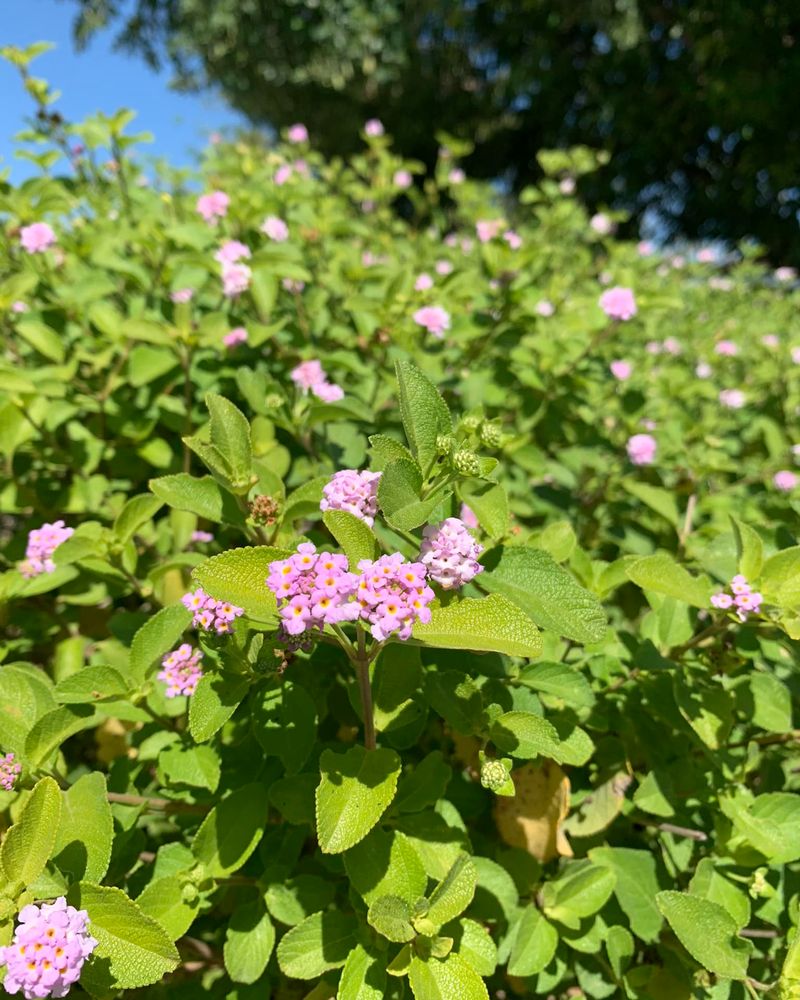
A stalled lantana rarely needs seven dramatic fixes at once.
Start with the obvious problem.
Trim the longest stems and keep plenty of foliage. Check that six or more hours of direct sun still reach the canopy. Feel the soil before another drink, especially after a week of afternoon storms.
Then leave the fertilizer alone unless the plant shows a real need.
Those small decisions work together. Better light supports compact growth. Moderate cuts create fresh branch points.
Sensible water keeps the roots active and avoids soggy soil. Lean soil keeps the plant focused on flowers instead of a mountain of leaves.
Overgrown plants deserve extra patience.
Take them back in stages and let new shoots appear between cuts. A full renovation can wait for cooler weather.
Plant choice matters just as much.
Sterile cultivars and Florida native lantana can give you the summer color you want with fewer concerns beyond the yard.
August may still make the plant look tired for a stretch. That does not mean the show is finished.
Give lantana what it actually wants, then stop the afternoon rescue routine.
Once September takes the edge off summer, those fresh branches may carry the color you thought August had packed away.