Heat-Proof Your Front Yard With This Native Illinois Groundcover
Heat turns your front yard brittle, pale, and tired each July. Brown patches spread while you watch helplessly. Sprinklers run nonstop, yet nothing ever really improves.
Your water bill keeps climbing while your lawn quietly declines. Illinois summers overwhelm traditional turf without mercy.
Meanwhile, a stubborn plant simply refuses to quit. It pushes through drought like it owns the season.
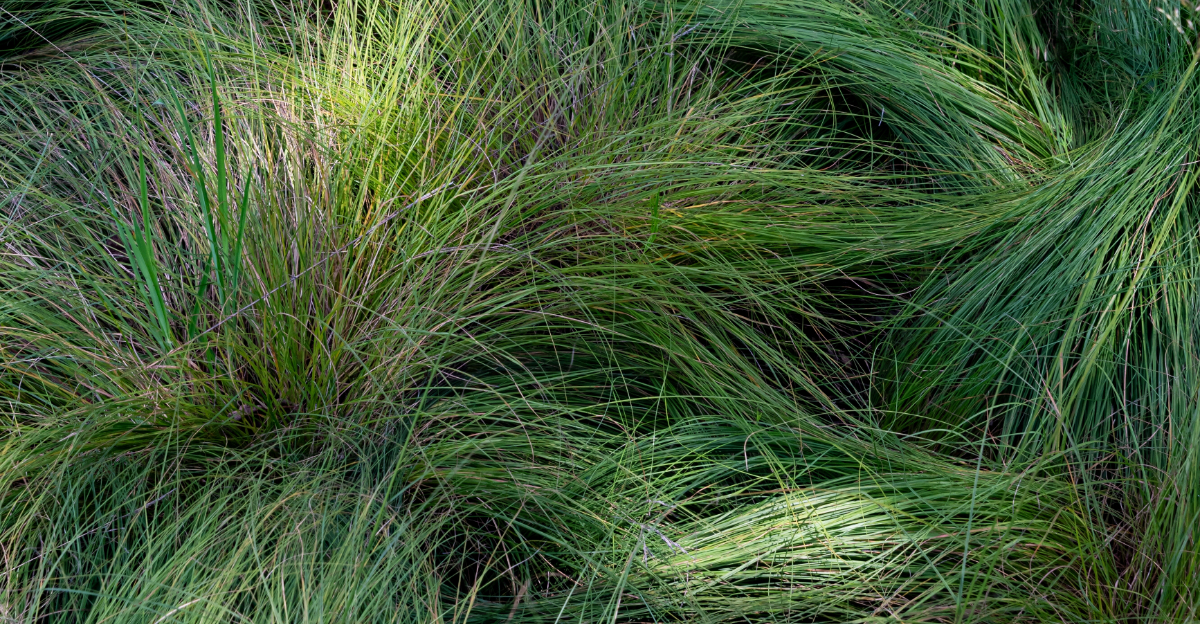
Roots drive deep into your soil, chasing moisture others miss. Blades stay upright and green through the toughest summer heat.
More homeowners across Illinois are exploring native grasses like this one as an alternative to traditional turf. Nothing about it demands constant care or extra attention.
Everything about it reflects quiet resilience and strength. You deserve a yard built to endure, not merely survive. Neighbors notice the difference before you even mention it.
Something moves through your yard with every passing week. This grass does exactly what you need, and you need to see how.
Why Homeowners Are Ditching Grass For This Native Plant
Traditional turf increasingly struggles in summer conditions, and homeowners are noticing. Brown lawns, rising water bills, and endless re-seeding have pushed many people to search for smarter options.
Native Illinois groundcover plants like prairie dropseed are stepping into the spotlight. They handle harsh Midwest summers without the maintenance challenges that traditional turf brings every July.
Neighbors who once obsessed over their lawns are now pulling up sod on purpose. They are replacing tired turf with low-maintenance, heat-tolerant natives that actually look good all season long.
The shift is not just about laziness or saving money, though both help. It is about working with the land instead of fighting it every single week.
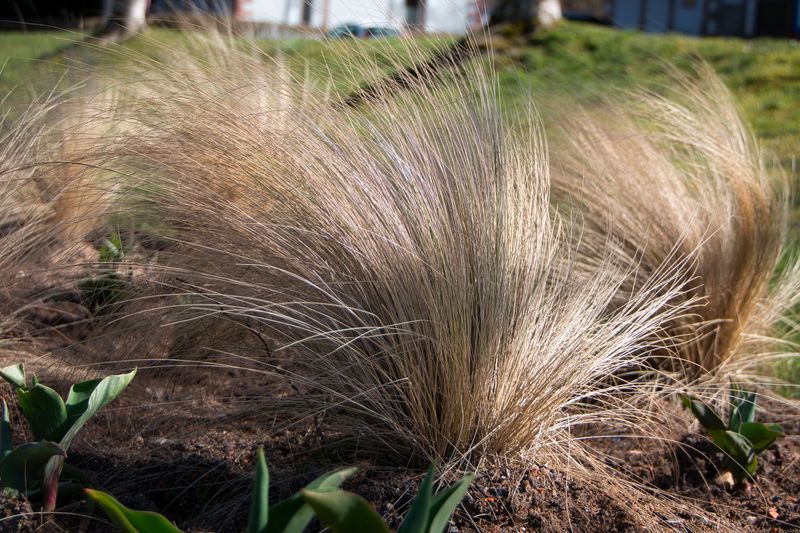
Prairie dropseed has a soft, fountain-like shape that catches morning light beautifully. It brings texture and movement to a flat yard without needing constant babysitting.
Many homeowners report spending half the time on yard care after switching. That gives you extra weekend time, which many homeowners appreciate.
Local wildlife also benefits from native plantings. Pollinators, birds, and beneficial insects flock to yards that offer familiar, native food sources.
The momentum behind native landscaping is growing fast across the Chicago suburbs and downstate communities. Once one neighbor makes the switch, others tend to follow quickly.
Choosing a native plant is not a compromise. Choosing prairie dropseed can benefit your yard, your budget, and your time.
What Makes This Prairie Dropseed So Different
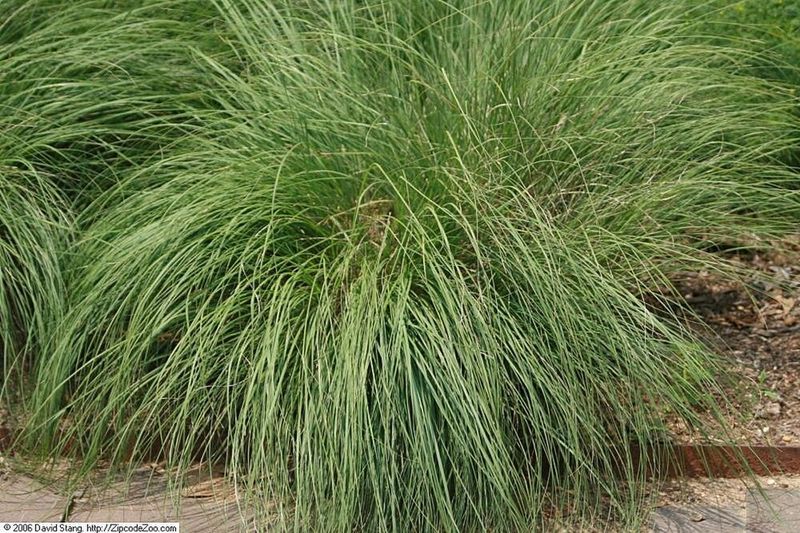
Prairie dropseed, known botanically as Sporobolus heterolepis, is one of the most beloved native grasses in the Midwest. It forms tidy, arching mounds of fine-textured foliage that look almost like a green fountain.
The plant is a warm-season perennial, meaning it wakes up in late spring and grows strong through summer. It goes golden and bronze in fall, giving yards a second season of visual interest.
One of its most surprising features is its fragrance. The tiny seed heads that appear in late summer carry a sweet, almost buttery scent that gardeners genuinely look forward to every year.
Your Illinois Garden Changes Every Week. Your Plan Should Too.
Gardening in Illinois changes quickly throughout the season. Every Friday you’ll receive a simple weekly plan showing exactly what to plant, prune, fertilize, harvest, and protect so you never miss the right timing.
Prairie dropseed grows slowly at first, spending its early energy building a deep, fibrous root system. That underground investment is exactly what makes it so resilient once it settles in.
Mature foliage clumps typically reach about 18 to 24 inches tall and wide, with flowering seed stalks rising higher above the foliage in late summer. Spaced correctly, individual plants knit together into a cohesive groundcover over two to three seasons.
This grass is native to tallgrass prairies across the upper Midwest, so it evolved alongside the climate conditions that frustrate most ornamental plants. It belongs here, and it shows.
Gardeners often describe it as low drama, high reward. You plant it, give it a season to establish, and then mostly just enjoy it.
No special soil amendments, no weekly feeding, and no complicated pruning schedule required. Prairie dropseed is refreshingly straightforward for a plant that looks so elegant.
How It Handles Heat And Drought Better Than Turf
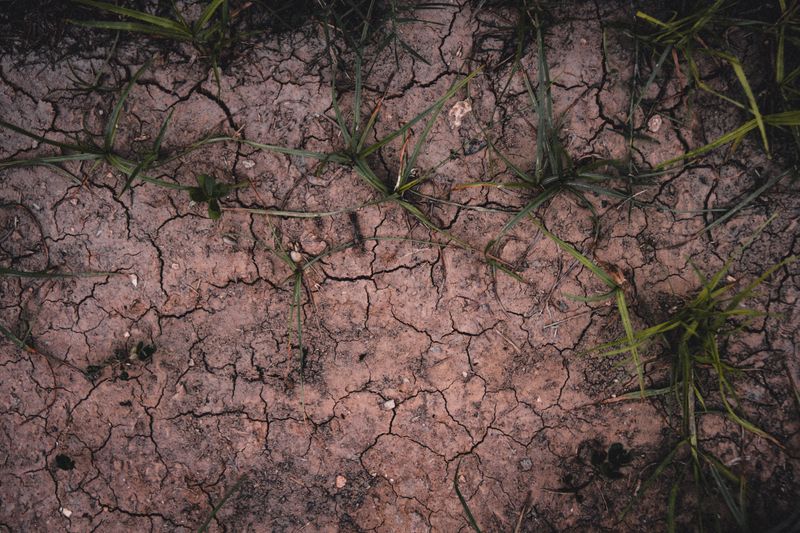
When temperatures push past 90 degrees, cool-season lawn grasses like Kentucky bluegrass go into survival mode. They turn brown, stop growing, and beg for water every other day just to stay alive.
Prairie dropseed takes a completely different approach to summer heat. Its deep root system reaches far below the surface where soil moisture stays cooler and more consistent.
Roots on a mature prairie dropseed plant grow well below the surface, helping it access moisture that shallow-rooted turf grasses cannot reach. That depth is something no cool-season turf grass can match, no matter how often you fertilize it.
During a drought, those deep roots keep pulling moisture long after shallow-rooted grasses have given up. The plant stays green and upright while everything around it begins to brown.
This native groundcover also handles heat stress without shutting down photosynthesis. It continues growing and looking presentable even during the hottest weeks of an Illinois summer.
The fine leaf texture actually helps reduce water loss compared to broad-bladed turf. Less surface area exposed to sun means less evaporation happening at the leaf level.
Once established, prairie dropseed typically needs no supplemental irrigation at all. In a typical growing season, rainfall alone is often enough to keep it thriving across much of the state, though extended dry spells may still benefit from occasional watering.
That kind of independence is a significant advantage for front yards that bake in full sun all afternoon. You worry less about the forecast and start trusting the plant to handle it.
Heat-proofing your front yard with this native Illinois groundcover starts with understanding why dropseed wins where turf fails every time.
Comparing Prairie Dropseed To Traditional Lawn Grass
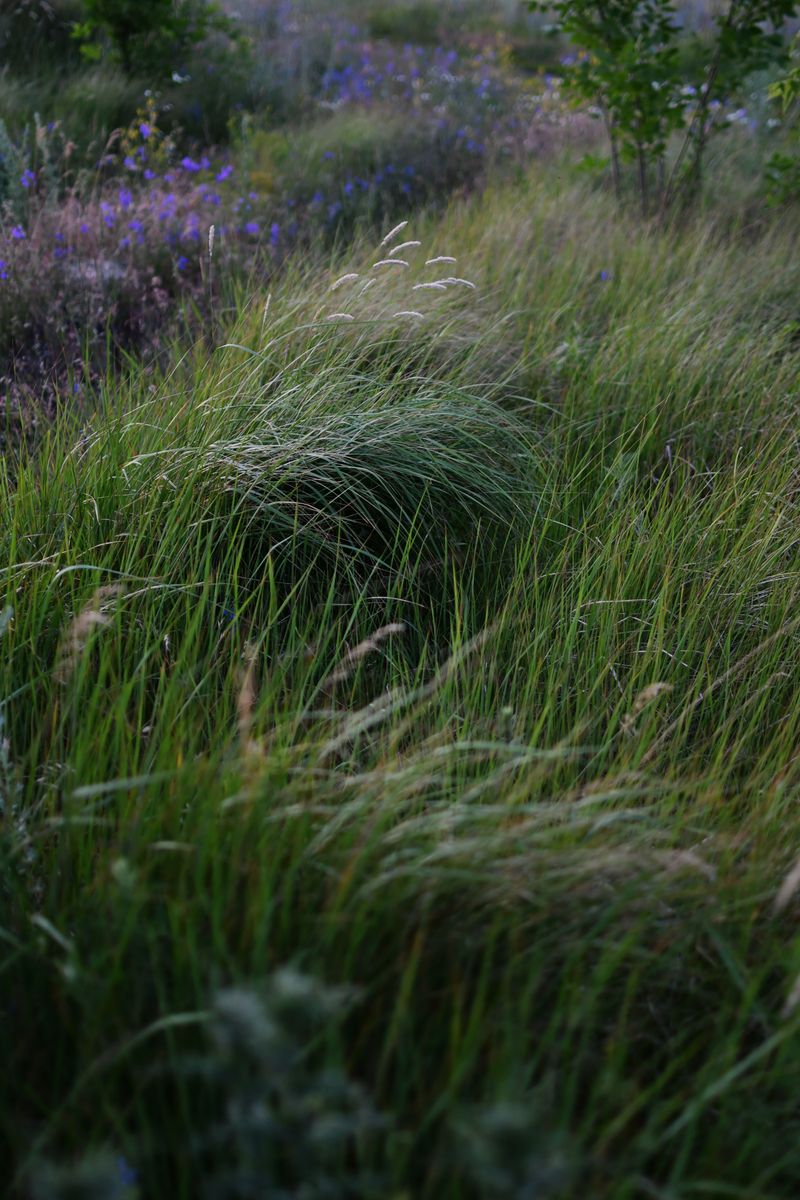
Kentucky bluegrass looks beautiful in April, but ask it to survive August in central Illinois and the relationship gets complicated fast. Prairie dropseed, on the other hand, actually prefers the warm months.
Traditional turf grasses are cool-season plants that thrive between 60 and 75 degrees. The moment summer arrives in full force, they slow down, stress out, and demand more water than most homeowners want to give.
Prairie dropseed is a warm-season grass, which means its peak performance aligns with the hottest part of the year. While bluegrass slows down, dropseed grows actively.
Maintenance is where the comparison gets really interesting. A typical lawn needs mowing every five to seven days during the growing season, plus fertilizing, aerating, and dethatching every year.
Prairie dropseed needs one light trim in early spring to remove old foliage. After that, it takes care of itself for the entire season without complaint.
Pest and disease pressure also differs significantly between the two. Turf grasses attract grubs, fungal issues, and a long list of other problems that require chemical treatments.
Prairie dropseed is generally less prone to common pest problems than traditional turf, though no plant is fully pest-free. Its evolutionary history in the Midwest made it tough against the insects and conditions that evolved right alongside it.
Cost over time tells the clearest story. Lawn maintenance adds up to hundreds of dollars annually when you factor in seed, fertilizer, water, and equipment.
Switching to native groundcover can reduce recurring costs over time, though the exact payback period will vary by yard size and current maintenance spending.
Best Conditions For Planting A Thriving Groundcover
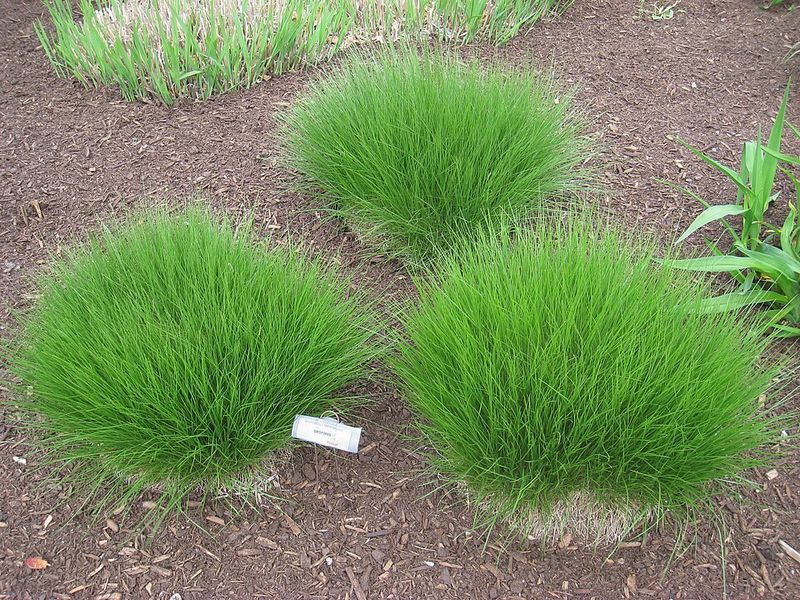
Prairie dropseed is forgiving, but giving it the right starting conditions makes a noticeable difference in how quickly it establishes. Choosing the right spot is the most important decision you will make.
Full sun is where this plant truly shines. It wants at least six hours of direct sunlight daily, and it performs even better with eight or more hours of exposure.
Soil drainage matters more than soil richness. Prairie dropseed evolved in lean, well-drained prairie soils, so heavy clay that holds water is its biggest enemy in a home landscape.
If your yard has clay soil, amend it with coarse sand or fine gravel before planting. You do not need to go overboard, but improving drainage in the top 12 inches helps enormously.
Avoid adding compost or fertilizer at planting time. Rich soil encourages floppy, weak growth and can actually work against the plant’s natural toughness.
Spacing plants about 18 to 24 inches apart gives each clump room to spread naturally. Crowding them slows establishment and increases moisture-related issues between plants.
Slightly acidic to neutral soil pH, roughly 6.0 to 7.5, suits prairie dropseed well. Soil pH varies across Illinois, so a simple soil test is recommended before planting.
Planting in late spring gives the roots the full warm season to establish before winter. Fall planting also works, but spring-planted specimens tend to bounce back faster the following year.
Pick the right spot, prep the soil simply, and this native groundcover will reward you with years of low-effort beauty.
Tips For Installation And Long-Term Care
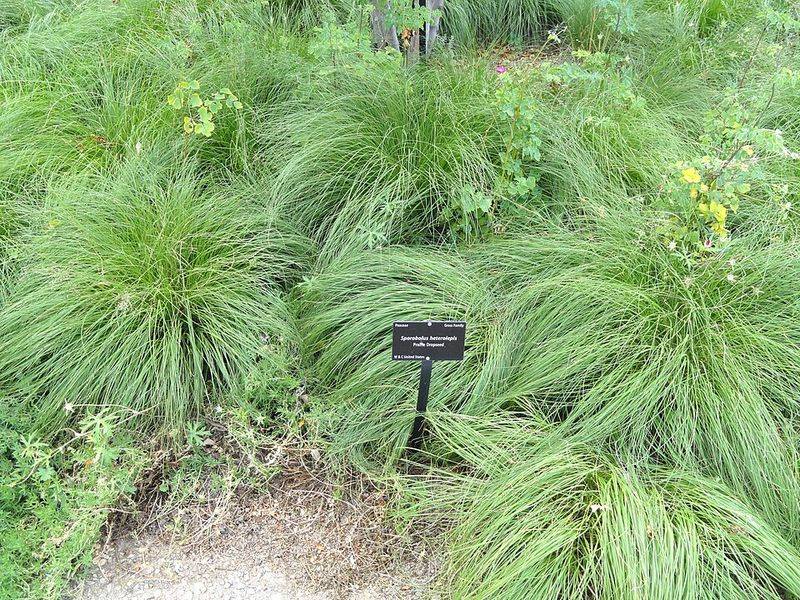
Starting with nursery plugs rather than seeds gives you a big head start. Seeds work, but plugs establish faster and give you a clearer picture of spacing from day one.
Clear the planting area of existing grass and weeds before installing anything. Competing vegetation is the number one reason new plantings struggle in their first season.
Smother old turf by covering it with cardboard and a thin layer of wood chip mulch for several weeks before planting. This method skips harsh chemicals and works surprisingly well.
After planting, water your dropseed plugs consistently for the first six to eight weeks. Deep, infrequent watering encourages roots to grow down rather than staying near the surface.
Once established, pull back on watering almost completely. Overwatering a settled prairie dropseed planting is actually more damaging than letting it go dry for a stretch.
Mulch lightly between plants during the first season to suppress weeds and retain some moisture. Keep mulch away from the base of each clump to prevent crown rot.
Cut the entire planting back to about three inches in late February or early March. This timing removes old foliage before new growth begins and keeps the bed looking tidy.
Prairie dropseed generally prefers to be left undisturbed once established, and many growers avoid dividing it at all. If division is attempted, early spring is the best window, though the plant may take time to recover.
Long-term care for native Illinois groundcover like prairie dropseed is genuinely minimal, making it a practical, low-cost option for many yards.