This Tiny Fly Could Be Ruining Oregon Berries From The Inside
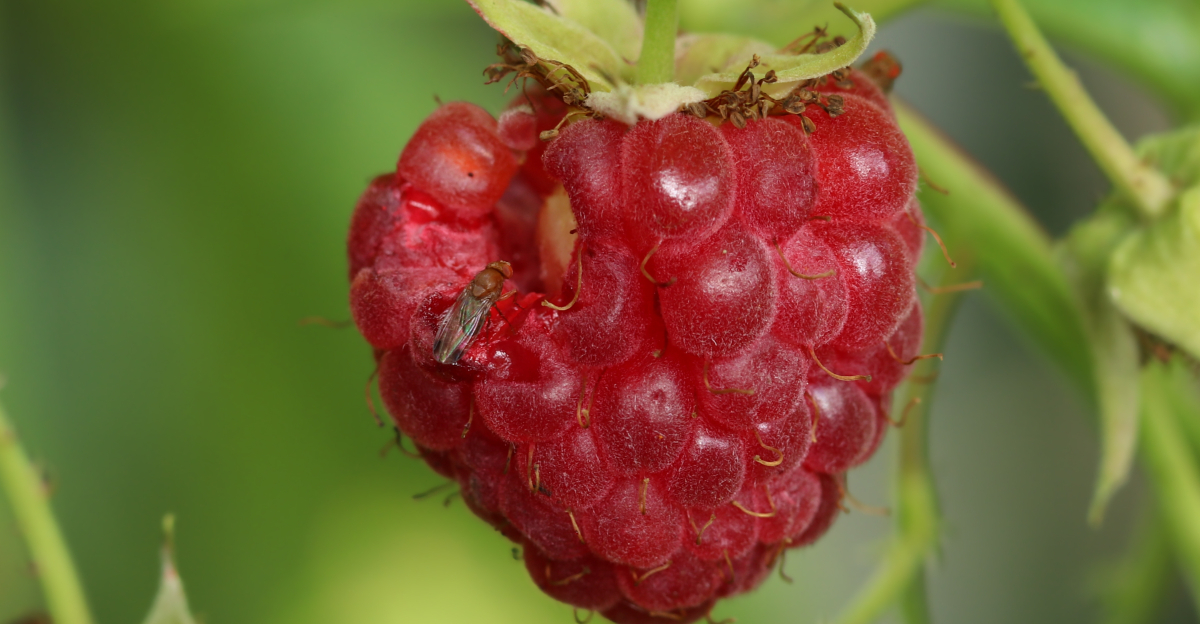
A berry can look ripe, glossy, and ready to eat while something is already developing beneath its skin. That is what makes this tiny fly such a frustrating threat in Oregon gardens.
Unlike pests that attack damaged or rotting fruit, this one can target berries before harvest, leaving few obvious clues until the fruit begins to soften, collapse, or leak.
Raspberries, blueberries, blackberries, cherries, and other thin-skinned crops can all be vulnerable during warm summer weather.
By the time small larvae become visible, the damage has often spread through more than one picking.
Missed fruit on the plant and berries left on the ground can keep the cycle going, allowing populations to build quickly.
Careful harvesting, close inspection, and good garden cleanup can make a major difference, but timing is everything.
Home growers need to know what signs appear first and how to act before a promising crop is spoiled internally.
1. The Tiny Fly That Targets Berries Before Harvest
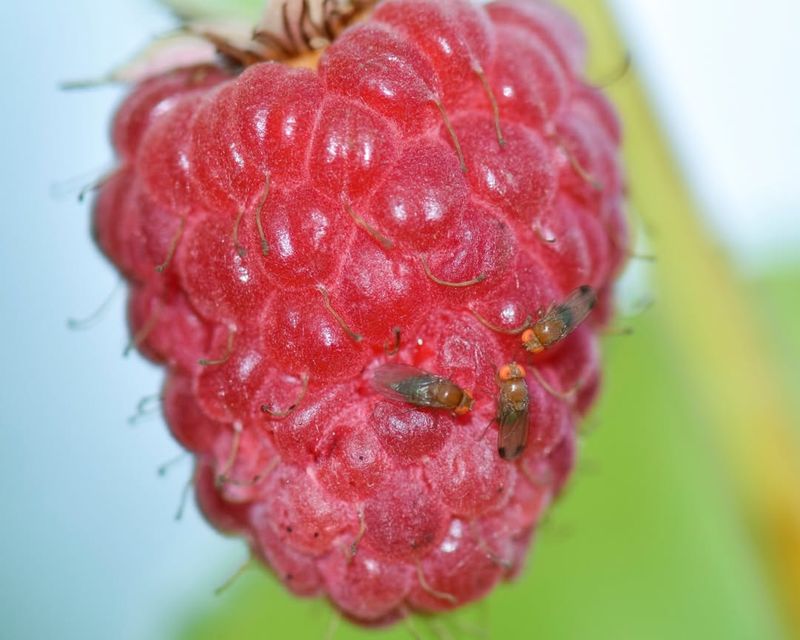
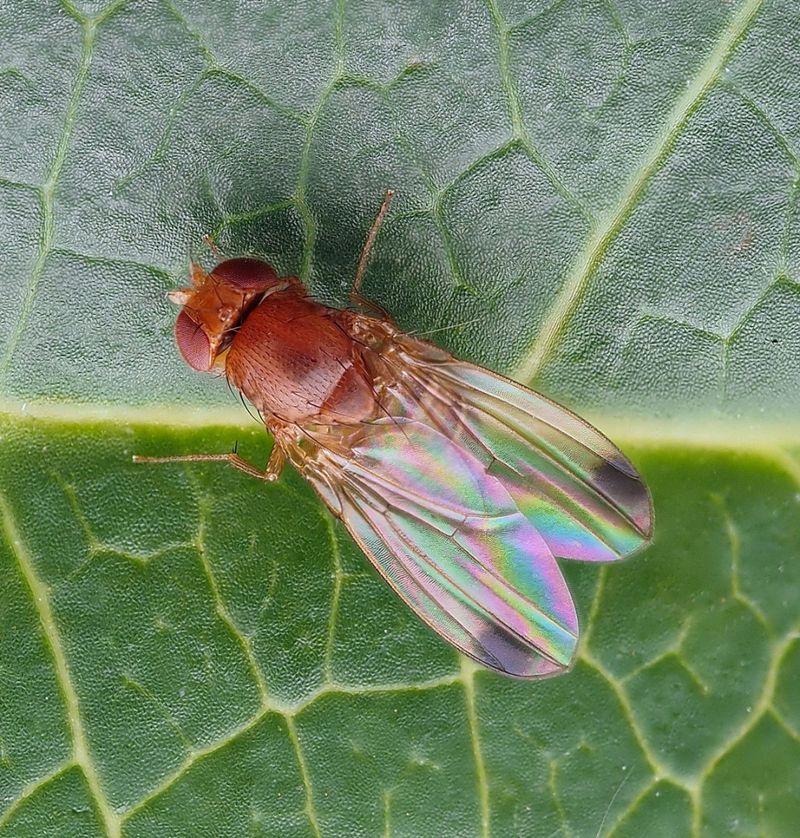
Most people have never heard of the Spotted Wing Drosophila, but berry growers across the Pacific Northwest know it all too well. This tiny fly is about the size of a sesame seed, and it has a very destructive habit.
It lays its eggs inside healthy, ripening fruit before you ever get a chance to pick it.
What makes this pest so different from a regular fruit fly is its sharp, saw-like egg-laying tool called an ovipositor. Female flies use it to slice right into firm, fresh berries.
Other fruit flies usually wait for fruit to rot before moving in, but this one does not wait at all.
The male fly has small dark spots on its wings, which is how it got its name. Females look plain but are the ones doing the real damage.
Once eggs are laid inside the berry, the fruit looks completely normal from the outside. You would never know anything was wrong just by looking.
Growers in Oregon started noticing serious crop losses after the pest arrived in the U.S. around 2008. Since then, it has spread to berry farms from coast to coast.
Catching it early is the best way to protect your fruit before the damage gets out of hand.
2. Why Soft Fruit Is Suddenly Turning Mushy
Have you ever picked what looked like a perfect berry, only to find it turns soft and mushy within a day or two? That fast breakdown is not just bad luck.
In many cases, it is a sign that Spotted Wing Drosophila larvae are already feeding inside the fruit.
When a female fly lays eggs in a berry, the fruit starts to break down from the inside out. The tiny larvae hatch within a day or two and begin feeding on the soft flesh.
This feeding causes the berry to collapse quickly, turning it into a wet, squishy mess much faster than normal.
Strawberries, blueberries, cherries, and cane berries are all at risk. Soft-skinned fruits are especially easy for the fly to pierce.
Even berries that feel firm when you pick them can go bad fast if larvae are already inside. Many people mistake this for poor storage or hot weather, but the real cause is often this pest.
Your Oregon Garden Changes Every Week. Your Plan Should Too.
Gardening in Oregon changes quickly throughout the season. Every Friday you’ll receive a simple weekly plan showing exactly what to plant, prune, fertilize, harvest, and protect so you never miss the right timing.
Checking your berries closely before storing them can help. If you notice tiny white worms inside a berry when you cut it open, that is a strong sign of infestation.
Catching the problem early means you can take steps to protect the rest of your crop before more fruit is lost.
3. Small Punctures Hiding A Much Bigger Problem
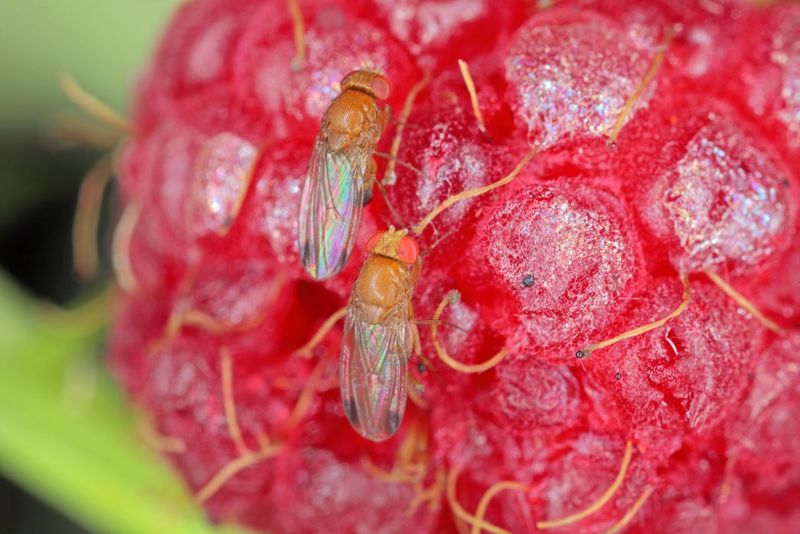
One of the sneakiest things about this pest is how hard it is to spot the damage early. The entry wound left by a female fly is incredibly small, often just a pinprick on the surface of the fruit.
Most people would never notice it without looking very closely.
That tiny hole is where the fly inserted her ovipositor and deposited her eggs. Around the puncture, you might see a slight sunken area or a small scar on the skin.
Sometimes there is a faint wet spot. These early signs are easy to miss, especially when you are picking large amounts of fruit quickly.
By the time the damage becomes obvious, larvae are already deep inside the berry. The fruit begins to break down, and secondary infections from bacteria and mold often follow.
What started as one small hole can lead to a berry that is completely unusable within just a few days.
Using a magnifying glass when scouting your plants can help you catch these small punctures earlier. Checking a sample of berries each day during peak ripening season gives you a clearer picture of what is happening in your garden or farm.
Staying alert during warm months is especially important, since that is when fly activity tends to be at its highest in this region.
4. Larvae Feeding Inside Berries You Thought Were Fine
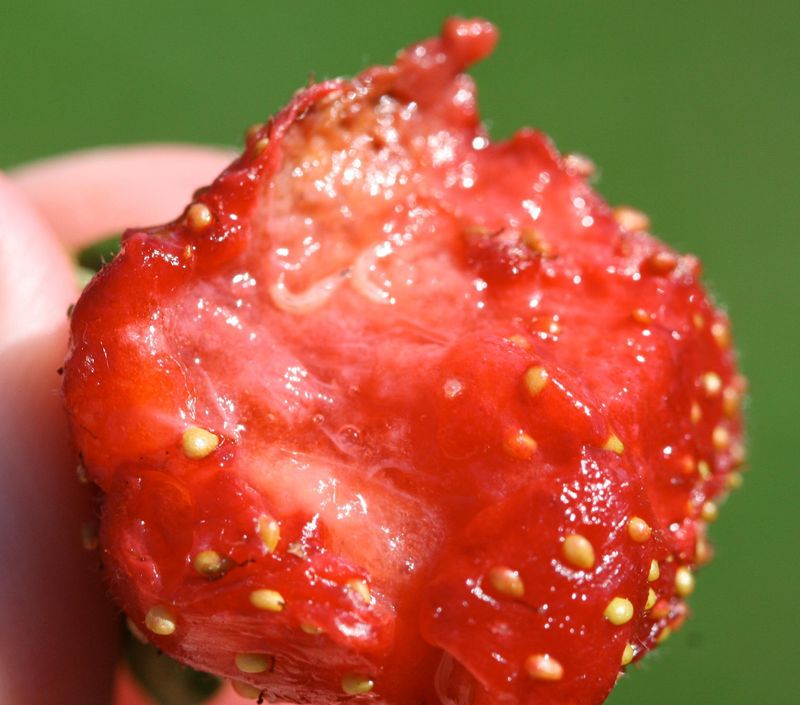
Cutting open a berry and finding tiny white worms inside is a shocking experience for most home gardeners.
These are the larvae of the Spotted Wing Drosophila, and they can be present even in berries that look perfectly healthy on the outside. That is what makes this pest so frustrating to deal with.
After hatching, the larvae are nearly transparent and very small, sometimes less than a millimeter long at first. They feed on the inner flesh of the berry, growing larger over several days.
As they feed, they cause the fruit to soften and break down from within. By the time the berry looks bad on the outside, the larvae may already be fully grown.
Growers are often surprised to find infested fruit because there are no obvious warning signs at harvest. A berry can pass a visual check and still be full of larvae.
This is why growers and gardeners in Oregon are encouraged to do regular float tests, where berries are placed in salt water to bring larvae to the surface.
Knowing that larvae can be present in fruit that looks fine changes how you handle your harvest. Picking fruit at the right stage of ripeness and refrigerating it quickly can slow larval development.
Acting fast after picking gives you a much better chance of keeping your fruit usable and safe to enjoy.
5. Raspberries And Blackberries Taking The Biggest Hit
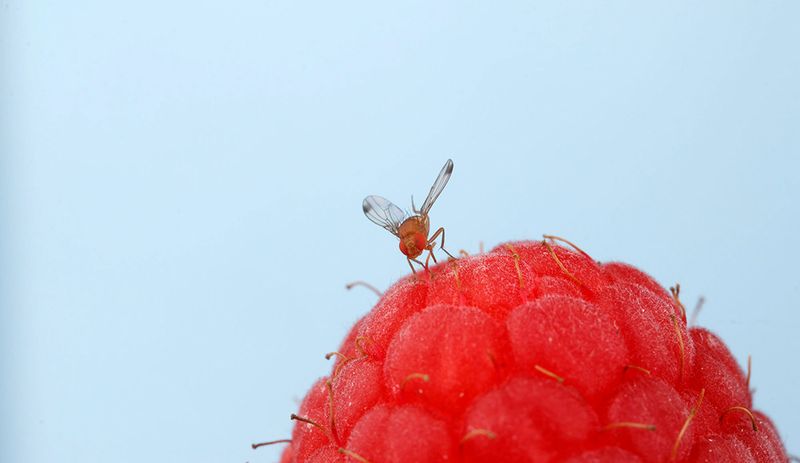
Among all the fruits affected by Spotted Wing Drosophila, raspberries and blackberries tend to suffer the most. Their thin, delicate skins make them easy targets.
The fly can pierce them with very little effort, and the soft flesh inside gives larvae exactly what they need to grow fast.
Raspberry growers have reported losing significant portions of their harvests in years when fly populations are high. Blackberries, both wild and cultivated, face similar pressure.
Because these berries ripen over a long period, there is an extended window of time during which the flies can attack. That long harvest season works against growers trying to stay ahead of the pest.
Wild blackberry patches along roadsides and fence lines can also serve as breeding grounds. Flies that develop in wild fruit can easily move into nearby gardens and farms.
This makes management trickier for anyone growing cane berries close to natural areas, which is very common across the Pacific Northwest.
Covering plants with fine mesh netting during peak ripening can help reduce fly access to the fruit. Removing overripe or fallen berries from the ground also cuts down on the number of flies breeding near your plants.
Staying consistent with these steps throughout the entire season gives cane berry growers the best shot at protecting their crop from serious losses.
6. Overripe Fruit Turning Into A Fly Magnet
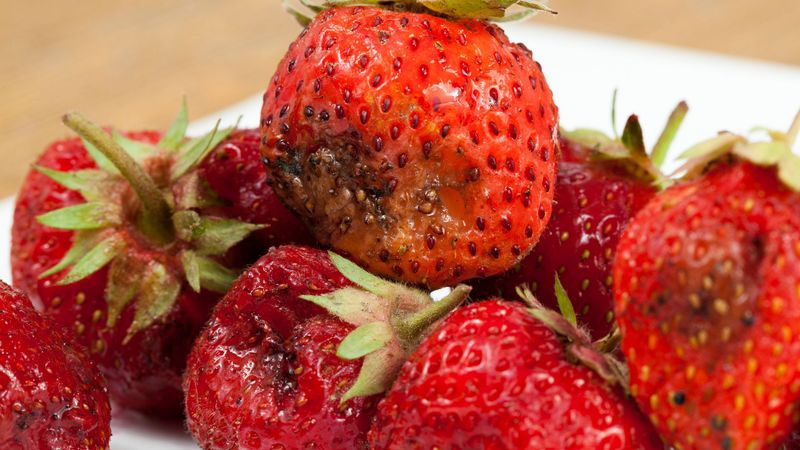
Leaving overripe fruit on the plant or on the ground is one of the fastest ways to attract more Spotted Wing Drosophila to your garden.
Once berries start to break down, they release strong scents that draw flies from a wide area.
A single forgotten cluster of soft berries can quickly become a breeding site for hundreds of new flies.
Flies that breed in overripe fruit will produce a new generation within about a week or two under warm conditions. Those new adults are ready to lay eggs almost immediately.
That rapid cycle means a small problem can turn into a large one very quickly if fallen or rotting fruit is left in place.
Cleaning up your garden regularly during harvest season is one of the most effective things you can do. Pick up any fruit that has fallen to the ground.
Remove any berries that have gone soft while still on the plant. Placing this material in sealed bags before putting it in the trash helps prevent new flies from escaping.
Some growers use traps baited with apple cider vinegar and a drop of dish soap to monitor fly activity. These traps can give you a good idea of how many flies are active near your plants at any given time.
Knowing the pressure level helps you decide when to step up your management efforts before your next round of fruit ripens.
7. Why Warm Weather Sends Populations Soaring
Temperature plays a huge role in how fast Spotted Wing Drosophila populations grow. Warm weather speeds up every part of the fly’s life cycle, from egg to adult.
When summer temperatures stay consistently warm, as they often do across the Willamette Valley and other berry-growing areas, fly numbers can increase very quickly.
Under ideal warm conditions, a full generation can be completed in about a week. That means populations can multiply rapidly across a single growing season.
A few flies in early summer can turn into thousands by late summer if conditions stay favorable and fruit is available. This is one reason why late-season berries often face heavier pressure than early-season ones.
Growers in warmer inland areas of Oregon often see worse infestations than those closer to the coast, where temperatures tend to be cooler and more moderate. However, no region is truly safe when the pest is established and fruit is present.
Monitoring fly numbers throughout the season helps growers respond before populations peak.
Using degree-day models, which track how heat accumulates over time, can help predict when fly activity is likely to spike. Many local extension offices provide these tools and resources to growers.
Staying in touch with your county extension service gives you access to current pest pressure reports, which can help you time your protective measures more effectively throughout the warm growing season.
8. Daily Picking Making A Bigger Difference Than You Think
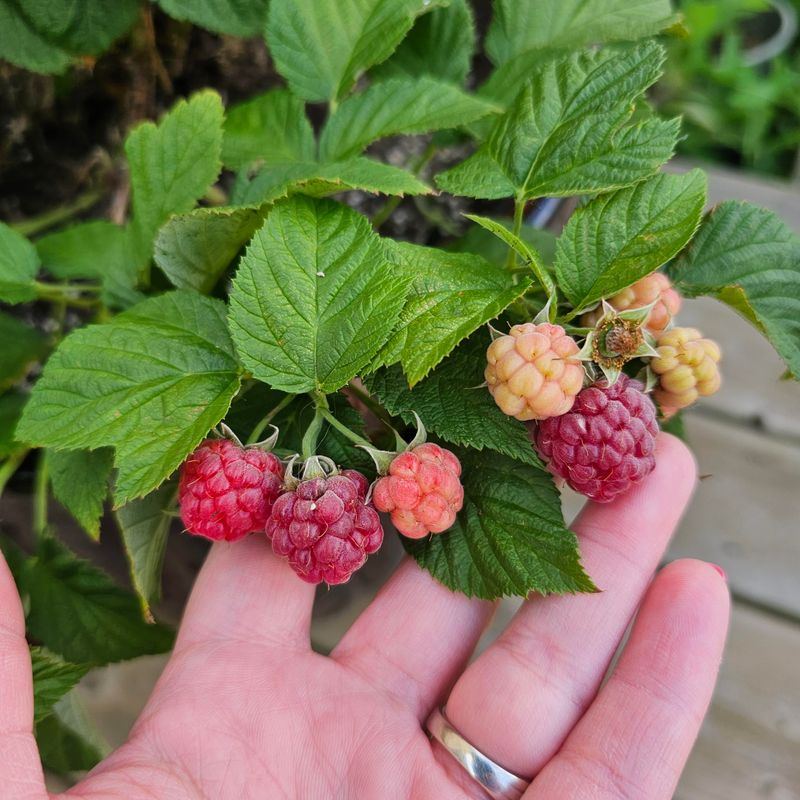
One of the simplest and most effective tools against Spotted Wing Drosophila is also one of the most overlooked: picking your berries every single day.
Frequent harvesting removes ripe fruit from the plant before flies have a chance to lay eggs or before larvae have time to develop. It sounds basic, but it genuinely works.
Berries that sit on the plant for several days give flies multiple opportunities to attack. The longer ripe fruit stays on the vine or bush, the higher the chance it will be infested.
Picking daily keeps that window as short as possible. Even picking every other day can make a noticeable difference compared to picking once a week.
After picking, cooling your fruit quickly in the refrigerator slows larval development in any berries that may already have eggs inside. Cold temperatures do not eliminate the problem entirely, but they do buy you time.
Eating or processing your berries within a day or two of picking is the best way to enjoy them before any hidden damage progresses.
For home gardeners, daily picking also gives you a chance to observe your plants up close. You will notice soft spots, unusual coloring, or other signs of trouble much sooner.
That kind of regular attention is one of the best habits any berry grower can build, whether you have a small backyard patch or a large productive garden in this beautiful state.