These Are The Florida Yard Changes That Bring Butterflies Back After Years Of Absence
A Florida yard that used to have butterflies and no longer does did not lose them by accident. Something changed.
A plant came out, a spray habit started, a lawn decision removed what the butterflies were actually coming for. The absence is specific even when the cause is not obvious.
Bringing them back is also specific. It is not about adding a butterfly bush and hoping for the best.
It is about understanding what butterflies actually need at every stage of their life cycle and making the yard worth returning to on those terms. Florida yards that have seen butterflies return after years of absence share a pattern.
A handful of targeted changes shifted the habitat enough to matter. Not a complete overhaul.
Not an expensive redesign. The right plants in the right spots, and the removal of a few habits that were working against everything the yard was trying to support.
1. Host Plants Give Butterflies A Reason To Stay
A yard full of flowers can still feel empty to a butterfly looking for a place to raise young. Nectar draws adults in for a quick visit, but host plants are what convince them to stay and lay eggs.
These are the specific plants that caterpillars of each species can actually eat and survive on.
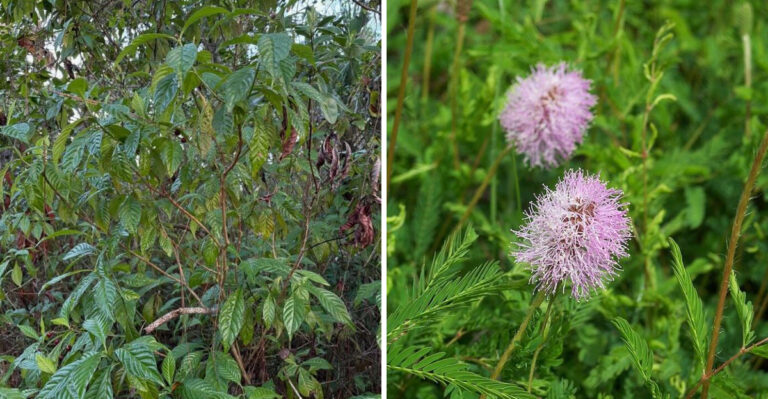
Different butterfly species require different host plants, and there is no single plant that works for all of them. Passionvine supports Gulf Fritillary and Zebra Longwing caterpillars.
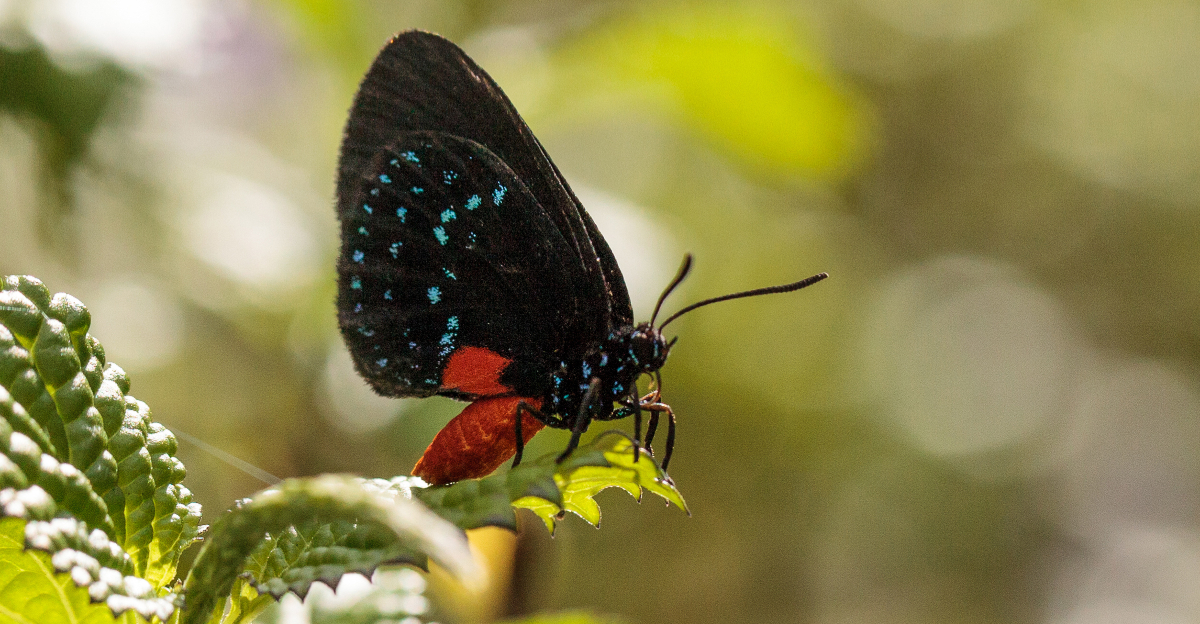
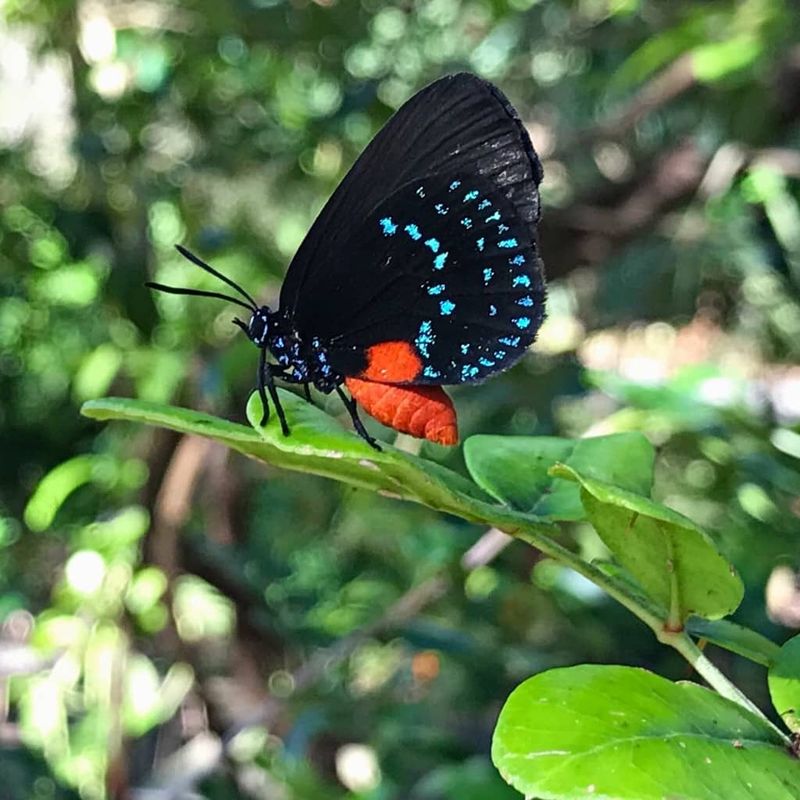
Coontie, a native cycad, is the only known host for the Atala butterfly. Native milkweeds host Monarch caterpillars.
Current UF/IFAS guidance recommends favoring native milkweed species over tropical varieties that may disrupt migration patterns. Cassia species support Cloudless Sulphur caterpillars, and citrus trees can host Giant Swallowtail larvae.
Adding even one or two well-chosen host plants increases the chance that a butterfly will breed in your yard rather than just pass through. Keep in mind that host plants will get chewed.
That is not a failure. That is the whole point.
One honest limitation here is that having host plants does not guarantee eggs will be laid. Local Florida butterfly populations, regional habitat loss, and seasonal timing all play a role in whether breeding actually occurs in your space.
2. Nectar Blooms Keep Adults From Just Passing Through
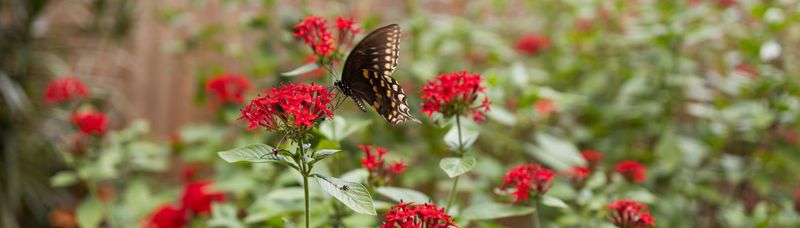
Adult butterflies feed on nectar, and a yard that only blooms for six weeks in spring leaves a long gap on either side of that window.
Spreading bloom times across multiple seasons gives passing adults a reason to linger rather than move on to a yard that has something to offer right now.
Variety in flower shape and height matters too. Some species prefer flat-topped blooms they can land on easily, while others probe tubular flowers.
Native firebush provides reliable nectar through warm months and handles heat well. Porterweed, blue mistflower, and native pentas are also recognized by UF/IFAS as useful nectar sources for a range of species.
Mixing plant heights creates feeding opportunities at different levels, which suits the preferences of different butterflies.
Your Florida Garden Changes Every Week. Your Plan Should Too.
Gardening in Florida changes quickly throughout the season. Every Friday you’ll receive a simple weekly plan showing exactly what to plant, prune, fertilize, harvest, and protect so you never miss the right timing.
One point that often gets overlooked is that a colorful flower does not automatically supply useful nectar. Some ornamental varieties have been bred in ways that reduce nectar production.
Pesticide-free blooms matter just as much as bloom time. A flower treated with a systemic insecticide can harm the adults feeding on it, even if the plant looks perfectly healthy.
Sourcing plants from growers who do not use systemic treatments is worth the extra effort. Consistent nectar availability, not just peak-season abundance, is what keeps adults returning rather than drifting away.
3. Ditching Broad Sprays Protects The Caterpillars You Want
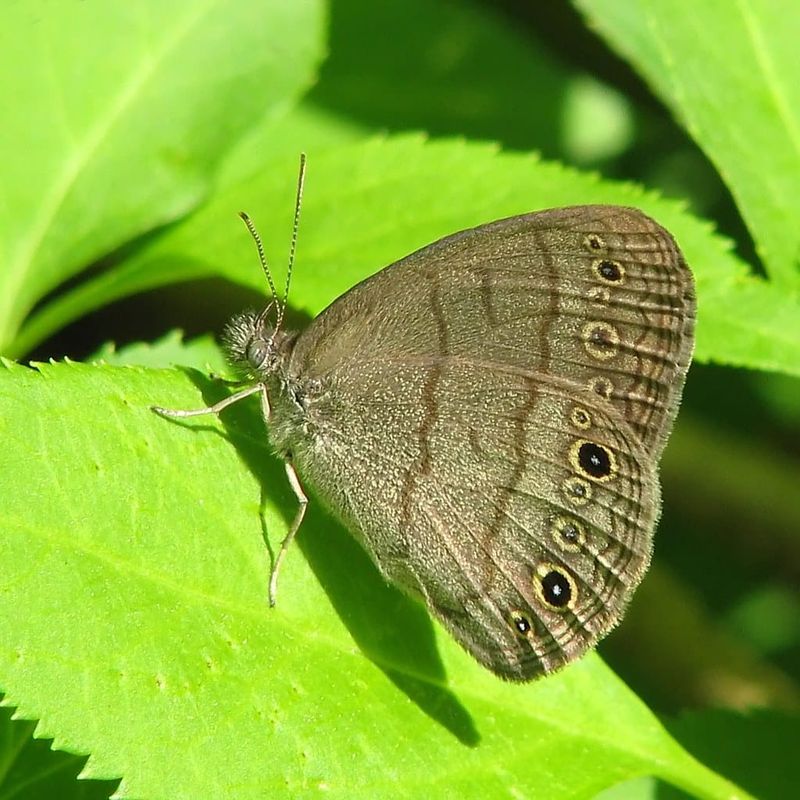
Routine spraying is one of the quietest ways a yard can stop supporting butterflies without the Florida gardener ever realizing it. Broad-spectrum insecticides do not distinguish between a pest aphid and a swallowtail caterpillar resting on the underside of a leaf.
Both get affected, and the caterpillar rarely survives.
The fix is not to ignore real pest problems. Serious infestations can damage plants beyond recovery, and that is a legitimate concern.
The shift is in how you respond. Integrated pest management, often called IPM, asks you to identify what you are dealing with before reaching for any treatment.
A chewed leaf with a caterpillar on it is not a pest problem. That chewed leaf may be hosting exactly the butterfly you were hoping to attract.
When treatment is genuinely necessary, targeted options applied carefully to the specific pest are far less likely to affect non-target insects.
UF/IFAS guidance consistently recommends identifying insects before treating and choosing the least disruptive method that addresses the actual problem.
Homemade spray mixtures are not recommended because their effects on beneficial insects are unpredictable. The honest limitation here is that some pest pressure will require a real decision.
Protecting caterpillars sometimes means accepting a degree of plant damage that feels uncomfortable at first but is actually a sign the yard is functioning.
4. Sunny Shelter Gives Cool Wings A Better Launch Pad
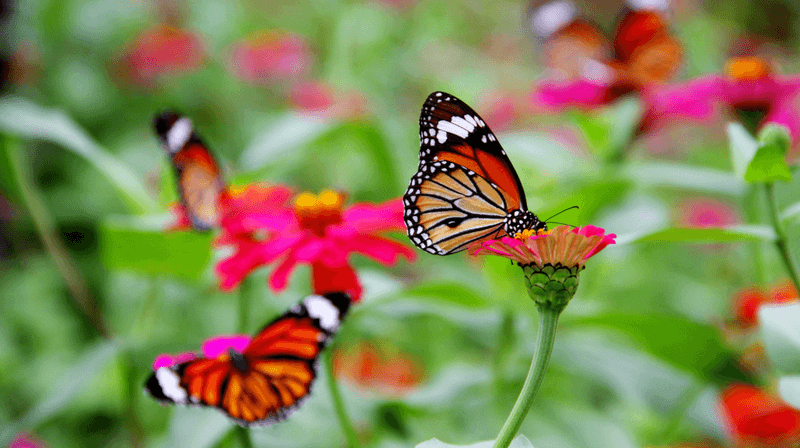
Butterflies are cold-blooded, which means they rely on external heat sources to warm their flight muscles before they can move efficiently.
A yard that is entirely shaded or fully exposed to open wind offers less useful habitat than one with a mix of sunny openings and nearby protective vegetation.
Open sunny patches are where butterflies bask, especially in the morning or after a cool night. Flat stones placed in sunny spots can provide a warm surface for basking.
Butterfly gardening guidance supports this as a simple structural addition. The surrounding shrubs and taller plants matter just as much, though.
Wind breaks provided by dense plantings help butterflies conserve energy and feel secure enough to stay rather than move on.
Not every species has identical preferences. Some woodland butterflies tolerate more shade, while open-field species strongly prefer full sun.
Designing a yard with at least one consistently sunny area, ideally facing south or east, gives the broadest range of visitors something to work with.
The limitation worth noting is that structural yard changes take time to develop, especially if you are growing shrubs from small transplants.
A yard with no wind protection will not transform overnight. However, even one well-placed shrub row can begin creating a more hospitable microclimate for visiting adult butterflies.
5. Mowing Less Saves The Plants Caterpillars Actually Need
Lawn edges and informal corners often hold more butterfly value than Florida gardeners realize. Fennel, wild senna, native grasses, and low-growing violets can establish themselves in these areas on their own.
Running a mower over them on a weekly schedule removes host plants, flowers, and sometimes developing insects before they have a chance to complete their cycle.
Leave selected patches taller along a fence line or at the back of the property. Even a small section can create usable habitat without requiring a full redesign.
Meadow-style areas mowed only a few times per year can support a wider range of insects. This includes butterfly larvae that need undisturbed ground-level vegetation.
The key word is intentional. A deliberately maintained taller patch reads differently than simple neglect and is easier to defend if HOA rules or local ordinances require a maintained appearance.
Mowing frequency also affects nectar. Low-growing clover and other small-flowered plants that butterflies use get removed with every pass.
Raising the mower deck even slightly and reducing pass frequency in informal areas can preserve these resources. The realistic limitation is that not every yard has the space or the community flexibility to leave large sections unmowed.
Even a modest strip along a fence or garden bed makes a difference when managed with purpose rather than abandoned by accident.
6. Chewed Leaves Become A Sign The Yard Is Working Again
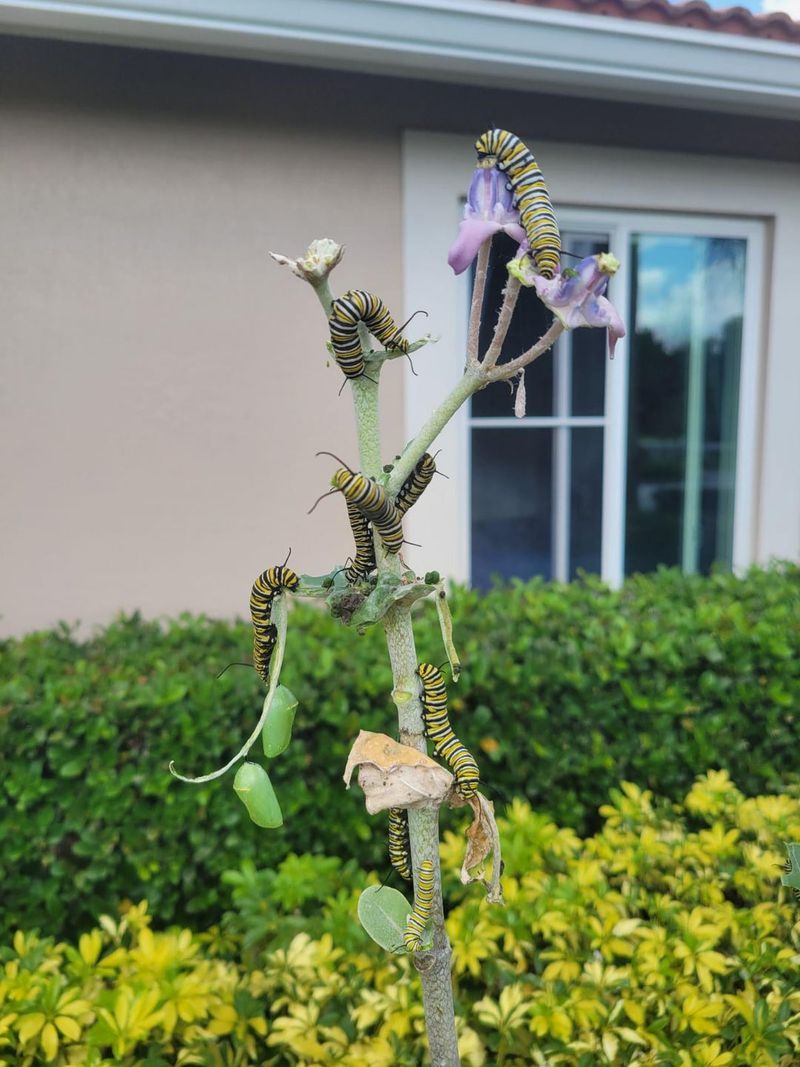
The first time you spot serious leaf damage on a plant you just put in, the instinct is to fix it fast. That reaction makes sense in a vegetable garden, but in a butterfly habitat, it can work directly against what you were trying to build.
Host plants are supposed to be eaten. That is their role in this system.
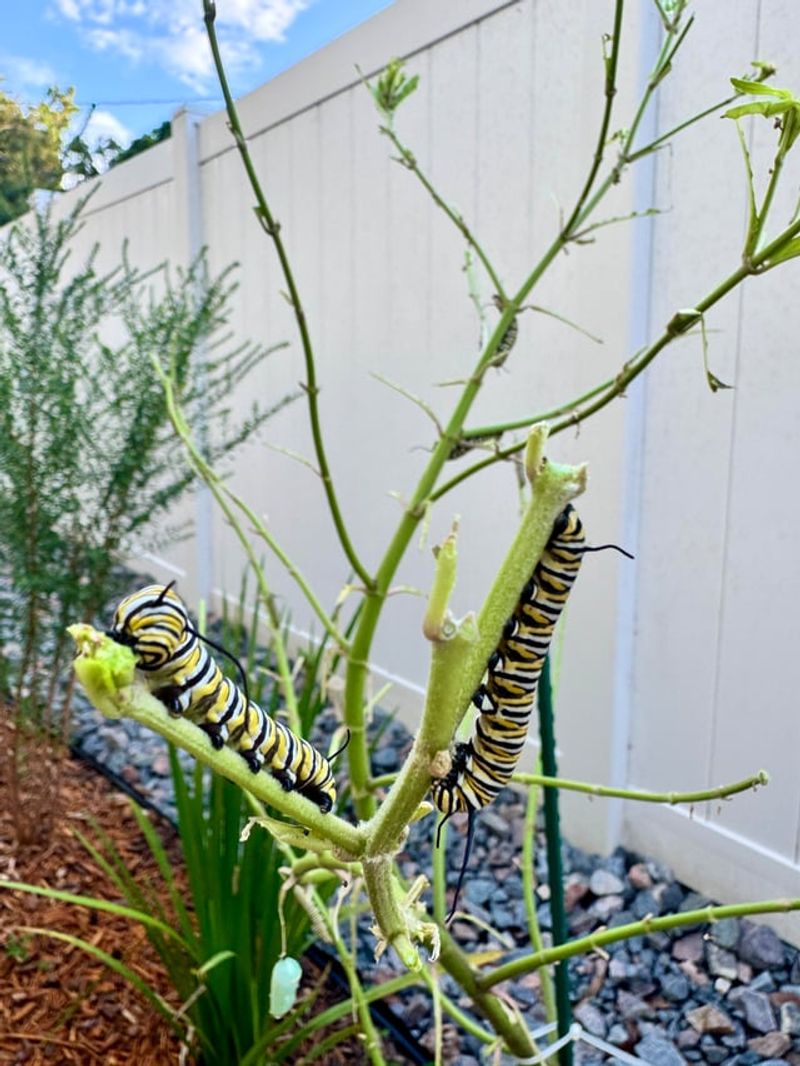
Gulf Fritillary caterpillars will strip passionvine dramatically. Monarch caterpillars do the same to milkweed.
Seeing a plant that looks rough around the edges is not automatically a failure. Before treating any damaged plant, spend a minute identifying what is actually doing the feeding.
A caterpillar with bright markings on a known host plant is a very different situation from an unidentified pest on a vegetable you are planning to eat.
Normal caterpillar feeding rarely eliminates a healthy established plant. Passionvine, in particular, is vigorous enough to regrow quickly after heavy feeding.
The goal is not a perfectly untouched host plant. The goal is a plant that supports the full life cycle.
That said, not all leaf damage comes from butterflies. Aphids, scale insects, and fungal issues can also cause visible decline, and those deserve attention through targeted management.
The honest middle ground is observation first, identification second, and treatment only when genuinely necessary and targeted carefully.
7. A Damp Sand Patch Brings Puddling Butterflies Down Low
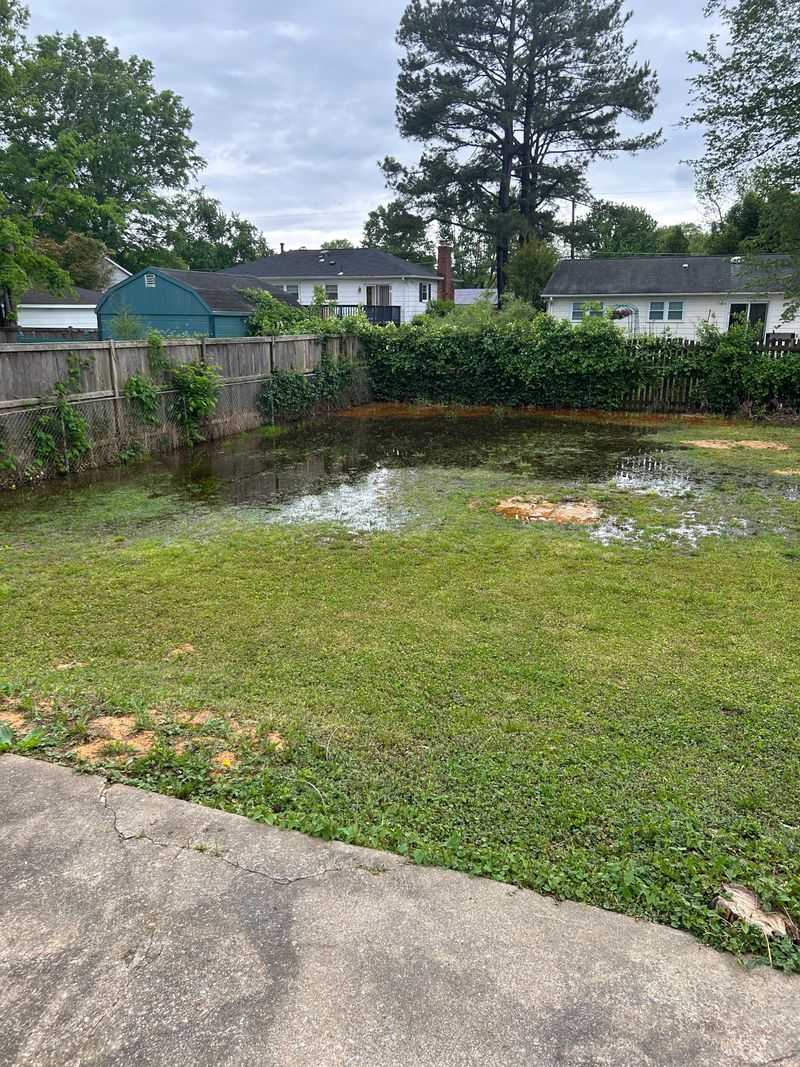
Some butterflies, particularly males, gather on damp soil to drink water that contains dissolved minerals and salts. This behavior is called puddling, and it is commonly observed in swallowtails and sulphurs.
Adding a small moist sand area to a yard gives these butterflies a resource that most residential properties simply do not offer.
Creating a puddling patch is straightforward. A shallow container or a low depression filled with coarse sand kept consistently moist works well.
Placing it in a sunny, open spot makes it easier for butterflies to find and feel safe using. Some Florida gardeners add a small amount of aged compost to the sand to increase its mineral content.
However, the most important factor is keeping the sand moist without allowing standing water to collect. Stagnant water creates mosquito breeding habitat, which is worth avoiding.
A puddling area is a supplemental feature, not a replacement for host plants and nectar sources. Butterflies that do not puddle will not be drawn to your yard by a sand patch alone.
Think of it as one more layer in a habitat that already has the basics covered. The limitation is that puddling is more likely to attract certain species than others, and activity will vary by season.
Maintaining the patch is simple, a light watering every few days during dry spells keeps it functional without much effort.
8. Layered Planting Rebuilds The Habitat They Lost
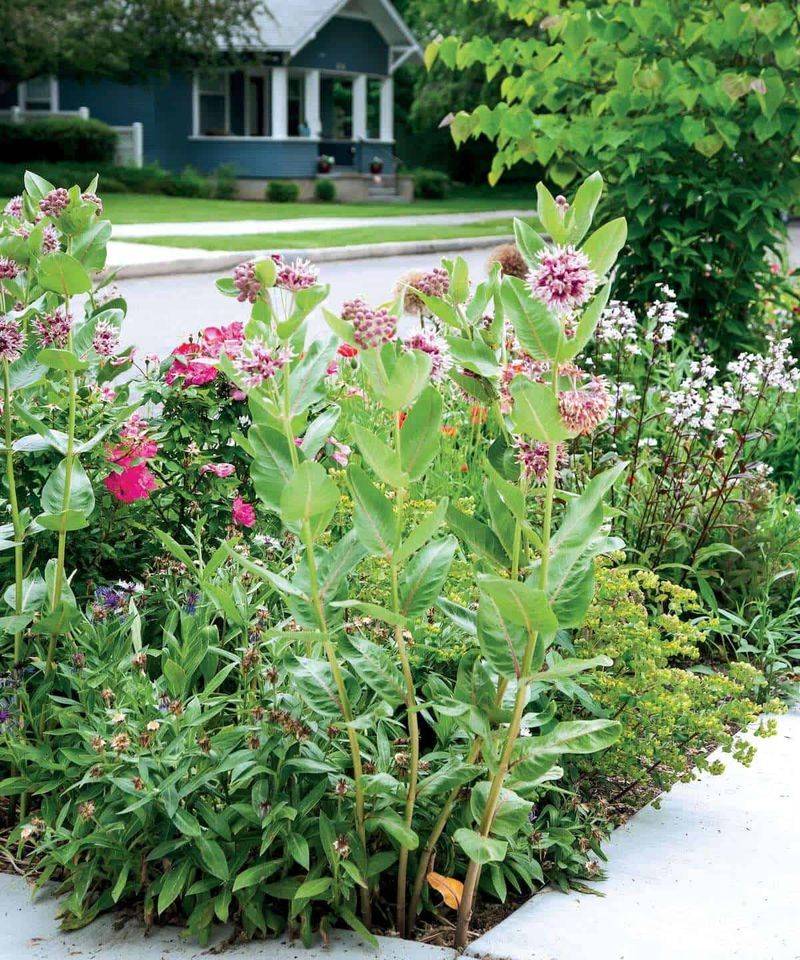
A single flower in a sea of open turf is a rest stop, not a home. Butterflies that breed, shelter, and feed in a yard need vertical variety.
Include something low to the ground, something at mid-height, and something taller that breaks wind and provides shaded edges. That layered structure is what natural habitat provides, and most residential yards have lost it entirely.
Groundcovers and native grasses at the base level offer shelter for resting and low-level feeding. Mid-height flowering shrubs like native firebush or wild coffee provide both nectar and protected perching.
A small canopy tree or large shrub at the back of a planting island gives the space a windward edge and a shaded retreat. Connect planting areas with short corridors instead of isolating them as separate islands in open lawn.
This creates more continuous habitat that is easier for butterflies to navigate.
Native plants are worth prioritizing where they suit your light, soil, and moisture conditions, but not every native plant supports butterflies. The match between plant and species matters more than nativity alone.
End-goals here are realistic rather than romantic. A functioning habitat yard takes a few seasons to establish, and results vary based on what butterfly populations exist in your surrounding area.
One well-layered corner, maintained thoughtfully, offers more value than a dozen unconnected flower pots scattered across bare ground.