This Underrated Native Shrub Outperforms Boxwood In Virginia Landscapes
Boxwood has been the default choice for so long that most gardeners never question it. But there’s a shift happening in yards across the mid-Atlantic, and it has nothing to do with trends.
One shrub has quietly outperformed the classic favorite in the exact conditions that make Virginia gardening tricky, thick clay, muggy summers, and soil that refuses to drain.
Neighbors are noticing. The yards that stay lush through August aren’t the ones babying their plants with constant attention. They’ve simply swapped in something sturdier.
If your go-to hedge looks tired by midsummer while others nearby seem untouched by the heat, the answer might not be more water or fertilizer. It might be the plant itself.
Inkberry Holly Delivers Boxwood’s Look Without Its Problems
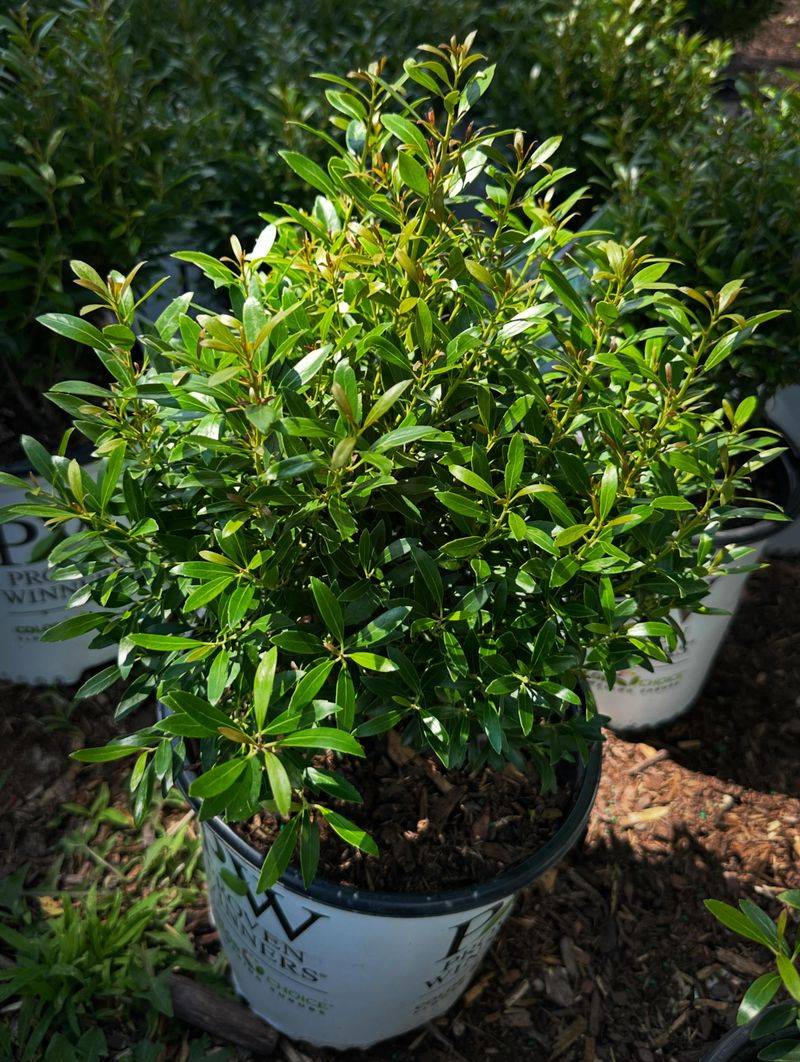
Picture a shrub that looks polished year-round without constant babysitting. Inkberry holly gives you that dense, rounded shape that makes boxwood so popular.
Ilex glabra, the botanical name for inkberry, grows naturally in Virginia’s wet lowlands and coastal plains. That background makes it incredibly tough when planted in residential yards.
Unlike boxwood, inkberry is not fussy about soil type. It handles clay, sand, and everything between without complaint.
Boxwood blight has damaged countless Virginia gardens over the past decade. Inkberry has no known vulnerability to that disease, giving homeowners serious peace of mind.
The foliage stays a rich, glossy green through fall and into winter. That consistency is something many ornamental shrubs simply cannot deliver.
Landscapers in northern Virginia have started recommending inkberry as a direct boxwood substitute for formal hedges. The look is nearly identical from a distance, but the maintenance demands drop significantly.
Nurseries across the state now stock compact cultivars like Shamrock and Gem Box. These smaller varieties fit tight foundation beds without aggressive pruning sessions.
Homeowners who have made the switch report fewer headaches each growing season. For anyone tired of babysitting a fragile hedge, the appeal here is hard to ignore.
Common Struggles With Traditional Boxwood Plantings
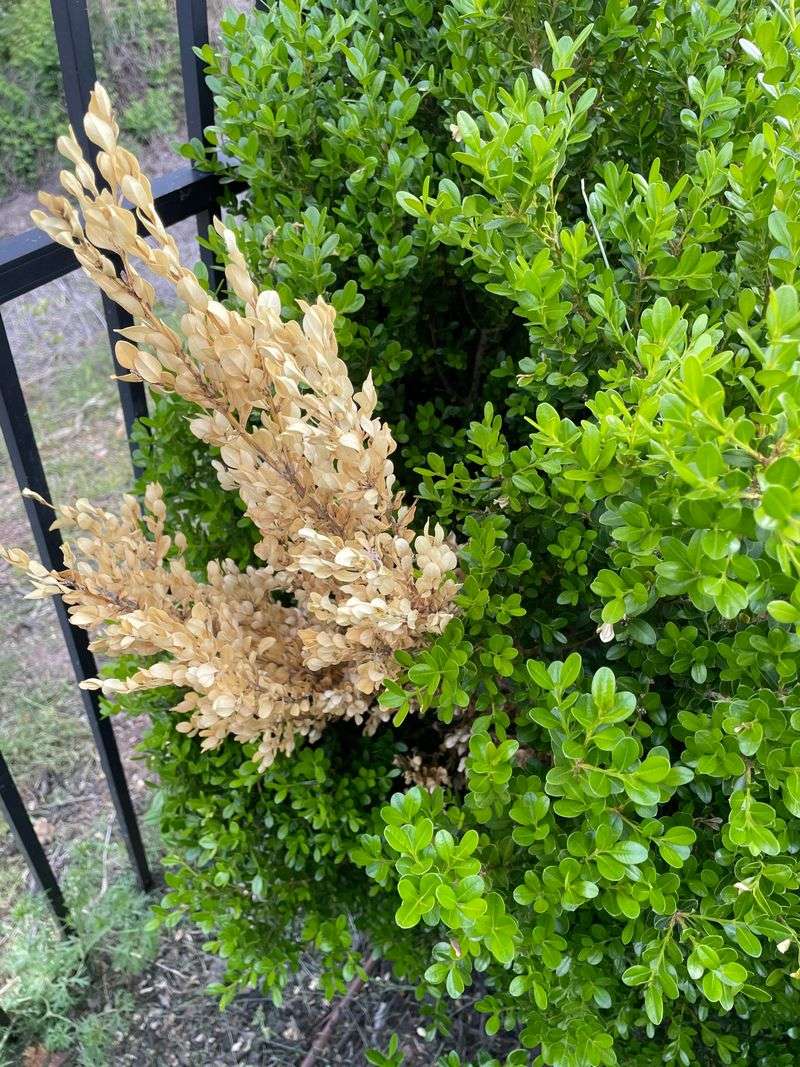
Boxwood looks gorgeous in a garden catalog photo. The reality of growing it in Virginia tells a different story.
Boxwood blight, caused by the fungus Calonectria pseudonaviculata, spreads fast in humid summers. Entire hedges can go from lush to bare in a single wet season.
Boxwood leafminer is another stubborn pest that shows up in these shrubs year after year. The tiny larvae feed inside the leaves, causing blistered, discolored foliage that looks terrible.
Virginia’s summer heat and humidity create near-perfect conditions for both of these problems. Gardeners often spend more on fungicides and pesticides than on the plants themselves.
Root rot is a third major issue, especially in heavy clay soil. Poor drainage damages boxwood roots faster than most homeowners realize.
Deer add another layer of frustration to the equation. Boxwood is not their favorite meal, but hungry deer in suburban Virginia will still browse it during harsh winters.
The labor involved in keeping boxwood healthy adds up quickly each year. Between pruning, treating, and replacing bare sections, the time commitment is substantial.
Your Virginia Garden Changes Every Week. Your Plan Should Too.
Gardening in Virginia changes quickly throughout the season. Every Friday you’ll receive a simple weekly plan showing exactly what to plant, prune, fertilize, harvest, and protect so you never miss the right timing.
Many Virginia gardeners stick with boxwood out of habit or tradition. Switching to a proven native alternative like inkberry holly can eliminate most of these headaches for good.
Inkberry Provides Year Round Structure And Color
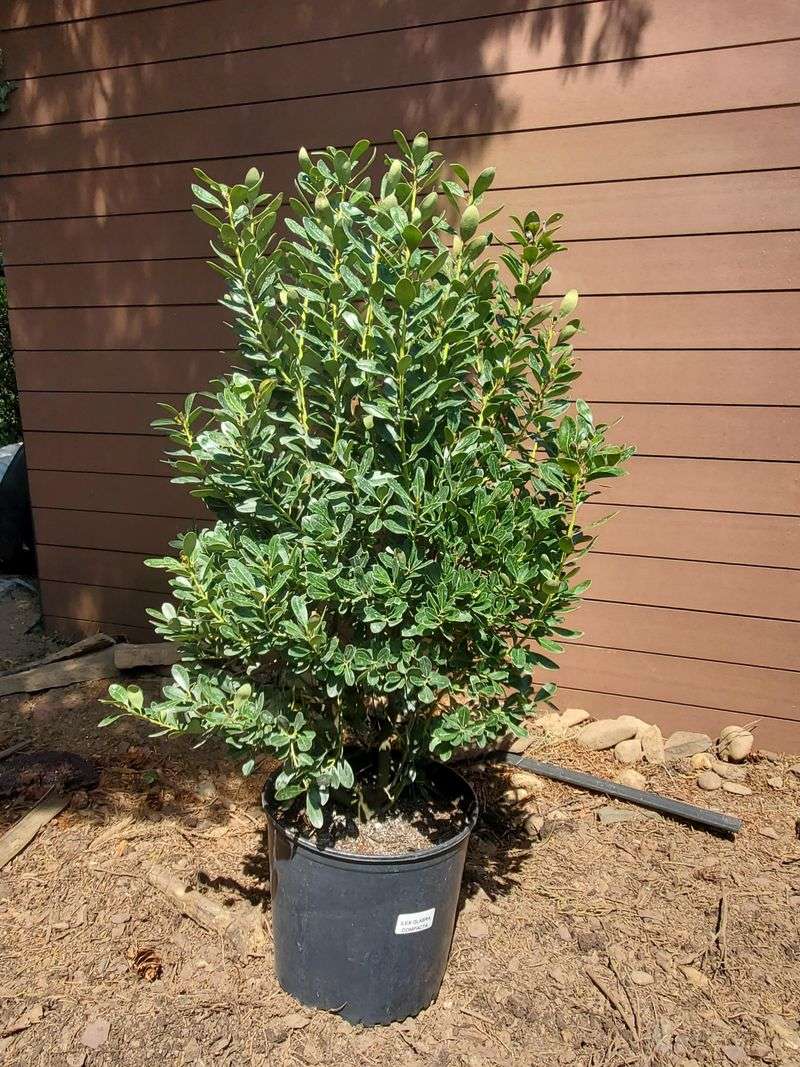
A garden that looks good in January is a rare and precious thing. Inkberry holly pulls that off without any extra effort from you.
The evergreen foliage holds its deep green color through freezing temperatures and late-season ice storms. That reliability gives your yard a finished, intentional look even in the bleakest months.
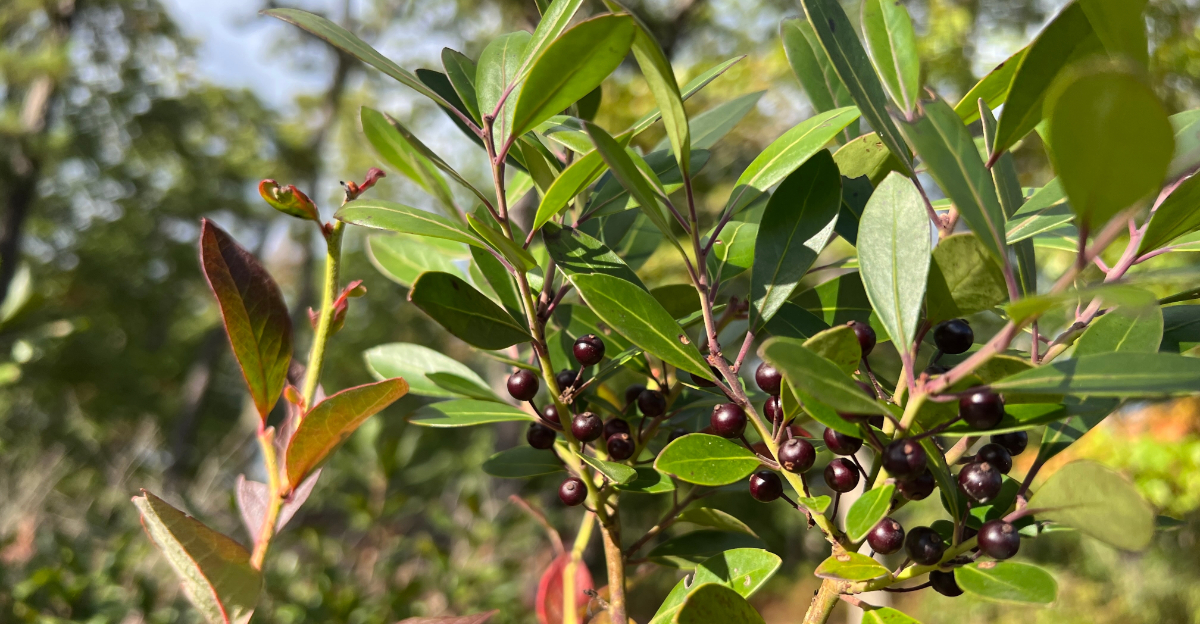
By late summer, clusters of small black berries appear along the branches. These berries persist through winter, adding visual interest when most other plants have gone dormant.
The shrub’s rounded natural shape means less pruning to maintain a tidy appearance. You can trim it lightly in early spring and forget about it for the rest of the season.
In fall, some inkberry varieties develop a subtle purplish tint in their foliage. That seasonal color shift adds a design layer that boxwood simply cannot offer.
Compact cultivars like Shamrock top out around three to four feet tall. That moderate height works well for foundation plantings, borders, and low hedges without blocking windows.
Spring brings fresh new growth that brightens the entire plant with lighter green tips. The contrast between old and new foliage creates a layered, textured effect that catches the eye.
Landscape designers prize plants that earn their space across all four seasons. Inkberry holly is one of the few shrubs that genuinely delivers structure and beauty every single month of the year.
Wildlife Benefits You Won’t Get From Boxwood
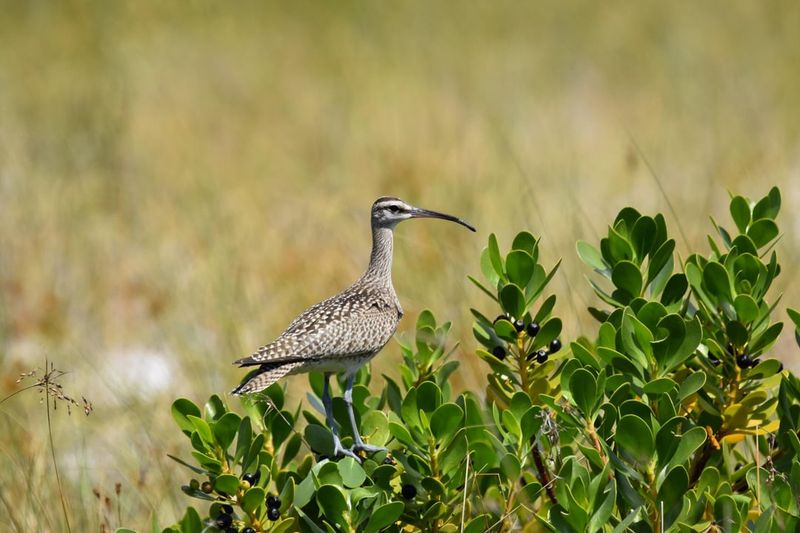
Your yard can be more than just pretty. Inkberry holly turns your landscape into a working ecosystem that supports local wildlife.
The small black berries ripen by late summer and remain on the plant through winter. Dozens of bird species rely on these berries as a critical food source during cold months.
Cedar waxwings, robins, and hermit thrushes are frequent visitors to inkberry plantings across Virginia. Watching them feed just outside your window is a genuinely rewarding experience.
Boxwood produces little meaningful food source for birds or mammals. It sits in the landscape mostly as a decorative element with limited ecological value.
Native bees visit inkberry flowers in spring, gathering nectar from the small white blooms. Supporting pollinators has become a real priority for many homeowners who care about garden health.
The dense branching structure also provides excellent nesting cover for songbirds. Shrubs that offer both food and shelter are far more valuable to local wildlife than ornamental-only plants.
Inkberry thrives naturally along wetland edges, which means it supports moisture-dependent insects too. Those insects, in turn, feed the birds that make your yard feel alive.
Choosing plants that match your local climate and soil tends to be the smarter investment. Inkberry holly rewards that choice with beauty, berries, and a backyard full of wings and song.
Planting And Care Tips For Inkberry Holly
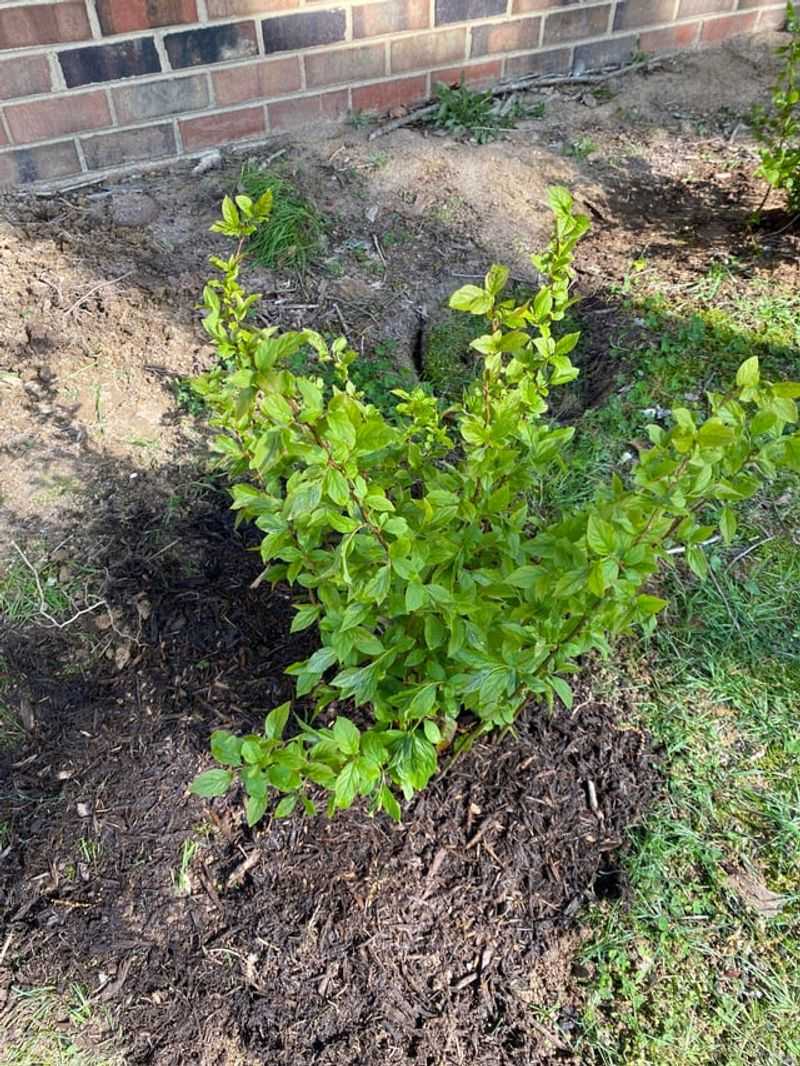
Getting inkberry established is straightforward, even for beginners. A few smart choices at planting time set you up for years of easy success.
Choose a spot with full sun to partial shade for the best growth and berry production. Inkberry tolerates a range of light conditions well, making it a flexible option in tricky spots.
This shrub genuinely loves moisture, so low spots and areas near downspouts are ideal locations. It is one of the few ornamental shrubs that thrives where water tends to collect.
Dig your planting hole twice as wide as the root ball but no deeper. Setting the plant too low invites crown rot, so keep the top of the root ball level with the surrounding soil.
Mulch around the base with two to three inches of wood chips or shredded bark. Mulch holds moisture, moderates soil temperature, and suppresses weeds all at once.
Water consistently during the first growing season to help roots establish quickly. After that, established inkberry plants handle drought periods with surprising resilience.
Light pruning in early spring shapes the shrub and encourages dense new growth. Avoid heavy pruning in late summer, which can remove the developing berry clusters.
Fertilizing is rarely necessary if you plant in decent native soil. If growth seems slow, a light application of balanced organic fertilizer in spring is all the boost this native needs.
Comparing Cost And Long-Term Value To Boxwood
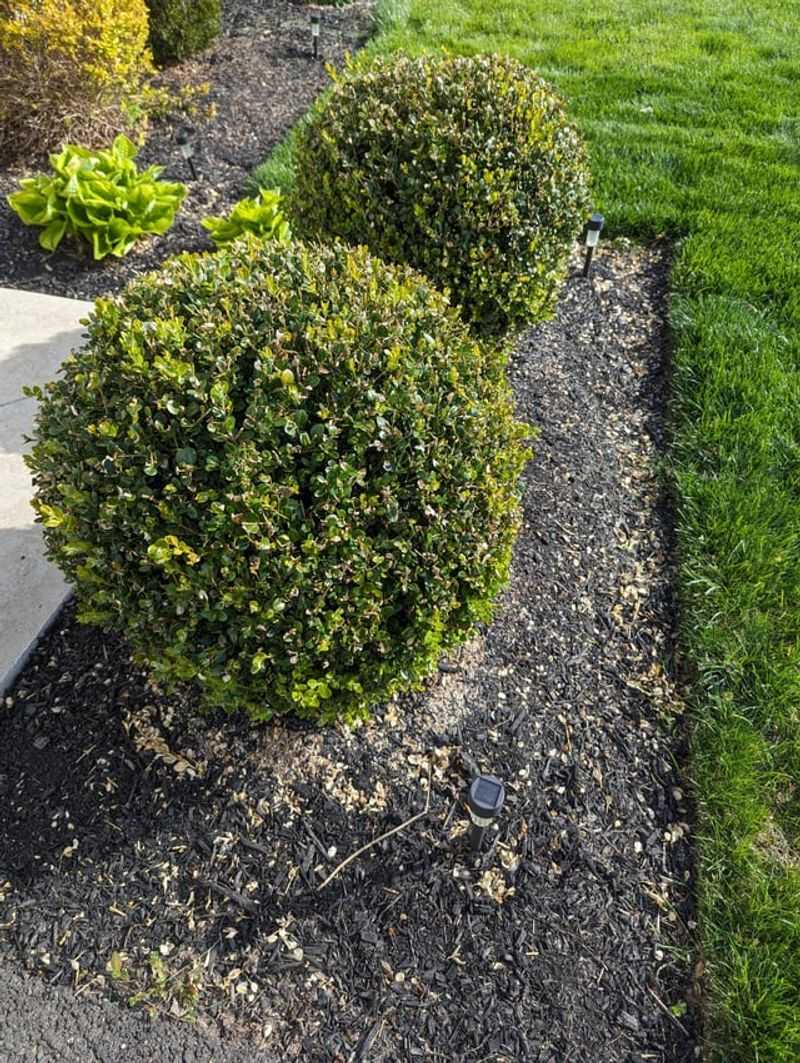
Money matters in the garden, and inkberry holly makes a strong financial argument. The long-term savings over boxwood are hard to ignore.
A single boxwood plant can cost fifteen to forty dollars at a nursery, depending on size. Inkberry plants in comparable sizes often run slightly less, with native plant sales offering even better deals.
The real savings come from what you stop spending on treatments. Boxwood owners regularly buy fungicides, insecticides, and replacement plants after disease or pest damage.
Inkberry requires none of those recurring purchases under normal growing conditions. That difference adds up to hundreds of dollars over just a few seasons.
Labor costs drop significantly when you switch to a low-maintenance native shrub. Less pruning, less spraying, and fewer emergency fixes mean more free weekends for you.
Inkberry also has a longer natural lifespan when planted in suitable conditions. A well-sited inkberry hedge can thrive for decades without major intervention.
Boxwood plantings in Virginia often need partial replacement every five to ten years due to disease pressure. That cycle of loss and replanting is both expensive and discouraging.
The numbers make just as strong a case as the plant itself does.
Where To Buy Inkberry Holly And Best Cultivars To Try
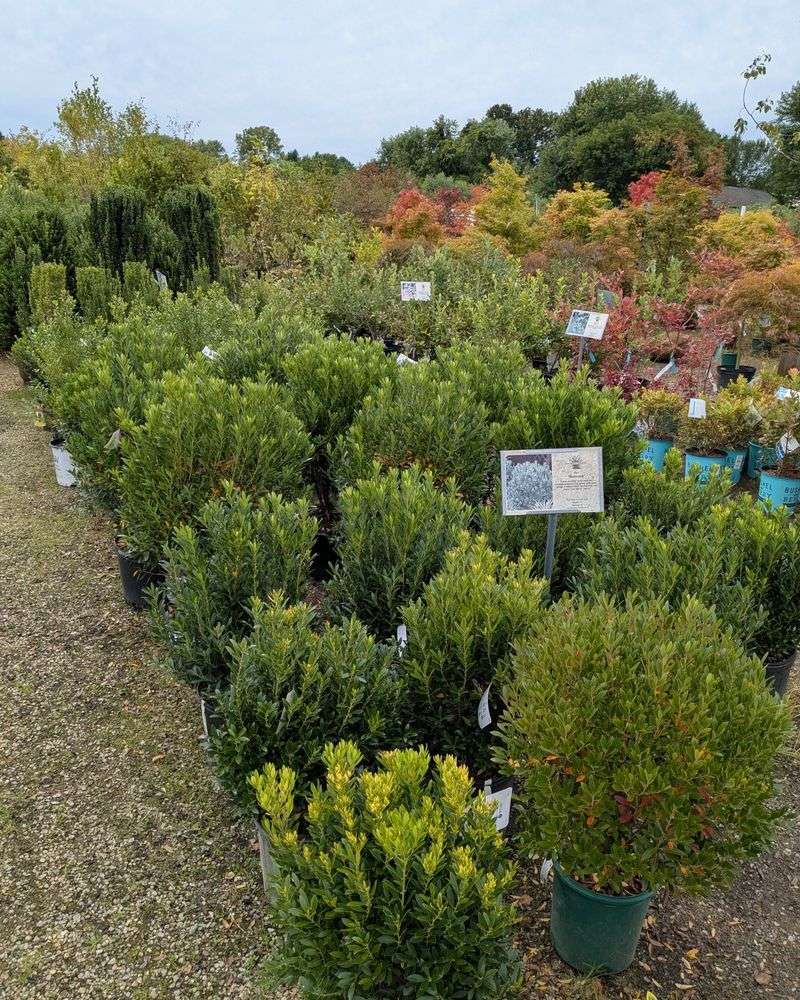
Finding inkberry holly has never been easier as native plant popularity keeps growing. More nurseries across Virginia now carry multiple cultivars to suit different garden sizes.
Shamrock is one of the most popular compact varieties, reaching about three to four feet tall. Its tidy rounded shape makes it a natural fit for formal borders and foundation beds.
Gem Box is an even smaller option, topping out near two to three feet at maturity. Tight spaces and container gardens benefit enormously from this well-behaved little shrub.
Strongbox offers slightly larger growth and exceptional cold hardiness for northern parts of the state. It handles tough winters without skipping a beat or losing foliage quality.
Native plant nurseries are your best starting point for healthy, locally grown stock. Plants sourced from regional growers adapt faster and perform better than those shipped from distant climates.
Virginia Native Plant Society chapters often host plant sales in spring and fall. These events offer affordable pricing and knowledgeable staff who can answer your specific site questions.
Big-box garden centers increasingly stock inkberry during the spring planting season. Check the tag carefully to confirm you are getting a true Ilex glabra rather than a similar-looking substitute.
Online native plant retailers also ship inkberry in small sizes at reasonable prices. Starting with a one-gallon plant and letting it establish naturally is often the most rewarding path for any gardener.