The Meaning Behind An Alligator Showing Up Near Your Florida Property
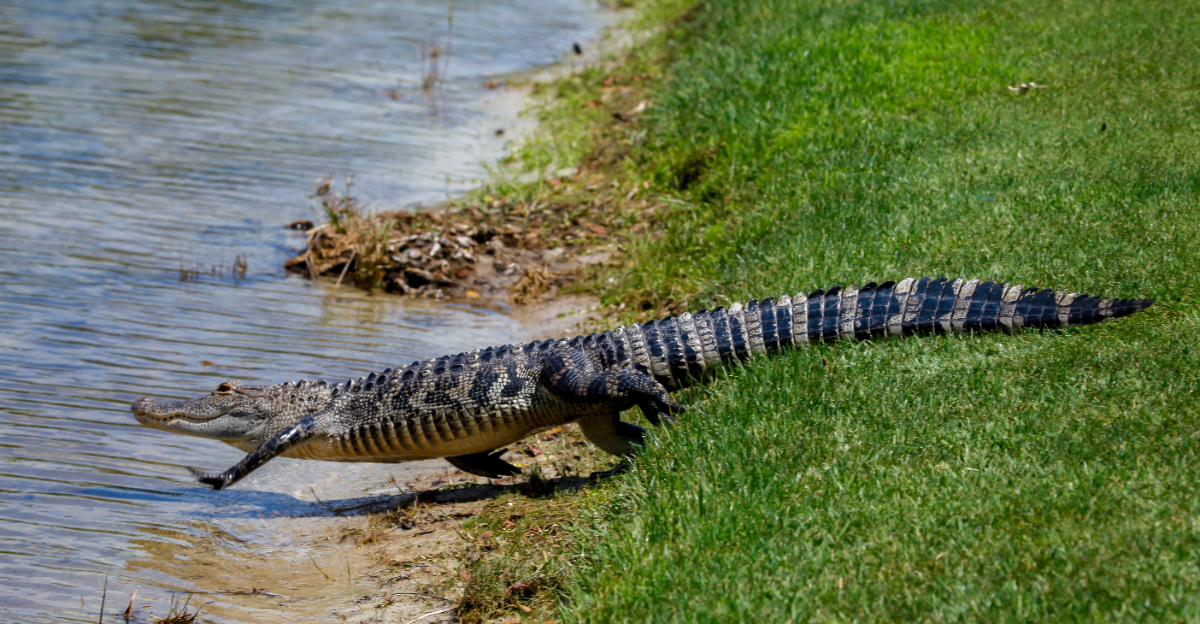
An alligator near a Florida property stops the morning differently than anything else. Not with alarm exactly, though that is part of it.
With the specific weight of sharing a landscape with something that has been here far longer than the neighborhood around it and operates entirely on its own terms. Alligators do not wander randomly.
A property they approach or settle near is offering something specific. Water access, prey activity, the kind of undisturbed edge habitat that alligators read as suitable territory.
Their presence says something real about the ecosystem surrounding that property. It also comes with legal and practical context that every Florida homeowner near water should understand before the next encounter.
What an alligator near your property actually signals, ecologically and practically, is worth knowing clearly. Florida shares its landscape with them whether the neighborhood was designed for that reality or not.
1. Nearby Water Is Usually The Real Reason It Appeared
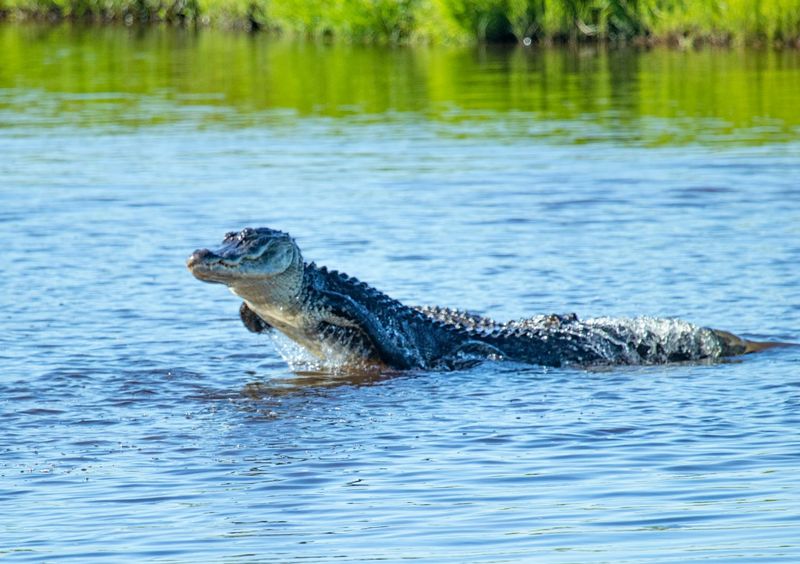
Spotting a scaly visitor near your Florida property can feel alarming, but water is almost always the first clue worth examining. Freshwater ponds, retention areas, drainage canals, and wetlands are core habitat for alligators across the southeastern United States.
When developers build neighborhoods near these water bodies, homes end up sitting right at the edge of natural territory.
An alligator found on land may still have a water source very close by. It might have crossed a road, traveled along a drainage swale, or simply crawled up a bank to warm itself.
The animal is not necessarily lost or displaced. It is behaving the way it normally would in its environment.
Suburban expansion has placed more homes adjacent to marshes, lakes, and managed retention ponds than ever before. That overlap is what creates most residential sightings.
Seeing one near your property does not mean every pond in the area will produce a regular visitor. It does mean your neighborhood shares space with natural habitat, and awareness of that fact helps you stay safe and informed.
2. Warm Weather Puts More Alligators On The Move
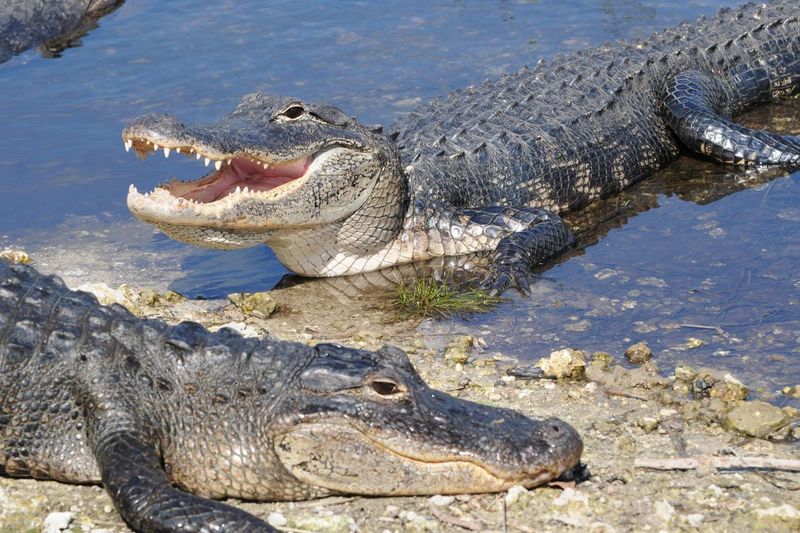
On a hot afternoon in late spring, alligator activity tends to spike noticeably across Florida. These reptiles are ectothermic, meaning their body temperature is regulated by the surrounding environment rather than internal heat production.
Warmer air and water temperatures essentially switch them into a higher gear.
When temperatures rise, alligators feed more often, move greater distances, and become visible more frequently. Breeding season, which typically runs from April through June, also pushes animals to travel in search of mates.
That combination of warmth and biological drive significantly increases the chances of a human encounter.
None of this means a warm-weather sighting signals aggression. Greater activity simply means more alligators are out and about, covering more ground than they would during cooler months.
During winter, they slow down considerably and may stay submerged or barely move for days at a time. Understanding this seasonal rhythm helps put a yard sighting in proper context.
A reptile crossing a lawn on a warm afternoon is doing exactly what its biology tells it to do, and that behavior is entirely predictable once you know what drives it.
Your Florida Garden Changes Every Week. Your Plan Should Too.
Gardening in Florida changes quickly throughout the season. Every Friday you’ll receive a simple weekly plan showing exactly what to plant, prune, fertilize, harvest, and protect so you never miss the right timing.
3. A Backyard Pond Can Become Part Of Its Regular Route
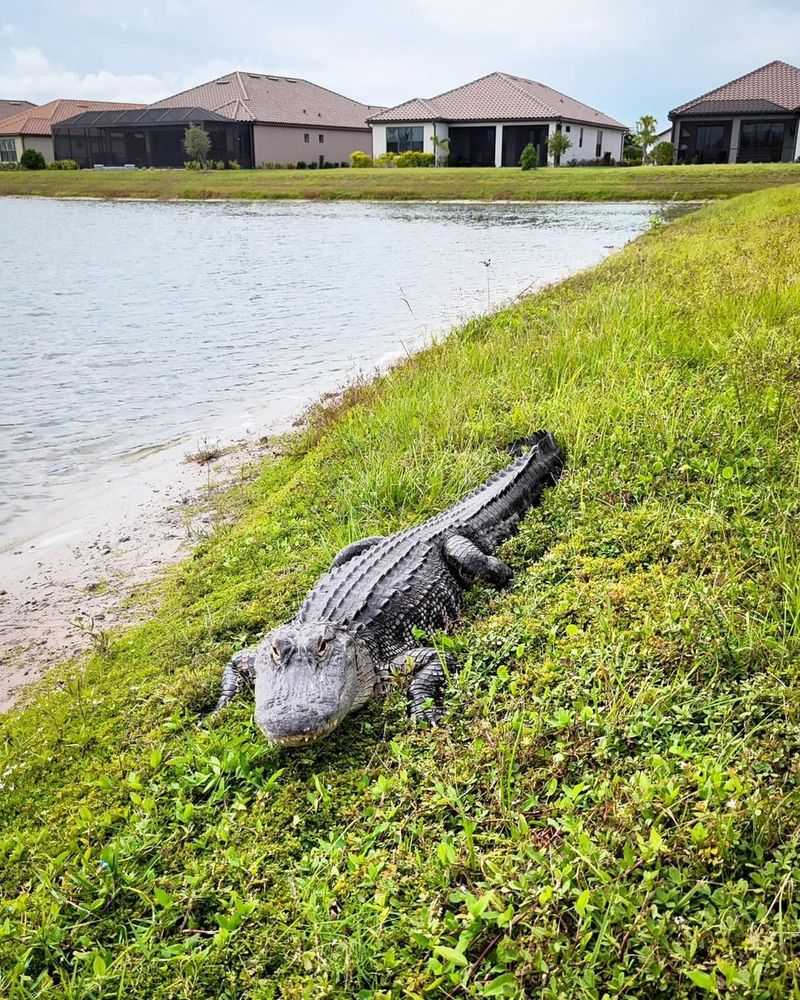
Residential ponds tucked behind homes can look peaceful and contained, but to a traveling alligator, they are simply one stop along a connected water system. Canals, drainage pipes, and shallow wetlands often link these small ponds to larger water bodies nearby.
An animal moving through that network may pass through a backyard pond as part of its broader range.
Repeated sightings near the same pond do not automatically confirm that one specific animal keeps returning. Multiple individuals may use the same route at different times.
What matters more is how the pond is maintained and what grows along its edges. Dense vegetation at the shoreline can reduce visibility and make it harder to notice an animal approaching from the water.
Keeping landscaping trimmed near the water’s edge improves sightlines and reduces areas where an alligator might rest undetected. Homeowners should avoid walking to the water’s edge to investigate after a sighting.
Watching from a safe distance and allowing the animal to move on its own is always the better approach. A calm, hands-off response protects both the homeowner and the animal.
4. Easy Food Around People Changes The Situation Fast
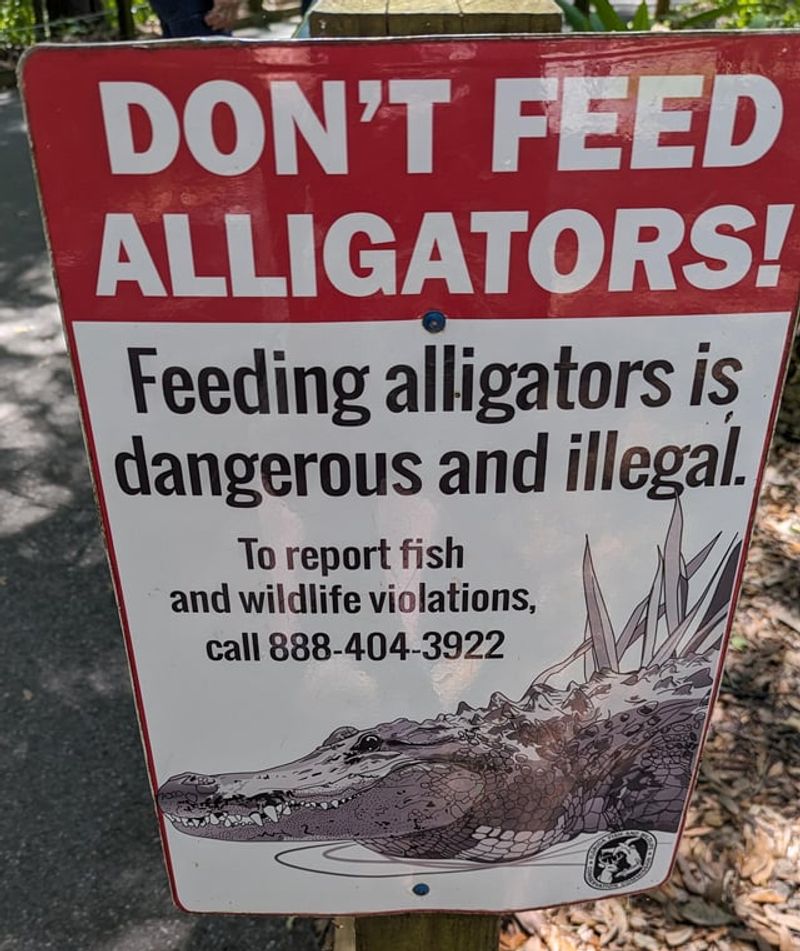
Few things change an alligator’s behavior faster than a free meal near people. When someone tosses fish scraps, table food, or any other edible item toward an alligator, that animal begins to connect human presence with the reward of food.
That association can build quickly and is very difficult to reverse once it forms.
Feeding alligators is illegal under Florida law, and the reason is straightforward. A food-conditioned animal loses its natural wariness around people.
Instead of retreating when a person approaches, it may move closer, expecting a handout. That shift in behavior raises the risk for everyone nearby, including children and pets who may not recognize the danger.
Fish cleaning stations near ponds, leftover bait, and unsecured garbage can all attract alligators indirectly, even without intentional feeding.
Homeowners should clean up any food waste near water promptly and make sure neighbors understand why feeding wildlife causes real harm.
Reporting someone who is feeding an alligator to local wildlife authorities is a responsible step. Keeping these animals wild and appropriately cautious around humans is the single most effective way to reduce conflict over time.
5. Pets Near The Water Raise The Stakes Immediately
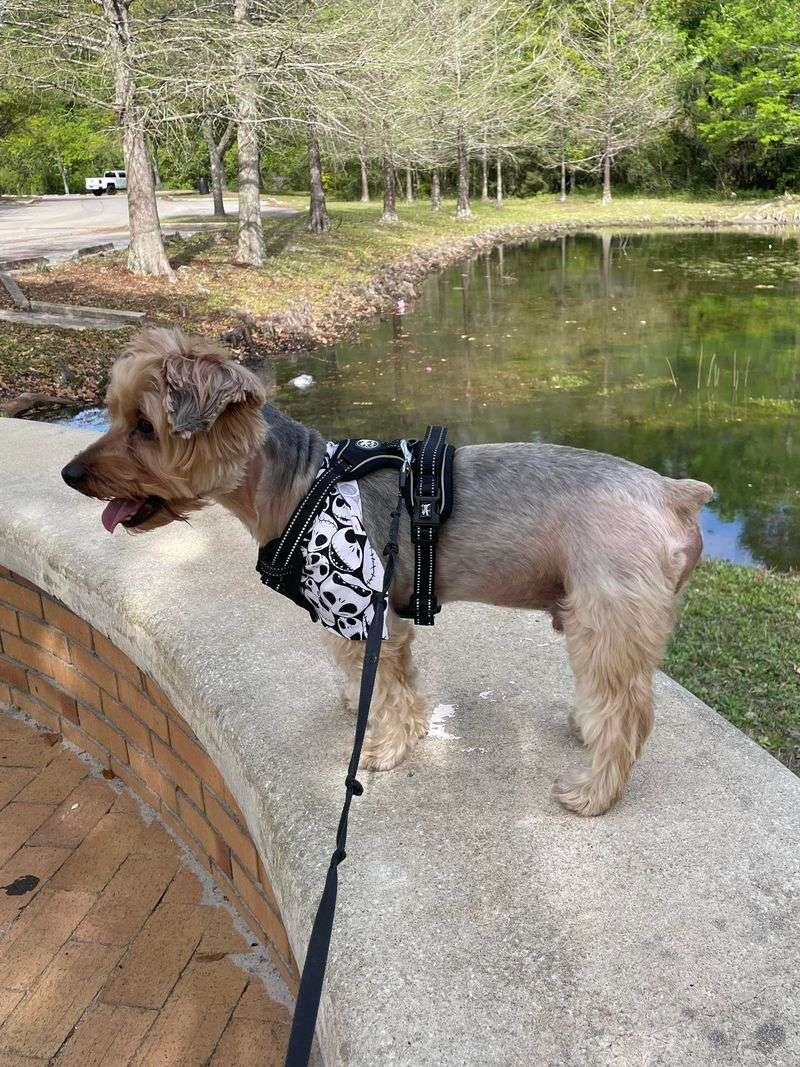
A dog splashing at the edge of a canal or pond may look like a perfectly normal afternoon activity. However, from an alligator’s perspective, that movement can trigger a predatory response.
The Florida Fish and Wildlife Conservation Commission has noted that pets, especially dogs, can resemble natural prey in both size and behavior. That risk is real and worth taking seriously every time you head outside near water.
Leashing pets near any fresh or brackish water body is one of the most effective precautions a pet owner can take. Retractable leashes that allow animals to wander close to the shoreline do not provide enough control in a fast-moving situation.
A standard leash kept short gives you the ability to pull your pet back quickly if needed.
Fencing around a pond edge can reduce access, but it does not make the shoreline completely safe. Gaps, gates, and low sections can still allow an animal to enter a yard.
Feeding pets indoors and avoiding the water’s edge at dusk and dawn are practical ways to lower risk. Teaching children to stay back from shorelines also helps families enjoy outdoor areas near water more safely.
6. A Gator Crossing The Yard May Simply Be Moving On
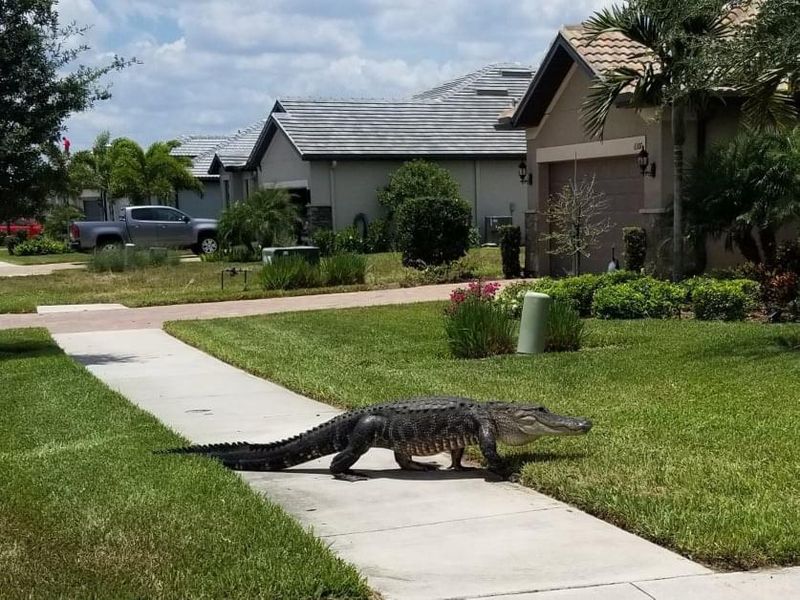
Coming home to find a large reptile crossing the driveway is the kind of moment that tends to get shared immediately on neighborhood apps. As startling as it looks, a yard crossing is often just that, a crossing.
Alligators move overland between water bodies, and a lawn, road, or driveway may simply be the most direct path available.
The instinct to block the animal, herd it, or try to guide it somewhere safer can actually make the situation worse. Cornering an alligator removes its sense of escape and may provoke a defensive response that would not have occurred otherwise.
Backing away and giving the animal a clear path forward is the most effective approach.
Most animals that cross a yard during the day are not looking to establish territory or settle in. They are navigating toward another water source or following a route they have used before.
Waiting quietly from inside or at a safe distance often results in the animal continuing on without incident. That said, no one can guarantee a timeline.
Some animals rest before moving on, and patience is the safest tool available to any homeowner in that situation.
7. Repeated Close Approaches Can Signal A Nuisance Problem
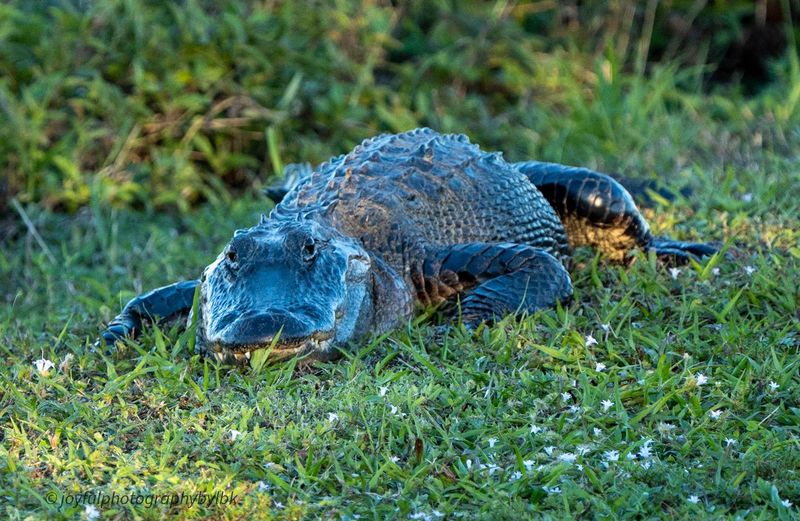
Most alligator sightings near homes do not require an official response. A single animal passing through, resting briefly near a pond, or crossing a yard once is generally not classified as a nuisance situation.
The Florida Fish and Wildlife Conservation Commission defines a nuisance alligator as one that poses a threat to people, pets, or property.
Size alone does not determine nuisance status, though animals under four feet in length generally pose little physical threat to adults when left alone. Location and behavior matter just as much.
A smaller animal found inside a screened enclosure, a pool, or on a porch may still warrant a call to wildlife authorities, even if it seems manageable in size.
When you believe an alligator poses a genuine threat, the right move is to contact the Statewide Nuisance Alligator Program through the FWC. Trained, licensed trappers handle removal through that program.
Attempting to capture, relocate, or physically deter an alligator yourself is not only dangerous but also illegal.
Reporting through the proper channel ensures the situation is handled professionally, with the safety of both people and the animal taken into account from the start.
8. The Right Response Starts With Distance Not Drama
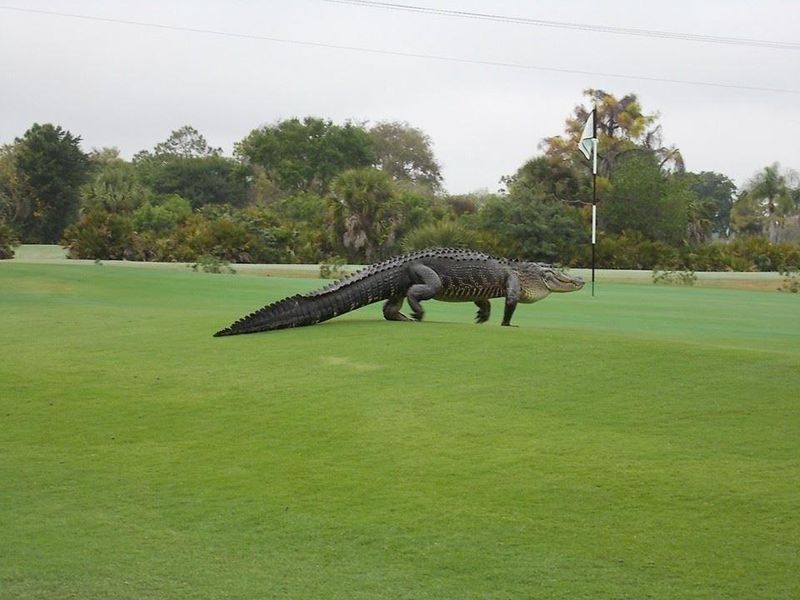
Calm, measured behavior is the most useful tool anyone has during an alligator sighting. Keeping a respectful distance, at least 60 feet when possible, gives the animal space to behave naturally without feeling threatened or cornered.
Loud noises, sudden movements, and attempts to photograph from close range can all push a calm situation toward an unpredictable one.
Children and pets should be moved away from the water’s edge immediately when an animal is spotted nearby.
Alligators are most active between dusk and dawn, so extra caution during those hours near any freshwater or brackish water source is always a smart habit.
Designated swimming areas with regular monitoring offer a safer option than uncontrolled shorelines.
Never feed the animal, throw objects at it, or attempt to scare it into moving. Those responses teach the animal nothing useful and may provoke an unnecessary reaction.
Most sightings, when viewed through the lens of habitat and normal animal behavior, are far less alarming than they first appear. An alligator near your property is not a sign of danger lurking or a reason to panic.
With the right knowledge and a steady response, sharing space with wildlife becomes something manageable rather than frightening.