Can You Actually Divide Massachusetts Hostas In Summer?
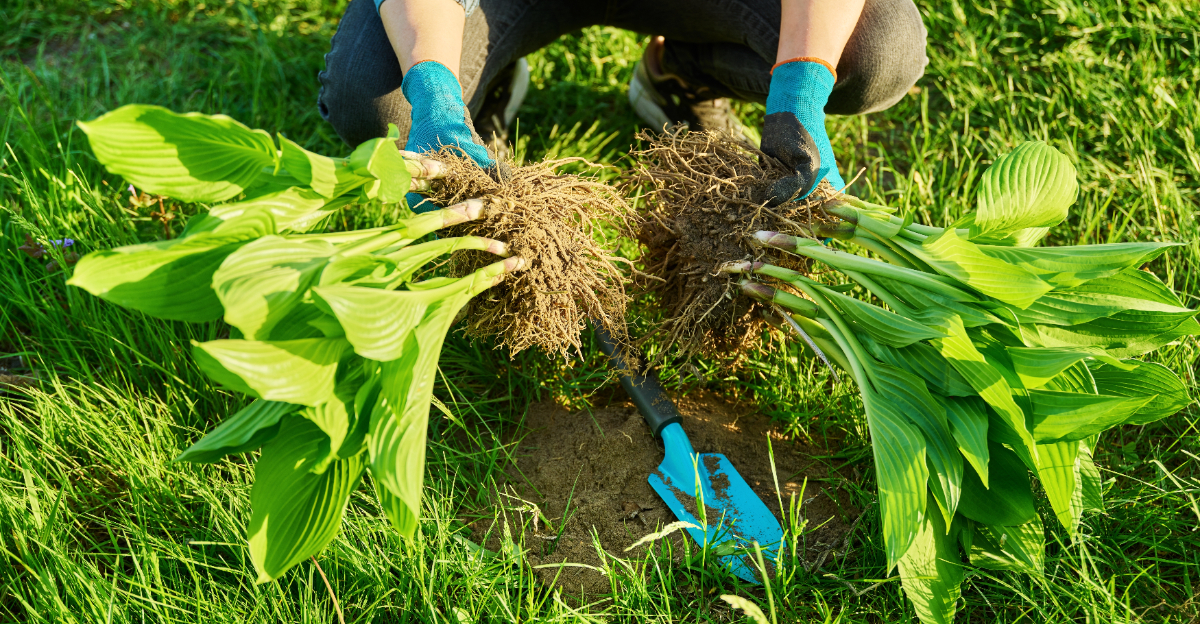
Massachusetts summers push even hardy perennials to their limits, and hostas are no exception once the heat settles in for good.
Your clump might still look lush from a distance, but crowded roots and stressed foliage tell a different story up close.
So does splitting your hostas mid-season actually work, or does it just invite trouble during the toughest stretch of the year? Timing, technique, and a little patience make the difference between a plant that sulks for weeks and one that barely notices the move.
Find out if your clump is ready, the steps that keep transplant shock to a minimum, and the aftercare that carries your hostas through the rest of summer without a hitch.
Summer Division Is Possible With The Right Precautions
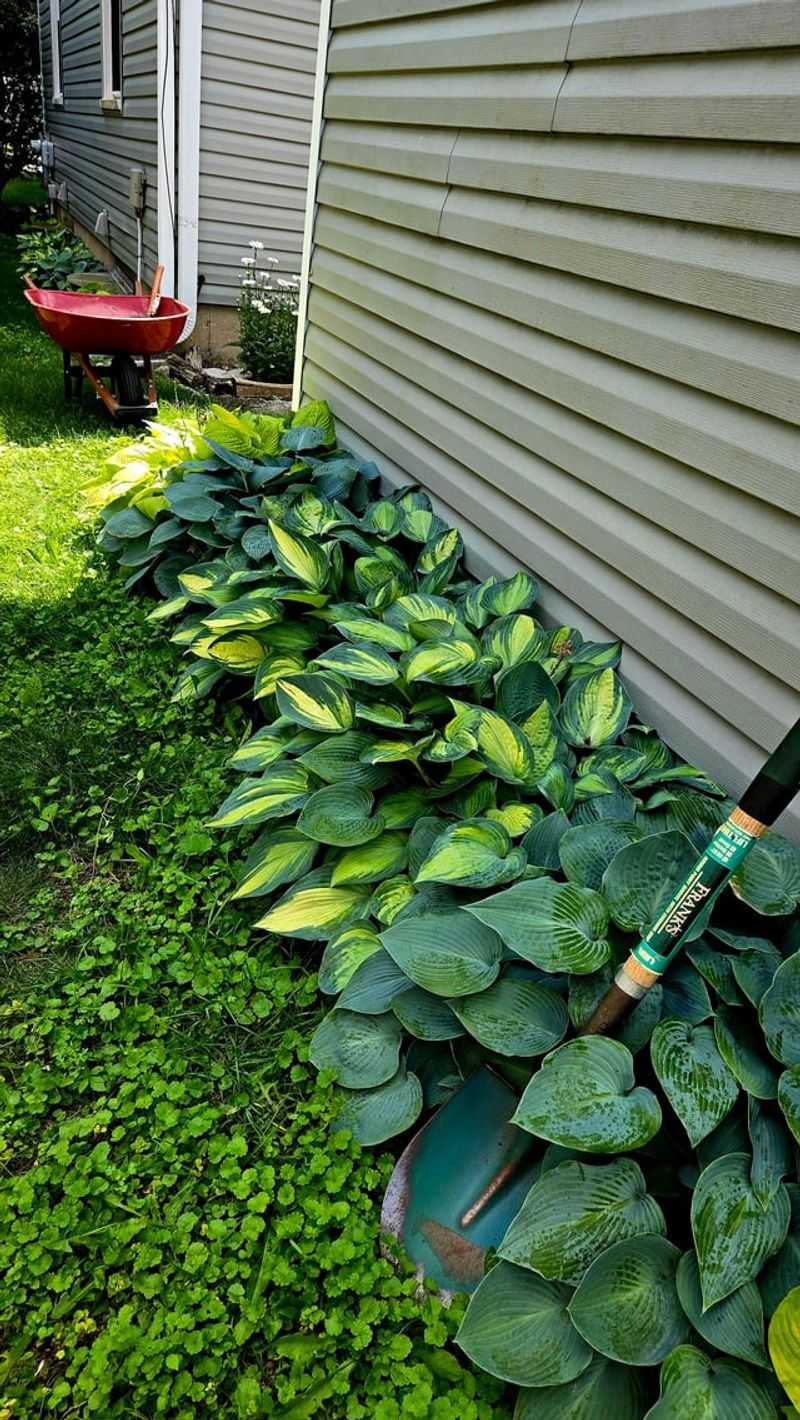
Summer hosta division sounds risky, but it is not impossible. Thousands of gardeners across New England do it every year with great results.
The biggest threat during summer division is heat stress. When you cut roots, the plant loses its ability to pull up water efficiently.
Shade is your best friend here. Moving a divided clump into a spot with afternoon shadow cuts stress dramatically.
Timing your split for early morning or late evening also works in your favor. Roots handle the shock better when the sun isn’t blasting them mid-operation.
Watering deeply right after planting is non-negotiable. The roots need to rehydrate fast to survive the shock.
Mulch is another secret weapon most people skip. A two-inch layer of bark mulch keeps soil moisture locked in around tender new roots.
Avoid fertilizing right after dividing. Fresh fertilizer pushes leaf growth before roots are ready, and that imbalance causes wilting.
Keep a close eye on your divided hostas for the first two weeks. Drooping leaves in the morning are a warning sign that needs immediate watering.
A clean, sharp blade matters more than most gardeners realize. Ragged cuts invite rot, while a crisp split heals fast and gets roots working again sooner.
Dividing Massachusetts hostas in summer is doable when you respect the heat and prepare accordingly. Smart gardeners plan ahead, and their plants reward them for it.
Signs Your Hosta Clump Is Ready To Split
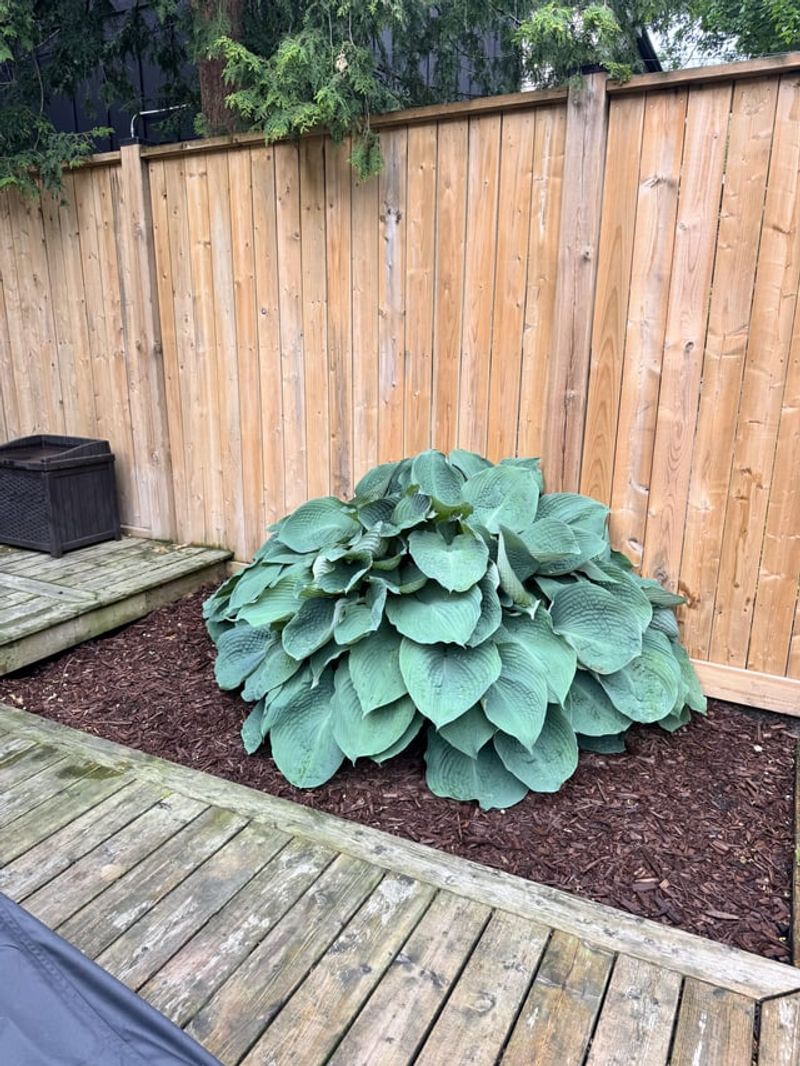
Your hosta is sending signals, and most gardeners miss them entirely. Learning to read those signs saves you from guessing.
The clearest sign is a donut shape forming in the clump. When the center stops producing leaves and only the outer ring grows, crowding has already set in.
Smaller leaves are another red flag worth watching. A hosta that used to produce dinner-plate-sized foliage but now grows palm-sized leaves is running out of room.
Crowded roots compete for nutrients and moisture below the surface. That underground struggle shows up above ground as stunted, pale, or uneven growth across the clump.
Check the base of the clump closely in early summer. If roots are visibly pushing out of the soil or wrapping around each other, splitting is overdue.
Flower production also drops when a clump gets too tight. Fewer blooms on a plant that used to flower heavily is a sign the energy is being wasted on survival.
Your Massachusetts Garden Changes Every Week. Your Plan Should Too.
Gardening in Massachusetts changes quickly throughout the season. Every Friday you’ll receive a simple weekly plan showing exactly what to plant, prune, fertilize, harvest, and protect so you never miss the right timing.
Yellowing lower leaves in mid-summer can also point to overcrowding, not just heat or watering issues. When roots have no room left to spread, the plant sheds older foliage to conserve energy for the crowded center.
Some hostas need dividing every three to five years. Others can go longer, depending on the variety and your soil quality.
Knowing these signs means you are never dividing blindly. Confident gardeners who watch their plants carefully tend to see much better outcomes when splitting hostas in summer.
The Best Time Of Day To Dig And Divide
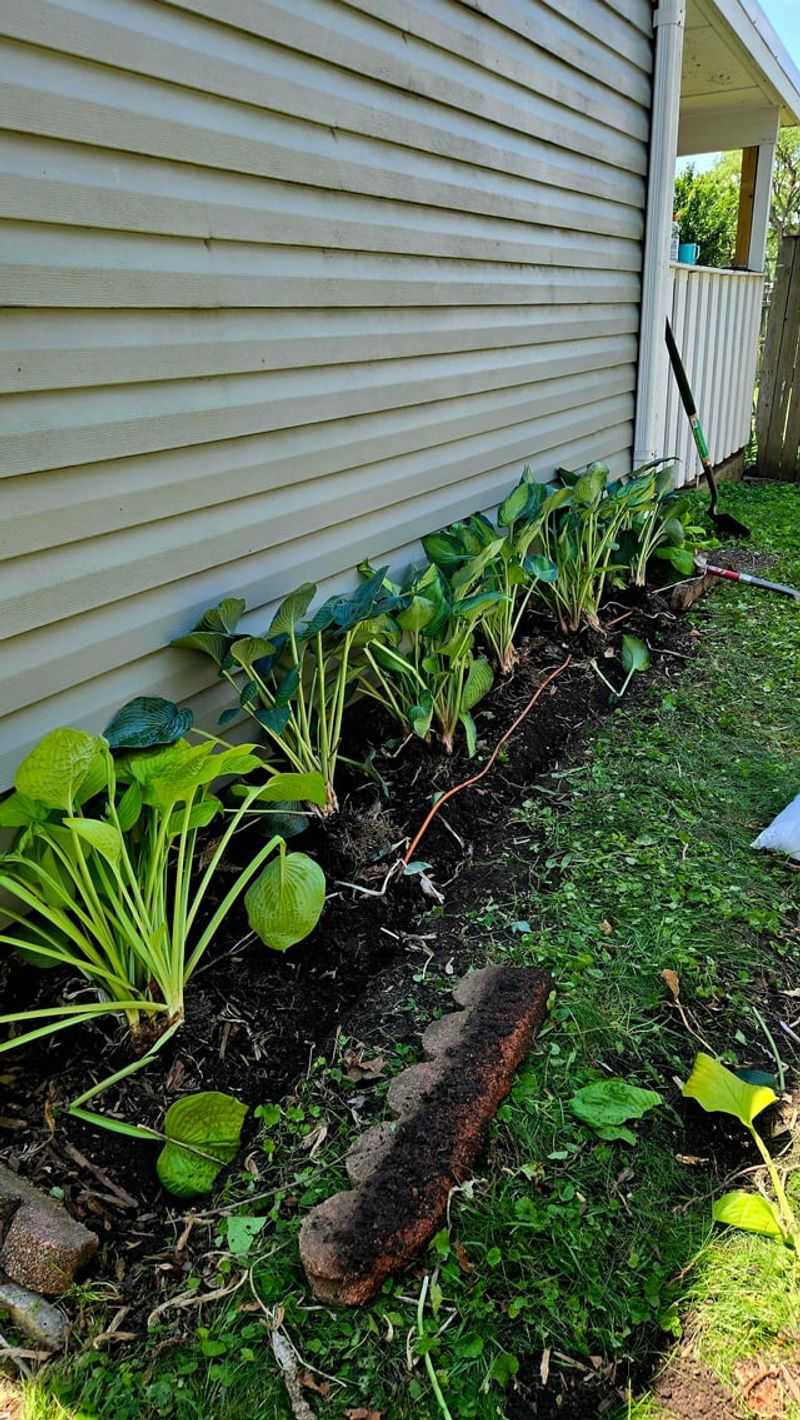
Timing your dig can mean the difference between thriving divisions and sad, wilted clumps. Early morning is the golden window for this task.
Soil temperatures are cooler before 9 a.m. Roots stay more hydrated when the air has not yet warmed up and begun pulling moisture from the leaves.
Avoid midday digging like it is a bad habit. Afternoon sun combined with freshly cut roots is a combination that almost guarantees transplant shock.
Evening is a decent second option if mornings are not possible. Cooler air and dropping temperatures give roots several hours to settle before the next day’s heat arrives.
Overcast days are underrated for division work. Cloud cover acts like a natural umbrella, reducing evaporation and giving your plants a gentler transition.
Check the forecast before you commit to a digging day. Planning your split around a stretch of mild temperatures, rather than a random Saturday, gives divisions a real head start before the next heat wave rolls in.
Have your new planting hole ready before you even lift the shovel. Every extra minute a root ball sits exposed in warm air increases stress on the plant.
Keep a bucket of water nearby while you work. Dunking root sections briefly before replanting keeps them hydrated during the short move.
Dividing Massachusetts hostas in summer is a timing game as much as a technique game. Choose your window wisely, and your clumps will settle in like they never moved at all.
Post Division Care To Prevent Transplant Shock
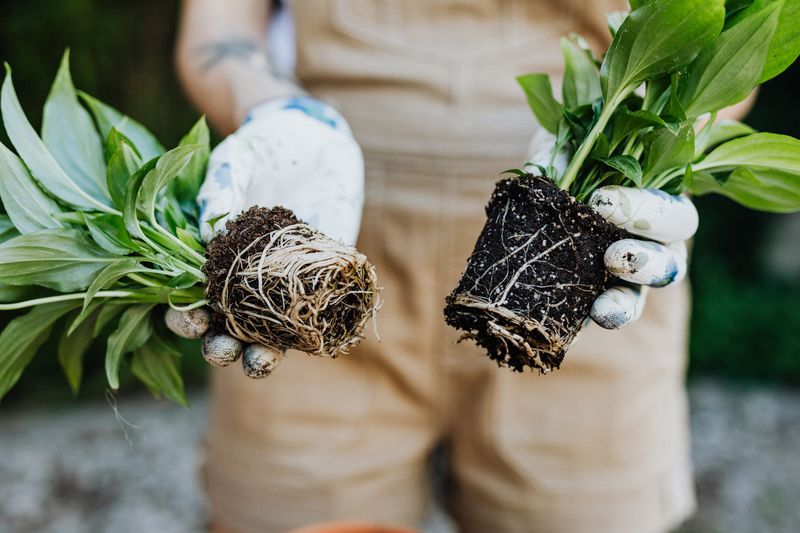
Getting the division right is only half the job. What you do in the next two weeks decides whether your hostas bounce back or struggle.
Water is the single most important post-division tool. Newly split hostas need a deep soak every day for at least the first week after planting.
Skip the fertilizer for a full month. Pushing nutrients into a stressed plant forces leaf production before roots are strong enough to support it.
Mulch generously around the base, but keep it off the crown. A thick ring of organic material holds soil moisture and moderates temperature swings near the roots.
Shade cloth is a smart short-term investment for sunny spots. A few days of filtered light while roots reestablish can prevent the heavy wilting that discourages most gardeners.
Watch for slugs during recovery. Moist soil and tender new growth attract them fast, and a damaged leaf slows recovery significantly.
If leaves droop heavily within the first three days, do not panic. Some wilting is normal as the plant adjusts, but consistent morning wilting after day five signals a watering problem.
Post-division care for Massachusetts hostas in summer is straightforward when you stay consistent. Stick to your watering schedule, and most divisions will show new growth within three weeks.
Reasons Fall Division Often Works Better
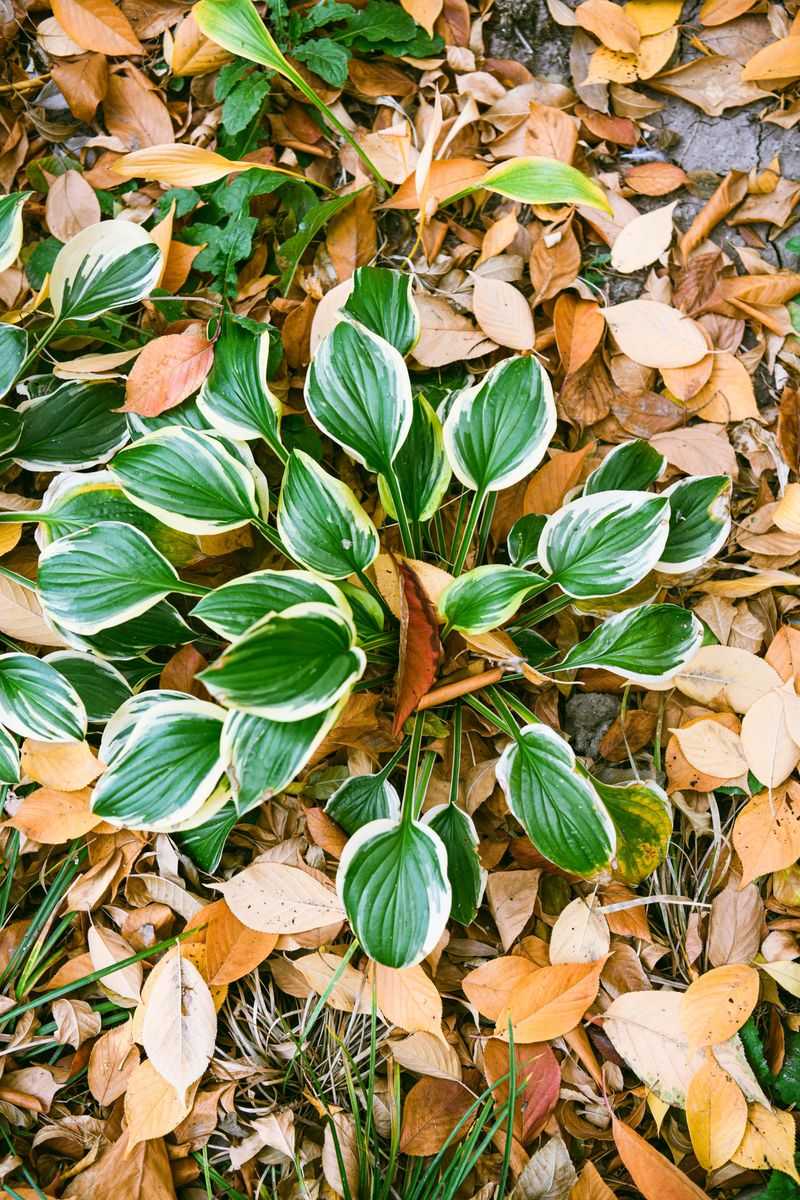
Fall has a quiet power that summer gardeners often underestimate. Cooler air and softer soil make the whole process feel easier from the start.
Soil temperatures in September and October are still warm enough to encourage root growth. That warmth helps new divisions anchor quickly before the ground freezes.
Air temperatures drop significantly in fall, which reduces moisture loss through leaves. Less evaporation means less stress on freshly cut roots trying to reestablish.
Hostas naturally slow their growth in fall, which actually helps. A plant not pushing energy into new leaves can focus entirely on rebuilding its root system.
Rain patterns in Massachusetts tend to be more reliable in early fall. Natural rainfall takes some of the watering burden off your shoulders during the recovery period.
Pest pressure also drops as temperatures cool. Slugs and beetles become less active, giving divided plants a chance to recover without extra pest damage.
Dividing in fall gives roots an entire winter to quietly spread before spring growth begins. By the time April arrives, your divisions are already ahead of the game.
Summer division works when you need it to, but fall is the easier, lower-risk season for splitting hostas. If your schedule allows it, waiting a few months pays off beautifully in spring.
Tools That Make Hosta Division Cleaner And Faster
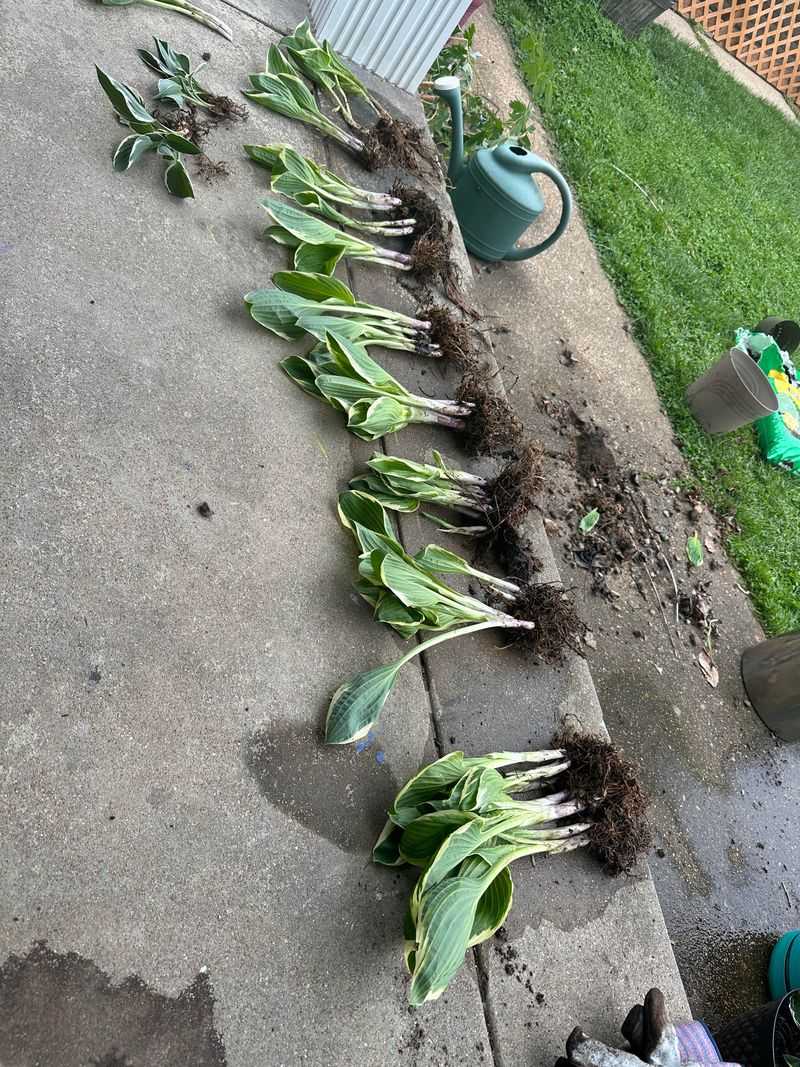
Bad tools make a tough job miserable. Sharp, well-maintained equipment turns hosta division from a struggle into a satisfying afternoon project.
A sharp flat spade is the starting point for any successful division. Dull blades tear roots instead of cutting cleanly, and torn roots are slower to heal.
A garden fork works better than a spade for lifting the entire clump intact. Slide it under the root ball and rock it gently to loosen the clump without breaking it apart prematurely.
For older, tightly packed clumps, a pruning saw cuts through woody root masses with ease. Some established hostas develop root systems so dense that a shovel simply bounces off.
A sturdy knife or hori-hori blade is ideal for separating individual fans from the lifted clump. Look for natural divisions in the crown and follow those lines rather than forcing random cuts.
Gloves protect your hands from both sharp tools and soil-borne bacteria. A small cut from a dirty blade during garden work isn’t worth the risk.
Rinse your cutting tools between divisions if you are working through multiple clumps. Clean blades reduce the chance of spreading any soil pathogens from one plant to another.
The right tools make dividing Massachusetts hostas in summer feel effortless. Invest in quality once, and those tools will serve your garden for decades to come.