The Magnolia Alternative Florida Gardeners Are Quietly Switching To
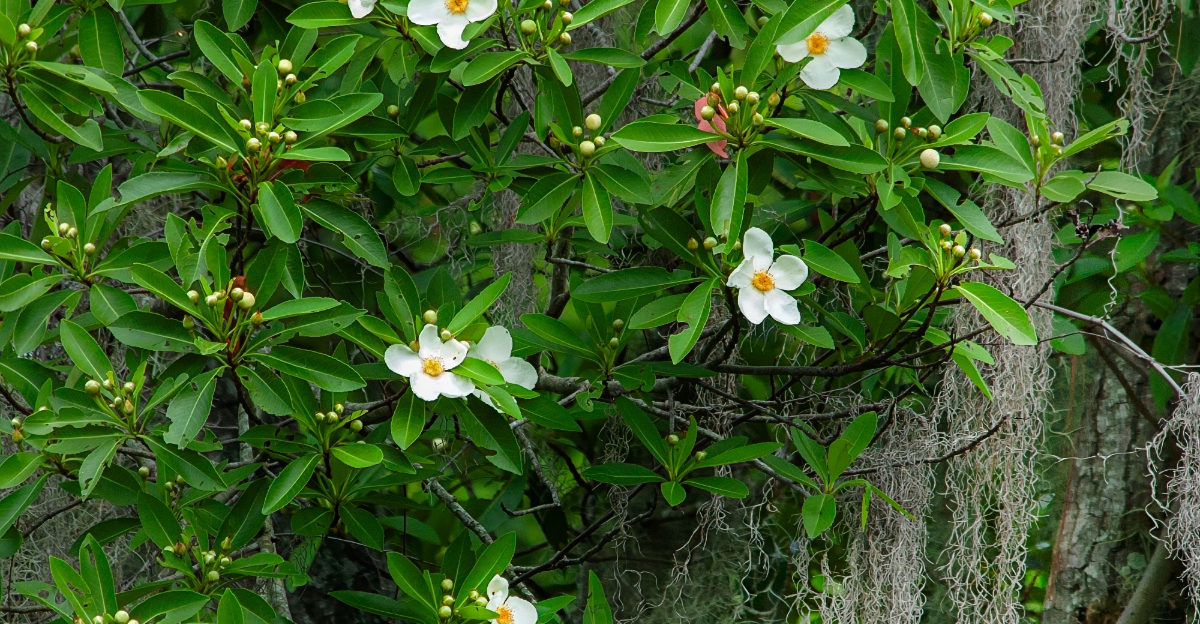
Southern magnolias are beautiful and most Florida gardeners know exactly what they are getting into when they plant one.
A tree that eventually owns the yard, drops leaves year round, and produces shallow roots that make gardening underneath it a permanent negotiation.
The blooms are worth it. For some yards.
For others, the scale was never right and the maintenance never ended. A native Florida tree has been earning quiet attention as an alternative that delivers the same large, fragrant white flowers without the footprint problem.
It fits tighter spaces honestly, grows with a form that suits residential landscapes, and belongs in this ecosystem in a way that magnolia, spectacular as it is, was never quite native enough to claim. The switch does not feel like a compromise once the tree is in the ground.
It feels like the right tree finally went into the right spot.
1. Loblolly Bay Delivers The Magnolia Look With A Lighter Touch
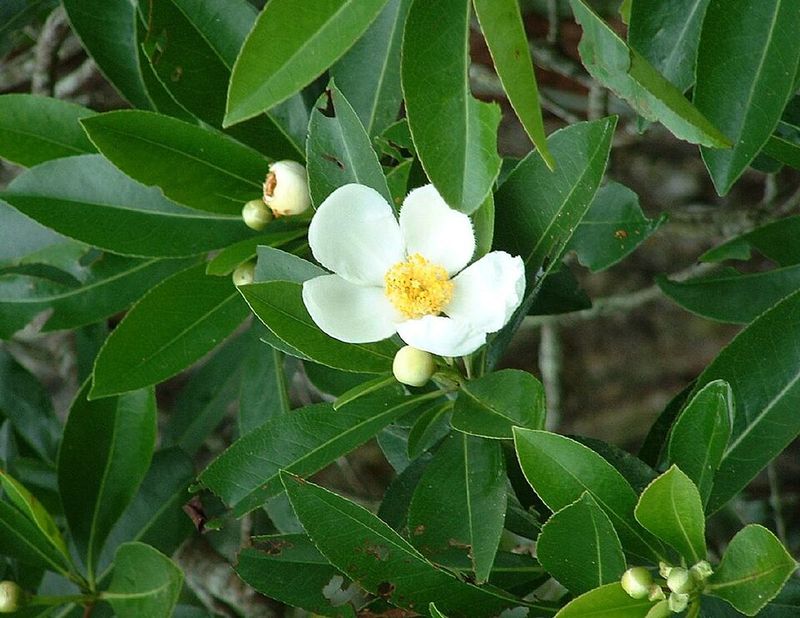
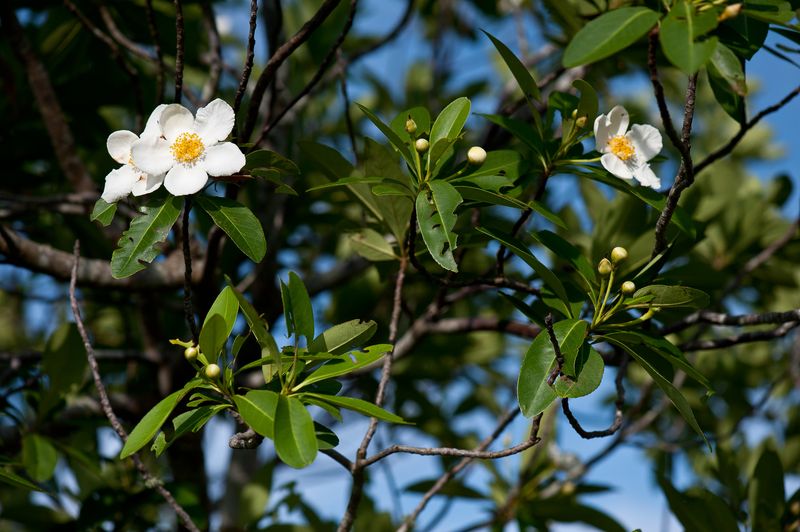
Walk past a loblolly bay in bloom and you might do a double take, because the glossy, dark green leaves and white flowers carry an unmistakable Southern elegance.
The foliage is leathery and shiny, similar in texture to Southern magnolia, though the individual leaves are narrower and more refined in scale.
That slimmer leaf profile gives the canopy a somewhat airier quality without sacrificing the polished, evergreen look many homeowners love.
The white blooms appear against that rich green backdrop in a way that feels both bold and graceful. Gardeners who want a formal Southern aesthetic near a pond or low-lying area often find loblolly bay fits the mood beautifully.
Its upright growth habit also gives it a cleaner silhouette than the broad, spreading crown of a mature Southern magnolia.
One realistic note: loblolly bay is not a scaled-down version of magnolia, nor is it universally easier to maintain. It simply offers a different expression of the same visual tradition.
Choosing it for appearance alone, without matching it to the right site conditions, will likely lead to frustration rather than the garden look you had in mind.
2. White Summer Flowers Keep The Canopy Looking Fresh
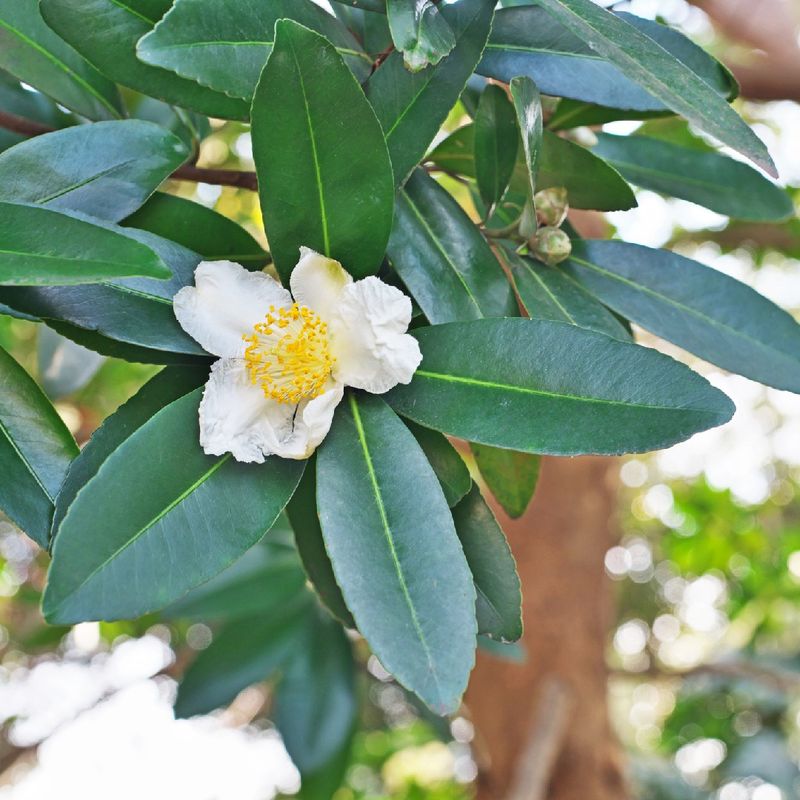
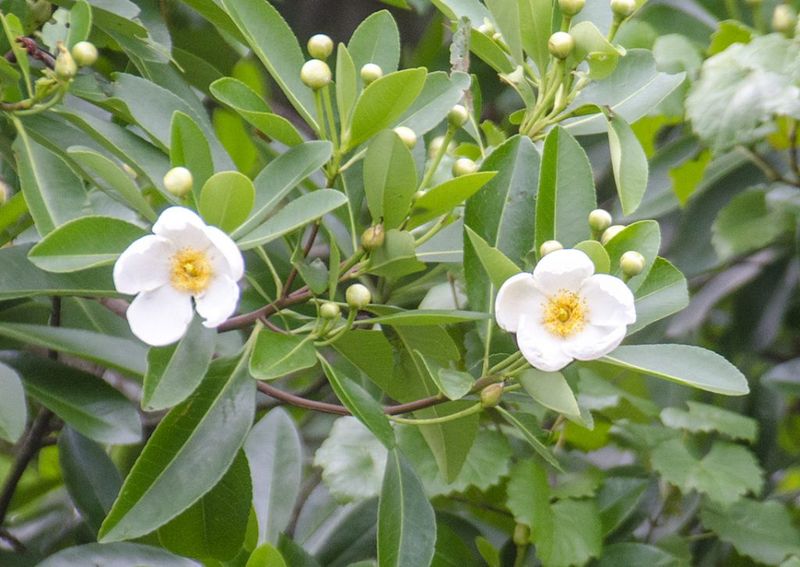
Few Florida native trees produce flowers as quietly stunning as loblolly bay. The blooms are white, roughly two to three inches across, and feature a cluster of yellow stamens at the center that gives each flower a warm, inviting glow.
Botanically, Gordonia lasianthus belongs to the tea family, so the blossoms bear a strong resemblance to camellia flowers rather than the cup-shaped blooms of magnolia.
Flowering typically occurs from late spring through summer, though individual flowers open and drop relatively quickly. The tree does not hold a single massive flush of bloom all at once.
Instead, new flowers continue to open over several weeks, keeping the canopy looking fresh rather than delivering one dramatic show that fades fast.
Native bees and other pollinators visit the flowers, which adds ecological value beyond the ornamental appeal. One honest limitation to mention: bloom intensity can vary by year, moisture availability, and how much sun the canopy receives.
Your Florida Garden Changes Every Week. Your Plan Should Too.
Gardening in Florida changes quickly throughout the season. Every Friday you’ll receive a simple weekly plan showing exactly what to plant, prune, fertilize, harvest, and protect so you never miss the right timing.
A tree grown in deep shade may flower less freely than one in a bright, open spot with reliably moist soil. Expecting a nonstop floral display through every summer week is not realistic, but the overall flowering season is genuinely generous.
3. Glossy Evergreen Leaves Hold Their Own After Bloom Season
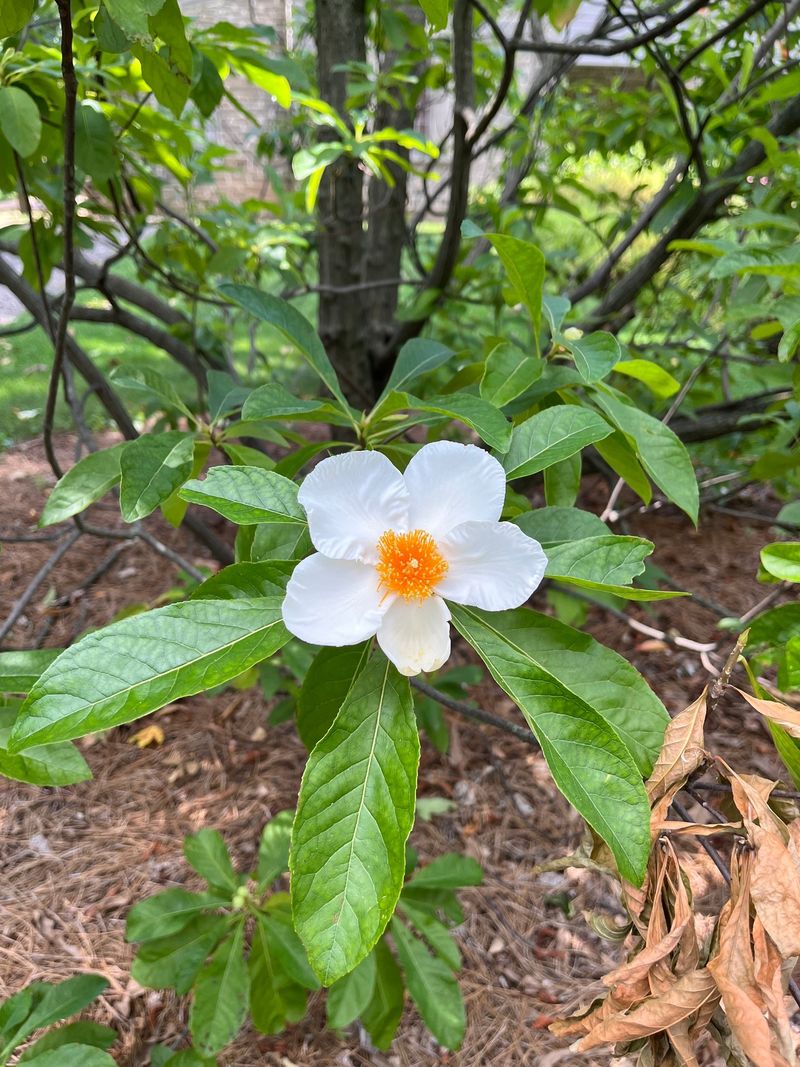
Once the last flowers drop, loblolly bay still earns its place in the landscape through sheer foliage quality. The leaves are thick, leathery, and deeply glossy, catching light in a way that keeps the tree looking alive and intentional through every season.
That reflective surface is part of what draws the magnolia comparison in the first place.
Loblolly bay is evergreen, but it does shed older leaves on a rolling basis rather than holding every single leaf indefinitely.
Before some older leaves fall, they can turn a warm reddish or orange-red color, adding unexpected seasonal interest to what is otherwise a consistently green canopy.
This quiet color show distinguishes it from Southern magnolia, which tends to drop its old leaves in a less colorful way.
Cold temperatures in the northern part of its range can cause more noticeable leaf drop and browning. Gardeners in cooler inland areas of the Southeast should therefore set realistic expectations.
In warmer, frost-light Florida zones the foliage performance is most reliable year-round. Either way, the tree rarely looks bare or neglected.
That dependable ornamental presence is exactly what many homeowners want from a large landscape tree.
4. A Narrower Crown Fits Spaces Magnolia Can Overwhelm
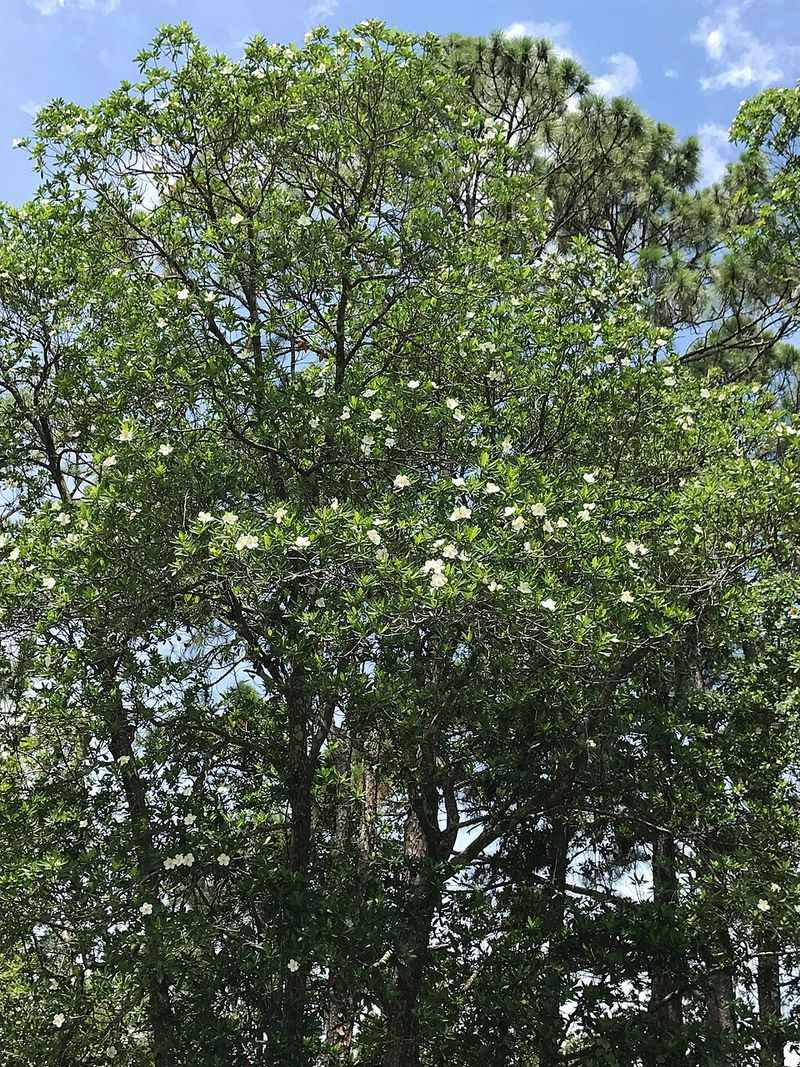
Southern magnolia is famous for its wide, sweeping canopy that can eventually spread 30 to 40 feet or more. Loblolly bay grows with a notably more upright, columnar to oval crown that tends to be narrower in proportion to its height.
That difference in form is meaningful when you are choosing a tree for a yard that already feels a bit crowded.
Here is the part that surprises many gardeners: loblolly bay is not a small tree. According to UF/IFAS resources, it commonly reaches 30 to 50 feet in height at maturity, and specimens in ideal conditions can grow even taller.
Height without excessive spread is the real distinction, not compact size overall.
Planting too close to buildings, driveways, or underground utilities is a mistake with this tree just as it would be with any large Florida native.
Give it a minimum of 15 to 20 feet of clearance from structures, and plan for the canopy to eventually claim meaningful overhead space.
A narrow crown does not mean a small footprint over time. Treat loblolly bay as the large, long-lived tree it truly is, and place it where that eventual size becomes an asset rather than a problem.
5. Wet Ground Turns Into An Advantage Instead Of A Problem
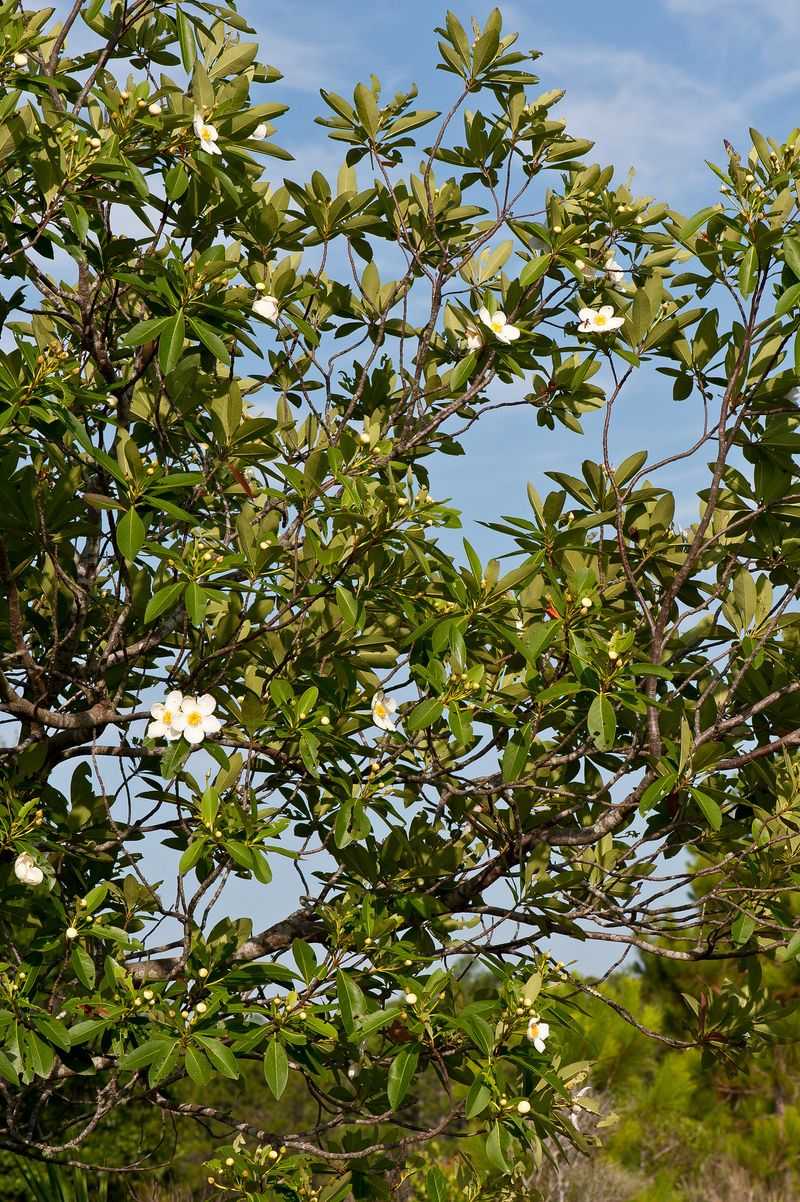
Many ornamental trees struggle in low-lying areas where water lingers after heavy rain. Loblolly bay does not just tolerate those conditions, it genuinely prefers them.
This tree naturally grows across the coastal plain from Virginia through the Gulf states. Its native habitats include bay swamps, wetland margins, and moist flatwoods where the soil stays consistently damp.
That moisture preference translates directly into a practical landscape advantage. If you have a soggy corner, a pond edge, or a rain-garden margin where other trees keep underperforming, loblolly bay is worth a serious look.
It fills a niche that most popular ornamental trees simply cannot occupy with any reliability.
One clarification worth making: loblolly bay prefers consistently moist to wet soil, but it is not guaranteed to thrive in stagnant, oxygen-depleted muck year-round.
Moving water or soil that drains periodically between rain events tends to produce healthier, more vigorous trees than sites where water never moves at all.
Calling it a fix for a drainage problem would be overstating its role. Think of it instead as a tree that transforms a persistently damp spot from a landscaping headache into a genuine showcase planting opportunity.
6. Full Sun Works Best When The Roots Never Stay Thirsty
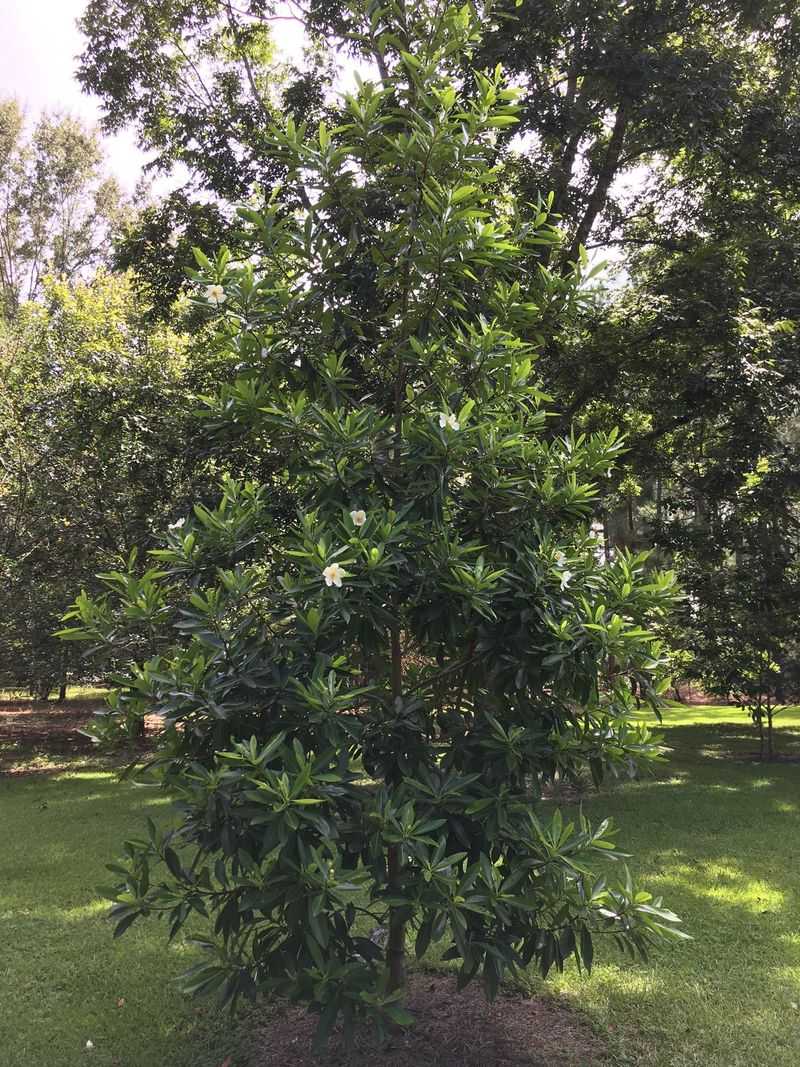
Bright, open conditions bring out the best flowering and densest canopy in loblolly bay. Research from UF/IFAS confirms that full sun to partial shade suits this tree, with full sun generally producing the most prolific bloom and strongest overall growth.
More sunlight, however, also means more water pulled through the leaves on hot afternoons.
That relationship between sun and moisture is the key pairing to understand. A loblolly bay sitting in full sun with reliably moist or wet soil will thrive.
The same tree planted in full sun over dry, sandy ground will struggle in ways that no amount of good intentions can easily overcome. Strong heat amplifies the stress when moisture is short.
Mulching the root zone generously helps retain soil moisture and moderates soil temperature, which benefits the tree during establishment and beyond.
Supplemental watering during dry stretches is genuinely helpful during the first year or two after planting.
Long term, the goal should be matching the tree to a site where natural moisture is abundant. Relying on irrigation to permanently compensate for a dry location puts the tree in a difficult position season after season.
Choose the site first, then plant with confidence.
7. Scarlet Fall Leaves Add A Surprise Magnolia Cannot Match
Southern magnolia is reliably evergreen, but it does not offer much in the way of fall color drama. Loblolly bay does something quietly spectacular by comparison.
As individual older leaves age and prepare to drop, they can turn vivid scarlet or deep reddish-orange. These leaves create small bursts of warm color throughout an otherwise green canopy.
This happens gradually and continuously rather than all at once, so the tree never looks stripped or bare. You get the evergreen dependability you want while also catching unexpected flashes of autumn color that most broadleaf evergreens simply do not produce.
It is a bonus that many gardeners do not anticipate when they first plant loblolly bay for its flowers.
Keeping expectations grounded is still important here. Loblolly bay is not a deciduous tree putting on a full autumn color show the way a sweetgum or black tupelo might.
The red leaves are individual older ones cycling out of the canopy, not a whole-tree transformation. Gardeners who appreciate layered seasonal interest may especially value the rolling display of scarlet against glossy green.
This distinctive ornamental feature helps set the Florida native tree apart from its more famous magnolia neighbor.
8. The Wrong Dry Spot Can Ruin This Alternative Fast
Drought tolerance is not part of loblolly bay’s skill set. That single fact disqualifies it from many suburban planting sites.
Poor choices include well-drained sandy soils, south-facing exposures, and root zones hemmed in by pavement or concrete. Trees in those conditions face chronic moisture stress that compounds over time.
Its native range follows the coastal plain from southeast Virginia through the Carolinas and Georgia and across the Gulf states. Throughout that range, it is associated with wetlands, seepage slopes, or moist flatwoods.
Cold hardiness is generally reliable in USDA zones 7 through 9, covering most of the Gulf Coast region. However, hard freezes near the northern edge of that range can cause visible foliage damage.
Forcing loblolly bay into a dry site with heavy supplemental irrigation is not a sound long-term plan. Irrigation systems fail, water restrictions tighten, and the tree never fully compensates for soil that is fundamentally wrong for its roots.
The practical rule for choosing this tree is straightforward: site first, species second. If your landscape offers generous space and naturally moist or wet ground, loblolly bay can be a genuinely rewarding Florida native alternative.
If it does not, a different tree will serve you far better in the long run.