The 8 Ohio Annuals That Reseed Themselves Before First Frost
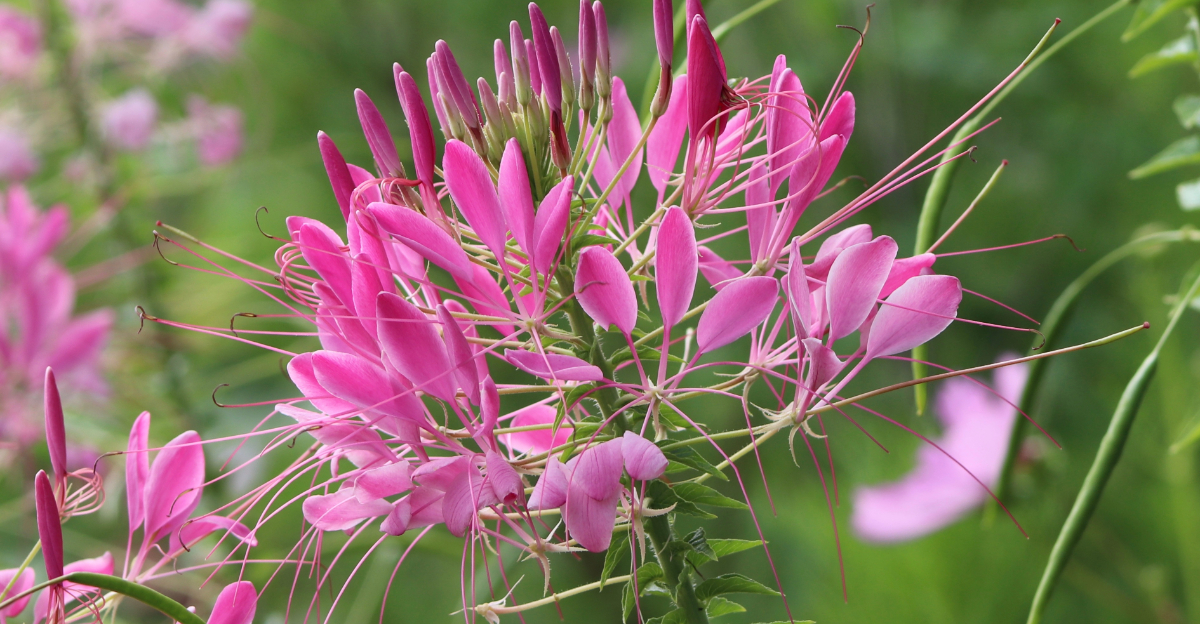
Ohio annuals that reseed themselves are a different category entirely. They finish the season and leave something behind.
Seeds drop, winter passes, new plants appear. No purchase, no effort, no starting over.
That cycle is one of the more satisfying things a garden can do on its own. Not every annual earns that description honestly.
Some reseed aggressively and become a problem. Others promise it on the tag and deliver nothing.
A specific group hits the middle ground. Returning reliably without taking over.
Filling gaps that would otherwise require a trip to the nursery. They do it year after year with a consistency that makes the original planting feel like a long term investment.
First frost is coming. These annuals are already preparing for next spring.
1. Cosmos Scatter Seeds Before Summer Finally Fades

Few annuals feel as breezy and relaxed as Cosmos bipinnatus growing tall against a late-summer sky. Native to Mexico, this plant has naturalized itself into Ohio gardens with very little fuss.
It grows quickly from seed, blooms generously, and begins forming seeds well before autumn arrives.
After each flower fades, a cluster of long, narrow seeds develops at the base of the old bloom. Those seeds are slender, dark, and slightly pointed at one end.
They cling briefly before gravity or wind pulls them to the soil below. Gardeners who trim every spent flower head will remove most of that seed before it matures.
Leaving selected late-season flower heads alone gives seeds time to ripen fully. Full sun and well-drained soil suit cosmos well.
Rich, heavily fertilized soil often pushes leafy growth at the expense of flowering and seed set. Seedlings may appear several feet from the original plant, carried by light wind or splashing rain.
Named cultivars and modern hybrids may not produce seedlings that look like the parent plant. Open-pollinated varieties tend to reproduce more faithfully.
Expect some variation in height and color from volunteers regardless of which type you grow. Self-sowing is possible but never certain, so treat any returning seedlings as a welcome bonus rather than a dependable plan.
2. Cleome Drops A New Generation Beneath Tall Stems
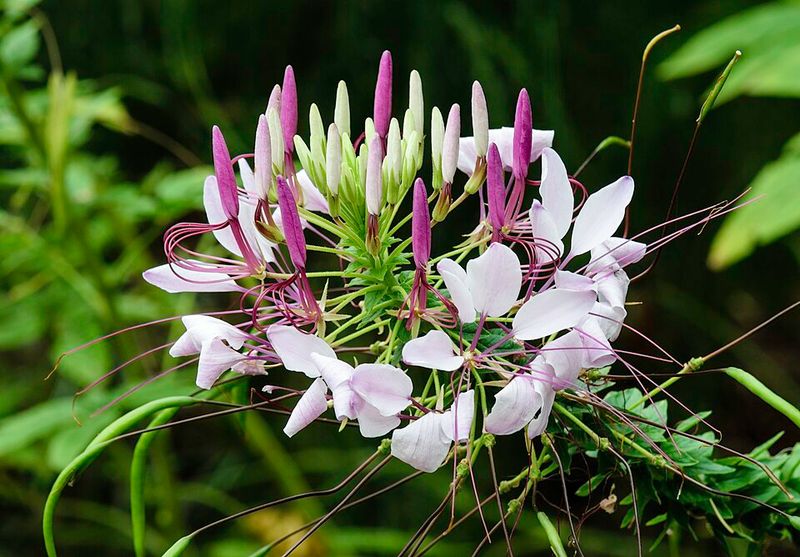
Cleome hassleriana goes by several common names, including spider flower and spider plant, and it earns a lot of attention for its height alone. Plants frequently reach four to five feet, creating a bold backdrop in garden beds.
That impressive size means volunteers can crowd out shorter neighbors if left unchecked.
Long, narrow seed pods form along the stems as flowers progress upward. Each pod can hold dozens of small seeds.
When pods mature and split open, seeds scatter across the surrounding soil. This plant has a well-earned reputation as one of the more enthusiastic self-seeders among garden annuals.
Gardeners who want to limit reseeding can remove pods before they fully ripen and open. Those who welcome volunteers should let selected pods mature naturally.
Stems have fine spines or prickles along them, so wearing gloves when handling plants is a smart habit.
Your Ohio Garden Changes Every Week. Your Plan Should Too.
Gardening in Ohio changes quickly throughout the season. Every Friday you’ll receive a simple weekly plan showing exactly what to plant, prune, fertilize, harvest, and protect so you never miss the right timing.
Cleome thrives in full sun and tolerates average, well-drained soil. It handles summer heat reasonably well once established.
The following spring, thinning crowded seedlings early gives remaining plants room to grow properly. Volunteers may pop up several feet from where the parent plant stood, since seeds can travel a short distance when pods burst.
Reseeding is common in many Ohio gardens but still depends on winter conditions, soil moisture, and how much the garden is disturbed during fall cleanup.
3. Calendula Sets Seed While Cooler Fall Days Arrive
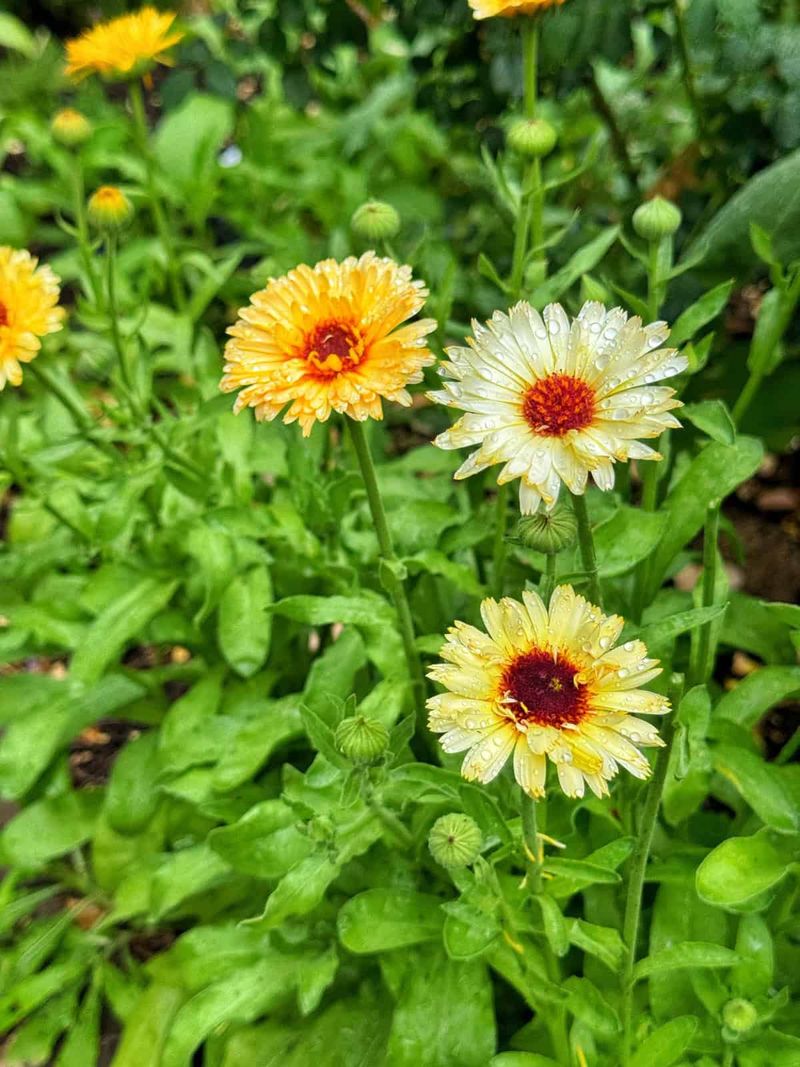
Calendula officinalis has been grown in gardens for centuries, prized for its cheerful orange and yellow blooms. Unlike many summer annuals, calendula actually prefers cooler weather.
It tends to bloom most freely in spring and again in fall when temperatures moderate after summer heat.
The seeds of calendula are distinctive and easy to recognize once you know what to look for. They are curved or C-shaped, sometimes described as resembling tiny caterpillars or bent claws.
Each seed head can hold several of these curved seeds, and they cling loosely to the dried flower base before falling.
Constant trimming keeps flowers coming but removes most of the seed before it matures. Gardeners hoping for volunteers should leave a handful of late-season flower heads on the plant.
Seeds may fall and germinate in autumn if conditions are mild enough, or they may wait until spring warmth triggers sprouting.
Fall seedlings face real risk from hard freezes, and not every young plant will survive an Ohio winter. Spring germination is often more reliable in colder parts of the state.
Calendula does best in full sun to partial shade with average, well-drained soil. It can struggle and slow down during the hottest weeks of summer but often rebounds nicely as September temperatures begin to drop.
Reseeding is possible but not guaranteed, and results vary from garden to garden each year.
4. Love In A Mist Fills Its Pods Long Before Frost
Nigella damascena brings a whimsical, almost fairy-tale quality to the garden. Its flowers are lacy and soft, usually in shades of blue, white, or pale pink, surrounded by a cloud of fine, thread-like foliage.
After blooming, the plant produces something even more interesting than the flower itself.
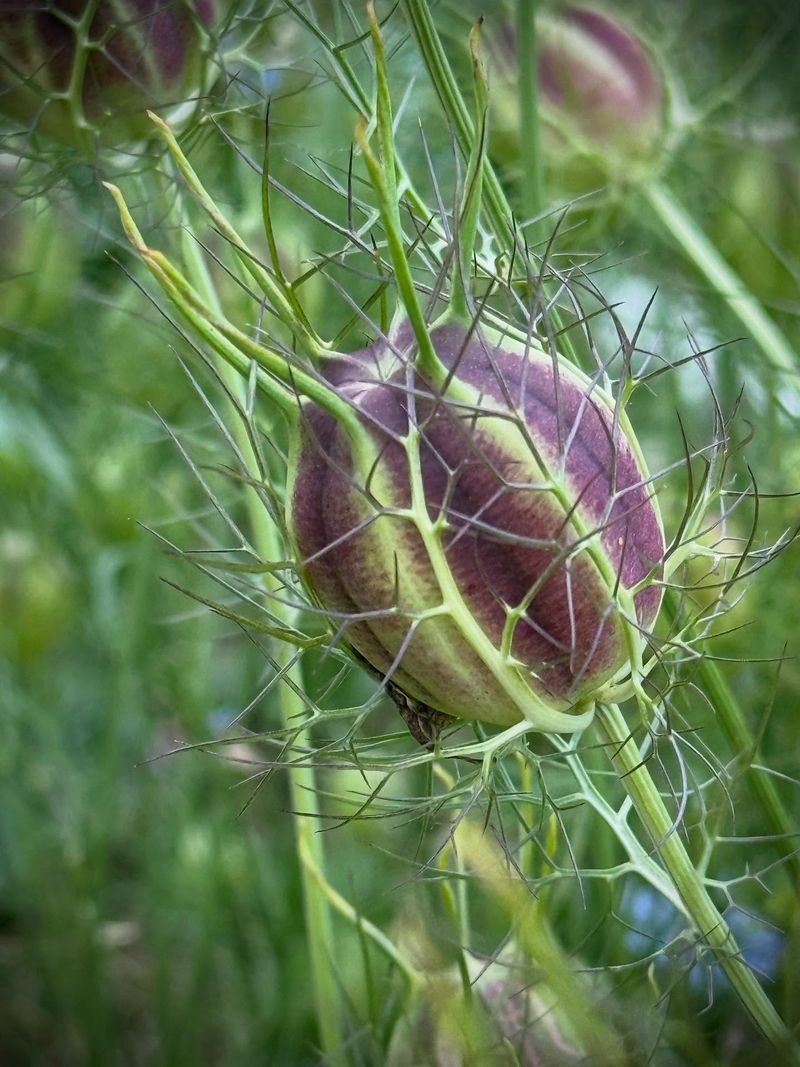
The inflated, papery seed capsules that follow the blooms are striped with purple and cream. They puff up like small balloons and become a decorative feature on their own.
Flower arrangers often cut and dry these pods for indoor use. As the capsules age and dry out fully, they open to release small black seeds.
Love-in-a-mist typically blooms in late spring and early summer in Ohio gardens. That means its seeds may already be mature and on the ground long before autumn arrives.
This early timing gives it a head start compared to many other annuals that set seed closer to frost.
Seeds often germinate the following spring, though some may sprout in fall if conditions stay mild. Dense patches of volunteers can crowd each other, so thinning young seedlings is worthwhile.
Full sun to light shade and well-drained soil suit this plant well. Nigella damascena is a true annual, completing its entire life cycle in one season.
Not every seed will sprout, but in favorable conditions this plant can return reliably year after year without any replanting effort from the gardener.
5. Sweet Alyssum Leaves Tiny Seeds Along Bed Edges
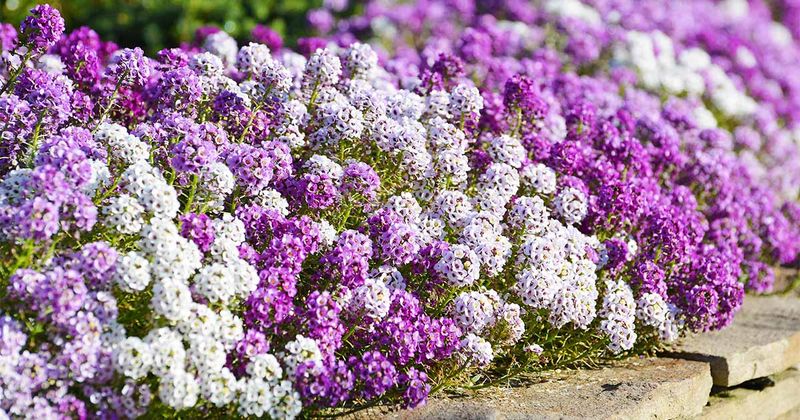
Lobularia maritima, known as sweet alyssum, is a low-growing annual that spreads itself in a soft, honey-scented carpet along bed edges and path borders. Gardeners often use it as a filler plant between larger annuals or as a living border along walkways.
Its tiny white, pink, or purple flower clusters are modest but charming.
Sweet alyssum is grown as an annual in Ohio and other cold-winter gardens, even though it may behave as a short-lived perennial in frost-free climates. Its seeds are extremely small and easy to miss among mulch or soil particles.
When plants set seed, those tiny seeds can fall into cracks between pavers, along exposed soil edges, and into neighboring planting areas.
Summer heat can cause sweet alyssum to slow down or stop blooming temporarily. Cooler late-season weather often encourages a fresh flush of flowers, which can then set a new round of seed before frost arrives.
That late-season seed drop gives the plant a reasonable chance of returning the following spring.
Modern cultivars may differ significantly from older seed-grown types in their ability to produce viable seed. Some newer selections are bred for heavy flowering at the expense of seed fertility.
Gardeners who want volunteers should favor seed-grown open-pollinated types when possible. Thick mulch can prevent small seeds from reaching soil, reducing germination chances.
Self-sowing is possible but results vary widely depending on the cultivar, soil conditions, and how the garden is maintained through fall.
6. Snapdragons Can Leave Volunteers For Next Spring
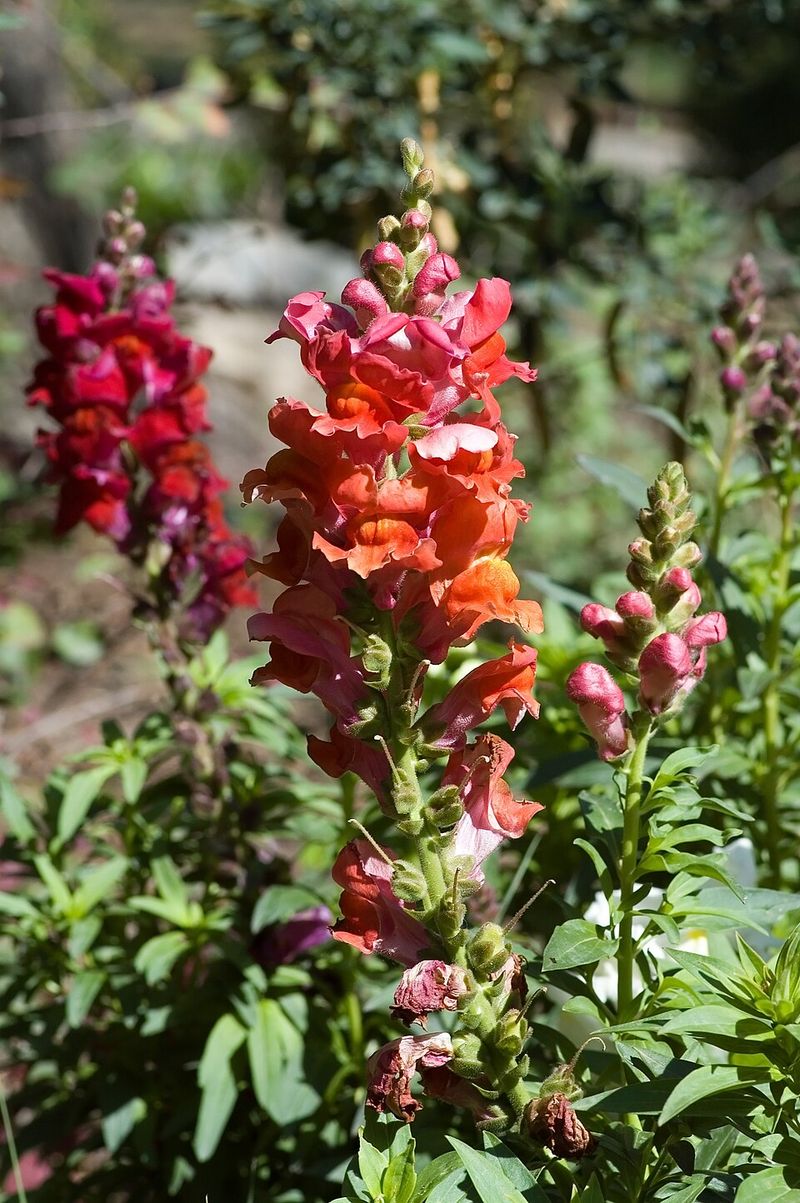
Snapdragons have a more complex life cycle than most people realize. Antirrhinum majus is technically a tender perennial in its native Mediterranean climate, but Ohio winters treat it as a straightforward annual.
Plants are often set out in early spring because they tolerate cool temperatures better than many summer annuals.
After each flower spike finishes blooming, small round seed capsules form along the stem. Each capsule holds many tiny seeds.
If spent spikes are routinely removed, very little seed will develop. Gardeners who want potential volunteers should leave selected late-season spikes on the plant and allow the capsules to ripen and dry naturally.
Snapdragons handle cool fall weather better than tender warm-season annuals like impatiens or vinca. That tolerance gives their seeds more time to mature before hard frost ends the season.
Volunteers from hybrid snapdragons may not match the parent in flower color, height, or form. Open-pollinated types are more likely to produce seedlings that resemble the original plant.
Seedling emergence timing is unpredictable and depends on temperature and soil moisture. Some volunteers appear in early spring, others emerge later.
Snapdragons prefer full sun and well-drained, fertile soil. Overly wet or compacted soil can reduce plant vigor and limit seed production.
Self-sowing from snapdragons is possible in many Ohio gardens, but it should be treated as a pleasant surprise rather than something to count on every season.
7. Annual Sunflowers Turn Fading Heads Into Future Plants
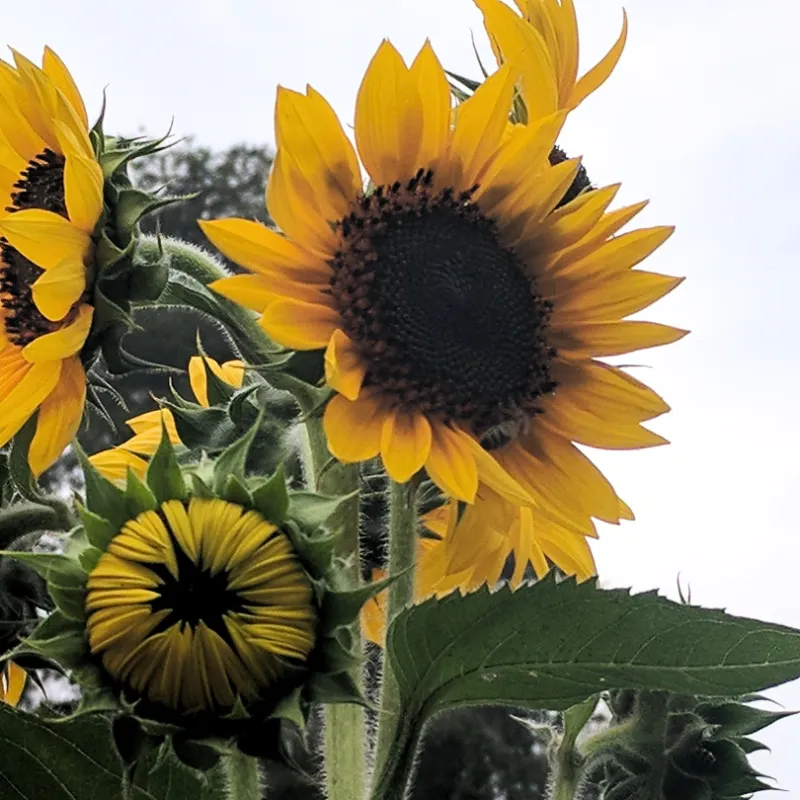
Helianthus annuus, the common annual sunflower, is one of the most recognizable plants in any Ohio garden. It grows fast, stands tall, and produces large seed heads packed with potential.
Watching a sunflower head shift from bright yellow petals to a ripening disk full of seeds is one of the more satisfying things a gardener can observe.
As the head matures, the petals fall away and the back of the head turns from green to tan or brown. Seeds darken and plump up as they ripen.
Not every seed makes it to the soil, though. Birds, squirrels, and other wildlife are very efficient at harvesting sunflower seeds before the gardener even notices the head is ready.
Pollen-free hybrids and highly ornamental cultivars may produce fewer viable seeds than standard open-pollinated types. A gardener hoping for natural volunteers should choose a seed-producing variety rather than a sterile or ornamental hybrid.
Volunteers that do appear can grow quite large, so placement matters.
Seeds moved by animals may sprout far from where the original plant stood. Diseased heads should be removed and disposed of rather than left to drop seeds.
Sunflowers grow best in full sun with average to fertile, well-drained soil. Self-sowing in Ohio gardens is genuinely possible when conditions align.
However, wildlife pressure and cultivar choice largely determine whether volunteers appear the following spring.
8. Petunias Scatter Seed When Spent Blooms Stay Put
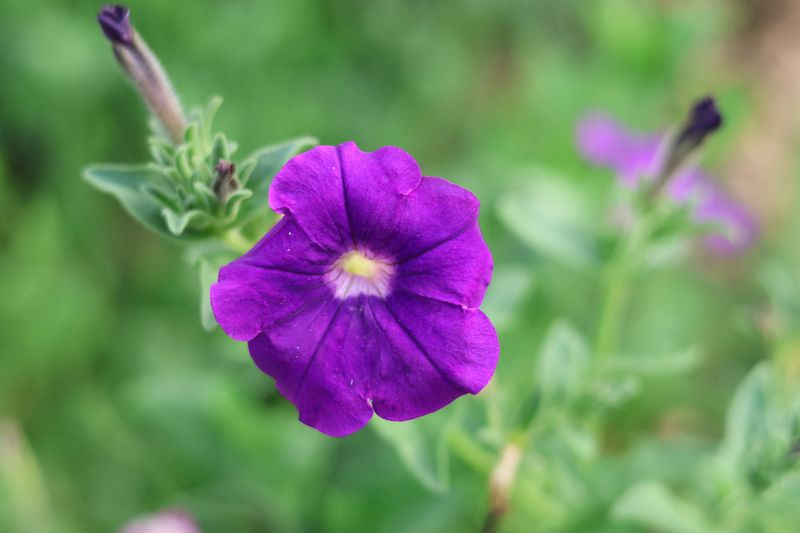
Garden petunias are among the most popular annuals sold in Ohio each spring, but their reseeding behavior is more complicated than most gardeners expect.
Modern garden petunias are typically classified under Petunia x hybrida, a hybrid group bred for heavy flowering and compact growth.
That breeding history affects how well they produce viable seed.
After a petunia flower is pollinated, a small seed capsule develops at the base of the spent bloom. The capsule holds many tiny seeds.
Self-cleaning cultivars, which drop their spent flowers automatically, may not hold capsules long enough for seeds to fully ripen. Older seed-grown petunia types are more likely to set and release viable seed than heavily selected modern hybrids.
Volunteers from hybrid petunias often look quite different from the parent plant. Flower color, size, and form can shift in unexpected directions.
Gardeners who want seedlings that resemble the original should choose open-pollinated or seed-grown varieties. Avoid vegetatively propagated types sold as cuttings.
Natural reseeding from petunias is a real possibility but is far from a reliable outcome. Seed must reach bare or lightly covered soil to have any chance of germinating.
Thick mulch layers and frequent soil cultivation work against successful self-sowing. Keeping this section honest means saying clearly that petunia reseeding is something that sometimes happens rather than something you can plan around.
Treat any returning petunia volunteers as a welcome and unexpected gift from the garden.