The One Thing North Carolina Fall Tomatoes Need In August Or They Won’t Set Fruit
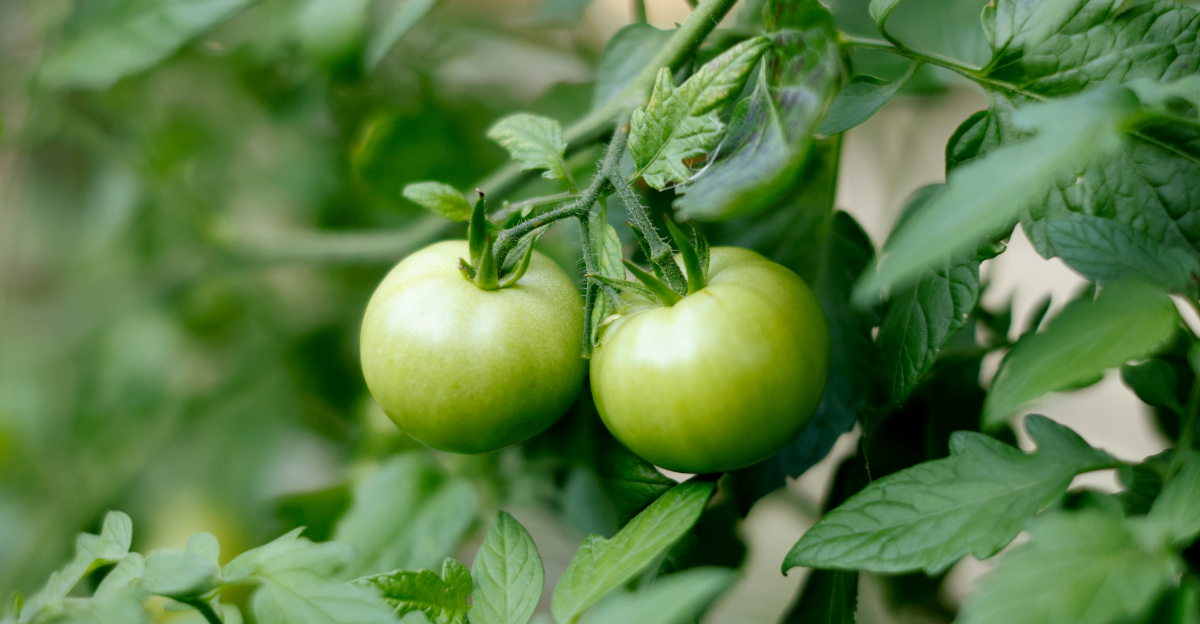
Consistent nighttime temperatures below a certain threshold are essential for North Carolina fall tomatoes to set fruit successfully after an August planting.
Tomato blossoms often fail to pollinate properly when nighttime temperatures stay too warm, causing flowers to drop before fruit ever forms.
Choosing heat tolerant varieties specifically bred for extended warm stretches gives fall tomatoes a much better chance at successful fruit set.
Providing afternoon shade during the hottest parts of August also helps reduce overall plant stress during this critical flowering stage.
Consistent watering supports steady blossom development, since drought stress compounds the challenges already caused by lingering summer heat.
Checking blossoms regularly for signs of drop helps gardeners identify whether heat is actively interfering with fruit set.
Waiting until early evening to water can also help cool plants slightly during the hottest stretches. Paying close attention to this temperature window now determines whether fall tomatoes actually produce a worthwhile harvest.
1. Fall Tomatoes Need To Be In The Ground Early In August
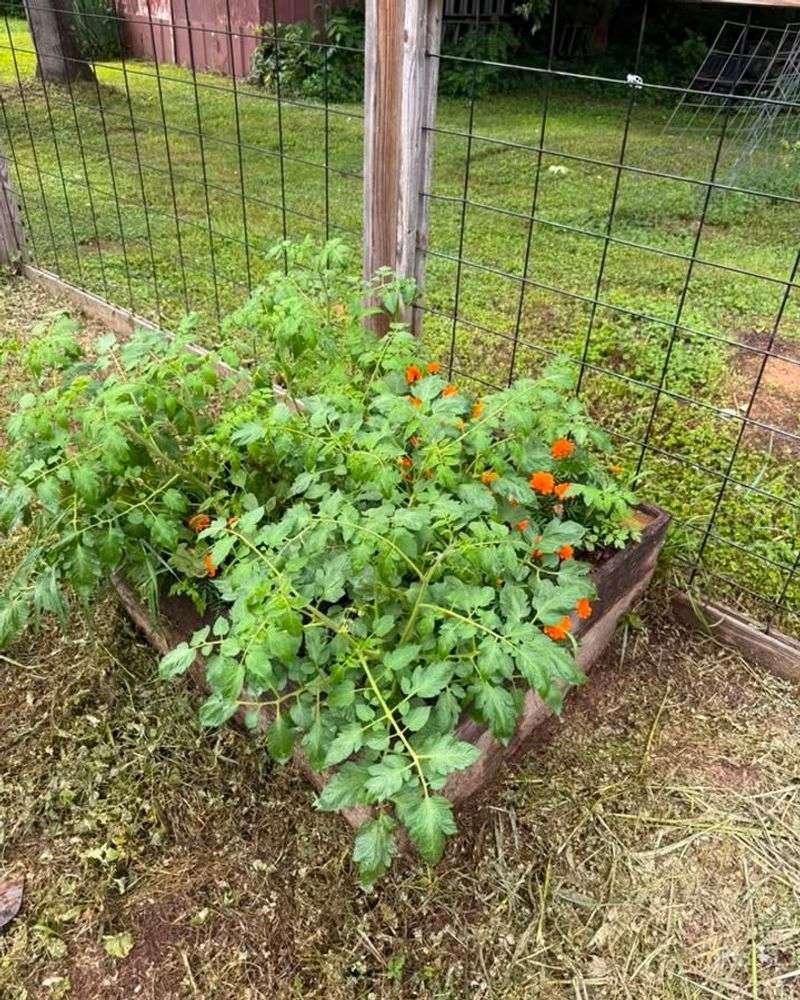
Timing is everything when it comes to fall tomatoes in North Carolina. Gardeners who want a real harvest need to focus on getting healthy transplants into the ground by late July or, at the very latest, early August.
Plants that go in too late may grow lush and full but simply run out of warm weather before flowers can mature into ripe tomatoes.
NC State guidance points to August as a key planting period for fall gardens across the state. Some warm season vegetables, including tomatoes, can be established from late July into early August to give them a fighting chance at a late harvest.
That window might feel short, but it is absolutely workable if you plan ahead and move quickly.
One thing North Carolina gardeners need to remember is that the state is not one-size-fits-all. Western NC mountain areas experience earlier frosts, which means the planting window closes sooner.
Central Piedmont gardeners have a bit more flexibility, while eastern NC gardeners near the coast typically enjoy the longest fall season of all.
Counting backward from your expected first frost date is the smartest way to plan. Most tomato varieties need at least 60 to 80 days from transplanting to produce a meaningful harvest.
Factor in establishment time, and it becomes clear why planting in early August is not just helpful but genuinely necessary for fall success across most of the state.
2. Start With Transplants Instead Of Seeds
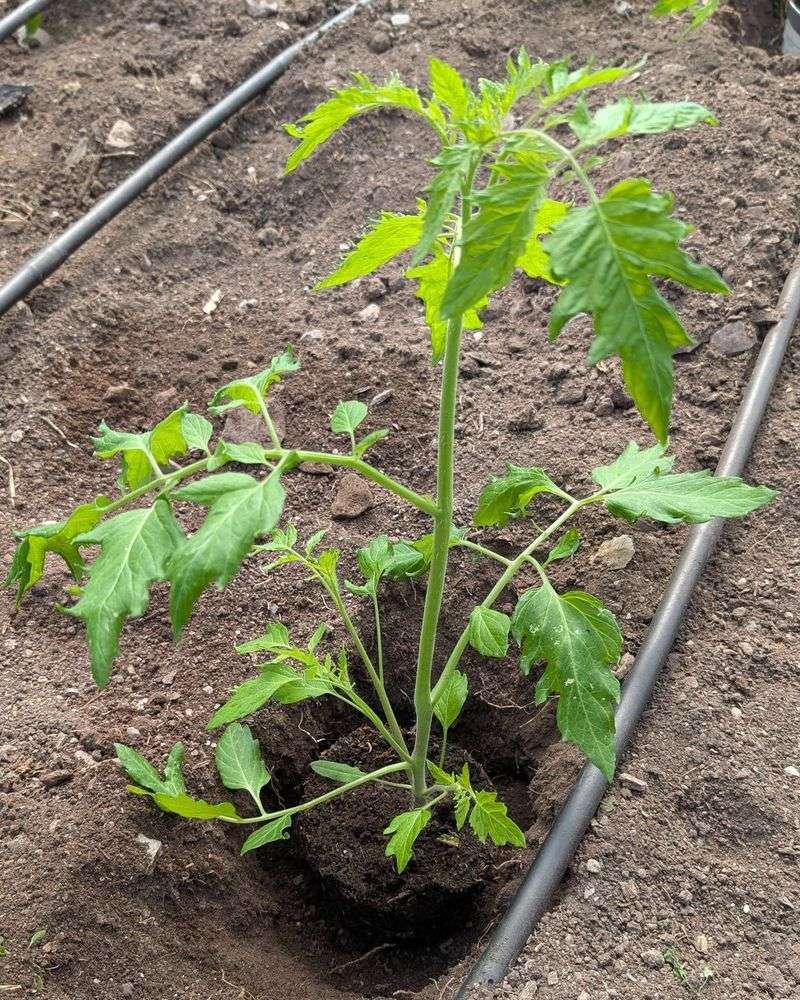
Starting a fall tomato crop from seed directly in the garden in August is a gamble that rarely pays off. By the time seeds germinate, develop true leaves, and build a strong enough root system to support flowering, the season has already slipped away.
Transplants skip that whole early stage and put you weeks ahead from the moment they go in the ground.
A good transplant has a lot going for it before it even touches your soil. Look for sturdy stems, deep green foliage, and a well-developed root system that holds together when you remove it from the container.
Your North Carolina Garden Changes Every Week. Your Plan Should Too.
Gardening in North Carolina changes quickly throughout the season. Every Friday you’ll receive a simple weekly plan showing exactly what to plant, prune, fertilize, harvest, and protect so you never miss the right timing.
Avoid plants that look pale, leggy, or show any signs of insect damage or spotting on the leaves, because those problems only get harder to manage once the August heat kicks in.
Many local garden centers in North Carolina carry fall tomato transplants in late July and early August specifically for this purpose.
If you cannot find them locally, some gardeners start their own transplants indoors about six weeks before their intended outdoor planting date.
Either way, the goal is to put a plant in the ground that already has momentum working in its favor.
Transplants also allow you to be more strategic. You can select exactly the variety you want, choose the healthiest individual plants, and space them properly from the start.
That kind of control is simply not possible when you are waiting on seeds to sprout in hot August soil with limited time to spare.
3. Choose A Variety That Matures Quickly
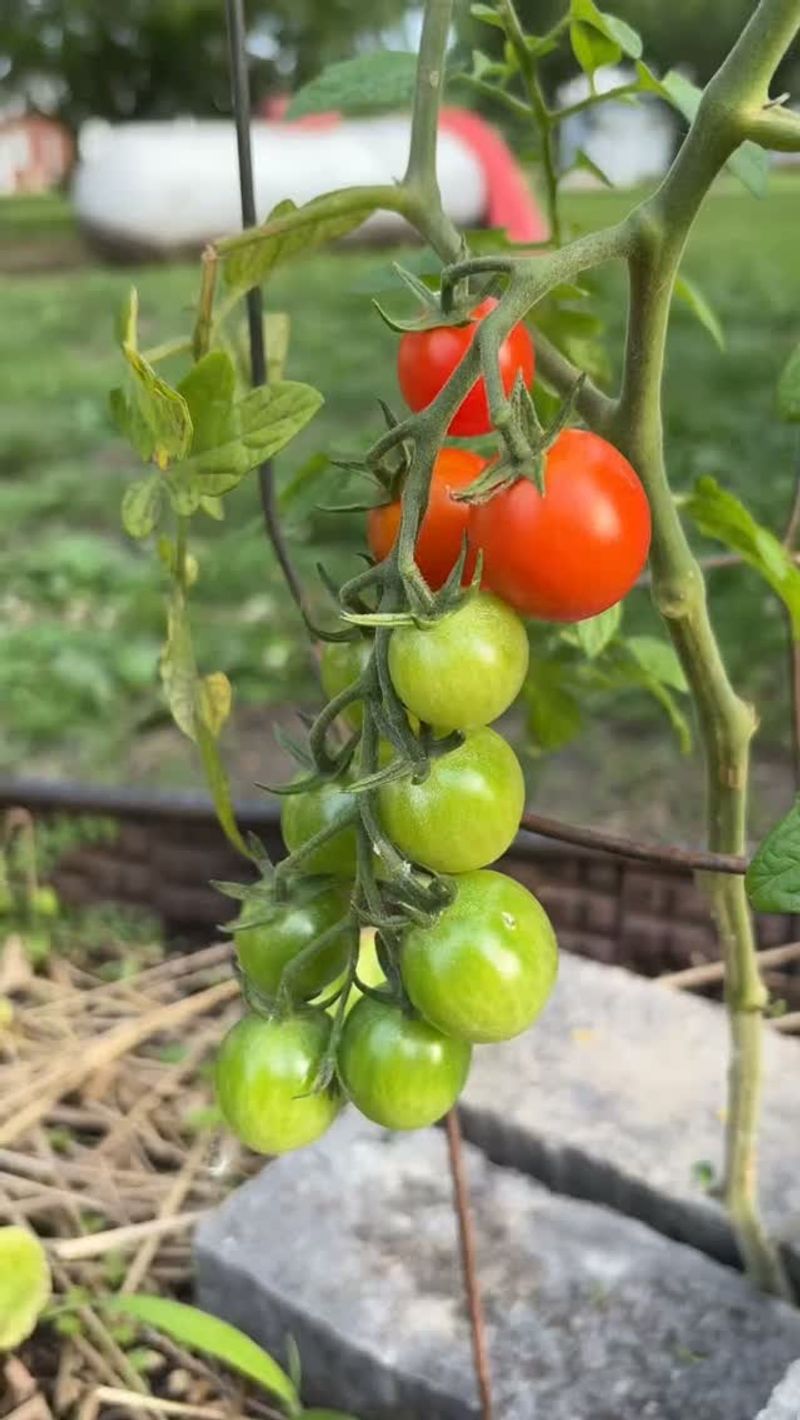
Not all tomato varieties are created equal when fall planting is the goal. Days to maturity becomes one of the most important numbers on the plant tag when you are working with a shrinking warm season.
Varieties that take 85 or 90 days to mature after transplanting are a tough sell when your first frost might arrive in mid-October across much of North Carolina.
Early maturing varieties, often labeled as 55 to 70 days to maturity, give fall gardeners a real advantage.
Popular choices like Celebrity, Mountain Fresh Plus, and Jet Star have performed well in NC conditions and tend to produce fruit within a more manageable timeframe.
Checking the label before you buy is a simple step that can save a lot of late-season frustration.
Here is a practical trick that experienced NC gardeners swear by: count backward from your average local first frost date.
If your area typically sees frost around November 1st and your variety needs 65 days, then you need transplants in the ground no later than late August.
Add a week or two for establishment, and suddenly early August planting starts to look like the only real option.
Cherry tomato varieties often mature faster than large slicing types, making them a smart backup plan for gardeners who start a little late. They set fruit more readily in warm weather too, which is an added bonus during the heat of August.
Flexibility in variety selection can make the difference between a productive fall garden and a yard full of pretty green plants.
4. Heat Tolerant Varieties Improve August Fruit Set
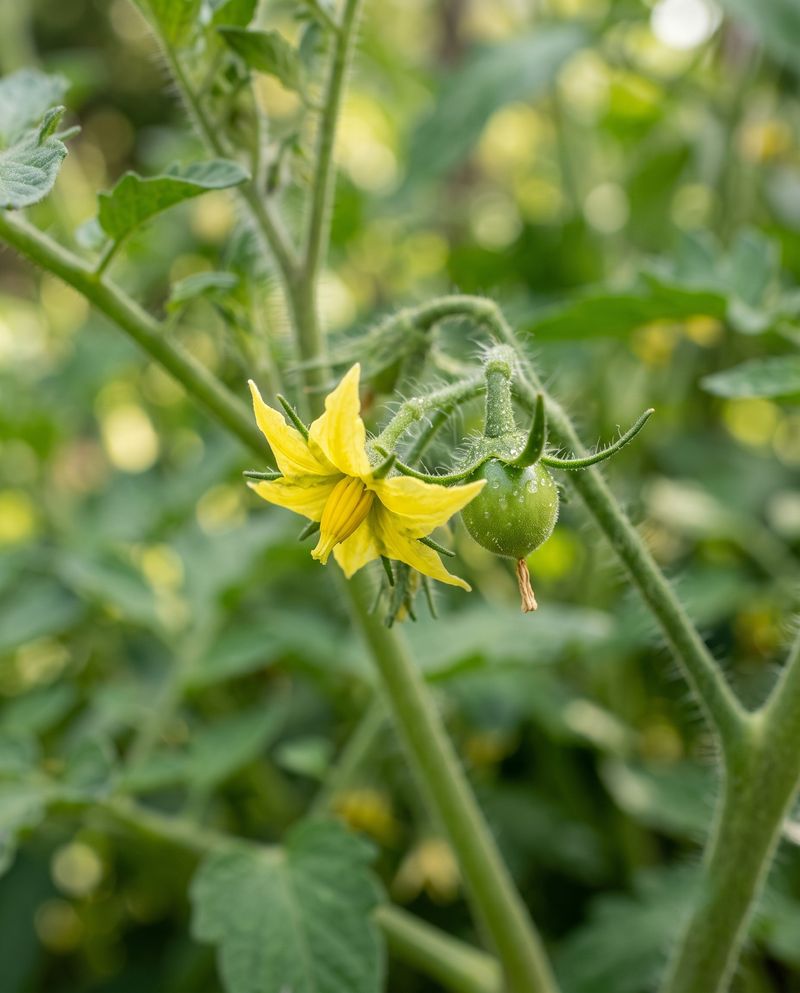
August in North Carolina is not for the faint of heart, and neither are the tomatoes trying to flower during it. Newly planted fall tomatoes still have to go through their critical flowering stage while daytime temperatures regularly push into the 90s.
That kind of heat puts serious stress on the plant’s ability to set fruit, which is exactly why variety selection matters so much at this time of year.
Tomato flowers are sensitive to temperature extremes in a very specific way. When daytime temps stay above 95 degrees Fahrenheit or nighttime temps stay above 75 degrees, pollen becomes less viable and flowers may drop without setting fruit.
This is not a sign that something is wrong with your gardening skills. It is simply plant biology responding to heat stress, and it happens to experienced and beginning gardeners alike.
Heat tolerant varieties like Solar Fire, Florida 91, and Heatmaster were bred with exactly these conditions in mind. They are particularly popular in the Piedmont and Coastal Plain regions of NC where summer heat lingers well into September.
These varieties do not guarantee perfect fruit set during every heat wave, but they significantly improve the odds compared to standard varieties.
Gardeners in the mountains of western NC may have a slightly easier time with fruit set in August because temperatures tend to be more moderate at higher elevations.
For everyone else, choosing a heat-adapted variety is one of the most practical decisions you can make before a single plant goes into the ground. Smart variety selection is free insurance for your fall harvest.
5. Consistent Water Helps Young Plants Establish Fast
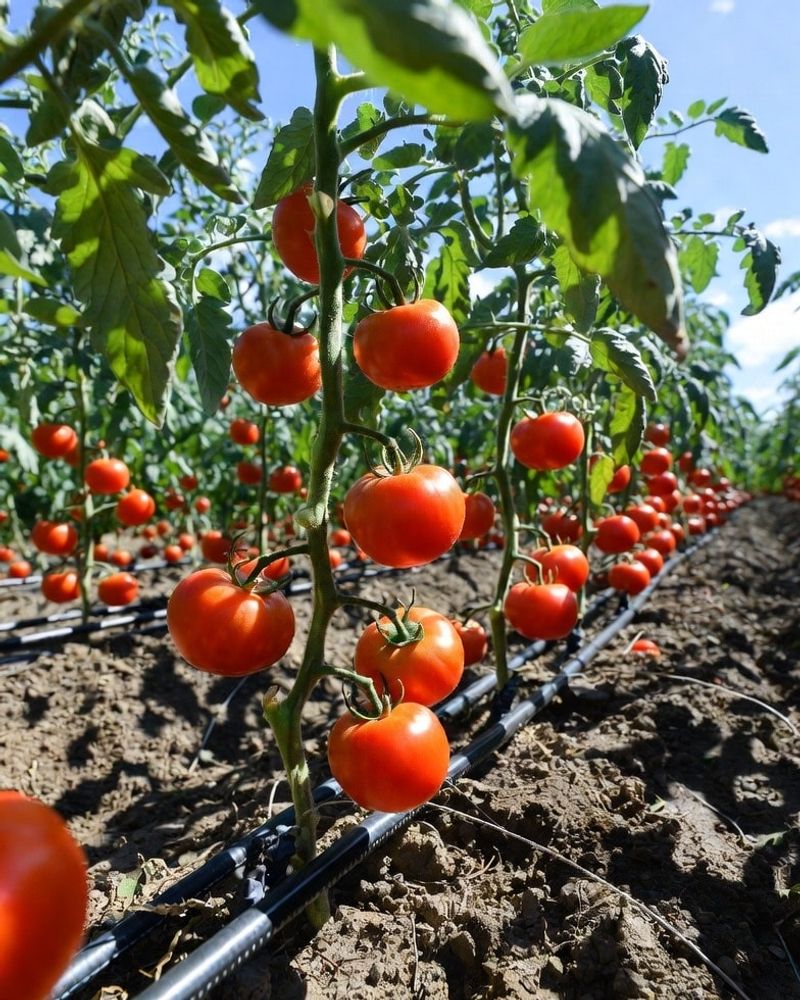
Young tomato transplants in August are working against some tough odds from the moment they go in the ground.
The soil is warm, the air is hot, and the plant is trying to push new roots into unfamiliar territory while keeping its leaves from wilting.
Consistent, deep watering during this establishment phase is one of the most powerful things a gardener can do to help things go smoothly.
Shallow, frequent watering actually works against you here. When water only reaches the top inch or two of soil, roots have no reason to grow deeper where moisture and cooler temperatures are more stable.
NC State recommends soaking the soil around tomatoes to a depth of six to eight inches, which encourages roots to follow the water down and build a stronger foundation for the plant overall.
Mulch and consistent watering go hand in hand during August. A good layer of organic mulch over the root zone slows evaporation dramatically, which means each watering lasts longer and the soil stays more consistently moist between sessions.
Without mulch, August sun can dry out the top few inches of soil surprisingly fast, even after a thorough watering the day before.
Container and raised bed gardeners need to pay extra attention during this period. These growing setups drain and dry out much faster than in-ground beds, especially during hot weather.
Checking soil moisture daily rather than on a set schedule gives you a much better read on what your plants actually need. A simple finger test an inch or two into the soil tells you more than any watering calendar ever could.
6. Mulch Protects The Roots During August Heat
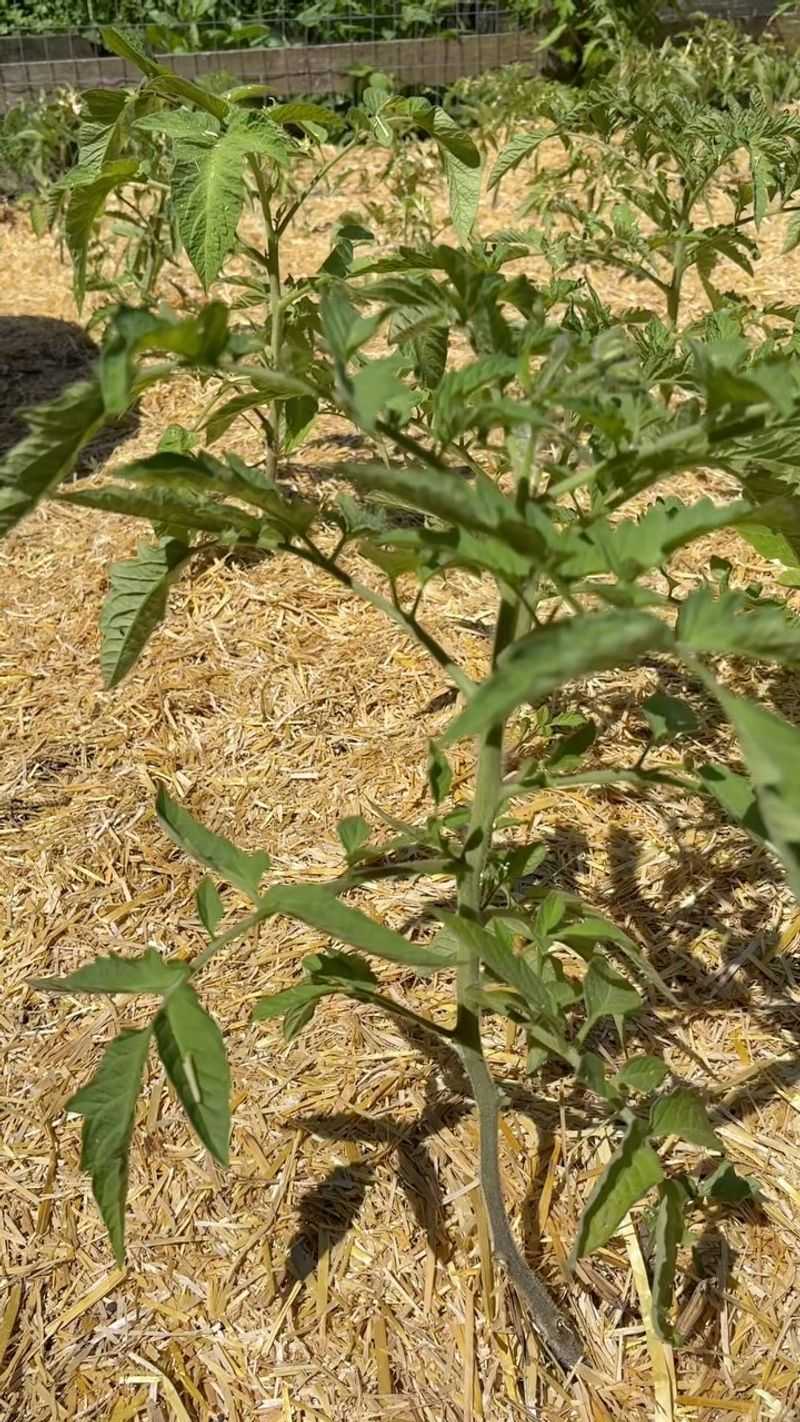
A bag of straw mulch might be the most underrated purchase a fall tomato gardener can make.
Spread a few inches around the base of your newly planted transplants, and you have created a buffer between the brutal August sun and the root zone that needs to stay cool and moist.
It is a simple step with a surprisingly big payoff throughout the season.
Organic mulch materials like wheat straw, pine needles, or composted leaves work especially well around tomatoes. They slow down moisture loss from the soil surface, which reduces how often you need to water.
Beyond moisture retention, mulch also moderates soil temperature swings, preventing the kind of rapid heating and cooling cycles that can stress roots and interfere with consistent plant growth.
One detail that catches some gardeners off guard is mulch placement. Piling mulch directly against the main stem of the tomato plant can trap moisture against the stem and create conditions where fungal problems develop more easily.
Keep the mulch pulled back an inch or two from the stem itself, forming more of a ring around the plant rather than a mound on top of it.
Mulch cannot perform miracles on its own. During extended heat waves when air temperatures stay dangerously high for days at a stretch, even well-mulched plants will feel the stress.
But as a consistent part of your August tomato care routine, mulch reduces that stress significantly and gives your plants a much better environment to establish roots and eventually set fruit. Think of it as a small investment with season-long returns.
7. Wait For Fruit Set Before Routine Sidedressing
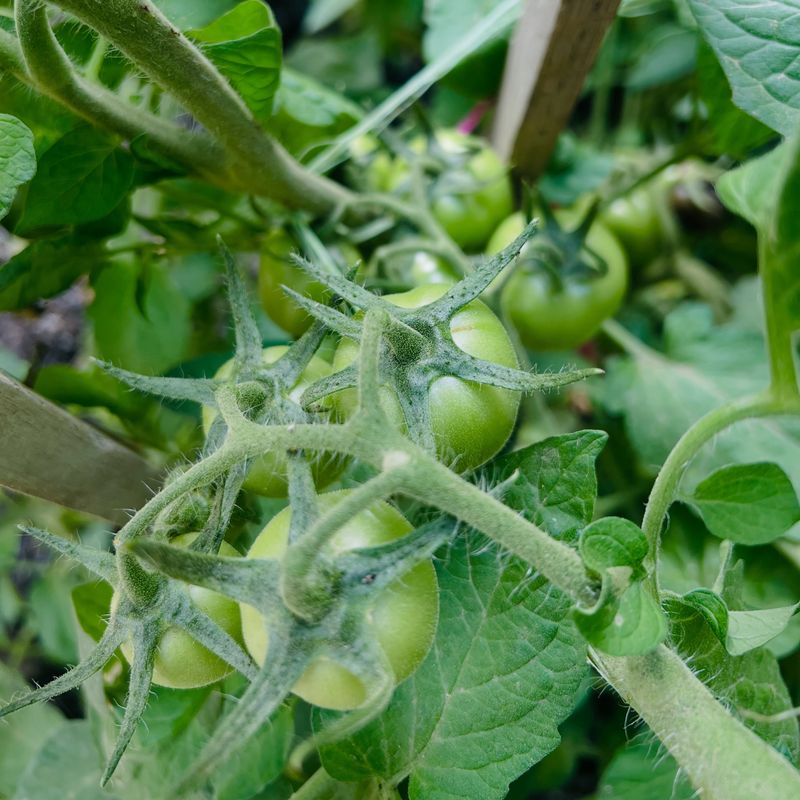
More fertilizer does not always mean more tomatoes, and fall gardeners who learn that lesson early save themselves a lot of disappointment. Freshly planted transplants in August are still getting their roots established and working out how to survive the heat.
Flooding them with nitrogen right away sends a very clear signal to the plant: grow leaves. Lots and lots of leaves. Fruit comes later, if at all.
NC State home vegetable garden guidance recommends sidedressing tomatoes after they have started setting fruit, not before. That recommendation exists for a good reason.
Excess nitrogen in the early stages of growth pushes the plant toward vegetative development rather than reproductive development. You end up with a beautiful, bushy plant that looks incredibly healthy but stubbornly refuses to produce tomatoes.
Starting with a soil test is the smartest foundation for any fertilizer decision. North Carolina’s Cooperative Extension Service offers affordable soil testing that tells you exactly what your garden beds need before you add anything.
Following those results rather than guessing prevents both under-feeding and the kind of over-fertilizing that sets fruit production back by weeks.
Once small fruits begin to form on the plant, that is your signal that sidedressing is appropriate. A balanced fertilizer applied at that point supports the plant’s ability to size up and ripen the fruit it has already committed to producing.
Patience during the early weeks pays off in a much more productive plant later in the season. Rushing the fertilizer schedule is one of the most common and easily avoided fall tomato mistakes.
8. Every August Week Matters For The Fall Harvest
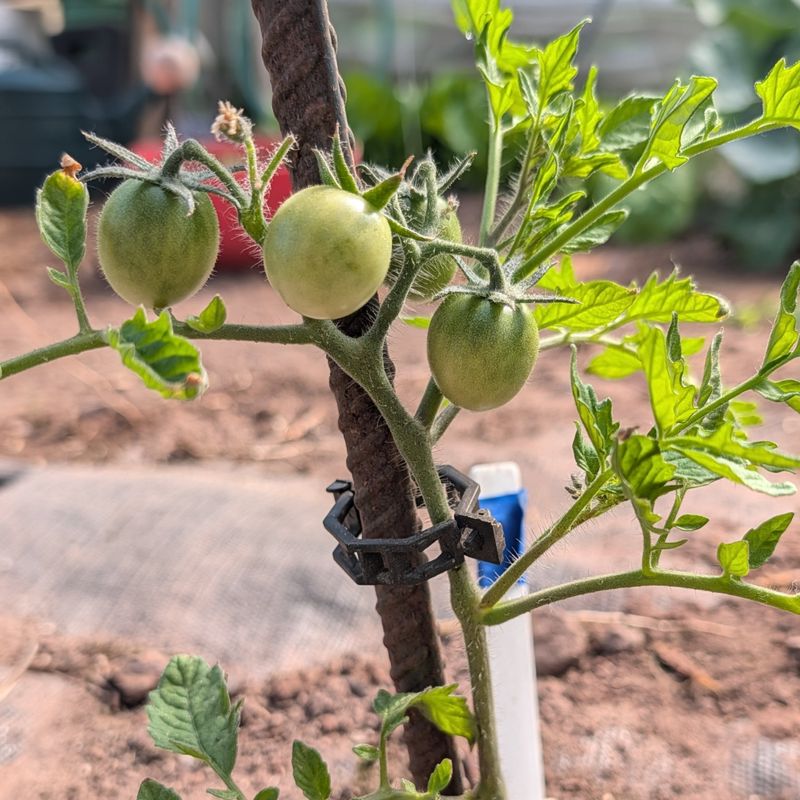
A fall tomato crop runs on a tight schedule, and every week in August genuinely counts. From the moment transplants go into the ground, the clock is ticking toward the first frost of autumn.
Gardeners who plant promptly, choose the right varieties, and stay on top of watering and mulching give their plants the best possible shot at producing a real harvest before cool weather arrives.
Pest and disease monitoring becomes especially important during this period too. Spider mites, aphids, and early blight can all slow a plant down at the worst possible time.
Catching problems early and addressing them quickly keeps the plant focused on fruit development rather than fighting off damage. A quick walk through the garden every few days goes a long way toward keeping things on track.
Tomatoes planted too late in August may still grow, flower, and even set some small fruit. But without enough warm days ahead of them, those fruits may never fully ripen before temperatures drop.
Green tomatoes at the end of the season are frustrating, especially when a little earlier planting could have made all the difference. The goal is ripe tomatoes on the vine, not a race to ripen them on the kitchen counter.
Eastern North Carolina gardeners typically have a longer fall season than their counterparts in the mountains, which means local planting calendars and frost date charts should always guide your final decisions.
Check your county’s Cooperative Extension resources for specific guidance. With the right timing, the right variety, and consistent care through August, a rewarding fall tomato harvest is absolutely within reach.