This Native Ohio Groundcover Is Replacing Grass In Hot August Front Yards
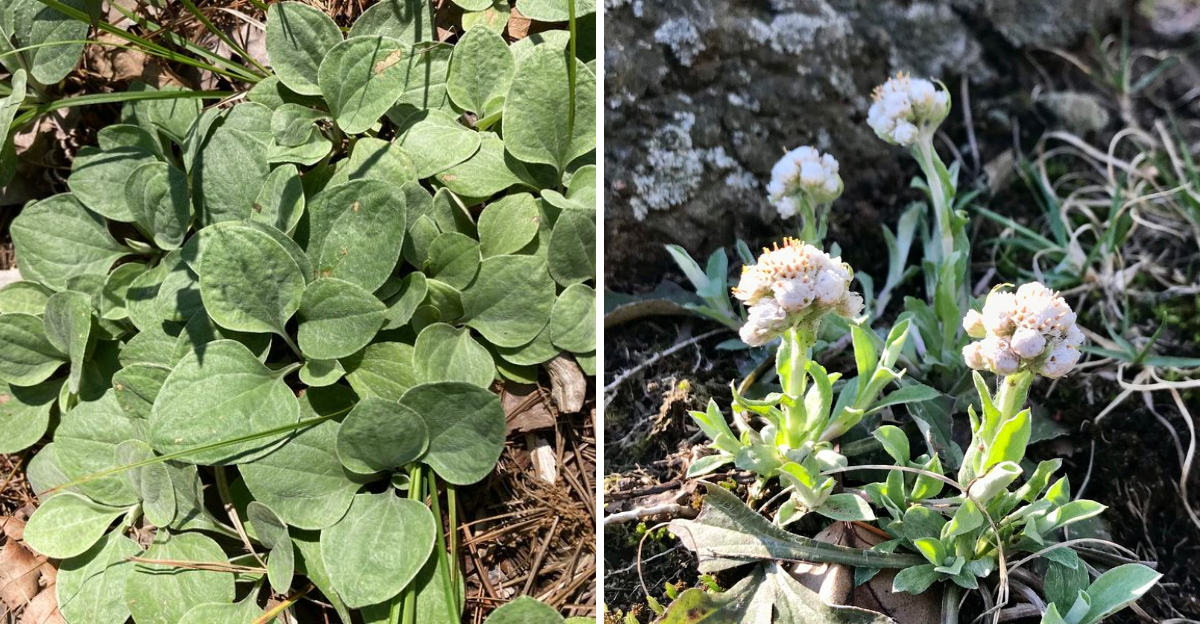
Front yard grass in an Ohio August is running on stubbornness more than anything else.
The heat has made its point, the soil has dried faster than the irrigation can compensate, and the lawn that looked reasonable in June is showing its limits in ways that are visible from the street.
One native Ohio groundcover has been quietly ending that argument in front yards where grass keeps losing the same battle every summer.
It spreads low, handles heat with a composure that turf cannot match, and produces a silvery texture that reads as intentional rather than accidental.
It is not a common find at standard garden centers. The native plant nurseries that carry it tend to sell out before most people know the season for planting it has arrived.
A front yard that handles August heat without daily intervention is not a fantasy. It is a plant selection decision that most front yards have never been offered.
1. Parlin’s Pussytoes Builds A Low Carpet Where Turf Struggles
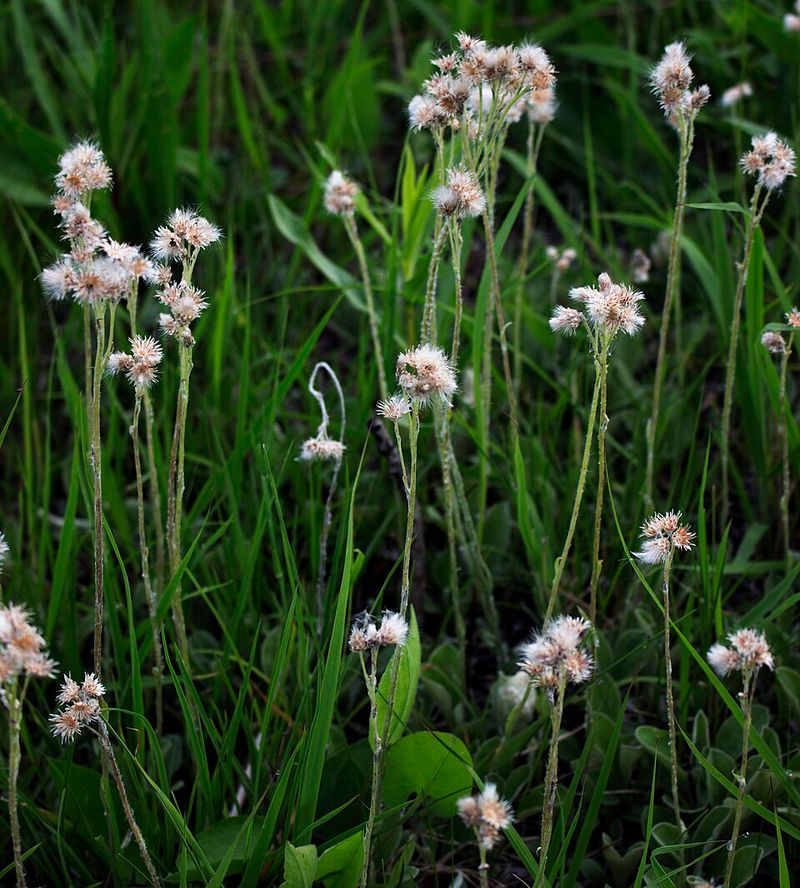
A front-yard strip that bakes in full sun all afternoon is exactly the kind of spot where Parlin’s pussytoes earns its place.
The plant grows as a mat-forming groundcover, typically reaching just 4 to 8 inches tall when in flower, with foliage rosettes staying much lower to the ground.
That low profile gives it a very different look from upright turf grass, and it does not form a traditional turf surface you can walk across freely.
Colonies expand slowly through creeping stems called stolons. These stems root as they travel across open soil, gradually filling bare patches over time.
Spacing plants about 12 to 18 inches apart gives each one room to spread without crowding. Coverage takes more than one season, so patience is part of the process.
Suitable sites include sunny edges along driveways, gentle slopes, rock garden pockets, and ornamental front-yard beds with low traffic. The plant does not suppress every weed on its own, especially during the first season.
Regular weeding while the colony fills in makes a real difference. Think of it as a slow, steady builder rather than a quick fix for a struggling lawn area.
2. Hot Sunny Ground Plays To Its Natural Strengths
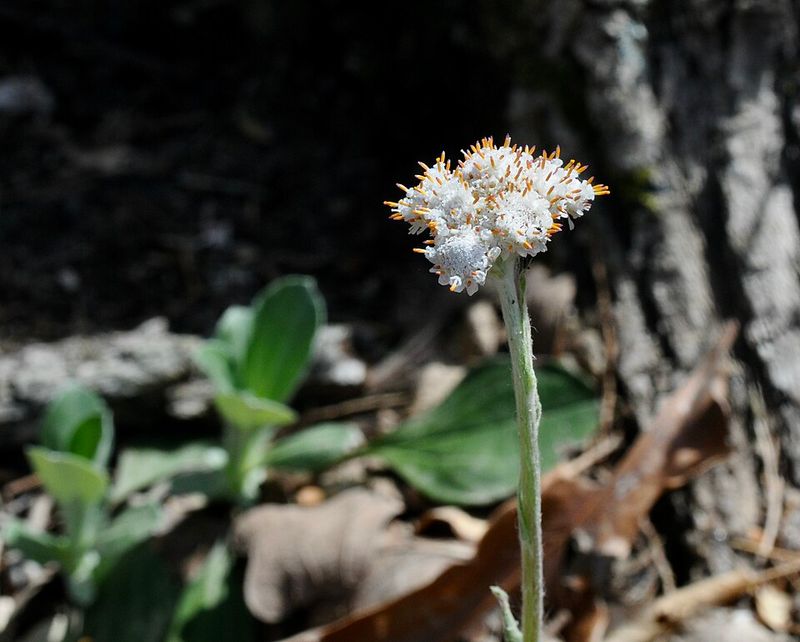
Full sun is where Antennaria parlinii performs best. It thrives in open, exposed locations that receive at least six hours of direct sunlight each day.
Some partial shade is tolerated, but reduced light tends to produce looser, less compact growth. Hot, exposed front-yard sites suit it well as long as soil drainage is good.
Reflected heat from sidewalks or driveways can raise ground-level temperatures significantly. Parlin’s pussytoes handles warm conditions better than many plants.
That tolerance comes from its adaptation to naturally dry, lean habitats, not from an ability to handle unlimited stress. Newly planted specimens still need regular watering during their first growing season to establish healthy root systems.
Do not treat drought tolerance as a reason to skip irrigation entirely in year one. Once established, the plant requires much less supplemental water than turf grass in comparable sunny spots.
Your Ohio Garden Changes Every Week. Your Plan Should Too.
Gardening in Ohio changes quickly throughout the season. Every Friday you’ll receive a simple weekly plan showing exactly what to plant, prune, fertilize, harvest, and protect so you never miss the right timing.
Choosing a site with good air movement and sharp drainage gives new transplants the best start. Avoid low spots where water pools after rain, since standing moisture around the crown can cause problems.
Match the site carefully, and the plant’s natural strengths carry it forward.
3. Silvery Leaves Stay Interesting After Spring Flowers Fade
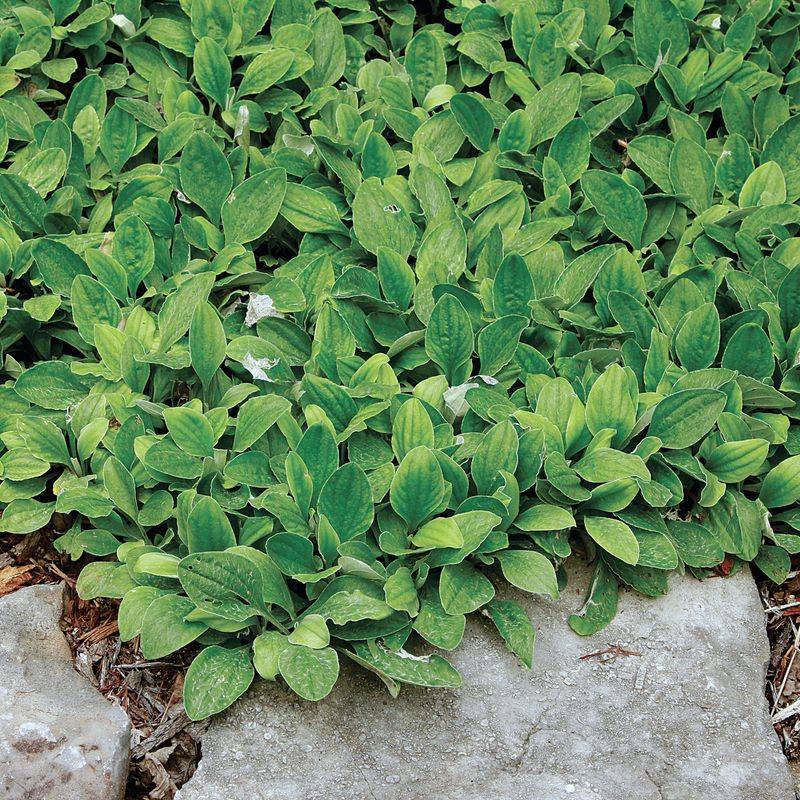
The foliage of Parlin’s pussytoes is one of its most reliable ornamental features. Leaves are covered in fine, woolly hairs that give them a soft gray-green to silvery appearance.
That texture catches light in a way that makes the low mat stand out against darker soil or mulch, and it stays visually useful long after flowering ends.
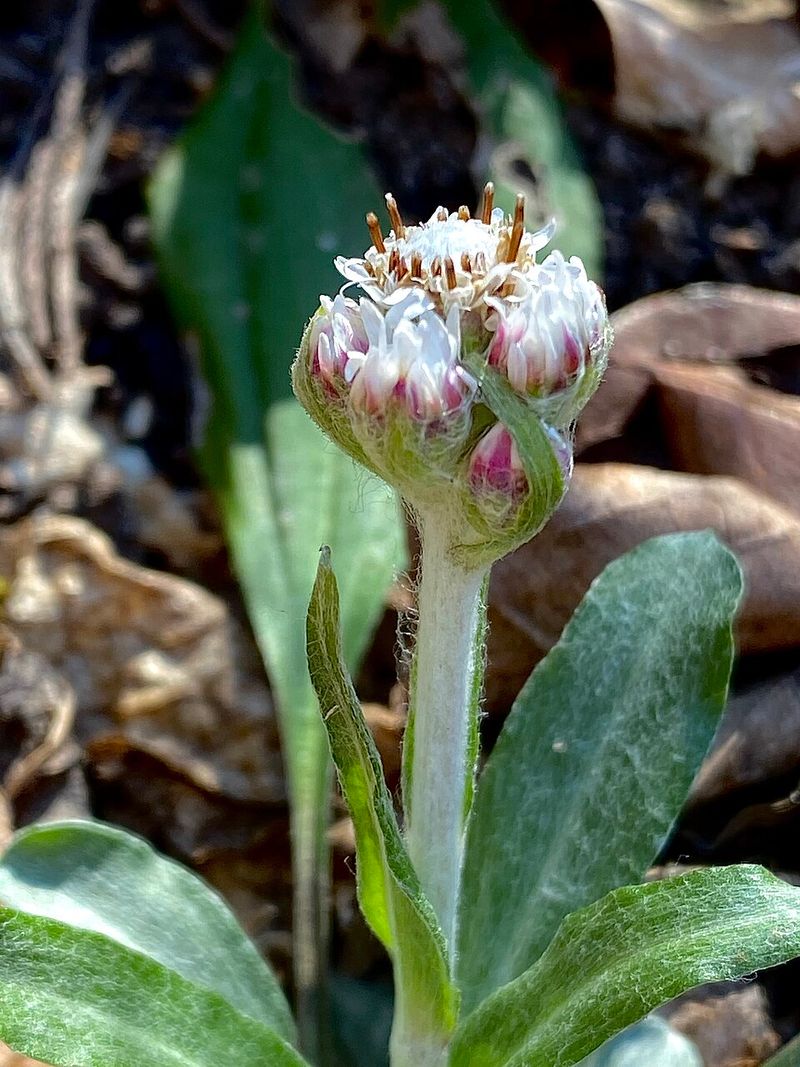
Blooms appear in spring, typically from April into May in Ohio. The flower heads are small, white, and clustered on short stalks rising a few inches above the foliage.
They have a fuzzy, soft appearance that inspired the common name. Pollinators, including small native bees and butterflies, do visit the flowers, making spring bloom time a modest but real benefit for local wildlife.
After flowers fade, the silvery foliage continues to provide low texture and color contrast through summer and into fall. Winter appearance varies depending on the severity of the season and site conditions.
Some foliage persists through mild Ohio winters, but a fully evergreen look throughout every winter cannot be guaranteed.
Treat the foliage as the main long-season feature, with spring flowers as a welcome seasonal bonus rather than the primary attraction of the planting.
4. Creeping Stolons Help Bare Soil Fill In Naturally
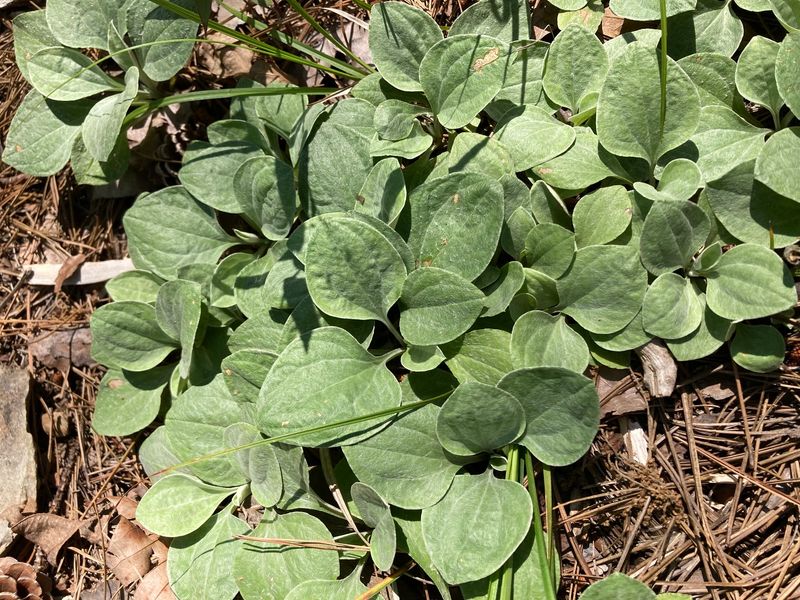
Parlin’s pussytoes spreads primarily through stolons, which are creeping horizontal stems that grow along the soil surface. As a stolon extends, it produces new rosette clusters at intervals.
Those rosettes put down roots and eventually become independent plants, slowly building a wider colony over time. The process is gradual rather than rapid.
Open soil is where spreading happens most readily. Established grass or dense weeds can slow or block stolon movement.
Keeping the area around new plantings weeded during the first season or two gives stolons the best chance to reach bare ground and take hold. A little early maintenance pays off later as the colony fills in naturally.
Gardeners sometimes worry about spreading plants becoming a problem, but Parlin’s pussytoes is not considered aggressive or invasive in Ohio. It expands at a manageable pace.
Patches that spread beyond their intended area can be divided or trimmed back without much effort. Self-seeding can occur but is not typically the main way colonies expand.
The spreading habit is an asset for covering bare ground in low-traffic areas, and it responds well to gentle guidance when boundaries matter. Plan for some expansion and work with it rather than against it.
5. Lean Soil Suits It Better Than A Fertilized Lawn
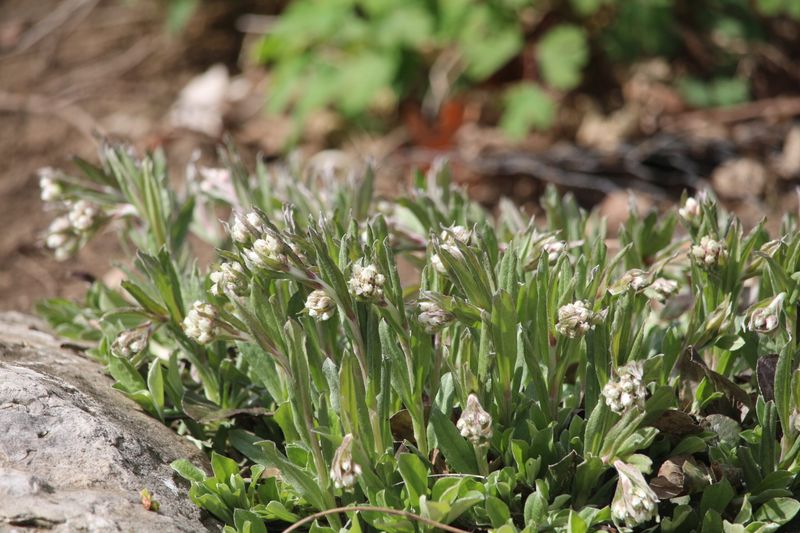
Rich, heavily fertilized soil is not what Parlin’s pussytoes needs. This plant is native to dry, open habitats in Ohio, including sandy barrens, gravelly slopes, and thin-soiled woodland edges.
Those lean conditions shaped its preferences, and pushing it with fertilizer can actually work against it by encouraging weak, floppy growth.
Drainage is the most important soil factor to get right. Well-drained, sandy, or gravelly soils suit the plant well.
Heavy clay that holds water after rain is a much harder environment for it. Persistently wet or waterlogged ground is a poor match.
If your site has slow-draining clay, this groundcover may not be the right choice without significant site modification.
Avoid the temptation to amend soil heavily before planting. Adding too much organic matter to a clay site can create drainage problems rather than solving them.
Work with the existing soil texture if it drains reasonably well, and skip routine lawn fertilizer entirely. Parlin’s pussytoes does not need the same soil nutrition that a bluegrass or fescue lawn requires.
Matching the plant to a site that already has lean, well-drained conditions gives it the best chance to establish and spread naturally without extra inputs.
6. Summer Dry Spells Demand Less Pampering Than Turf
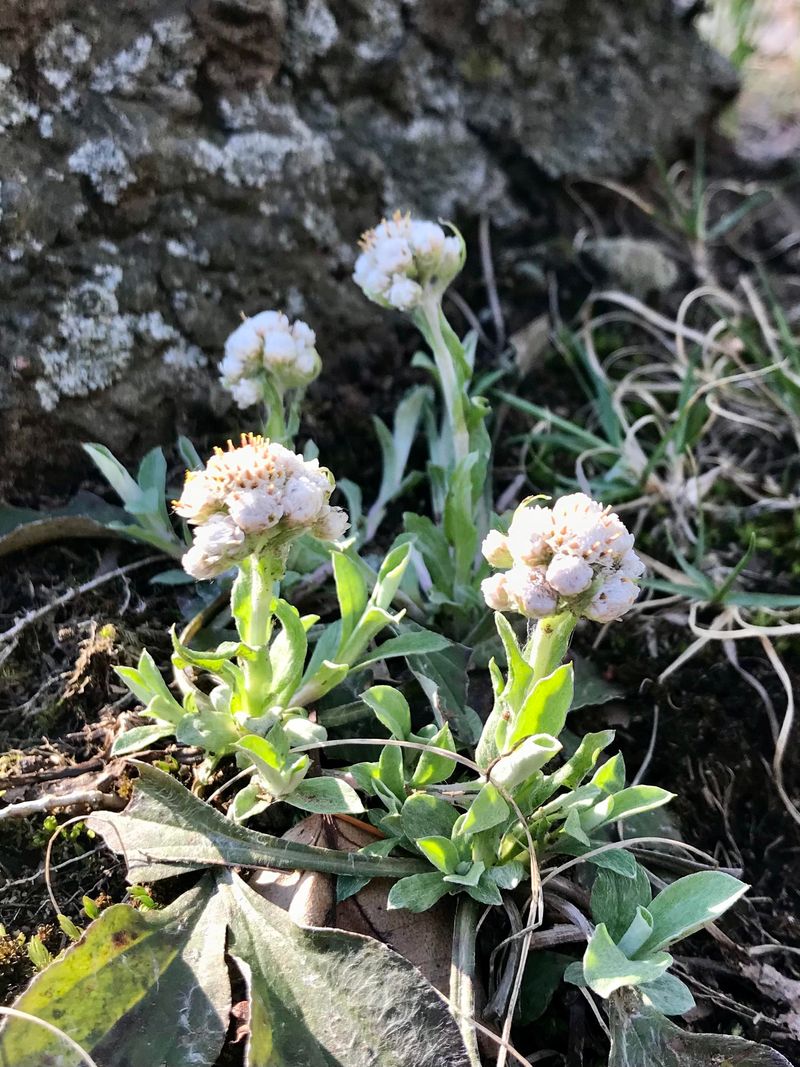
By August in Ohio, conventional turf grass in full sun can look worn and brown without consistent irrigation. An established colony of Parlin’s pussytoes handles summer dry spells with much less supplemental water.
That makes it a practical option for gardeners who want to reduce outdoor water use in suitable spots. The key word is established, and that distinction matters.
New transplants are not yet drought-tolerant. During the first growing season, young plants need regular moisture to develop the root systems that will carry them through future dry periods.
Mulch can help retain soil moisture around new plantings, but keep it thin and away from the low crowns to avoid smothering them. Deep mulch over a low-growing plant can cause more harm than a dry spell would.
Competition from weeds also affects how well new plants handle summer stress. A weedy site pulls moisture and nutrients away from establishing rosettes.
Staying on top of weeding during the first season makes a noticeable difference in how the planting looks by late summer. August appearance reflects how well the site was managed since spring.
A well-sited, well-established colony holds its silvery color and compact form through dry summer stretches with minimal intervention from the gardener.
7. Foot Traffic Still Calls For Stepping Stones And Paths
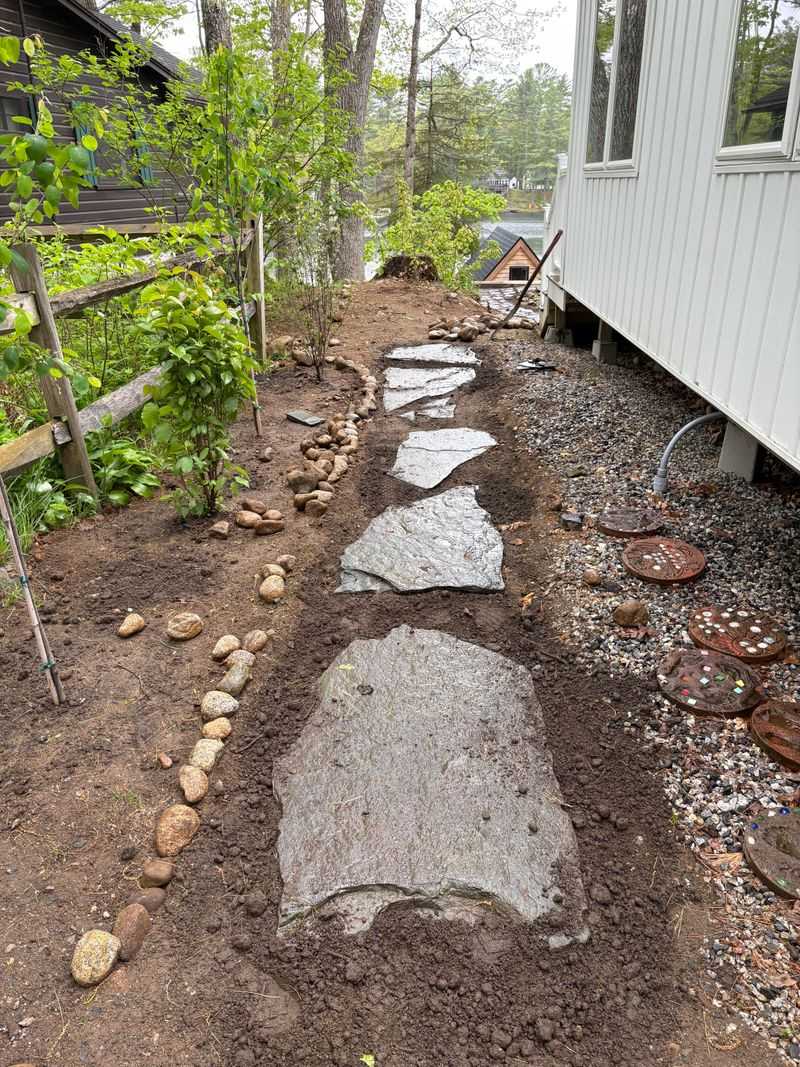
Parlin’s pussytoes is a groundcover built for looking at, not walking on. Repeated foot traffic, play, pet activity, and heavy lawn use are beyond what this plant handles well.
Its low rosettes and shallow-rooting stolons are not structured for the compression and wear that turf grass endures. Using it in a high-traffic corridor will damage the planting and leave bare patches.
Stepping stones or defined gravel paths solve this problem neatly. Placing flat stones through the planting gives visitors a clear route without putting weight on the groundcover itself.
A simple path design keeps people off the main planted area while making the front yard feel intentional and well-organized. Practical design and plant health go hand in hand here.
Some front-yard spaces genuinely need a durable surface. Some front-yard areas need a more durable surface.
Play areas, dog runs, paths to the front door, and spots used regularly by delivery workers are better served by turf, gravel, pavers, or another wear-tolerant surface. Parlin’s pussytoes works well as an ornamental border, a slope stabilizer, or a low-maintenance accent planting.
Keeping realistic expectations about its traffic tolerance helps gardeners plan a yard that both looks good and functions well for the whole household.
8. Fall Planting Gives New Roots A Cooler Start
Early fall is a genuinely useful planting window for Parlin’s pussytoes in Ohio. Cooler air temperatures reduce stress on new transplants, and soil stays warm enough to encourage root growth before the ground freezes.
That combination gives roots a head start that shows up the following spring when the plant pushes out fresh growth. The timing varies by location across the state, so watch local frost forecasts rather than following a single calendar date.
Plants need several weeks to settle in before hard freezes arrive. Water new transplants based on actual soil moisture rather than a fixed schedule.
Check a few inches down before watering. If the soil still feels damp, hold off.
If it feels dry, water thoroughly and let it drain. Avoid fertilizing heavily in fall to force late growth, since tender new growth heading into winter is not an advantage.
Spring is another workable planting time, especially if nursery-grown stock is available. Look for plants propagated from local or regional sources rather than collecting from wild populations.
Responsibly sourced nursery plants support both the planting and native plant conservation. Whichever season you choose, the best results come from matching the plant to a site with full sun, sharp drainage, and low foot traffic.
Get those basics right, and Parlin’s pussytoes rewards the effort with years of low-maintenance silvery texture.