The Georgia Native Plant That Can Support Fireflies After Summer Storms
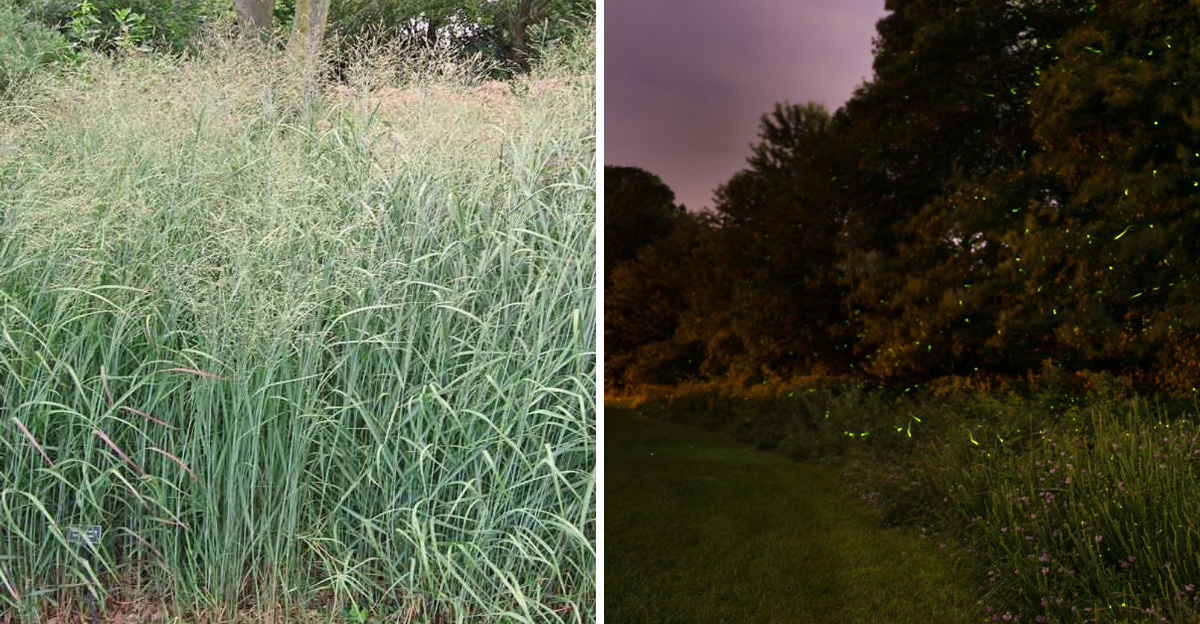
Fireflies flashing around the yard after a summer storm can make an ordinary evening feel completely different. If you enjoy that glow, your planting choices deserve some attention.
These insects spend far more of their lives close to the ground than their nighttime display suggests. What grows there can shape the habitat available to them.
One Georgia native plant can help create the kind of sheltered space fireflies use. It also brings something worthwhile to the garden beyond supporting wildlife.
Give it a suitable place instead of keeping every corner of the yard closely trimmed. A little thoughtful planting can add valuable cover near the soil.
Stormy summer weather makes those glowing visitors especially noticeable.
So when the lights begin blinking after sunset, look beyond the show itself. Your garden can offer more than a viewing spot for these special summer visitors.
1. Switchgrass Gives Fireflies Tall Cover Near The Ground
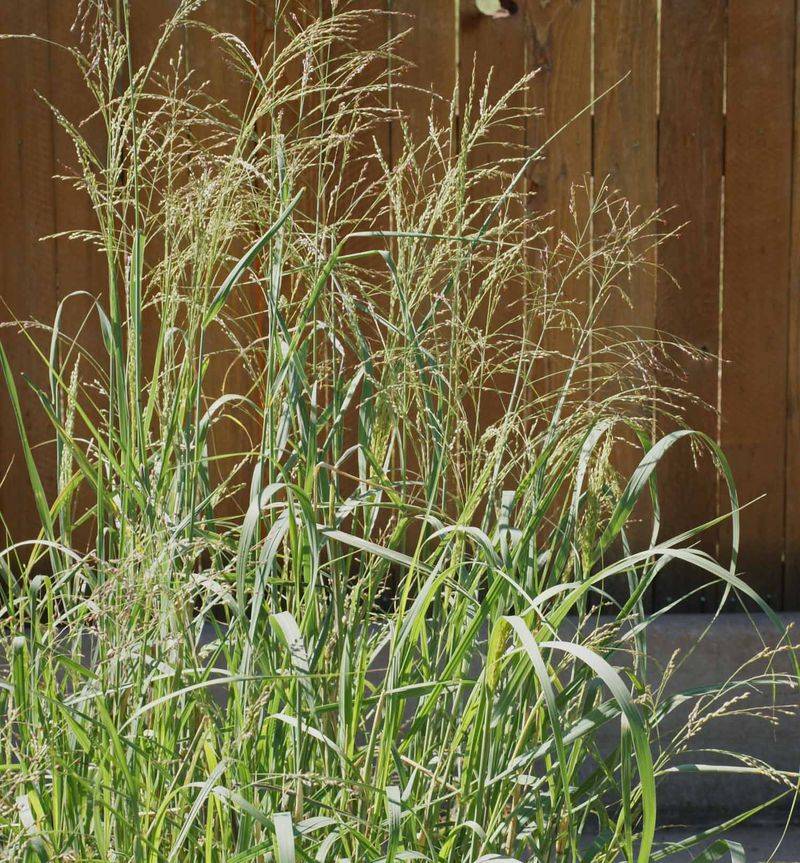
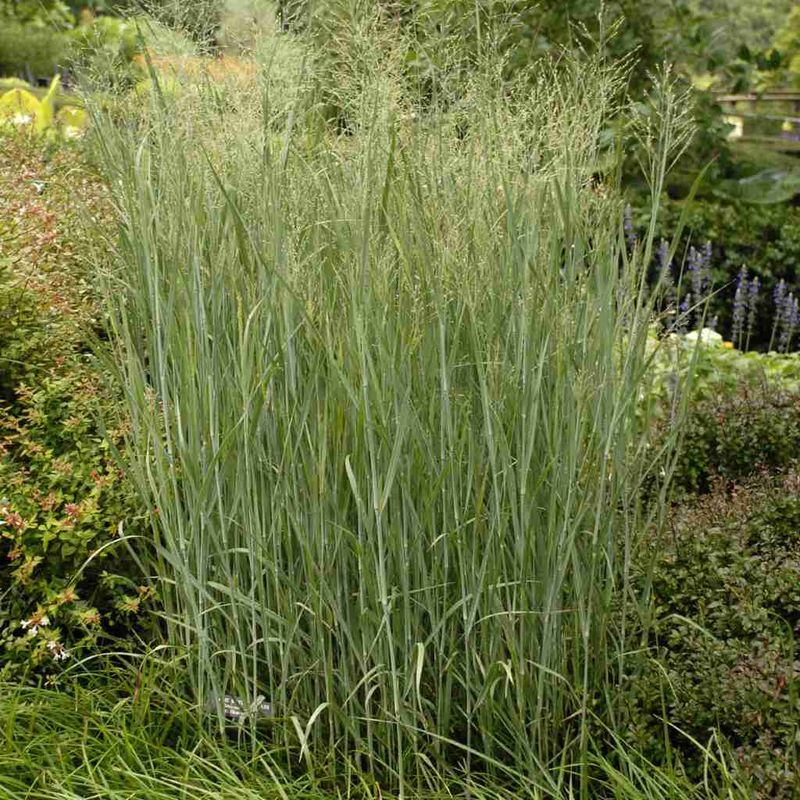
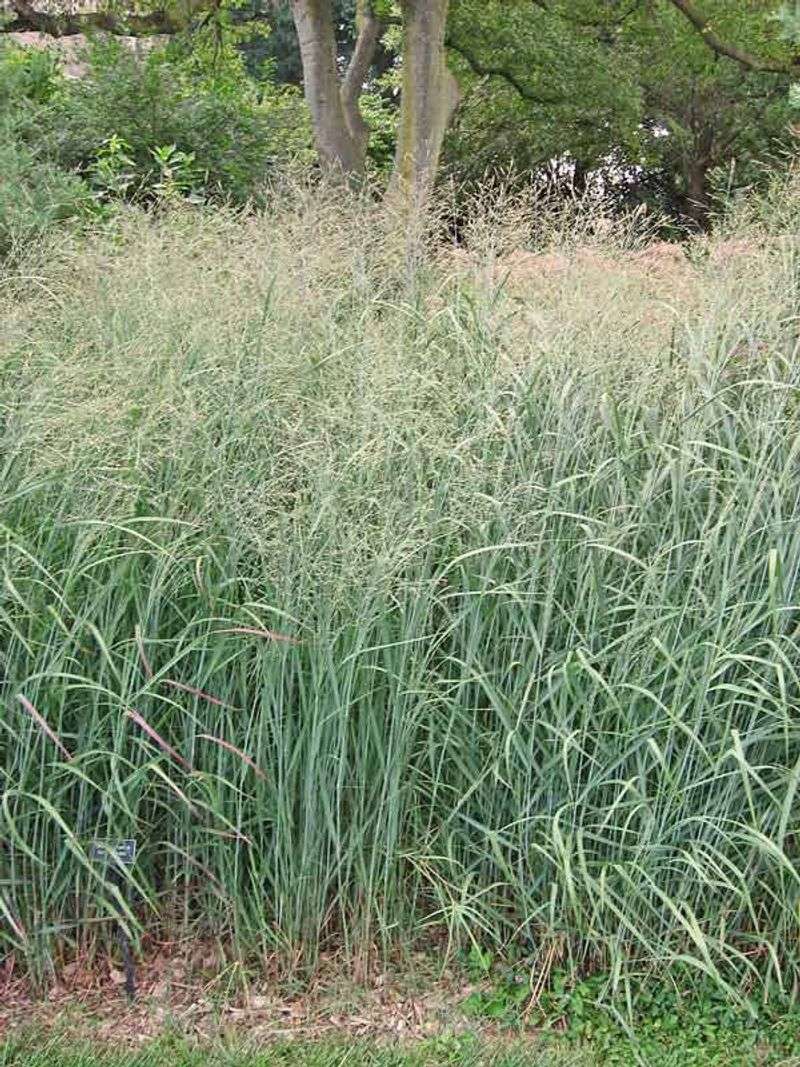
Switchgrass grows tall enough to matter. Fireflies spend most of their daylight hours resting low in vegetation, and a grass that reaches four to six feet gives them real options.
Switchgrass, known by its scientific name Panicum virgatum, is native to much of the eastern United States and grows well across Georgia’s varied soil types.
Unlike ornamental grasses brought in from other regions, switchgrass is already adapted to local rainfall patterns and summer heat.
It tends to establish with less fuss and holds up well after heavy storms without falling apart or getting waterlogged at the roots.
Fireflies look for spots where they feel protected from predators and drying heat. Switchgrass blades create that kind of layered shelter close to the soil.
Adults can rest in the middle stems while larvae stay lower near the ground.
Planting switchgrass along a fence line or at the back edge of a yard creates a soft wall of cover. Varieties like ‘Shenandoah’ or ‘Cloud Nine’ work well in home gardens and offer good height.
A row of three to five plants can begin offering useful cover within one growing season, though results may vary depending on planting time and local conditions.
2. Dense Growth Creates Sheltered Spots During The Day
Fireflies are not flying around all day. Most adults spend daylight hours tucked inside dense plant clumps, resting and staying cool.
Without that kind of shelter, they move on to yards that offer better cover.
Switchgrass grows in a bunching habit, meaning it forms tight clumps rather than spreading loosely. Those clumps create pockets of shade and humidity near ground level.
On a hot Georgia afternoon, those small cool spots can matter quite a bit to a resting firefly.
Spacing matters when planting for shelter. Placing switchgrass clumps about two to three feet apart allows them to grow full without crowding each other out.
Over time, the bases fill in and create connected zones of cover along a planting strip.
Mixing switchgrass with low-growing natives like wild ginger or native ferns adds another layer of ground-level shelter.
Fireflies are more likely to use a spot that offers both vertical cover from tall grass and low horizontal cover from shorter plants underneath.
Your Georgia Garden Changes Every Week. Your Plan Should Too.
Gardening in Georgia changes quickly throughout the season. Every Friday you’ll receive a simple weekly plan showing exactly what to plant, prune, fertilize, harvest, and protect so you never miss the right timing.
A yard with only mowed lawn offers almost no resting habitat for fireflies during the day. Even a small patch of dense switchgrass in a corner can shift that.
3. Moist Soil After Summer Rain Suits Firefly Habitat
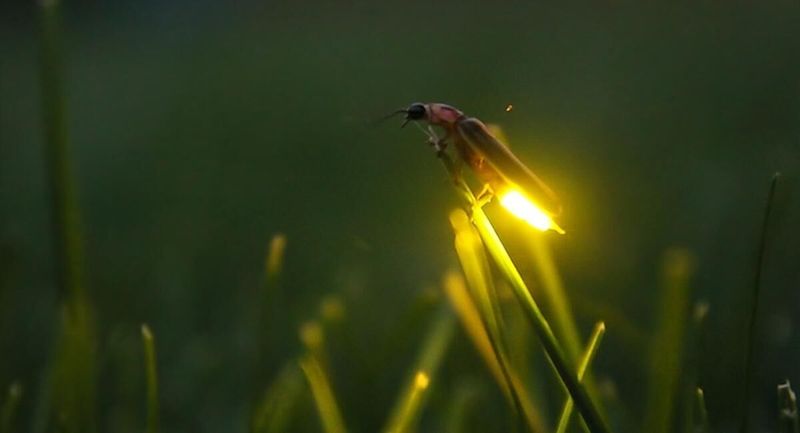
Wet soil after a summer storm is not just good for plants. Firefly larvae live underground and in moist leaf litter, and they need consistent soil moisture to survive and move around.
Dry, compacted soil is much harder for them to navigate.
Switchgrass handles wet conditions better than many ornamental grasses. Its root system is deep and fibrous, which means it holds soil in place during heavy rain while still allowing water to filter down.
After a storm, the area around a switchgrass planting tends to stay moist longer than bare ground or lawn grass areas.
Firefly larvae are predators of small invertebrates in the soil. Moist conditions support those invertebrate populations too, which gives larvae more to feed on while they develop underground.
A well-watered planting area can support the full firefly life cycle, not just the adults you see at night.
In Georgia’s humid summers, rainfall is usually frequent enough to keep native planting areas reasonably moist without extra irrigation.
That said, during dry stretches, a slow deep watering around the base of switchgrass can help maintain that moist soil environment larvae need.
Avoid letting the area around switchgrass bake dry between waterings.
4. Leaving Some Leaf Litter Gives Larvae Places To Hide
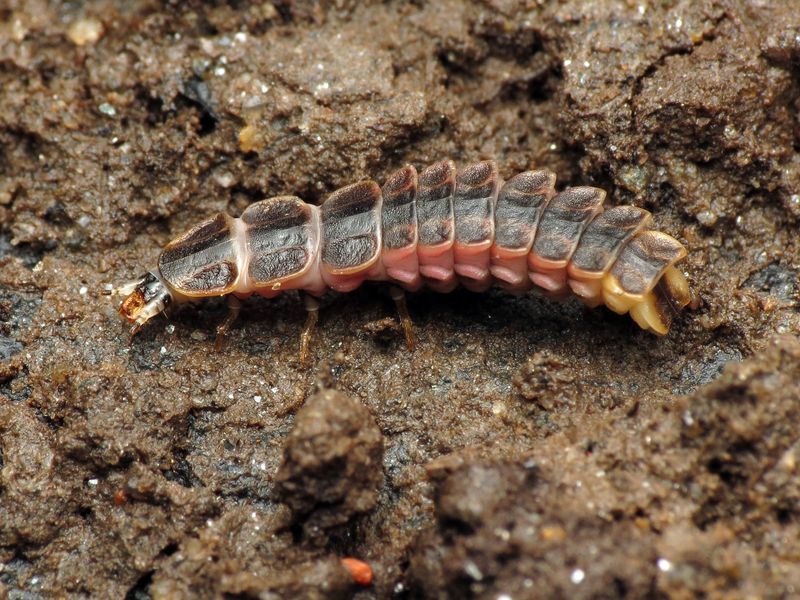
Raking everything up feels tidy, but firefly larvae need messy ground to survive. Leaf litter at the base of plants is where many larvae spend months developing before they ever become the flashing adults you see in summer.
Switchgrass naturally drops leaf material as the season progresses. Leaving that material in place, along with any fallen leaves from nearby trees, builds up a soft layer of organic matter that stays moist and cool.
Larvae move through this layer searching for small soil invertebrates to feed on.
You do not need a thick carpet of leaves everywhere. A two to three inch layer around the base of switchgrass clumps is enough to create useful habitat.
Concentrate the leaf litter in the planting zone rather than spreading it across the whole yard.
Avoid blowing or raking that base layer out each fall. Many firefly larvae overwinter in the soil and leaf litter, so disturbing it heavily during fall cleanup can reduce the number of adults that emerge the following summer.
Light, selective cleanup around the edges is fine.
A practical approach is to leave the area immediately around switchgrass undisturbed and manage the rest of the yard normally. That small compromise can make a real difference.
5. Skip Broad Insect Sprays Around The Planting Area
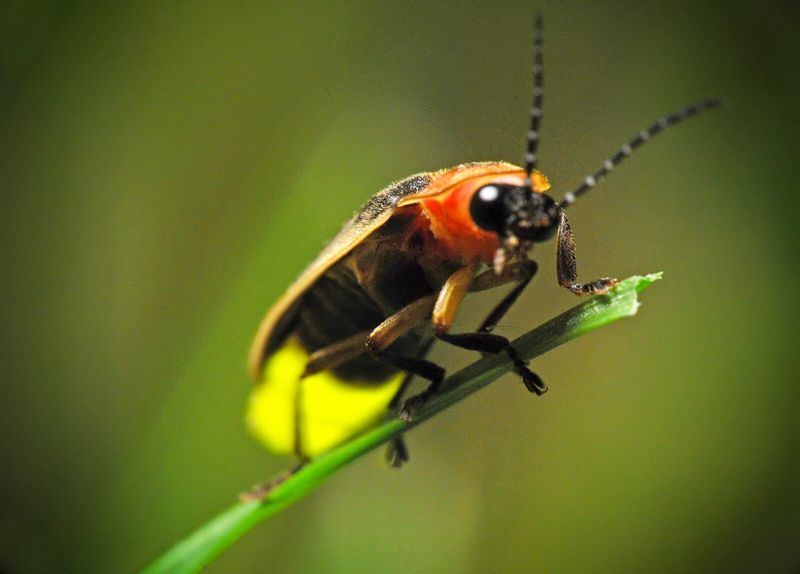
Spraying for mosquitoes or other insects around a switchgrass planting can set back firefly populations in ways that are not immediately obvious.
Broad-spectrum insecticides are not selective, meaning they affect many insects at once, not just the ones causing problems.
Firefly larvae live near the soil surface and in leaf litter. If a spray drifts or soaks into that zone, it can affect larvae that have been developing for months underground.
Adults flying through a recently treated area may also be exposed.
Mosquito fogging services, in particular, often cover large areas quickly. If you use one of these services, ask the provider to avoid treating near your native planting zones.
A buffer of even ten to fifteen feet around a switchgrass patch can help reduce exposure.
Spot treatments for specific pest problems are a more targeted option. Addressing a wasp nest or aphid cluster on a specific plant is very different from blanket spraying an entire yard.
Keeping pest management narrow and specific lowers the risk to non-target insects like fireflies.
Firefly populations in many parts of the eastern United States have declined over recent decades. Habitat loss and light pollution are often cited as major factors.
6. Less Mowing Leaves More Habitat Around The Grass
Mowing right up to the edge of a switchgrass planting removes some of the habitat value you just created. Fireflies use the transition zone between tall plants and open lawn as a signaling and hunting area at night.
Letting a buffer strip of two to three feet grow up around the base of switchgrass adds layered habitat without much extra work. Low native plants, clover, or even weedy volunteers that fill in naturally all contribute to a richer ground-level environment.
Mowing frequency also matters in the broader yard. Yards mowed very short and very often offer almost no resting or signaling habitat for fireflies.
Cutting back mowing frequency in sections of the yard, even slightly, can open up options for fireflies moving through the area at night.
A practical approach is to designate one section of the yard as a low-mow zone. It does not have to look neglected.
Neat edges along pathways or garden borders can make a relaxed interior planting look intentional rather than overgrown.
Fireflies signal from vegetation, not from bare ground or short turf. Adults need stems and blades to land on while they flash and wait for responses.
7. Darker Yards Make It Easier For Fireflies To Signal
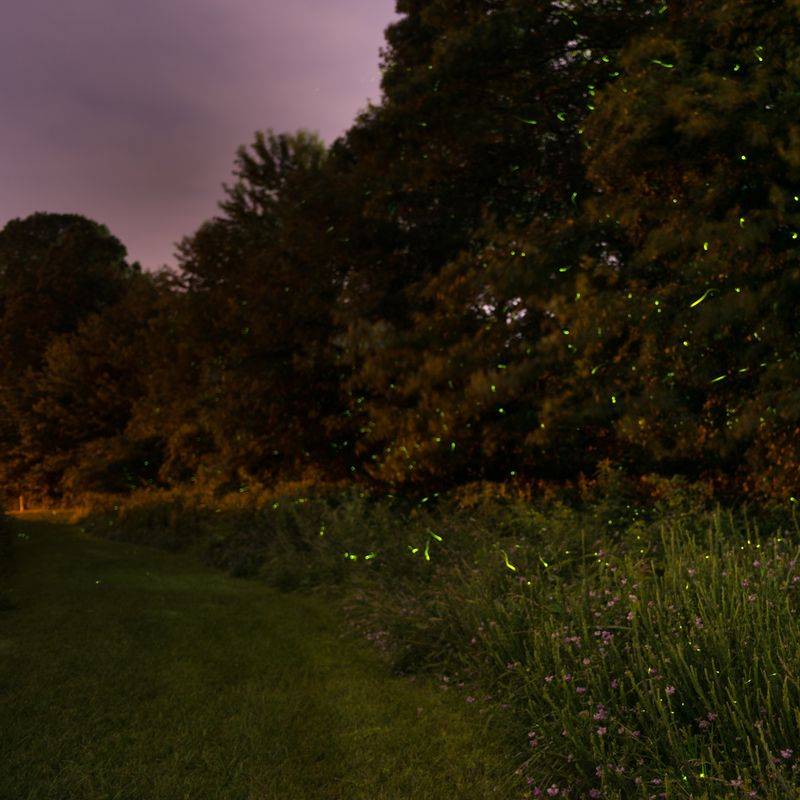
Artificial light is one of the quieter problems for fireflies. Their flash patterns are how males and females find each other.
Bright yard lights, porch floods, or string lights can wash out those signals and make communication harder.
Switchgrass and a good planting area will not help much if the yard is lit up all night.
Reducing outdoor lighting near a firefly habitat patch is one of the more impactful changes a homeowner can make. It costs nothing and takes almost no effort.
Motion-activated lights are a reasonable middle ground. They provide security lighting when needed but stay off during the long stretches of night when fireflies are most active.
Pointed downward, they also reduce light scatter into the surrounding vegetation.
Warm-toned bulbs, sometimes labeled as amber or yellow outdoor bulbs, produce less of the blue-spectrum light that tends to interfere most with insect behavior.
Swapping a bright white porch light for a warm amber version near your planting area is a small but practical adjustment.
Firefly signaling in Georgia typically peaks in June and July on warm, humid nights.
Keeping that part of the yard as dark as reasonably possible during those weeks gives the insects the best chance to find each other near your switchgrass planting.