What Those Pink Flowers Blooming Overnight In Illinois Are And Where They Come From
Pink appears along Illinois roadsides while you sleep. Nothing warned you this would happen overnight. Yesterday you saw bare gravel and dull green edges. Today you’re staring at a soft pink wall.
Somewhere overnight, seeds and roots decided to reveal themselves. Nobody planted these blooms, yet here they stand, thriving. Illinois hides botanical surprises in plain sight, waiting quietly.
Wild phlox, redbud, and stray ornamentals share this same trick. Some are native locals; others escaped gardens decades ago. Either way, you’re watching a transformation in real time.
Farmers notice it first, then commuters, then curious neighbors. Botanists call it bloom synchrony; you might just call it magic. Weather, soil moisture, and daylight hours work quietly behind the scenes.
Each bloom you spot carries a story rooted in migration and chance. Every petal hides a reason you haven’t considered yet. You won’t look at pink roadside flowers the same way again.
Wild Petunias Blooming In Soft Pink
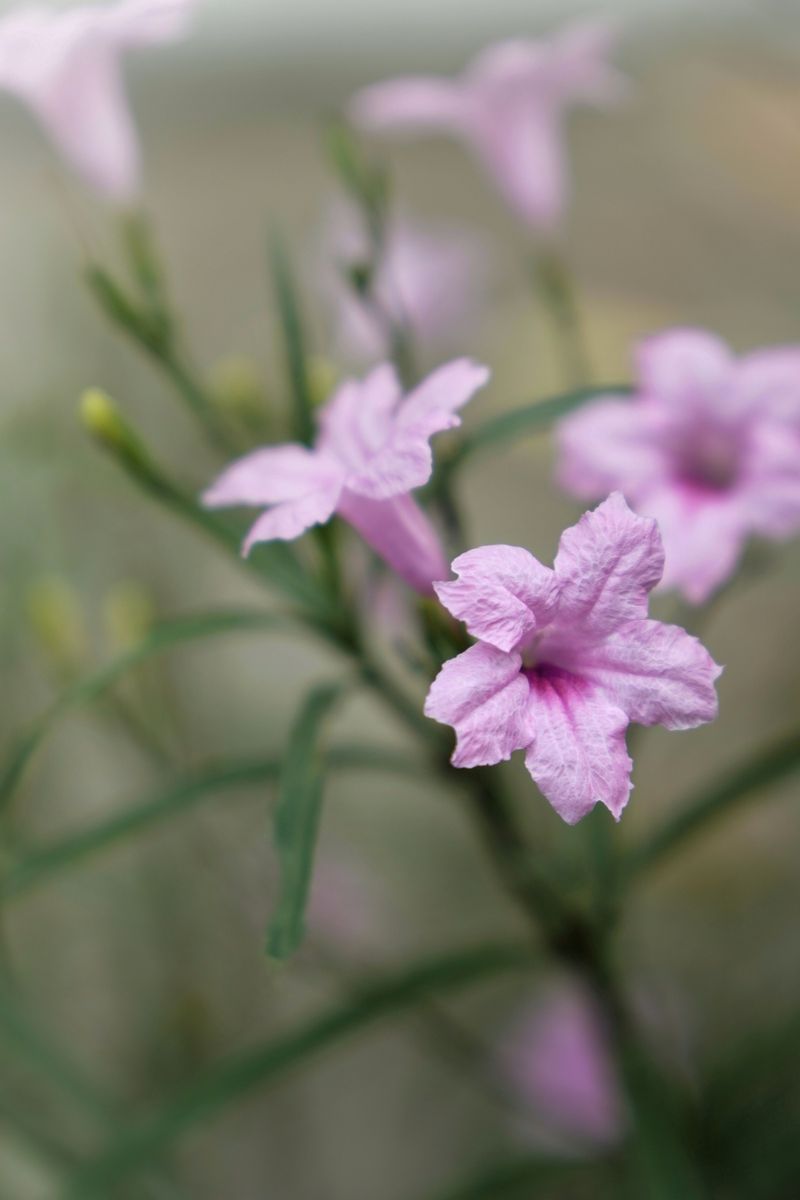
Surprise visits from wild petunias are one of summer’s best-kept secrets. These cheerful bloomers pop up almost overnight, turning roadsides and garden edges into soft pink tapestries.
Wild petunias, known scientifically as Ruellia humilis, are native to the central United States. They thrive in dry, open areas and love the warm, sunny summers that the Prairie State delivers every year.
Unlike their fancy cultivated cousins sold at garden centers, wild petunias ask for almost nothing. No extra watering, no rich soil, no coddling required from you at all.
Each bloom lasts only a single day, which is part of why they seem to appear overnight. New flowers open every morning, keeping the show going for weeks on end.
Pollinators absolutely love these plants. Bumblebees, butterflies, and hawk moths flock to the trumpet-shaped blossoms from sunrise to sunset without fail.
You’ll spot them growing in rocky soil, along fence lines, and at the edges of prairies throughout the state. They spread by seed and by short underground stems called rhizomes.
If you want what those pink flowers blooming overnight in Illinois are, wild petunias top the list. They’re scrappy, beautiful, and surprisingly tough little survivors.
Leaving a patch of wild petunias undisturbed is one of the easiest gifts you can give local pollinators. Let them bloom, and they’ll reward you all season long.
Evening Primrose Opening After Sunset
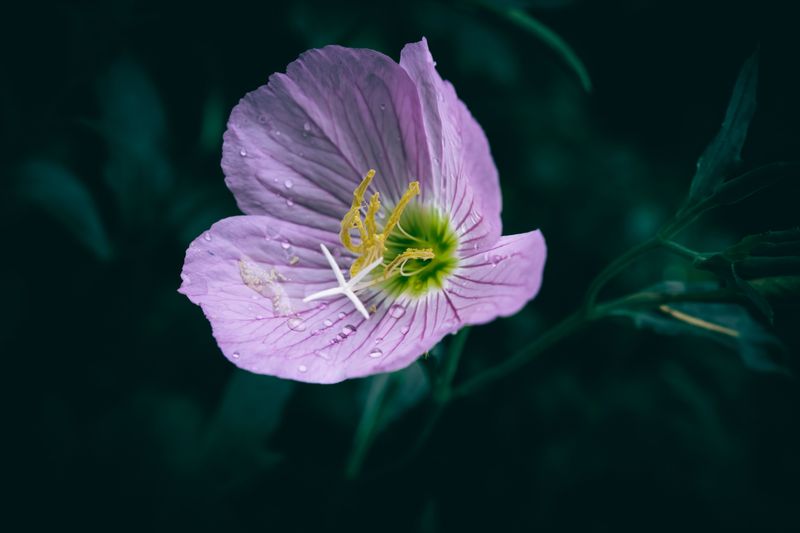
Few sights are as striking as watching evening primrose flowers open right before your eyes. These blooms unfurl quickly once conditions are right, often catching the morning light before fading by afternoon.
Evening primrose, or Oenothera speciosa, produces blooms that range from pale white to a rich, rosy pink. The pink variety is the one that tends to stop people in their tracks every summer.
These plants are native to the south-central United States but have naturalized widely across the Midwest. They spread enthusiastically through underground rhizomes and self-seeding, which explains their overnight appearances.
They prefer disturbed soils, which makes roadsides, vacant lots, and garden borders perfect real estate. Once established, a single plant can create a sprawling colony within just a few seasons.
Your Illinois Garden Changes Every Week. Your Plan Should Too.
Gardening in Illinois changes quickly throughout the season. Every Friday you’ll receive a simple weekly plan showing exactly what to plant, prune, fertilize, harvest, and protect so you never miss the right timing.
The blooms attract bees and butterflies during the day, with occasional visits from moths at dusk. By afternoon, the flowers often fade or close, making them seem even more brief and short-lived.
Gardeners either love or manage evening primrose carefully, depending on how much space they have available. In a wild meadow garden, it’s a showstopper. In a tidy flower bed, it can be a determined spreader.
Those pink flowers blooming overnight in Illinois are often this exact plant. Evening primrose is one of the most romantic and surprising wildflowers you’ll encounter on a warm summer walk.
Prairie Roses Spreading Along Fence Lines
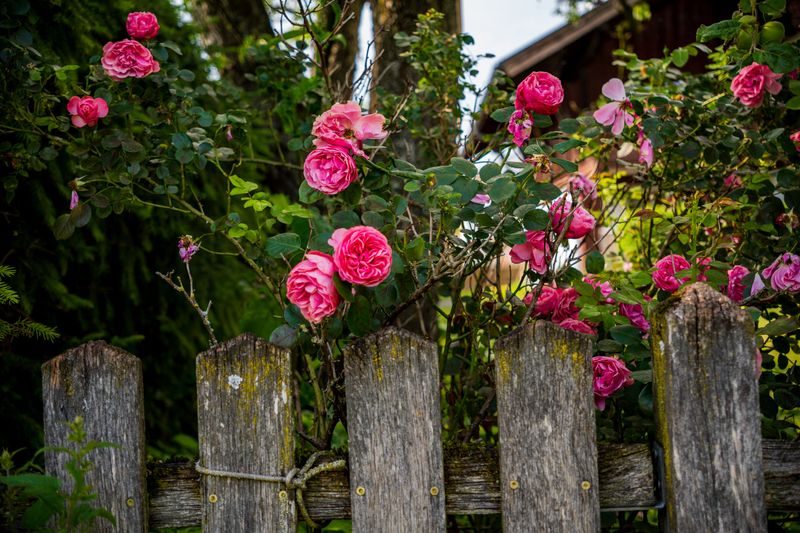
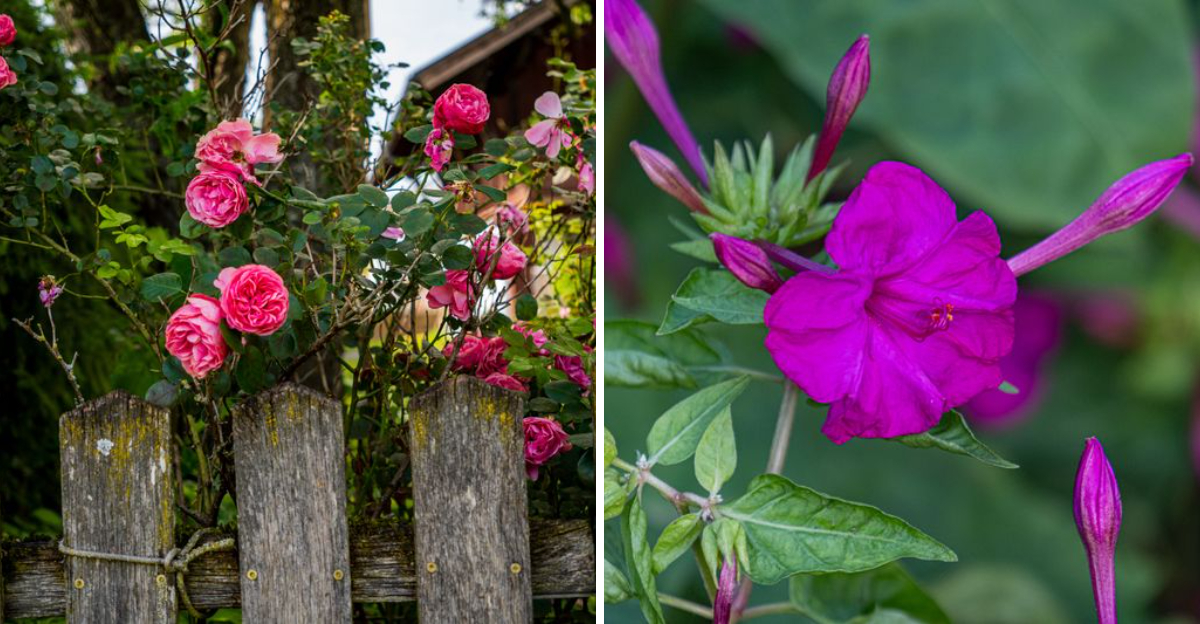
There’s something quietly picturesque about a fence line covered in soft pink roses. Prairie roses have been doing exactly that across the Midwest for thousands of years, long before anyone built a fence to climb.
Rosa blanda, the smooth rose, and Rosa carolina, the Carolina rose, are the two native species most commonly spotted in Illinois. Both produce clusters of five-petaled pink blooms that appear in late spring and early summer.
These roses are hardy and low-maintenance. They handle drought, poor soil, cold winters, and summer heat without complaint, spreading steadily through root suckers and bird-dispersed seeds.
Fence lines are their favorite territory because the disturbed soil and open sunlight create ideal growing conditions. A single plant can spread into a thick, thorny hedge over time.
Wildlife absolutely depends on prairie roses. Bees gather pollen from the open blooms, while birds feast on the bright red rose hips that form in fall and persist through winter.
If you spot what looks like a wild rosebush along a country road, chances are good you’re looking at a native prairie rose. The simple five-petal bloom is the giveaway, not the multi-petaled hybrid look.
Prairie roses are among the most iconic pink flowers blooming overnight in Illinois landscapes. Planting one near a fence or property edge is a low-effort way to bring native beauty home.
Once they settle in, these roses rarely need help. They simply bloom, feed wildlife, and make every fence line look like a painting.
Four O’Clocks Unfurling In Early Evening
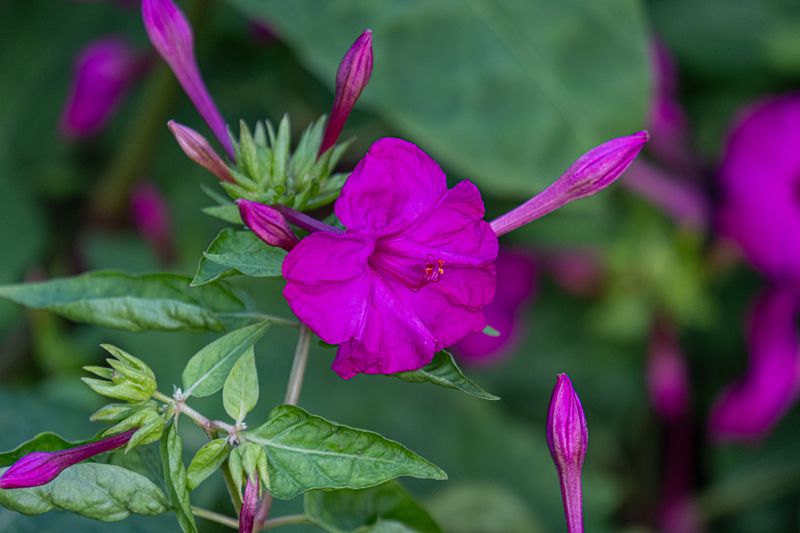
If you’ve ever noticed pink trumpets appearing right around dinnertime, you’ve met four o’clocks. These charming plants have a built-in clock, opening their blooms reliably between four and six in the evening.
Mirabilis jalapa originally comes from tropical South America, where it’s been cultivated for centuries. Spanish explorers are credited with bringing seeds back to Europe centuries ago.
Today, four o’clocks are naturalized across much of the United States, including the Midwest. They escape from gardens easily, reseeding themselves into nearby disturbed areas, roadsides, and sunny waste spaces.
The blooms come in a wild range of colors, including hot pink, magenta, white, yellow, and even striped combinations. The pink varieties are especially common and tend to stand out in low evening light.
Their fragrance is another signature feature. As the blooms open, they release a sweet, slightly spicy scent that carries surprisingly far on a warm summer breeze.
Sphinx moths and hummingbirds are the primary pollinators, drawn in by the tubular shape and evening timing. This nighttime pollination strategy is part of what makes four o’clocks so clever.
The seeds are large, dark, and wrinkled, almost like small, wrinkled pellets. They drop readily and sprout the following spring with almost no encouragement needed from a gardener.
Those pink flowers blooming overnight in Illinois near old gardens are often four o’clocks. Once you learn their schedule, you’ll start watching for them every evening like clockwork.
Native Prairie Remnants Across The State
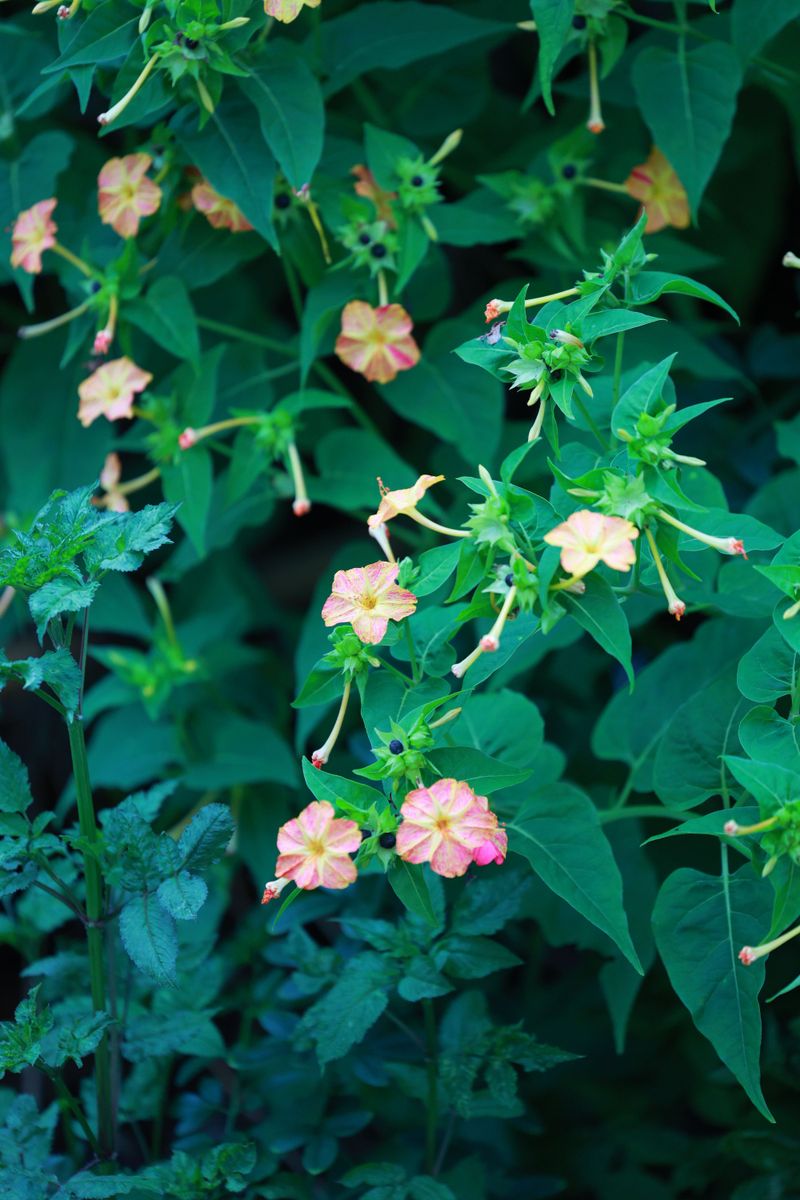
Prairie remnants across the state have shrunk dramatically since settlement, with only small isolated patches surviving today. What’s left is precious, and those surviving patches are often bursting with native pink bloomers that have grown here for millennia.
Prairie phlox, wild bergamot, purple coneflower, and prairie smoke all produce shades of pink and rose across native remnants. These plants bloom in waves from spring through late summer, creating a rolling, colorful show.
Native remnants survive in cemeteries, railroad rights-of-way, and protected nature preserves. These small patches act as seed banks, keeping rare native species alive in a landscape dominated by agriculture.
When conditions are right, after a good rain or a warm stretch of nights, native prairie plants can seem to bloom almost overnight. The transformation can happen remarkably fast after the right conditions.
Prairie phlox is one of the most striking of these sudden bloomers. Its clusters of five-petaled pink flowers appear in May and June, creating dense, fragrant patches in remnant grasslands.
Wild bergamot adds lavender-pink puffball blooms later in summer. Bees, butterflies, and hummingbirds swarm these flowers, making native remnants some of the most active wildlife habitats in the state.
Visiting a native prairie remnant in bloom is an experience unlike anything else. The scent, the color, and the sound of pollinators create something almost overwhelming in the best possible way.
Those pink flowers blooming overnight in Illinois are often rooted in this ancient prairie heritage. Protecting remnants means protecting the source of so much natural beauty.
Garden Escapees Spreading Into Wild Areas
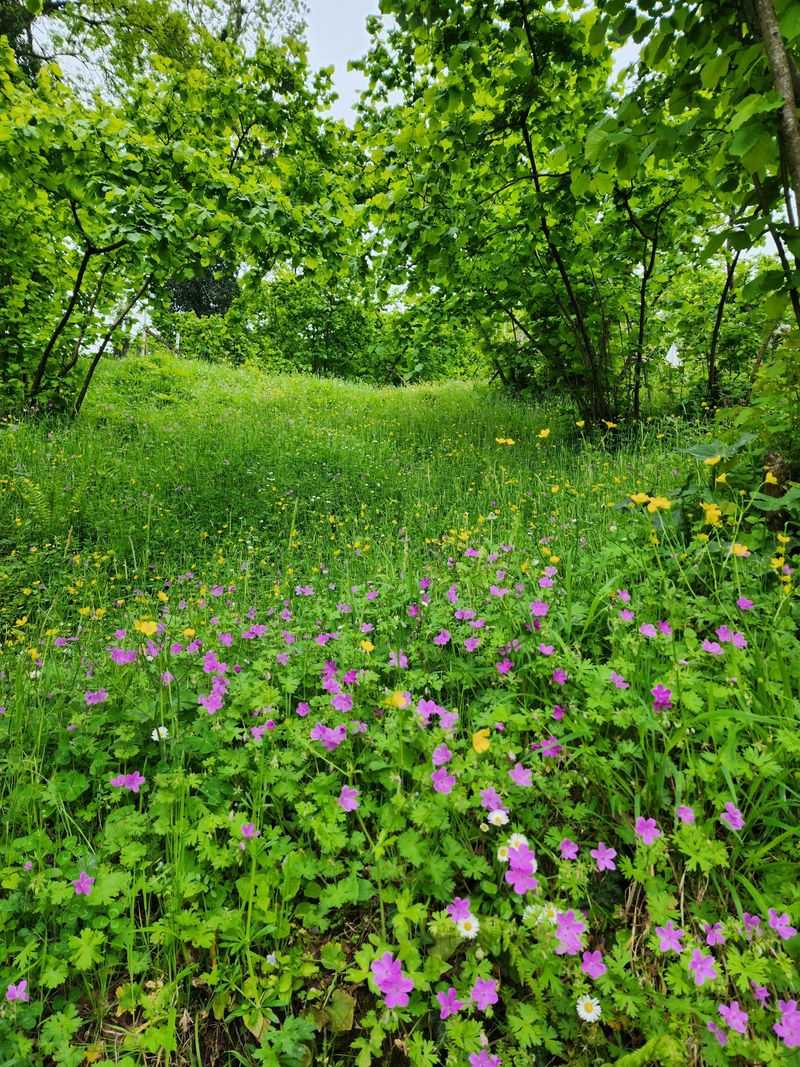
Not every pink flower blooming along a trail or roadside planned to be there. Garden escapees are a real and growing phenomenon, and some of the prettiest culprits are pink-flowered plants.
Dame’s rocket, Hesperis matronalis, is one of the most common offenders. It looks like phlox, smells amazing, and spreads aggressively from gardens into natural areas across the Midwest.
Soapwort, or Saponaria officinalis, is another garden plant that has spread widely beyond cultivation. Brought to North America by European settlers as a soap substitute, it now blooms in pink clusters along roadsides and stream banks.
These escapees often outcompete native plants for space and resources. Some of the loveliest pink blooms are also the most disruptive to the landscapes they’ve spread into.
The speed at which these plants spread is part of what makes them seem to bloom overnight. One plant produces hundreds of seeds, and wind, water, and animals move those seeds quickly.
Creeping phlox is another pretty pink offender that escapes rock gardens and slopes. Once it reaches a natural area, it can form dense mats that crowd out smaller native plants below.
Knowing what those pink flowers blooming overnight in Illinois actually are helps you make smart choices. If you recognize a garden escapee, you can remove it before it spreads further into wild spaces.
Beauty doesn’t always mean harmless. Some of the loveliest pink blooms are also the ones most likely to crowd out native species nearby.
Roadside Seed Mixes Planted For Erosion Control
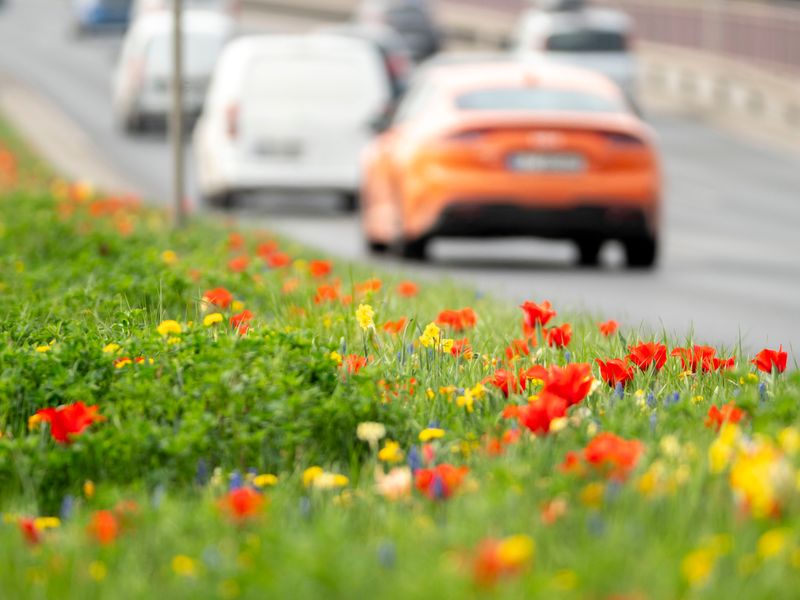
That burst of pink along the highway isn’t always wild. State and county agencies regularly plant wildflower seed mixes along roadsides to control erosion and reduce mowing costs.
These mixes often include pink cosmos, crimson clover, crown vetch, and native coneflowers. The result is a colorful, fast-growing strip of blooms that appears to spring up almost overnight after a good rain.
Crown vetch, Coronilla varia, is one of the most recognizable roadside bloomers. Its clusters of small pink and white flowers cover slopes in early summer, forming a dense, sprawling ground cover.
Originally from Europe and Asia, crown vetch was widely planted for erosion control starting in the mid-20th century. It works extremely well at holding soil, but it’s also highly aggressive and hard to remove once established.
Pink cosmos are another frequent mix ingredient. Feathery-leaved and fast-growing, cosmos produce large, cheerful blooms from midsummer through frost, bringing color to otherwise dull roadsides.
Crimson clover adds deep pink-red spikes to the mix and provides nitrogen to poor roadside soils. Bees adore it, making clover-heavy roadsides some of the most active pollinator spots you’ll pass on a summer drive.
These seed mixes are intentional, but they still create that magical overnight bloom effect after a warm rain. Suddenly a bare slope is covered in color, and drivers slow down to look.
Those pink flowers blooming overnight in Illinois along highways often trace back to a bag of seeds and a government erosion plan. Nature and infrastructure can produce surprisingly beautiful results together.
Bird-Dropped Seeds From Nearby Yards
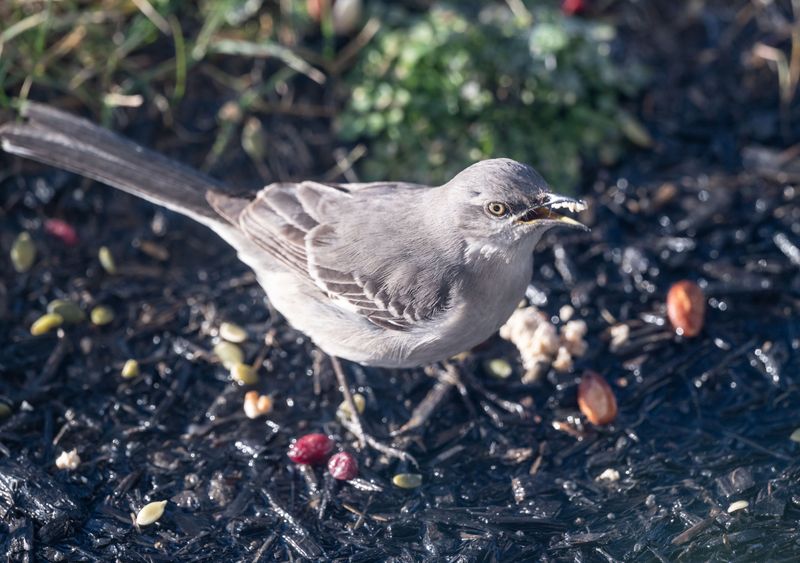
Birds are some of the most efficient, if unintentional, gardeners on the planet. Every day, they carry seeds from one yard to the next, planting pink flowers in places no human planned.
Cedar waxwings, robins, and mockingbirds are especially prolific seed spreaders. They eat berries and fruits from ornamental plants, then deposit the seeds elsewhere through their droppings during flight.
Multiflora rose is a prime example of bird-spread pink flowering. Originally planted as a living fence, birds distributed its seeds so widely that it now grows in nearly every county across the state.
Multiflora rose blooms in clusters of small white flowers, occasionally tinged pale pink, in late spring. It’s technically invasive, but birds continue to spread it because the red hips are a reliable winter food source.
Native roses, elderberries, and even garden phlox travel the same way. A bird lands in your neighbor’s yard, eats a seed-bearing fruit, and deposits it in your garden bed days later.
This process explains why pink flowers seem to appear overnight in random spots with no obvious source nearby. A bird passed through, and that was enough to start a new plant.
Watching where birds perch and rest gives you clues about where new plants might emerge next season. Fence posts, power lines, and tree branches are prime seed-dropping locations.
Those pink flowers blooming overnight in Illinois often have a feathered partner to thank. Birds and plants have been working this partnership for millions of years, and your yard is just part of their route.