Ohio Lawns With This Grub Pattern Get Moles By September – Here’s The Connection
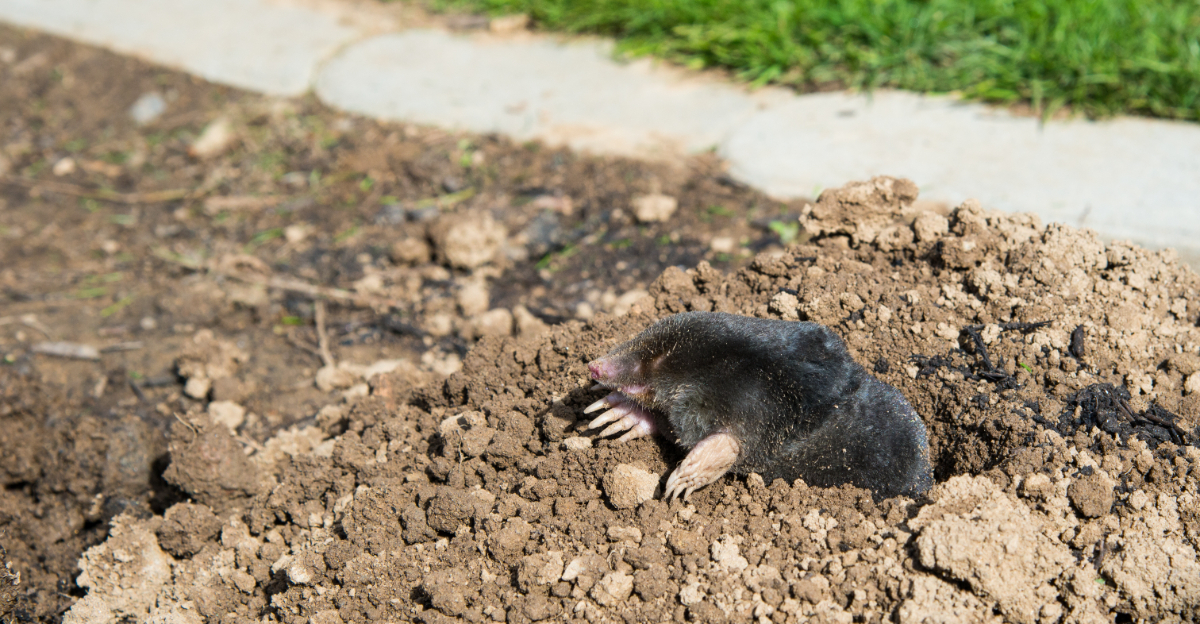
Moles do not arrive randomly in September. They follow a trail that was laid months earlier, in the soil, by a grub population building through summer in a pattern that makes certain Ohio lawns impossible for a mole to pass up.
The connection between what is happening underground right now and what shows up on the surface in September is more direct than most Ohio homeowners realize. A specific grub distribution pattern turns a lawn into a guaranteed destination.
The moles are simply following the map the lawn drew for them. Recognizing that pattern before September arrives changes the conversation entirely.
It shifts from damage control after the tunnels appear to prevention before the moles ever commit to the yard. The window for that shift is August.
The grub activity driving September mole pressure is already underway. What the lawn looks like underground right now is worth understanding before the surface starts showing what it contains.
1. August Grubs Gather Where Turf Roots Offer Easy Feeding
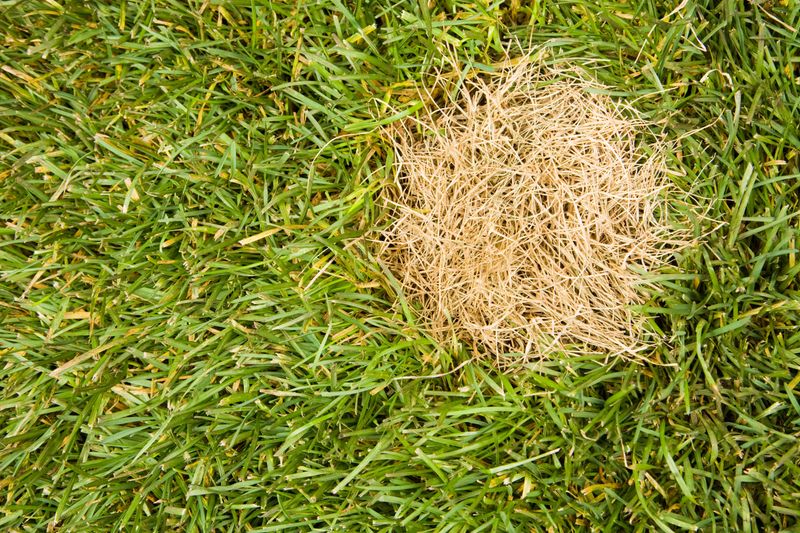
Late summer is a busy time beneath Ohio lawns. Several scarab beetle species lay eggs in turf during early to mid-summer, and those eggs hatch into tiny larvae as August arrives.
Japanese beetles, masked chafers, and Oriental beetles are among the common Ohio species that can produce damaging white grub populations.
Young grubs begin feeding on turf roots almost immediately after hatching. At this early stage, they are small but active, working through the upper few inches of soil.
Their feeding is concentrated near the root zone because that is where their food supply is located.
Soil moisture plays a real role in early grub survival. Eggs and newly hatched larvae are vulnerable to dry conditions.
Lawns that received adequate rainfall or irrigation during egg-laying and hatching may support higher grub survival rates. Dry soils can stress young larvae before they establish.
August is considered a key scouting period in Ohio because larvae are still small and close to the surface. Not every grub species follows the same schedule, so timing can vary slightly.
Checking turf during this window gives homeowners the best chance of catching a problem before it worsens.
2. Irregular Brown Patches Can Reveal Trouble Below The Grass
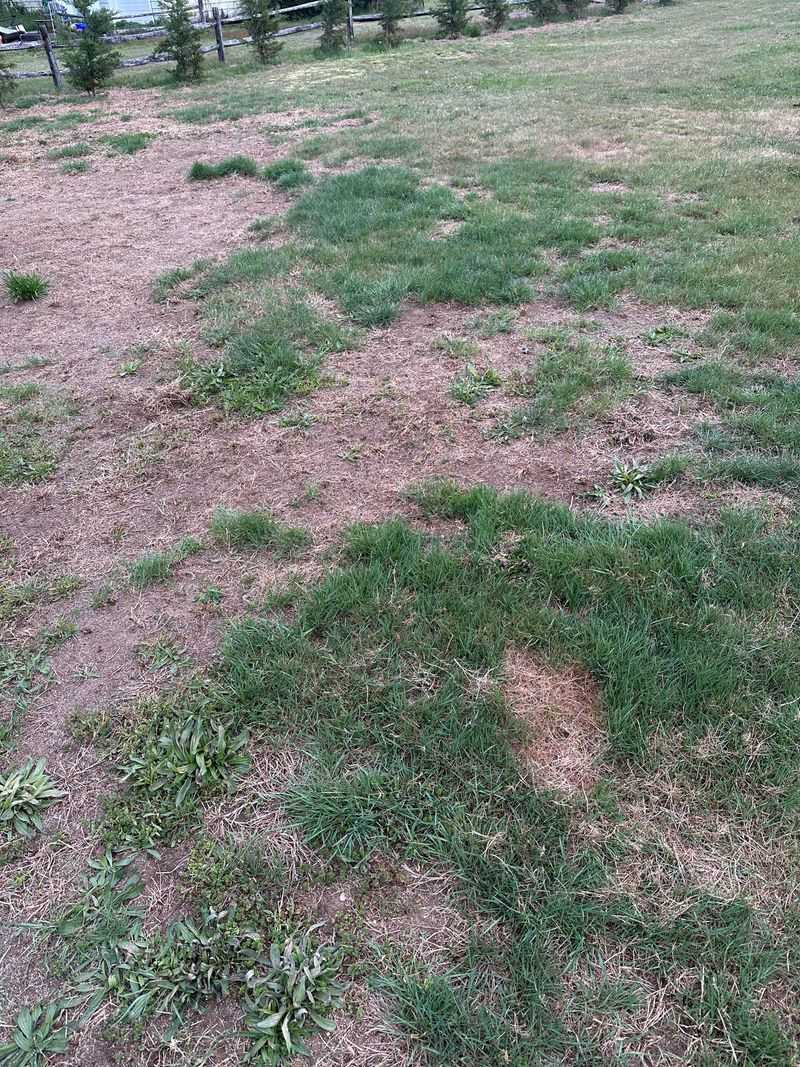
Brown patches appearing in late summer can make any homeowner nervous. Grub feeding on turf roots reduces the plant’s ability to take up water and nutrients.
As roots are damaged, grass may thin, wilt, or turn brown in scattered, uneven shapes across the lawn.
Here is the tricky part: those same symptoms can be caused by drought stress, heat, fungal disease, or other insects like sod webworms. A dry August can produce brown patches that look almost identical to grub injury.
Rushing to treat without inspecting can lead to wasted money and unnecessary chemical applications.
Brown areas often become more obvious during dry weather because stressed turf with reduced root systems cannot access deep soil moisture. Healthy grass nearby may stay green while damaged areas fade quickly.
The shape of the damage does not need to be perfectly circular or neatly defined.
Your Ohio Garden Changes Every Week. Your Plan Should Too.
Gardening in Ohio changes quickly throughout the season. Every Friday you’ll receive a simple weekly plan showing exactly what to plant, prune, fertilize, harvest, and protect so you never miss the right timing.
Visual symptoms are a starting point, not a diagnosis. Pulling back a small section of turf and checking the soil is the only reliable way to separate grub damage from other causes.
Inspect the soil before choosing any course of action, because the treatment for grubs differs from the treatment for drought or disease.
3. Sod That Peels Back Easily Points To Damaged Roots
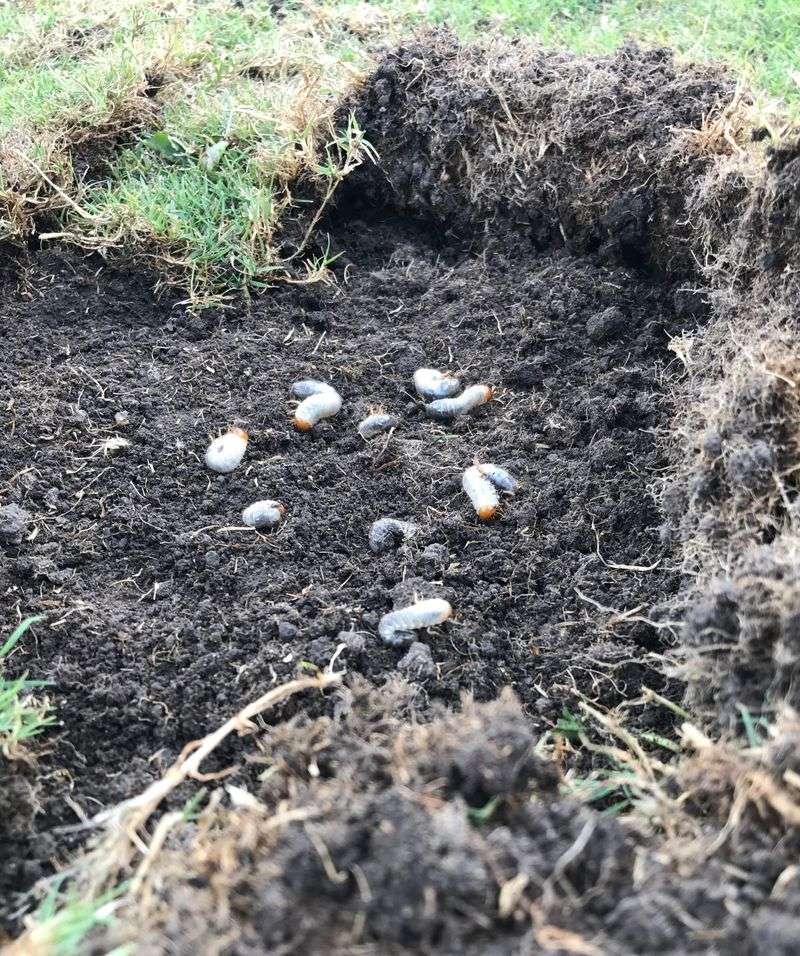
A lawn with heavy grub feeding sometimes behaves like a loose carpet. When roots have been eaten away, the turf loses its anchor in the soil.
You can test this by gripping a small section of grass at the edge of a suspicious area and lifting gently.
If the turf peels back more easily than expected, that is a sign worth investigating further. Healthy lawn resists lifting because roots run deep and grip the soil firmly.
Reduced root systems simply cannot hold the turf in place the same way.
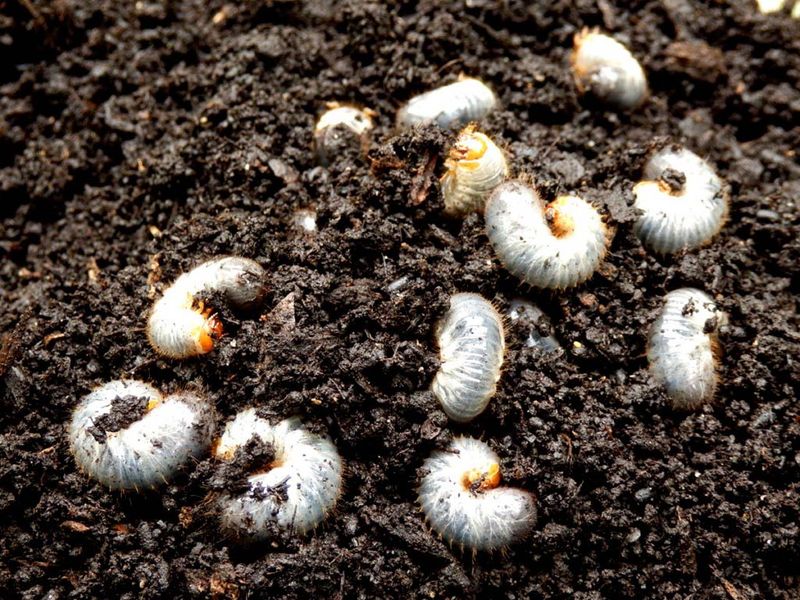
Beneath the lifted section, look for pale, C-shaped larvae with brownish heads. Those are white grubs.
They tend to curl into a C shape when disturbed, which makes them fairly easy to recognize. Grub identification can matter because different species respond differently to management options.
Finding a grub or two does not automatically mean treatment is needed. Ohio State University Extension guidance suggests that damaging annual white grub populations are generally around 10 or more grubs per square foot.
However, the threshold can vary by species and turf conditions. Check current extension resources before deciding on a course of action.
Treating based on a single grub wastes resources and may not protect the lawn.
4. Moist Soil Keeps Grubs And Earthworms Within Mole Range
Soil conditions shape where underground creatures spend their time. Moles are known to forage most actively in loose, moist soils because that is where earthworms and soil insects tend to gather.
Firm, dry, compacted soil makes digging harder and prey scarcer.
Earthworms need moisture to survive near the surface. When soils dry out, earthworms move deeper to find better conditions.
Young white grubs also respond to soil moisture. In suitable conditions, they remain close to the root zone where feeding is easiest.
During dry spells, some larvae may move deeper to escape the heat.
Lawns that stay well-irrigated through summer can support higher populations of both earthworms and grubs near the surface. That combination can make irrigated turf more attractive foraging territory for moles.
Stopping irrigation entirely is not the answer, because turf health depends on appropriate watering.
The shared underground habitat is the key idea here. Grubs, earthworms, and moles all interact with soil moisture in overlapping ways.
A moist lawn during late summer may simply offer more accessible prey at a shallow depth. Understanding that connection helps homeowners see why both problems can show up in the same yard without one directly causing the other.
5. Moles Follow Underground Food Rather Than Brown Grass
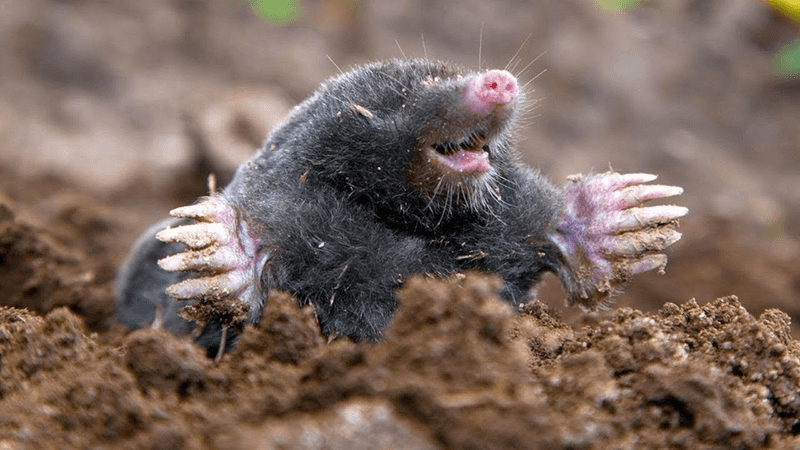
Moles are insectivores, not herbivores. They have no interest in eating grass or plant roots.
They move through soil in search of earthworms, grubs, beetle larvae, and other small invertebrates. Brown turf does not attract them; food beneath the soil does.
Surface tunnels form when moles forage just below the ground. They push soil upward as they travel, leaving raised ridges or volcano-shaped mounds behind.
These tunnels can appear almost overnight, especially after rain softens the soil and prey becomes more accessible near the surface.
Mole damage is sometimes confused with vole damage. Voles create surface runways through grass and can chew plant roots and stems.
Moles create raised ridges or deeper tunnels and do not chew vegetation. Telling the two apart helps homeowners choose the right response.
Brown patches and mole tunnels can appear in the same lawn area because both grub feeding and mole foraging happen underground. That overlap can look like a clear cause-and-effect story.
A lawn with high grub numbers offers one source of food for moles, but earthworms and other invertebrates are often just as important. Correlation between the two problems does not prove that grubs brought the moles to that specific spot.
6. September Tunnels Can Coincide With Peak Grub Activity
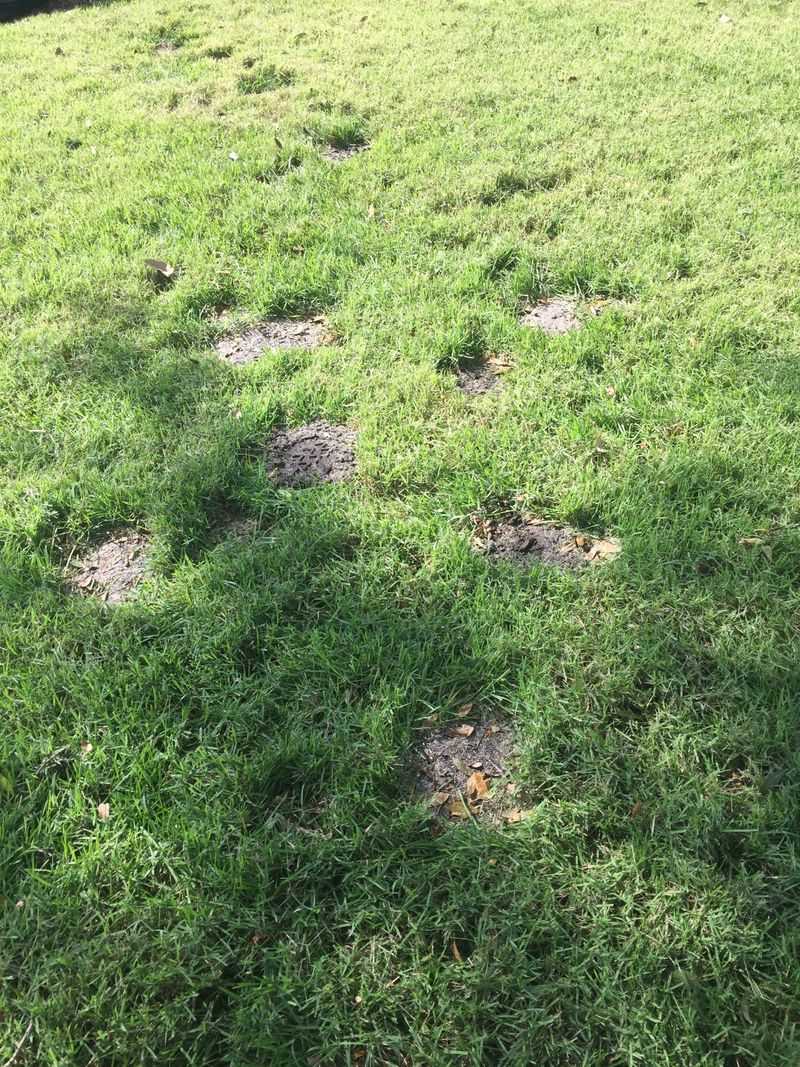
Late summer and early fall bring two things together in Ohio yards: growing grub larvae and active mole foraging. Grubs that hatched in July and August have been feeding steadily through August.
By early September, they are larger and more detectable during a soil inspection.
Ohio State University Extension recommends late July through August as the primary grub-scouting window. Early September can still be useful for assessing populations before the larvae move deeper for winter.
Larger larvae cause more root damage per individual grub, so catching them early matters.
Mole activity can shift with soil moisture and prey availability. Cooler September temperatures and fall rains can bring earthworms back toward the surface.
That shift can make shallow foraging more rewarding for moles, which may explain why tunnels seem to multiply in early fall.
September is not guaranteed to be the peak month for every lawn or every year. Weather patterns vary across Ohio, and timing shifts from season to season.
Words like “can” and “may” matter here because no two yards follow the exact same script. Homeowners who notice tunnels in September should check for grubs but should not assume grubs are the only reason moles are present in the yard.
7. Removing Grubs Alone May Not Make The Moles Leave
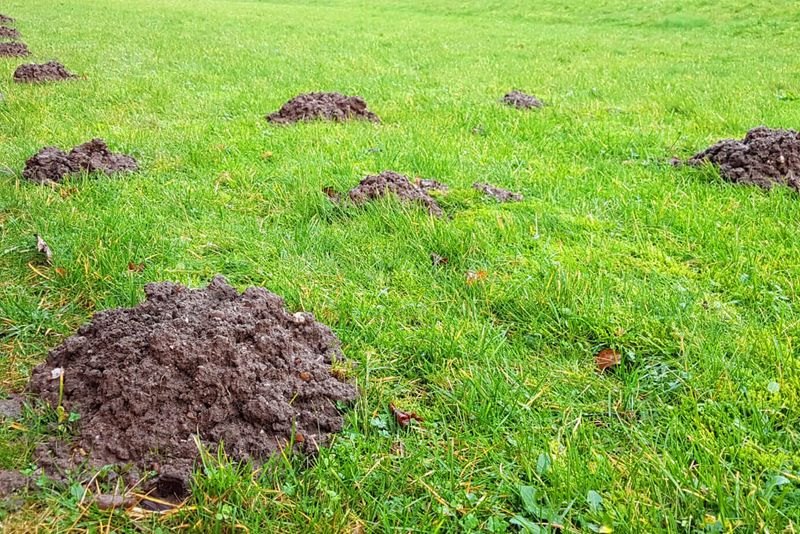
Many homeowners assume that treating for grubs will send moles packing. That assumption skips over a big piece of the picture.
Earthworms are a primary food source for moles, and a healthy lawn full of earthworms can keep moles foraging even after grub populations drop.
Treating a lawn with insecticide to remove earthworms is not a recommended strategy. Earthworms improve soil structure, drainage, and organic matter breakdown.
Targeting them to discourage moles would create more lawn problems than it solves.
Grub management should be based on confirmed damaging grub populations, not on the presence of a mole tunnel. Ohio extension guidance places the general treatment threshold for annual white grubs around 10 per square foot, though this can vary.
Treating below threshold wastes product and can disrupt beneficial insects.
Pesticide timing is also critical. Products work best when applied to young, actively feeding larvae near the surface.
Treating too late in the season, after larvae have grown large and moved deeper, reduces effectiveness significantly. Always follow current product labels and consult Ohio State University Extension guidance for timing.
A mole problem and a grub problem may need separate, targeted responses rather than one blanket treatment.
8. Check Beneath The Turf Before Treating Either Problem
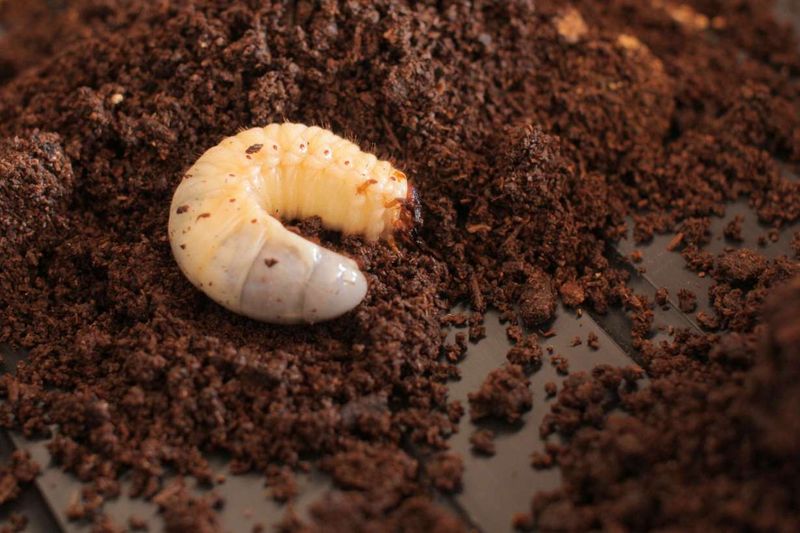
A smart diagnostic approach starts with choosing several suspicious spots rather than one random location. Select areas where brown patches are most noticeable or where turf feels soft underfoot.
Cut a one-square-foot section of turf about three inches deep and flip it over to examine the soil.
Count any grubs you find and check whether tunnels nearby are still active. A fresh mole tunnel will collapse when pressed and show new soil movement within a day or two.
An old tunnel stays flat when pressed and shows no fresh activity. Treating an abandoned tunnel makes no sense.
Ohio’s general treatment threshold for annual white grubs is around 10 per square foot for most turf situations. Verify current extension recommendations before taking action.
Species, turf type, and local conditions can all influence whether treatment is warranted. One or two grubs in a healthy lawn rarely justify chemical application.
Integrated management works best when decisions are based on confirmed evidence. Abundant underground prey can influence where moles forage, and a lawn with high grub numbers may offer additional food.
But the lawn needs a real inspection before grubs get the blame. Treat confirmed problems with appropriate, well-timed methods and follow current label directions every time.