Your Ohio Tomatoes Won’t Survive The Weekend Heat Without This
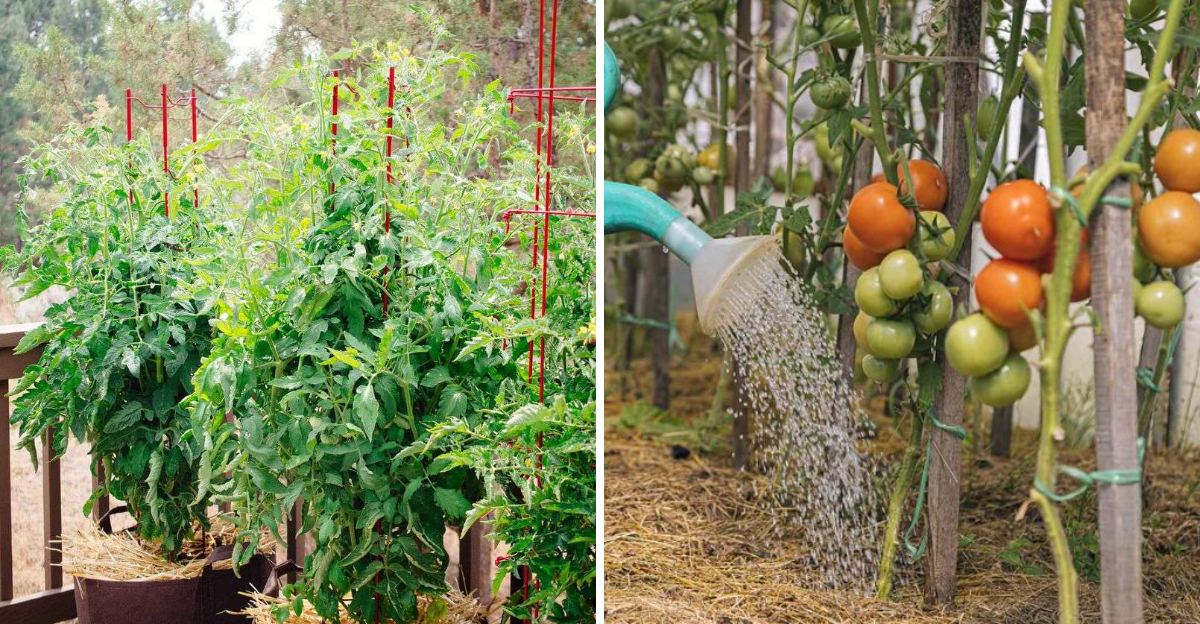
A heat spike arriving over an Ohio weekend does not negotiate with tomato plants. By Saturday afternoon the stress is visible.
By Sunday evening some plants have already crossed a threshold that the rest of the season will be spent recovering from, if recovery happens at all. Ohio tomatoes in late summer are not running the same reserves they had in June.
The root system has been working hard through a full season. The heat tolerance that carried plants through July has limits, and a concentrated weekend spike tests those limits in ways that weekday heat rarely does.
What tomatoes need going into a heat advisory weekend is specific. Not just water, not just shade.
A targeted set of interventions that address what the plant is actually facing rather than what feels most obvious when the forecast looks alarming. The weekend is coming.
The tomatoes are already deciding whether they make it through.
1. Deep Watering Gives Roots A Reserve Before The Heat Peaks
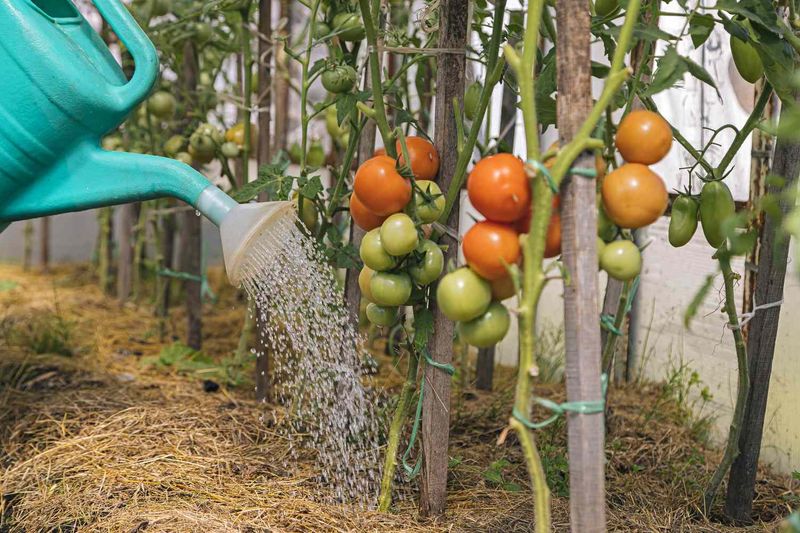
Entering a hot spell with dry soil puts your tomatoes at an immediate disadvantage. Roots need moisture already available in the soil before extreme heat arrives.
Waiting until plants show severe stress means the root zone may already be running low.
Tomato roots can spread widely and reach down considerably into the soil. The goal of deep watering is to moisten the active root zone, not just the top inch or two of surface soil.
Wetting only the surface can leave the deeper roots without a reliable reserve.
Soil type matters a lot here. Clay soil holds water longer but takes time to absorb it.
Sandy soil drains quickly and may need more frequent attention. Loam sits in between and is generally easier to manage during hot stretches.
Before you water, push a finger or a thin trowel several inches into the soil. If the soil already feels moist at that depth, adding more water is unnecessary and can cause its own problems.
Waterlogged soil limits oxygen to roots, which harms plants just as much as dryness.
Water slowly and steadily near the base of each plant. This gives the moisture time to move downward rather than running off the surface.
A deep, thorough session done before the heat peaks gives roots a buffer to draw from as temperatures climb.
2. Shallow Sprinkling Leaves Tomatoes Vulnerable By Afternoon
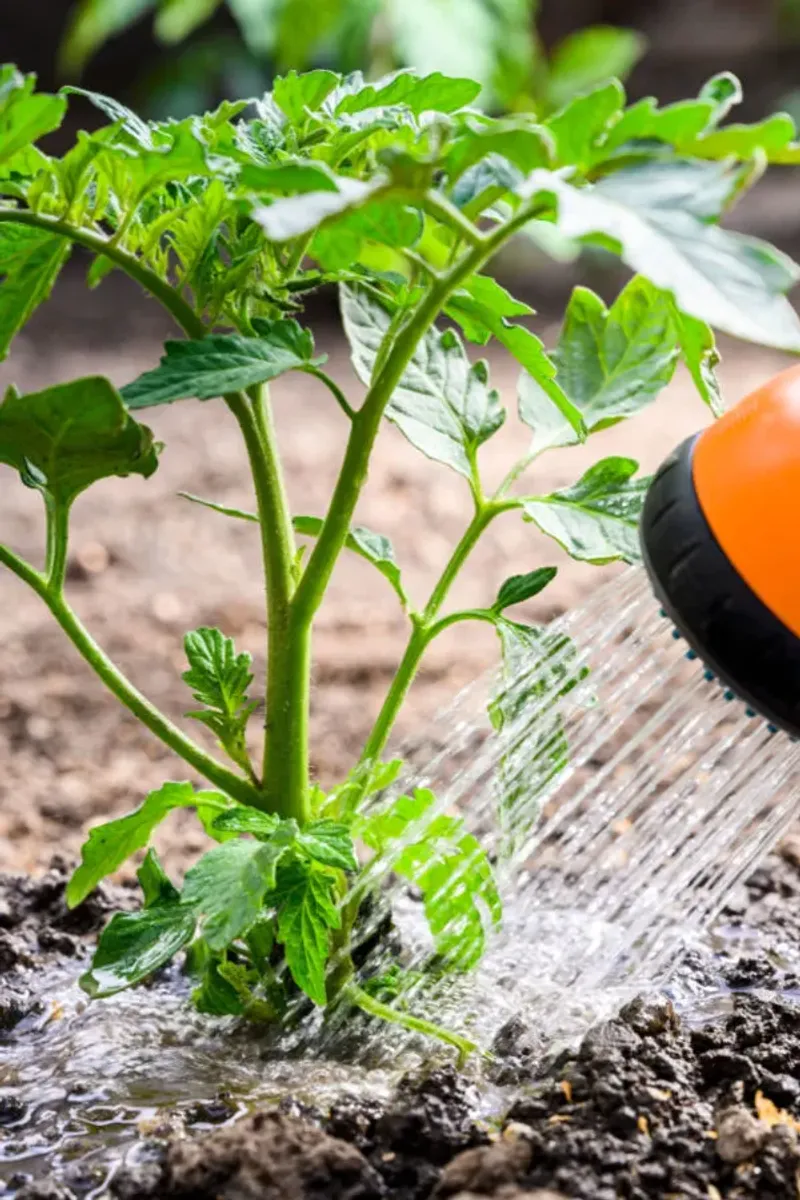
Repeatedly wetting only the top layer of soil may feel productive, but it rarely delivers enough moisture to a mature tomato’s root system. A large plant has roots spreading well beyond the stem and reaching several inches down.
Surface-level wetting simply does not reach most of that zone.
The problem is not necessarily the equipment you use. Overhead sprinklers can water deeply if they run long enough and the soil absorbs the water before it runs off.
The real issue is inadequate penetration, regardless of how you apply the water.
Soil-directed irrigation, such as soaker hoses or drip lines, tends to place water right where it counts. Keeping water near the soil surface rather than spraying foliage also reduces the amount of time leaves stay wet.
Your Ohio Garden Changes Every Week. Your Plan Should Too.
Gardening in Ohio changes quickly throughout the season. Every Friday you’ll receive a simple weekly plan showing exactly what to plant, prune, fertilize, harvest, and protect so you never miss the right timing.
Prolonged wet foliage can create conditions that favor certain fungal diseases, which is worth keeping in mind during humid Ohio summers.
A brief supplemental watering that still penetrates the soil adequately is not the same as a shallow sprinkle that only wets the top inch. Depth and distribution matter more than the number of minutes you run the hose.
After watering, check several inches down to see how far the moisture actually traveled. That simple check tells you far more than watching the surface.
Adjust your approach based on what you find below ground, not what you see on top.
3. Morning Watering Sends Moisture Where Plants Need It Most
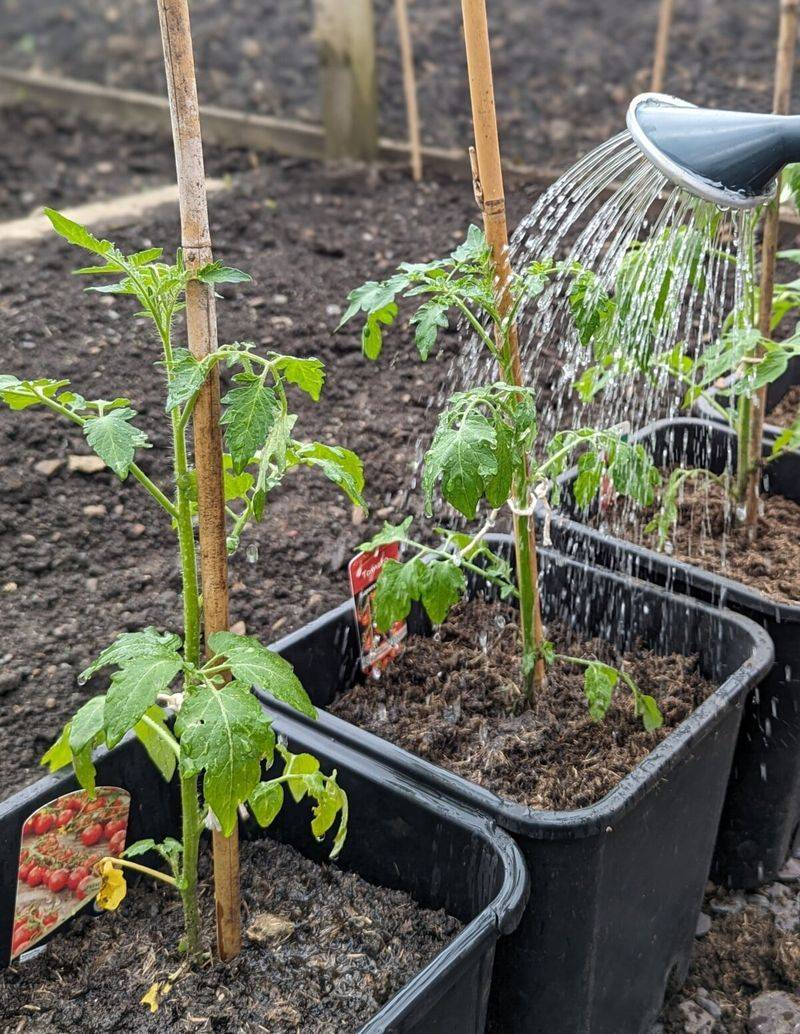
Early morning is a practical time to water tomatoes during hot weather. Temperatures are lower, which means less moisture evaporates before it can soak into the soil.
Plants also head into the heat of the day with their root zone already refreshed.
Soil-directed watering matters more than simply watching the clock. Drip irrigation, soaker hoses, or careful hand watering near the base of each plant all deliver moisture efficiently.
These methods keep foliage drier than overhead sprinklers, which is a reasonable advantage during warm, humid conditions.
If a plant is clearly struggling with moisture stress during dangerous afternoon heat, withholding water until the next morning is not the right call. A plant showing genuine distress needs attention, and waiting many hours can make the situation worse.
Use judgment based on what the plant and soil are telling you.
Morning watering does reduce evaporative loss compared with watering during the hottest part of the afternoon. That efficiency means more of what you apply actually reaches the roots.
It also gives any moisture on leaves time to dry before nightfall, which is a practical benefit in humid Ohio summers.
Aim to complete watering before the sun climbs high. Doing it consistently during a heat stretch helps you stay ahead of soil-moisture deficits.
It also prevents you from scrambling to catch up after the plants have already shown stress.
4. Dry Soil Can Trigger Wilt Before The Weekend Is Over
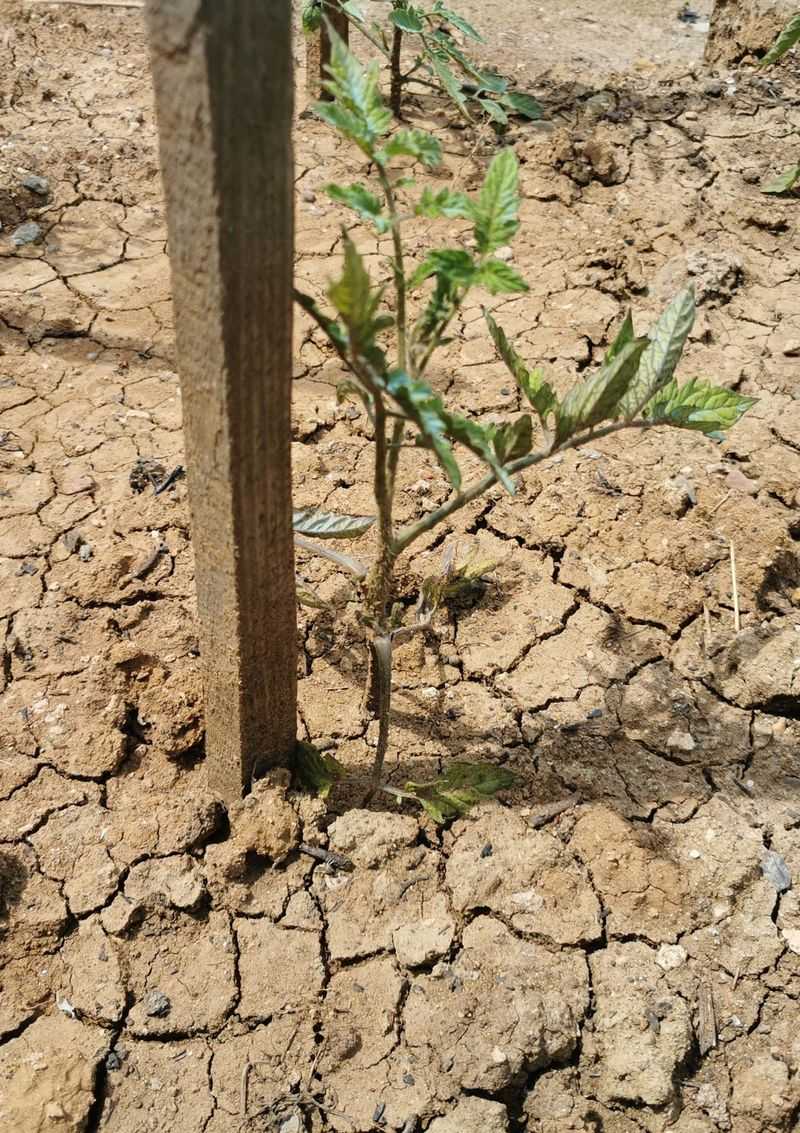
Wilting happens when roots cannot replace moisture as fast as leaves lose it through transpiration. On a scorching August afternoon, that process can move quickly.
A plant that looks fine in the morning may be drooping noticeably by early afternoon.
Not every wilted tomato plant has a moisture problem, though. Temporary midday wilting is common during very hot weather, even when the soil has adequate moisture.
The plant closes its pores to reduce water loss, and leaves droop as a result. Many plants recover on their own once temperatures drop in the evening.
Persistent wilting that does not improve by morning is a different situation. That pattern suggests the root zone may actually be running short of moisture.
Checking the soil several inches down before adding water is always the right first step.
Extremely hot weather can stress a tomato plant even when soil moisture is perfectly adequate. High temperatures affect the plant’s internal chemistry in ways that go beyond simple water supply.
Blossom drop during sustained heat is a well-known example. Flowers can fall even when the gardener has done everything right with irrigation.
Keeping heat stress and dry-soil stress clearly separated helps you respond correctly. Adding more water to already moist soil will not fix heat-related flower drop.
Recognizing which problem you are dealing with leads to a more useful response and avoids creating new issues.
5. Mulch Helps Keep Root Zones Cooler And Moist Longer
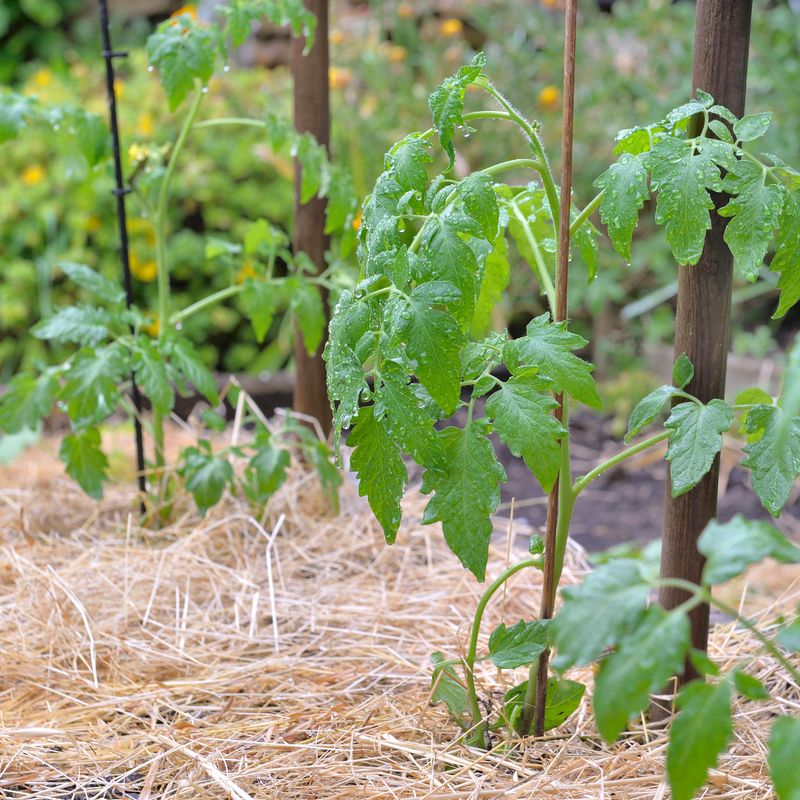
A layer of mulch around your tomato plants does two helpful things at once. It slows evaporation from the soil surface, and it buffers the soil against sharp temperature swings during hot days and cooler nights.
Both benefits matter during an Ohio heat stretch.
Straw is a popular and widely available option. Shredded leaves work well too and are easy to find at the end of the growing season.
A layer of about two to three inches is generally enough to be effective without creating other problems. Piling mulch too thickly can trap excess moisture and restrict airflow near the soil.
Keep mulch pulled back slightly from tomato stems. Mounding material directly against the stem can hold moisture against it and invite rot or pest problems.
A small gap around the base of each plant is a simple habit that protects the stem.
Mulch makes existing soil moisture last longer, but it does not replace the need to water. During a serious heat wave, you still need to check beneath the mulch to assess actual soil conditions.
The surface of the mulch can feel dry while the soil below remains adequately moist, so appearances can be misleading.
An added benefit is that mulch reduces soil splash during watering or rainfall. Keeping soil from splashing onto lower leaves helps limit the spread of certain soilborne diseases, which is a practical bonus for Ohio tomato growers.
6. Heavy Fruit Loads Raise The Demand For Steady Moisture
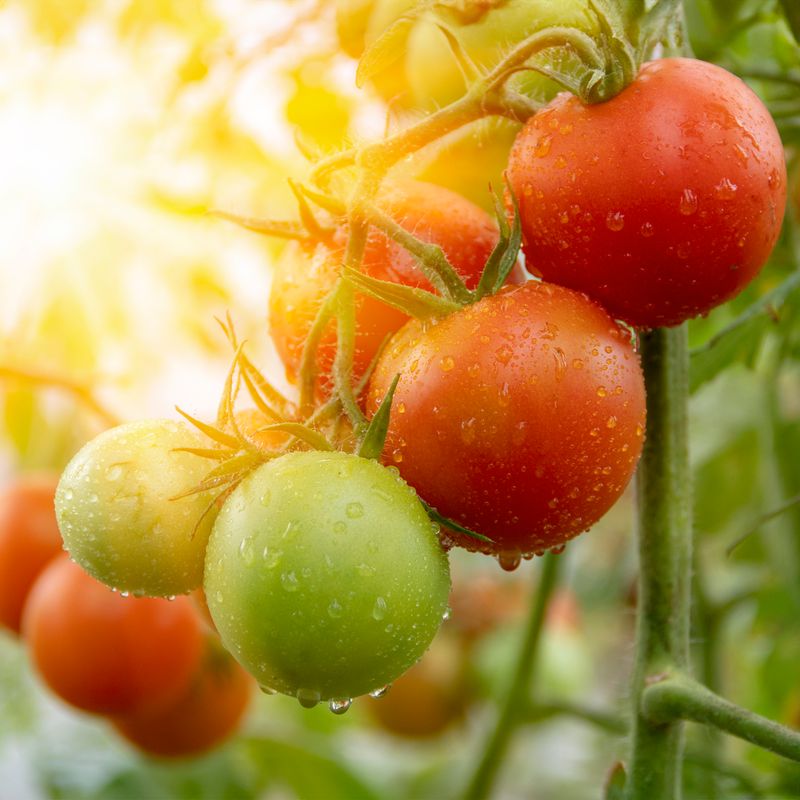
A tomato plant carrying a full load of developing fruit is doing a tremendous amount of work. Leaves are manufacturing food, stems are supporting heavy clusters, and the plant is actively moving water and nutrients throughout its system.
All of that activity requires a steady moisture supply.
Large, actively growing plants can have a substantial demand for water during hot weather. Inconsistent moisture during critical growth periods can affect both fruit quality and plant health.
Keeping the root zone reliably moist, without overdoing it, supports the plant through the most demanding phase of the season.
Blossom-end rot is one condition that often shows up during hot, dry stretches. It appears as a dark, sunken spot on the bottom of developing fruit.
The condition involves the movement of calcium into developing fruit and is closely associated with inconsistent soil moisture. When water supply fluctuates, the plant cannot move calcium efficiently to fast-growing fruit tissue.
Blossom-end rot is not simply a sign of calcium-deficient soil in most Ohio gardens. Fixing irregular watering is the most practical response.
Dumping extra water on plants after the problem appears is not an effective solution. Adding eggshells to the soil will not correct it quickly enough to help fruit already on the vine.
Steady, consistent moisture throughout the season gives fruit the best conditions for healthy development. Dramatic swings between wet and dry are harder on plants than a moderate, reliable supply.
7. Container Tomatoes Can Dry Out Faster Than Garden Plants
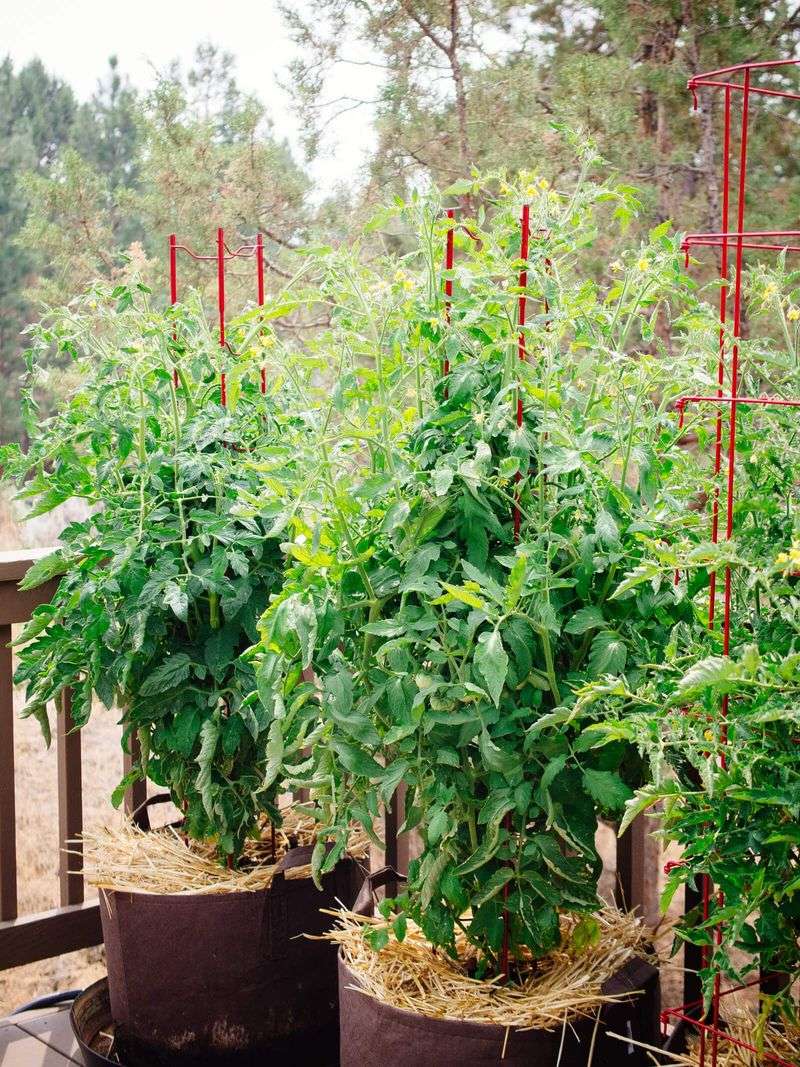
Patio and container-grown tomatoes face a different situation than those planted in the ground. A pot holds a limited volume of potting mix, and a large, thirsty plant can exhaust that moisture surprisingly fast during a heat wave.
The smaller the container relative to the plant, the faster this can happen.
Several factors speed up drying in containers. Direct sun on the pot walls heats the potting mix from the sides.
Dark-colored pots absorb more heat than light ones. Wind pulls moisture from both leaves and the potting mix surface.
Containers sitting on hot concrete or pavement pick up additional heat from below.
A root-bound tomato is an especially high-risk situation. When roots have filled the pot and left little open potting mix, the available moisture runs out very quickly.
Checking frequently during hot weather is the most practical habit you can build for container plants.
Frequent checking does not mean watering every single day without thought. Push a finger an inch or two into the potting mix and feel for moisture.
Lift smaller pots to gauge weight if that is easier. Water when the mix is dry at that depth, and make sure water flows freely out of the drainage holes.
Drainage holes are essential, not a concern. Pots that hold standing water at the bottom can suffocate roots just as effectively as letting the mix go completely dry.
Both extremes cause problems during a demanding August weekend.
8. Check The Soil Before Heat Stress Turns Into A Bigger Problem
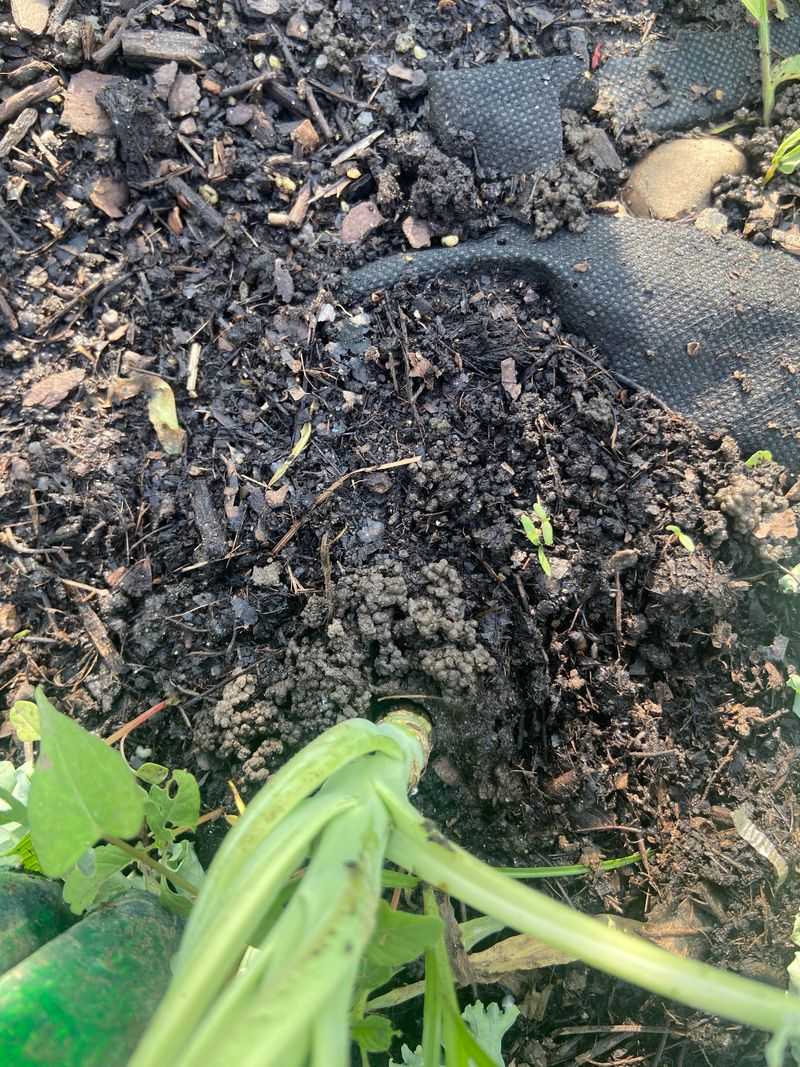
Building a simple pre-weekend routine can help you head into a heat stretch with confidence. Start by checking soil moisture several inches below the surface rather than relying on how the surface looks.
Dry-looking soil can be adequately moist just a few inches down, and the reverse is also true.
A basic finger test works well for garden beds. Push a finger or a thin trowel handle three to four inches into the soil near the root zone.
Moist soil will feel cool and slightly firm. Dry soil crumbles and feels powdery.
That simple check gives you real information to act on.
For containers, lifting the pot is a useful trick. A pot that feels noticeably lighter than usual after a hot day has likely lost a significant amount of moisture.
You can also press a finger into the potting mix about an inch deep to feel the condition directly.
Plan to check again as hot weather continues, not just once before it starts. Soil conditions change as temperatures climb and plants pull moisture from the root zone.
A single check on Friday morning may not reflect what is happening by Saturday afternoon.
Watch for blossom drop or signs of sun-related fruit injury during prolonged extreme heat. These can occur even with good soil moisture.
Avoid heavy fertilizer applications during heat stress, as plants are not actively growing at their normal rate. Steady root-zone moisture gives your tomatoes a better chance through a hot stretch, but it cannot control what the weather decides to do.