Bigger Isn’t Better For Ohio Cucumbers – Here’s When To Actually Pick Them
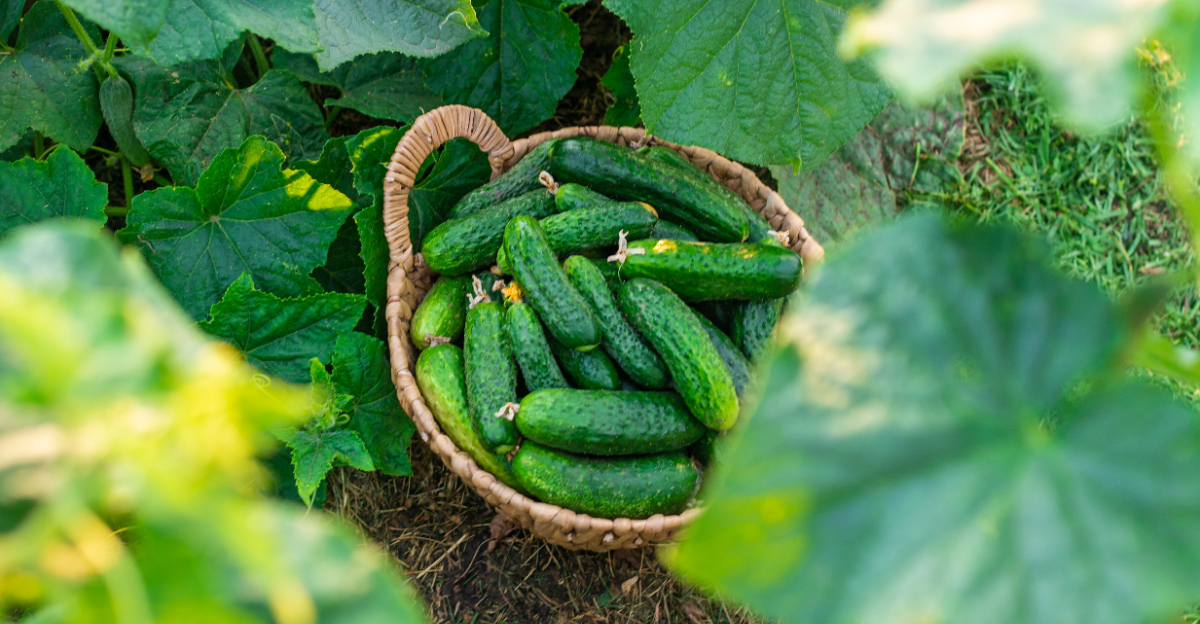
The cucumber looks like it needs a few more days. It almost certainly does not.
That extra time on the vine is not improving anything. It is making the cucumber bitter, seedy, and tough in ways that no preparation fixes after the fact.
Size is the wrong signal entirely. Ohio cucumbers are ready long before they match the grocery store dimensions most people are waiting for.
By the time it gets there, the window has passed. The plant has already shifted energy toward seed development inside the cucumber that should have been picked last week.
Waiting costs the harvest twice. A poor cucumber now and fewer cucumbers after because the plant read the delay as a signal to slow production.
Picking at the right moment keeps everything moving. Knowing when that moment actually arrives is the part most Ohio gardeners figure out one cucumber too late.
1. Six To Eight Inches Is The Sweet Spot For Most Slicers
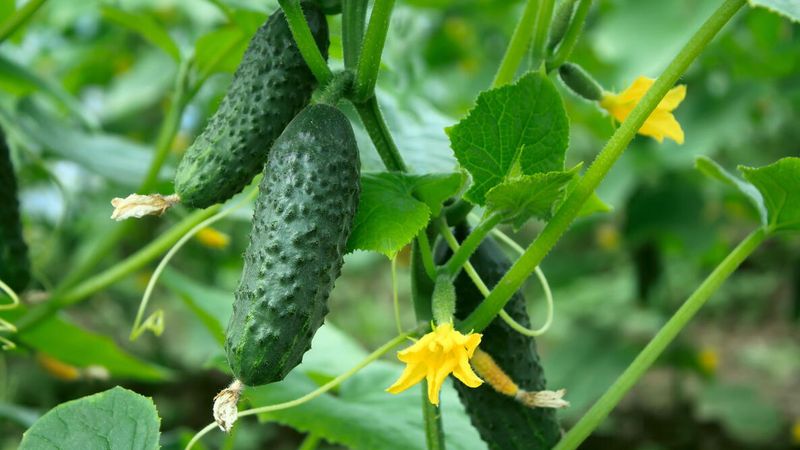
Grabbing a ruler might feel a little silly in the garden, but size really does matter for slicing cucumbers. Most standard slicing varieties taste best when harvested between six and eight inches long.
At that length, the skin is tender, the flesh is firm, and the seeds are still small and soft.
Waiting for fruit to grow noticeably past eight inches often leads to tougher skin and a slightly hollow center. The seeds begin to firm up, and the texture you expect from a fresh cucumber starts to fade.
That crisp snap when you bite in is much harder to get from an oversized slicer.
Cultivar differences matter here. Long-fruited specialty slicers, like some Asian or burpless varieties, may have target sizes well beyond eight inches.
A standard American slicer and a specialty long cucumber are not the same plant. Always check the seed packet or the cultivar description so you know the right size for what you are growing.
Shape and color also give useful clues. A slicer ready to pick should be uniformly cylindrical, not swollen or tapered at the blossom end.
The skin should look bright and evenly colored. Fruit that starts to bulge or look uneven has likely been on the vine a little too long.
2. Pickling Cucumbers Are Ready Long Before They Look Full Grown
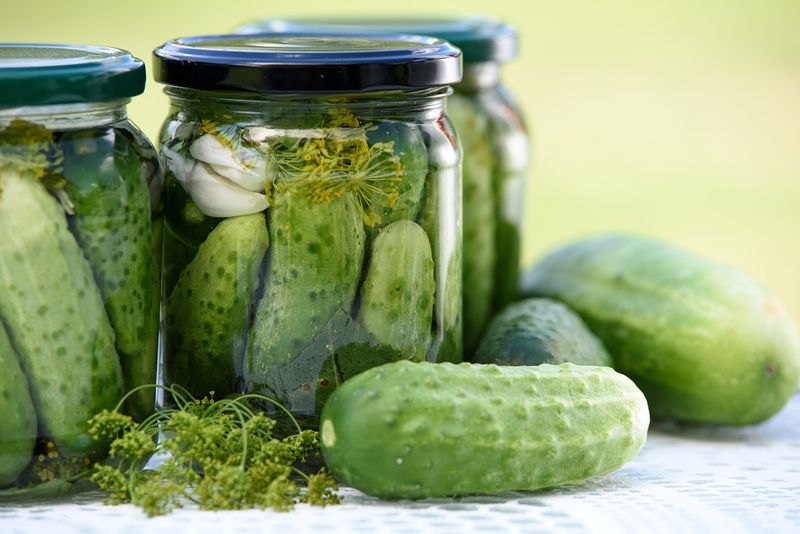
Pickling cucumbers move fast. They can go from flower to harvest-ready in less than two weeks during hot Ohio summers.
Most home gardeners are surprised by how small these cucumbers should be when picked.
For small whole pickles and gherkin-style recipes, fruit between one and a half and three inches long is ideal. For larger dill pickles, you might let them reach three to five inches.
Going beyond that range means softer flesh, firmer seeds, and a finished pickle that lacks the crunch most people are after.
The skin on a pickling cucumber at the right stage should be firm and dark to medium green with small white or black spines. Pale or yellowish skin is a sign the fruit has been on the vine too long.
Your Ohio Garden Changes Every Week. Your Plan Should Too.
Gardening in Ohio changes quickly throughout the season. Every Friday you’ll receive a simple weekly plan showing exactly what to plant, prune, fertilize, harvest, and protect so you never miss the right timing.
Soft spots or a dull surface are also signals to watch for.
Because pickling varieties grow so quickly, checking your plants every day or two during peak season is genuinely useful. Missing even one day can mean the difference between a crisp pickle and a mushy one.
Frequent picking also keeps the plant producing new fruit, which is exactly what you want when you are trying to fill jars. Never wait for a pickling cucumber to look like a slicer before you harvest it.
3. Dark Green Skin Signals Better Timing Than Maximum Size
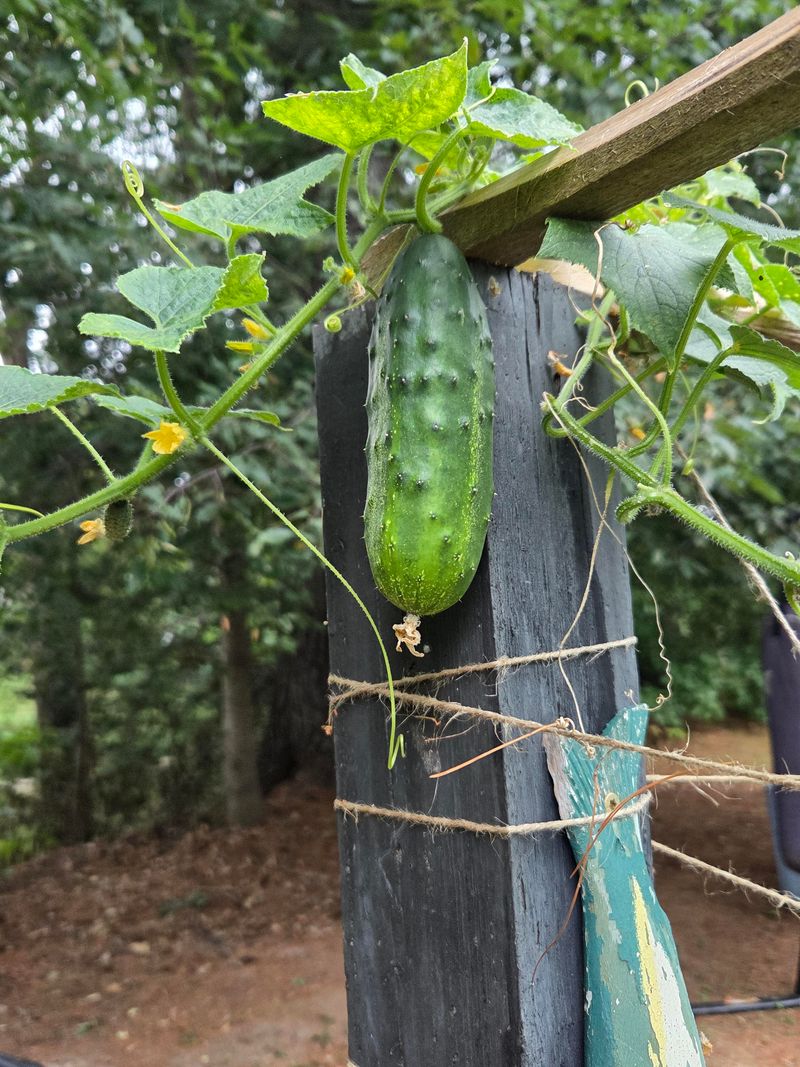
Skin color is one of the most reliable signals a cucumber sends you. For the most common green varieties grown in Ohio, a deep, rich green color usually means the fruit is at or near its best eating stage.
That bright color tells you the skin is still tender and the flesh inside is firm.
As a cucumber stays on the vine past its prime, that deep green often starts to fade. The skin can shift toward a lighter, dull green before eventually turning yellow.
Each color change signals that the fruit is moving further from its peak eating quality.
Color alone should not be your only guide, though. Firmness and shape matter just as much.
A fruit that feels slightly soft when you press it gently has likely been hanging too long. A cucumber at the right stage should feel solid from end to end with no give.
Specialty cucumbers follow their own color rules entirely. Lemon cucumbers are naturally yellow at harvest.
Some varieties are pale, white, or striped, and none of those colors mean the fruit is past its prime. Learn the normal mature appearance of the specific cultivar you are growing before using color as a harvest signal.
Seed packets and plant tags usually describe what the ripe fruit should look like for that variety.
4. Hardening Seeds Mean The Harvest Window Is Slipping Away
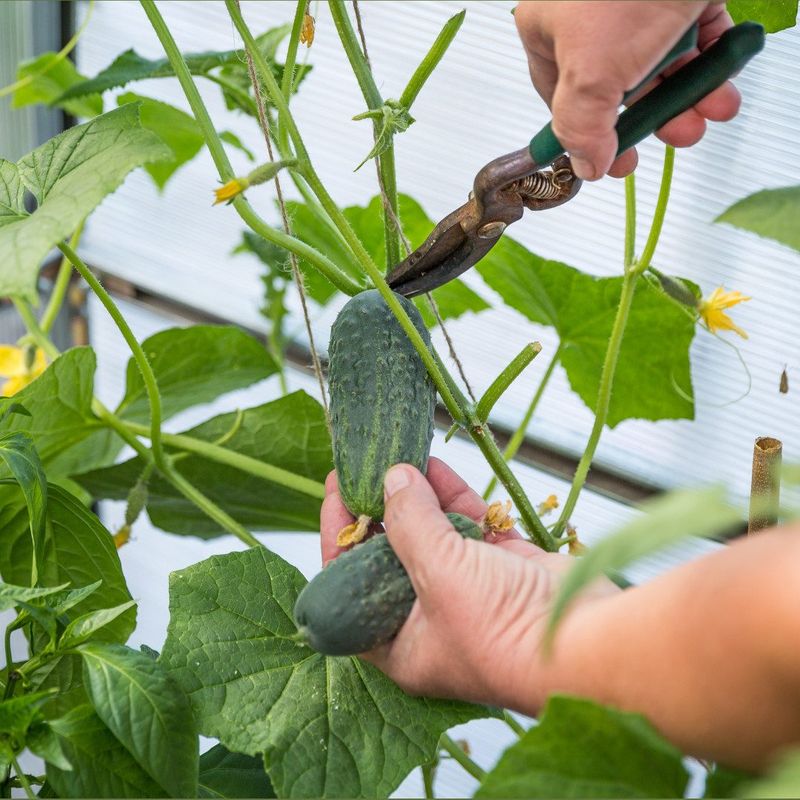
Slicing a cucumber open tells you a lot about whether you picked it at the right time. Young fruit at the ideal harvest stage has seeds that are barely noticeable.
They are small, soft, and blend right into the flesh without any toughness.
As a cucumber matures further on the vine, those seeds grow larger and begin to firm up. The seed cavity can also widen, leaving more open space inside the fruit.
That combination of firmer seeds and a more hollow center changes the texture of every bite you take.
Fruit with noticeably large, firm seeds is not automatically unsafe to eat. You can still use it in cooked dishes, soups, or salsas where texture matters less.
For fresh eating and slicing, though, the experience is noticeably different from a cucumber picked at the right stage.
Seed development is one of the most honest indicators of how long a cucumber has been on the vine. It works alongside size, color, and firmness to give you a fuller picture of where the fruit stands.
Relying on just one signal can sometimes mislead you, especially with cultivars that run a little larger or smaller than average. When seeds start firming up noticeably, that harvest window is narrowing fast, and picking soon is the better choice for fresh eating quality.
5. Yellowing Skin Is A Sign The Fruit Stayed Too Long
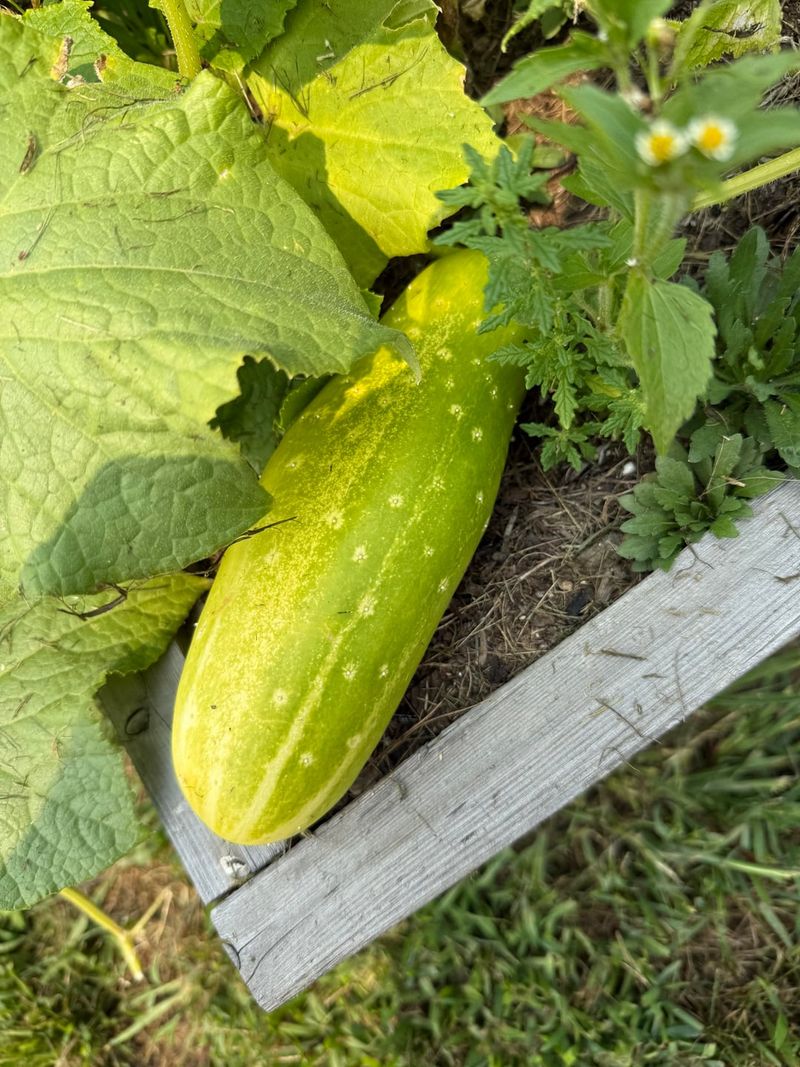
Finding a yellow cucumber tucked beneath the leaves is a common experience for Ohio gardeners. For most standard green varieties, that yellow color is a clear sign the fruit stayed on the vine past its best eating stage.
The plant has been working hard to mature those seeds, and the eating quality has moved on along with it.
A cucumber that has reached this stage is not spoiled in the way that rotting produce is. Overmaturity and decay are two very different things.
An overmature cucumber may still be intact and structurally sound. However, the skin tends to be tougher, the seeds are firm and large, and the flavor is often more bitter or flat than in fruit picked earlier.
Removing yellow cucumbers from the vine is still a smart move even if you do not plan to eat them. Leaving overmature fruit in place sends a signal to the plant that its reproductive job is done, which can slow new flower and fruit production.
Naturally yellow cultivars, like lemon cucumbers or some specialty varieties, should not be judged by this standard. Their yellow color at harvest is completely normal and expected.
Always know your cultivar before using skin color as a guide. A pale yellow on a lemon cucumber means it is ready, while the same color on a Straight Eight means you waited a little too long.
6. Oversized Cucumbers Trade Crisp Texture For Tougher Bites
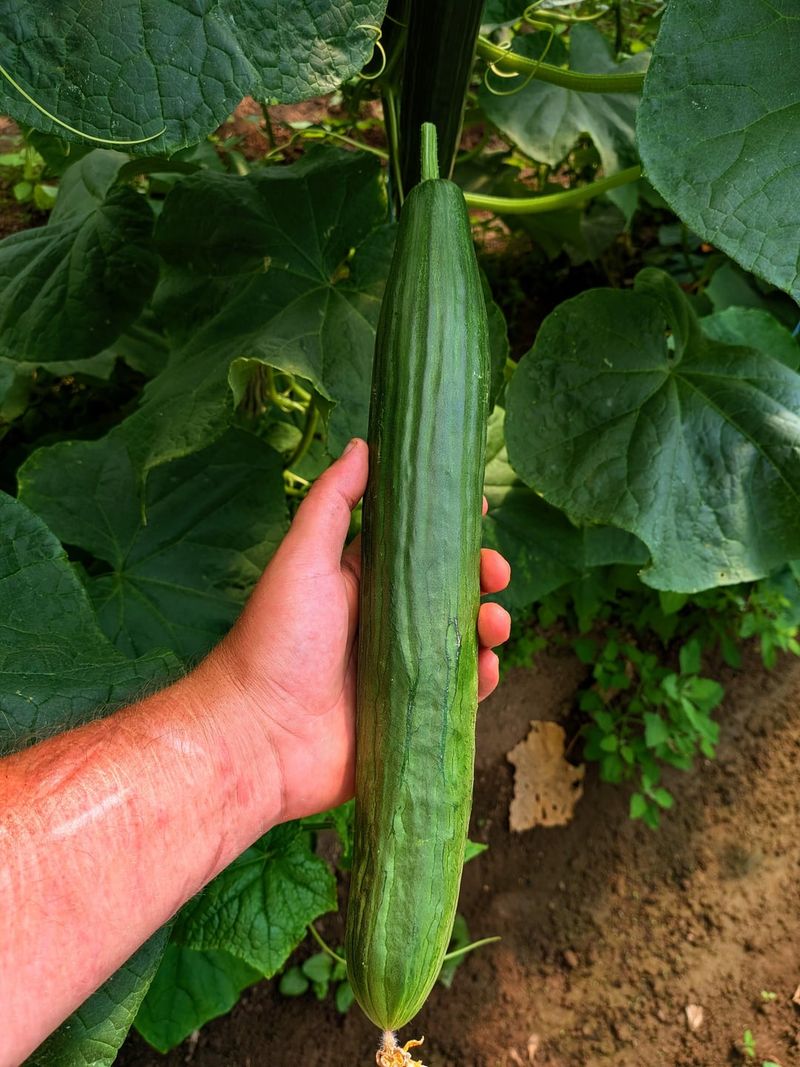
There is a real difference between pulling a perfectly sized cucumber and biting into one that grew past its window. The texture shift is the first thing most people notice.
That satisfying crunch gives way to something softer, chewier, and less refreshing.
The skin on an oversized cucumber tends to toughen as the fruit matures. It can become waxy or thick in a way that feels unpleasant when eaten raw.
The flesh may also take on a slightly spongy quality, especially near the seed cavity, where water content and cell structure have both changed.
Bitterness is sometimes mentioned with oversized cucumbers, but it is not an automatic result of size alone. Bitterness in cucumbers is connected to compounds called cucurbitacins.
Their levels are influenced by water stress, genetics, growing conditions, and harvest timing. Not every large cucumber will taste bitter, but the texture changes are much more consistent and harder to avoid.
Oversized fruit is not necessarily a total loss. Seeding it out and using the flesh in a chilled soup, a blended dip, or a cooked dish can still give you good results.
For fresh salads and snacking, though, earlier harvest almost always delivers a better experience. Picking at the right stage for your specific variety is the most reliable path to the texture and flavor you are after.
7. Leaving Mature Fruit On The Vine Can Slow New Production
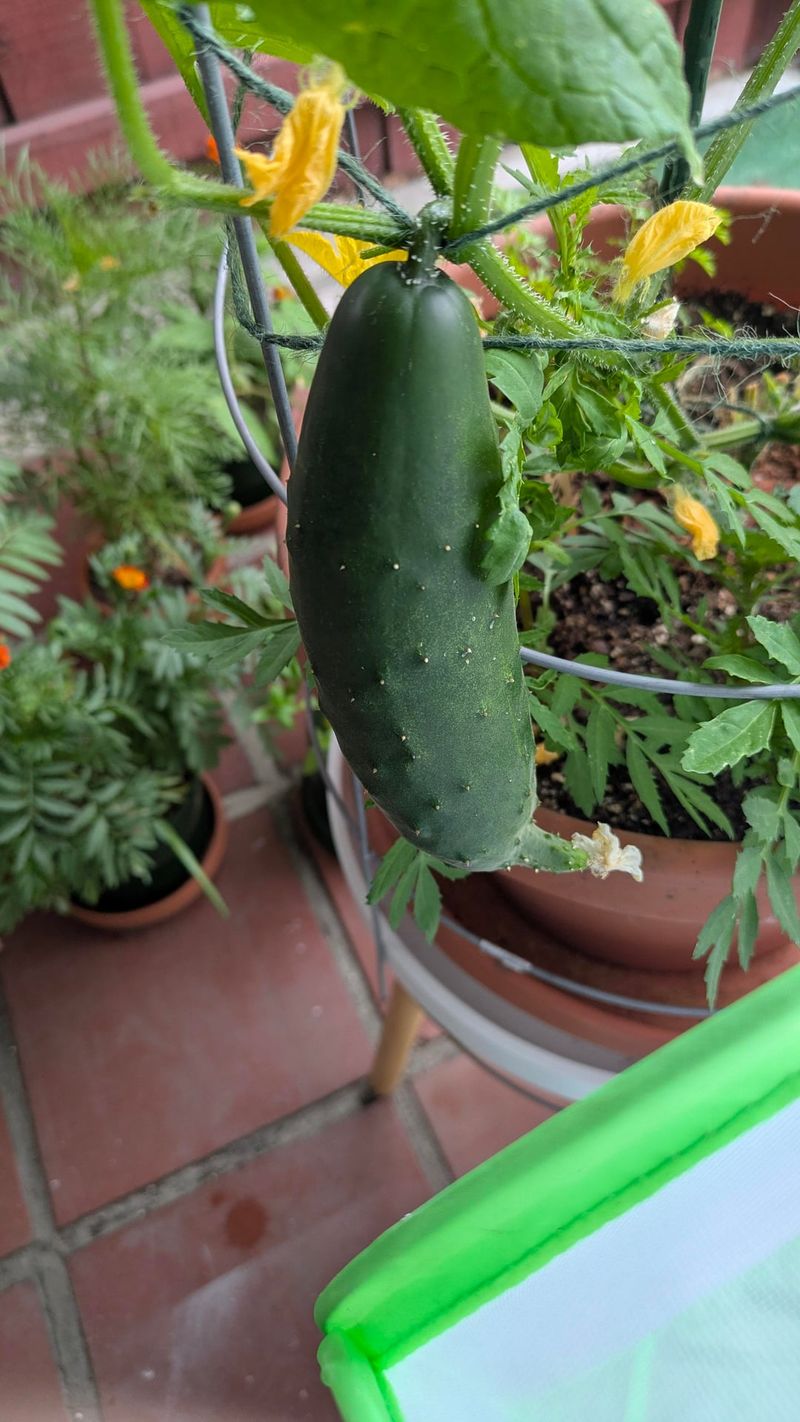
A cucumber plant is focused on one biological goal: producing seeds and completing its reproductive cycle. Once fruit on the vine reaches full maturity and seeds develop fully, the plant gets a signal that its work is nearly finished.
New flower production can slow, and the number of young fruits setting on the plant may drop noticeably.
Regular harvesting interrupts that signal. When you remove fruit before it reaches full seed maturity, the plant keeps working to produce more.
For Ohio gardeners trying to get a long season of usable cucumbers, this is one of the most practical reasons to pick often and pick at the right stage.
Removing fully mature or overmature fruit is worth doing even when you do not plan to use it. Leaving it in place does not help the plant and may contribute to a shorter productive period overall.
Pull it off and compost it so the plant can redirect its energy.
Plant age, disease pressure, heat, and the length of Ohio’s growing season all play a role in how long a cucumber plant stays productive. No amount of timely harvesting will keep an old or stressed plant going indefinitely.
Regular picking is one tool among several, but it is a genuinely useful one. Staying on top of your harvest gives the plant the best conditions to keep producing through the warmest weeks of summer.
8. Check The Vines Every Day Once Cucumbers Start Coming In
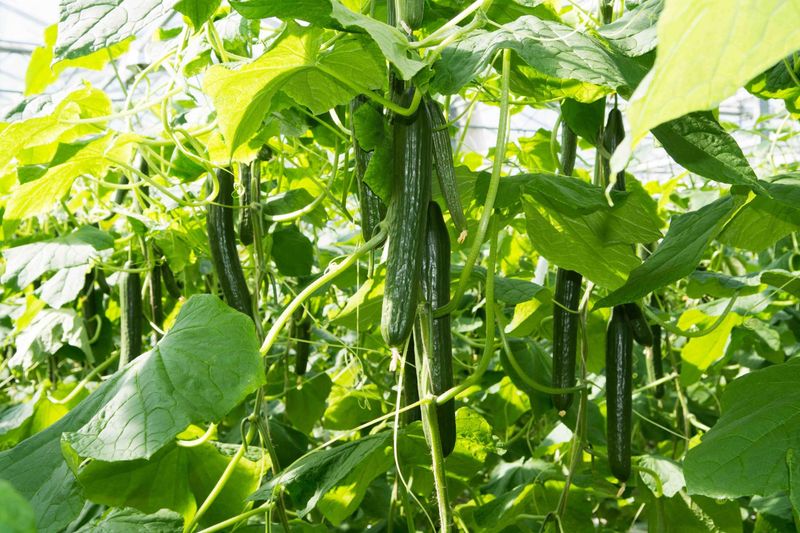
Warm Ohio summers can push cucumber growth faster than most gardeners expect. A fruit that looks about right on Monday morning can be noticeably larger by Wednesday afternoon.
During the hottest weeks of the season, checking your vines every day or every other day is a genuinely practical habit, not an overreaction.
Cucumbers are skilled at hiding. They tuck themselves under broad leaves, hang behind trellises, and blend into the foliage in ways that make them easy to miss.
Running your hand along every stem and lifting leaves as you go gives you a much better chance of spotting fruit before it grows past its best stage.
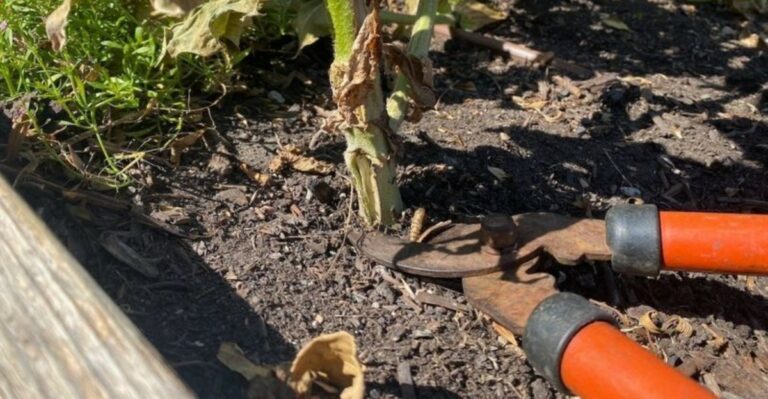
Harvesting the right way also matters. Use a pair of clean scissors or garden pruners to cut the stem about a quarter inch above the fruit.
A clean cut causes less stress to the vine than pulling or twisting, which can damage the stem and nearby growth. Aggressive twisting is worth avoiding, especially on younger or more delicate vines.
Keeping a small basket or bag with you during your garden check makes it easy to harvest everything that is ready in one trip. The best cucumber from your Ohio garden is usually the one picked at exactly the right stage for its type.
It is not necessarily the one that grew the longest or the largest. Size is just one part of a bigger picture.