What It Means When Palo Verde Beetles Show Up In Your Arizona Yard
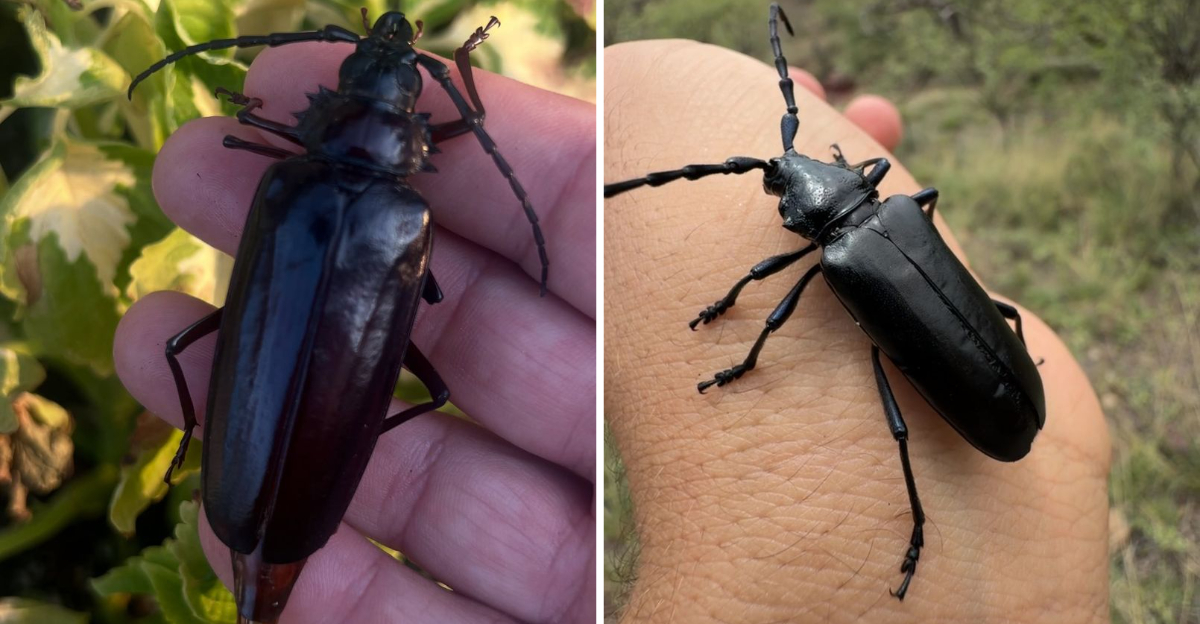
Your porch light just turned into a landing strip. That’s not a rock hitting the screen door, that’s a Palo Verde beetle the size of a AA battery, and it’s only the first of many tonight.
Nobody warns you about this part of monsoon season. One humid night flips a switch underground, and suddenly your yard is staging a beetle exodus three years in the making.
Arizona natives still flinch when the first one hits the window, no matter how many summers they’ve survived this. The bugs aren’t confused, they’re following a signal, and once you know what it is, the whole show makes sense.
Here’s what’s actually pulling these beetles out of the ground, why your Palo Verde tree specifically drew the short straw, and what to do besides abandoning the yard for the night.
Their Presence Points To Root-Feeding Grubs Underground
Something big is happening beneath your feet right now. When Palo Verde beetles appear above ground, their larvae have already been living underground for up to three years.
Those larvae are called grubs, and they feed on the roots of trees. The beetle you see flying around your porch light is just the final chapter of a long underground story.
Each grub can grow up to five inches long before it pupates. They chew through woody root material, slowly working their way closer to the surface as they mature.
Spotting an adult beetle in your Arizona yard is a signal. It means the soil beneath nearby trees has likely hosted a colony of these root-feeders for years already.
The grubs prefer the roots of Palo Verde trees, but they are not picky. Cottonwoods, willows, and fruit trees can also become host sites.
Homeowners often feel alarmed when they connect the dots. Finding one beetle means there could be dozens of grubs still underground, feeding away on root systems.
Healthy, established trees can usually tolerate this feeding without lasting harm. Younger or stressed trees face a harder road when grubs are active nearby.
Paying attention to your tree health throughout the year matters more than reacting to adult beetles in summer. Early detection of root stress can make a real difference for vulnerable plants in your yard.
These Large Beetles Emerge In Arizona Summers For One Reason
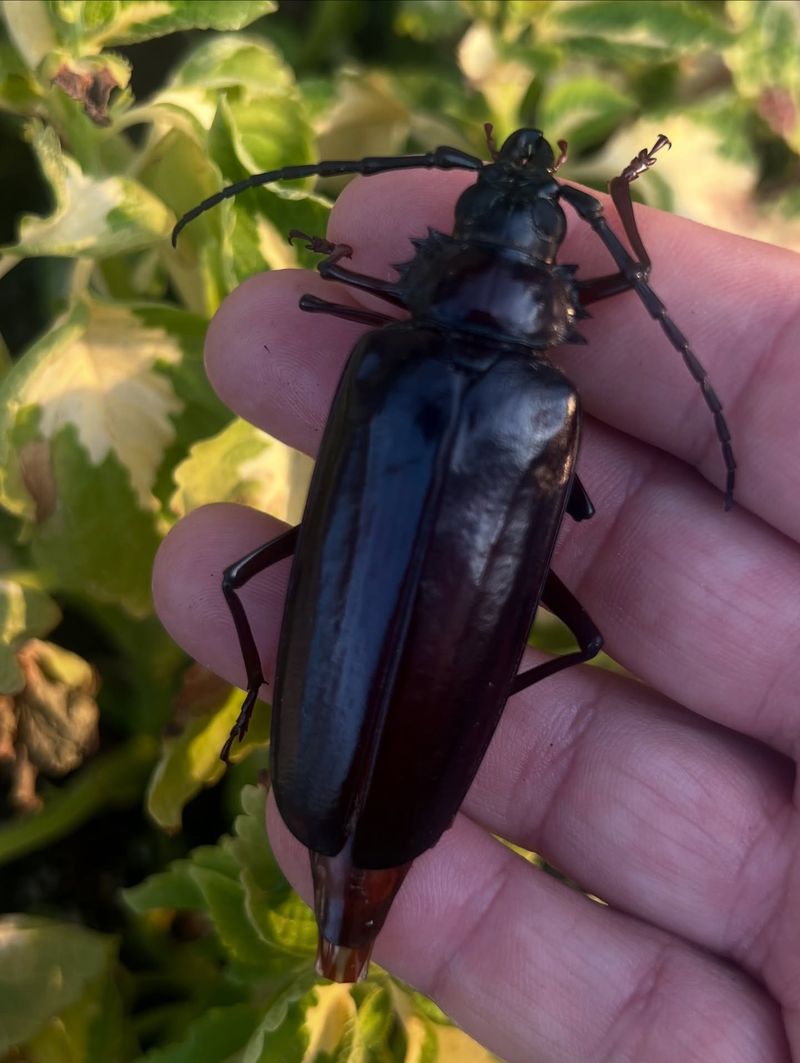
Timing is everything in the desert. Palo Verde beetles emerge almost like clockwork, typically appearing between June and August each year.
Their emergence lines up perfectly with monsoon season. The moisture that arrives with summer storms seems to trigger the final stage of their development underground.
Adult beetles are driven by one urgent mission after they surface. They need to find a mate before their short adult lifespan ends, usually within just a few weeks.
Males fly in search of females, which is why you often see these beetles buzzing around lights at night. Artificial lights confuse them, pulling them off course from their natural navigation.
Females do not fly as much as males do. They tend to stay closer to the ground, searching for the right spot to lay eggs near tree roots.
Your Arizona Garden Changes Every Week. Your Plan Should Too.
Gardening in Arizona changes quickly throughout the season. Every Friday you’ll receive a simple weekly plan showing exactly what to plant, prune, fertilize, harvest, and protect so you never miss the right timing.
Once eggs are laid, the cycle starts all over again. New larvae will hatch and begin burrowing down into the soil to feed for the next two to three years.
Heat plays a role in triggering emergence too. Soil temperatures rising during early summer months stimulate pupae to complete their final transformation into adult beetles.
So when you see one of these giants lumbering across your driveway in July, the desert is simply running its ancient seasonal schedule. Monsoon rains, rising heat, and biological timing all converge to produce that unforgettable summer encounter right in your own backyard.
These Trees And Shrubs Are Most At Risk
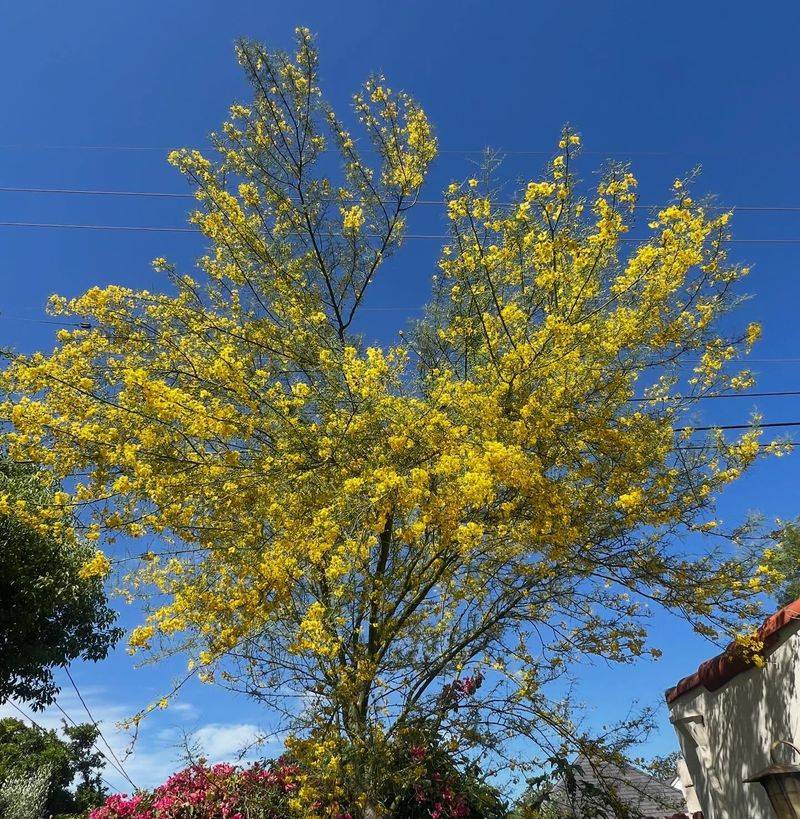
Not every tree in your Arizona yard faces equal risk. Certain species are far more attractive to egg-laying female beetles than others.
The Palo Verde tree is the most commonly targeted host, which is where the beetle gets its name. These trees are iconic in desert landscaping, and they are also prime real estate for beetle larvae.
Cottonwood trees rank high on the list too. Their large, moisture-rich root systems offer exactly the kind of feeding environment that grubs love during their long underground phase.
Willow trees planted near wash areas or irrigated garden zones are also vulnerable. Their roots tend to spread wide and stay moist, making them an easy target for young larvae.
Fruit trees, including citrus, peach, and fig, can become hosts as well. Homeowners growing edible gardens near desert soil should keep an eye on root zone health each season.
Shrubs are generally at lower risk because their root systems are smaller. Grubs prefer larger, woody roots that can sustain feeding over multiple years without being fully consumed.
Newly planted trees face the greatest danger. A young tree with a limited root system cannot tolerate heavy larval feeding the way a mature specimen can.
Focusing extra care on young trees during monsoon season is a smart move. Proper watering and soil health give new plantings a fighting chance against the underground pressure that Palo Verde beetles can bring to your yard.
Telling Palo Verde Beetles Apart From Other Large Insects
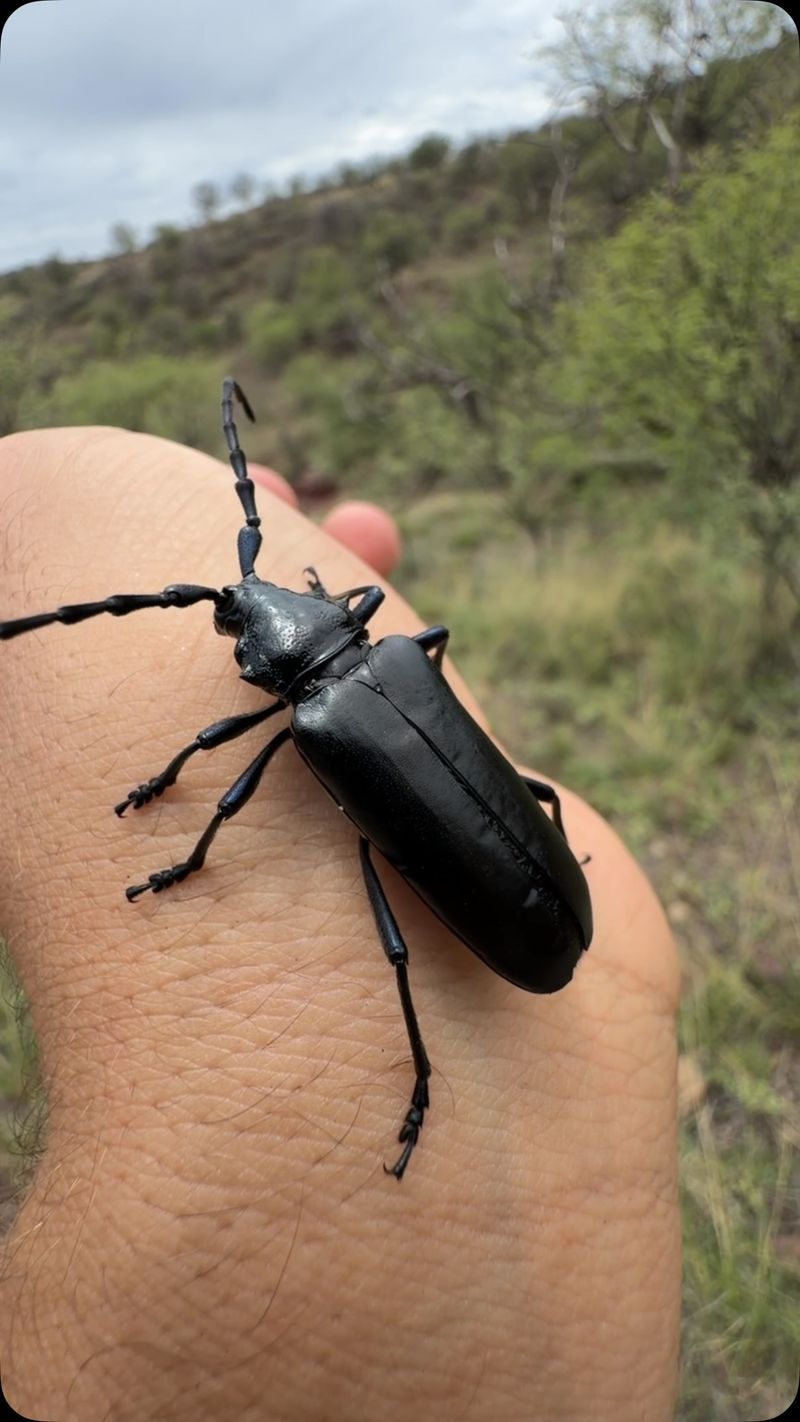
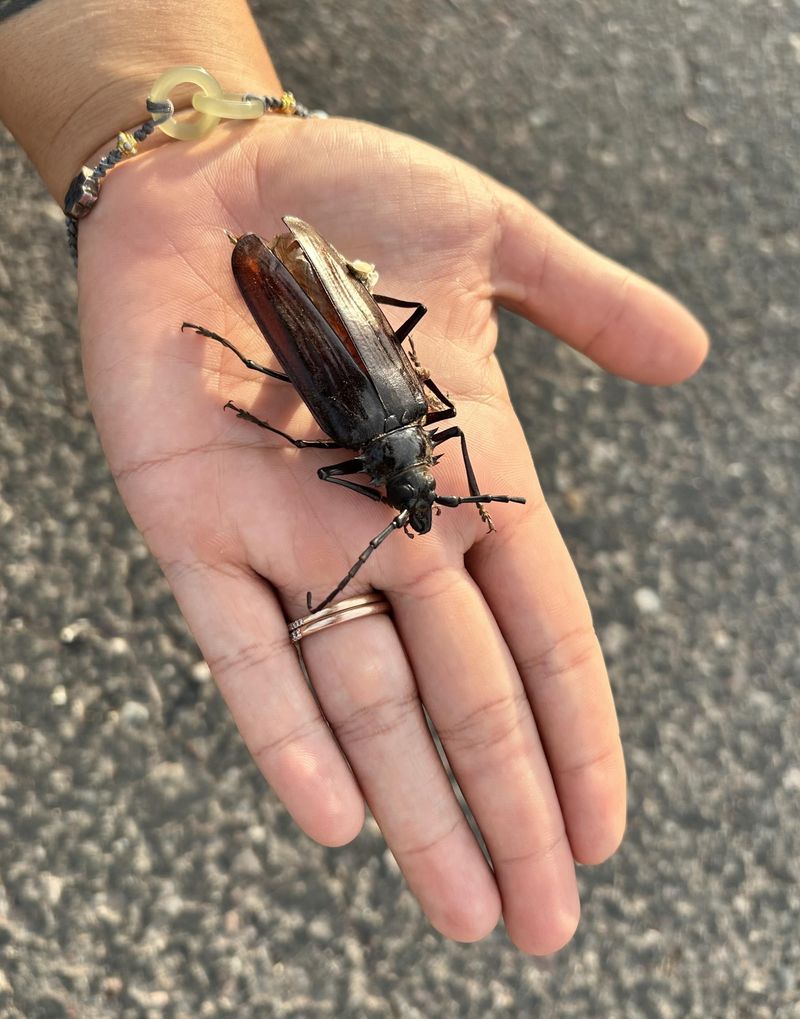
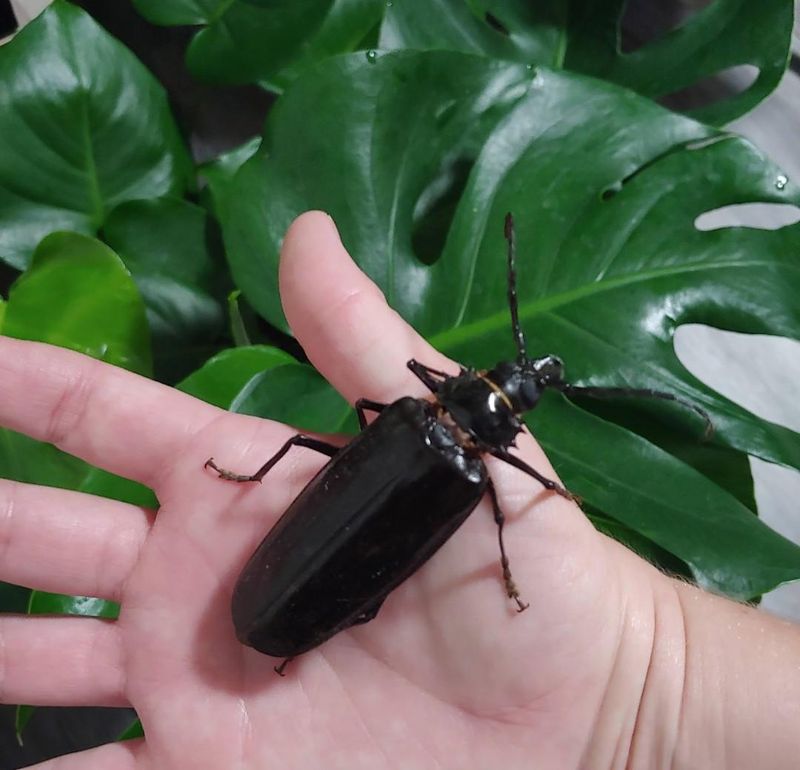
First-time encounters with these beetles can be genuinely startling. Their size alone, sometimes reaching three to four inches in length, puts them in a league of their own.
Palo Verde beetles belong to the longhorn beetle family, called Cerambycidae. Their most distinctive feature is their extremely long antennae, which can match or exceed their body length.
The body color ranges from dark brown to nearly black, with a slightly textured, armor-like surface. Up close, they look like something out of a science fiction movie set in the desert.
Comparing them to other large local insects helps with identification. Giant mesquite bugs are also large but are flat, reddish-orange, and found clustered on mesquite pods, not flying solo at night.
Tarantula hawks are another big desert insect people sometimes confuse with beetles. However, tarantula hawks are wasps with bright orange wings and a completely different body shape.
Rhinoceros beetles also appear in the region and share a similar size. The difference is their prominent horn on the head, which Palo Verde beetles don’t have.
The long antennae are always the clearest giveaway. Few other beetles in the Sonoran Desert region sport antennae that dramatic in proportion to their body size.
Once you know what to look for, spotting a Palo Verde beetle becomes almost exciting rather than frightening. Recognizing them correctly helps you respond calmly and make smarter choices for your Arizona yard and trees.
Are They Actually Harmful To Established Trees
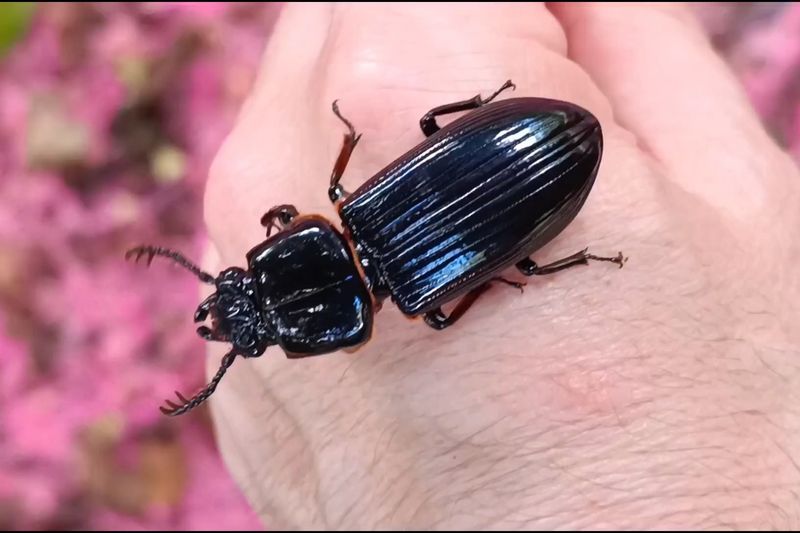
Here is the honest truth that most people are relieved to hear. Fully established, healthy trees can almost always survive Palo Verde beetle larval feeding without serious long-term damage.
A mature tree has an extensive root system that goes far deeper and wider than grubs typically reach. Losing a portion of surface roots rarely threatens a tree that has been growing for a decade or more.
Stressed trees tell a different story. A tree already struggling with drought, disease, or compacted soil has less reserve capacity to handle the added pressure of root-feeding larvae.
Watch for warning signs like thinning canopy, yellowing leaves, or branches losing vigor from the tips inward. Those symptoms can indicate that a tree is struggling, possibly from multiple stressors including larval activity.
Proper irrigation is one of the best defenses you can offer a tree. Deep, infrequent watering encourages roots to grow downward and outward, building resilience against surface-level feeding pressure.
Mulching around the base of trees also helps maintain soil moisture and temperature. A healthy root environment supports faster recovery when feeding damage does occur.
Avoid over-fertilizing trees during beetle season. Excessive nitrogen promotes lush, soft growth that can actually attract more insect activity rather than deterring it.
Established trees in well-maintained yards tend to coexist with Palo Verde beetles season after season without visible decline. Keeping your trees genuinely healthy is the most powerful protection strategy available to any Arizona homeowner.
Living With Palo Verde Beetles Without Overreacting
Take a breath, because these beetles are not out to ruin your Arizona yard. They are part of the natural desert ecosystem that has existed long before subdivisions arrived on this land.
Spraying pesticides at adult beetles is largely ineffective and unnecessary. By the time adults emerge, the root-feeding stage is already complete, so surface sprays do not address the actual concern.
Turning off or redirecting outdoor lights during peak beetle season helps reduce nighttime encounters. Beetles are strongly attracted to bright artificial light, so switching to yellow or amber bulbs cuts down on fly-bys near your door.
If a beetle lands on you or your furniture, stay calm and brush it off gently. Despite their intimidating appearance, Palo Verde beetles do not sting and rarely bite unless handled roughly.
Children and pets are generally safe around them. A curious dog might try to eat one, which is harmless but probably not a pleasant experience for either party involved.
Keeping your yard clean of decaying wood and old tree stumps removes potential egg-laying sites. Females prefer laying eggs near decomposing or stressed woody material close to the soil surface.
Monitoring tree health consistently throughout the year does more good than any panic response during monsoon season. Strong trees, smart watering, and a little desert knowledge go a long way.
Palo Verde beetles are a sign that your desert yard is alive and connected to something ancient. Lean into that perspective, and summer nights in your Arizona yard become a whole lot more interesting.